


January 22, 2026
Audacity At The Australian Open: Naomi Osaka Wins The Match & The Battle Against Forced Silence By Her Opponent
For those who know the game, vocalizing self-motivation is a foundational element of the sport.
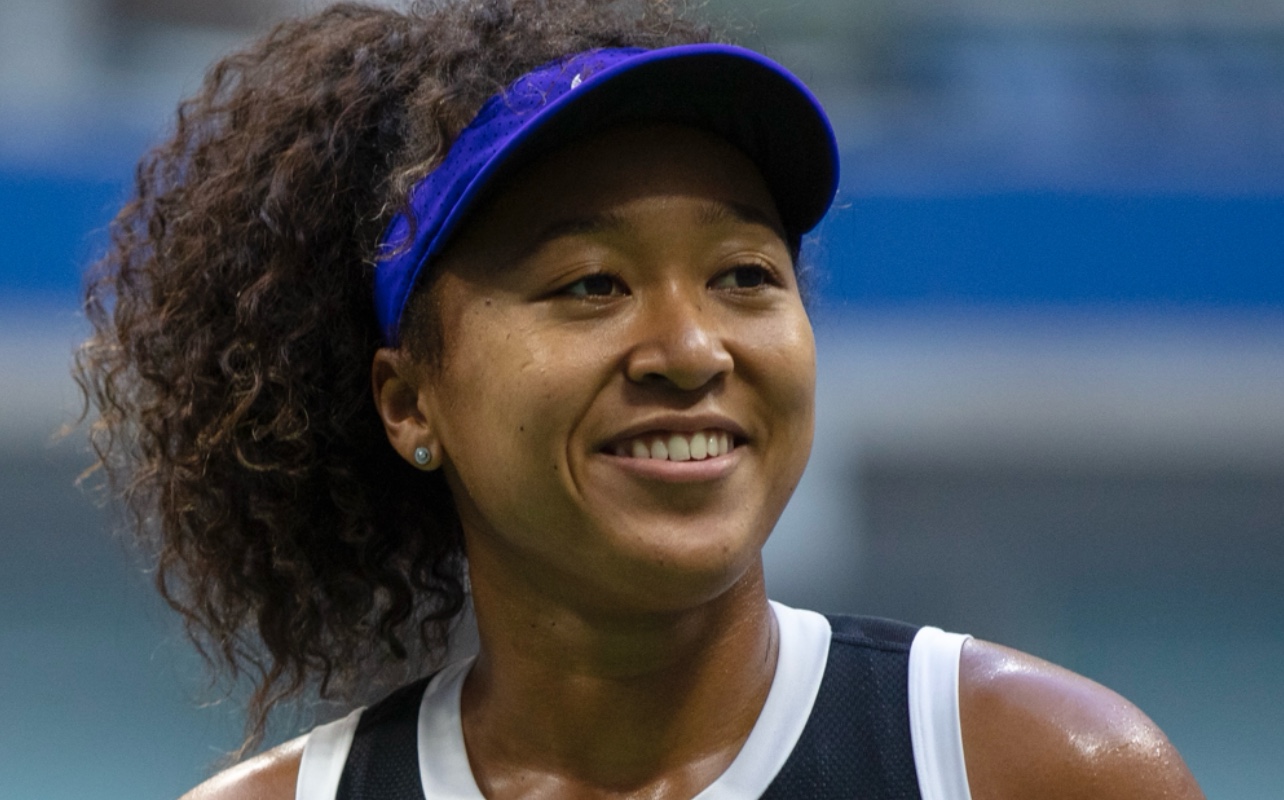
Naomi Osaka’s second-round victory over Sorana Cirstea at the Australian Open was a masterclass in resilience. Still, the final score was almost overshadowed by a dispute over a two-word phrase, “Come on.”
For those who know the game, vocalizing self-motivation is a foundational element of the sport. Yet, for Osaka, her use of the phrase between serves “became a point of contention that Cirstea brought directly to the chair umpire.
“Is this OK?” Cirstea questioned. “To do ‘come on’ between points?”
The umpire was clear in her stance, noting that Osaka’s hype occurred before the serve was even initiated. “You hadn’t got the ball yet either. This is fine,” the umpire responded.
Undeterred, Cirstea continued her line of questioning: “So I can talk between points? Can I go ‘come on’ and talk?”
“You’re not serving yet, so it’s not a hindrance to you. So this is Ok” the umpire replied, reaffirming Osaka’s right to occupy her own space emotionally.
The victory, secured through that very grit, was met with a frosty net exchange. Cirstea offered a dismissive handshake and pointed words that left Osaka visibly caught off guard.
In the immediate aftermath, Osaka was candid, “Apparently, a lot of ‘c’mons’ that she was angry about, but whatever. I mean, I tried to play well, I tried my best. She’s a great player. I think this was her last Australian Open, so, OK, sorry she was mad about it.”
Sorana Cirstea wasn't a fan of Naomi Osaka hyping herself up 😳 pic.twitter.com/XPSsNLNQPn
— TNT Sports (@tntsports) January 22, 2026
This friction isn’t just about tennis etiquette; it’s about the persistent “Karen” behavior that follows Black women to the baseline.
This calculated policing of Osaka’s space operates as a microaggression, leveraging discomfort to discipline Black excellence into something quieter, smaller and more digestible for white consumption.
History shows a clear disparity in how passion is categorized. When white players display fire, it’s labeled “competitive spirit.” When Black players like Osaka or Taylor Townsend—who was told by Jelena Ostapenko in 2025, “You have no class, you have no education”—show the same, it is branded as “disrespect” or a “distraction.”
Such coded slights function as psychological restraints, reinforcing white validation as the benchmark for Black women’s autonomy while pathologizing their competitive excellence as a character flaw.
Research into Serena Williams’ career has already laid the groundwork for understanding this phenomenon. Black players often face a specific brand of microaggression that polices their bodies, their tone, and their right to be loud.
Even in her victory, Osaka felt the pressure to take the “Higher Road,” eventually offering an apology for her post-match candor.
“I guess that emotions were very high for her. I also want to apologize,” Osaka told reporters. “I think the first couple things that I said on the court was disrespectful. I don’t like disrespecting people. That’s not what I do.”
Cirstea, 35, opted to exit the tournament—and her final Australian Open—by downplaying the drama and expertly dancing around questions reporters lobbed at her about her behavior and the exchange.
“There was no drama,” she told reporters. “It was just a five-second exchange between two players who have been on a tour for a long time. It stays between us. For me, this was my last match at the Australian Open, so I think I’d like to stay with that.”
The message is clear: A Black woman’s success is still too often contingent on her silence.
Osaka advanced in the bracket, but the double standard applied to Black players remains intact.
RELATED CONTENT: Op-Ed: Coded In Red, White, And Blue; The Dept. Of Labor Posts A Confederate-Like Flag On ‘X’ And The Nation Stayed Silent