


January 12, 2026
Investor Group Looks To Buyout Uncle Nearest $108M Loan To Speed Up Sale
While spectators may think the case is about cleaning up a debt, it's more about who has control in Uncle Nearest’s future as it is unclear who has the final say when a company is in receivership.
Uncle Nearest Whiskey brand may be receiving some saving grace, as an investor group is seeking to buy out the $108 million loan to speed up the potential sale, the Lexington Herald Leader reports.
A group of individual and institutional investors who make up the investor group NexGen2780 hopes to buy out the $108 million loan to Kentucky lender Farm Credit, in hopes of speeding up the sale of the troubled Black-owned spirits brand owned by Fawn and Keith Weaver. Walter Miles of Johns Creek, Georgia, presented the idea in a letter filed in federal court before U.S. District Judge Charles E. Atchley Jr.
The Tennessee-based whiskey and bourbon brand has been in receivership since Fall 2025, with the Weavers fighting to regain control of the brand and to stop the sale of assets, including the popular distillery. Recently, the owners filed a civil lawsuit against former chief financial officer Michael Senzaki, accusing him of forging stock transfers and corporate fraud, costing the brand millions.
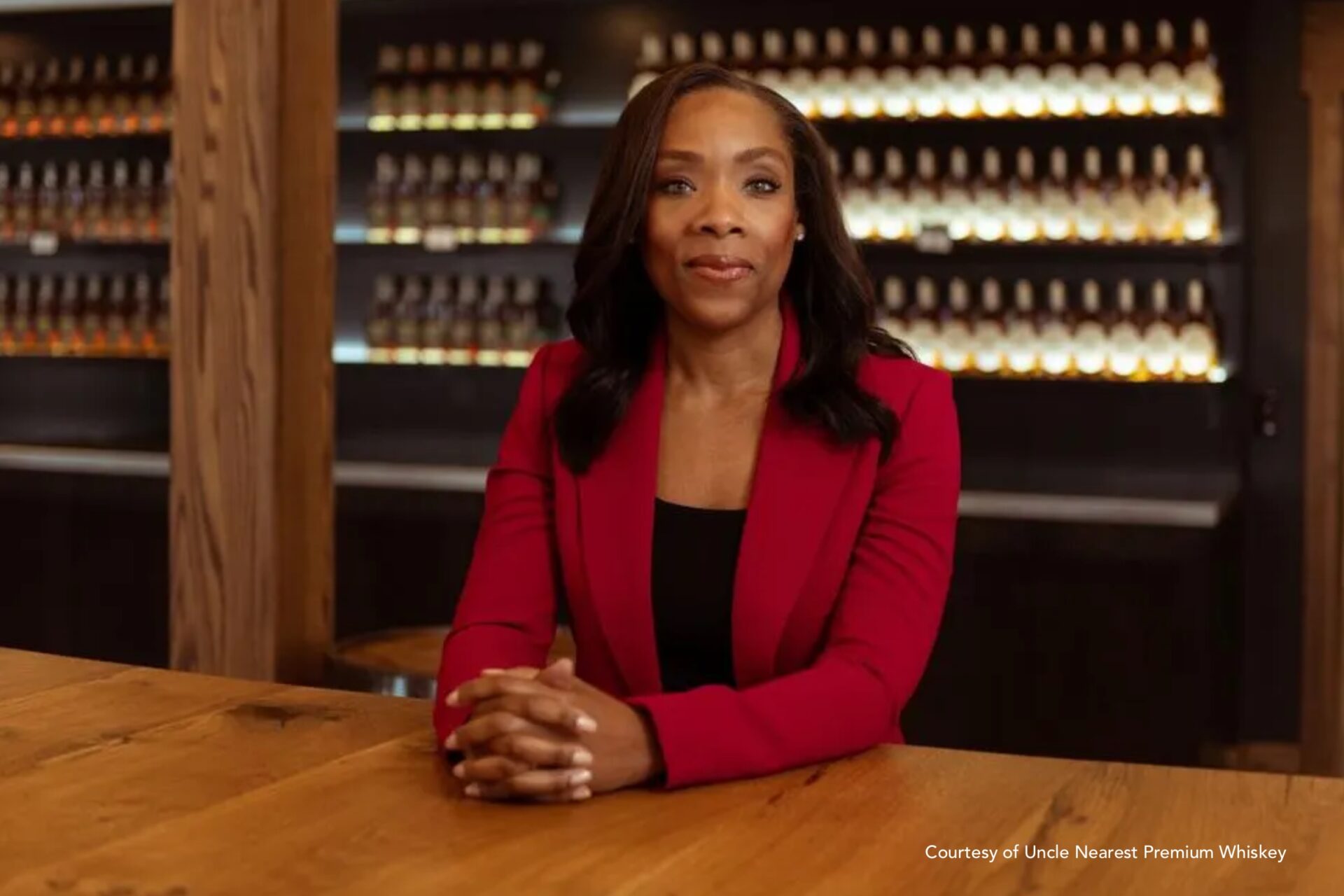
Fawn, who has been the face of the brand, claims that declining sales are one of the reasons they were trying to dump the receiver, citing that distributors have backed out of deals while bottles are being pulled from shelves and bars. But investors are pushing that time is up.
“We respectfully note our concern that the extended duration of the receivership proceedings may be contributing to a gradual diminution of enterprise value. Prolonged uncertainty can adversely affect brand equity, distributor and vendor relationships, employee retention, and overall market positioning,” Miles, who represents the investor group, said.
“NexGen2780 believes that a timely and orderly sale process, conducted under Court supervision, could help mitigate further value erosion while maximizing recovery for creditors and other stakeholders.”
According to The Lynchburg Times, court proceedings in the case have heated up as a group of entities affiliated with Uncle Nearest, including Grant Sidney, Inc., claim the receiver failed to make marked deadlines by raising vague allegations of financial trouble without identifying specific transactions, in addition to overstepping the required private clarification steps in favor of public court filings.
As a result, the entities requested that the court enforce their prior orders and confirm that they are not part of the receivership estate.
While spectators may think the case is about cleaning up a loan debt, it’s more about who controls Uncle Nearest’s future, as it is unclear who has the final say when a company is in receivership. The role of a receiver is to preserve value for creditors and, if necessary, recommend a sale despite shareholder objections.
Although Fawn is Uncle Nearest’s largest shareholder and controls the majority of board votes, a federal court-supervised receiver will shift how decisions are made moving forward.
RELATED CONTENT: The Postmark Trap: New USPS Rules Could Trigger IRS Penalties & Missed Deadlines