


September 28, 2026
From The Desk Of The National Civil Rights Museum On Its 35th Anniversary
This Museum was born of community vision.
Written by the National Civil Rights Museum
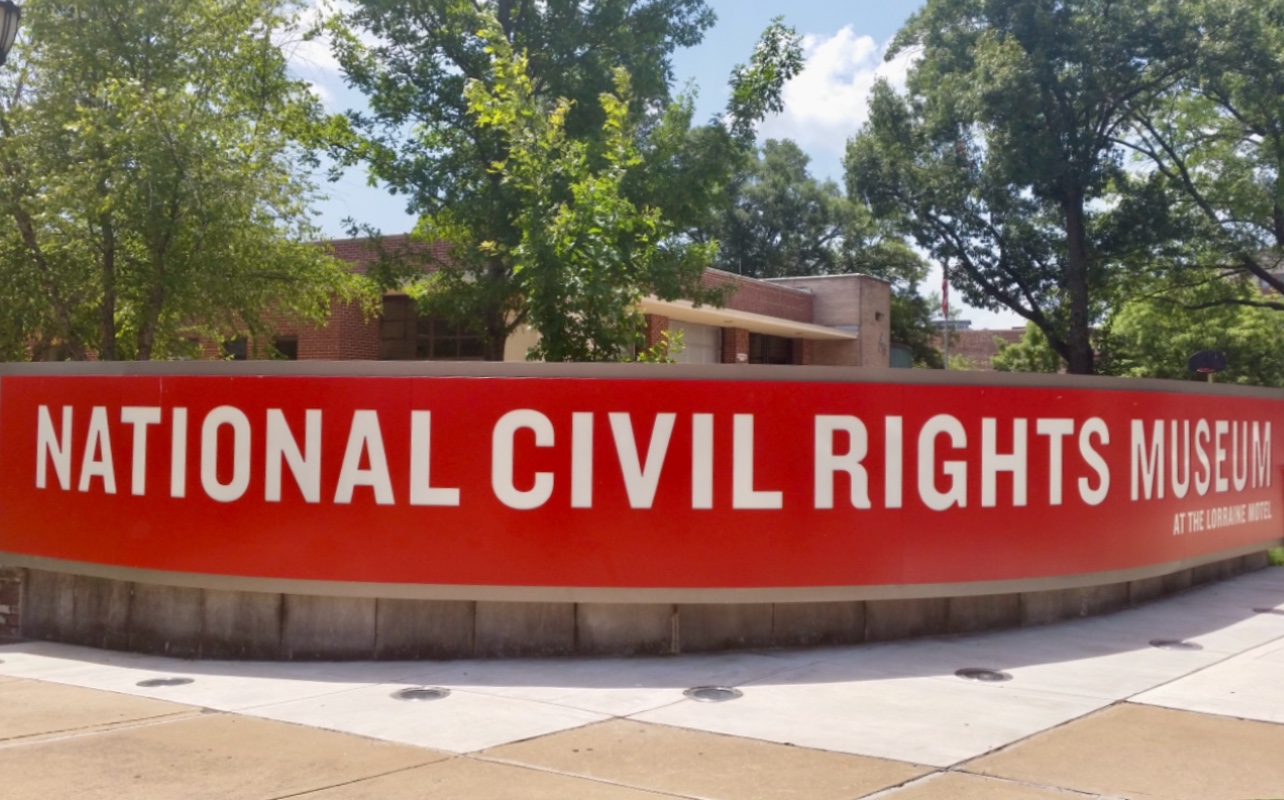
Thirty-five years ago today, on Sept. 28, 1991, the National Civil Rights Museum opened its doors at the Lorraine Motel, where Dr. Martin Luther King Jr. was assassinated on April 4, 1968. Today, we pause to honor that day, the people who made it possible, and the millions of visitors from around the world who have walked through those doors since.
This Museum was born of community vision. After Dr. King’s death, the Lorraine Motel, then owned by Walter and Loree Bailey, became a place of spontaneous memorial. By 1982, with the building in decline and foreclosure looming, Judge D’Army Bailey, State Representative A.W. Willis Jr., and media executive Charles “Chuck” Scruggs formed the Martin Luther King Memorial Foundation to save it. Community fundraising, gifts from AFSCME and Lucky Heart Cosmetics, a loan from Tri-State Bank, and support from the City of Memphis, Shelby County, and the State of Tennessee turned their determination into a landmark. We remember them today, and every Memphian who believed sacred ground deserved to be preserved.
National Civil Rights Museum had a mission
From the start, the Museum was meant to be more than a place of memory. It has grown into a living institution that blends storytelling, archival materials, oral histories, and interactive technology to guide visitors from slavery and Reconstruction through the Jim Crow era, the Montgomery Bus Boycott, the Freedom Rides, and the March on Washington. The Boarding House, acquired in 1999 and opened in 2002, extended our story into the investigation of Dr. King’s assassination and the questions of accountability and justice that remain. A $27.5 million renovation in 2014, Smithsonian Affiliate status in 2016, and the Corporate Equity Center, launched in 2022, each deepened our service to the public. Through the MLK50 commemoration in 2018 and the uncertainty of 2020, the Museum has remained a steady voice of leadership.
This anniversary year is among the most consequential in our history. After a $38 million renovation, we reopened the reimagined Legacy Building in May, just 49 days ahead of the nation’s Semiquincentennial, with new exhibits on protest, policy, media, and leadership, and a question we ask every visitor: “What will you do next?” The Museum also acquired more than 500 artifacts from the estate of Bayard Rustin and, in 2026, launched the Bayard Rustin Institute, whose work spans scholarship, education, engagement, and exhibitions. Together, they ensure that the strategist behind the 1963 March on Washington takes his rightful place in the story, and that his craft of organizing reaches a new generation.
The Freedom Awards Celebrate Changemakers
Each fall, the Freedom Award and its Student Forum carry that spirit forward, honoring courageous leaders and inviting young people, including our Keeper of the Dream honorees, to see themselves as changemakers. This year’s Freedom Award ceremony arrives this Thursday, Oct. 1, at the Orpheum Theatre, and we invite the community to join us.
Thirty-five years is long enough for a generation to grow up alongside this Museum. We hope those who first came as students now return as teachers, parents, and organizers, bringing their own children to stand where history was interrupted and to ask what it asks of them. That exchange between the past and the person standing before it is the heart of our work.
On this anniversary, we thank our founders, our members, our partners, our staff, and every visitor who has carried this story beyond our walls. We recommit to preserving the Lorraine Motel, telling the whole truth of the American struggle for freedom, and equipping the next generation to continue it. The work is unfinished, and the invitation stands: come, learn, and decide what you will do next.
RELATED CONTENT: Spike Lee, Sherrilyn Ifill, And Xernona Clayton Drop Gems As They Accept The National Civil Rights Freedom Award
