


November 2, 2025
Burr Oak Cemetery, Resting Place Of Emmett Till Headed Toward National Register Of Historic Places
The Illinois Historic Sites Advisory Council voted to recommend the listing to the National Park Service, which would formally recognize Burr Oak as a site of national significance.
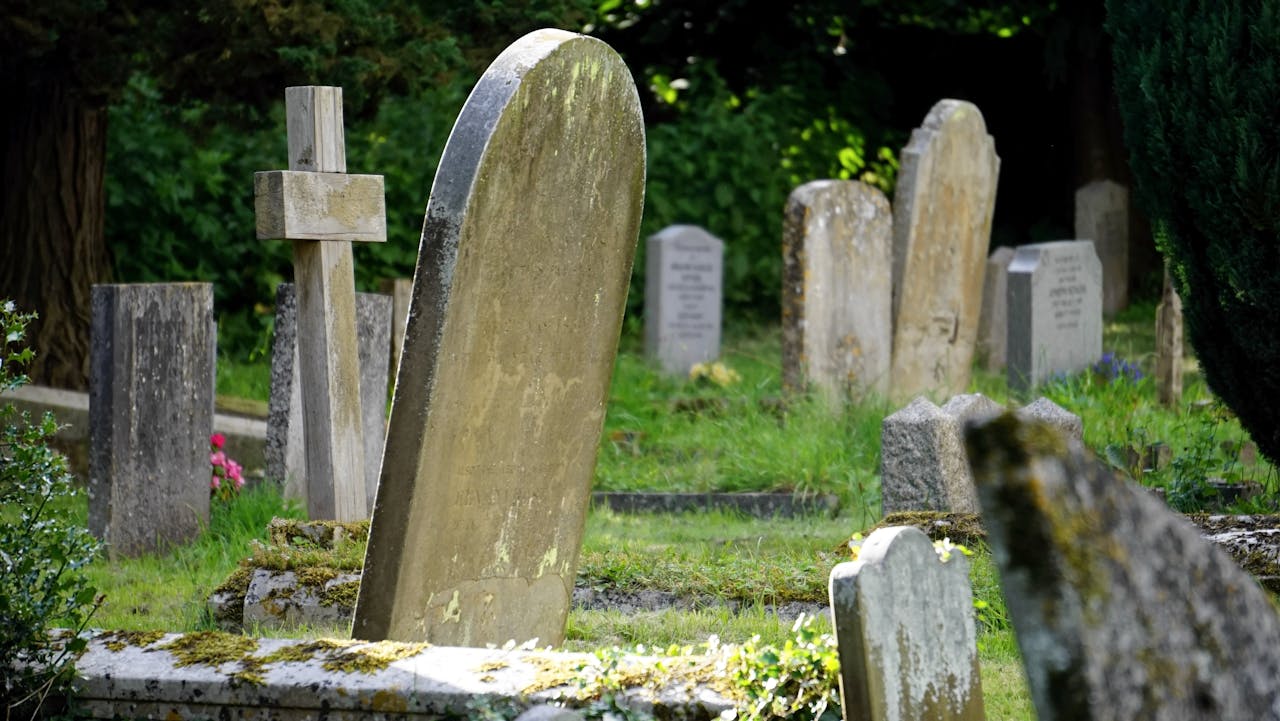
For many Chicago families, Burr Oak Cemetery isn’t just a burial ground; it is the resting place of Emmett Till and more. It has now been voted on by the National Park Service to join the National Register of Historic Places.
The Illinois Historic Sites Advisory Council voted to recommend the listing to the National Park Service, which would formally recognize Burr Oak as a site of national significance.
The 150-acre site was established in 1927 by leaders of the Black-owned Supreme Life Insurance Company. Burr Oak was created after white-only burial restrictions left African Americans with few dignified burial options.
In Burr Oak Cemetery’s National Register Report, historian Jean Guarino described the cemetery as “a Black-owned and Black-managed place, built in the face of adamant white opposition.”
For Edward Boone, founder and chairperson of the nonprofit Friends of Burr Oak Cemetery, who has worked for years to preserve the cemetery’s records and repair its grounds, the nomination feels personal.
“This isn’t just about monuments,” he told the Chicago Sun-Times. “It’s about memory — about making sure people know how deeply Black history runs through this soil.”
The nomination outlines Burr Oak’s “period of significance” from 1927 to 1975, highlighting its role in Chicago’s Black life and culture. It’s home to thousands of veterans, educators, and entertainers whose stories shaped American history.
“We looked at so many graves of individuals who were born in 1865 or before, and so we pretty much assumed that there’s a high probability that they were former slaves,” Boone said. “And so we put African American flags on all of their graves during Juneteenth. We think it’s important to recognize these individuals.”
Even as a federal shutdown delays official approval, preservationists say the process itself is a victory.
“It’s about respect,” Boone added. “Every headstone here represents a family that carved out dignity when the world denied it.”
RELATED CONTENT: Harriet Tubman’s Descendant Criticizes National Park Service For Watering Down Underground Railroad Language