


February 25, 2026
Henrietta Lacks Estate Wins Settlement Against Novartis
The Henrietta Lacks estate has secured a settlement with Novartis over the unauthorized use of her cancer cells, while additional lawsuits remain ongoing.
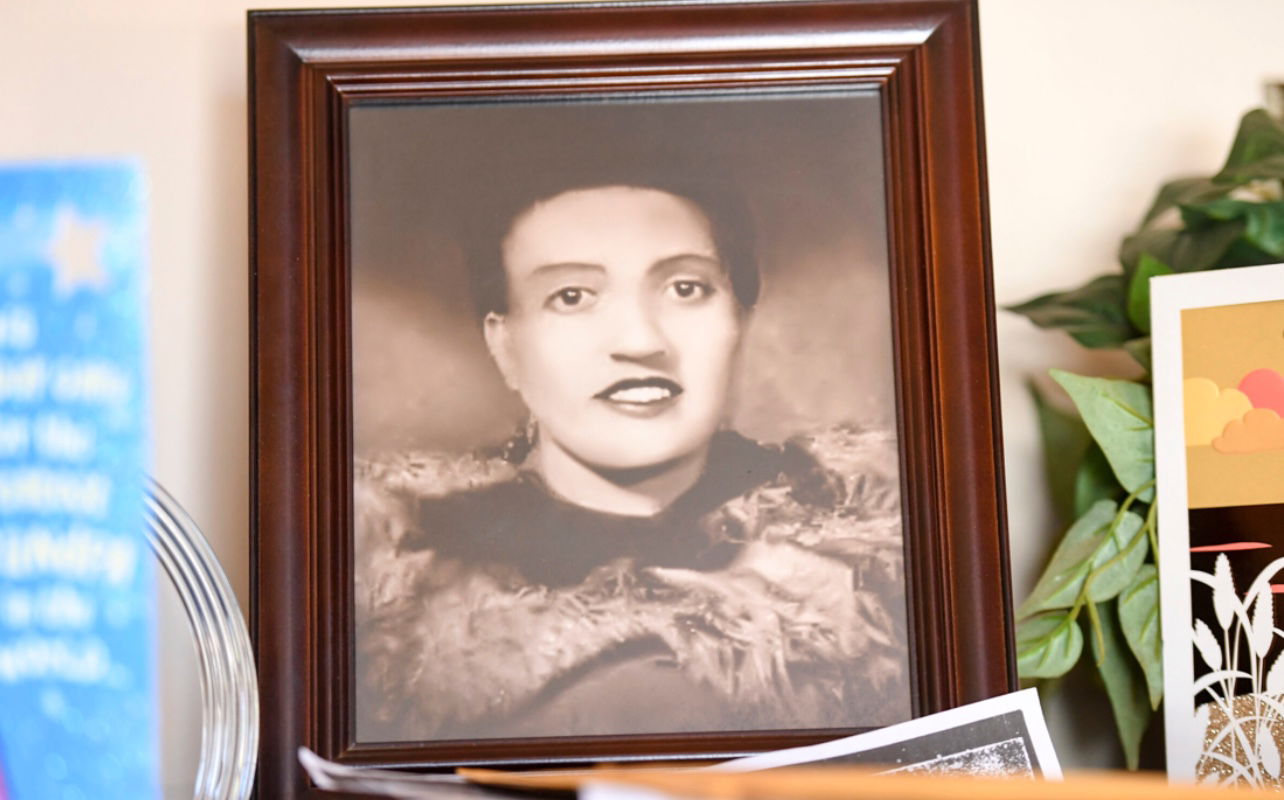
The estate of Henrietta Lacks has reached a settlement with Novartis over claims the company benefited from the unauthorized use of her cells in medical research for decades following her death.
The terms of the settlement remain confidential, but the agreement brings an end to the legal dispute between Novartis and the estate of Henrietta Lacks, Fierce Pharma reported.
The victory comes two years after a federal lawsuit was filed in Baltimore in August 2024 against Novartis and Viatris, where the family sought a jury trial, and the full profits they alleged were earned through the companies’ use of Lacks’ cells without consent.
“Members of the family of Henrietta Lacks and Novartis are pleased they were able to find a way to resolve this matter filed by Henrietta Lacks’ Estate outside of court,” a statement read.
Although the case against Novartis has been settled, the estate’s claims against Viatris are still ongoing, along with a separate 2023 lawsuit against rare-disease company Ultragenyx, which the family alleges profited heavily by using Lacks’ cells as a “factory” for its gene therapy products. Novartis becomes the second biopharmaceutical company to settle with the estate, following an undisclosed 2023 agreement that resolved a two-year-old “unjust enrichment” lawsuit between the family and Thermo Fisher.
The lawsuits center on the unauthorized removal of Lacks’ cancer cells in 1951, which led to the creation of the first immortal human cell line, HeLa. Taken from a tumor during her cervical cancer treatment at Johns Hopkins Hospital in Baltimore, the cells were later cultured by scientist George Otto Gey and went on to transform modern medicine.
Capable of dividing indefinitely, HeLa cells helped develop the polio vaccine, advance cancer research, and support COVID-19 studies. Despite their global impact, Lacks’ family did not receive compensation until a legal settlement was reached in 2023.
Although Johns Hopkins never profited from HeLa cells, pharmaceutical companies and research institutions have secured thousands of patents using the cell line. According to the lawsuits, Novartis and Viatris were long aware of the cells’ origins. A 2021 Novartis web post even referenced Lacks’ story while promoting an initiative to address health disparities through community-based action.
The complaint alleges that Novartis used HeLa cells in the development of products such as the herpes treatment Famvir, the CAR-T therapy Kymriah, and the gene therapy Zolgensma, while Viatris treatments cited include the antidepressant mirtazapine and the herpes medication Denavir. Lacks’ story gained global attention through The Immortal Life of Henrietta Lacks, Rebecca Skloot’s 2010 bestseller, which was later adapted into a 2017 HBO film of the same name starring Oprah Winfrey.
RELATED CONTENT: Ex-Deputy Sean Grayson Gets 20-Year Maximum Sentence For Sonya Massey’s Murder