


June 23, 2025
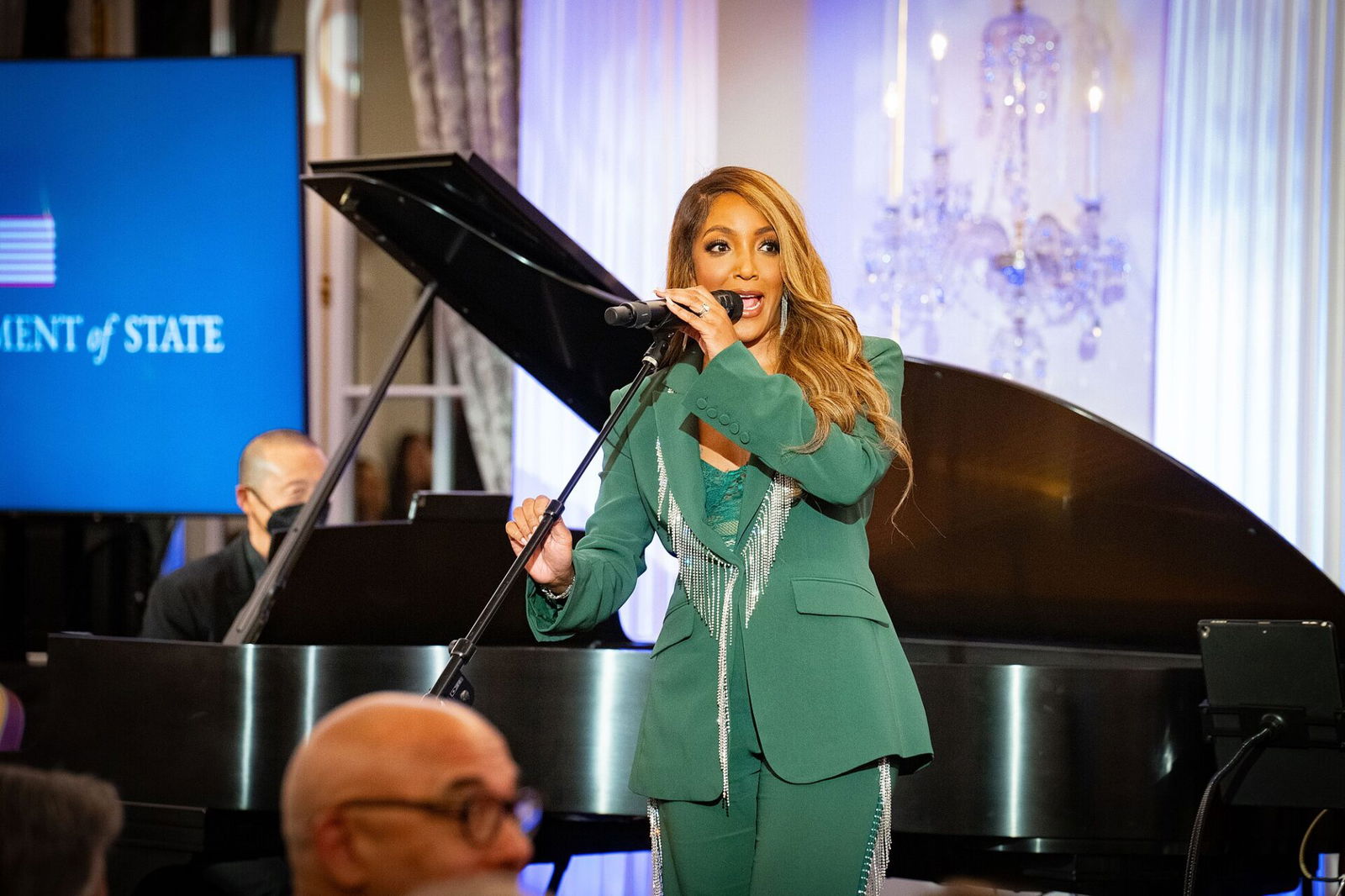
Mickey Guyton Reflects On ‘Black Like Me’ And The Road Country Music Still Has To Travel
The singer’s s influence has stretched far beyond the music charts
When Mickey Guyton released “Black Like Me” in June 2020, it was meant to be a mirror. Written during a time of political unrest and released against the backdrop of George Floyd’s murder and global protests for racial justice, the song was both a cry for understanding and a courageous act of truth-telling. “If you think we live in the land of the free,” she sang, “you should try to be Black like me.” That line alone cracked open country music’s often rigid identity and forced an industry known for its tradition to face the lived reality of one of its own.
Five years later, Guyton reflects on the song’s legacy from halfway across the world in China, where she’s still sharing her voice and experience with new audiences. But her message hasn’t softened.
“I just remember the pain I felt,” Guyton tells BLACK ENTERPRISE. “Yes, it was a beautiful song, but it sucked that it took such horrific events for people to pay attention. Finding success in that wasn’t necessarily a happy thing.”
Despite the song’s Grammy nomination (the first ever for a Black woman in the Best Country Solo Performance category), Guyton says the moment came with the weight of responsibility, not celebration. “There was so much, and still is so much, turmoil in the world,” she says. “And I feared people would just move on, go back to the way things were. That’s very much happening in real time.”
Since “Black Like Me,” Guyton’s influence has stretched far beyond the music charts. She’s sung the national anthem at the Super Bowl, graced the GRAMMY stage, hosted award shows, and most importantly, opened doors for a new generation of artists.
She also played a pivotal role in a major shift within the Recording Academy. This month, the Grammys announced a new category for the 2026 awards: Best Traditional Country Album, effectively splitting the former country album category into two — traditional and contemporary.
“It’s something we’d been fighting for since at least 2017,” Guyton says. “Before, you had contemporary artists like me up against legends like Willie Nelson and Dolly Parton in the same category. It wasn’t fair to either side. The voters didn’t always listen to all the albums. They voted based on name recognition. This change gives more artists a real shot.”
For Guyton, the change isn’t about segregation — a misinterpretation she’s seen online, instead, she believes the shift favors representation and recognition. “What is the artist’s intention? If they say it’s a country album, we should honor that. That’s what I’ve been fighting for.”
And she’s quick to give credit where it’s due: “Thank you, Beyoncé. Honestly, she has helped make those changes by her existence alone.”
This Juneteenth, the intersection of freedom, music, and Black identity feels more potent than ever. For Guyton, it’s personal and necessary.
“Beyoncé releasing Cowboy Carter… seeing fans in cowboy boots and line dancing… I see a sense of freedom within the Black community,” she says. “It’s the epitome of what Juneteenth is. But I’m still in a lot of pain. I think that this is so necessary for our peace and our community right now, at this particular time in America.”
Guyton reflects on the emotional toll of the last five years — from political exhaustion to the need for community. “I hosted the White House tree lighting one year and told one of the Black women working the event, ‘I don’t think I can ride at dawn anymore.’ She said, ‘We are resting at dawn.’ That’s where I’m at. I need to be with people who heal me.”
Still, the shifts she’s witnessed since 2020 give her a cautious sense of hope. “It’s not that people didn’t like country music. Black Like Me gave them permission to dream within the genre,” she says. “There’s this outlaw, underground world of country now — and it includes artists who don’t fit the old mold. But I still hear labels telling new Black artists, ‘There’s no market for Black country.’ That’s not just wrong — it’s dangerous.”
For young Black women who love country music but don’t see themselves in the mainstream, Guyton offers this: Do it your own way.
“Every single one of us who made it had to go around the system. Find a team that won’t try to change who you are. Build your audience. Own your story. Some 60-year-old white man doesn’t know what the culture needs more than you do.”
It’s a message that she says comes not from triumph but from hard-won experience. “I’ve been put through the wringer. I’m a broken person. But I say this so the new generation doesn’t have to be.”
So what does she want people to say about “Black Like Me” in 2030?
“I hope it becomes an evergreen song — like Marvin Gaye’s What’s Going On. Something that lives in the history books and captures exactly how people felt and still feel,” she says. “Because sadly, it’s the same script, different cast.”
And for those who ask what they can do to support the movement beyond social media posts or hashtags, she’s crystal clear: Put your money and streams where your mouth is.
“Beyoncé’s fans loved Cowboy Carter, but those featured artists? Some of them lost record deals even after being on that album. If every fan just streamed one of their songs, bought a $1.99 sticker, went to a show — that could change lives. We’re still here. We’re still making country music. We just need the support.”
Guyton will be performing in China, speaking about her Black experience as an American woman, using “Black Like Me” as a tool to educate and connect. Because five years later, Mickey Guyton’s voice still rings out with truth. And she’s not done yet.
RELATED CONTENT: K. Michelle’s Expertly Clears Delusional Journo During Interview, Affirming Her Rightful Place In Country Music