


November 9, 2025
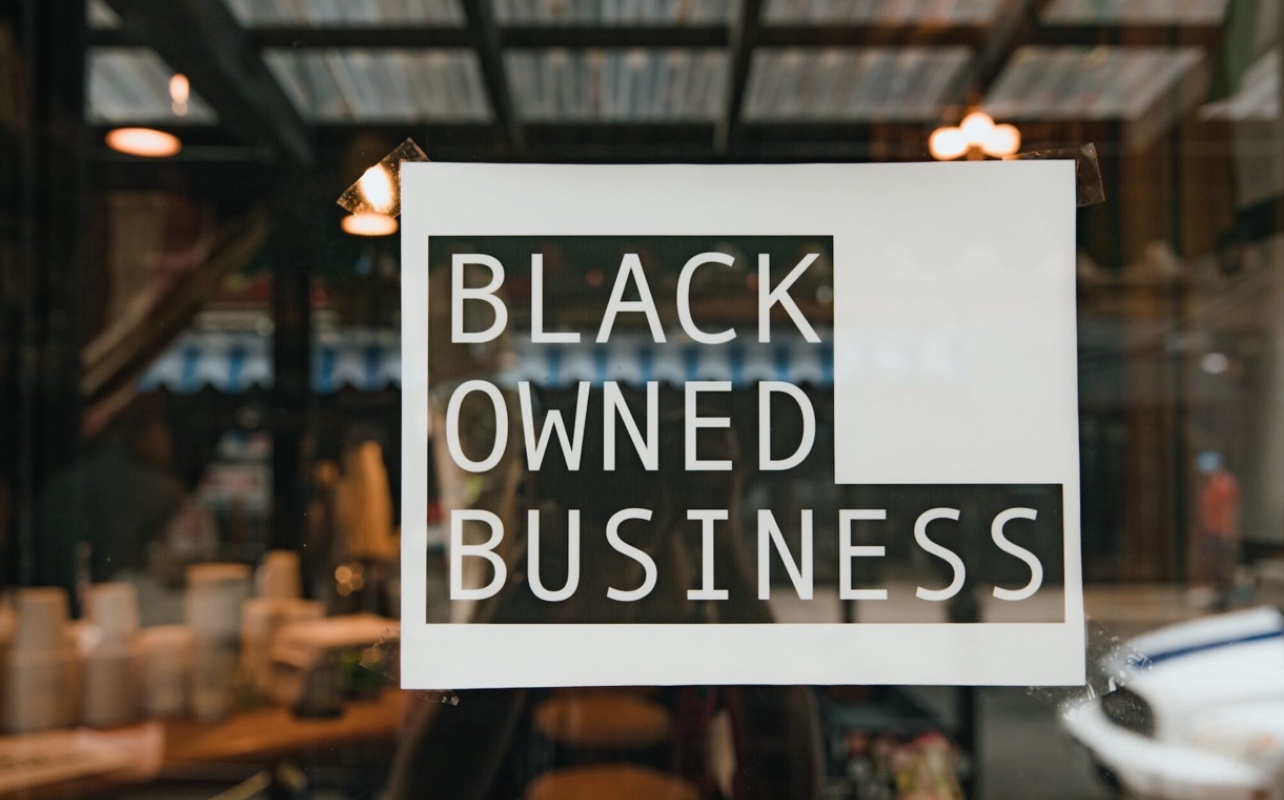
Philly Trails Behind Other Metro Cities In Black-Business Ownership, Report
Philadelphia launched a $5 million grant program to help businesses flourish in the city.
A new report by the Pew Charitable Trusts reveals that while Black business ownership in Philadelphia has grown over the last decade, the city still trails its metro-area peers.
The Nov. 5 report compares Philadelphia with 12 major U.S. counties. Cities include Baltimore, Denver, Washington, D.C., Jacksonville, New York, New Orleans, and others from 2012 to 2022.
The study found that Philadelphia’s total business density reached 111 per 1,000 residents in 2022, up from 82 in 2012. Though growth rose during the 10-year span, the city remains below the national average of 129 per 1,000.
Thomas Ginsberg, lead author of the report, said, “Improving business ownership . . . is about access to the networks, capital, and opportunity that allow firms to grow and persist.”
For local economic development professionals, the report signals that closing the city’s racial and gender gaps in business ownership will require more than that.
“We’re trying to build a durable ecosystem, not just a grant here or a tax break there,” said Sara Williams, executive director of the African American Chamber of Commerce of Pennsylvania.
While strides have been made, Philadelphia needs more scalable strategies to compete on the same footing with peer cities when it comes to inclusive entrepreneurship.
To combat the declining small business numbers, Philadelphia has launched the $5 million Philadelphia Small Business Catalyst Fund. Under the initiative, firms generating less than $2 million in annual revenue may apply for grants of up to $50,000. Businesses must demonstrate growth potential and local economic impact.
In a statement, Mayor Cherelle L. Parker said the fund is “not just about grants — it’s about accelerating success” and that entrepreneurs of color will be able to build firms that generate jobs and wealth across generations.
Measuring success isn’t just about how many businesses launch. It’s about how many persist. Additionally, the success of the city’s initiative is measured by how many firms scale up, boosting local economic impact. Bridging the ownership gap will require this layered infrastructure. With the city’s dedicated funding and policy initiatives, Philadelphia may move into a position that will aid in turning numbers into meaningful change.
RELATED CONTENT: LL Cool J And Jazmine Sullivan Refuse To Cross Picket Line, Pull Out Of Philly’s July 4 Concert