


January 7, 2026
STUDY: Ultraprocessed Foods Linked To Mortality In Black Breast Cancer Survivors
In the study, the mortality rate was higher among Black women breast cancer survivors who consumed more ultraprocessed foods.
A new study shows that consuming ultraprocessed foods (UPFs) could be detrimental for Black breast cancer survivors. The study, published in the January issue of eClinicalMedicine, reveals that high consumption could adversely affect breast cancer prognosis.
Researchers from the Rutgers Institute in New Brunswick, New Jersey, examined the UPF-mortality relationships among 1,733 Black women diagnosed with breast cancer between 2005 and 2019. When looking at the mortality rates, researchers identified a total of 394 deaths, 206 of which were breast cancer-related.
These deaths were higher among women who averaged 8.1 servings of UPFs per day compared to women who consumed 2.6 servings each day.
“Maybe it’s too complicated for breast cancer patients to think about how to reduce consumption of ultra-processed foods in general,” Tengteng Wang, an assistant professor at the university, said in a statement. “But we find processed meat is the top worst contributor among all UPF subgroups. So maybe a more detailed takeaway is to avoid this one thing.”
Breast Cancer For Black Women
As researchers point out in the study, breast cancer is a major cause of morbidity and mortality for women in the United States. However, mortality rates remain disproportionately high among Black women. These poor breast cancer outcomes for Black women are due, in part, to the critical gap and priority in cancer research.
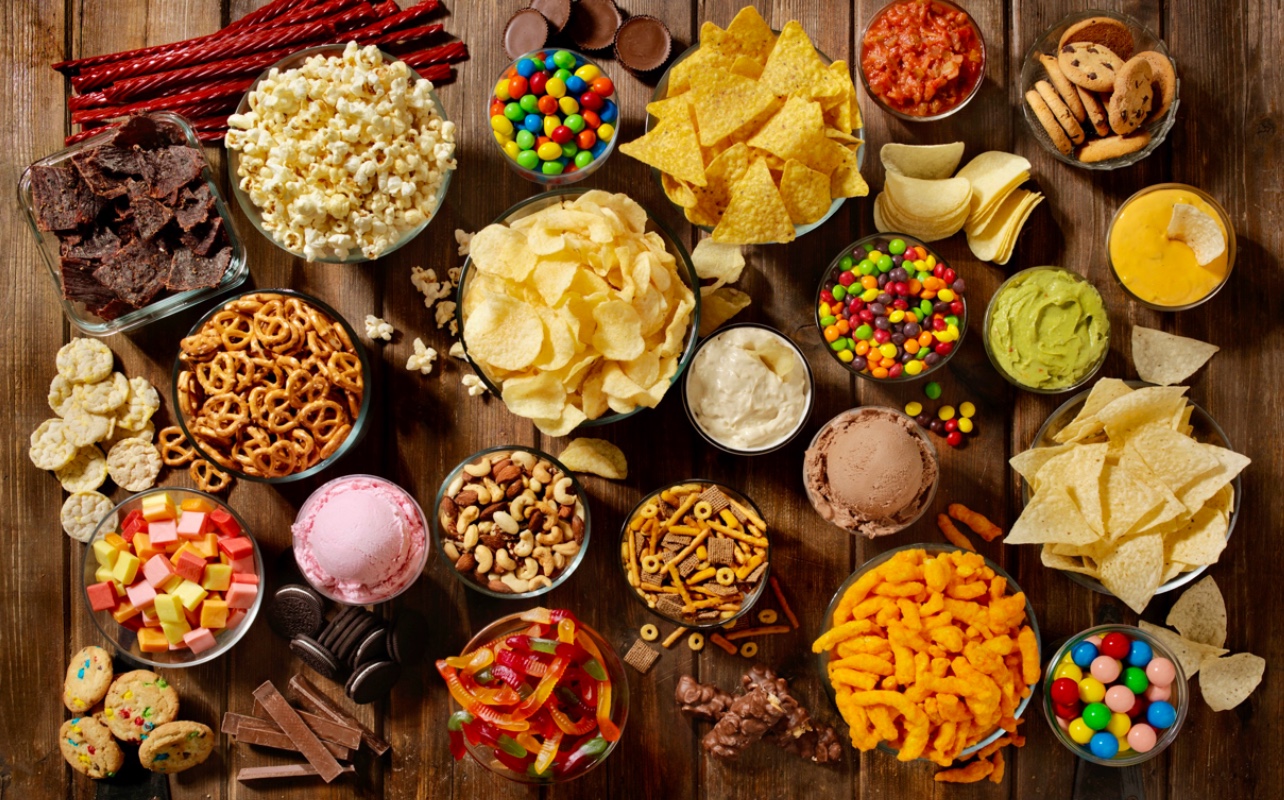
There is mounting evidence that suggests an unhealthy diet may significantly worsen cancer outcomes, particularly with UPFs, food products that have undergone extensive industrial processing and contain multiple additives. They also lack adequate nutrients and are highly energy-dense.
Unfortunately, in the United States, UPFs account for roughly 60% of the daily caloric intake nationwide. Consumption has increased significantly over the last two decades, according to researchers.
To limit UPFs, cook at home. Swap sugary snacks with fruit, use whole ingredients, and include more plants, lean proteins, and whole grains in your cooking.
RELATED CONTENT: Campbell’s VP Slammed In Lawsuit After Alleged Racist, Classist Rant About Coworkers And Products