


April 6, 2026
9 Soulful Spots Keeping Black Culinary Legacy Alive
They’re cooking up a tale of migration, grit and flavor, and culture.
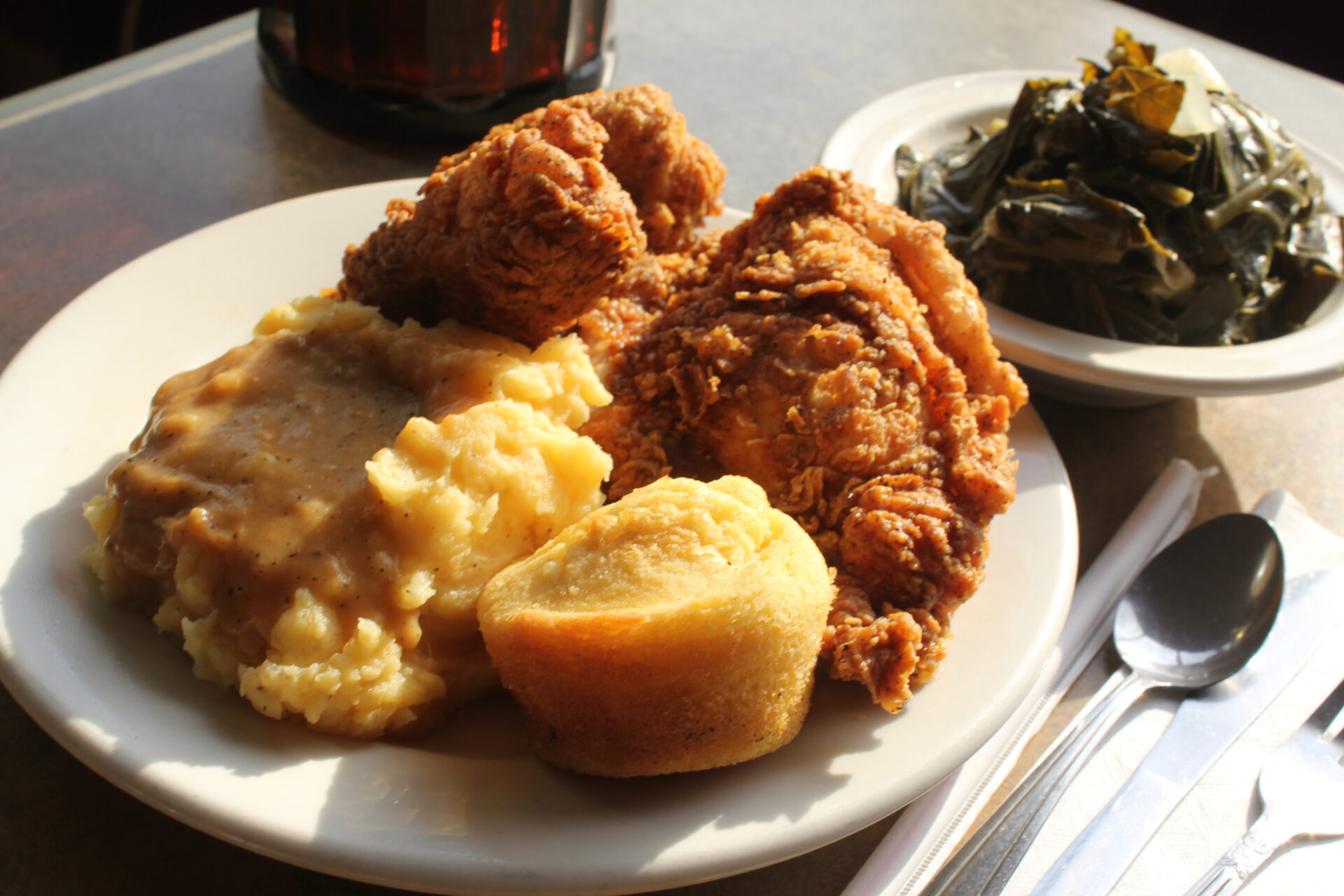
From the smokiness of barbecue pits to the charm of Creole dining rooms, Black chefs and restaurateurs have long transformed traditional family recipes into cultural menus and dining experiences. Across the nation, these culinary landmarks do more than dish out meals; they dish out memories, resistance, and community.
Each establishment cooks up a tale of migration, grit, flavor, and culture that still shapes America’s palate. BLACK ENTERPRISE shines a light on nine soulful spots keeping Black culinary legacy alive one plate at a time.
Dooky Chase Restaurant—New Orleans
Dooky Chase Restaurant, the storied Creole‑soul kitchen that Leah Chase and her family opened in 1939, has long stood as a civic and culinary pillar of New Orleans. It has doubled as a hub for civil‑rights strategizing, a sanctuary for Creole customs and a showcase for art. Over the decades, the business has been handed down like a family heirloom along with recipes, neighborhood feasts, gallery‑like art installations, and the stories that simmer on every plate. In 2025, Dooky Chase added another accolade to its shelf: the James Beard America’s Classics Award.
The Busy Bee Café—Atlanta
The Busy Bee Café, a long‑standing soul‑food cornerstone and historic Civil Rights hangout, has been drawing civil rights leaders and members of the Black community together since it opened in 1947. Still run by the founding family, the café is hailed as an anchor safeguarding the time‑honored traditions of Southern Black comfort cooking.
Jones Bar-B-Q Diner—Marianna, Arkansas
Jones Bar‑B‑Q Diner, one of the longest‑running restaurants in the United States, has been slinging Southern‑style barbecue since the 1910s. The Jones family has guarded its time‑tested recipes, the way it smokes its meat, and its hard‑won local reputation, keeping a thread of community identity woven through each generation.
Prince’s Hot Chicken Shack—Nashville
Prince’s Hot Chicken Shack began in the mid‑1930s, as a kitchen born out of a grudge. Over the years, it morphed into a benchmark for Black culinary ingenuity and a name that food lovers now point to when they talk about innovation. The Prince family grew the single neighborhood joint into a handful of locations all while guarding the secret spice blend.
Harold & Belle’s—Los Angeles
Harold & Belle’s Creole restaurant, a time‑capsule that draws its lineage from the streets of New Orleans serves as an outpost of Gulf cuisine for Black transplants. Harold & Belle’s reserve a Southern sensibility. Since its 1969 launch, the Legaux family has steadily reimagined the space, rolled out vegan choices, guarded the recipes, and sewed a web of community ties.
Welton Street Café—Denver
Nestled in Denver’s Black Five Points neighborhood since 1989, Welton Street Café stands as one of the remaining authentic soul‑food outposts. At a time when such venues are scarce, it serves Black comfort cuisine that steadfastly preserving the essential flavors and generous hospitality that root Black heritage in Denver’s foodscape.
Mrs. White’s Golden Rule Café—Phoenix, Arizona
Since opening its doors in 1964, Mrs. White’s Golden Rule Café has been a Phoenix staple and living testament to Arizona’s culinary heritage. The cafe has an unmistakably local feel and stays true to its core soul‑food menu.
Sweet Home Café—Washington, D.C.
Washington, D.C.’s Sweet Home Café is tucked inside the Smithsonian’s National Museum of History and Culture and spotlights regional Black culinary traditions through four distinct food stations. Launched in 2016 the café’s purpose is to weave foodways into history, reworking historic recipes into approachable museum‑dining dishes and inviting guests to experience storytelling on the plate.
RELATED CONTENT: Peep These Black-Owned Bakeries, That Turned Tradition Into Sweet Business, On National Pound Cake Day