


May 16, 2025
Black Residents ‘Displaced By Design’ In ATL Gentrification War
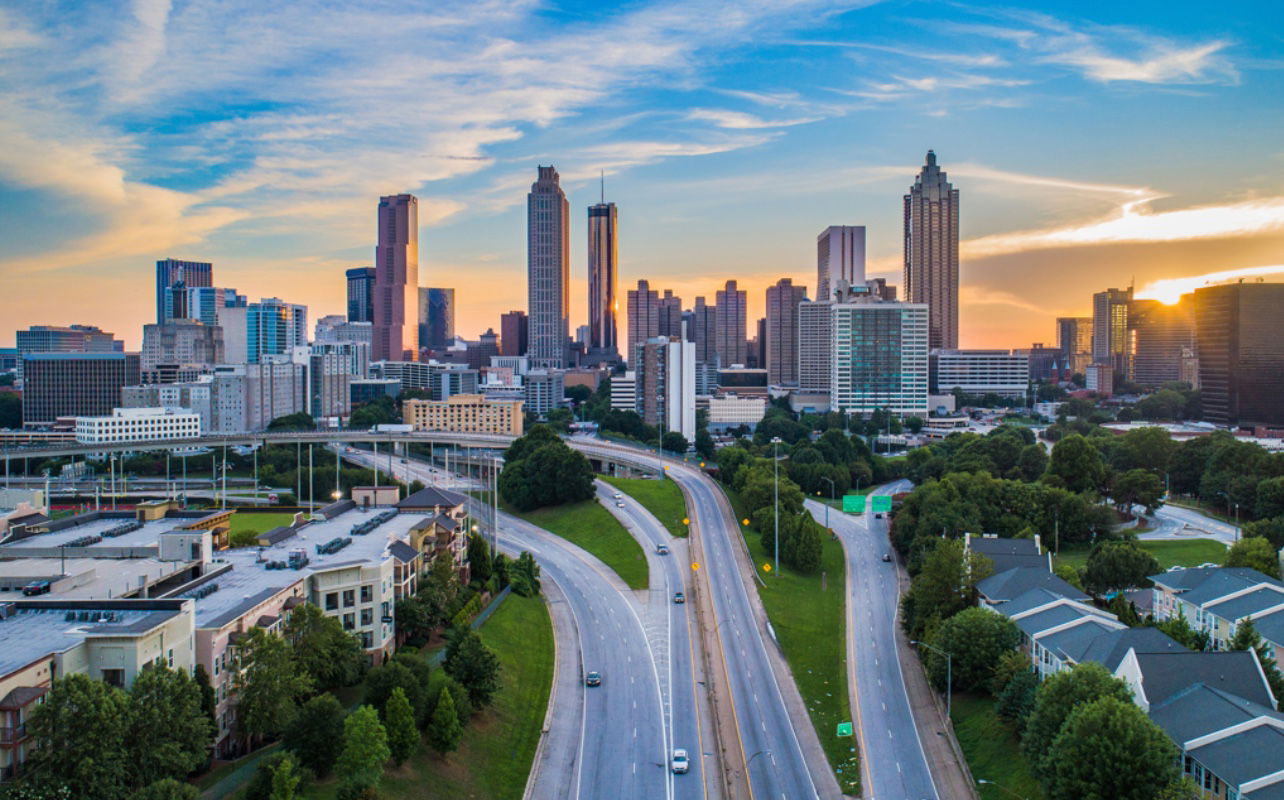
Atlanta is no longer a majority-Black city and it is not alone.
A new report shows Atlanta is a hotspot for extreme gentrification.
Over the past five decades, a mass infiltration of new residents has led to the displacement of thousands of Black residents. The National Community Reinvestment Coalition’s (NCRC) study, “Displaced By Design: Fifty Years of Gentrification and Black Cultural Displacement in U.S. Cities,” finds that between 1980 and 2020, Atlanta saw 155 formerly majority-Black neighborhoods flip to majority-white residents.
The city has the second-highest total number of neighborhoods among major metro areas after Washington, D.C.
During that period, the city lost an estimated 22,000 Black residents in the gentrification of the Fourth Ward, East Atlanta, and Kirkwood, according to the report.
Gentrification in Atlanta intensified the most from 2000 to 2012, driven by rising incomes, rising property values, and a larger college-educated population. The NCRC analysis tracks these gentrification shifts by measuring increases in per-capita income, home values, and residents with bachelor’s degrees. Some homeowners benefit from increased equity in their homes. At the same time, many long-term residents faced rising rents and property taxes that forced them to relocate.
“Gentrification often brings new investment, but without protections for existing residents, it erodes cultural identity and deepens inequality,” the report states.
New York, Philadelphia, New Orleans, and the San Francisco Bay Area are the cities most affected by racial gentrification, but Atlanta stands out for the severity of its neighborhood transformations.
According to the report, “From 1980 to 2020, more than 523 majority-Black neighborhoods nationwide experienced gentrification, and about 261,000 fewer Black residents now live in those areas.”
One notable city is New Orleans. Its deep culture is shared by Black and white people alike. Still, many would credit Black contributors as a major force in shaping the unique American city.
Those Black contributors, New Orleans natives, are victims of economic and racial violence in the form of gentrification. This process became extremely rapid after the failings of the government, both local and federal, following Hurricane Katrina.
The city was already struggling due to redlining, rising housing costs, and affordable housing availability. After Katrina’s destruction, the crisis became worse.
“We missed an opportunity post-Katrina because there was no comprehensive plan about how we would ensure that renters had housing options,” said Cashauna Hill of the Louisiana Fair Housing Action Center to 4WWL. “Instead, we spent the money to build up neighborhoods that were already gentrifying without protecting long-term residents.”
The city is approaching the 20th anniversary of the catastrophe. It also ranks fifth on the list of cities with the highest gentrification. However, no major strides have been made in creating opportunities for natives to gain a foothold in the city.
Unfortunately, residents of Atlanta and New Orleans are not alone. Black displacement approaches half a million people. Policy experts say targeted measures, such as property tax freezes for longtime homeowners, community land trusts and stronger tenant protections, are essential to prevent further loss of Black cultural heritage.
RELATED CONTENT: HUD Charges Homeowners’ Association In Providence Village, Texas, With Race And Color Discrimination