


October 5, 2025
Ghana’s President Calls For Action On Reparations By UN
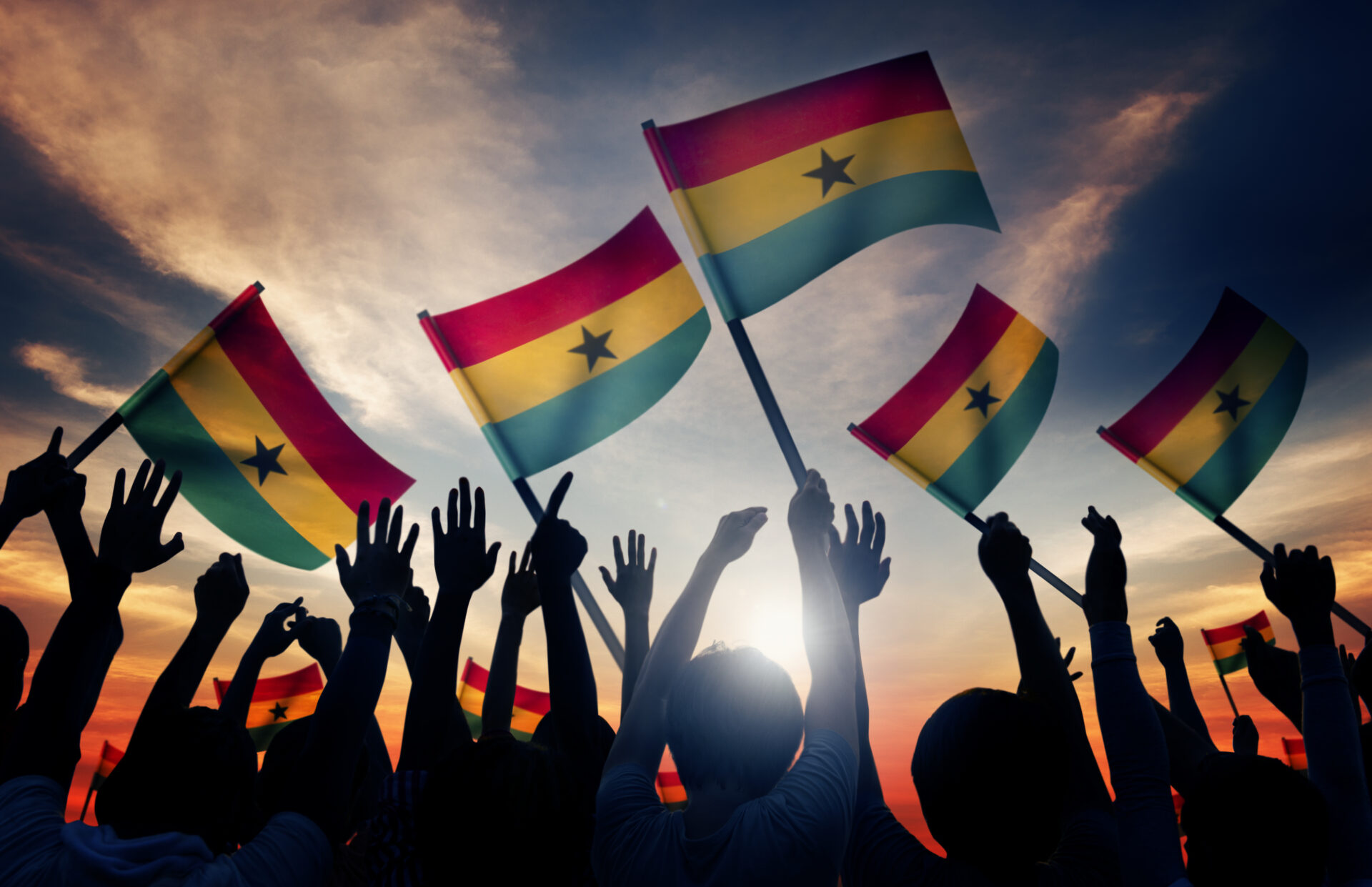
Ghana’s president, John Dramani Mahama, recently called for the UN to take action on reparations for the African diaspora.
In April 2025, during the fourth session of the United Nations Permanent Forum on People of African Descent, speakers called for stronger collaboration among governments, civil society, and regional organizations to create a global framework addressing reparations for the lasting impacts of colonialism, enslavement, apartheid, and genocide from the 16th to 19th centuries. The conversation advanced on October 3 at the U.N. General Assembly in New York, where plans were announced to formally submit the first motion demanding reparative justice for these historical injustices against Africa and the African diaspora.
According to Capital B News, the effort, which is being spearheaded by Ghana’s president, John Dramani Mahama, will focus on creating and endorsing concrete U.N.-backed compensation for the historical and ongoing injustices faced by Africans and people of African descent. If it is successful, it could open the door for action on the front of reparations in the United States. That particular issue has been long regarded as a longshot because of the lack of political will to undertake a serious redress of the harms visited on Black Americans by the United States government.
As Mahama noted in his address, “Reparatory justice is not about pity. It is about recognition, responsibility, and restitution. The descendants of Africa deserve the dignity of acknowledgement and the fairness of redress. We demand reparations for the enslavement of our people and the colonization of our land that resulted in the theft of natural resources, as well as the looting of artifacts and other items of cultural heritage that have yet to be returned in total.”
Mahama concluded, “We must demand reparations for the enslavement of our people and the colonization of our land that resulted in the theft of natural resources.”
The calls for reparations, specifically on the international stage, are not new. In 1964, in a speech delivered to the African Summit Conference, Malcolm X called upon African leaders to make the problems faced by Black Americans their problems because the conditions of people of African descent in America were inextricably linked to the conditions of Africans on the continent.
As Malcolm X said towards the close of his speech, “In the interests of world peace and security, we beseech the heads of the independent African states to recommend an immediate investigation into our problem by the United Nations Commission on Human Rights.”
More recently, notably after the murders of George Floyd and Breonna Taylor during the summer of 2020, the concerns Malcolm X outlined in his speech, specifically those connecting American racism and police brutality as concerns of human rights, were again raised at the United Nations by its then-human rights chief, Michelle Bachlet, during a session on systemic racism and police brutality, during which time she called for reparations for slavery and colonialism.
After this, the momentum for the redress of the harms inflicted on Black people worldwide, but particularly in the United States, only accelerated. The following year, the UN called for a global reparations program for people of African descent to repair the harms of slavery. In 2023, Mahama’s predecessor, Nana Akufo-Addo, noted to the UN General Assembly that the vast wealth of both the United States and the United Kingdom was built on the “blood and horrors of the transatlantic slave trade.”
Ghana’s motion focuses on direct financial compensation, restoring plundered environments in Black communities, and the return of cultural property. All of which, at various points, have been held up as examples of what redress for enslavement and the subsequent inequality imposed on Black Americans could look like.
RELATED CONTENT: United Nations Body Calls For Reparations Across Black Diaspora