


August 28, 2026
The Cost of Autonomy: How Vic Mensa Is Building a Black Media Empire
The Chicago-born artist and entrepreneur breaks down how to navigate corporate partnerships and redefine economic power for Black creatives.
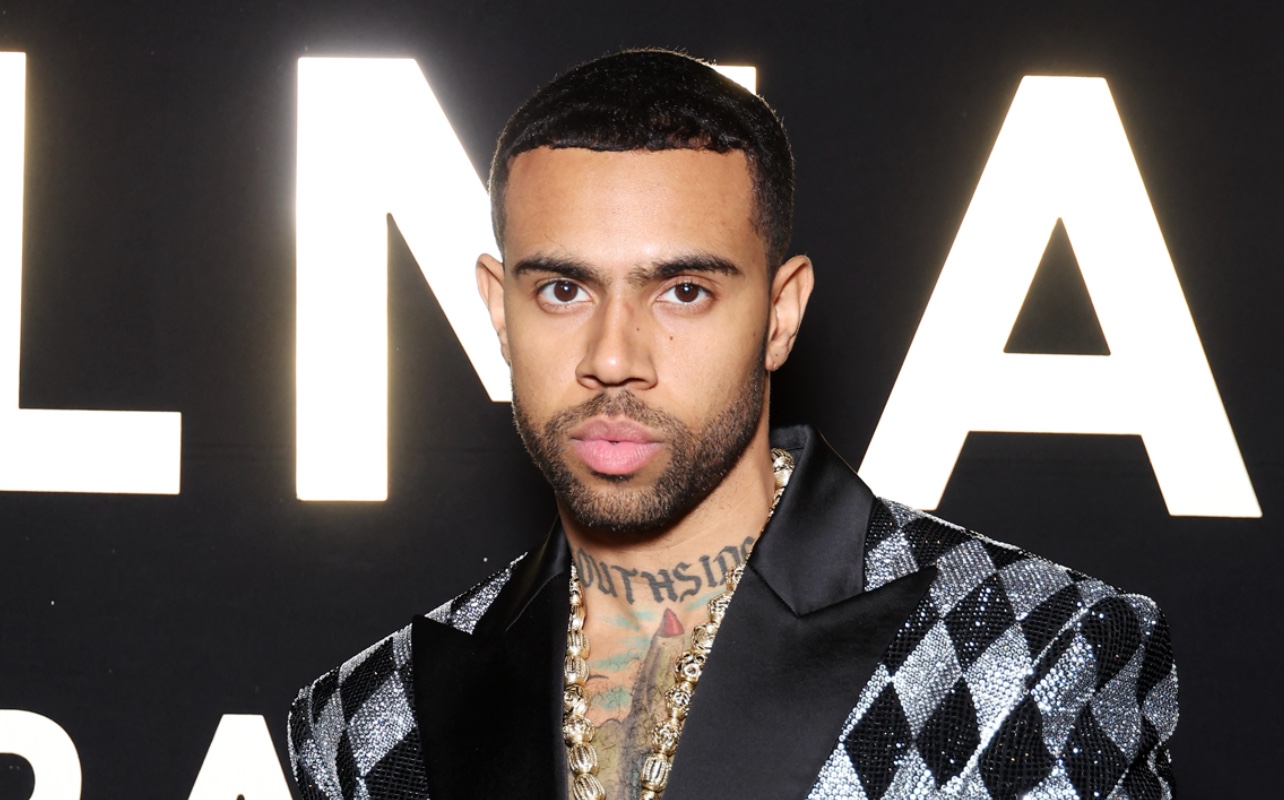
Vic Mensa has never been one to toe the corporate line. From his early rise as a Chicago rapper to launching his production banner, establishing Illinois’ first Black-owned legal cannabis brand, and hosting The Vic Mensa Show, Mensa’s career is a case study in creative self-determination.
In an era where corporate sponsors often demand sanitized narratives, Mensa continues to tackle systemic inequities, radical politics, and raw truth head-on. In this exclusive conversation with BLACK ENTERPRISE, Mensa dives into his vision for The Vic Mensa Show, the mechanics of IP ownership, and building business equity.
The questions and Mensa’s answers have been edited for clarity.
BE: The Vic Mensa Show tackles heavy topics like politics and systemic flaws. How do you navigate corporate sponsors and advertisers who might get nervous when you choose raw truth over corporate safety?
Mensa: The goal of the show is to maintain the authenticity synonymous with my brand and find partnerships that fit our politics. Relationships aren’t perfect, but some things just don’t make sense. We’ve had to pass on many deals because they simply don’t align, and that’s OK. You can’t sell your soul to the highest bidder. Some people might, but I couldn’t feel right doing that. It wouldn’t be me.
BE: How does your team determine which brands to work with? Are advertisers approaching you, or are you proactively seeking partners who align with social justice?
Mensa: It’s on a case-by-case basis. I’m not personally talking to advertisers—I’m focused on the ideas, the concepts, the words, the production, and the art itself. I’m blessed to have a great team that seeks out partnerships and opportunities that actually make sense for what we stand for.
BE: How did you partner with major platforms like Mass Appeal, YouTube, Spotify, and Apple for The Vic Mensa Show without losing control of your vision?
Mensa: Man, I gotta say I’m grateful to have great partners in it that can help to structure business and have just a good team putting together solid deals and working on my behalf, on our behalf, to maintain control and ownership over what we do, you know? And also, like, I came into it funding things myself, which also changes your dynamic too.
When you start by putting your own money on the line, it’s also a bit of a different journey, you know, than if all you have is an idea. I approach things, right now, from a place of tangible proof. Whatever I’m doing, if it’s a TV venture I’m working on, I went and shot a short film, which is almost like a digital pilot version of the TV show that I’m writing and pitching, so that I’m showing people something tangible.
It costs a lot, but it’s like I’m showing you the real thing. I’m not just coming to you with, like, an amorphous vision. I’m showing you, like, this is what I’m talking about.
BE: This season featured a formidable lineup—Chance the Rapper, Lena Waithe, Rapsody, Aja Monet, and Van Lathan. What’s the main takeaway you want audiences to gather from bringing these specific voices together?
Mensa: A dominant theme throughout this season is the cost of freedom—what is the price paid? Every guest has experienced that differently. Chance gave us a blueprint for the independent musician model. Van Lathan worked within legacy media, broke rank, and forged his own path. Aja Monet has organized alongside me and taught me so much about freedom movements. With her album, a portion of every dollar generated goes directly to women’s and girls’ organizations. It’s about reimagining how we operate within a system we are inherently part of.
BE: As these guests have built successful media footprints, are you looking to establish yourself as a broader thought leader or media personality alongside your music?
Mensa: With this show, my primary motivation is the conversation itself. Cody Chesnutt once told Chance and me, “Every conversation is a construction site. The primary question is: what are we building?” I don’t necessarily envision myself as a media personality. “Thought leader” sounds nice, but I don’t get caught up in labels. I’m just chasing my interests and remaining a student—reading, studying, and learning in public through dialogue with others.
BE: How has retaining your intellectual property (IP) changed how you monetize, take risks, and structure deals?
Vic Mensa: At this stage, owning your IP is everything. We’ve been sold a business model where we take upfront capital to cover immediate needs—like paying rent—and forfeit all backend profits. The result is that you rarely see money again.
Coming at this with experience changes the dynamic. Owning your IP allows you to move beyond basic survival, retain long-term value, and maintain control over your creative expression.
BE: How critical is direct support from your audience?
Mensa: None of this is possible without direct support from the people. Audiences are hungry for authentic storytelling, intellectual depth, and left-of-center Black politics.
BE: What is your advice for digital creators trying to convert social media views into long-term business equity?
Mensa: Focus on branding what you do and owning the means of production. For example, during the Orange Tree series, I wore apparel that I was actively producing and selling—not just promoting someone else’s brand. Don’t be a middleman for your own business; treat yourself as an enterprise.
Ideologically, focus on collective power. While capitalism won’t save us, we operate within it, so a dual-prong strategy is necessary: build sustainable equity while staying grounded in theory and collective community advancement.
BE: Looking at The Vic Mensa Show from a 30,000-foot view, how do you define success for the project?
Mensa: For me, success isn’t tied to arbitrary numerical benchmarks; it’s about consistency and longevity. If you execute at the highest creative level and sustain that work over time, long-term impact and business equity are inevitable.
___________________________________________________________________________________________________________________________
RELATED CONTENT: VIC MENSA TALKS BLACK ENTREPRENEURSHIP, PHILANTHROPY & HIS LOVE FOR CHICAGO