


March 25, 2026
Happy Birthday Aretha Franklin!: 7 Songs That Champion Womanhood And Empowerment
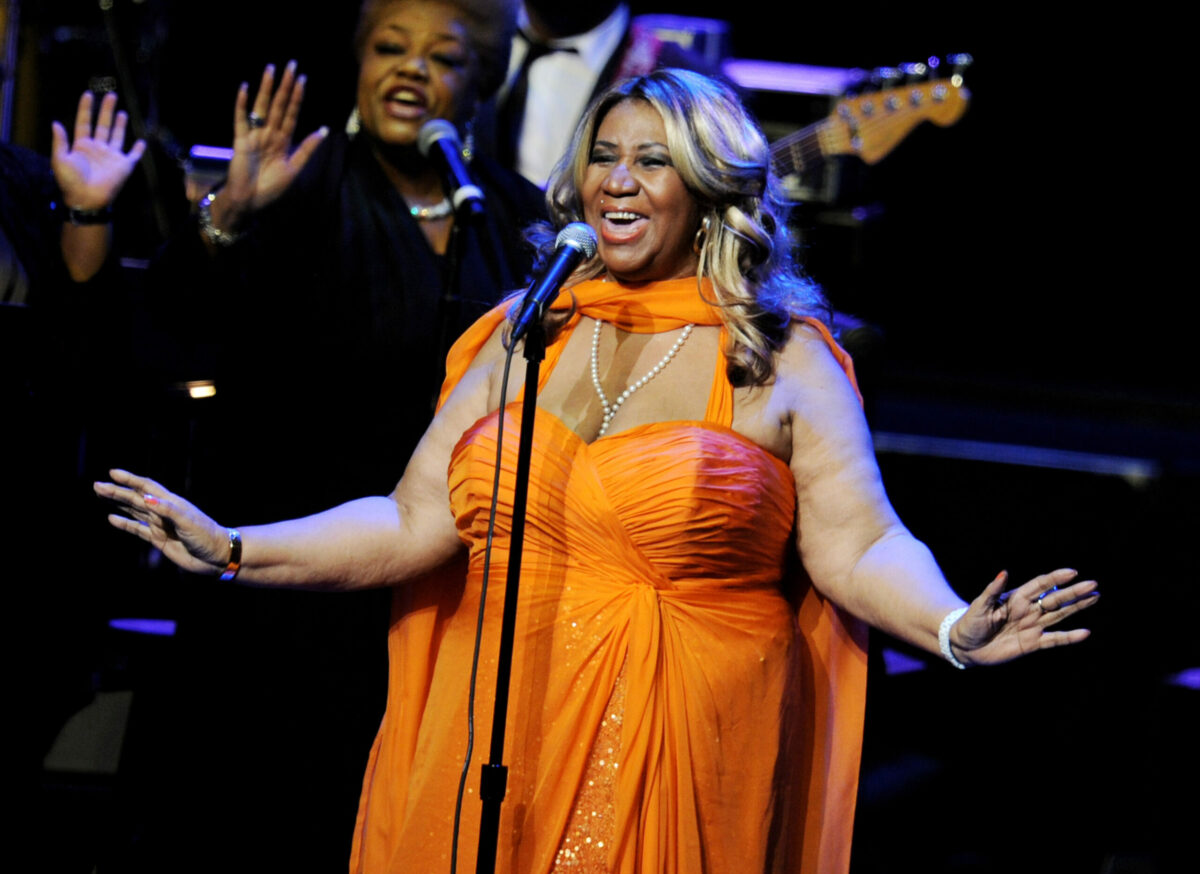
Aretha Franklin’s legacy deserves renewed recognition during Women’s History Month as her birthday falls on March 25. Franklin sang several songs that coincide with the cultural and social advancement represented by Women’s Month. Franklin, who was born in Memphis, Tennessee, in 1942 and raised in Detroit, Michigan, became one of the leading forces in the Civil Rights Movement while serving as a symbol of Black womanhood, empowerment, and artistic excellence. Through her musical transformation of “Respect” into a feminist anthem and her affirmation of identity and self-worth, Franklin’s music embodies themes celebrating women’s agency, resilience, and progress. This list demonstrates how Franklin’s voice continues to express the changing story of women’s fight for recognition, equality, and respect through her music, which audiences revisit.
“Bridge Over Troubled Water”
Through her 1971 release, Franklin reinterpreted Simon & Garfunkel’s “Bridge Over Troubled Water,” using Black gospel musical elements. The gospel-inspired message of support and resilience in the song creates a deep connection with women by showcasing their emotional strength and communal uplift. In her version, Franklin converts the song into a spiritual support system that shows how women help others through their personal challenges.
“Young, Gifted and Black”
Franklin performed the song “Young, Gifted and Black” by Nina Simone in 1972. The song is a cultural statement that celebrates Black identity, pride, and potential. The song gained worldwide significance within Black communities when it was released in 1972 during the Black Power movement. The main objective of the song is to empower young people by validating their intelligence and value. The song accomplishes this.
“A Rose Is Still a Rose”
Aretha performs this song, which was written and produced by Lauryn Hill, to explore self-worth and resilience. The song combines soul music with contemporary R&B and reached audiences in the United States in 1998. It delivers a message that women maintain their intrinsic worth no matter what happens to them. The song brought Aretha Franklin back into the music scene in her later years and connected with younger listeners through its message of self-worth.
“Sisters Are Doin’ It for Themselves”
The 1985 song “Sisters Are Doin’ It for Themselves” is a feminist anthem that honors women’s independence and accomplishments. Franklin and Annie Lennox perform together on this song, uniting international pop music with soul. The song openly praises women’s self-rule and has gained recognition as a women’s anthem that promotes both individual independence and group empowerment.
“Think”
Aretha wrote and performed the 1968 song “Think,” which makes a strong demand for liberation and self-determination. The song emerged amid major social and political changes in the United States and resonated deeply with people seeking independence and dignity, especially women. “Think” has established itself as a lasting anthem of empowerment, recognized as a symbol of freedom and self-governance.
“(You Make Me Feel Like) A Natural Woman”
Aretha performed the 1967 song “(You Make Me Feel Like) A Natural Woman.” Carole King and Gerry Goffin wrote the song, which delivers a strong message about emotional depth, love, identity, and womanhood to its female listeners. This recording achieved cultural and social prominence as Franklin’s vocals gave it superpower.
“Respect”
Otis Redding wrote the original song, which Aretha Franklin reinterpreted in this iconic track. The song emerged as a feminist and civil rights anthem that demanded respect in personal and social relationships. “Respect” was recorded at FAME Studios in Muscle Shoals, Alabama, during the Civil Rights era of 1967. With her powerhouse voice, Franklin changed the song’s perspective to reflect a woman’s fight for independence and respect. “Respect” established itself as a fundamental cultural element that both feminist activists and Civil Rights supporters adopted as a statement of personal value and equal rights.
RELATED CONTENT: Aretha Franklin Was Heavily Surveilled by FBI, According to Declassified Files