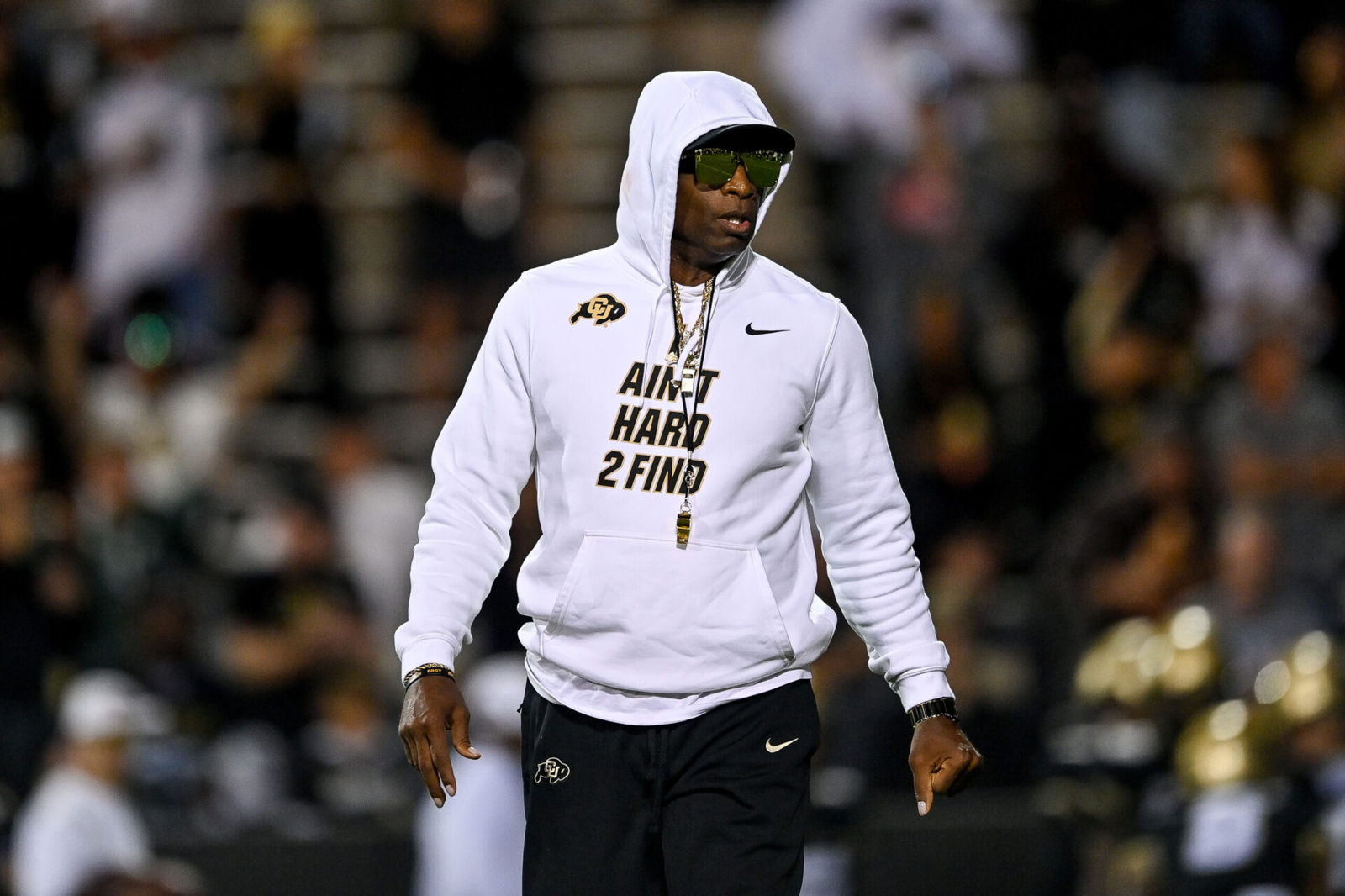
Deion Sanders Claims Schools Are Misleading Recruits By Saying He Won’t Be At Colorado For Long
Says schools are using rumors about him going to Texas A & M to tell students he won't be at Colorado
Deion “Coach Prime” Sanders is claiming there are schools trying to use an unfounded rumor that he is leaving the University of Colorado Boulder to gain an advantage with prospective student-athletes in their recruiting efforts.
According to CBS News, during Sanders’ weekly radio show, he said that some schools were trying to detract recruits from going to the Buffaloes by saying that Sanders wouldn’t be in Colorado for long, even though he hasn’t completed his first year at the university. It was brought up because Texas A&M University recently fired its football coach, Jimbo Fisher, and Sanders has been linked to that job.
Sanders says he has no interest in the position.
“I don’t talk about any other coaches or teams or staffs. I don’t believe in that,” Sanders said on Nov. 15, according to 247Sports. “I am not going to put you down so I can stand up. I’ve never been that type of player or person in my life. But all these other schools are telling these young men and their families I am not going to be [at Colorado].”
He continued, “They think that we’re going to be so successful that I am going to leave. So they understand what we possess and the potential we possess. But that’s not true.”
Although the Buffaloes have a losing record of 4-6 and are currently in last place in the Pac-12 Conference with a 1-6 win-loss total, Sanders has resurrected the program after his team went 1-11 last season.
His presence at the school has helped pack the stadium after the lackluster play of its football team in recent years. Being the football coach has brought the school a financial windfall through ad deals, promotions, celebrity endorsements, and sightings, not to mention increased media coverage. The NFL Hall of Famer has reportedly generated $90.6 million in revenue for the Division I school, according to Yahoo Finance.
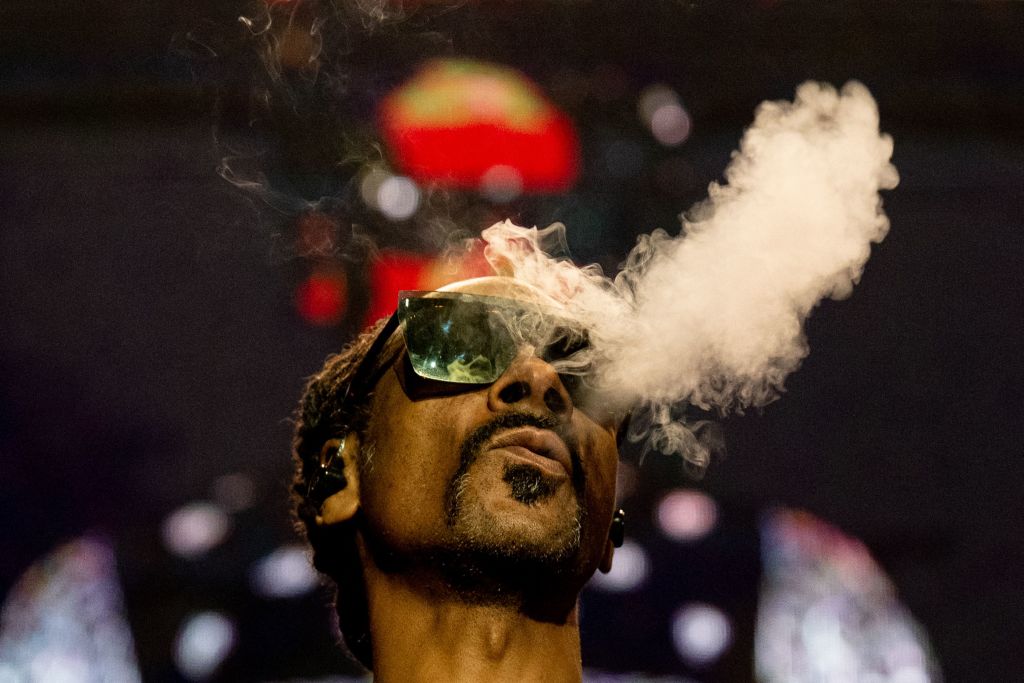
Snoop Dogg Shocks Fans with Smoke-Free Declaration
Snoop Dogg announced his latest project was to 'give up smoke.' Now everybody is confused.
According to USA Today, iconic rapper and entrepreneur Snoop Dogg caught fans off guard with a recent social media announcement on Nov. 16 that declared his decision to give up smoking marijuana. The revelation, conveyed in a black-and-white Instagram post, left fans wondering what has happened.
Snoop Dogg wrote, “After much consideration & conversation with my family, I’ve decided to give up smoke. Please respect my privacy at this time.”
In the accompanying caption he emphasized the decision, stating simply, “I’m giving up smoke.”
The “Gin and Juice” rapper didn’t explain his decision.
Snoop Dogg’s declaration to “give up smoke” puzzled fans, especially following his joint product launch with Martha Stewart called “Best Buds Bags.” A social media user, @nicholaszazula, highlighted what seemed to be a contradiction, commenting, “Didn’t he announce he stopped smoking 20 mins ago?”
Snoop clarified to hip-hop music magazine The Source that the limited-edition crossbody bag is tailored to his preferences, boasting secret stash pockets designed for his favorite herbs.
Despite the public proclamation, Snoop Dogg’s ties to the world of marijuana are evident in his involvement in the cannabis industry. From his renowned weed line, Leafs by Snoop, to his participation in the cannabis investment fund Casa Verde, the rapper is a prominent figure in the culture.
Even after his surprising announcement last month, Snoop employed the lit candles on his birthday cake to reignite a joint onstage at a Los Angeles benefit show co-hosted by Will Ferrell and John C. Reilly. The enthusiastic endorsement from Reilly and the audience underscored Snoop Dogg’s unapologetic and enduring connection with cannabis culture. “That’s what I’m talking about,” Reilly exclaimed, capturing the essence of Snoop’s presence in the marijuana industry.
T-Pain, who recently collaborated with Snoop Dogg on the music video for “That’s How We Ballin,” issued a disclaimer on X (formerly Twitter), noting that the video was filmed before Snoop quit smoking.
T-Pain offered words of encouragement to the California rapper, writing, “Stay strong, Unc #support.”
Study: Interpersonal Racism Tied To 38% Higher Stroke Risk in Black Women Over 22 Years
The Boston University study examined how “perceived interpersonal racism” can be linked to increasing numbers in strokes among Black women
New research found that there was a 38% increase in stroke incidence among Black women who experienced interpersonal racism over 22 years.
In a cohort study published in JAMA Network Open, a group of colleagues and doctors from Boston University suggested that “the high burden of racism experienced by Black U.S. individuals may contribute to racial disparities in stroke incidence.” The authors examined how “perceived interpersonal racism” in employment, housing, and interactions with police can be linked to increasing numbers of strokes among Black women.
In 1997, 48,375 middle-aged participants in the Black Women’s Health Study reported on perceived interpersonal racism and were “free of cardiovascular disease and cancer.” During a 22-year follow-up, there were 1,664 stroke incident cases, with 550 definite cases confirmed by a neurologist and/or National Death Index linkage.
As discussed in the research, it is important to consider that Black individuals face stroke and stroke-related mortality more frequently than other racial groups. In 2018, African American women were twice as likely to have a stroke as compared to non-Hispanic white women, based on the data by the Centers for Disease Control and Prevention (CDC).
Earlier this year, BLACK ENTERPRISE previously reported on a case of a North Carolina new mom who suffered several strokes and seizures. Following the delivery of her baby son, Leslie Jordan had slurred speech, loss of mobility, intense pain, and preeclampsia. Over four years later, Jordan is still recovering from brain damage with the help of her husband, going to doctors’ appointments, and continuing rehab. She said that her mothering “didn’t really start until my son was 3 years old because I didn’t have the capability.” So, she advises other mothers to take their health seriously.
Jordan’s circumstances are related to many other Black moms who may have experienced structural racism and self-reported experience of racial discrimination. However, exposure to perceived stress during pregnancy can lead to the risk of having a preterm or low-birthweight infant.
The cohort study further explained that racism and poverty are recognized as social determinants. In fact, “disproportionate numbers of Black US individuals face multiple adverse experiences over the life course.” Those who experience racism in their everyday lives have a higher stroke risk.
“A total of 27,155 women (59%) perceived racism in employment, 16,109 (35%) perceived racism in housing, and 11,046 (24%) perceived racism in interactions with police,” the study read.
Notably, women who reported racism in all three domains were more likely to reside in “high SES [socioeconomic status] neighborhoods, less likely to live in the South, and more likely to have a higher educational level than those who reported no such experience.”
In the analysis of perceived interpersonal racism about stroke incidents, authors recommended future studies among Black women with lower levels of education.
Senate Majority Leader Chuck Schumer Addresses AI’s Impact On Black Americans
"I am going to do everything I can to reduce the amount of bias AI has in its system," he said.
On Nov. 15, Senate Majority Leader Chuck Schumer (D-NY) held a Black Media Artificial Intelligence Pen and Pad session following his appearance at the AI Insight Forums in Washington, DC. Some of the country’s leading Black media companies, including BLACK ENTERPRISE, attended.
During the session, the Democrat shared his ongoing efforts to implement consumer protections against the new technology, including its embedded bias. Schumer also announced plans to expand protections for laborers across sectors with assistance from his peers in Congress. “I am going to do everything I can to reduce the amount of bias AI has in its system,” he said.
One of the most prevalent concerns amongst attendees at the Pen and Pad session was how artificial intelligence could impact the upcoming 2024 presidential election, even mentioning that major technology companies such as Meta have already platformed controversial and false political ads alleging that the prior presidential election was stolen.
Melanie Campbell, president and CEO of the National Coalition on Black Civic Participation, spoke about the political implications of AI if it is not adequately addressed in time for voter registration. “This election will determine what kind of democracy we’ll have. AI will impact that,” she stated. Schumer echoed this sentiment and offered reassurance that Congress is focused on how the electoral process will be affected by the sudden role of artificial intelligence.
“We are working on building guardrails to ensure transparency, to give workers a voice, and to ensure that the AI systems not only don’t increase the inequities in society but decrease them. It’s an opportunity as well as a challenge, and I want to take advantage of the opportunity,” he said. “We’ve seen lots of deep fakes, political ads, chat boxes. Black voters are among those who have been most targeted by this, so that’s something we’re particularly aware of.”
Schumer also touched on how expansive the measures will be. “We’re not just looking at this in broad areas,” he said. “We’re looking at specifics. So we’re looking at it in criminal justice and what the problems are with facial recognition. We’re looking at it in education. We’re looking at it in healthcare. And in every one of these, one of the focuses we have is stopping bias – putting guardrails against bias. The racism we’ve seen in our society for centuries is built into the information that these systems set up.”
Despite the issues accompanying AI, many view it as an opportunity to advance rather than regress if adequately managed. Jeff Nelson, COO of Blavity, spoke about its possibilities for entrepreneurship. “We talked a lot about the potential impact on the election and how we’re going to deal with that and how that’s important, but I remind us all as we think about this issue and write about this issue to also think about this as an opportunity for economic empowerment and wealth creation primarily for Black and brown individuals,” he said.
This conversation came shortly after Schumer held six AI Insight Forums, where several industry professionals convened to discuss the future implications of the technology. President and CEO of the Leadership Conference on Civil and Human Rights, Maya Wiley; National Urban League’s Yvette Badu-Nimako; and policy adviser Alondra Nelson were just some of the attendees.
“We’ve had these forums, and in every one of them, and we’ve had the leaders of the industry,” said Schumer. “On every forum, we’ve had people from the civil rights community, the labor community, and people who are critics of the Big Tech industry. They have to be there because they are setting up these systems, but we needed everybody there.”
“I made sure that every one of our forums had a good number of people who cared about the issue of bias, and we’re not just having them up there to talk. They’re involved in crafting legislation and helping us put it all together,” he continued.
Since its introduction, Black Americans have been unfairly targeted by AI, particularly as it relates to law enforcement. President of the Lawyers’ Committee for Civil Rights Under Law, Damon Hewitt, who also attended the forums, expressed his worries about AI and its repercussions.
“The facial recognition technology is typically not normed or tested against people with darker skin tones,” he said. “It puts us in danger of being falsely accused.”
Hewitt’s remarks and Schumer’s sessions came shortly after President Joe Biden signed an executive order on Oct. 30 establishing new standards of safety for the technology, according to White. Still, while Biden’s latest regulation is a stepping stone for additional protections, there is a long way to go.
Boston Settles Discrimination Lawsuit for $2.6 Million with Black Police Officers
The city of Boston has reached a $2.6 million settlement to resolve a long-standing federal discrimination case against Black police officers.
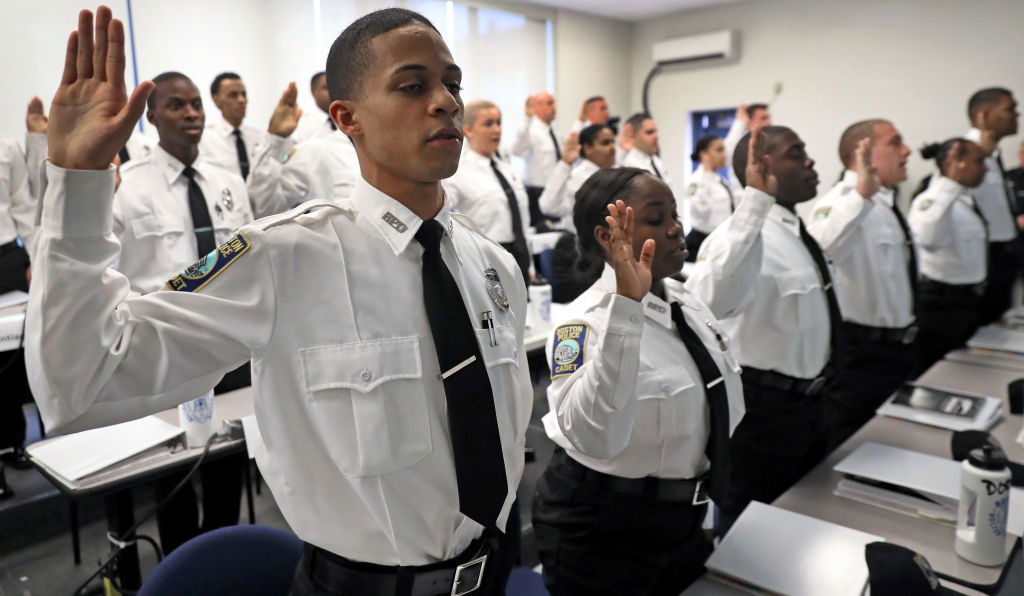
The city of Boston has reached a $2.6 million settlement to resolve a long-standing federal discrimination lawsuit involving a controversial hair test employed to identify drug use, announced attorneys representing Black police officers on Nov. 16.
The officers initiated the lawsuit in 2005, asserting that the city’s hair test was inherently discriminatory, as it disproportionately affected Black individuals due to their hair’s heightened susceptibility to false positives. Both the city and the testing company employed by the Boston Police Department vehemently denied any racial bias in the testing procedures.
The First Circuit Court of Appeals considered the case on two occasions. In 2014, the court concurred that the hair test disproportionately impacted Black officers. Two years later, it found sufficient evidence to indicate that the city persisted in using the test despite being informed of a less discriminatory alternative.
The case proceeded to trial in 2018, leading to subsequent mediation and, ultimately, the recently announced settlement.
Oren Sellstrom, a representative from Lawyers for Civil Rights, a nonprofit that advocated for the officers, remarked, “This settlement puts an end to a long, ugly chapter in Boston’s history. As a result of this flawed test, our clients’ lives and careers were completely derailed. The city has finally compensated them for this grave injustice.”
The Massachusetts Association of Minority Law Enforcement Officers, also a plaintiff in the case, echoed concerns over the lasting impact of the hair test on the diversity of the police force. In a release, Jeffrey Lopes, association president, stated, “The city is still trying to make up for the loss of diversity on the police force that resulted from use of the hair test.”
The city’s decision to abandon the contentious test in 2021 preceded the resolution of damages paid to three Black officers and a cadet, all of whom either lost their jobs or faced disciplinary actions as a consequence of the test. Although the case file acknowledged the settlement, specific details were not formally filed.
Attempts to obtain comments from the Boston Police Department and the agency’s lead attorney were unsuccessful.
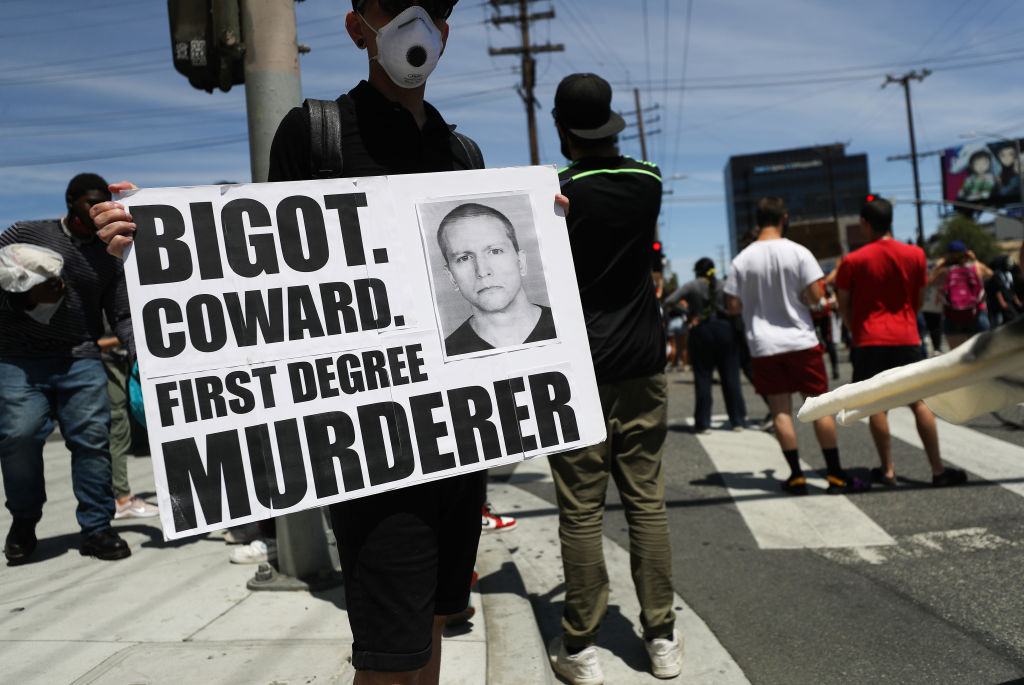
Derek Chauvin Makes Another Attempt To Overturn George Floyd Murder Conviction
Chauvin claims new evidence will show that he didn't cause Floyd's death
Derek Chauvin just won’t quit.
The former Minneapolis police officer is trying to overturn his federal civil rights conviction in the 2020 murder of George Floyd…again, NBC News reported.
In a new motion filed in federal court on Nov. 13, Chauvin claims new evidence will show that he didn’t cause Floyd’s death. The convicted officer says he would have never pleaded guilty if he had known about the theories presented by a Kansas-based pathologist named Dr. William Schaetzel, who he started talking to in February. Schaetzel believes Floyd died from complications of a rare tumor called a paraganglioma, causing a fatal surge of adrenaline, not asphyxia from Chauvin’s actions.
“I can’t go to my grave with what I know,” Schaetzel said when explaining why he started communicating with Chauvin. “I just want the truth.”
While the pathologist didn’t examine Floyd’s body, he did review the autopsy report. Now, Chauvin is asking the judge who presided over his trial to throw out his conviction, and demanding a new trial or an evidentiary hearing.
One the same video, Floyd can be heard crying out, “I can’t breathe,” igniting protests around the country and amplifying the conversation of the correlation between police brutality and racism.
Former ‘Extreme Weight Loss’ Contestant Brandi Mallory Dead At Age 40
The former reality TV star was found dead inside of her vehicle
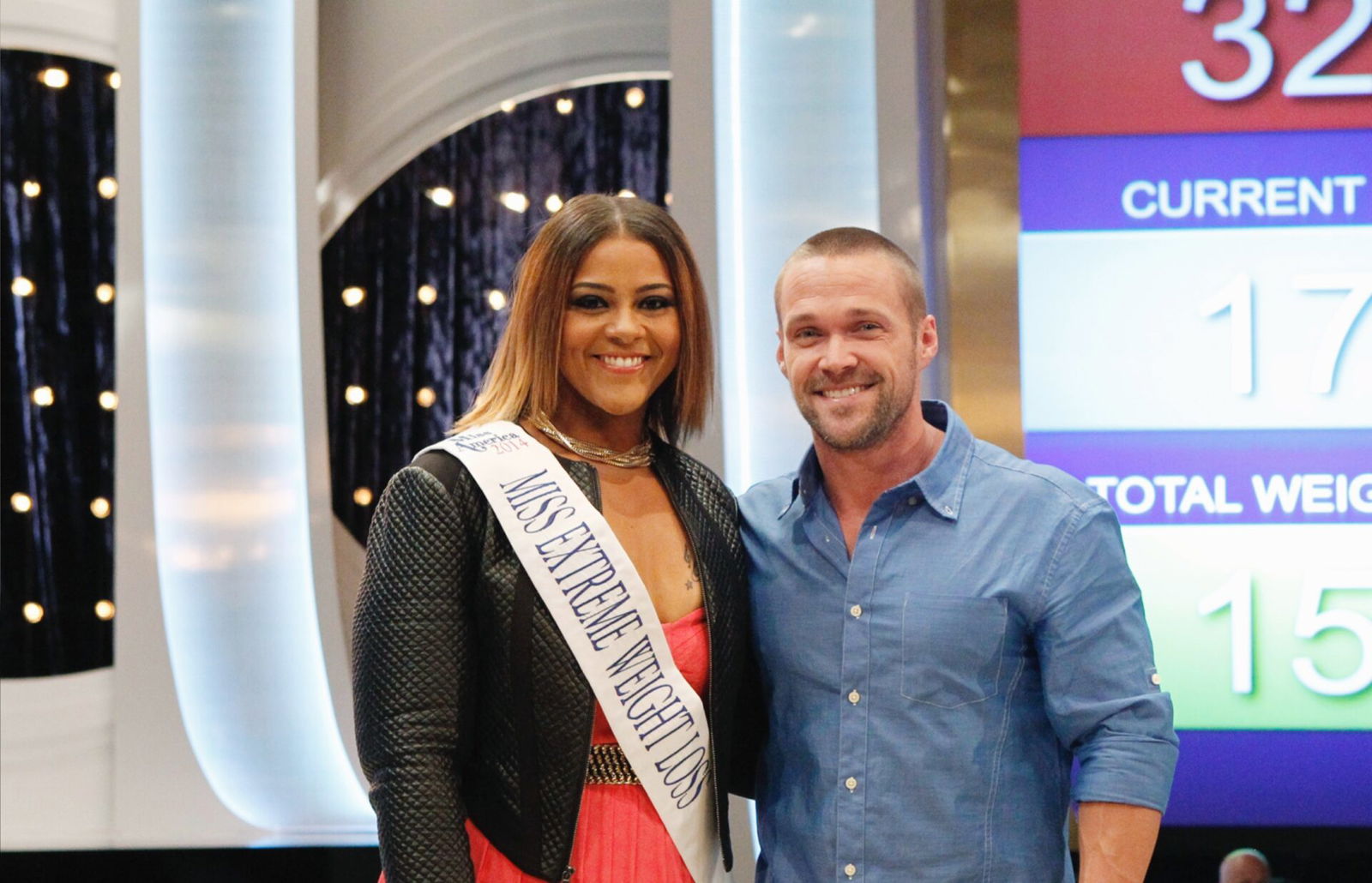
Brandi Mallory, who competed on ABC’s popular series Extreme Weight Loss in 2014, has died at 40, People reports. The former reality TV star was found dead inside of her vehicle in Stone Mountain, Georgia. A cause of death has not been confirmed.
Mallory’s car was spotted in a strip mall parking lot by a store owner who noticed the woman inside and thought she was asleep. After seeing the vehicle hadn’t been moved all day, he notified the police. Surveillance footage captured Mallory arriving at the parking lot the previous night, purchasing dinner, and returning to her vehicle, TMZ reports. She was not seen leaving the parking lot or her car again.
Police have noted no sign of foul play.
Since her appearance on Extreme Weight Loss, Mallory continued documenting her healthy lifestyle via a fitness page under the name HorsePowerfmg, where she offered various workout experiences led by herself and others. The Clark Atlanta University alumnus was also a makeup professional and plus-size influencer. When appearing on the show in 2014, she shared that the motivation behind her decision to strive for a new lifestyle came after the death of her sorority sister at the age of 29.
“I was literally waking up every day like… this may be my last day waking up, like, I don’t know what’s going to happen for me,” Mallory said. “When it’s playing on your mind that I might need to do something about my weight, because I’m afraid I might die too, then you might need to pay attention to something like that.”
Mallory’s family and friends held a candlelight vigil in her honor on Nov. 12, and a memorial service will be held on Nov. 19.
Extreme Weight Loss season 5 contestant Kim Williams Maxile shared kind words about Mallory in a touching tribute posted to Instagram. “You truly made an impact on this world with your zest and your passion for body positivity,” she wrote. “I’m blessed to have gotten to experience you in this world.”
Nationwide — In 2012, Yusef Wiley was released from a California Correctional facility after serving close to 22 years due to his past gang involvement in South Central LA. He hit the ground running being supported by family, friends, and the faith community located in the San Francisco Bay Area, he immediately began to make his passion for serving known by speaking at all types of venues.
Not long after that, requests began to pour in for Yusef to share his story at local government meetings, college campus events, and companies in Silicon Valley. After securing employment in the private school sector as an African-American Studies School Teacher.
In 2014, it was time to bring to life his dream and prayer to serve his community full-time as founder of the Timelist Group, Inc., which is now a successful multi-million dollar operation serving the very community he once helped to destroy as a gang member.
Yusef is now giving back to his community by providing a number of programs such as housing for reentry and unhoused individuals, and workforce programs which have allowed him to hire system-impacted people with a history of felony arrest. The Timelist Group now employs over 125 people from its predominately African-American community.
He has added to his business portfolio a Consultant Company, YW Consultants LLC, and a speaking platform called YW Speaks, LLC.
Yusef is a Founder & CEO, Personal Life Coach, Trainer, Facilitator, Cross Facilitator, Collaborator and Mentor.
To learn more about Yusef or to book him for a speaking engagement, visit YWSpeaks.com
Nationwide — Pierre Bagley, an independent filmmaker who has directed the likes of Taraji P. Henson and whose films have aired on Netflix, Bounce TV, TNT, and more, is now set to adapt and produce a film series based on the popular Bluford books series written by a multiracial team of authors. To date, the books in that series have sold more than 12 million copies.
The Bluford books series has caught the industry off guard because of its massive and avid fan base. In 2001, an indie publisher disrupted the Young Adult market by rejecting the cynical, baseless notion that “Black kids don’t read” by publishing a 7-book YA series set in an urban American high school. All the main characters were Black and brown — unheard of at the time — and they were complex and multifaceted, their stories realistic and edgy but also uplifting. The Bluford Series was born.
Today, the series spans 23 titles and has sales of more than 12 million copies with readers in all 50 states and boasting a readership of more than 50 million. Bluford has achieved historic success in YA fiction (U.S. sprinter Sha’Carri Richardson is an avid fan). It has also fueled a vocal fanbase clamoring for a television/film series.
“For over two decades, the Bluford High Series has represented hope, resilience, compassion, and overcoming adversity, all hallmarks for creating captivating content, which is the sole focus of our creative team’s efforts,” says Pierre Bagley.
Mr. Bagley and Academy Award-winning producer David Dinerstein have joined efforts to bring Bluford to the screen and will be pitching the series to various streaming outlets (Netflix, Amazon Prime, Hulu, etc.) as well as broadcast and cable.
The producers took an unconventional route of appealing directly to Bluford’s massive audience and asking the simple question: Why?… Why can’t this bright, passionate audience of millions have a TV/film series based on the books they read growing up? Why can’t they watch these stories that resonate for them? They asked the question, and the response has been enormous.
IKEA Trolls Balenciaga’s $925 ‘Towel Skirt’ With $10 Dupe
IKEA hilariously trolls the luxury brand Balenciaga .
The internet was ablaze when Balenciaga released its latest product, and Swedish retailer IKEA got in on the action.
The luxury brand recently debuted a beige, terry-cotton towel skirt with a price tag of $925. The towel-skirt buttons at the waistline and is embroidered with the Balenciaga logo in the front. According to the designer’s website, the knee-length unisex garment comes in small and medium sizes.
In response, IKEA took to their Instagram page to display their version of the exorbitantly priced towel-skirt. The retailer posted a photo of a male model wearing the VINARN bath towel which, according to its website, retails at $9.99 USD. The man appeared to be mimicking the Balenciaga model’s post while wearing a similar black hoodie and sunglasses while holding a blue Ikea shopping bag.
Social media commented on the retailer’s tongue-in-cheek “advertisement.”
“I actually cannot cope. This is ICONIC,” wrote one follower.
One commenter offered some words of advice for Balenciaga.
“Lol,@balenciaga Ikea could teach you a lot. Towel skirts don’t have to cost hundreds of dollars 😂”
This is not the first time the Swedish brand has made fun of Balenciaga’s pricey fashions. In 2017, the Italian brand released a blue tote that costing $2,145 that looked similar to IKEA’s reusable shopping bag, which costs 99 cents. The home goods retailer released a print ad entitled “How to identify an original Ikea Frakta bag.”
“How to identify an original Ikea Frakta bag:
1) Shake it. If it rustles, it’s the real deal.
2) Multifunctional. It can carry hockey gear, bricks, and even water.
3) Throw it in the dirt.A true Frakta is simply rinsed off with a garden hose when dirty.
4) Fold it. Are you able to fold it to the size of a small purse? If the answer is yes, congratulations.
5) Look inside. The original has an authentic Ikea tag.
6) Price tag. Only $0.99.”
When it comes to trolling, Ikea doesn’t discriminate. When rapper Kanye West expressed interest in working with the retailer in 2016, Ikea Australia responded via Facebook with an unserious collaboration “idea.”