


April 25, 2026
The Foot Soldiers On The Frontline Of Sexual Assault Advocacy
These Black women lead the charge
In 2026, as BLACK ENTERPRISE reflects on the 25th anniversary of Sexual Assault Awareness Month, the statistics remain sobering. According to the National Organization for Women (NOW), Black women are still 2.5 times more likely to experience sexual violence than their peers. Despite this disparity, they continue to experience significant barriers to safety, ranging from cultural stigma to institutional disbelief. However, phenomenal Black women stand in the gap, doing the work to ensure that all Black survivors of sexual assault and violence receive resources and support to thrive.
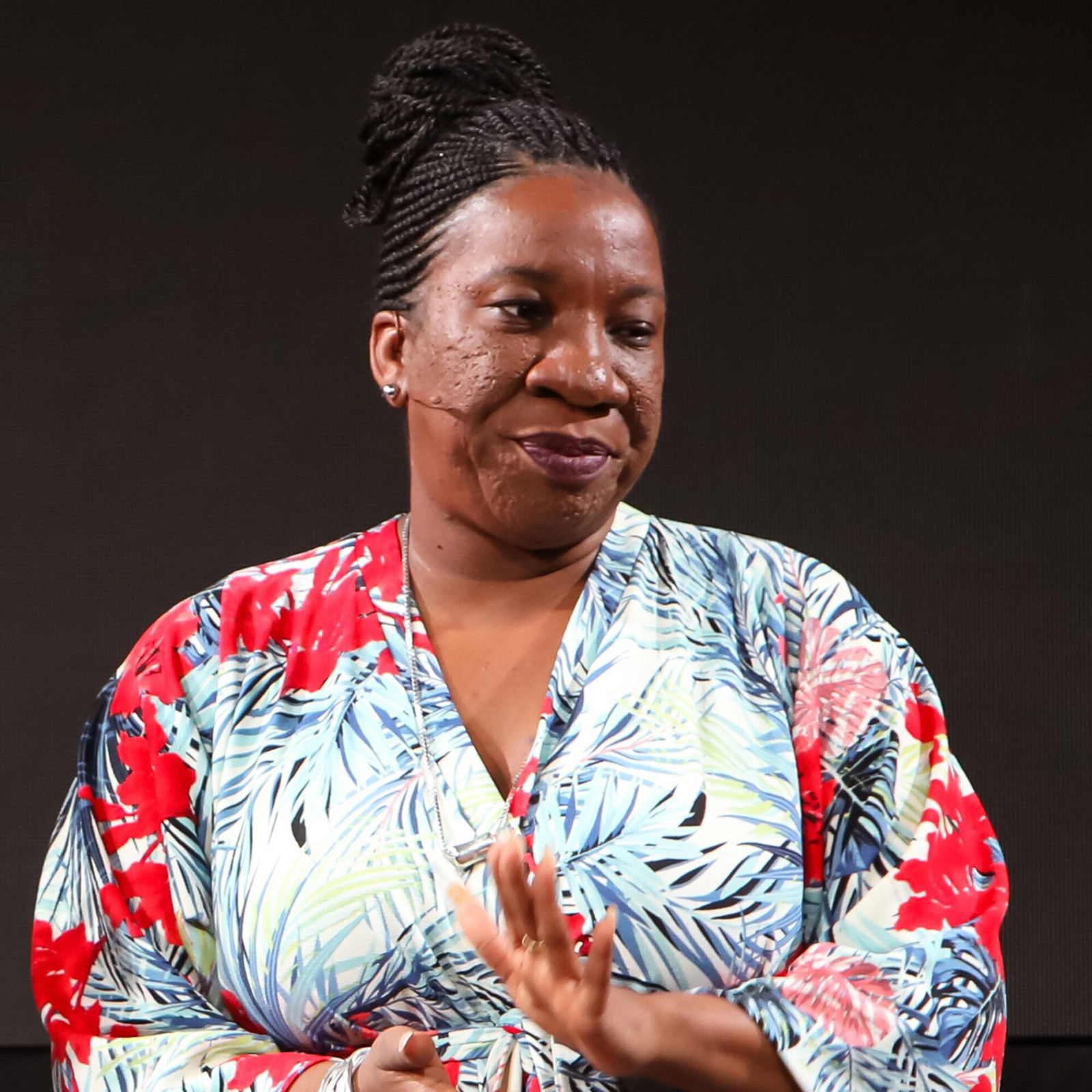
Tarana Burke
Long before it became a viral hashtag, Tarana Burke established the me too. movement in 2006, as a response to her work with Black girls who had experienced sexual violence but lacked resources and support systems. Burke developed the initiative through grassroots organizing and survivor-centered programming in the United States. Burke wanted to establish a language of solidarity and healing for survivors who came from marginalized communities. The movement achieved worldwide recognition in 2017, but its foundation remains focused on underserved populations who have experienced sexual trauma and on making sure survivors receive support.
- The Movement: She emphasizes that while the media often focuses on individual bad actors, the movement is truly about dismantling the building blocks of sexual violence: power and privilege.
- Vision: Burke advocates a cultural shift in which bodily autonomy is recognized as a basic human right, and survivors are not forced to “perform their pain” for public awareness.
Aishah Shahidah Simmons
Through storytelling, filmmaker and activist Aishah Shahidah Simmons has effectively addressed sexual violence in Black communities. The 2006 film, NO! The Rape Documentary became one of the first films to present Black survivor voices directly and boldly. Simmons operates out of Philadelphia, where she leads dialogues and workshops and conducts screenings to break the silence and stigma around sexual assault.
- Impact: The film was ahead of its time, premiering 11 years before the global recognition of the #MeToo movement.
- Current Work: Based in Philadelphia, she continues to lead “Generations of Struggle” dialogues and virtual screenings to foster transformative resistance and healing.
Farah Tanis
Farah Tanis serves as the executive director and co-founder of Black Women’s Blueprint and leads front-line efforts to address sexual violence in Black communities through culturally specific advocacy and healing programs. Tanis directs national campaigns to address sexual assault’s enduring effects from her Brooklyn, New York-based organization, which gave a groundbreaking 2016 United Nations testimony on Black women’s sexual violence legacy in the United States. Through policy work, international human rights collaboration, and grassroots programs, Tanis advances her fight against systemic inequities while elevating Black survivor voices.
- Global Advocacy: In 2014, her organization issued the first-ever report to the UN regarding gendered racism and sexual assault against Black women in the U.S.
- Key Focus: She highlights the “sexual abuse-to-prison pipeline” and demands state accountability for the historical and systemic exploitation of Black women’s bodies.
Monique W. Morris
Monique W. Morris, a researcher and advocate, has focused national attention on the intersection of sexual violence with Black girls’ treatment in schools and the juvenile justice system. Morris uses her book Pushout and her work with the National Black Women’s Justice Institute to show how Black girls who face abuse receive criminalization instead of support. Her advocacy work demands systems that focus on trauma-informed approaches to protect and heal individuals.
- Initiatives: She co-leads the “Holding a Sister” initiative, which mobilizes resources specifically for trans girls and gender-expansive youth of color.
- Philosophy: Her advocacy moves beyond addressing structural oppression to investing in the joy and liberated futures of marginalized youth.
RELATED CONTENT: It’s Sexual Assault Awareness Month And There’s An Anti-Rape Product Aiming To Protect Women