


September 1, 2026
IRS Filings Show Rising Compensation For Private HBCU Presidents
The compensation figures come from nonprofit organizations' annual IRS Form 990 filings, which disclose executive pay and other financial information
Federal tax filings released for fiscal year 2025 show executive compensation at several private, historically Black colleges and universities (HBCUs) surpassed the $1 million mark, highlighting the increasingly complex leadership demands facing many institutions, HBCU Gameday reports.
The compensation information comes from annual IRS Form 990 filings submitted by nonprofit colleges and universities and compiled by ProPublica’s Nonprofit Explorer, which tracks executive pay and organizational finances.
Among the institutions reporting the largest compensation packages, former Spelman College President Dr. Helene Gayle received the highest reportable compensation at $1.99 million. Morehouse School of Medicine President Dr. Valerie Montgomery Rice reported the largest overall compensation package at approximately $2.26 million after benefits and other compensation were included.
Howard University reported compensation for two presidents during the fiscal year. Former President Dr. Wayne Frederick received $1.47 million in reportable compensation before returning to the presidency following the resignation of Dr. Ben Vinson III, who reported $1.04 million in compensation during the same reporting period.
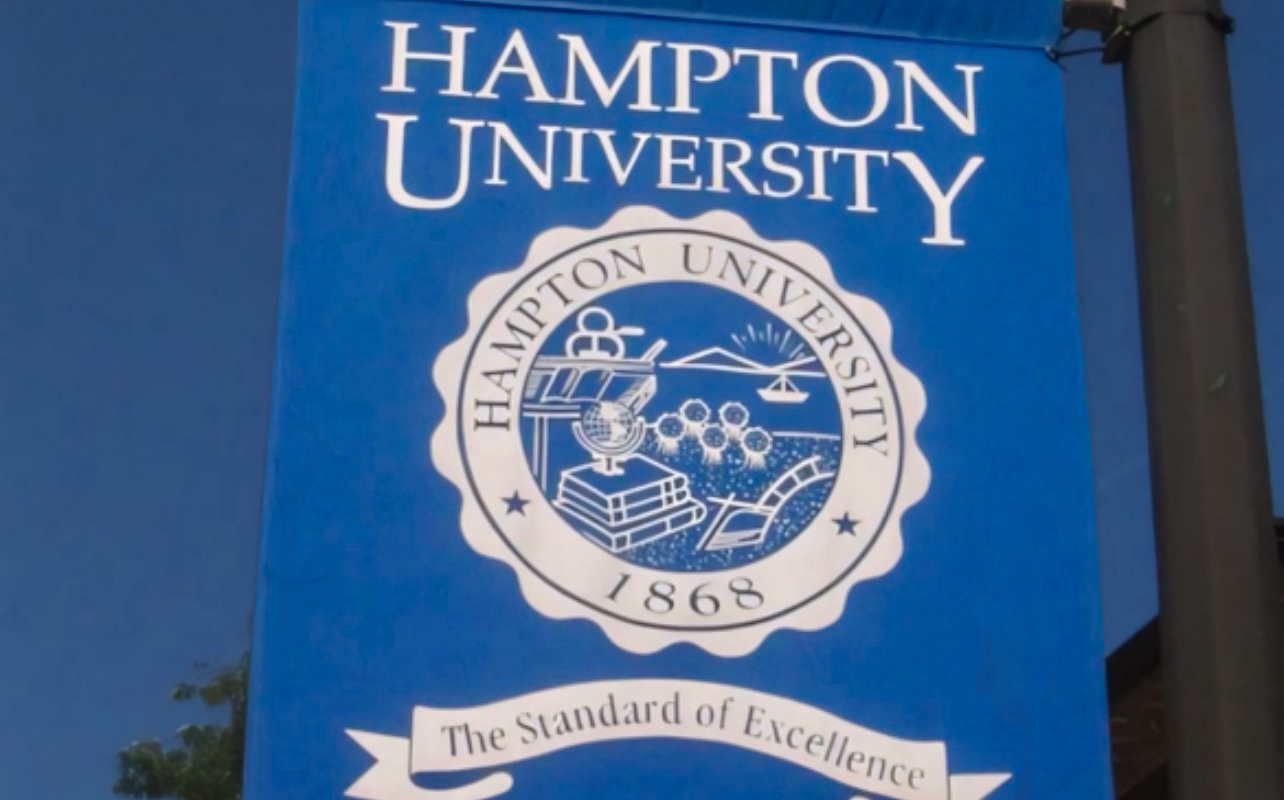
Other presidents reporting more than $1 million in base compensation included Dr. Hakim Lucas of Virginia Union University at $1.15 million and Dr. Dwaun J. Warmack of Claflin University at $1.08 million. Hampton University President Lt. Gen. Darrell K. Williams reported $902,500 in base compensation and more than $1.09 million in total compensation after additional benefits.
While the compensation figures vary considerably, the data reflect significant differences in institutional size, mission, and operating models. Research universities and academic medical centers often compete nationally for experienced executives, while smaller tuition-dependent colleges operate under different financial constraints and leadership expectations.
Executive compensation represents only one measure of institutional leadership. Financial records, enrollment trends, fundraising performance, accreditation status, audit findings, student outcomes, and long-term fiscal stability also provide important benchmarks for evaluating an institution’s performance.
The filings also show that total compensation can differ substantially from reportable salary because it may include retirement contributions, deferred compensation, housing allowances, bonuses, severance agreements, or other contractual benefits. Those disclosures provide governing boards, donors, alumni, and students with additional context for understanding how executive compensation is structured at private HBCUs.