NYC apartment, New York, NYCHA housing

Viral $1,200 Microstudio Apartment Reveals How Wild New York City Housing Conditions Are

A room in a building with no bathroom for $1,200 is INSANE!


The dream of living in New York City has some willing to endure tight conditions to afford the cost. A microstudio, available for $1,200 in rent, has gone viral for its amenities, or lack thereof, to subsidize the price.

Real estate agent Omer Labock shared an Instagram reel on Feb. 18 detailing a microstudio in the midtown area of Manhattan. The abode boasts an extremely modest 115 square feet and does not provide an in-unit bathroom or kitchen. The tenant would have to share those essential housing features with fellow renters in the building.

Eligible tenants will receive one window, a wardrobe space, and a shared bathroom down the hall. The kitchen inside the apartment was nonexistent. The apartment is on the third floor of a walk-up building.

The price tag, comparable to fully equipped and larger apartments elsewhere, is indicative of NYC’s dire housing market. The nation’s most populated city is known for its exorbitant rent prices, with Zillow’s estimation for the average cost for a studio being slightly over $3,000.

All across the nation, rental prices are climbing, and currently 29.4% higher than before the pandemic, per NerdWallet. The publication also listed NYC as the second-most costly rental market, with San Jose, California, taking the top slot.

The trend toward living alone, which has seen a substantive increase over the past years, has also increased rent costs due to the rising demand for studio and one-bedroom apartments. Fortunately, prices are expected to drop due to an oversupply of vacant residences, especially in cities where remote workers fled for cheaper housing, such as Texas hotspots Austin and Dallas.

However, until this trend is felt across the country, renters must deal with housing conditions such as the microstudio as the new affordable living options.
BLACK ENTERPRISE 2024 Women Of Power Summit Returns To Las Vegas To Honor Exceptional Business Trailblazers

BLACK ENTERPRISE 2024 Women Of Power Summit Returns To Las Vegas To Honor Exceptional Business Trailblazers

The BLACK ENTERPRISE 2024 Women of Power Summit will welcome over 1,800 professional women of color for a weekend of inspiration, connection, and empowerment.


The BLACK ENTERPRISE 2024 Women of Power Summit will welcome over 1,800 professional women of color for a weekend of inspiration, connection, and empowerment.

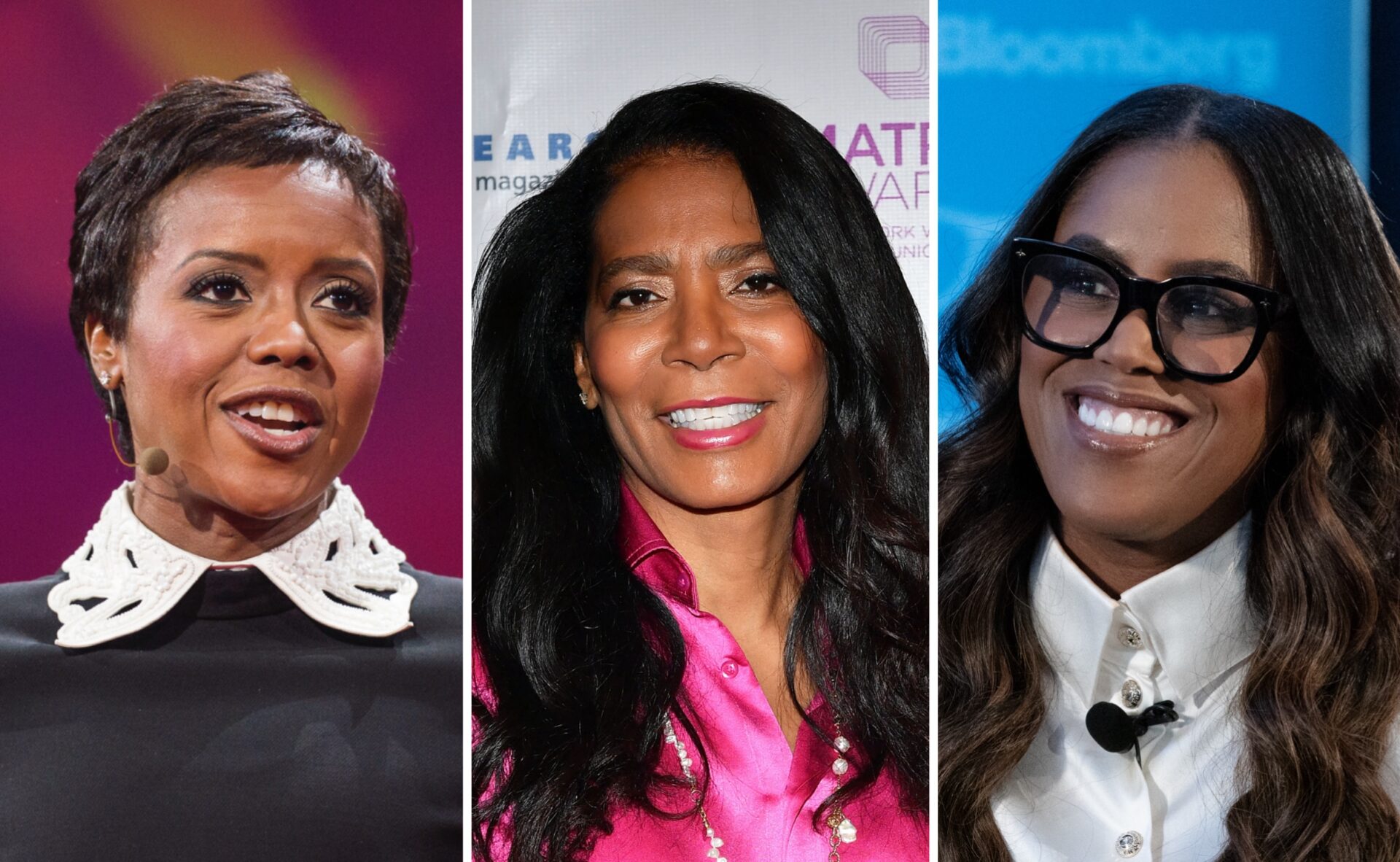
Announced on Monday, Feb. 26, the 18th annual Women of Power Summit will return to The Bellagio Hotel & Casino from Wednesday, March 27, through Saturday, March 30, to honor esteemed business trailblazers, including Mellody Hobson, co-CEO of Ariel Investments; Judy Smith, Founder and President of Smith & Company; and Thasunda Duckett, CEO of TIAA, among others.

Hobson, Smith, and Duckett will receive the highly regarded “Legacy Award” for embodying resilience, innovation, and leadership, while perfectly encapsulating the essence and ethos of the Women of Power Summit. Other honorees include recipients of the third annual Luminary Award, Author, Democratic Strategist, and Co-Host of MSNBC’s The Weekend, Symone Sanders Townsend; Co-Founder of Pronghorn / Executive Chairwoman of Lobos 1707 Tequila & Mezcal, Dia Simms; and Founder & CEO of STEMBoard and LINGO, Aisha Bowe, who will all be recognized for their outstanding contributions and pioneering efforts in advancing diversity within their respective industries.

The 18th annual Women of Power Summit guarantees a memorable experience filled with inspiring sessions, thought-provoking panel discussions, and unparalleled networking opportunities. Carefully curated to guide attendees in setting intentional goals to ignite inspiration, the Summit showcases remarkable leaders who have made a lasting impact in their respective fields.

“For almost two decades, the Women of Power Summit has represented a beacon of inspiration, resilience, and empowerment for women across the business industry,” said Earl Butch Graves Jr., CEO of BLACK ENTERPRISE.

“As we continue to evolve in our purpose and embark on this exciting journey with Accenture as our title sponsor, we envision a future where the Summit’s legacy continues to shine brightly, breaking barriers and fostering a community where the remarkable achievements of women are celebrated, and the conference is elevated to new heights of significance.”

Accenture is the title sponsor of this year’s Summit, which aligns seamlessly with the company’s commitment to a culture of equality and shared success.

“At Accenture, we foster a culture and a workplace where all our people feel a sense of belonging, are respected, and are empowered to do their best work,” said Yolanda Friend, North America Inclusion & Diversity lead.

“We are committed to helping everyone thrive, which includes the advancement and representation of women. Collaboration with partners, like BLACK ENTERPRISE, facilitates meaningful and impactful connections for our executives.”

Those interested in attending the 2024 Women of Power Summit can learn more about this year’s programming and the complete list of speakers and purchase tickets at https://www.blackenterprise.com/event/women-of-power-2024/.

RELATED CONTENT: Woman Of Power

David P. White, San Francisco, federal reserve, chair, California

David P. White Named Chair Of San Francisco Federal Reserve Bank

A step towards diversifying the ranks of Federal Reserve leadership was taken when the Federal Reserve Bank of San Francisco’s Federal Reserve Board of Governors named David P. White the chair of San Frans’ Federal Reserve Bank. 


In 2021, the Brookings Institution reported on the need for the Federal Reserve System to diversify its leadership. At that time—and presently—there is only one Black Federal Reserve Bank president: Atlanta’s Raphael Bostic.

In January, a step toward diversifying the ranks of Federal Reserve leadership was taken when San Francisco’s Federal Reserve Board of Governors named David P. White the chair of that city’s Federal Reserve Bank

As Variety reported, White was one of the key players in the merger of the Screen Actors Guild and the American Federation of Television and Radio Artists. He also was instrumental in reorganizing the entity by creating local and national boards to better address issues the union needed to take on.

In 2021, White told Variety, “Restructuring, reorganizing, and rationalizing our operational structure is something that I’m tremendously proud of. It was important work that is rarely seen by people outside of our union.”

According to a press release from 3CG Ventures, White’s leadership development firm, he will be working directly with San Francisco Bank President Mary Daly as well as members of the bank’s board on monetary policy.

In addition to those duties, White will represent the bank during the Conference of Chairs of the Federal Reserve Banks, which is responsible for addressing issues with senior leaders from the Board of Governors as well as the Federal Reserve System.

As Brookings laid out, Fed Chair Jerome Powell has been vocal about the Fed’s responsibility to diversify its ranks since at least 2020. During a regular Federal Open Market Committee press conference, in what appeared to be a reaction from the Fed to the murder of George Floyd, he said, “I speak for my colleagues throughout the Federal Reserve System when I say that there is no place at the Federal Reserve for racism.” Powell continued: “These principles [of non-discrimination] guide us in all we do, from monetary policy to our focus on diversity and inclusion in our workplace, and to our work to ensure fair access to credit across the country.”

Powell’s comments may also have been spurred by a public letter from economist Claudia Sahm emphasizing the poor track record of the economics field regarding diversity in general and the Fed specifically.

In her letter, Sahm criticized the lack of Black and Indigenous economists, writing, “Do you know how many Native American women are economists? Very few. Do you know how many Black economists work at the Fed? One out of 406. Economics is a disgrace.”

Time will tell if White’s appointment will lead to more diversity in the Fed, including bringing more women into its leadership, which Daly strongly advocates.

Meanwhile, the Brookings Institution closed its 2021 report on a hopeful note.

“Fortunately, there is great hope that the past will, in this case, remain in the past. Directors in each class essentially all serve for a limit of six years. In relatively short order, then, each of the twelve Reserve Bank boards of directors can be remade. This means progress can be made quickly if prioritized.”

RELATED CONTENT: Follow The Evolution Of Diversity, Equity, And Inclusion In The Workplace

SLAMS, Shaquille O’Neal, Shaq, gummies,

Shaq Gifts Kansas City Teenager New Kicks After Mother Starts GoFundMe For Custom-Made Size 23 Footwear

Shaq is such a class act!


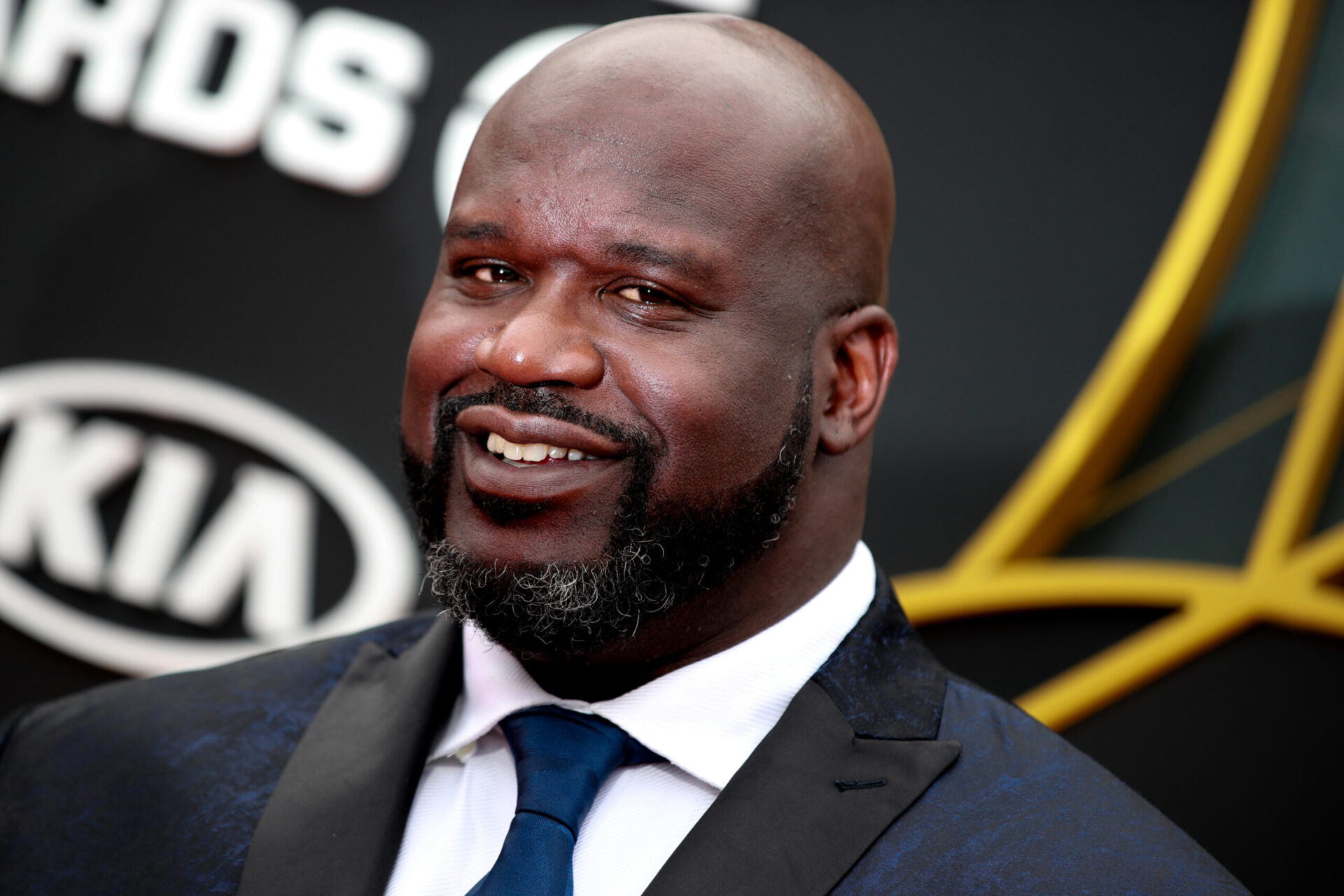
Former NBA player Shaquille O’Neal has made a big difference in the life of a young boy who wears a size 23 shoe. The generous Shaq blessed the teenager after his family started a GoFundMe account to help get him custom-made shoes.

A Kansas City teenager, Jor’el Bolden, was ecstatic when he got a surprise phone call after his mother, Tamika Neal, set up a fundraiser in order to outfit his size 23 feet. It was a FaceTime call from Shaq himself, who’d been made aware of Bolden’s plight.

Having big feet causes issues when most brands do not make footwear that large for the average consumer. Bolden’s mother said she had to get specially made shoes that wouldn’t hurt his feet. That’s why the GoFundMe campaign was created. She wrote:

“Hi, my name is Tamika! I’m a single mother of my gentle giant – 6’5”, 380 lb – son. I have been jokingly saying that I was going to create a GoFundMe page due to him needing shoes. I never actually thought it would come to fruition. The first time that I mentioned it, he was in a size 17 shoe. That was a year ago. My 16-year-old son, Jor’el, is now in a size 23 shoe.

“This size shoe is hard to come by, as commercial shoe sizes only go up to a size 22. However, I have spoken to some people who are able to make a shoe for him. They are asking $1500 for one pair. Seeing that he is not done growing, I figure I should get two pairs.”

After word got out about the campaign and Bolden’s situation, Neal said that Entertainment Tonight contacted her to inform her to tell her son that “someone special wants to talk to you.”

So Bolden chopped it up with Shaq, and less than a week later, three big boxes were delivered to the teenager.

Shaq gifted him with new clothes, shoes, and some things from the 7’1″ TNT analyst’s closet. Since Shaq wears size 22 sneakers, some of the items in one of the boxes were nearly 20 pairs of shoes he once wore. Still, Bolden’s favorite item was Shaq’s Papa John’s shirt, which the former professional baller wore in several commercials.

“They are a big help for now,” Neal said. “but he will need a bigger shoe eventually, and that’s what this money is for.”

The GoFundMe is still up and has received more than $12,000 out of a goal of $9,500.

youth homeless, HUD

Arizona GOP Approves Bill Banning Basic Income Program That Tackles Homelessness  

So what is their solution?


Republican lawmakers unanimously voted in favor of a bill that blocks guaranteed basic income in Arizona.

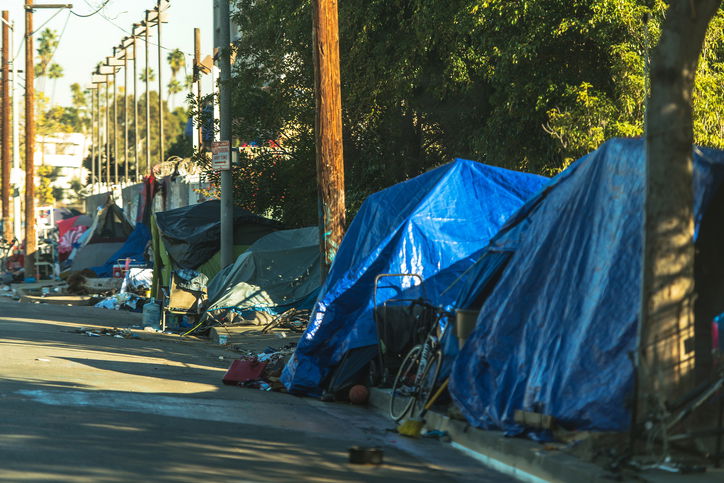
GOP representatives voted in favor of House Bill 2375, prohibiting guaranteed-basic-income programs, despite Arizona being number four on the highest rate of homelessness in the United States. Such defined programs offer qualifying families and individuals living at or close to the poverty line regular government payments for a certain period of time. However, HB 2375 co-author Rep. Lupe Diaz likened the programs to socialism and called the payments “unearned.” 

HB 2375 bans “any program where persons are provided with regular, periodic cash payments that are unearned and that may be used for any purpose,” not including work or training programs. While no Democrat voted in favor of the bill, it still needs to pass the Arizona Senate before becoming law. To date, Arizona’s Senate consists of 16 Republicans and 14 Democrats.

If the bill does pass, homeless hotel programs in cities like Mesa and Scottsdale would be outlawed. Republican bill supporter Matt Gress said that hotels serving as homeless shelters and being open to the public doesn’t solve the problem of homelessness.

“Renting out rooms doesn’t really get to the heart of the matter in getting services, help and structure to people who are living on the streets,” Gress said.

Local leaders disagree, however. Through a program called Off the Streets, the city of Mesa has helped close to 2,000 struggling families. Mesa City Manager Ian Linssen would like to keep the program going by renting out hotel rooms. With the bill banning state and local dollars from being used for mixed hoteling, only federal dollars would be allowed, making it difficult for the program to progress.

“We’ve helped since the program began, 1,600 people who’ve moved positively out of the program,” Linssen said. “It is difficult, as you may imagine, to access and use federal dollars. There’s a lot of strings attached with those, and it’s a longer-term process to get access to that, so we would be very limited in our options there.”

Cities across the country have successfully implemented such programs.

The guaranteed-income pilot program in Durham, North Carolina, for example, provides low-income residents a $600 monthly stipend. Baltimore’s Young Families Success Fund provides young mothers $1,000 a month, similar to a program in Oregon that gives monthly payments worth $1,000 to youth living below the poverty line.


Durham’s mayor pro tempore, Mark-Anthony Middleton, noted that many lower-income and Black residents being pushed to the side due to a demographic change: U.S. Census data shows that Durham has become 51% whiter over the last 20 years, and the median home price increased by over 50% between 2010 and 2019.

Uncle Nearest , whiskey, fawn weaver, barriers business

Breaking Barriers In Business: How A Black Woman Raised $230M And Built A Billion-Dollar Company By Defying 7 Common Myths

It shouldn’t be surprising that Uncle Nearest was considered a very high-stakes venture, and every venture capital, private equity company, celebrity, and well-known athlete I pitched initially passed on the opportunity.


Written by Fawn Weaver

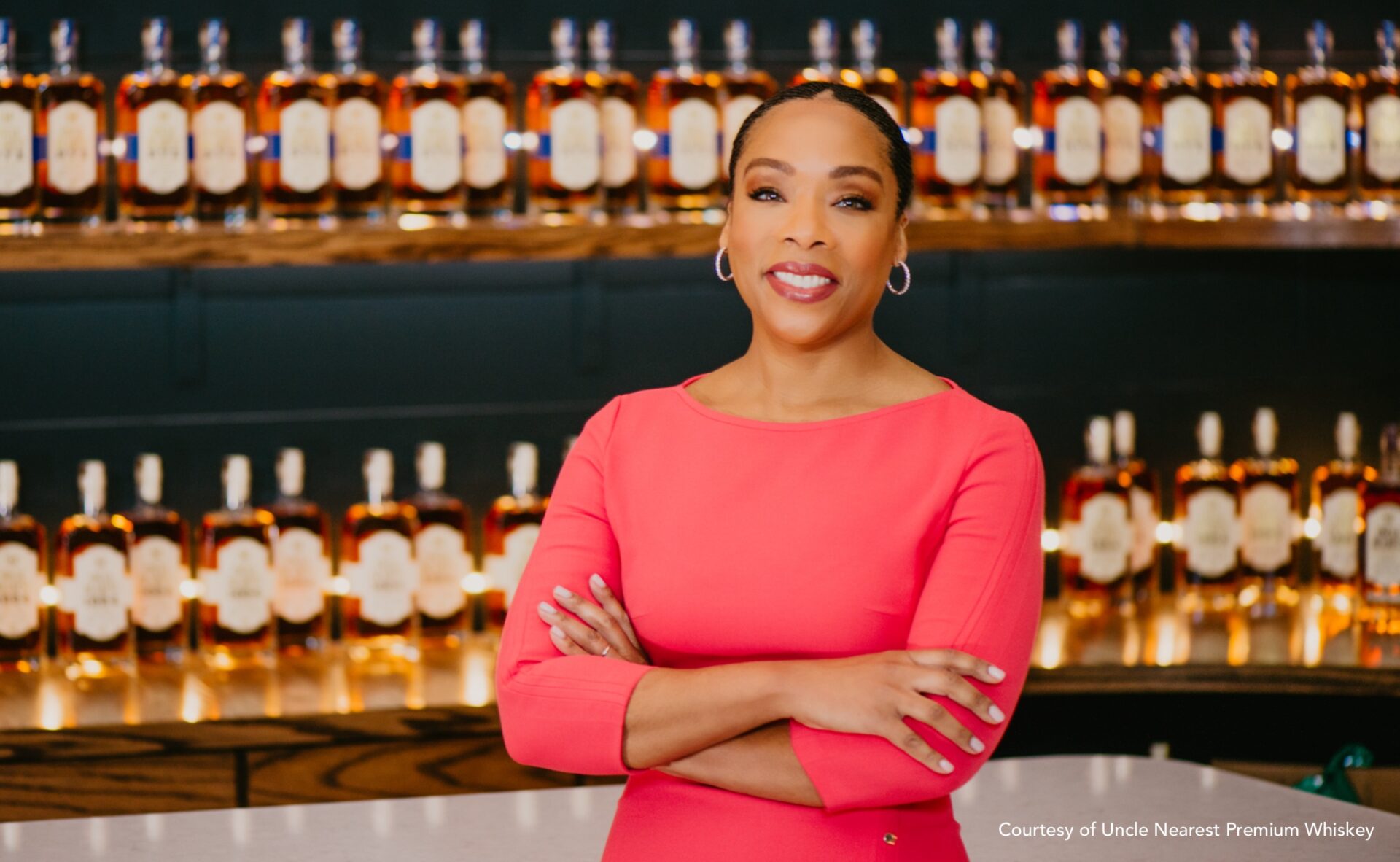
At the inception of Uncle Nearest Premium Whiskey in 2017, before it became the world’s most-awarded Bourbon for 2019, 2020, 2021, 2022, and 2023, and before Nearest Green Distillery grew to become the world’s 7th most visited and fastest-growing distillery, I faced the colossal task of raising capital to build what is now a more than $1 billion company. It shouldn’t be surprising that Uncle Nearest was considered a very high-stakes venture, and every venture capital, private equity company, celebrity, and well-known athlete I pitched initially passed on the opportunity.

The story of Uncle Nearest is intimately entwined with that of Jack Daniel’s, arguably the most ubiquitous American spirit brand in history. Despite this connection, Jack Daniel’s and its $30 billion parent company, have never held an ownership stake in Uncle Nearest. To potential investors, this lack of financial ties meant that we could be seen as competitors by this industry giant, even as a burgeoning startup, causing them to point their arsenal at stopping us.

Additionally, the landscape of the spirits industry, particularly regarding Black entrepreneurship, has always been challenging. Before Uncle Nearest, there had never been a successful Black-founded spirit brand. Uncle Nearest stands out as the first and only Black-owned brand in the spirits sector that was founded and is led solely by a Black individual holding a majority controlling interest. This distinction underscores the groundbreaking and unprecedented nature of our journey and the barriers we have worked to overcome in an industry where such success stories have been non-existent.

Raising capital is often the most daunting challenge for Black or woman-owned startups, and my journey with Uncle Nearest was no exception. In the early days, my expertise in fundraising was limited, and my professional network was small. I faced the additional hurdles of navigating trademark opposition and leading in an industry not typically accustomed to female leadership. Despite these challenges and without access to the influential ‘rooms’ often considered crucial for success, my conviction in my leadership and our brand’s potential never wavered. I remained steadfast, committed to overcoming every obstacle.

Raising the $230 million needed to grow Uncle Nearest into a company valued at over $1 billion, and to secure the more than $50 million required to build out the 423-acre Nearest Green Distillery, and the more than $30 million to buy and renovate the historic Domaine Saint Martin, along with the largest Grande Champagne Vineyard in Cognac, France—the namesake of the small region where all of the world’s Cognac must be produced—for the development of a second company, required dispelling seven pervasive myths. The common belief that obtaining capital for startups like mine is an insurmountable hurdle was a reality I had to confront head-on. My unwavering belief in my leadership, life partner, team, and vision behind our company was the driving force that propelled me through these challenges, transforming Uncle Nearest, Inc. into the success story it is today.

Thanks to the connections of my husband of 20 years, Keith Weaver, we successfully completed a Seed Series round of $3 million. His former boss’s belief in our vision was instrumental in this success. While the Seed Series was beneficial, those funds could only take us so far. We knew that we would need to raise more capital within our first year. The experience and lessons learned from that first round of fundraising were crucial in shaping all subsequent rounds.

Every person involved in that round was connected to Keith’s former boss. They believed in us because he was unwavering in his belief in us. I learned an important lesson that would repeatedly manifest throughout my fundraising journey: There are no lone investors. More than 95% of the investors in Uncle Nearest have been referred by another investor. Starting with just one investor in 2016, thanks to our CFO, our longtime business attorney, and the invaluable support of the lead investor in our Series A, we had over 170 by the end of 2022, each contributing to elevating this company to unparalleled heights. Early on, I named our investment group the Sixth Man, a name that persists to this day. Aware that our funds would be limited, I knew we could only hire a certain number of people to promote Uncle Nearest. However, by assembling an enthusiastic coalition of investors, they effectively became our sales team, our Sixth Man. This strategy is partly why Uncle Nearest is featured in an unprecedented number of national accounts, on some of the most prestigious golf courses, and in some of the most exclusive lounges and hard-to-reserve restaurants. Our Sixth Man made this possible.

In 2022, I observed a concerning trend in the venture capital industry: the amount of capital being deployed to Black founders by venture capitalist firms dropped to just 1%, down from 1.3% the previous year. By the third quarter of 2023, this figure had plummeted further to a mere 0.13% of the total capital, amounting to only about $39.7 million out of $29.9 billion, as reported by TechCrunch. So many Black entrepreneurs with brilliant ideas are sitting on the sidelines, as their assumption is that they can’t raise the capital to bring their vision to life.

I recognize that most founders don’t give away their “secret sauce.” But I’m not most founders and have been acutely aware from very early on in this venture that my success came at a price. That price is pulling as I climb and sharing what I learn in real-time so others can enter the doors I am opening today, not 20 years from now.

To raise the capital needed to grow this business, I had to debunk these seven myths:

Myth 1: Significant Investments Must Come from Venture Capital or Private Equity Firms

A widespread belief in business financing is that major investments predominantly come from venture capital (VC) or private equity (PE) firms. However, my journey with Uncle Nearest challenges this notion. In our founding year, which is a similar experience for most Black or woman-founded businesses, every VC and PE firm we pitched to passed on the opportunity. Since then, I have consistently refrained from pitching to or accepting investments from VC and PE firms.

However, one of the most substantial and supportive sources of investment for Uncle Nearest has been family offices. For example, a multibillionaire’s family office invested $15 million in Uncle Nearest. The investments from this family office are notable not only for their size but also for their strategic approach: they aim to own 2% of a company and support the founder’s vision without seeking a board seat. Several other family offices have invested more than $20 million and have been incredibly active in the secondary market, which we’ll discuss later in this article.

This experience, which is one of many in my company’s history, demonstrates that while VC and PE are common sources of business funding, they are not the only options for securing substantial investments. Family offices can provide equally significant support, often more aligned with the founder’s vision and values, making them a viable and sometimes preferable alternative.

Myth 2: You Must Have a Strong Network to Raise Capital

To connect with the ultra-wealthy, a strong network is indeed essential, but the investor landscape is much more diverse. In the United States, nearly 23 million millionaires actively seek investment opportunities, and they can be found everywhere.

During Uncle Nearest’s early years, I embraced a grassroots approach to building and financing our brand. I attended major spirits events, ran our booth, mingled at festivals, and introduced people to Uncle Nearest. Engaging in retail bottle signings and whiskey dinners, I made my presence widely felt. This hands-on approach involved inspiring and engaging potential investors, often leading to business card exchanges and investment offers.

Back at the office, I vetted each prospect. If they had a history of accredited investments, discussions were initiated through our CFO. Our investor group, the Sixth Man, is incredibly diverse, ranging from accredited investors earning just over $200,000 annually to multibillionaires. This diversity has been pivotal in Uncle Nearest’s growth.

Myth 3: Major Investments Come Only from Wealthy Investors

A common misconception in fundraising is that substantial investments come exclusively from wealthy investors like decamillionaires, centimillionaires, and billionaires. However, the landscape of investment opportunities is more diverse. To be classified as an accredited investor, one only needs an income greater than $200,000 for the past two years. While I set a minimum investment of $250,000 to join our cap table, it didn’t need to come from a single accredited investor. Groups of accredited investors could pool their resources into a Special Purpose Vehicle (SPV).

My introduction to SPVs came when my business attorney connected me with an investment banker who organized the first SPV to invest in Uncle Nearest. The SEC permits SPVs incorporated in the U.S. and raising $10 million or less to include up to 250 accredited investors. In my company, well over 170 investors, most part of SPVs, family offices, or family trusts, contribute to growing Uncle Nearest. Regardless of their group affiliation, I treat each individual as a Sixth Man, acknowledging their daily efforts through their influence and networks to help grow Uncle Nearest.

This approach significantly broadens the potential investor base, challenging the myth that only individual, high-net-worth investors can provide substantial capital. Understanding and leveraging these diverse investment channels were crucial in financing Uncle Nearest’s growth.

Myth 4: All Investors Demand Board Seats

I successfully raised over $70 million for Uncle Nearest, Inc. before appointing the first person to our board. This individual has been an enormous value add, proving to be an invaluable supporter throughout our journey. The spirits industry, lacking successful precedents set by people of color, required a different approach. I needed investors who understood this unique challenge and were willing to provide capital and support without demanding board seats. This approach allowed me to innovate and carve out a new path in an industry with rules not originally designed for someone like me.

These investors believed in my ability to navigate uncharted territory and transform challenges into opportunities. At one point, I considered adding a board member following a series raise at a valuation of $225 million, but one of our largest investors advised against it. She emphasized that the company’s success stemmed from its flexibility and lack of board interference. She recommended waiting until the right member could truly add value. When we later raised funds at a $450 million valuation, I knew exactly who to add to the board, and their contribution has been invaluable.

This strategic approach to investor relations and board composition was crucial, allowing Uncle Nearest the freedom and flexibility to grow and succeed on its own unique terms.

Myth 5: Successful Fundraising is Impossible Without Being in ‘The Room’

One common misconception is that raising capital necessitates access to elite networking spaces, or ‘the rooms,’ where high-level business deals are made. In my journey with Uncle Nearest, I found this to be untrue. Initially, I wasn’t invited to these exclusive circles, often reserved for those who have already achieved significant success. However, while these spaces might offer networking advantages, they are not essential for successful fundraising. In fact, I’ve never actively networked for fundraising purposes in any of those rooms. The few investments that have come from there have had to chase me down, as I respect the purpose of those gatherings.

Your success will hinge more on determination, a strong vision, and the ability to seize opportunities wherever they may arise. Remember, the person next to you in the Starbucks line could be one of the nearly 23 million millionaires in this country, many of whom are actively seeking to grow their portfolios. Don’t wait for an invitation into ‘the room.’ You don’t need one.

Myth 6: The Only Way to Raise Money is to Give up Equity

There are two types of capital raises: debt and equity. While some entrepreneurs have been successful in securing debt in lieu of an equity raise, that was not my experience, so I will share only what I have personally experienced. Throughout the series of fundraising cycles, my goal was to give up as little equity in each round as possible. The reason is that if you are doing your job and growing your valuation exponentially, then the $5 million you raise in a Series A, for instance, will cost you a lot more in equity than it might in a later round. Our Series A round was sold for $1.50/share, so if I’d raised $5 million at that time, it would have required me to sell 25% of the equity in my company. However, my Series E was sold for $29.14/share, so that same $5 million raised only cost me 0.057% of equity. One of the greatest mistakes founders make is taking as much money as possible upfront. This approach dilutes shares too early and makes it much more challenging to maintain control. I understand the reason many do this is to avoid any financial challenges. But if you have a fast-growing business, you’re likely to encounter tight financial squeezes throughout the first decade, no matter what. I’ve never met a successful entrepreneur who didn’t experience this. The difference is those who took in too much money early and lost control of the company now have to contend not only with financial constraints but also with the daily frustration of sacrificing for a business they don’t feel as though they fully own. Based on the many people I’ve spoken with on this issue, if they could do it again, they’d wait a little longer to take in more money, and they would only take in “good money,” as not all money is beneficial. Good money, in my books, only comes from investors aligned with your core values and excited to support you as you build, even if it takes longer than originally planned. Since 2016, I’ve raised more than $230 million for Uncle Nearest, including $133 million in debt capital, supported entirely by appreciating real estate and inventory. We’ve already repaid nearly $50 million of the debt capital, underscoring our commitment to sound financial management. If debt is an option, and you can comfortably service the debt, I would recommend this path over an equity raise in most circumstances.

Myth 7: Women and People of Color are Minorities with Limited Impact

A common misconception is that women and people of color are minorities with limited influence in the United States. In reality, we collectively constitute more than 70% of the country’s population, a figure that is steadily increasing each year. Our collective buying power is formidable and can significantly contribute to the success of any business that recognizes and taps into this reality. Uncle Nearest’s growth has been catalyzed by acknowledging and leveraging this substantial influence and economic power, debunking the myth.

In 2024, my hope is to see a significant increase in the number of successful businesses led by Black entrepreneurs, women, and people of color overall. Increased access to capital is essential for this vision to become a reality. This article aims to spark meaningful conversations within those communities, although I believe every entrepreneur can benefit from this article.

For Black Americans, reflecting on our heritage is profoundly significant. We are descendants of the strongest among the strong—resilient mentally, physically, emotionally, and spiritually. It is estimated that only 388,000 survived the harrowing journey from Africa to America. As a descendant of these survivors, their strength and endurance continually inspire me.

This is why I am sharing my blueprint for raising capital in real time, rather than waiting to recount these lessons in a future biography. My aim is to provide immediate guidance and support to my community of women and people of color, helping to level the playing field in a patriarchal country still striving to perfect its union. Committed to pulling others up as I climb, I am driven by the legacy of resilience and strength inherited from our ancestors. By challenging these myths, we are paving the way for our own success and illuminating the path for future generations of entrepreneurs in our community, contributing to a more equitable and just business landscape.

RELATED CONTENTUncle Nearest Premium Whiskey CEO Fawn Weaver and Husband Buys a Bank in Tennessee

Wendy's, Fast food, AI

Wendy’s Set To Roll Out Uber-Like Pricing Surge On Menu

Is Wendy's food that good for all this?


Wendy’s customers will be paying a little more for their tasty burgers as the company is implementing a price surge to its menu.

The strategy is similar to ride-sharing company Uber, adding pricing, known as surge pricing, that fluctuates product prices based on factors such as the weather or the time of day.

A spokesperson from the fast food chain said the changes could happen as early as 2025, featuring “AI-enabled menu changes” and more.

“As early as 2025, we plan to test a number of features such as AI-enabled menu changes and suggestive selling based on factors, such as weather, that we think will provide great value and an improved customer and crew experience,” the spokesperson said. 

Some locations have already rolled out the new Wendy’s Fresh AI “drive-thru,” using AI to improve the speed and accuracy of the drive-thru transaction. To expand on the strategy, CEO Kirk Tanner said Wendy’s has invested $20 million on digital menu boards to add to all U.S. company-operated restaurants by the end of 2025.

The company hopes that the massive investment will give them “flexibility to change the menu more easily,” assist with drive-thru traffic and provide more value during slower parts of the day.

Experts like George Washington University economics professor Steven Suranovic say plans like this aren’t new for other industries, but being tested in fast food elevates technology.

“This has been around in a few industries already, but in the context of fast food, it’s a new development and is pushing the technology to new places,” Suranovic said. 

While the spokesperson said the new pricing will “allow Wendy’s to be competitive,” Suranovic thinks some customers will get the short end of the stick. “Dynamic pricing enables them to take that surplus away from consumers and put it into the firm’s pocket,” he said.

“Ultimately, the biggest losers would be lunchtime customers. If people feel like they’re getting gouged, they’re not going to take kindly to this dynamic pricing strategy.”

Other competitors have already received pushback over raising prices that were once affordable. The price for McDonald’s popular Big Mac combo, going for $18, caused the chain to refocus on the company’s promise of being affordable. Many customers facing financial issues stopped eating at McDonald’s. CEO Chris Kempczinski put some of the blame on inflation. “In particular, low-income customers making less than $45,000 per year have largely stopped ordering from McDonald’s,” Kempczinski admitted. 

“Pummeled by inflation, they’re eating at home more frequently as grocery prices come down.” 

With Wendy’s operating 6,030 restaurants in the U.S., charging more for food during high-traffic times may help the company cut costs, including having to bring in more staff at peak hours. 

LUTHER VANDROSS, MADONNA, stoke, aids, picture, estate

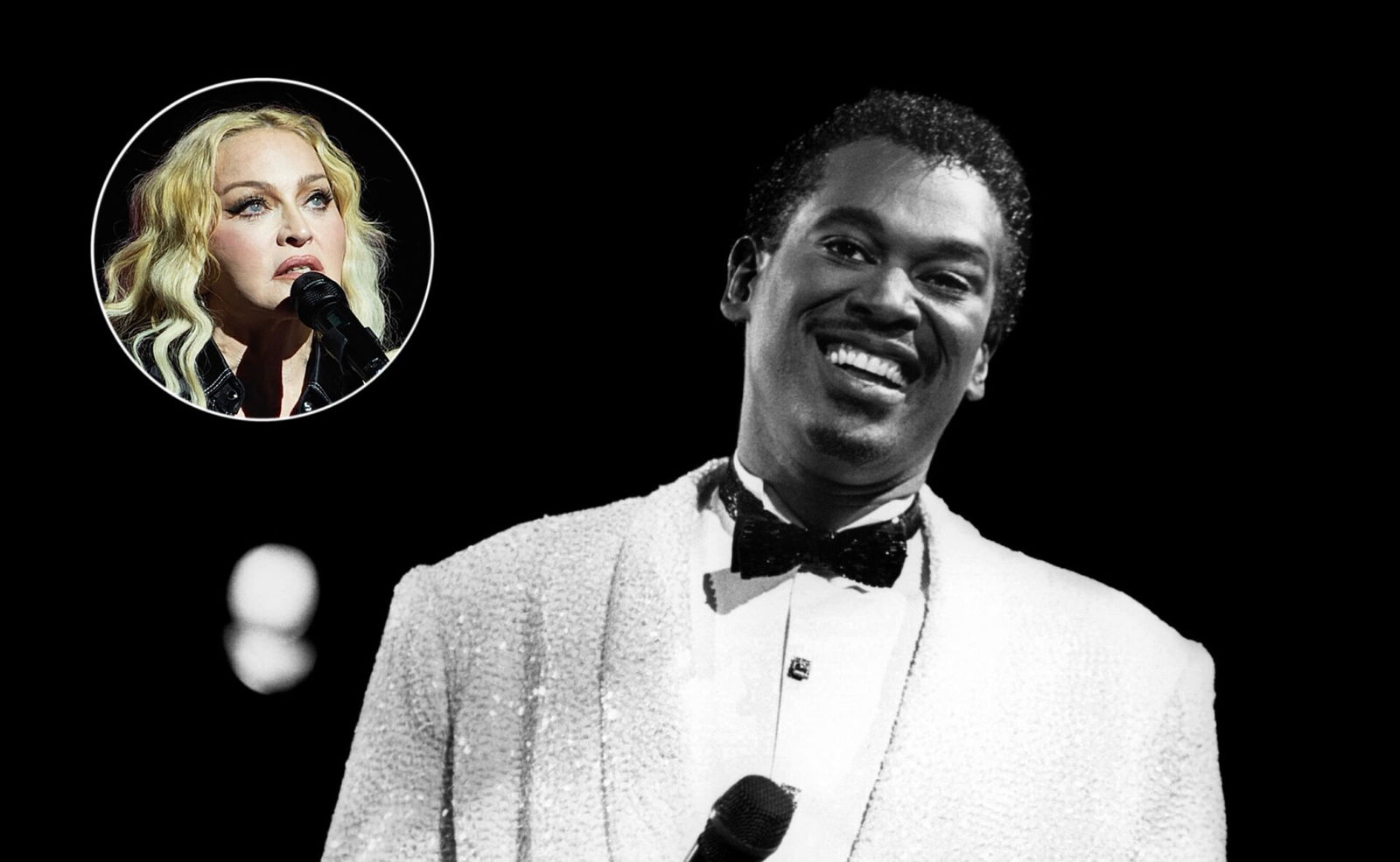
Luther Vandross Estate Has Madonna Remove His Photo From AIDS Tribute

Luther Vandross' estate convinced Madonna to remove a photo of the late singer she included in her tour's AIDS tribute.


Luther Vandross’ estate has convinced Madonna to remove a photo of the late singer in her tour’s AIDS tribute.

Vandross died July 1, 2005, from a heart attack. But for some reason, Madonna chose to honor Vandross’s legacy during the AIDS tribute portion of her “Celebrations” tour.

The pop star has played a photo montage of friends and famous figures who died from AIDS while singing her 1986 song “Live to Tell.” Singers Freddie Mercury, Sylvester, and painter Keith Haring are among those included. However, when Vandross’s photo was included in the Saturday show in Sacramento, California, his estate was caught off guard.

“Luther Vandross passed away in 2005 due to complications from a stroke suffered two years earlier,” a rep for his estate told Page Six. “While we appreciate Madonna’s recognition of those lives lost to AIDS, Luther was NEVER diagnosed with AIDS or the HIV Virus.”

The estate questioned where Madonna’s team received the inaccurate information and revealed their request to have the photo removed. Matthew Rettenmund, author and editor of Encyclopedia Madonnica, released a statement about the slip-up that resurfaced age-old rumors claiming Vandross lost weight in the 1980s due to AIDS-related symptoms.

“But sharp-eyed observers also noticed Luther Vandross was suddenly added. Though gay (and closeted to the end), and though Vandross was rumored to have lost weight due to AIDS-related illness, his 2005 death has never been attributed to AIDS complications,” he wrote in an Instagram post.

“Not sure why he was added belatedly, but it is an interesting choice.”

Vandross sued a British music magazine in 1985 for publishing a report attributing his 85-pound weight loss to AIDS. When news of Madonna’s AIDS tribute mishap hit social media, she faced criticism and questions from the public.

“Somehow I feel like this racist,” one user wrote.

“He passed from a heart attack right? why would she include him in the first place,” another user asked.

RELATED CONTENT: Halle Bailey, Erica Campbell, George Clinton, And More Celebrate Black Music During Grammy Week

Pilot, Teen Aviator Kamora Freeland, aviator, aviators

Flying High! Teen Aviator Earns License, Now One Of The Youngest African American Pilots

The teen pilot's family celebrated after Freeland was in the air for nearly an hour with the examiner before she landed—and passed.


High school senior Kamora Freeland, 17, is reaching new heights as she prepares to become one of the youngest African American aviators.

The Staten Island teen passed her check ride exam Monday, the final test to earn a private pilot’s license, according to ABC7. “I have a passion for it, and I love it,” Freeland said of flying.

During Monday’s exam, her family waited for nearly an hour as Freeland took to the sky with an examiner. Freeland landed to learn she had passed.

“I didn’t see this a year and a half ago, and to be here and see it with my own two eyes, I’m grateful,” Freeland’s mom, Lakema, said.

The teen’s cousin, Aaron Rice, also shared, “To see her doing this…and to be so young and mature at that age to even want to do it is just amazing.”

Freeland received congratulatory hugs from her father and even a Tuskegee airman. Her grandfather, Richard Greene, was also excited to share in the monumental accomplishment.

The Kingsborough Early College High School student has already completed solo flights and flown cross-country with her mother.

“She flew me, and I couldn’t believe that she was the pilot,” her mother said. Lakema took to Instagram in November 2023 to celebrate news of her daughter’s first completed solo flight. “My baby 16 year old Kamora Freeland takes her first Solo Flight,” the proud mother captioned a video of the flight.

Earning a pilot’s license at 17 is a major achievement for the honor student, and she is a living example that young women of color can succeed in flying. “It’s definitely amazing,” she said. “I’m a part of the change that’s definitely needed, and I want other little Black girls to do the same.”

With her laser focus and early successes, the exemplary teenager is quite literally reaching new heights in aviation. Freeland already has her sights on enrollment at Spellman College in the fall. She plans to continue her flight training and work toward a commercial pilot’s license.

RELATED CONTENT: Air Canada’s First Black Female Pilot Takes Flight

Shop, business grant, NYC, small business, small businesses

New Money! NYC Small Business Services Aim To Revive Local Businesses With New Grants

New York City has announced a substantial allocation of grants aimed at providing a lifeline to small business owners.


In a concerted effort to revive struggling local businesses grappling with the aftermath of the pandemic, New York City has announced a substantial allocation of grants to provide a lifeline to small business owners, according to CBS News.

Among the beneficiaries of this initiative is the 9 Tails Coffee Shop in Harlem, a hidden gem between 125th and 126th streets. Barista Youssoupha Gueye, expressing the sentiments of many small business owners, emphasizes the need for increased visibility: “We need more signage. We need more stuff to show we are here.”

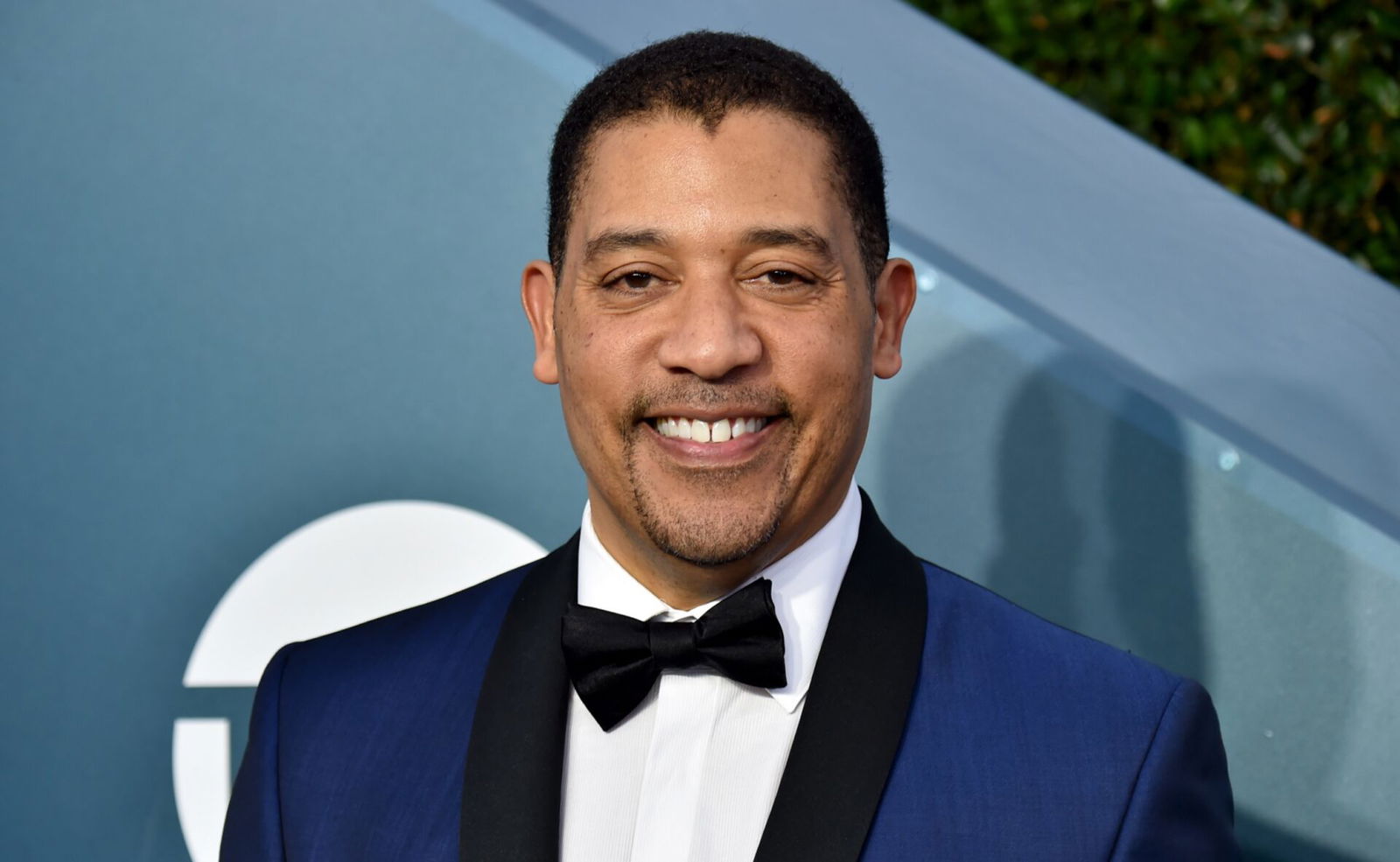
The city’s Small Business Services is spearheading this endeavor, recognizing the pivotal role small businesses play in the fabric of local communities. Commissioner Kevin D. Kim underscores the importance of these investments, stating, “Investment into the neighborhoods is [an] investment in the communities.”

The newly announced business grants, totaling hundreds of thousands of dollars, are designed to enhance the appeal of small mom-and-pop shops to local patrons. Kim emphasizes the multifaceted benefits these businesses bring, from promoting public safety through vigilant staff to maintaining cleanliness in bustling commercial areas.

Initiatives include augmenting commercial lighting in shopping districts and infusing music into public spaces, such as the trees along 125th Street. Barbara Askins, president and CEO of the 125th Street Business Improvement District, stresses the significance of ongoing communication and creating a memorable experience for customers.

Highlighting the severe impact of the pandemic, officials note the closure of 30,000 shops in the city. Councilman Oswald Feliz acknowledges the resulting challenges, stating, “That created vacated storefronts and that created quality-of-life issues.”

Despite these challenges, there’s a silver lining, as 1 in 6 businesses currently operating in the city has emerged since January 2022. Notably, half of these small businesses are now owned by immigrants, bringing diverse flavors, products, energy, culture, and enthusiasm to the city.

City officials stress the ripple effect of supporting local businesses, emphasizing that every dollar spent locally circulates back into the community. Commissioner Kim urges residents to recognize the symbiotic relationship: “It’ll come back to benefit them and their family as well.”

As the city strives to rejuvenate its small business landscape with these grants, business owners like Gueye hope the community will rally around local establishments, fostering a sense of unity and resilience.

RELATED CONTENT: 4 Success Tactics For Trailblazers In Business

×