books

Black Woman Aims To Diversify Book World With Packaging Business

Dhoinelle Clayton, the founder of book packaging business Electric Postcard, is helping to improve the publishing industry by promoting ideas that center around diverse characters.


A Black woman is taking matters into her own hands to help diversify the book industry. Through her packaging business, Dhonielle Clayton is selling book ideas that promote diverse characters.

Her company, Electric Postcard Entertainment, is shifting the media space by encouraging buyers to develop these plot lines that center upon underrepresented protagonists. According to The New York Times, Clayton hosted her own event in the fall that gathered an expansive network of media executives, agents, and novelists to spark inquiry into these intriguing book ideas and leverage their power.

At the party, a QR code stashed within an assortment of party goodies revealed to guests the excerpts of 10 diverse narratives. All were being shopped around by Clayton, whose overarching goal is to expand from the typical white, heteronormative perspective in literature. Being a packager, the former librarian and writer herself sets the ball in motion by developing the plots and sourcing writers to further these projects.

Her ultimate goal is to create a pipeline for authors of color to write about characters that are not the standard, including those of varying racial backgrounds, in addition LGBTQIIA+, disabled, and cultural groups. Through her packaging program, she helps newer authors get established in the field, sharing that her own strenuous journey to gaining ground in the industry should not be the norm.

“It shouldn’t have taken me eight books, start to finish, to break in,” Clayton told the Times. “I wanted to shorten the runway for other people.”

Getting her start in children’s literature with her first intellectual property business, Cake Creative, her expansion into adult fiction is elevating the field while ensuring others rise with her. Beginning at a place where multicultural reading was limited and underserved, Clayton has sold 11 books under Electric Postcard since its establishment.

RELATED CONTENT: Black Author Turned Publishing Coach Sets Out To Create 1,500 New Authors In 36 Months

nick cannon,mental health, NPD, lupus, Louis Vuitton, narcisstic personality disorder

Nick Cannon, Zeus Network Bashed For ‘Light Skin V. Dark Skin’ Competition

Nick Cannon and Zeus Network are receiving backlash for their Bad vs. Wild Las Vegas event hosting a 'Lightskin vs. Darkskin' competition.


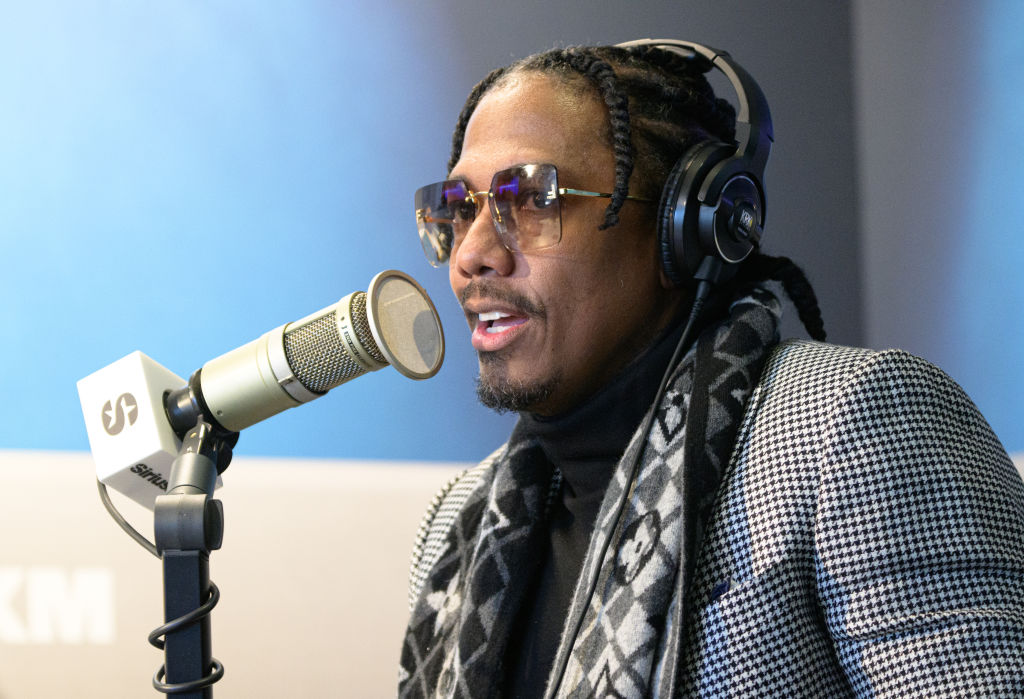
Nick Cannon and Zeus Network are under fire for the promotion of their Light Skin vs. Dark Skin competition. The Wild N Out host and the network posted the flyer for fans to view the live event on Dec. 7 but were met with immediate pushback given the colorist nature of its description.

The Las Vegas event was supposed to be a competition between Wild N Out stars and women from Zeus’ Baddies franchise, deemed Bad vs. Wild. However, the original flyer pictured the women divided based on skin tone, including Light Skin and Dark Skin team names. However, swiftly after the event was posted to social media, users flocked to note that it was colorist and divisive to put women of differing skin tones against each other, reported Complex.

In response to the backlash, Zeus changed the event title to “Chocolate Goddesses vs. Caramel Goddesses” but kept the same imagery that was also part of the issue.

“Hey beautiful people,” captioned the post. “Our aim at #BADVSWILDLASVEGAS is to unify, celebrate, and laugh together as we explore [the] diverse tapestry of our community. Today, we’re excited to bring you a show filled with fun, music, and empowerment with the beautiful @Sukihanagoat and her Chocolate Goddesses along with @mxrvssa and her Caramel Goddesses!”

The caption explained that the event was meant to “break down stereotypes,” but commenters were not buying it.

“This isn’t any better,” said one commenter on the revamped post. “Putting dark skin women against light skin women. Further fueling the colorism that Black women have battling against forever.”

With the women on the flyer still separated by their complexion, many were also confused about what their skin color had to do with the event itself.

“Can yall stop,” shared another user. “Wording it like that [doesn’t] make it better.”

Despite the backlash, the event still went on as planned, complete with a performance by hip-hop artist Sukihana. However, whether or not it will air on Zeus has yet to be disclosed.

RELATED TO CONTENT: Nick Cannon Shares What It Takes To Be A Future Superstar

doctor, medical visit

Survey: Black People Anticipate Racism At Doctor’s Office

Black women noted that they were even more likely to suffer from a negative interaction.


A new survey has revealed that African Americans expect racist encounters while at the doctor’s office. The survey revealed other discrepancies regarding discrimination toward people of color in the health care system.

The study was conducted by KFF in its “2023 Racism, Discrimination, and Health Survey” to gain a deeper understanding of the relations between patients of varying backgrounds and their medical service providers. The survey garnered responses from almost 6,300 adult participants, which revealed that patients of color were more likely to note unfavorable experiences with their doctors during appointments.

“Things like a provider not listening to them, not answering a question or responding to a direct request, not prescribing pain medication that they thought they needed,” said KFF’s director of Racial Equity and Health Policy, Samantha Artiga.

According to the findings, 1 in 5 respondents reported unfair treatment or disrespect from a medical professional, with Black women more likely to have a negative interaction. Nearly a quarter of all the Black participants shared that they had a racist interaction within the past three years.

Not only are they more likely to experience such encounters, but they also expect to. The survey also found that 60% of Black adults “prepare for possible insults” from the providers as well as medical staff. Due to this expectation, they revealed that they were likely to uphold a standard of appearance in an attempt to avoid this issue. The survey also noted the importance of having diverse medical providers to combat this issue, as surveyors with doctors of the same racial background reported having more positive experiences at their appointments.

Representation in the medical field is still an ongoing problem, but patients of color are suffering the most from this deficit. The survey noted that remedying this problem by growing the number of providers of color, in addition to provide resources and initiatives to combat bias in health care, is key for Black patients and others to receive the proper medical care.

RELATED CONTENT: Black Women Turn To Midwife-Led Birth Centers Amid Racial Disparities In Maternal Care

Jackson Lee

Sheila Jackson Lee Loses Runoff To Be Next Mayor Of Houston. John Whitmire Prevails.

Jackson Lee’s core constituency was composed of Black Houstonians, but they were not mobilized.


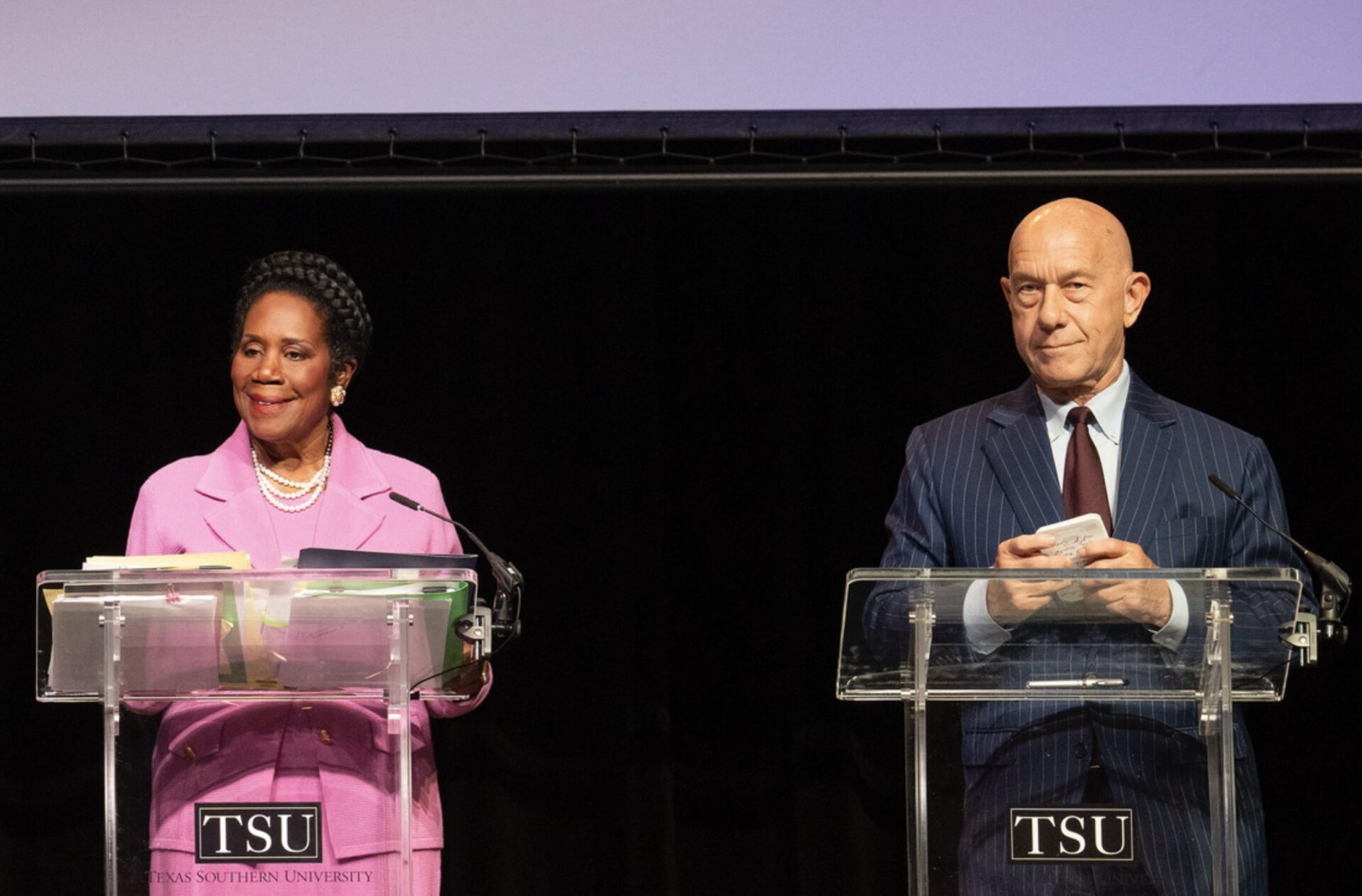
In November, after the Houston mayoral race between Democrats Sheila Jackson Lee and John Whitmire advanced to a runoff, outgoing Mayor Sylvester Turner and Harris County Judge Lina Hidalgo tried to rally support for Jackson Lee. Still, on Dec. 9, Whitmire was the victor.

Politico reported that Whitmire was declared the winner by The Associated Press with 57% reporting, leading Jackson Lee by an almost 2-to-1 margin.

Jackson Lee’s candidacy seemingly never recovered from the bombshell recording that appeared to depict her berating a staffer. In addition to this, Whitmire’s ability to both outspend Jackson Lee and court moderate Republican voters, as well as a sizeable contingent of Houston’s Latinx population, likely spelled doom for her candidacy. Whitmire, in his victory speech, also promised to expand funding for the city’s police force, which has a well-documented history of police brutality. According to Politico, it is partially because of Whitmire’s tough-on-crime campaign messages that he secured endorsements from Houston’s fire department and police unions, which likely earned him some political cache with moderate Republican voters. 

https://twitter.com/BethVanGreene/status/1733923283613995301?t=0UIQrUGptYn73s3H_sCKZA&s=19

As Houston Public Media reported, even though Jackson Lee’s core constituency was composed of Black Houstonians, they were not mobilized like they were ahead of Turner’s first term as mayor. In addition, white and Latinx voters found Whitmire’s middle-of-the-aisle style positioning more amenable to their political leanings. As The Hill mentioned, Houston’s population, which is trending younger, seemed to be frustrated by the choice between two 70-year-old career politicians. This disappointment and frustration could very well foreshadow a state of national disillusionment if the presidential candidates follow suit in November 2024.

In her concession speech, Jackson Lee was measured and thankful for her supporters, saying, “You worked real hard, you come from all over the city, and you have hearts of gold. And I am very happy to be able to say we worked as hard, and I’m grateful for every vote.”

Jackson Lee has not yet announced if she will seek reelection for her congressional seat, but the deadline to file to be eligible to run in 2024 is Dec. 11. 

RELATED CONTENT: Sheila Jackson Lee Still Trails John Whitmire Ahead Of Houston Runoff

maternal, Black women, midwife, birth center

Black Women Turn To Midwife-Led Birth Centers Amid Racial Disparities In Maternal Care

One of the appeals of birth centers is that they often look and feel like homes, with the added ability of the staff to give personal attention to each of their patients.


In 2017, ProPublica and NPR and their award-winning investigative journalism series Lost Mothers shed light on America’s alarming maternal mortality crisis. Their reporting specifically highlighted the disproportionate risks faced by Black women in this crisis. Surprisingly, factors such as income, education, or expertise in healthcare disparities failed to improve maternal mortality outcomes for Black women. Since then, Black women have been trying to ensure their maternal health.

Six years later, some Black women are stepping away from the hospital model. One of those women, Vernette Kountz, told CNN that although her previous delivery experiences were successful, her hospital and medical office visits felt rushed, routine, and impersonal. Kountz said, “When you’re in this medical model, you feel kind of shuffled around, told what to do; you have all of these assessments and ultrasounds. It feels more so transactional and less intimate.”

Most deliveries in the United States still happen in a hospital setting, but there is a growing movement that looks to return to a communal mindset of giving birth. Between 2019 and 2020, the number of Black women who opted for home births or giving birth in a birth center shot up by 30%. The turn back toward midwives is also coming as hospitals across the country are closing maternity wards. The reason hospitals give for these closures is typically low birth rates or a decrease in funding, which comes at a time when Black women are twice as likely as white women to report that a medical professional at a hospital either ignored them, refused a request for help, or failed to respond to a request for help in a timely manner. 

Leseliey Welch, the co-founder and co-director of Birth Center Equity, told CNN that the disparity in outcomes for Black women is another reminder of the ugly legacy of racism in America.

“This whole country has operated in a hierarchy of human value based on race,” Welch said. “Our hospitals and health systems are no exception. Survival should be the least we expect in birth care. That’s the least we can do for so many families in this country.”

One of the appeals of birth centers is that they often look and feel like homes, with the added ability of the staff to give personal attention to each of their patients. During a recent visit to the Atlanta Birth Center, Kountz, who is 32 weeks pregnant, was asked a compassionate question by her midwife, Anji Hinman, “How is your body feeling these days?” To which Kountz replied by informing her that she had a relatively good day with little dysfunction of her pelvic floor, and she walked up and down stairs without ambulatory assistance. Kountz told CNN that she believes the entire staff has her total health at the forefront of their minds, in stark contrast to the impersonal nature of hospital healthcare. 

Hinman, for her part, told CNN that she believes that birth centers like the Atlanta Birth Center play a role in helping to assist with giving Black women better birth outcomes because of their focus on a holistic approach to childbirth. In addition to focusing on the process of childbirth, birth centers also pay attention to women postpartum, which, according to Hinman, is a focus for staff at the Atlanta Birth Center. 

According to a study by the JBI Evidence Synthesis, half of all maternal deaths occur on the day of delivery, 24% happen between days two and seven, and 25% occur between days eight and 42. Kountz also feels like the lack of dependence on narcotics is a positive, telling CNN, “It accommodates that desire to feel home and safe and grounded and protected. They have aromatherapy, they have music, tapestries, and words of affirmation hung up. They are promoting pain coping skills versus narcotics.” 

RELATED CONTENT: Conservative Organizations Fight To End Affirmative Action For A Maternal Health Program In California

Colorado, Trump, Eldridge Cleaver , ballots

Eldridge Cleaver Case Could Foreshadow Trump’s Removal From Colorado Ballot

Donald Trump's bid for another term as the president of the United States could potentially hit a snag as Colorado and several other states mull if a ban on insurrectionists taking office also applies to the presidency.


Donald Trump’s bid for another term as the president of the United States could potentially hit a snag as Colorado, and several other states question whether a ban on insurrectionists taking office also applies to the presidency.

As Newsweek reports, there is a comparison being drawn between the 1968 California case that resulted in the removal of Eldridge Cleaver, a former Black Panther Party leader who ran for president on the Peace and Freedom Party ticket, primarily gaining support from Black voters, hippies, and student radicals, from the California ballot, and the ongoing legal debate in Colorado concerning Trump. In the case of Cleaver, his removal from the California ballot was based on his failure to meet the constitutionally mandated age requirement for the presidential office. Cleaver, who would have reached the age of 35 during his first term if elected, was disqualified as a candidate representing the Peace and Freedom Party.

Cleaver’s case is gaining renewed interest because Derek T. Mueller, a law professor at the University of Notre Dame, attached an amicus brief to the Colorado Supreme Court wherein Mueller discusses several cases in which presidential candidates were removed from the ballot over constitutional infractions. Mueller writes in his brief, “Cleaver was the 33-year-old nominee of the Peace and Freedom Party. He challenged the exclusion in state court, which rejected his challenge. Cleaver petitioned for certiorari to the United States Supreme Court. Without comment, the Court rejected the petition.”

An amicus brief allows an outside expert to submit a legal interpretation of legal events relating to a particular case, which Mueller maintains is impartial. Mueller also told Newsweek that Cleaver’s removal from the ballot is a negative legal precedent in the case of Trump, saying “[Trump] has argued that states have no power to judge the qualifications of candidates or that it is a political question. The historical record suggests that in at least some cases, states have excluded candidates.”

On Nov. 17, District Court Judge Sarah B. Wallace ruled that Trump could remain on the ballot for the 2024 election only because it had not been determined whether or not a constitutional amendment from the Civil War, which bars insurrectionists from taking public office, applies to the presidency. Wallace did declare that Trump had incited the riots that took place at the Capitol on Jan. 6; however, both Trump and his opponents are appealing Wallace’s decision, which the Colorado Supreme Court has agreed to hear jointly. 

Mueller admitted to Newsweek that he is skeptical that the Colorado Supreme Court would actually remove Trump because the burden of proof is much lower for Trump than it is for his opponents, saying, “There are a number of things that the Colorado Supreme Court must find to exclude him from the ballot, but any one thing in Trump’s favor can keep him on.”

RELATED CONTENT: CNN Host Don Lemon Blasts President Trump for ‘Declaring War On Americans’

Wisconsin University System

Wisconsin University System Takes Republican Deal, And People Had Questions

The university system will receive $800 million to be used for employee raises.


Following six months of debate between the University of Wisconsin System and the Republican Party, a compromise was reached between the two parties. According to the Milwaukee Journal-Sentinel, the university system will receive $800 million for employee raises, which the university system had been advocating for, and building projects, including a new engineering building for the University of Wisconsin at Madison. In exchange for these endowments, the university system has agreed to restructure its diversity positions into positions that purport to serve all university students and a hiring freeze on diversity positions at its schools. 

The university campuses view diversity, equity, and inclusion positions as critical to their mission, say school officials, as they seek to serve a wide range of students, while the state’s Republican legislators see those positions as wasteful and/or divisive. University of Wisconsin System President Jay Rothman told the Journal-Sentinel that the change does not signal a dissolution of the university system’s core values, saying, “This is an evolution, and this is a change moving forward. But it does not in any way deviate from our core values of diversity (and) inclusion.”

Assembly Speaker Robin Vos, a Republican from Burlington, was a key figure in the negotiations. He first called for eliminating all DEI positions at the system’s schools in May 2023. In August, Vos kept the University of Wisconsin pay raises from going into effect even though the Wisconsin Legislature had already approved them. Vos said in a statement after the compromise was announced, “In recent years, we’ve seen a growing emphasis on concepts that amplify ideas of division, exclusion, and indoctrination on our campuses.”

Vos added, “Our caucus objective has always been aimed at dismantling the bureaucracy and division related to DEI and reprioritizing our universities towards an emphasis on what matters — student success and achievement.”

https://twitter.com/DrCLLuedke/status/1733515851494457843?t=lwG7sH6nee7xM0spQrRHUg&s=19

Gov. Tony Evers, a Democrat, has not been fond of the way Vos has gone about his business, going as far as to call freezing the pay raises “B.S.” as well as essentially referring to the Wisconsin Republican Party’s actions toward the state’s universities as a declaration of war.

The Legislative Black Caucus of Wisconsin also weighed in, criticizing the university system for essentially accepting buildings in return for killing the DEI department. Caucus Chair Rep. Dora Drake released a statement, saying, “We ask the question, who was at the table making negotiations for our Black and brown students on campus? Who decided to undervalue our students and staff of color by setting a price tag on their inclusion on our campuses? Were our students and students’ interests even considered?”

Drake continued, “The true irony is that this deal includes the creation of a position dedicated to Conservative thought that is funded through philanthropic measures. This is a textbook example of how political agendas are pushed in our higher education systems to silence others. The result of these provisions would create a hostile environment for non-White students and faculty on our campuses.”

To that end, University of Wisconsin at Oshkosh professor Vincent Filiak said that the deal not only “sold out” students and faculty of color for some buildings and modest pay raises but that were it an option, he would have given up his pay increase in solidarity. Filiak told the Journal-Sentinel, “I don’t think you should be held hostage by someone who unilaterally gets to decide what’s happening at a statewide level. That feels like what’s happened here.”

https://twitter.com/RepDrake/status/1733272336244330757?t=xS86qCA-0f0PhfCi28yn3w&s=19

Despite the malcontent around the compromise from students and faculty, University of Wisconsin at Madison Chancellor Jennifer Mnookin stressed that even though some things had to be accepted to get the deal done, the university system is still committed to diversity, telling the Journal-Sentinel, “No one is going to look at this agreement and love every piece of it,” Mnookin said. “But I do think this approach to bridging a divide makes sense. This compromise allows us to hold on to our core values, and that includes our commitment to diversity.”

RELATED CONTENT: Harvard Report Shows Significant Drop In Black Student Enrollment

Georgia Rapper Quando Rondo

Georgia Rapper Quando Rondo Arrested By FBI On Drug Charges

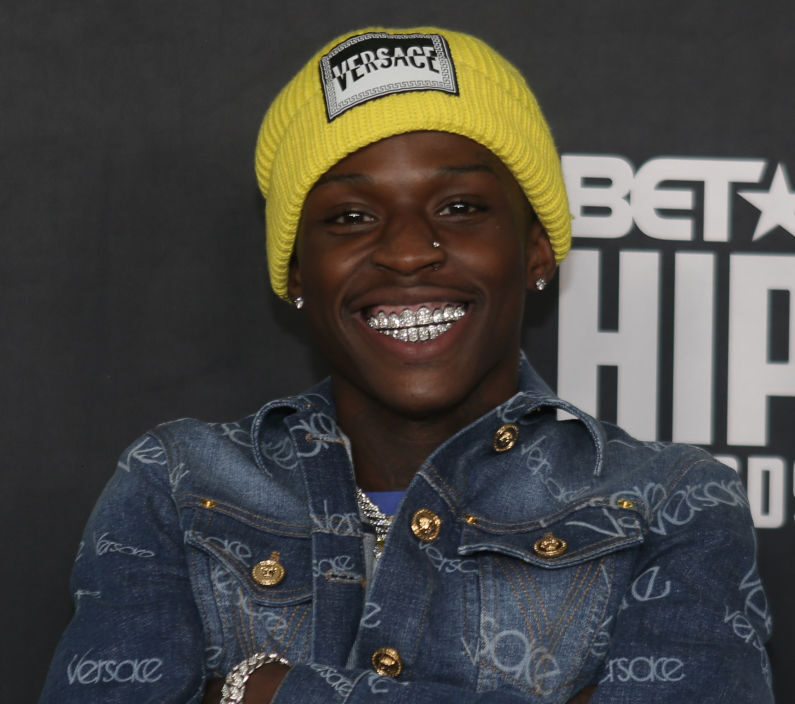
Rapper Quando Rondo, a Savannah native whose real name is Tyquian Bowman, was arrested by the FBI on Dec. 8 on federal drug charges.


The FBI has arrested Georgia rapper Quando Rondo. The Savannah native, whose real name is Tyquian Bowman, is being detained on federal drug charges.

The 24-year-old was taken in by the Savannah police on Dec. 8 after being present in a vehicle that was pulled over, as reported by WJCL. While a spokesperson for the Savannah Police Department did not specify what the initial stop was for, they did note that Bowman was the sole person arrested from the scene.

Bowman was indicted in June, alongside 18 others, for multiple counts of drug charges, gang affiliation, and illegal use of cell phones. For this recent arrest, the local news outlet confirmed the hip-hop artist is being charged with violating the Street Gang Terrorism and Prevention Act due to his “manager role” in the Rollin’ 60s gang.

The string of legal issues also includes efforts from the District Attorney’s Office of Chatham County, where Savannah is the county seat, to ban Bowman from the area in September. Given the rapper’s alleged involvement in multiple shootings within the county, the majority of which were where he was a target. The district attorney has filed the motion to ban him on the grounds that he is a “danger” to residents.

However, his family has since responded to the claims that his presence fuels violence in the area. Bowman’s attorney, Kimberly Copeland, claims that he is safest where he has his loved ones’ support, which would be in Chatham County.

“Bowman is a resident of Chatham County, he was born in Chatham County. There’s no reason he should be banned from Chatham County,” said Copeland in an interview with the publication. “If Mr. Bowman was the actual target, wherever he’s at, he’ll be a target. So, the best place for him to be is in his surroundings that he’s familiar with while he has his support and family support.”

Bowman remains detained at the Chatham County jail as his legal strife continues.

RELATED CONTENT: Opening Statements From Rapper Young Thug’s RICO Trial Are Finally Underway

Lincoln Kennedy

Former NFL Player Lincoln Kennedy Finds Success With Angry Crab Shack Franchise

The father of three believes that food brings people together and promotes love.


After retiring from the NFL in 2004, Lincoln Kennedy, who played for the Atlanta Falcons and Oakland Raiders, relocated to Phoenix. There, he became active in the NFL Retired Players Association, where he crossed paths with Ron Lou, the founder of Angry Crab Shack and another former NFL player.

Kennedy had previous experience in restaurant franchising. In 1997, he owned both a Subway and Blimpie sandwich shop and decided to acquire a small Italian restaurant to add to his portfolio. He immediately saw the potential of Angry Crab Shack.

“I learned early on that the food business can be very tricky and needs to be monitored all the time. People like to feed other people and sometimes employees want to give free food away. Not a good business practice. I felt that if I ever got back into the food business, I would be more involved in watching and learning how to manage it better. I also learned lessons about overhead and supply lines,” Kennedy shared with BLACK ENTERPRISE.

He continued, “Although I am not managing day-to-day operations with my current restaurants, I’ve learned enough about the business to pay enough attention to the details so I can be involved with major decisions and marketing. I’ve also learned the importance of paying attention to trends and key times during the year to make a greater impression upon the communities our restaurants are located in. I’m really big on community involvement.”

With his experience in franchise and independent food businesses, Kennedy recognized how quickly the Angry Crab Shack franchise was growing and wanted in.

“At first, I got involved with the corporate side. I was bringing in potential investors. Ron (CEO) and Andy Diamond (president) expressed they wanted to start franchising the Angry Crab Shack brand, and I wanted to help,” said Kennedy.

He added, “A few years later, I saw an opportunity to get involved with a franchise in Phoenix. We took over an old Applebee’s and flipped it into an Angry Crab Shack. Our Norterra location was a great find. The location, as well as the popularity and reputation of the Angry Crab Shack brand, really took off, and I started making residual income. What’s not to like about that?”

Then came expansion. “From there, I decided to try and open more. Since then, I’ve opened in Vegas, and I’m currently working on opening a few more in the future,” he said. “I wanted a business in the communities I live and work in. Food brings people together and makes people happy. I like doing that. Besides, I wanted residual income once I retire from broadcasting.”

For Kennedy, the most rewarding part of running his business is witnessing the smiles on people’s faces as they enjoy the unique and fully customizable dining experience at Angry Crab Shack. The father of three believes that food brings people together and promotes love, further enhancing his commitment to the community and to creating memorable experiences for his guests.

Kennedy’s commitment to giving back to the community is ingrained in everything he does, and he is a staunch supporter of education, regularly contributing to local school districts and providing discounts to teachers and students. Additionally, he actively supports children’s hospitals and acknowledges the invaluable contributions of first responders. Along with Kennedy’s efforts and other franchise partners, Angry Crab Shack has surpassed $1 million in charitable donations to various philanthropic organizations.

Kennedy’s advice for potential entrepreneurs looking to get into franchising is, “First, do your research on what you want to open and where it will be located. If it’s in the food industry then location, location, location is absolutely important. Also, understanding the food industry itself is important. Read as much as possible about some of the stories of existing business owners in the field you’re interested in.”

This is solid advice from Kennedy as he has owned an insurance agency and a cigar company, along with his restaurants. And he is still looking for more ventures. “I am currently looking for more opportunities,” he revealed. “Diversify your portfolio as much as possible and never be afraid to learn more about something new.”

RELATED CONTENT: If You’re A Small Business Owner In These Industries, It Might Be Time To Start A Franchise

Fannie Mae and Freddie Mac

2024 Home Sellers: To Agent Or Not To Agent? Insights For Black Americans Looking To Put Their Homes On The Market

Some 36% of Black sellers said finding a good agent was difficult, found one report.


As 2024 approaches, numerous homeowners may be thinking about selling their properties. One of the initial questions to address is whether to hire a real estate agent. Given that a home represents the most substantial investment for many Americans, several factors warrant consideration before deciding.

Recent data reveals that for Black Americans, choosing to sell with a real estate agent resulted in a five-fold increase (21%) in the likelihood of reporting no regrets about their sale compared to those who opted not to use an agent (4%). Among those who chose the latter route, 54% believed their house could have commanded a higher selling price, and an equal percentage were convinced that their home would have sold more expeditiously with the assistance of an agent.

This discovery is among figures provided by Matt Brannon, author of a report titled Home-Selling Trends: Success and Struggles Heading Into 2024. Some 1,000 Americans who sold a home in 2022 and 2023 were polled in an online survey in October by Clever Real Estate. About 8.3% of the respondents were Black.

A new reality for home sellers is that the market does not now value their house like before. Buyers are not acting as fast, waiting for mortgage rates and home prices to drop. Brannon says sellers have lowered asking prices to meet buyers’ budgets. As such, the 2023 median home price fell by about $49,000, the largest drop since 2008.

On what home-selling priorities are very important, 58% stated earning the most money as the top reason. Wanting a quicker sale and needing the money soon (both 31%) were leading factors in selling without an agent. Some 28% of those quizzed wanted to save on realtor fees/commissions, and 25% opted to handle showings and negotiations.

Intriguingly, the data showed that recent Black home sellers seem more inclined than the average seller to use non-traditional means, including not using an agent or selling directly to a cash buyer. Some 31% of Blacks stated they did not use a real estate agent to sell, higher than the 20% overall.

According to Brannon, his firm’s report can assist Black Americans who plan to sell a home by allowing them to set expectations for what might happen with their sale in “this new market.”

He offered some pros and cons for Black sellers to consider before hiring a real estate agent:

 Pros

Convenience: Handling a home sale can often feel like a full-time job, so opting for an agent can help remove some of the burden off the seller. Black sellers who did not use an agent were nearly as likely to say the process was harder than expected.

Expertise: “About 55% of Black home sellers say they would feel uncomfortable filling out necessary legal paperwork without an agent,” he noted.

Pricing: “A poorly priced home can stay on the market for much longer than anticipated, which gives buyers more leverage to negotiate a lower price. Roughly 65% of Black home sellers who did not use an agent wish they priced their home differently,” Brannon pointed out.

Cons:

Potential profit: Among all Americans surveyed, those who used a real estate agent tended to profit more. Yet, that was not the case with Black sellers who did not use an agent. They made a median profit of about $185,000, nearly $15,000 more than Black sellers. “It’s hard to say whether other factors can be influencing this statistic, but it’s not always more profitable to use an agent,” said Brannon.

Picking the right agent: Some 36% of Black sellers said finding a good agent was difficult, while the public was less likely to say that. That could explain why 39% of Black sellers said their agent failed them, said Brannon.

Further, check this out to gain insightful tips to help find a real estate agent.

RELATED CONTENT: Tyrese Gibson Learned A Lesson On Equity After Selling The Home He Bought at Age 16

×