Diana Lynch, Black-Owned Golf Resort, Dominican Republic

Diana Lynch Makes History With First Black-Owned Golf Resort In The Dominican Republic

Alma de Samaná Golf & Residences is an ambitious $582-million project that will span 2,000 acres.


Renowned attorney Diana Lynch has made history as the owner of the first Black-owned golf resort in the Dominican Republic.

As the founding member of Atlanta’s award-winning Lynch Law Group, Lynch established herself as an elite legal defender representing the best of the best in sports and entertainment. Now, the retired attorney is expanding her professional portfolio to develop a premiere Black-owned golf resort and spa in DR’s Samaná Bay.

Alma de Samaná Golf & Residences, an ambitious $582-million project, is expected to take 15 to 20 years to finish, though the resort will see some sections open. The project will span 2,000 acres and comprise a blend of commercial and residential real estate, showcasing more than 1,400 upscale villas and condominiums along the northern coastline of the Dominican Republic, known for its uninhabited white beaches and mountainous landscape.

The history-making golf resort “is designed to empower, inspire and aspire to unite the world and recognize what it is like to be human again – in a place rich in heritage and untapped beauty where humanity is the destination,” Lynch told Hotel Investment Today.

Amenities will include an 18-hole golf course, a direct-access beach, professional sports training facilities, a rehabilitation center, and a medical campus. Phase one is underway to develop the AKEN Soul Experience at Las Terrenas Residences in collaboration with the Miami-based white-label hospitality firm AMEK Group. The developers are set to unveil 42 eco-luxury residences across seven buildings after breaking ground on the project last August for a launch date later this year.

Owners of the lavish units are expected to spend at least $459,000, making the development an easy return on investment for project financiers. There will be a choice between five property types including 2-3 bedroom garden villas and tree-top villas with pristine views of the Atlantic Ocean.

“I think that our market is generally those individuals who are looking for long-term legacy build,” Lynch said. “Real estate historically has been a safe bet, especially in this kind of market, where the stock market can be so up and down. So, for those investors who are looking to really capitalize on where they can place their money and still get a return, this is it.”

It’s a symbolic nod to the Dominican Republic’s history as the property sits on land that was once inhabited by African slaves. With Lynch serving as the first Black owner of a luxury golf resort and spa in the country, Alma de Samaná’s development highlights the growth of Black purchasing power across the globe.

RELATED CONTENT: Black-Owned Hotels To Book For Your Next Getaway
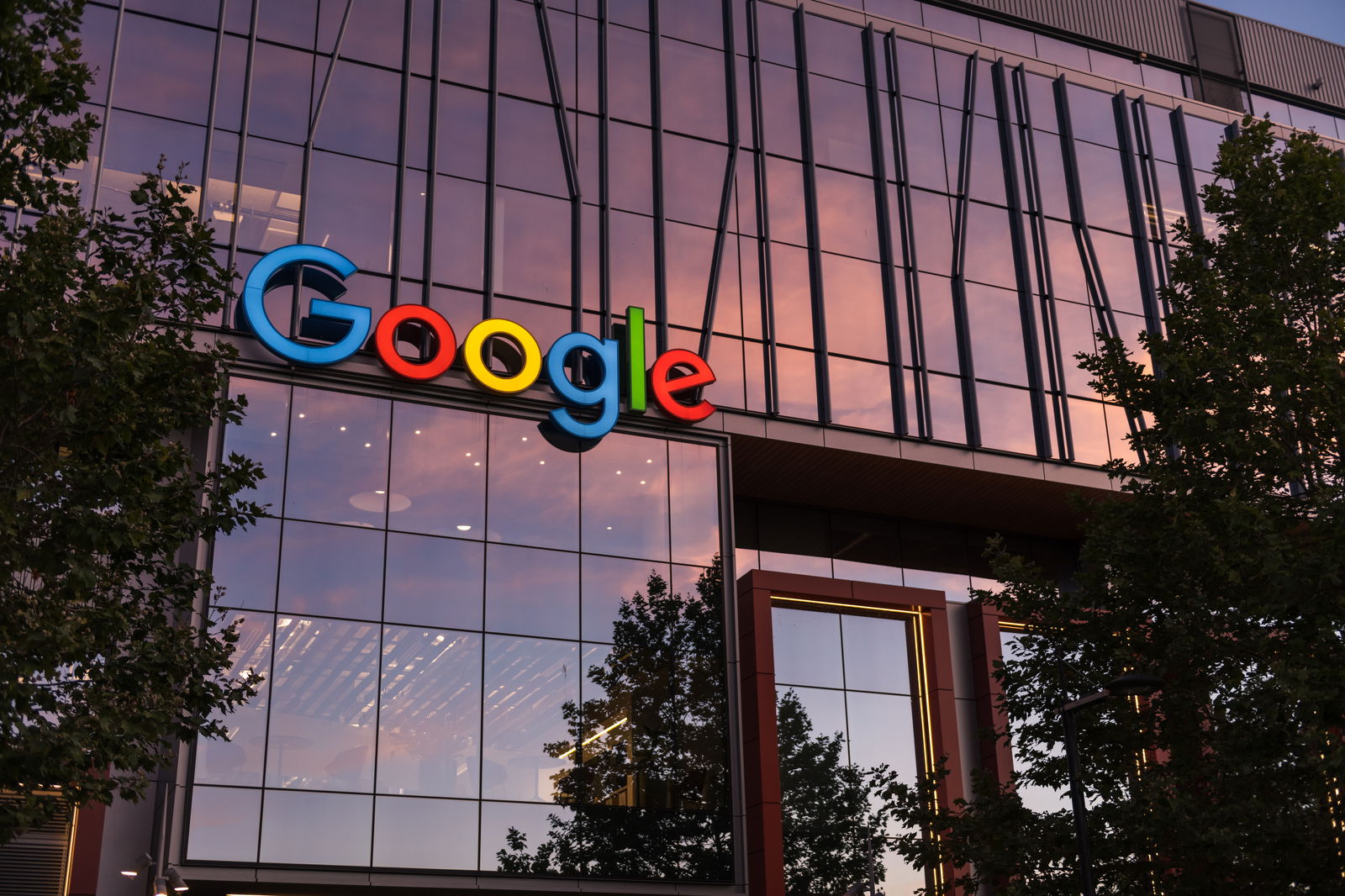
google, discrimination lawsuit

Google Faces Discrimination Lawsuit From Black And Deaf Employee Jalon Hall, Alleging Racial And Disability Bias

Jalon Hall alleges that while Google portrayed her as a symbol of its diversity, the company exhibited racial and disability-based bias toward her.


Google’s first and only Black and deaf employee, Jalon Hall, has filed a discrimination lawsuit against the tech giant, alleging racial and disability-based bias, according to Wired. Hall, initially hired as a content moderator for YouTube videos, claims that Google failed to provide reasonable accommodations including sign language interpretation, leading to difficulties in her role.

Hall’s journey with Google began in 2020, when she joined a new in-house moderation team called Wolverine, based in suburban Detroit. Despite assurances of sign language interpretation during the hiring process, Google allegedly restricted Hall’s access to an interpreter, citing confidentiality concerns. That limitation significantly impacted her ability to perform her duties as a content moderator for YouTube.

In December 2022, Hall filed a discrimination lawsuit against Google, citing racism and audism, or prejudice against the deaf or hard of hearing. Google responded by seeking dismissal on procedural grounds, arguing that the claims were brought too late. The company did not directly address Hall’s accusations.

Despite Google’s public image of inclusivity and diversity, Hall’s experiences reveal challenges faced by employees who are Black or disabled at the tech giant. Google, which has a workforce of nearly 183,000 people, has been criticized for an internal culture that tends to favor individuals who fit traditional tech industry norms.

Hall’s allegations were supported by over two dozen internal documents seen by Wired and interviews with colleagues. She also said Google used her in public and online platforms as a representative of a diverse workplace. 

Last year, she was praised on the company’s LinkedIn for “helping expand opportunities for Black Deaf professionals!” while Google’s Instagram account thanked her “for making #LifeAtGoogle more inclusive!” Hall stated to Wired, “Google is using me to make them look inclusive for the Deaf community and the overall Disability community. In reality, they need to do better.” She asserted that the company not only denied her access to a sign language interpreter but also deliberately delayed essential tool upgrades. 

The lawsuit sheds light on the broader issue of the underrepresentation of Black and disabled employees at Google. Black women, who constitute approximately 2.4% of Google’s U.S. workforce, reportedly leave the company at a disproportionately higher rate than women of other races.

Google’s response to Hall’s lawsuit included arguments for dismissal based on procedural timing, but the company did not refute the specific allegations. The case brings attention to the need for companies like Google to reassess their commitment to creating an inclusive workplace, especially for individuals with disabilities.

Hall, who remains at Google in the hope of instigating positive change, has become an advocate for the Black deaf community within the company. 

RELATED CONTENT: Google Purchases An AI Product From This Black-Woman-Owned EdTech Company 

Chiropractic, Atlanta

Black Doctors Challenge Misconceptions And Increase Diversity In Chiropractic Field

Aligned 4 Life Wellness is changing the landscape of chiropractic care.


Doctors Joseph Fowler Jr. and Brandon K. Williams founded Aligned 4 Life Wellness in Atlanta with the hopes of changing the way chiropractic therapy is viewed and providing access to under-resourced groups. The two innovators spoke to BLACK ENTERPRISE about their unconventional use of modern technology, the need for more Black people in the field, and how they are challenging common misconceptions about their work.

“As it stands today, the chiropractic profession is less than 2.5% Black, meaning that less than 2.5% of providers within the profession are African American,” said Williams. “So it has been our charge and our mission to tackle that disparity, increase the representation amongst African Americans and other people — people of color — within the profession. Through [our] philanthropic RMIT Nonprofit Foundation, we started a scholarship program geared toward those people of color, particularly African Americans, who wish to pursue an education in chiropractic.”

With this initiative, Fowler and Williams have helped offer more opportunities to aspiring and underrepresented chiropractors. 

“It started in grad school together because we noticed the difference in the number of Blacks, male or female, versus whites or any others in grad school,” Fowler added. “And so the graduation rate is significantly lower for us for many reasons. It could be academics. It could be finances or whatever. But when the graduation rate is lower and our numbers begin lower, we saw the need, and being able to offer scholarships is part of our purpose.”

This focus on inclusivity has encouraged the doctors to invest in their communities in an effort to introduce more people to their craft and ease hesitancy regarding chiropractic treatment, which has been plagued by assumptions. 

“I think one of the greatest misnomers, if you will, is that chiropractic is harmful to the body or it can cause damage to the body or it can be dangerous or anything like that,” explained Williams. “But I always say this: Going to your chiropractor is no more dangerous to you going to see your primary care physician. We practice and utilize safe techniques. We go through some of the same education and training that medical doctors do. The first two years of chiropractic school are in many cases synonymous with the first two years of medical school.” 

While there are similarities, there are still significant distinctions between the practices. For one, chiropractors do not perform surgery. Rather, that responsibility is reserved for specific medical practitioners. Still, chiropractors like Fowler and Williams are especially well versed in toxicology, which is a vital aspect of their practice as it allows them to understand how their clients’ medication will interact with their adjustments. 

Another misguided notion about the career is that it is a simple massage rather than a realignment. The doctors elaborated on the science behind their work and challenged this reductive view of the profession.

“When we get through working on you, you will feel like you have a massage, because as chiropractors, we work on the nervous system…When chiropractic is done properly, we work on the nervous system, especially the central nervous system, which consists of the brain and spinal cord, all your other systems, hormones, immune, respiratory, reproductive, muscular, skeletal [and] urinary. It doesn’t matter. They all run off of that central nervous system,” Fowler shared.

In their comprehensive overview of chiropractic care, Fowler and Williams have successfully built a multidisciplinary network of nutritionists, trainers, and other professionals to help provide their patients with additional care.

One thing that separates Aligned 4 Life Wellness from its peers is its implementation of modern technology, which is considerably less traditional within the field of chiropractic therapy. “We have a state-of-the-art facility with state-of-the-art equipment because, one, we want to be able to offer the best of what we have to people of color that are living in underrepresented areas where chiropractic is not usually available. That’s no. 1,” said Williams.

“No. 2, we have these state of the art technologies because we want to be able to not only reach and treat these people, but allow them to get the best results at a much faster rate than they may get utilizing other means,” he continued. Infrared heat therapy, spinal decompression, intersegmental traction and digital X-rays are just some of the tools that Fowler and Williams have incorporated to expedite processes that would typically take days to generate results.

For people considering chiropractic care, the doctors offered some simple words of advice: Don’t be afraid to try. “First and foremost, be open-minded. The sick-care model that we utilize is not true healthcare at all. It is a reactive model to sickness and illness and disease. It is not true healthcare. So the model that chiropractic adopts is a true healthcare model. So you’ve got to think outside the box,” said Williams. 

“Many come to us as a last resort, but they realize that we are taking a different approach. We are looking at your body comprehensively, because we are one holistic organism with many individual parts that work collectively, so you have to look at all those individual parts as a collective and not compartmentalize.”  

Civil Rights, Social Justice, Black Women

Civil Rights Movement Birthed Some Real Social Justice Warriors And They’re All Black Women

Within the Civil RIghts Movement, Black women wielded a profound influence in sculpting the narrative of social justice.


In the rhythmic beats of history, the Civil Rights Movement emerges as a testament to the unyielding spirit of those who stood against the tidal wave of injustice. Within this symphony of courage and resistance, Black women, often unsung, wielded a profound influence in sculpting the narrative of social justice. From the embryonic stages of the movement to our contemporary tapestry, their voices resonate as a potent force championing equality and human rights.

Chronicles of Early Black History

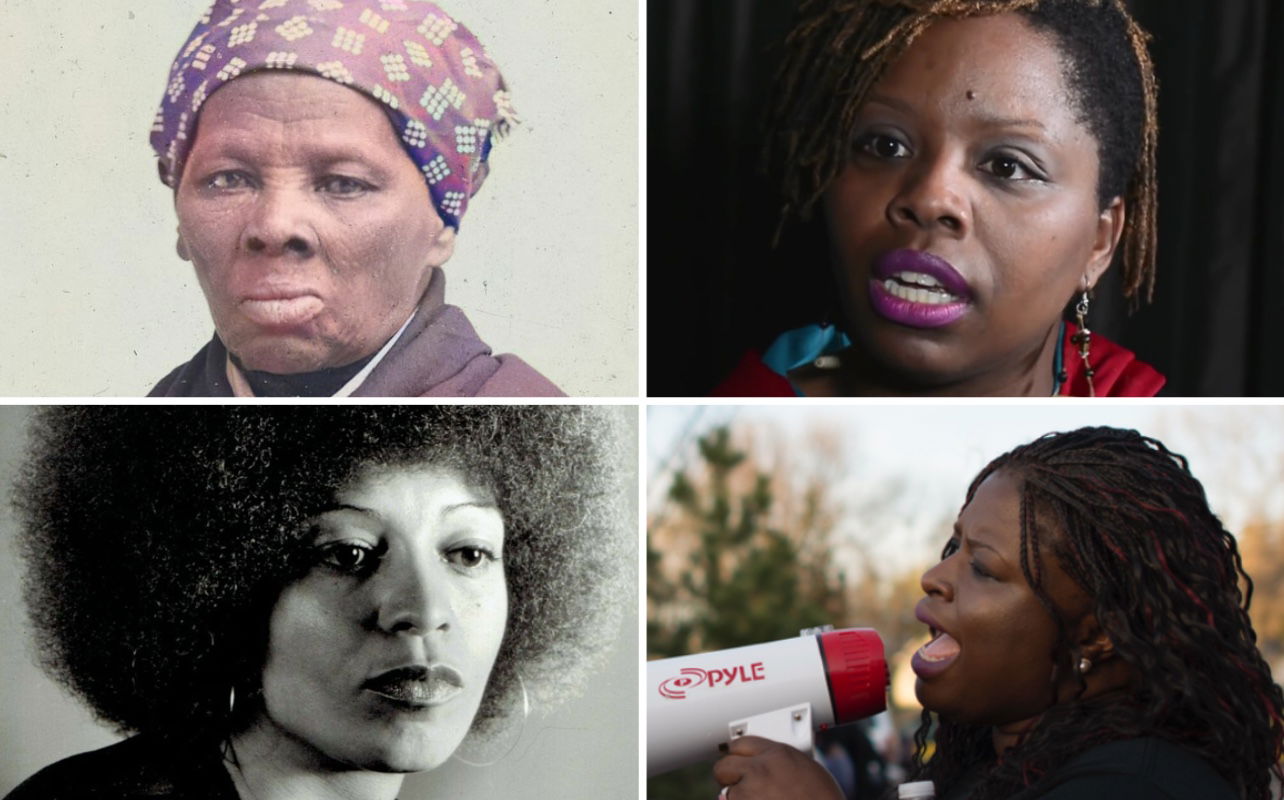
The crucible of the Civil Rights Movement forged a lineage of formidable queens of social justice, whose indelible impact resonates through time. Harriet Tubman, revered as the “Moses of her people,” etched her legacy as a conductor on the Underground Railroad, displaying unparalleled courage and defiance. Today, her unwavering spirit continues to course through the veins of the ongoing battle against systemic oppression.

Sojourner Truth, a fervent abolitionist and advocate for women’s rights, left an enduring mark with her iconic “Ain’t I a Woman?” speech — a resounding anthem that reverberates in the present-day struggle for intersectional feminism.

Ida B. Wells, a trailblazing investigative journalist, fearlessly illuminated the horrors of lynching and racial violence. Her legacy breathes life into contemporary movements addressing the persistent issues of police brutality and racial injustice. Mary Church Terrell, a suffragist and luminary in the civil rights movement, championed intersectionality — a concept resonating in today’s movements against the intertwined struggles of racism, sexism, and inequality.

Fannie Lou Hamer, a beacon in the voting rights movement, extends her influence into contemporary battles for fair representation and against the suppression of voters’ voices. These queens of social justice, forged in the crucible of adversity, stand as living testaments to resilience, defiance, and an unwavering commitment to the fight for equality.

Recent Pages in Black History

The latest generation of civil rights leaders, akin to their predecessors, carries the torch of justice with fervor and purpose, building upon the foundations laid by the original social justice queens, Black women leaders of the Civil Rights Movement.

Angela Davis, a luminary in the Black Panther Party, transcends time, serving as an enduring inspiration with her scholarly pursuits and activism challenging the prison-industrial complex.

In a modern context, Karen Boykin-Towns, a civic leader and healthcare advocate, exemplifies an intersectional approach to justice, dedicating herself to addressing disparities in healthcare and social equity.

Nekima Levy Armstrong, a civil rights attorney and organizer, follows in the footsteps of her predecessors, directing her efforts toward police accountability and racial justice while forging a new path for the contemporary struggle.

Patrisse Cullors, co-founder of the Black Lives Matter movement, passionately champions the fight against police violence and systemic racism, carrying the torch ignited by earlier activists into the current arena of activism.

Alicia Garza, another co-founder of Black Lives Matter, expands her work to encompass LGBTQ+ rights, economic justice, and a broader spectrum of social inequalities, showcasing the evolution and adaptability of the ongoing fight for justice. In this continuum of resilience and dedication, the latest generation of civil rights leaders stands shoulder to shoulder with their predecessors, ensuring the flame of justice burns brightly across eras.

Threads of Unity Across Generations

The Black women who emerged during the Civil Rights Movement and their contemporaries leading the charge today weave a tapestry of shared struggles and victories. They collectively confront systemic oppression, advocating for civil rights, gender equality, and an end to racial injustice. Their activism underscores the vital importance of intersectionality, acknowledging the interconnected nature of various forms of discrimination.

Defying societal norms, challenging oppressive systems, and demanding accountability, these women represent a continuum of resilience. From the early pioneers who laid the foundation to the present-day warriors shaping the narrative, Black women remain at the forefront of social justice. Their voices echo through time, ensuring that the struggle for equality persists, and the torchbearers of today draw strength from the indomitable legacies of the past.

RELATED CONTENT: Black Women Inventions That Made Life Hella Soft

small businesses, tips, revenue, Trump, economy

Foundation Invests $1.1 Million To Boost Growth Of Black-Owned Businesses

The Fifth Third Foundation investment will go to the National Minority Supplier Development Council to recruit 100 certified MBEs to participate in the new program round.


Armed with new finances to help Black businesses grow, the National Minority Supplier Development Council (NMSDC) has secured $1.1 million from the Fifth Third Foundation.

The funding from the philanthropic arm of Fifth Third Bank will be used to continue NMSDC’s innovative Centers of Excellence Certificate Program (COECP) through 2026.

The effort facilitates the development and growth of NMSDC-certified minority business enterprises, readying them to compete for larger contracting opportunities. It makes opportunities for strategic partnerships, mentoring, and networking possible.

NMSDC aims to recruit 100 certified MBEs to participate in the new program round. The next cohort class will begin next month and run for nine months. NMSDC-certified MBEs with $1 million to under $10 million in sales can apply for the program here. The latest funding means that the Fifth Third Foundation will sponsor the program over the next three years — and three new classes of graduates. The foundation donated $1 million from 2020-2023.

The program will help MBEs develop skills in growing their knowledge and business by learning from participants’ competitive strengths and sharing business skills to help take their company to the next level.

They will discover new opportunities to enter partnerships, joint ventures, strategic alliances, and teaming agreements, which will help them secure larger contracts and grow globally. MBEs will align their sales methods with the procurement processes of corporate members, boosting their likelihood of closing contracts.

NMSDC CEO and President Ying McGuire stated, “The Centers of Excellence program is a prime example of how exponential MBE growth is possible when NMSDC and our corporate members, MBEs, and regional affiliates work together to create an ecosystem of mentorship and collaboration.”

Fifth Third Executive Vice President Kala Gibson, chief corporate responsibility officer at Fifth Third Bank and board chair at NMSDC, added, “We are proud to financially support the program through our Foundation and to lend our expertise as educators and subject matter experts to create an incredibly valuable experience that will pay dividends for all involved long into the future.”

RELATED CONTENT: The NMSDC Acres Program Is Supporting Black Farmers’ Agricultural Businesses

Beauty, skincare, beauty products, entrepreneur, small business, female-owned businesses

Beauty Brand Turns A $5 Bar Soap Into A Multiple 6-Figure Business

The shea butter-based oatmeal and brown sugar exfoliating soap bar didn't start as a business venture but as a Trinidadian mother's desperation to alleviate her daughter's eczema.


It was 2003 when Kimo Bentley crafted her first soap bar in her New York apartment. The shea butter-based oatmeal and brown sugar exfoliating soap bar didn’t start as a business venture but as a Trinidadian mother’s desperation to alleviate her daughter’s eczema.

Bentley poured her heart and soul into creating a natural remedy for her daughter’s skin condition, but little did she know that this humble act of maternal care would sow the seeds for a successful beauty business to come. Bentley began by giving away the $5 oatmeal and brown sugar exfoliating soap bar to friends, neighbors, and family. She only thought about selling the soap once money appeared in her mailbox from people to whom she gave the soap to help relieve their eczema. Soon becoming known as “the soap lady,” Bentley decided to transition from her career at Bosley Medical to a full-time entrepreneurial journey in esthetics. 

Beauty spending by Black consumers reached $9.4 billion in 2023, a $1.3 billion increase from the previous year. Armed with an understanding that Black people’s experience within the beauty industry is markedly more frustrating, Bentley set out to create a quality product (and services), understanding that Black consumers are more likely to be dissatisfied with their hair care, makeup, and skincare options than non-Black consumers.

What started as a $5 bar soap (currently retailing for $7.50) has evolved into a full line of skincare products, the Kimo Bentley Aesthetic Clinic and Med spa in Downtown Silver Spring, Maryland, and 2024 revenues of $800,000. 

BLACK ENTERPRISE recently talked to Bentley about her skincare business journey, navigating the immense challenges of being a solopreneur, and starting small with a single product. 

Starting Small, Dreaming Big

Bentley recalled the early days of her entrepreneurial journey, reminiscing, “I started with just a simple oatmeal and brown sugar soap bar. I believed in the power of natural ingredients to nourish and rejuvenate the skin, and I wanted to heal my daughter naturally.” 

Despite her modest beginnings (making her soap bar out of her home), Bentley’s commitment to quality and her vision for her brand never wavered. “I knew that if I stayed true to my passion and focused on delivering exceptional products, success would follow,” she said.

In 2006, Bentley decided to immerse herself in skincare education. She set two goals after completing aesthetics programming and obtaining her license to treat skin. “Creating quality skincare products and educating women of color about skincare treatments was and still is my focus,” noted Bentley, now an internationally licensed esthetician. “I have been in the beauty industry for over 20 years, and to this day, clients tell me a provider said they are not a candidate for a specific treatment. And this is not true in many cases.”

Navigating Challenges and Embracing Growth

Like any entrepreneur, Bentley faced her fair share of challenges. From sourcing quality ingredients to navigating the complexities of manufacturing and distribution, she encountered obstacles that tested her resolve. However, each challenge became an opportunity for growth and learning. 

“Every setback is a chance to reassess and refine my approach,” Bentley reflected. “I never lost sight of my goals, which keeps me going even in the toughest times.”

One of Bentley’s most significant challenges and setbacks came in 2018, when Walgreens ended its distribution agreement with Kimo Bentley All Natural Beauty Skincare products. “I was hurt,” Bentley said. “It felt like a significant blow, especially considering the effort and dedication I poured into developing my products.”

Instead of dwelling on the setback, Bentley saw it as an opportunity to reassess and strengthen her brand. “I saw consistent coaching as an opportunity to grow and scale,” she said. “I sought additional educational opportunities and training programs to develop my skill set and grow my brand.” 

Empowering Others, Giving Back, and Looking to the Future

As Bentley’s business scales, she remains committed to giving back to her community and empowering others. She strives to uplift aspiring entrepreneurs, particularly those from underrepresented backgrounds in the beauty industry, through mentorship programs and charitable initiatives. “I believe in paying it forward and using my platform to create opportunities for others,” she stated. “Success is not just about personal achievement; it’s about lifting others along the way.”

With a growing presence in the beauty industry, being named one of “24 influencers making Black beauty history” by Essence, and sharing speaking stages with significant influencers, Kimo Bentley’s journey is far from over. Despite the challenges, she continues to innovate and expand her product line, Medspa, and a soon-to-open Esthetics School. “I’m excited about the future and its possibilities,” Bentley said. “There’s still so much more I want to accomplish, and I’m ready to take on whatever challenges come my way.”

RELATED CONTENT: Skincare Professional Kimo Bentley Talks Expanding Natural Beauty Brand

Matt James, Podcast, Riser Diaries

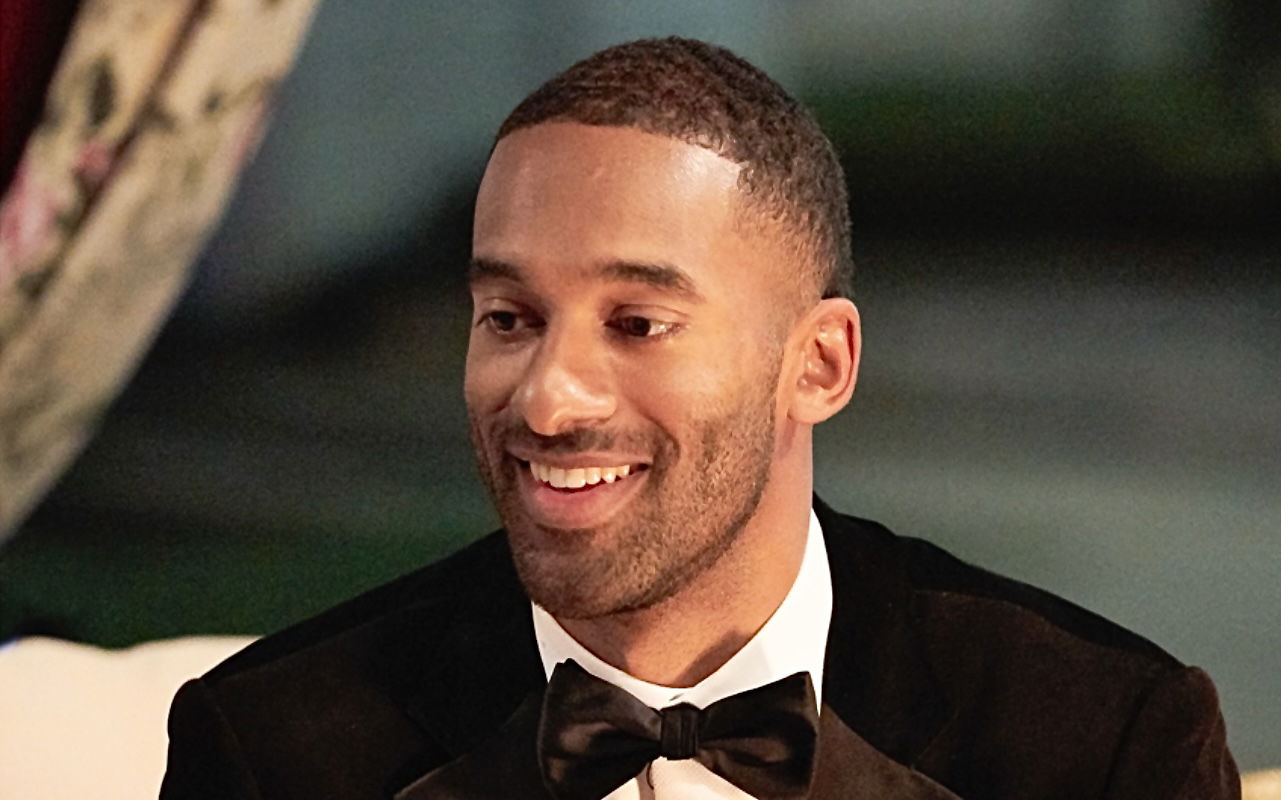
Former ‘Bachelor’ Star Matt James Hosts New Podcast Exploring Financial Success Stories

The podcast looks to discover how these successful entrepreneurs, athletes, and media personalities have ascended financially.


For those who ever wondered what their favorite YouTuber or athlete has done to not only secure the bag but to also grow it, Riser Diaries seeks to find the answer. The new podcast by TurboTax has enlisted former Bachelor star Matt James to discover how these uniquely successful entrepreneurs, athletes, and media personalities have ascended financially.

Released on Feb. 28, Riser Diaries began with its first guest, rising TikTok star Corporate Natalie, on how she turned her niche comedy into a lucrative opportunity. By bringing in voices not typically known for financial guidance, the show pulls back the curtain on how those in the spotlight capitalize on their success.

James spoke to BLACK ENTERPRISE about the Riser Diaries, detailing his own journey to financial wellness and what to expect from his eclectic guests.

“As someone who struggled with finances, and had difficulty with my taxes, it’s not my forte,” shared the 32-year-old on why his inclusion on the podcast is personal. “When I starting filing my own taxes, and as someone who uses TurboTax, it made sense for me to share my story and experiences with people who are in similar situations. We pulled together this cast of characters who have all gone through tough financial issues to encourage people and give them a sense of hope.”

Of what the everyday listener can gain from hearing from those already at the top, James emphasizes that their stories are meant to humanize and connect with their community,

“Podcasts like this help to humanize people you follow on social media. Everyone sees your highlights on it, but we all started in the same spot,” he says. “Now more than ever, people are seeking out authentic storytelling and real experiences, not a facade. Most of the ‘Risers’ have faced financial turmoil, but it’s still a celebration because they came out of it more educated.”

Riser Diaries aims to be a source of encouragement and education for listeners. As the show unveils its rollout, additional speakers include content creator LeLe Pons, superstar college basketball player Angel Reese, and other trailblazers who refuse to break the bank while reaching new heights in their career.

“The overall goal is to really educate people, and also awareness that it’s never too late to get a hold of your financial situation,” expressed James. “All things financial flow through things like your taxes, and when you’ve got a handle on that, the other elements of your life can grow…You are able to dedicate more time to what you’re an expert in, and I think that’s a win-win.”

Riser Diaries can be streamed from all podcast platforms.

RELATED CONTENT: Is Being ‘Broke’ Just A Mindset? This TikToker Makes His Case

Mike Woodson, Indiana University

Coach Mike Woodson Expected To Stay At Indiana University

The Hoosiers are 17-13 and trying to advance in the Big Ten tournament.


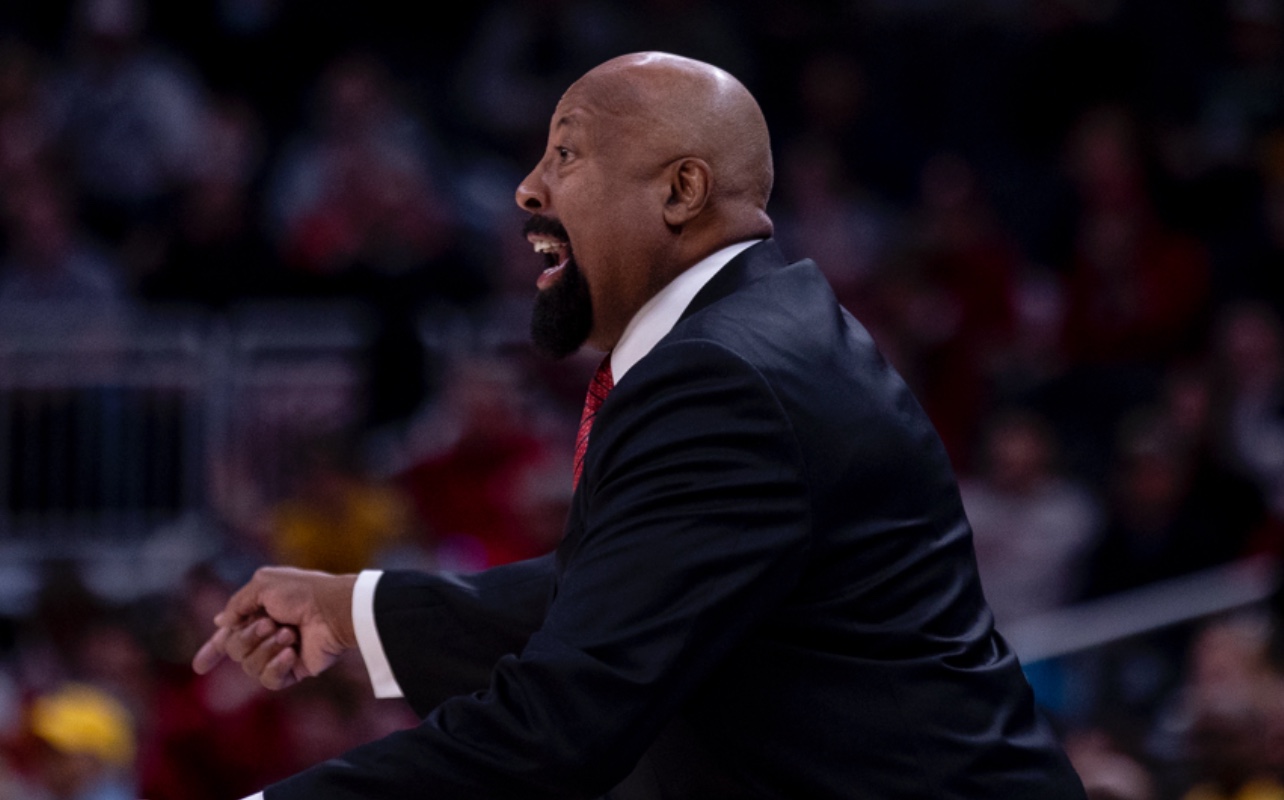
Former New York Knicks head coach Mike Woodson, who is currently the head coach of the Indiana Hoosiers, is reportedly keeping his job at the university after a season where the team didn’t do as well as the past two years.

According to The Indy Star, there are no plans to get rid of Woodson, based on a source with the Indiana University athletic department. The news of the team keeping Woodson was revealed before they went out and beat the Golden Gophers 70-58 as they won their third straight game on March 6.

The Hoosiers are 17-13 and trying to advance in the Big Ten tournament, hoping to play well into the NCAA tournament later this month.

In the three seasons that Woodson has led the team, he has an overall record of 61-39, including the team finishing in second place in the Big Ten Conference last year. The team made it to the NCAA tournament’s second round before being eliminated. Woodson’s record as a head coach at Indiana is 3-2 in the Big Ten tournament and 2–2 in the NCAA tournament.

Yahoo Sports reported that if the school decided to get rid of Woodson, they would have had to pay him $12.6 million in a buyout. The school would have been obligated to pay him $1 million yearly.

Woodson is an alum of Indiana, playing his collegiate career there before embarking on an 11-year NBA career. He played for the basketball team from 1976 to 1980, playing 104 games. After his career on the basketball court, he went into the coaching ranks, where Woodson coached several teams for 30 years. He also was the head coach of the Atlanta Hawks and New York Knicks. He coached the Knicks in 2012 when he helped the team win 54 games, a franchise record.

This position is the third time he has been hired as head coach.

RELATED CONTENT: Bronny James And Shedeur Sanders Top-Earning NCAA Athletes In NIL Contracts

Black restaurant Week, NYC

Renowned Black-Owned Restaurant Leah & Louise To Move To Charlotte’s West End

Leah & Louise's move aligns with the trend of attracting Black-owned businesses to the city's West End.


Leah & Louise, a well-known restaurant in Charlotte, North Carolina, is preparing for a relocation from Camp North End to the city’s West End, according to QCity Metro. Owned by Greg and Subrina Collier, the Bayhaven Restaurant Group’s proprietors, the move is part of their broader initiative to contribute to the revitalization of Charlotte’s West Side.

Greg Collier expressed the long-standing plan to bring Leah & Louise to the West End, emphasizing the significance of introducing one of the city’s top-rated restaurants to the area. In an interview with QCity Metro, Collier mentioned that the project’s specifics, including a pending lease at an undisclosed West End location, are still being finalized. He anticipates the lease agreement to be concluded in the coming weeks.

The Colliers, who reside in the West End, view the relocation as a positive development for the area, characterizing it as the “reemergence of Beatties Ford Road.” Greg Collier acknowledged the historical importance of the Beatties Ford Road corridor and its heritage of Black-owned businesses, expressing hope for the area to thrive once again.

“It’s not just about taking our restaurant to the West End, but we’re taking one of the city’s top restaurants to the West End,” Collier said to QCity Metro. “It’s not just about us. [Leah & Louise has] been mentioned on national restaurant lists, so it’s about what that means…what bringing that kind of restaurant to the West End means for the west side.”

Leah & Louise’s move aligns with the trend of attracting Black-owned businesses to the West End, including establishments like Archive CLT, Mackins Bridal Boutique, 704 Cleaners, and Pauline’s Tea Bar Apothecary. The Colliers see their restaurant’s presence as a meaningful addition to the West End’s evolving landscape.

While the new space will be larger, Greg Collier assured that Leah & Louise would retain much of its original essence, including the signature playlist. Although the menu will maintain its core offerings, there will be slight modifications, such as the introduction of small plate options and enhanced to-go choices, including weekly family-style meals. The couple also envisions incorporating live music, a facet that was not fully realized at the previous location, and catering menu options to better suit the community’s needs for a more inclusive experience.

Greg Collier expressed excitement about the move, stating, “I don’t think the magnitude of being [on the west side] can even be quantified.” He revealed that the restaurant could potentially open by the end of the year, contingent on the construction timelines of the new space. The relocation of Leah & Louise to Charlotte’s West End is anticipated to bring a fresh vibrancy to the local culinary scene and contribute to the ongoing revitalization efforts in the area.

RELATED CONTENT: Family Of Entrepreneurs Open Black-Owned Catering Company In Charlotte

Halle Bailey, Pregnancy

Halle Bailey Stands By Decision To Have Kept Pregnancy Private

Bailey defended her decision to keep her pregnancy private. 'I had no obligation to expose him, me or my family to that unyielding spotlight.'


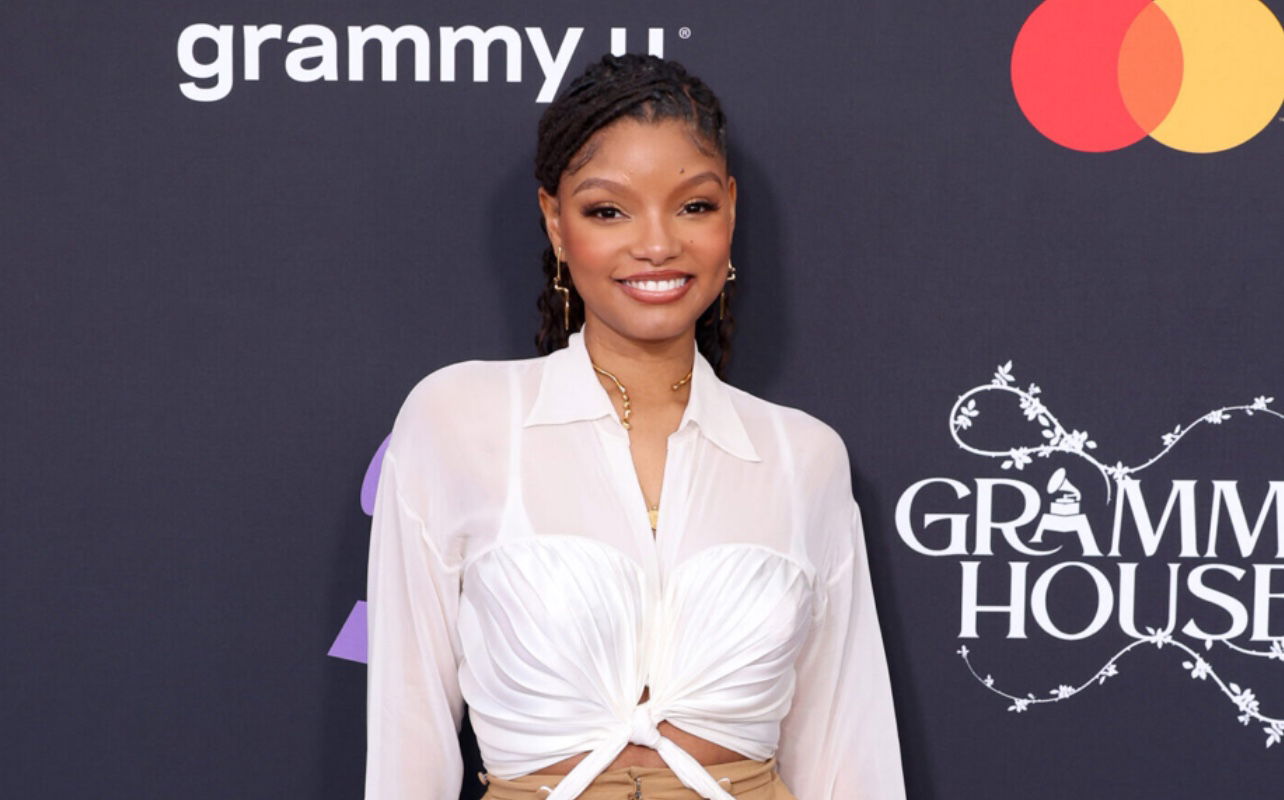
During her speech at the 17th annual Essence Black Women in Hollywood Awards on March 7, actress Halle Bailey, who recently embraced motherhood, addressed her decision to shield her pregnancy and newborn from the public.

According to The Hollywood Reporter, Bailey told the audience, “There was no way in hell I was going to share the biggest joy of my world with anyone.” She added that Halo “was my gift, he is the greatest blessing, and I had no obligation to expose him, me, or my family to that unyielding spotlight.”

On the red carpet, The Little Mermaid actress told Extra TV that baby Halo is “so smart, he’s so amazing.” She predicted her son is going to be a “music baby.” She added, “He loves the piano. I feel like I can already hear what his voice would sound like if he started to sing, even through the way he cries…He’s just the most beautiful thing in the world.”

As previously covered by BLACK ENTERPRISE, the singer and her boyfriend, rapper DDG, kept silent throughout the duration of her pregnancy, even as fans and media outlets pushed the conversation throughout 2023.

Bailey shared photos and videos of her pregnancy on social media in January.

https://twitter.com/HalleBailey/status/1747661592828010825

She addressed one critic who assumed she “went out of her way to lie and gaslight about” the pregnancy. Bailey wrote, “I’ll never understand why you are mad I protected my own peace, wouldn’t you do the same? And I’m gonna share my pics now if I want to because my son is here safely.”

In February, BE noted that Essence‘s Black Women in Hollywood event aimed to honor The Little Mermaid actress along with other Black women with noteworthy achievements in film and television. Under the theme of “Radiant Power,” the celebration planned to spotlight Black women’s “strength, grace, and influence” in media.

Gracefully addressing her pregnancy, Bailey accepted her award and thanked Essence for being “the steady light in the fog guiding us to safety.” Her speech honored the women who came decades before her — those who’ve had it “rougher, tougher,” and “harsher” — to make it possible for many in the room to fulfill their dreams.

RELATED CONTENT: Halle Bailey Pours Into Female Students With Angel Scholarship

×