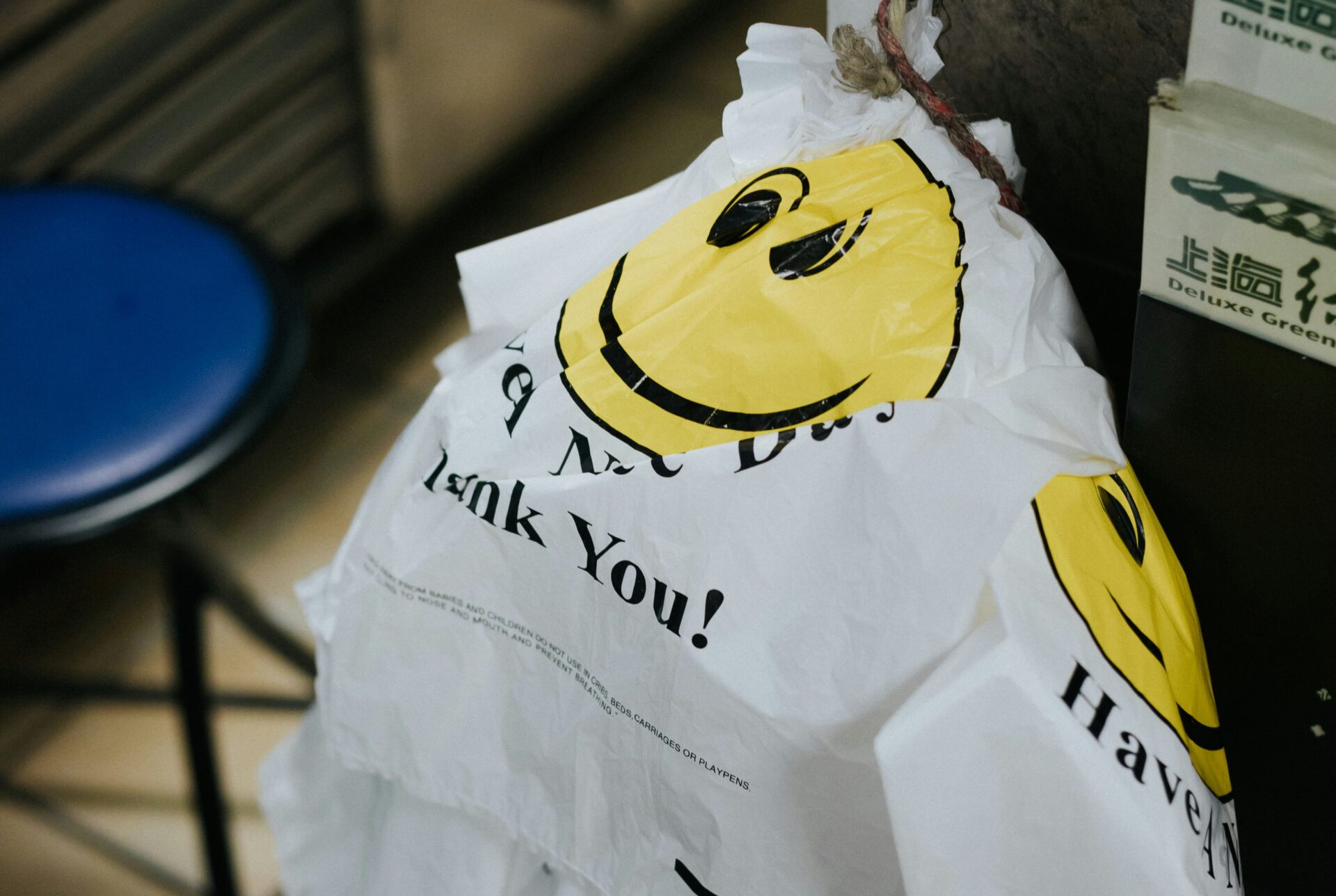
According to The Associated Press, customers who don’t bring their own bags will be asked if they want a paper bag when the law goes into effect in 2026.
One of the bill’s supporters, Catherine Blakespear, said that a state study showed that people were not recycling their plastic bags. The study showed an increase in plastic bag waste from 8 pounds a year in 2004 to 11 pounds a year in 2021.
According to the California Public Interest Research Group, the new law is in concert with the spirit of the original ban.
“Plastic bags create pollution in our environment and break into microplastics that contaminate our drinking water and threaten our health,” Jenn Engstrom, the group’s director, told the Associated Press. “Californians voted to ban plastic grocery bags in our state almost a decade ago, but the law needed a redo. With the Governor’s signature, California has finally banned plastic bags in grocery checkout lanes once and for all.”
According to the Environment America Research & Policy Center, at least 12 states have enacted some kind of plastic bag ban, while hundreds of cities in 28 states have their own plastic bag bans.
According to Grist, California’s first ban, which allowed the use of thick, purportedly recyclable bags, spawned copycat legislation.
After California’s amended law, at least two other states have introduced legislation to amend their laws while other states looking to ban plastic bags are taking the time to get it right the first time, including fighting Big Plastic.
Jack Egan, the vice chair for the Connecticut chapter of Surfrider, an ocean conservation nonprofit, told Grist that plastic bag waste needs to be dealt with as strictly as possible.
“You need a full ban on this stuff completely,” Egan said. “Otherwise, you’ve got a compromised, hamstrung, hard-to-enforce, easily worked-around ordinance.”
New Study Reveals Higher Rates Of Unscheduled C-Sections Among Black Women
'The findings from the new study are alarming—it is concerning that these disparities exist and are so stark.'
A recent study shows that pregnant Black women are 25% more likely than white women to have cesarean section deliveries.
Research from the National Bureau of Economic Research reveals that from 2008 to 2017, 21% of Black women in New Jersey with unscheduled deliveries had C-sections, compared to 17% of white women in similar circumstances. Researchers suggest that this disparity may be driven more by provider preferences than by the individual needs of the mothers.
The disparity narrowed somewhat when researchers accounted for medical risk factors, sociodemographic characteristics, hospitals, and medical practice groups. However, it disappeared completely when adjusting for the availability of facilities—specifically, when scheduled C-sections were happening at a hospital, the racial gap in unscheduled C-sections between Black and white women nearly vanished.
“What we show is that it’s not likely this disparity is coming from something the physician is seeing that we—the researchers—are not seeing in the medical records,” Adriana Corredor-Waldron, assistant professor of economics, who co-authored the research paper, said.
“Because if Black mothers were truly better candidates for these unscheduled C-sections, we should see the gap persist, whether the operating rooms are busy or not.”
The study examined nearly 1 million births across 68 New Jersey hospitals, with researchers suggesting that implicit racial bias among providers may contribute to the disparity. They also noted that some hospitals might have a “financial incentive” to keep operating rooms occupied.
“The findings from the new study are alarming—it is concerning that these disparities exist and are so stark,” Mark Simon, M.D., chief medical officer at Ob Hospitalist Group (OBHG), told Healthline.
“The CDC has released dataTrusted Source that clearly highlights national differences in C-section rates across each state, with New Jersey ranking on the high end,” Simon added. “But this problem is not unique to New Jersey—disparities in maternal mortality, particularly along racial and socioeconomic lines, are also well-documented.”
The rate of cesarean deliveries has risen in the United States in recent years. Many of these procedures are scheduled ahead of time, raising concerns among experts about their medical necessity. Planned and unplanned C-sections now account for approximately one in three births in the U.S., significantly exceeding the World Health Organization’s (WHO) recommended target rate of 10–15%.
As highlighted by the new research, this trend disproportionately affects Black women, although the reasons behind this disparity remain unclear.
“We don’t have the data to go into detail on exactly what it is, whether it’s lack of patience, for example, or if it’s cultural misunderstandings between a physician and a person from a different race. We don’t have good data to answer that,” Corredor-Waldron said.
“What we can say, because we’ve talked with some ob-gyns, is that they think about things like perceived risk,” Corredor-Waldron added. “We’re all reading the (Centers for Disease Control reports) about high infant mortality among Black infants. It might be that the physician thinks, ‘I don’t want any complications. So I’m just going to go ahead and do an emergency C-section.'”
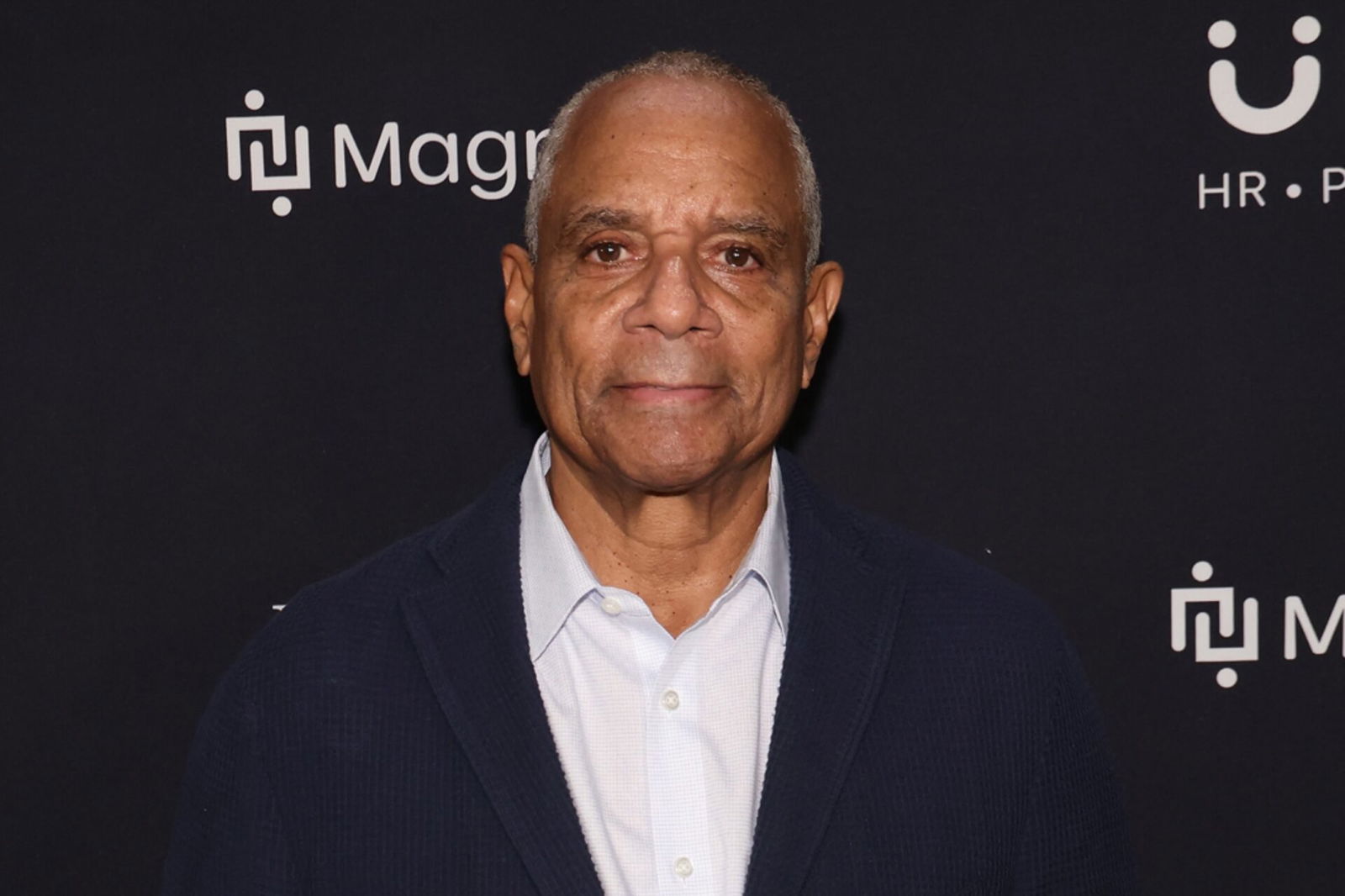
According to Frazier, diversity strategies are essential in a country where everyone does not have access to the same opportunities.
“At its best, DEI is about developing talent, measuring it in a fair way, and finding hidden talent and disadvantaged talent in a world where not everybody has an equal chance to exhibit their abilities,” Frazier, who was the CEO of Merck from 2011 to 2021, told CNN.
Frazier concluded, “Businesses will miss the best talent unless they go out of their way to develop strategies” for cultivating leaders who have faced discrimination—especially those based on America’s “tortured history around race.”
According to Frazier, his rise at Merck from legal counsel in 1990, to being switched to the business side of the company and placed on the path to leadership after being mentored by the company’s CEO, Roy Vagelos, showcases the need for DEI in the workplace.
According to Frazier, Vagelos understood that career paths weren’t always dictated by “the intrinsic talent of people.”
“The reality of the world was if [Vagelos] had used the normal promotional standards of the company—which, by the way, many people conflated with merit because that’s the way they always did it. That wasn’t merit. It was just the way Merck always did it—then I would not have had a chance.”
According to research from Boston Consulting Group, companies that have DEI teams are more diverse and have a higher percentage of employees who are Black, Asian, or Latinx.
As Chenault told the outlet, in the past, merit was often used to hide benefits or connections, and competition for promotions or scholarships is much more intense today.
“This concept that, 50 years ago, merit reigned—the definition of what merit was was not balanced,” Chenault, the CEO and chairman of American Express from 2001 to 2018, said.
According to Chenault, the standards for college admissions or promotions are generally much higher today.
Although they do not agree with every diversity, equity, and inclusion initiative, the pair believes that there has been considerable pushback against progress due to the political climate.
“Our society has experienced sine waves that oscillate up and down and sideways periodically,” Frazier said. “Right now, those sine waves—the political climate—is one that actually pushes back” against the work to address racial inequality.
The 2023 Supreme Court ruling to declare affirmative action unconstitutional has largely opened the floodgates for conservatives to tamp down on the diversity, equity, and inclusion initiatives enacted in the wake of the murders of George Floyd and Breonna Taylor.
According to Frazier, the companies that had already integrated DEI into the fabric of their companies are not going back, while those whose efforts were reactionary are choosing to abandon the initiatives because of the current political climate.
“For some of the companies that joined this initiative because the sine waves were encouraging them to do it [in 2020], those are the ones that are struggling to stay with it,” Frazier told CNN. “For those companies that had integrated DEI into the way they do business, fundamentally, it’s marbled into the meat, so to speak. They’re not trying to change that.”
Bill Clinton Campaigns In Rural Georgia On Behalf Of VP Harris
Clinton's ability to build rapport with both rural and Black voters is reportedly seen by Democrats as a positive, but there are questions as to how far that will go as the population that is the most intimately familiar with his presidency grows older
According to ABC News, Clinton emphasized unity in his remarks.
“Uniting people and building, being repairers of the breach, as Isaiah says, those are the things that work,” Clinton told the congregation. “Blaming, dividing, demeaning — they get you a bunch of votes at election time, but they don’t work.”
Clinton also said that the election could turn based on what undecided voters decide over the coming weeks.
“This whole election and the future of the country is turning out to be what people who were sort of on the fence about voting are going to do in the next three and a half weeks,” Clinton said. “It’s the craziest thing I’ve ever seen.”
According to ABC News, Clinton asked to be sent to rural areas by the Harris campaign because it is where the former president feels the most comfortable.
Clinton’s ability to build rapport with both rural and Black voters is reportedly seen by Democrats as a positive, but there are questions as to how far that will go as the population that is the most intimately familiar with his presidency grows older.
Black voters are seen as critical to the Democratic Party’s efforts in Georgia, swing voters in a battleground state. In that state, Black voters make up one-third of all registered voters.
“I think what’s frightening is the scope and the intensity of misinformation and disinformation. You know, on social media I’ve seen AI images. I’m seeing these despairing things about VP Harris that I know that are untrue or are false related to her race or identity,” Brown said.
Brown continued, “I’m seeing those things pop up on my timeline, right? And so that frightens me because I think — in the absence of having truthful information — sometimes people will gravitate towards those things that are sensational, and they believe because of the way that it’s presented sometimes.”
Brown also expressed concern that the election certification changes in Georgia could have negative ramifications on the results.
“You also have this process that I’m deeply concerned about now. In the last month or so, there’s been these two rules that have been changed around the certification of election results. And so now you can have an election official to say, ‘I think something is wrong’ — they don’t have to show any proof — so they can actually delay the certification process,” Brown cautioned. “And so that frightens me, that will the election be decided on November 5 in a way that those votes are certified?”
According to ABC News, whoever wins Georgia will most likely win the presidency.
Per a model from 538, if Trump wins Georgia, he will have a 75% chance of winning the White House, but if Vice President Harris wins, she has a 90% chance of becoming president.
Per 538’s aggregate model, the race in Georgia is razor-thin. Trump currently leads the state by a one percent margin, which is closer than he had performed against President Joe Biden before he dropped out of the race. Georgia’s demographics make the participation of its Black voters even more critical.
Georgia, like other Southern states, has a high degree of racially polarized voting. Harris is currently carrying approximately 82% of Black voters in Georgia, less than Biden attracted, while Trump’s 15% share represents a five percent increase in Black support, which could portend a result in Trump’s favor.
According to David Byler, a data analyst and pollster for Noble Predictive Insights, “We’re just not in a world where polls provide that kind of 100 percent, 0 percent win probability. You can get odds, you can get probabilities, you can get sort of levels of certainty. But we’re in an incredibly polarized moment, and [polling] is just not a precision tool that can provide certainty.”
McDonald’s Elevates Black Fashion Designers With ‘Show Up And Show Out In Black’ Initiative
Its 'Show Up and Show Out in Black' movement promotes the future generations of Black fashion trailblazers.
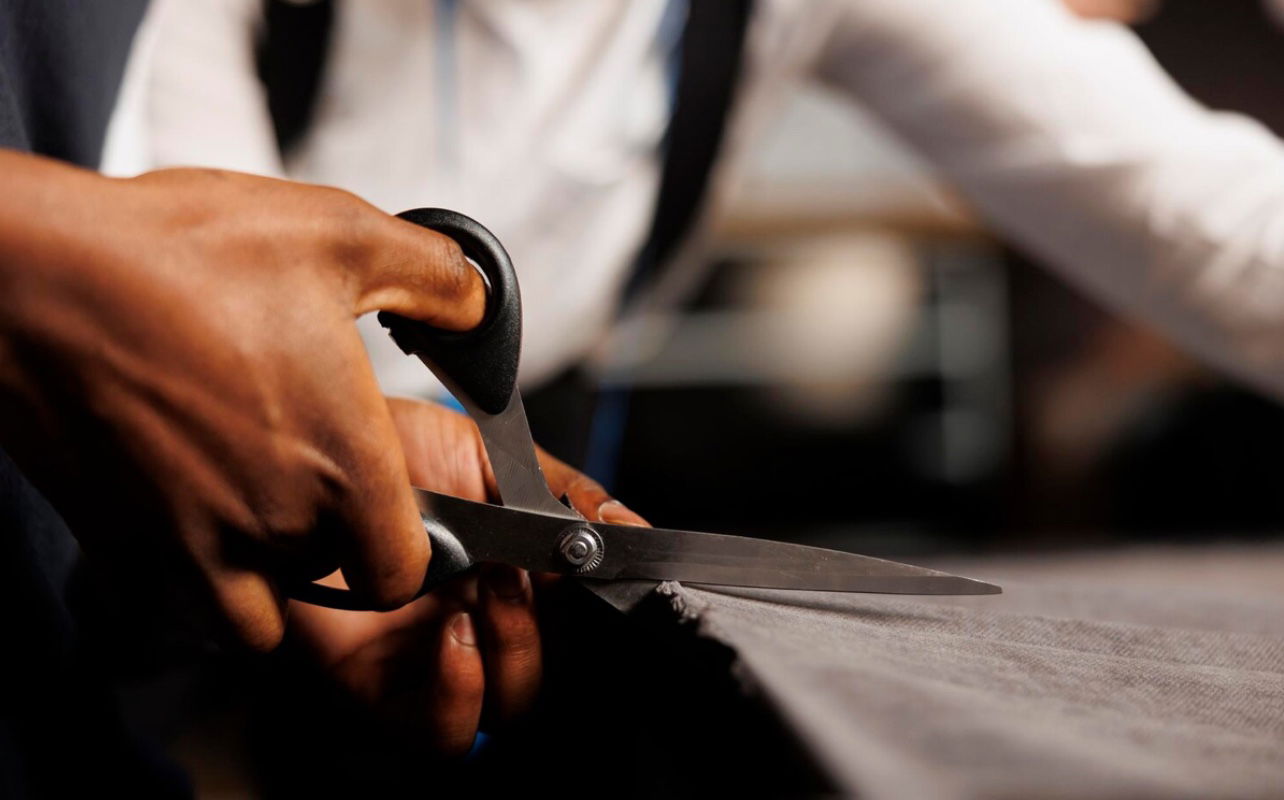
With only 7.3% of U.S. fashion designers identifying as Black, McDonald’s is looking to bridge the fashion industry’s diversity gap.
The international fast food chain’s Black & Positively Golden (B&PG) Change of Fashion program launched its “Show Up and Show Out in Black” Initiative during New York Fashion Week (NYFW) in September, but its mission to support and highlight diverse designers extends beyond fashion’s biggest month.
Through the B&PG program and its latest initiative, five Black designers became the proteges of seasoned fashion insiders. These professionals, such as LaQuan Smith, shared insight to gain accessibility into the industry.
At this year’s NYFW, these insiders held a meet and greet as well as a symposium to speak on their stories. Accompanying this was the “Show Up and Show Out in Black” movement. All events remain geared toward promoting the future generations of Black trailblazers in fashion.
“Having witnessed the challenges and underrepresentation that Black designers face in the fashion industry, I am thrilled to advocate for their incredible talent through McDonald’s Black & Positively Golden Change of Fashion program,” said journalist and former Teen Vogue editor-in-chief Elaine Welteroth, in a press release. “During New York Fashion Week, a highly coveted time on the fashion calendar, I look forward to seeing fans join the Show Up and Show Out in Black movement by using their style and platforms to support Black designers. It’s time to celebrate the community’s contributions and drive meaningful change toward a more inclusive fashion industry.”
McDonald’s also partnered with Black Owned Everything for fans to patronize these clothing brands. Those on the platform who make a purchase can also receive a “Show Up and Show Out in Black” badge, spreading awareness of the movement.
“It’s time for the industry to shine a light and pay homage to the incredible creativity, tenacity, and accomplishments of Black fashion designers,” said Black Owned Everything founder Zerina Akers. “Black Owned Everything is proud to champion McDonald’s Show Up and Show Out in Black movement in celebration of Black-owned businesses, community, and inclusion.”
One can learn more ways to support and hear these rising designers’ journeys through ChangeofFashion.com.
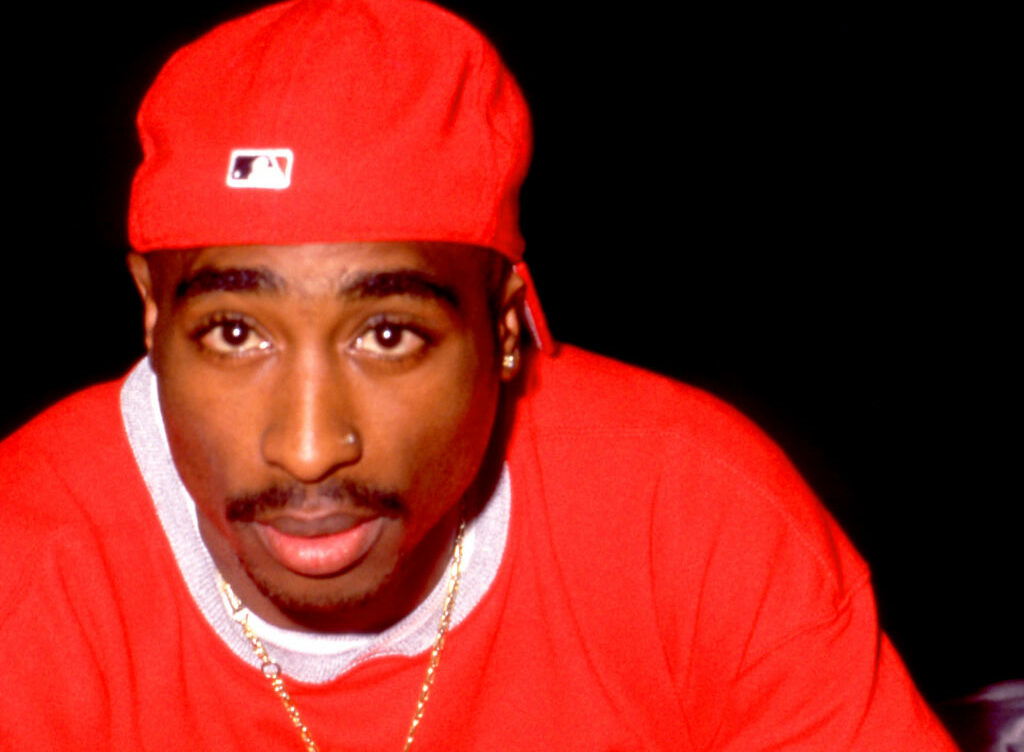
Tupac’s Stepbrother Has Doubts About Diddy’s Denial Of Involvement In Rap Legend’s Death
'Here we are, 27, 28 years later, it looks like there’s some doubt in that statement, along with all the other suspicions that people have.'
Tupac’s stepbrother, Mopreme Shakur, was recently a guest on Piers Morgan Uncensored, where he confirmed that he spoke to Diddy after his brother was killed.
Diddy, who is currently embroiled in a raft of sexual assault accusations, had been accused by Duane “Keffe D” Davis, a longtime suspect in Shakur’s death, of ordering the hit on the rap legend.
“[He] basically said he had nothing to do with my brother’s murder,” Shakur told Morgan. “I told him, ‘The truth is still yet to come out, so we’re going to see.’ Here we are, 27, 28 years later; it looks like there’s some doubt in that statement, along with all the other suspicions that people have.”
Billboard recently reported that Shakur’s family has started an investigation and has hired powerful New York attorney Alex Spiro to see if there is a link between Tupac’s death and Diddy being involved. The “No Way Out” producer has always denied having any knowledge of who was responsible for Shakur’s untimely death.
“My opinion is that I don’t believe it was a hundred percent honest statement,” Shakur relayed to Morgan. He was asked if Diddy lied about not being involved. He said, “Quite possibly. It’s kind of looking that way, in my opinion.”
“I told him, ‘The truth is still yet to come out’.”
Mopreme Shakur tells Piers Morgan what was said when Diddy called him to deny involvement in the murder of his brother Tupac.
Shakur, who also starred in movies such as Poetic Justice and Above the Rim, was shot multiple times in a drive-by shooting in Las Vegas on September 7, 1996, while in town for a Mike Tyson fight. The popular, controversial rapper died six days later.
GA County Sheriff Grilled For Calling In Backup To Resolve His Burger King Dispute
Sheriff Craig Owens received backlash for the ordeal, with many criticizing his calling upon a squad of officers.
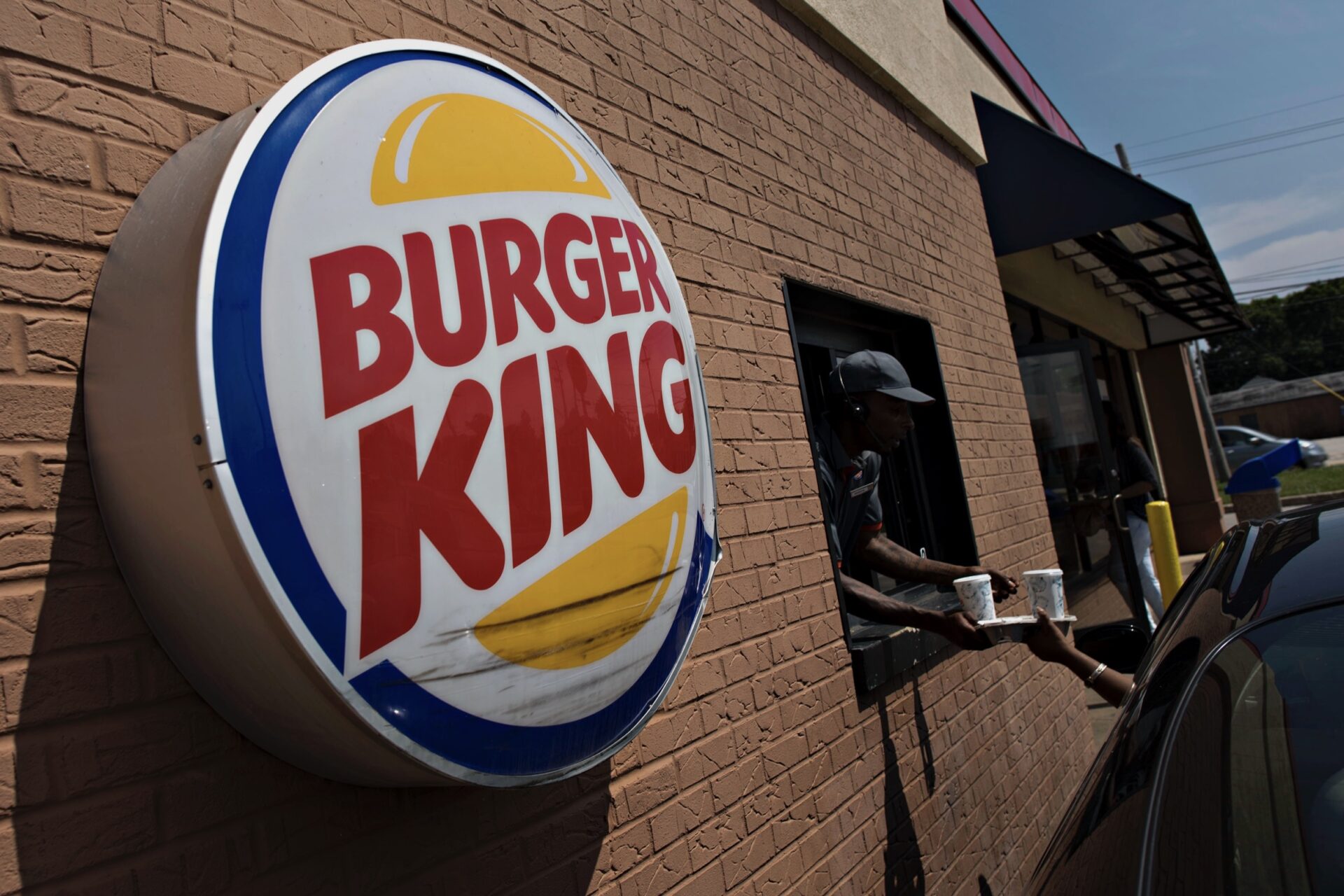
The sheriff for Cobb County, Georgia, is getting grilled after multiple deputies arrived to resolve his order dispute at Burger King.
Sheriff Craig Owens, who is seeking reelection in the county, received backlash for the ordeal, with many criticizing his calling upon a squad of officers. Body camera footage, shared by his opponent David Cavender, unveiled the 2023 incident to the public.
Owens detailed why he called the deputies in an interview withWSB-TV. He recalled arriving at Burger King with his wife, noting he did not wear his uniform nor identify himself as the sheriff. The dispute started after his wife received a burger with an ingredient she was allergic to, which he notified the fast food employees about. The situation escalated after Owens was allegedly denied a refund by the eatery’s management.
“It was about the wrong order, and it would make my wife sick. If she ate mayo, she would get sick, so we clearly explained that to him,” explained the Democratic incumbent. “When [the manager] refused, I asked, ‘Well, can we get our money back?’ He also refused and slammed the door, the drive-thru window.”
Despite trying to get a resolution or monetary refund for their troubles, Owens then called upon a deputy to support him in the matter.
“I thought the best thing to do was to call a deputy,” he explained. “In hindsight, I probably should have just drove off and took the bad service and left and came back another day.”
However, Owens said he regrets his actions and how they took away from more serious matters.
Owens added, “Thinking about it now, in hindsight, again, I apologize to any of the citizens of Cobb County that this has affected negatively as well as my office.”
On the other hand, his Republican opponent believes it sheds greater light on Owens’ leadership, inferring that it was an abuse of power. An assistant manager at the location also shared that Owen’s raised voice and cursing prompted them to lock the doors.
“You shouldn’t use that position to make any citizen, whether on or off duty, feel unsafe. Especially when they have to lock themselves in the business,” expressed Cavender.
He deemed the matter trivial, especially for the work of deputies.
Cavender continued, “You’re going to tie up multiple deputies that should be serving the citizens of Cobb County when, instead, they are coming here because you were unable to navigate the turbulent waters of ordering fast food.”
Despite the controversy, Owens hopes to maintain his seat as the incumbent sheriff following Election Day.