POC-Owned Businesses In Baltimore Can Seek $20K Grants From Baltimore Gas And Electric
Eligible businesses including those owned by people may receive grants of $20,000.
Businesses owned by people of color and women in Baltimore can now pursue $20,000 grants. The money will come as Baltimore Gas and Electric (BGE) is investing $2 million in the program this year. Small businesses located in the utility’s service area can apply as part of the BGE Energizing Small Business Grant program through July 12.
The program has awarded grants exceeding $13 million to 651 small businesses since its inception in 2021. It’s part of an initiative to help the foundation of the local economy succeed and thrive.
Historically underrepresented minority businesses often challenged with access to capital will be prioritized for funding. To administer the grants, BGE is uniting with the fintech platform Hello Alice.
Grant applicants must meet many requirements to be eligible. They include being a for-profit business operating for at least a year at the start of the application, being an existing BGE customer in good standing, having a maximum of 25 employees, and annual gross revenues in 2023 of under $7 million.
The latest funding comes as insufficient or expired capital is one of the main operating challenges for budding and mature small business owners. This reportshowed that 76% of Black entrepreneurs disclosed that access to capital was an obstacle.
In general, small business grants often are a source of funding that doesn’t need to be repaid or incur interest and fees like a loan. Businesses can use grants to cover a particular need such as expansion, hiring workers, and other purposes. A downside is a business may face a lot of competition in securing a grant, with multiple interested applicants pursuing them.
A subsidiary of Exelon Corp., BGE calls itself Maryland’s largest natural gas and electric utility. It serves more than 1.3 million electric customers and 700,000 natural gas customers.
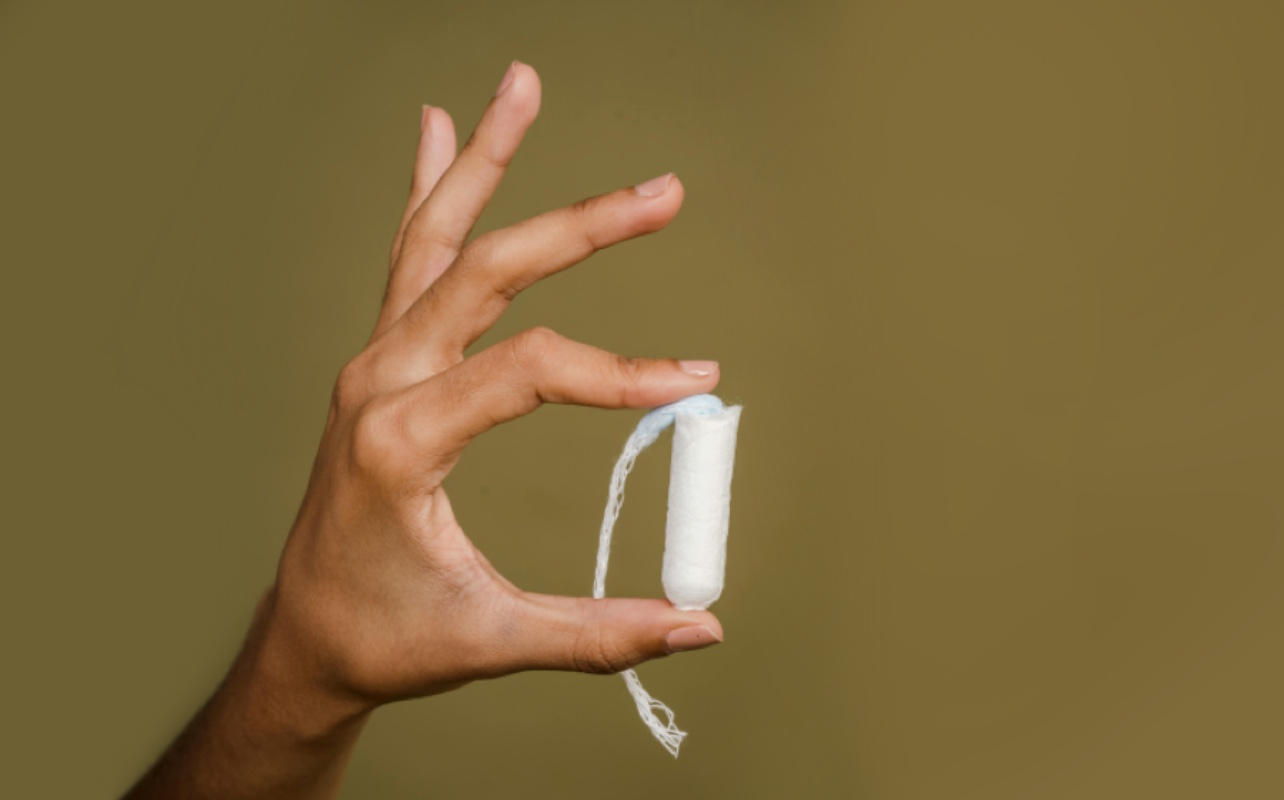
Study Shows Women Could Be Using Tampons With Toxic Metals
The FDA is thoroughly reviewing the study's findings in an effort to protect consumers of tampon brands that contain toxic metals.
A recent study has uncovered the presence of toxic metals in multiple tampon brands, raising concerns about potential health risks.
The research, published in Environmental International, analyzed 30 tampons from 14 brands purchased in the U.S., UK, and Greece. Lead was detected in all tampon brands tested, along with “measurable concentrations of all 16 metals assessed,” including arsenic and other toxic elements. The study revealed intriguing differences between organic and non-organic products. Organic tampons contained less lead but higher arsenic levels than their non-organic counterparts. Additionally, tampon brands sold in the U.S. showed higher lead concentrations than those in Europe.
Researchers closely examined arsenic, barium, calcium, cadmium, cobalt, chromium, copper, iron, manganese, mercury, nickel, lead, selenium, strontium, vanadium, and zinc. Researchers hypothesize that these toxic metals in tampons may originate from the soil where the cotton and rayon used in production are grown. The study on tampons with toxic metals highlights the lack of regulations in the U.S., EU, and UK regarding potential contaminants in tampon brands. “…None of these governments requires manufacturers to test their products for harmful chemicals, including metals,” the study notes.
“We cannot yet say that people should not be using tampons,” lead researcher Jenni Shearston told CBS MoneyWatch. She emphasized the need for further research to determine if these metals leach out and are absorbed by the body. “Our research emphasizes the need for more testing of toxic compounds in products we use daily and better labeling so users can make more informed decisions.”
A Food and Drug Administration spokesperson noted that the study “does not assess whether any metals are released from tampons when used in the body. It also does not address whether any metal, if released, can be absorbed into the vaginal lining or, subsequently, into the bloodstream.” As the agency thoroughly reviews the study’s findings, it plans to take necessary actions to protect consumers of tampon brands that contain toxic metals.
Due to the heightened permeability of vaginal tissue compared to other bodily surfaces, the research team emphasized that additional studies are crucial to ascertain if the metals seep from the tampons during use.
Protect Your Tech: Don’t Fall Victim To Summer Fun
A small investment, and a little common sense, will allow you to enjoy the summer.
Originally Published June 24, 2013.
You’ve spent months preparing for summer, getting the backyard and deck ready for soirees, finalizing those last-minute specifics for that week-long vacation, and hitting the gym a little harder to tone your soon-to-be beach bod. But did you prep your tech tools for the heat?
Whether you plan to take your gadgets near the pool or work outside, Mashable has outlined ways to protect your tech this summer:
Keep Cool
If you do nothing else, keep your tech in the shade. During the summer months, it’s easy for your gadgets to overheat, so keep them in a cool, shady area as often as possible. If you do realize your phone, for example, has overheated in the sun, let it cool slowly. But don’t try to rush the process by sticking it in the freezer or fridge.
And for those choosing to work outside, place your laptop on a cooling pad. Also, try cleaning your laptop fan to keep the device cooler.
If you plan to leave the sandals and swimwear for snow gear, keep your phone protected in an inside pocket, or somewhere close to your body, to stop it from chilling or experiencing temperature changes that can lead to visual distortions in the display. To prevent condensation from occurring inside your phone, let your phone return to its normal temperature gradually.
Use a cooling pad when you’re working on a laptop outdoors, even if you don’t use one at home. Increased temperatures mean even new laptops could easily overheat in the summer sun. Also, cleaning your laptop fan will ensure it’s running properly and keeping your laptop cooler. Again, the best protection is to keep it in the shade.
Use Protection
Another concern is water damage. While your current cellphone case protects against damage from dropping your phone, it will do little to protect your phone from damage caused by liquid, dust, or sand. If you want to tote your cell to the shore, you’ll need a little something extra.
Waterproof cases are thermoplastic sheaths that prevent rain, dust, sand and other debris from getting into the small crevices in your phone and wreaking havoc. Waterproof cases also allow you to capture underwater pics and content for your socials.
There is no laptop-shaped waterproof cover, but laptop skins will prevent dust and sand from ruining your keyboard or screen and can be ordered for about $10. This protection is fairly minimal, however, and won’t prevent all damage.
Keep It Dry
If you’re looking for a little more protection, say, for boating or swimming, try a waterproof backpack like one from DryCASE. If you actually do use your laptop poolside, our best advice is to be very careful. Your device won’t be protected if it’s not in the bag!
Case by Case
If you’re planning to take laptops out into the great outdoors, plastic laptop skins will protect your tech against scratches and other physical damage, but won’t be much help when it comes to small debris and jolting car rides. Either buy a padded sleeve, or opt for a bag or case that has padding all around your computer, not just up against your back, so that the other contents of your bag won’t damage your laptop.
You should always have a case and screen protector on your cellphone or tablet to prevent damage and scratches. If you’re serious about keeping your tech safe, consider getting an OtterBox or other heavy-duty case, as opposed to the more fashionable (but ultimately less effective) hard plastic cases.
A$AP Rocky Strikes Pose With Son Rza For Rihanna’s Savage X Fenty Campaign
Rihanna brought some of her family in to rock the newest Savage X Fenty Classics collection.
Smile for the camera, boys! Two of Rihanna’s leading men, A$AP Rocky and their eldest son, Rza, participated in her newest Savage X Fenty campaign.
The photoshoot aided the launch of the clothing and lingerie brand’s Classics collection. The new assortment features more men’s undergarments, including briefs, boxers, and tees. Keeping it in the family, Rihanna tasked the father-son duo to model the new pieces.
The images showcase the two-year-old sitting on his doting dad’s shoulders. To add to the cuteness, both wore the same Savage looks, which included black tank tops and boxers. As for the father of two, a photo of his backside revealed the spelling of “Dad” in his braids as Rza looked forward in the shot. Another picture showcased Rocky fixing the toddler’s Fenty-labelled underwear in white.
Since confirming their relationship in 2021, the couple has been parenting goals with their two children. Rza, their eldest son, was born in 2022. Rihanna revealed her second pregnancy while headlining the 2023 Super Bowl halftime show. They welcomed their youngest son, Riot, to the world in August 2023.
The iconic singer continues to raise the bar as a mom and entrepreneur. She recently launched Fenty Hair, adding to her Fenty Beauty and Skin brands. While she stepped down as CEO of Savage X in June 2023, she remains a creative visionary for the brand.
While Rocky dives into his front-facing support of Riri, his baby mama also returns the favor. The Grammy-winner sat in the front row at Paris Fashion Week show for her partner’s new clothing brand, AWGE.
Despite both parents growing their fashion empires, growing their family is not completely off the table. In her Interview cover story, which was released in April, Rihanna shared that more children may happen.
“As many as God wants me to have,” responded the 36-year-old when asked about kids. “I don’t know what God wants, but I would go for more than two. I would try for my girl. But of course, if it’s another boy, it’s another boy.”
In the meantime, the duo continues to establish a Hollywood family dynasty.
Angela Simmons Dives Into Deep Fried Oreos With Slutty Vegan
The company has partnered with the popular restaurant before.
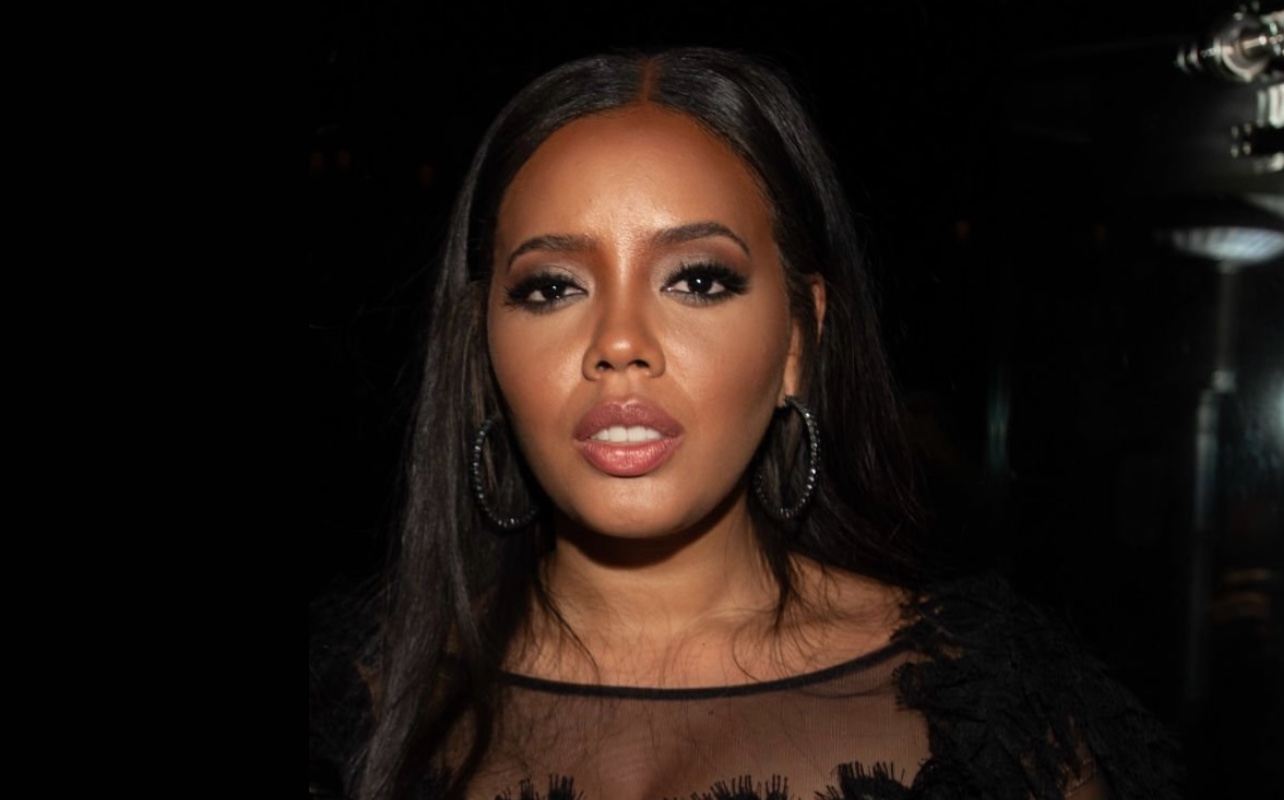
Angela Simmons is staying deep (fried) in her bag. The owner of Angela’s Cakes, a vegan cake mix, has partnered with Slutty Vegan to add deep-fried Oreos to the popular eatery’s menu for a limited time.
Simmons and Slutty Vegan founder Pinky Cole announced the partnership through social media July 9, in a clip featuring Simmons in a bathtub filled with Oreos.
Angela’s Cakes has been in the mix with Slutty Vegan before, through its plant-based pancakes and waffles. The business idea came about as the hip-hop princess wanted plant-based goodies that soothe junk food cravings. Its mixes can not only elevate breakfast, but make vegan funnel cakes for all to enjoy.
The business runs through its partnership with Slutty Vegan, with expected availability at major retailers in the near future. In the meantime, her latest concoction adds a sweeter side to the restaurant’s famous burgers and fries. This new vegan treat, complemented with oat milk, takes the plant-based cookie up a notch.
“With me being a major vegan foodie with a sweet tooth, I’m always looking to satisfy my cravings, especially when I’m traveling,” said Simmons in a press release. “Working with Pinky and Slutty Vegan has been amazing because she shares that same vision of bringing the tastiest vegan options to the masses.”
The venture also serves as a callback to Simmons’ Pastry Footwear. She launched the confectionary-inspired sneaker brand alongside her sister, Vanessa. Despite moving on from the delicious sneakers, the 36-year-old’s connection to pastries remains in Angela’s Cakes.
“We [Slutty Vegan] are so excited about the rollout of this limited menu item. I mean, who doesn’t love fried Oreos?” Cole said in the statement. “The initial rollout will start in New York and Atlanta. [However,] don’t be surprised if you see it coming in other markets, especially with our food truck currently trekking across the country.”
Despite Paralysis Of Inmate James Carlton, Ned McCormick Rehired, Promoted As Questions Remain
According to the most recent report from Martin, the current state of affairs inside the facilities run by the DOC remain rife with violence and excessive force.
On May 11, 2023, James Carlton, who was incarcerated at the Vernon C. Bain Center jail, was allegedly paralyzed as a result of injuries he received from a botched attempt to detain him. One of the people allegedly responsible for the facility that employed the unit that paralyzed him, Ned McCormick, received a promotion and raise upon his recent return to the New York State Department of Corrections.
According to The City, part of the reason Carlton ended up paralyzed is that he suffers from spinal stenosis, a condition which makes it much more likely for him to receive a serious spinal injury. The officers who attempted to detain James, however, were unaware of his medical history because Louis Molina, the Department of Corrections Commissioner, allegedly withheld that information.
Molina was the subject of an investigation by Monitor Steve Martin, who was critical of Molina’s determination that there was no wrongdoing committed by the officers who tackled James while his arms and feet were already shackled. According to Martin’s report, he disagrees with Molina’s characterization of Carlton as an unruly offender. “Given even these initial findings and disciplinary actions by the Department, it is unclear how the commissioner could reportedly adamantly deny wrongdoing in this case or how the department could claim that the force was necessary and therefore assert that there was no inappropriate conduct.”
Martin’s report also criticized the supervision at the facility in general, citing another incident where an incarcerated individual jumped to his death while one correctional officer played dominoes in a cell with three offenders. “The other officer was seated at a table with three individuals in custody playing dominoes. While building rapport in this way is laudable, there is at least a question about whether there was, in fact, adequate overall supervision on the unit.”
According to the most recent report from Martin, the current state of affairs inside the facilities run by the DOC remains rife with violence and excessive force.
“The jails remain dangerous and unsafe, characterized by a pervasive, imminent risk of harm to both people in custody and staff. This risk of harm is caused by pervasive dysfunction in the jails’ management resulting from polycentric and interdependent issues including, but not limited to, a broad failure to utilize sound correctional security practices for even the most basic tasks, limited staff supervision, and poor-quality guidance, and a persistent failure to identify misconduct and to apply appropriate accountability.”
Martin’s report continued, “These failures perpetuate a toxic culture and a system in which none of the component parts work well or together. As a result, violence and a persistent pattern and practice of the use of unnecessary and excessive force remain evident in the system.”
Despite these questions and criticisms, McCormick was given a promotion upon his return to the DOC on June 20, after he had initially resigned in October 2023, a few months after the incident involving Carlton. According to a top jail official, who spoke to The City on condition of anonymity out of a fear of retribution, McCormick’s return was “very disheartening to the people working here.”
As McCormick is set to profit and prosper despite the paralysis of Carlton, Carlton lies in a hospital bed, consumed with pain, suffering, and in fear of the officers of the DOC. In July 2023, James told The City from his hospital bed at NYC Health + Hospitals/Bellevue in Manhattan. “Everything hurts,” Carlton said. “I can’t sleep. It’s all nightmares. I can’t do anything anymore. Look at me. I can’t move. I’ll never get out of this bed.”
Alaysha Johnson Elevates Black Designer As She Qualifies for Paris 2024 Olympics
Olympic hurdler Alaysha Johnson is using her platform to empower this Black designer as she heads to the Paris 2024 Olympic Games.
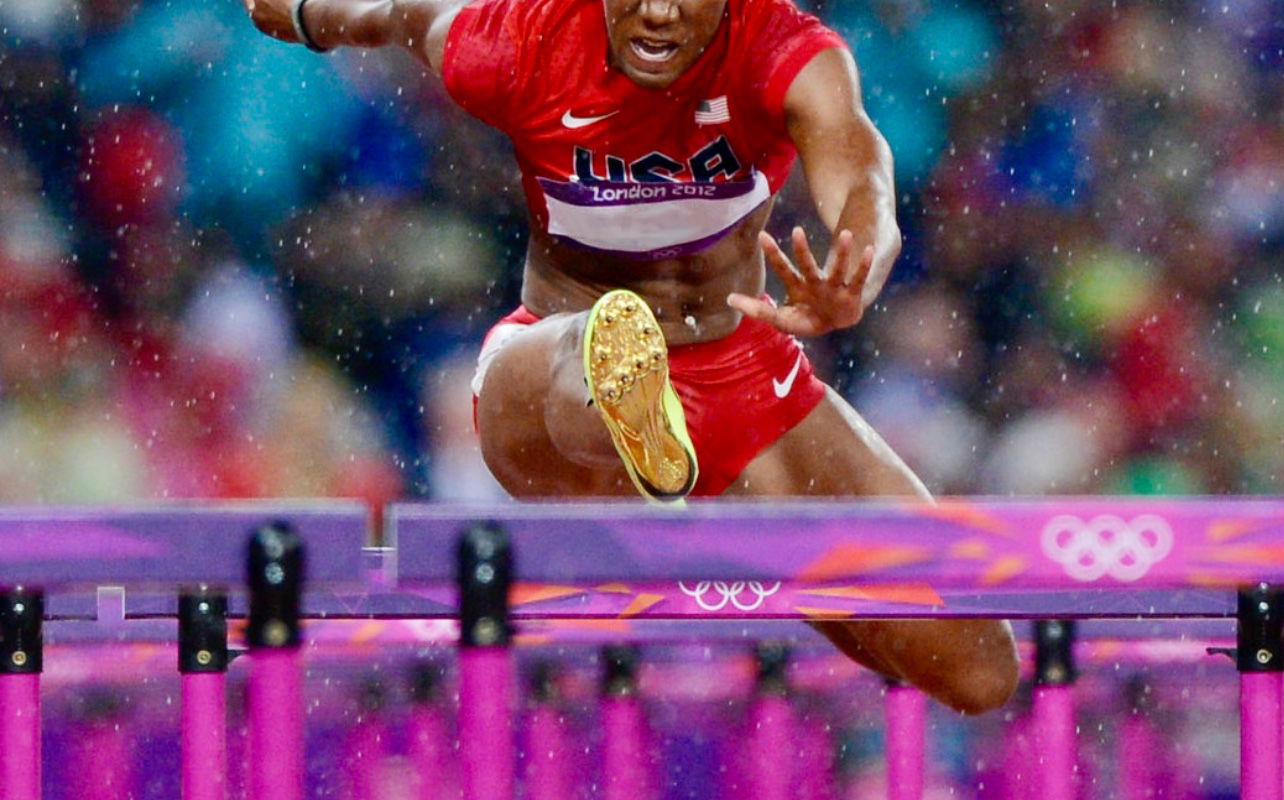
As Johnson, a 100-meter hurdler, qualified to join Team USA at the Paris 2024 Olympics during the Olympic Track and Field Trials in late June, she adorned clothes created by Phillip Mims for his HMN ALNS clothing company. He draws inspiration for his designs from anime, runway fashion, and streetwear.
“It was all God,” she said in a post-race interview held on June 30. “I already knew before the season started what was coming for me. I literally…I knew it was the easiest thing to do because everybody all the time said that I wasn’t good enough, said that I didn’t deserve. So I did this my way. My team’s way and just the way it was meant to be. This is for the hood babies. This is for the people who are born and came from nothing. This is for everybody that looks like me that was ever doubted, and I did it with a Black designer on my chest.”
As a product of the University of Oregon, Johnson expected to have offers from sports brands lined up at her door during her quest to the Olympics, especially since Nike is housed just 111 miles away in Beaverton, Oregon. When that wasn’t the case, she took matters into her own hands and was intentionally out to find Black designers to rock in her journey to the Paris 2024 Olympics.
Mims was shocked to find out that Johnson had sported a piece from his brand because before the Olympic trials, she approached the HMN ALNS team about wearing some of his pieces, however, he told her that he did not have anything in stock due to their small inventory. Instead, Mims says he believes that Johnson went and purchased the outfit on her own, which included a black bodysuit with shorts, a half bikini, along with a half-high neck top.
“I would have never thought that you could even be running in that,” said Mims, who also highlighted that this particular outfit pairing showcased Johnson’s “creativity.”
Moreover, although Johnson did not name-drop the Black designer or HMN ALNS during her post-race interview, Mims believes that it is all a part of her strategy to uplift Black-owned brands that don’t always get to shine on the world stage.
“To me, what she was really saying is kind of like, ‘insert any black designer here,’” he said. “She didn’t need to have a Nike or a Lululemon. Like, there’s other designers out there.”
Johnson and Team USA will take the world stage during the Paris 2024 Olympics, which commences on July 26, and continues until Aug. 11.
The incense sticks are part of the singer's "Cowboy Carter" merchandise collection.
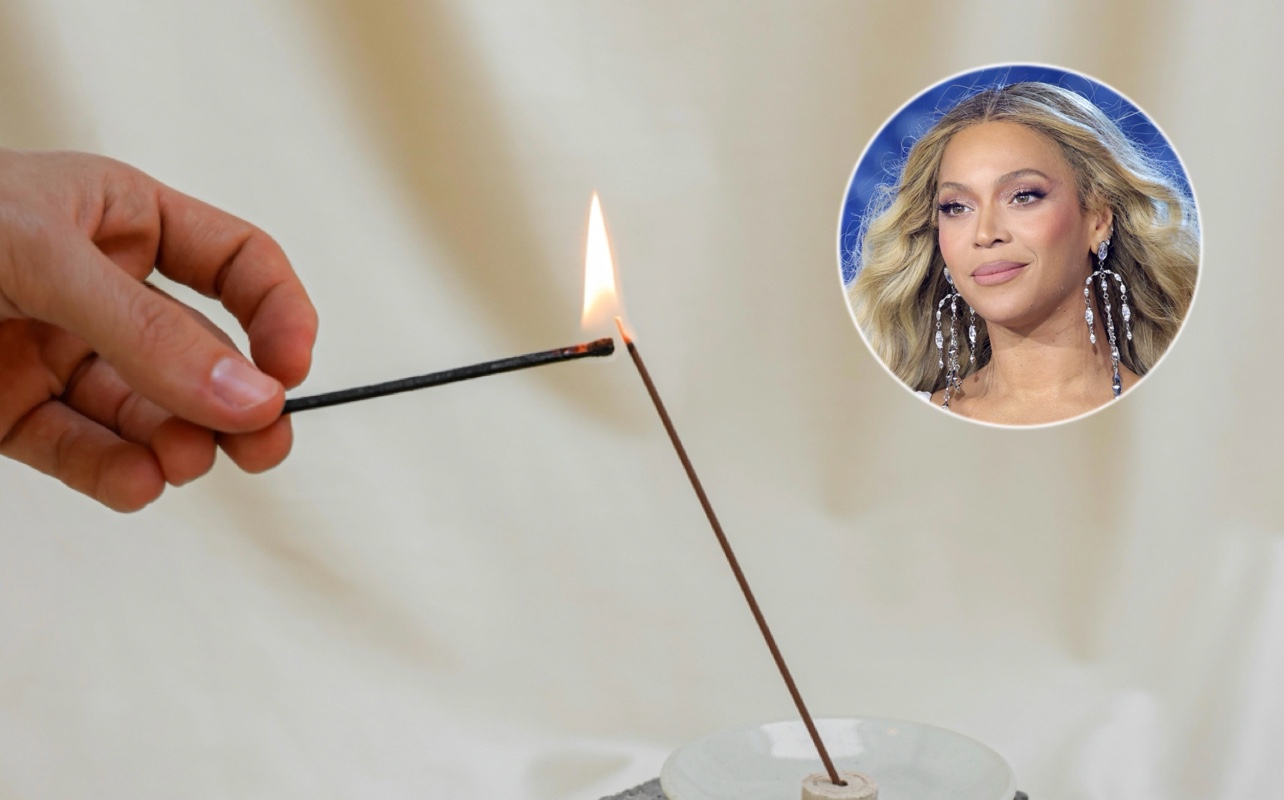
Cleanse your space with Beyoncé’s latest products. Fans uncovered “Beady Head B’s” incense sticks for sale on the singer’s website.
The “Bang Bang” incense sticks play into Beyoncé’s Cowboy Carter era, as labelled so on its packaging. For $25, fans of the candle-like product, often burned as a soothing ritual, can get a 15-pack for their home or shrine to Queen Bey.
The charcoal-based sticks have notes of teakwood and tobacco. The singer also has a cowboy hat-shaped incense holder to make one’s collection complete. While they are an exclusive Beyoncé shop item, the history of incense expands across communities.
Incense is more than a candle alternative to bring scent into a room. Often used for religious rituals, they also symbolize spirituality and connectivity while helping with aromatherapy. Typically mixed with spices, ancient Egypt and the Roman Empire used the sticks for ceremonies and traditions, as reported byTheNew York Times. As for contemporary use, incense emerged as a popular home fragrance for many Black households.
The Bey-approved product continues to pay homage to Black cultural elements, yet is not her first rodeo in the scents department.
Beyoncé is already basking in the success of her more-known entities, Cécred and Cé Noir. The latter, a fragrance released in 2023, caters to the body, instead. Its own notes include clementine, golden amber, and Namibian myrrh.
As for Cécred, the hair care line celebrates diversity while staying true to the singer’s upbringing in Black hair salons.
“I grew up sweeping hair in my mother’s salon. So much of who I am came from there. I saw how she transformed hair by mixing mainstream products with textured hair care,” explained the singer on the company’s beginnings.
She added, “It’s been my lifelong dream to create these hair products and bring some of my mother’s teachings to life. We started by prioritizing the needs of textured hair like mine and others who lack moisture and strength. It was important to honor past rituals while infusing our personal touch by adding advanced science to build new sacred rituals. The result was haircare defined by its performance, quality, and intention.”
Now, BeyHive members who love her other products can try Beady Head B’s incense sticks. For more Cowboy Carter-specific merchandise, her shop has vinyls, hats, and denim apparel to further celebrate the groundbreaking album.
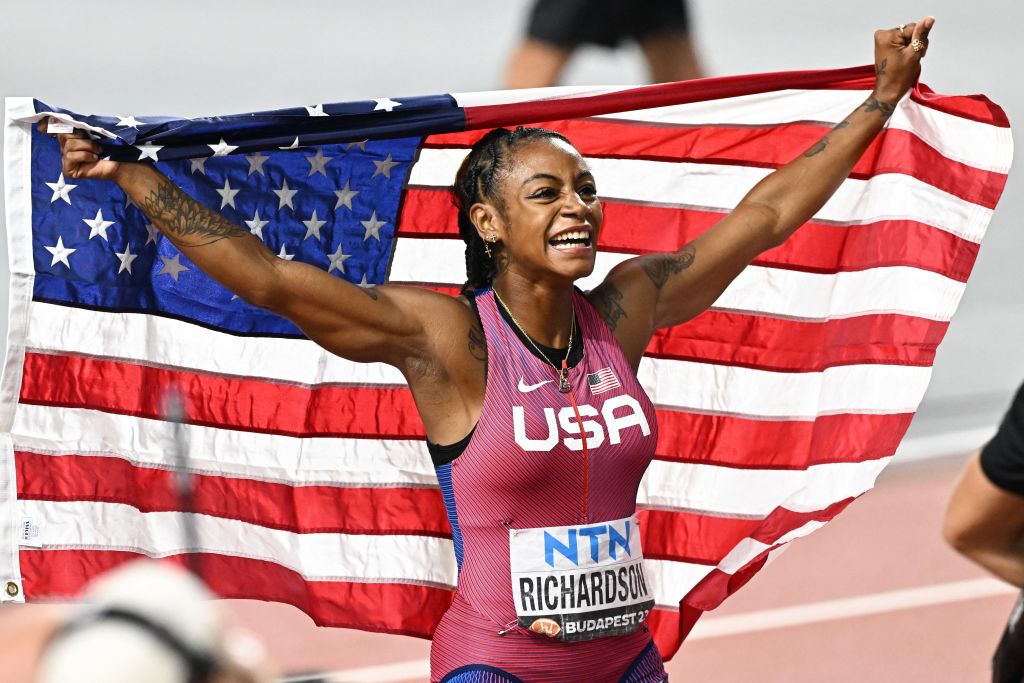
Sha’Carri Richardson Graces ‘Vogue’ Cover Ahead Of Paris Olympics
The fastest woman in the world appears on the digital cover before competing in the Paris Olympics.
Before she takes off to the Paris Olympics later this month, sprinter Sha’Carri Richardson has landed her way on the digital cover of Vogue magazine.
After qualifying for the 2021 Tokyo Olympics, Richardson was suspended after a failed drug test and left off the roster. Now, she will compete in Paris after clocking the fastest time this year for the women’s 100 meters with 10.71 seconds at the Olympic trials at Hayward Field in Eugene, Oregon, last month.
The fastest woman in the world spoke to Vogue‘s Maya Singer about the preparation to compete at a high level.
“You keep showing up,” Richardson said. “No matter what. Most people they only think of track every four years. The Olympics, that’s all there is—those few seconds on TV. But for me, track is my life on a day-to-day basis. Everything I do—what I eat, what I drink, if I stay up too late—it’s all reflected on the track. Every choice. That’s what the world doesn’t see.”
Although Richardson was expected to compete in the 200m, she failed to qualify when she unexpectedly finished in fourth place. But she also knows a job has to be done, and the expectation of her bringing the gold medal back home is still on the agenda. Her rise through her athletic journey stays on her mind.
“Every time I step onto the track, I think of all those moments when I was younger—all those feelings are still with me; I’m just that little girl grown up,” Richardson said. “It’s almost like a flashback journey, everything that brought me to that point. All the grind, all the sacrifice. And there’s a feeling of, this moment is special because all of that, the good, the bad, it’s brought me here. And I’m exactly where I’m supposed to be.”
The world will be watching her when the 2024 Summer Olympics starts on Friday, July 26.
Reports revealed the President did meet with a neurologist on January 17 as part of his annual physical exam. Reporters asked Jean-Pierre if the meeting between expert neurologist Dr. Kevin Cannard and Biden’s personal doctor, Dr. Kevin O’Connor, was about the commander-in-chief.
According to White House visitor logs, the meeting was between the two doctors only between July 2023 and March 2024. “Because the date was not mentioned in the question, I want to be clear that the Jan. 17 meeting between Dr. O’Connor and Dr. Cannard was for the President’s physical,” Jean-Pierre said.
“It was one of the three times the President has seen Dr. Cannard, each time for his physical. The findings from each exam have been released to the public.”
The timeline has been met with scrutiny, since Cannard allegedly visited the White House eight times during that time period.
Shortly after, Biden himself said during a reported private meeting with Democratic governors that he was seen by medical professionals after the debate wrapped up. Jean-Pierre doubled back on her comments, claiming she meant to say Biden did not get a full medical exam, but did have a “check-in” with his doctor, typically done a few times per week.
According to Politico, in a letter released by O’Connor on July 8, he clarified the reasons behind the need for a Parkinson’s disease specialist’s visits. Cannard has served as a neurology consultant to the White House medical office since 2012, hence his need to visit the White House numerous times a year. Also serving as a Parkinson’s expert, he holds neurology clinics for active-duty military members.
The doctor reiterated that the President’s physical in February 2024 found no findings consistent with “any cerebellar or other central neurological disorder, such as stroke, multiple sclerosis, Parkinson’s or ascending lateral sclerosis, nor are there any signs of cervical myelopathy.”
“Seeing patients at the White House is something that Dr. Cannard has been doing this for a dozen years,” the letter read.
“Dr. Cannard was chosen for this responsibility not because he is a movement disorder specialist, but because he is a highly trained and highly regarded neurologist here at Walter Reed and across the Military Health System, with a very wide expertise which makes him flexible to see a variety of patients and problems.”
Following the release of the letter, Jean-Pierre mentioned on July 9 that “a lot of the things I said right here in this briefing room” were restated in the letter. She admitted to being at fault for some comments and how she and other White House press aides are doing “our best in this briefing to provide the information that we have.” “I will be the first one to admit: Sometimes I get it wrong. At least I admit that,” she said.
“And sometimes I don’t have the information. And I will always, always admit that.”