traditions, new years, superstitions

11 New Year Traditions And Why We Practice Them

Here are 11 commonly practiced New Year's Eve superstitions and rituals you probably do or have done not knowing exactly why.


Originally Published Dec. 31, 2016

New Year’s Eve is a time of reflection and celebration. This is also the time when we tend to engage in age-old traditions and rituals, regardless of whether we consider ourselves to be superstitious or not. Some of these superstitions are fun, while others are just weird. However, they all tend to be done in the belief that it will ensure a year of good fortune.

Here are 11 commonly practiced New Year’s Eve customs that we find ourselves doing every year.

Kissing at midnight

Couples and singles alike pucker up at 12 a.m. New Year’s Day believing that kissing someone at midnight will result in a lavish love life all year long. According to those who practice this delightful custom, if you don’t get kissed, then you’ll have bad luck in love.

A plate of black-eyed peas with a side of good luck

Many people usher in the New Year with a plate of black-eyed peas, collard greens, and cornbread. Supposedly, the peas represent good luck and the greens represent money. The peas, often served over rice, can be seasoned with ham hock, bacon, onions, or salt and pepper. Regardless of how you make it, this is a long-lived Southern tradition that will leave you full and satisfied!

What you do at New Year’s determines how you’ll spend the year

Many believe that what you’re doing at either the stroke of midnight or on New Year’s Day will set the tone for what you’ll be doing all year. That means, if you’re partying, then you should expect to have a good time all year long. If you’re working out, then you’ll probably have a year of fitness.

Get dressed up with something new

New Year’s Eve gives us another reason to get dressed up and buy a new outfit. It is also believed that wearing something new on Jan. 1 will increase the likelihood that you will receive more new garments throughout the year.

Clean your home

Because the New Year represents a fresh new start, many spend Dec. 31 giving their home a good cleaning while getting rid of the trash and clutter.

Walking in

It is believed that you’ll have good luck if the first person to walk into your home in the New Year is a good-looking man.

12 grapes

In the Latino community, the New Year is welcomed in with a bowl of grapes because it’s believed that eating 12 grapes will bring you good luck for each month of the new year.

Wear red or yellow underwear

Another common Latino New Year’s Eve ritual is to wear red in order to ensure you have a healthy love life. The yellow underwear, however, is said to grant a year of happiness and prosperity.

Hold back your tears

Some cultures believe that the worst thing to do on New Year’s is to cry because it will cause you to shed tears and feel sad for an entire year.

Make some noise

Ever wonder why people blow whistles and make noise when the clock strikes 12? This custom is rooted in the superstition that loud noise will ward off evil spirits and thoughts.

Get your finances in order

Right before the New Year, many people will pay outstanding bills and settle debts, believing that doing so will grant them luck in their finances. On the other hand, it is also believed that paying back loans or lending money on New Year’s Day guarantees you’ll be paying out all year.

RELATED CONTENT: How The World Celebrates New Year
Craig Jelinek, Costco, tenure, 16, million, salary, package

Costco CEO Craig Jelinek Wraps Up Tenure With Robust $16.8 M Package

Craig Jelinek's compensation for 2023 stands at $16.8 million, comprising a base salary of $1.1 million, stock awards nearing $15 million.


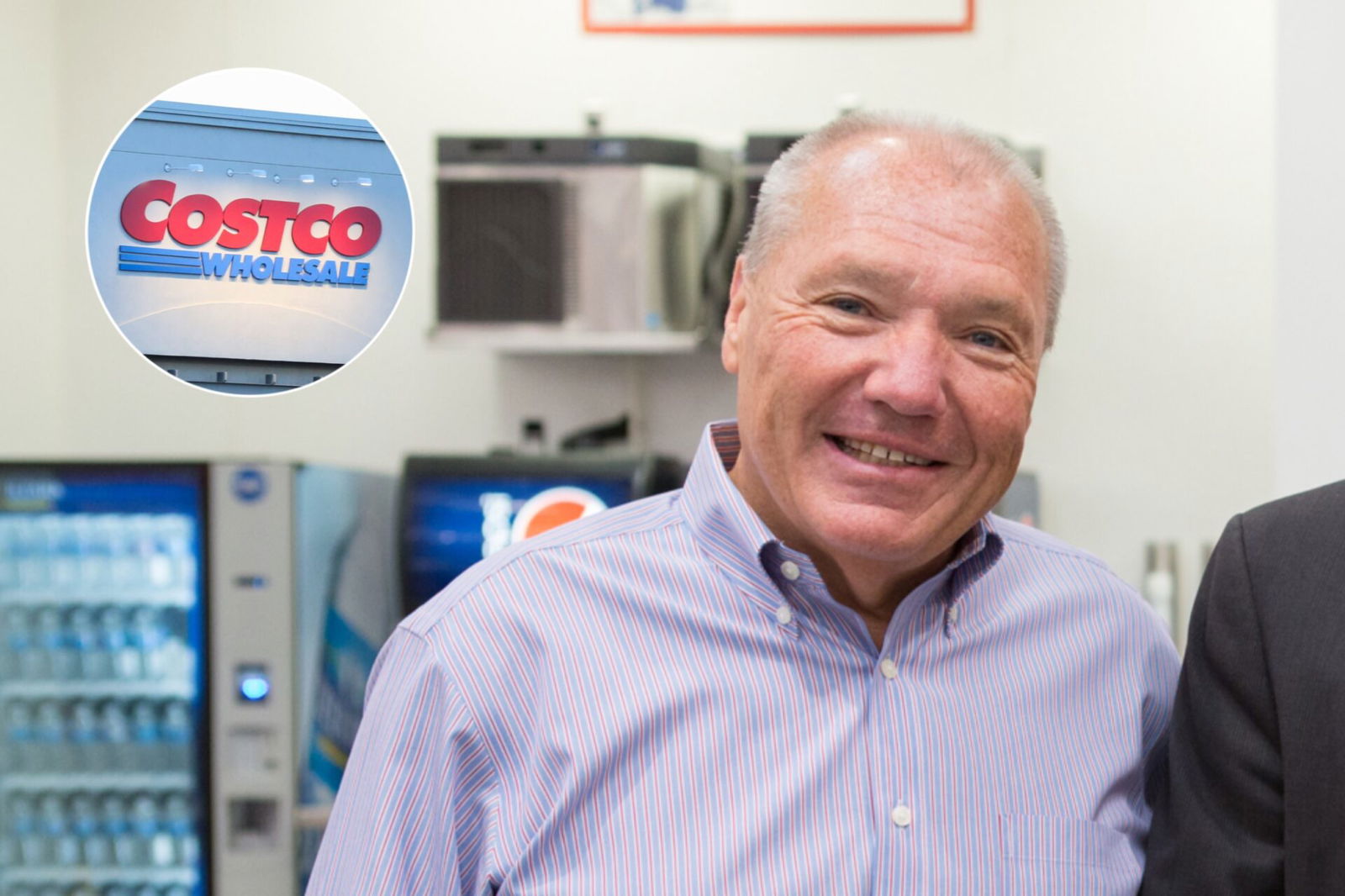
In his farewell performance as Costco’s CEO, Craig Jelinek, at 71, concluded his tenure with a notable financial crescendo. Jelinek’s compensation for 2023 stands at $16.8 million. This figure is comprised of a base salary of $1.1 million, stock awards nearing $15 million, and additional perks, as detailed in the company’s recent proxy filings. This marks a substantial increase compared to his total compensations of $9.9 million in 2022 and $8.8 million in 2021, according to Business Insider.

Within the vast workforce of 289,000 Costco employees, the median compensation, encompassing wages and benefits, is reported at $50,202. This figure equates to a CEO pay ratio of 336 times the median employee pay, signifying the considerable income disparity within the company. It is noteworthy, however, that the median worker has witnessed a substantial raise from the previous year’s compensation of $45,450, according to the outlet.

Jelinek’s compensation, while commendable, falls below the figures reported for other retail giants’ CEOs, such as Walmart’s Doug McMillon, with a total of $25.3 million, and Target’s Brian Cornell, whose total compensation amounts to $17.6 million, the outlet reports.

Costco’s reporting practices offer transparency beyond regulatory requirements. While the SEC mandates public companies to consider part-time workers in determining median employee compensation, companies with a significant part-time workforce argue that this skews the overall compensation portrayal. In response, Costco voluntarily discloses a supplementary calculation focusing solely on full-time employees, constituting approximately 60% of its workforce. The median compensation for full-time employees stands at $66,783.

As Jelinek prepares to retire on January 1, he will pass the CEO baton to Ron Vachris, who boasts over 40 years with the company, starting as a forklift driver and ascending to the position of president. Vachris is set to assume the role of CEO with a total compensation package valued at $11.5 million. Jelinek, is only the second person to helm Costco in its 40-year history.

RELATED CONTENT: Costco Donates Nearly $400K to Inner-City Education Organizations That Benefited Naturade Co-Owners as Students

Claudine Gay, Harvard, University, plagiarism, anti-semiticism

Harvard University President Claudine Gay’s 2001 Research Under Scrutiny For Data Analysis Method

Gay's alleged refusal to share her data prevented a full review of the merits of a 2001 paper, which helped her achieve tenure at Stanford.


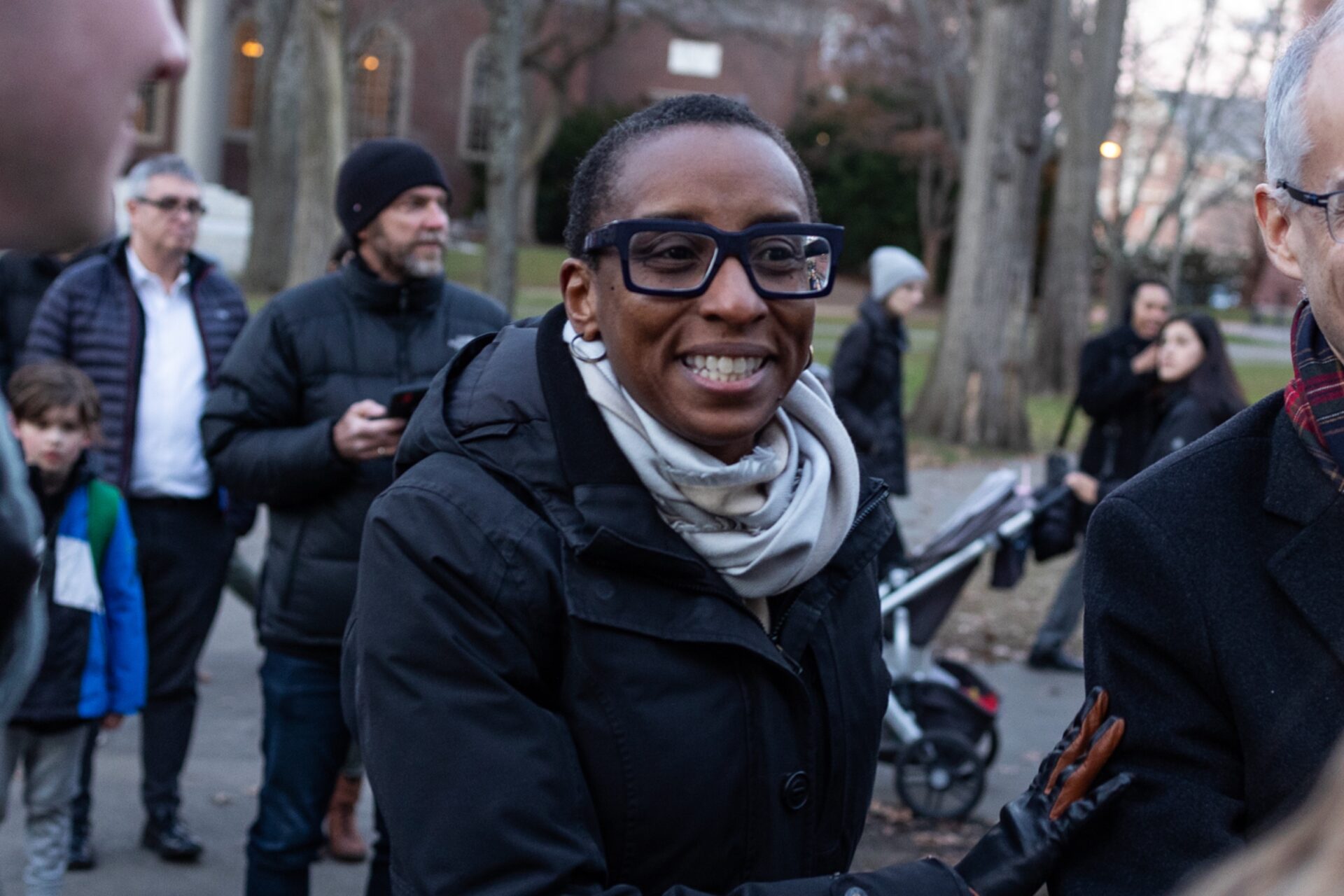
Harvard University President Claudine Gay’s academic work is facing renewed scrutiny after two professors said publicly that they questioned the data analysis method she used in a 2001 paper.

The professors are Michael C. Herron, professor of Quantitative Social Science at Dartmouth College, and Kenneth W. Shotts, professor of Political Economy at Stanford Graduate School of Business. They claimed to debunk the foundation of Gay’s 2001 study at Stanford University, which concluded that electing Black members of Congress negatively impacts white political involvement and rarely increases engagement among Black people, The New York Post reported.

Herron and Shotts said Gay’s analysis relied on a statistical practice called ecological regression (EI-R), which they have demonstrated leads to “logical inconsistencies.”

Critically, the professors said, “We were, however, unable to scrutinize Gay’s results because she would not release her dataset to us,” The New York Post noted.

The outlet noted the Harvard University president’s alleged refusal to share her data prevented a full review of the merits of Gay’s 2001 paper, which helped her achieve tenure at Stanford.

The scrutiny of Gay’s research began recently when she received backlash for evading questions during Congressional testimony about whether antisemitic chants violated Harvard’s conduct code.

It also follows accusations that Gay plagiarized parts of her academic work, which she has denied. Gay acknowledged failing to properly attribute a source in her 2001 paper and asked for a correction.

But when the media investigated the plagiarism claims, Harvard sent a threatening legal letter denying any wrongdoing by Gay.

The 2001 paper that Gay is now correcting was one of four peer-reviewed articles that supported her tenure at Stanford.

Yet, without access to Gay’s data, the full validity of her conclusions could not be verified, raising concerns about the paper’s merit, the outlet reported.

Despite the serious questions about her research methods, neither Gay nor Stanford have responded to requests for comment on the inconsistencies highlighted in 2002.

RELATED CONTENT: Opinion: Carol Swain Joins The Chorus Of Conservatives Critical Of Claudine Gay

low-income, sickle, cell, Black chilldren

Low-Income Black Children With Sickle Cell Face Denials Of Disability Benefits

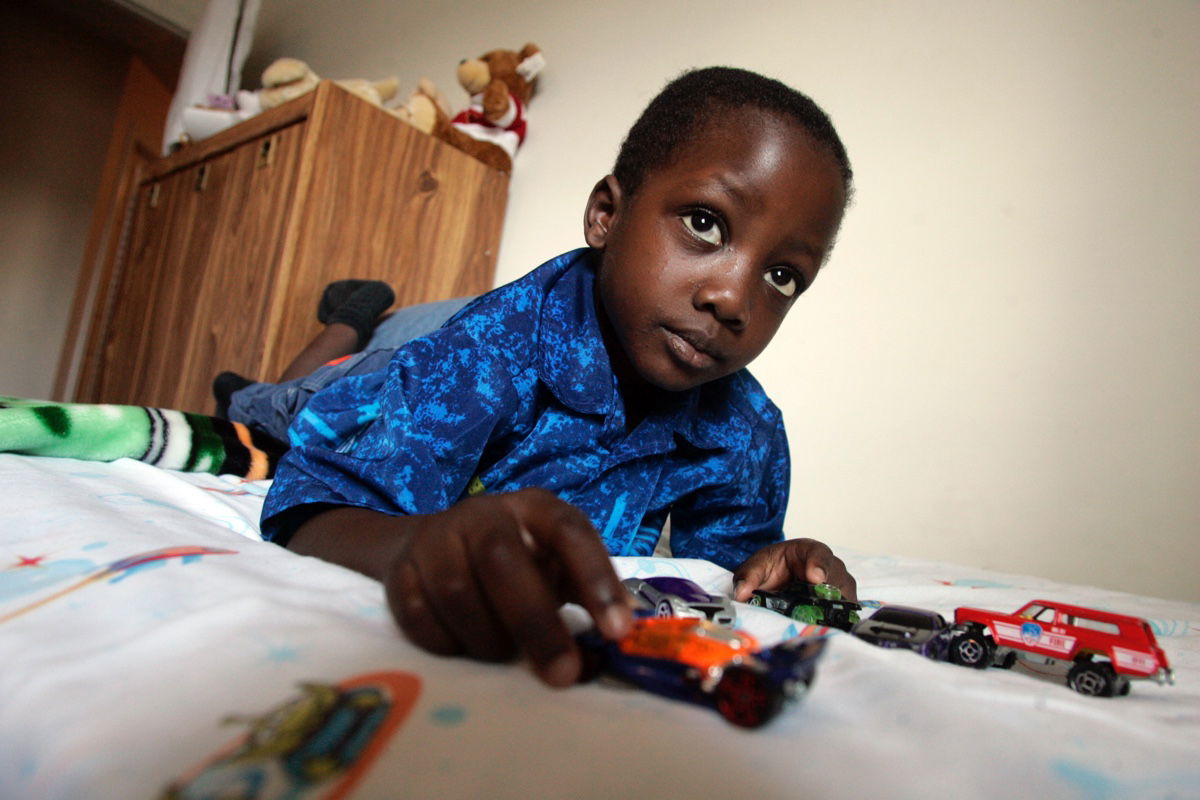
Sickle cell disease is a severe monogenic disease associated with high morbidity, mortality, and a disproportionate financial burden on Black communities.


Approximately 1 in 365 Black children are born with sickle cell disease, according to the Centers for Disease Control and Prevention, but data show a surge in application denials for disability benefits.

Sickle cell disease, a group of inherited red blood cell disorders, is associated with high morbidity, mortality, and a disproportionate financial burden on Black communities. The lifetime burden of total medical costs attributable to sickle cell disease is four times more than people living without the disease, the National Institutes of Health found. In response, a federal government disability payment program known as the Supplemental Security Income, or SSI, works to boost low-income Americans out of poverty and provide health insurance. Payments can amount to up to $900 monthly, contingent upon income and household factors.

However, roughly 76% of those applicants, or at least 12,249 families, had their requests denied between 2015 and 2020, according to an analysis of federal data, CBS News reported.

In 2013, the Social Security Administration proposed revising the Listing of Impairments criteria that evaluates cases involving hematological disorders in adults and children. Medical experts and legal scholars claim that these changes that took effect in 2015 limit access to benefits for children with sickle cell disease, including the process of gathering and proving disability.

“SSA must rely on information from medical providers, schools, and other systems to decide who is eligible to receive and maintain SSI benefits. Therefore, where racism and inequity exist in education, medicine, behavioral health, criminal justice, and child welfare systems, racism and inequity are perpetuated in the administration of SSI benefits,” according to research supported by the Community Legal Services in Philadelphia (CLS).

NEW RULES, SOARING REJECTIONS

The new stricter rules require that a patient’s history includes three hospitalizations in a year, each lasting at least 48 hours and occurring at least 30 days apart. In contrast, the older standards required only one hospital stay related to the disease within the past year of filing the disability application.

Upon request, CLS obtained the nonpublic data from the SSA revealing the staggering number of children denied benefits between 2011 and 2020. From 2011 to 2015, the denial rate for child sickle cell cases averaged 62.3%. Following the rule change, the rate soared to an average of 76% over five years. Approximately 1,456 children who were qualified under the old standards were rejected under the new requirements.

Levella Golden, the Black mom of a child with sickle cell disease, identifies as being in the lower class. She told CBS News that not only were her applications for benefits denied five times, but the SSA noted her income in the denials. Her claim did not appear to meet the requirements for receiving disability benefits.

“I’m in the lower class, and it’s really hard living paycheck to paycheck,” she said. “If my family was rich, why would we try to get Social Security disability? I don’t make enough money.”

Black Farmers, Jillian Hishaw, theft, land, discrimination, Oklahoma, railroad, Georgia, smith

Attorney Fights For Black Farmers After Her Family’s Land Was Stolen

Jillian Hishaw is fighting for Black farmers who faced discrimination, after her own family lost their Oklahoma farm due to theft.


Jillian Hishaw is fighting for Black farmers who faced discrimination, after her own family lost their Oklahoma farm due to theft.

The author, agricultural attorney, and nonprofit leader wants to make sure the families of mostly older Black farmers feel peace of mind before they pass away. She believes her actions can help restore the legacy her grandfather wanted her to leave, according to Capital B.

But, the fight hasn’t been easy for Hishaw. She told the outlet, “With all of the [lawsuits] filed by the white farmers, they got discovery within days, and they got an injunction within days … for me representing all Black farmers, whether it’s in front of whatever court, they’re not even giving me discovery,” she said.

Hishaw is fighting for farmers like Marvin Smith in rural Georgia. Smith is battling to protect his family’s 600 acres of land that was purchased in 1926.

The private Sandersville Railroad Co. is trying to seize the property through eminent domain for a new railroad, despite resistance from Smith and other Black residents who refused to sell, Capital B reported.

Smith testified during a four-day hearing in November 2023. “The American dream says if you play by the rules and work hard, justice will prevail and you will be rewarded. It never occurred to me … over 43 years of playing by the rules … I would end up in a position where my land could be taken through eminent domain,” he said. The land has been used to pay for education and is still being farmed today, Capital B noted.

Sandersville’s president, Benjamin Tarbutton III, believes economic development and jobs are most important, stating, “The American dream starts with a job.” He claimed he wanted to seize the land for his railroad to create jobs, Capital B reported.

Despite barriers, Black families press on to preserve their land legacy. Attorney Bill Maurer with the Institute for Justice, who represents Sparta property owners, questioned Tarbutton. “Do you think part of the American dream is having property without it being taken for others use?” he asks.

This clash represents the ongoing struggle by Black families across America to retain their land against racism, discrimination, and theft.

RELATED CONTENT: North Carolina Farmers, Faith Leaders Gave Over 400 Boxes of Produce To Combat Food Insecurity

Tulsa, Black Business,

Kwanzaa Crawl Amplifies Black-Owned Businesses In Brooklyn

This year's Kwanzaa Crawl supports Black-owned businesses for its sixth annual event.


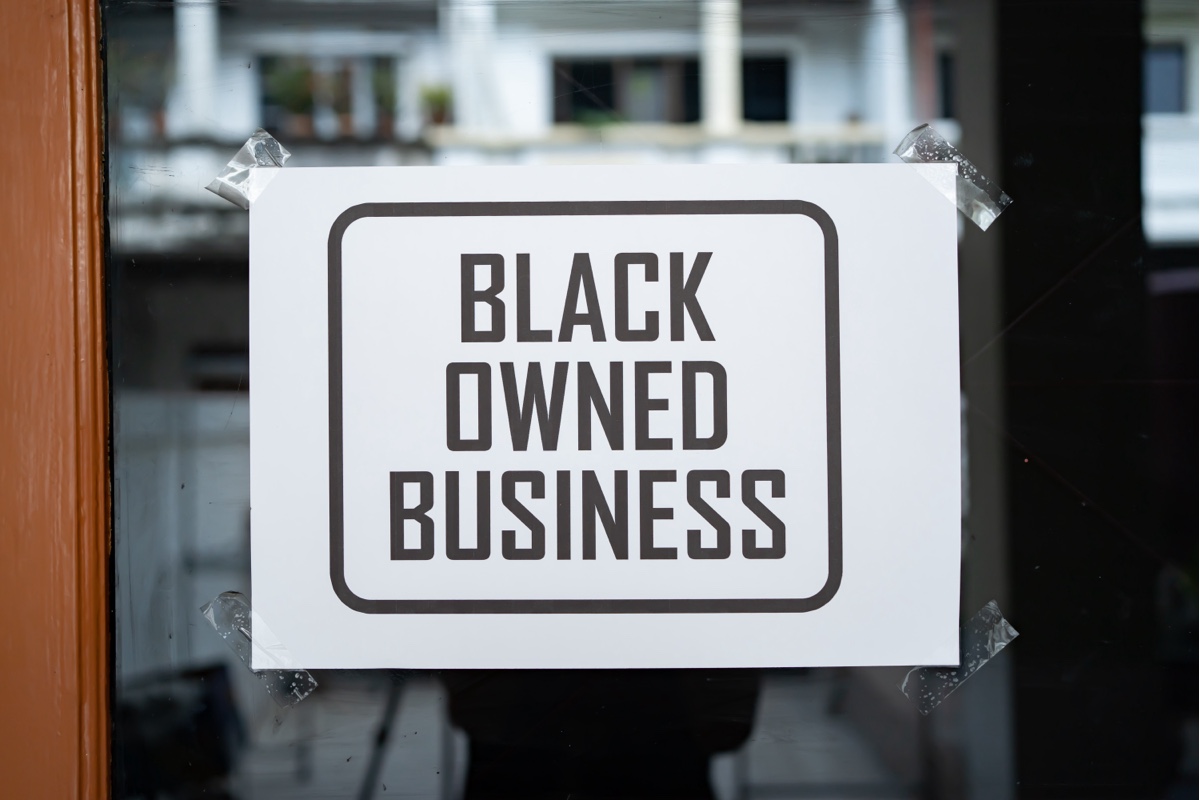
To celebrate Kwanzaa, Brooklyn’s annual Kwanzaa Crawl is amplifying Black-owned businesses in the New York City borough. Its sixth iteration brought over 5,000 attendees to participate.

The event, held on Dec. 26, also helped raise money to help these businesses as they continue into the new year, with over $1 million raised for Black entrepreneurs with 50 establishments in Flatbush, Crown Heights, Bed-Stuy, and Bushwick. For the crawl, which began with a candle-lighting and singing of the Black national anthem, thousands of participants split into teams to take on the expansive bar-hopping experience. The event is meant to celebrate Black entrepreneurship in Brooklyn through this fun endeavor. Local news outlet PIX11 spoke to participants about what it means to the community.

“It’s all Black-led, Black-owned businesses,” said Stephanie Cancel, who attended this year. “It’s a bunch of amazing entrepreneurs, Black professionals. Everybody from everywhere that is Black in Brooklyn, coming out and celebrating and turning up.”

The Kwanzaa Crawl’s co-founder Kerry Coddett, who started the event with her sister Kristal Payne in 2016, also spoke to the publication about the important reasoning behind the crawl, sharing that the height of police brutality and the Black Lives Matter movement sparked the idea to bring hope to the neighborhood.

“After so many consecutive killings of unarmed Black men, we were just in a state of hopelessness and frustration,” said Coddett. “Things felt really dark, and we thought, ‘What can we do to celebrate ourselves? What can we do to bring our community together?”

In not only uplifting Black-owned businesses, its connection to Kwanzaa remains as prevalent as ever, with the holiday celebrated from Dec. 26-Jan 1. According to the National Museum of African-American History and Culture, this year’s theme is Umoja, meaning unity in family, community, nation, and race. Its theme is maintained throughout the crawl.

“Kwanzaa is all about family and community,” shared the event’s emcee, Rice. “This Kwanzaa crawl represents cooperative economics, Ujima, cooperative economics that we are better together than we are separate,” Rice added.  

SNAP, food stamps, Georgia, families, delays, delay

The Rundown On Eligibility For SNAP Benefits Changes In 2024

SNAP benefits are expanding for 2024, with new eligibility requirements making more Americans able to participate.


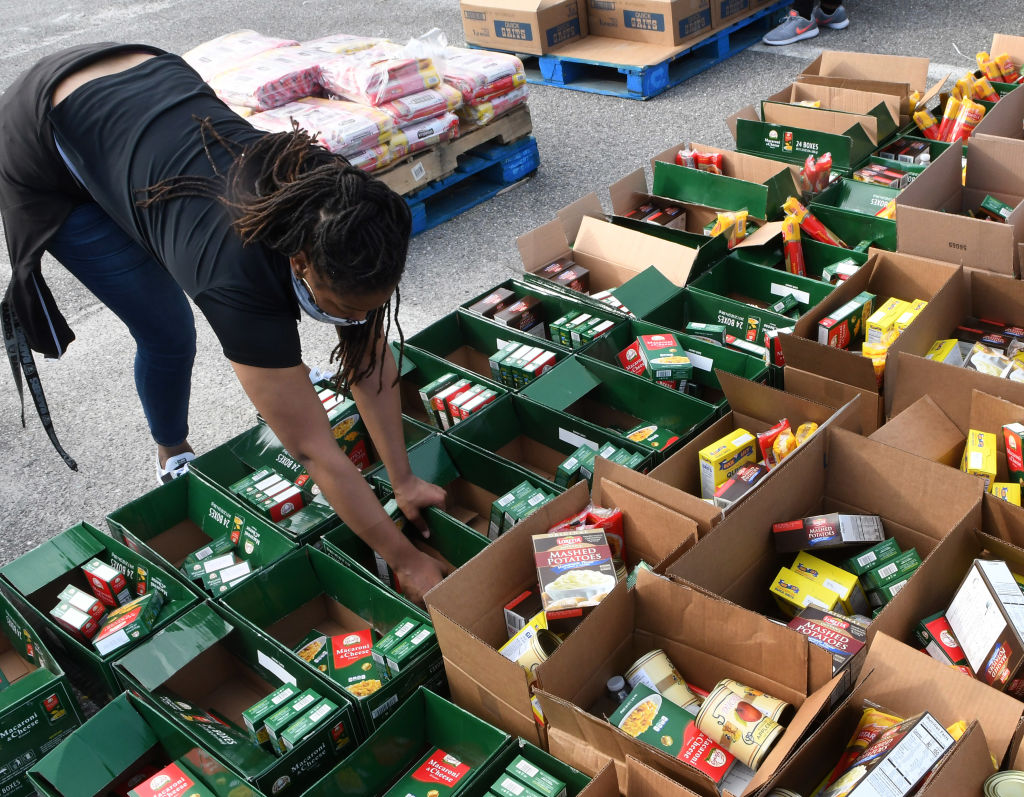
The eligibility for Supplemental Nutrition Assistance Program (SNAP) Benefits, which supports low-income households with food assistance, changes annually based on new requirements issued by the U.S. Department of Agriculture. With these new changes to the program, commonly known as food stamps, households must determine if they meet the criteria to continue their assistance for 2024.

The program helps struggling families by allocating a certain amount of monetary funds through an Electronic Benefits (EBT) card, with over 41 million individuals partaking in the program. According to the Daily Mail, this year’s latest updates regarding who can reap these essential benefits have been further designated by the Fiscal Responsibility Act, which released the new requirements on Oct. 1. President Biden signed the act into law in June, which has expanded the benefit allotments and age ranges able to participate.

The ages eligible to apply have increased slightly, with the usual 18-50 age range now expanding to 52 years. Americans within this parameter have to work 80 hours a month to be considered for SNAP benefits, with the age eligibility extending to 54 years by October of next year.

In regards to the monthly income one has to make to qualify, households must make 130% of the federal poverty level or less, starting at $1,580 for families of one. For the typical family of four, they must make no more than $3,250 monthly if living within the 48 contiguous states, in addition to Guam, D.C., and the Virgin Islands. Those living in costlier states, such as Alaska and Hawaii, have a higher threshold of $4,063 and $3,738, respectively.

The monetary element itself has expanded as well, with Cost Of Living adjustments (COLA) determining that the allotments must be raised. Households between one and eight individuals can receive maximum payments of $291 to $1,751 within 48 states and D.C.

For those still or newly eligible to apply, each state has its own process for applying for SNAP benefits, with its assistance going toward combatting the higher costs of everyday goods.

Jumaane Williams,

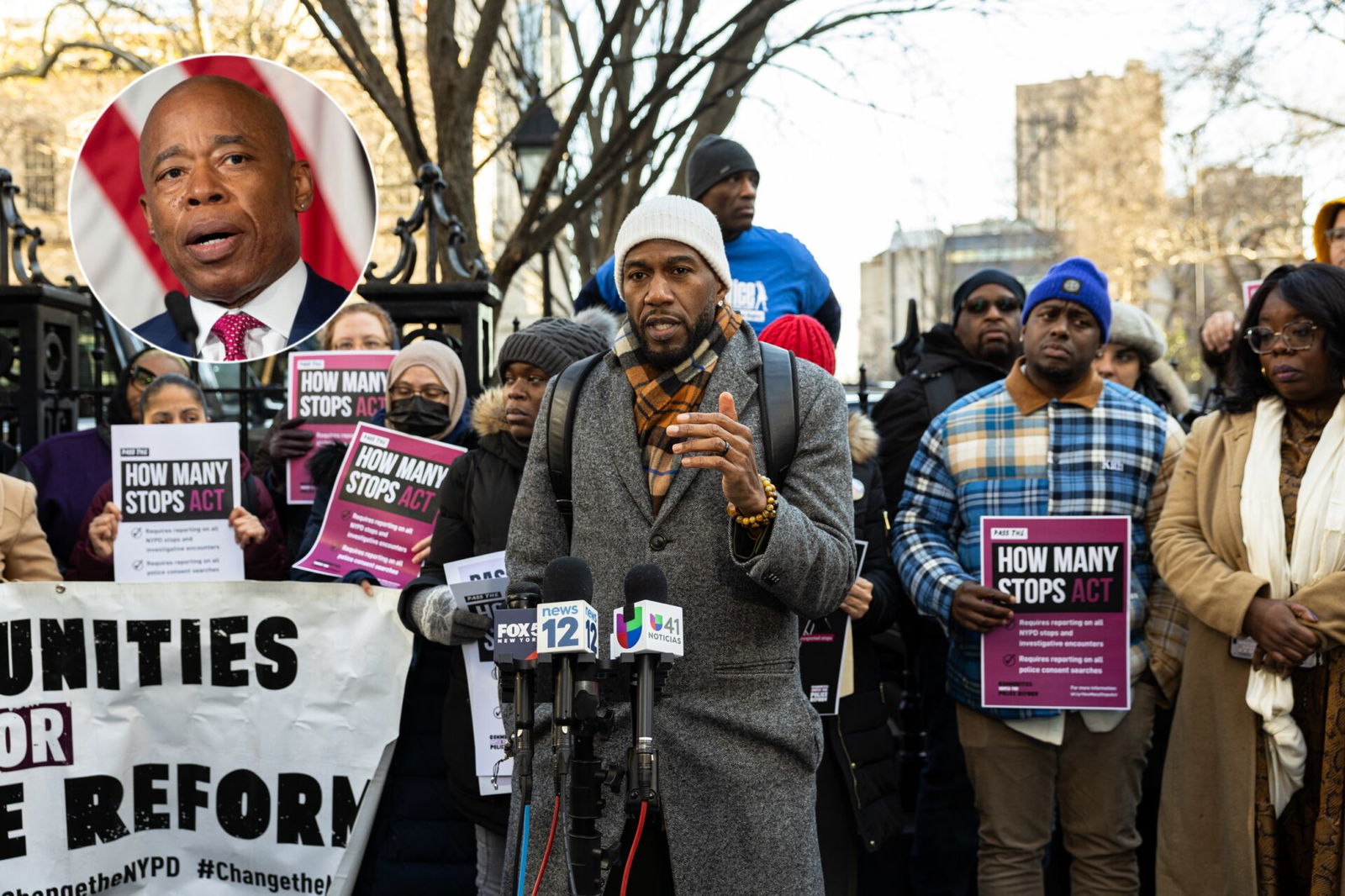
Families of Police Brutality Victims Plead With Eric Adams To Sign ‘How Many Stops Act’

A report released during the 2023 summer months shows about 97% of NYPD's stop-and-frisk were geared towards Black or Hispanic residents.


Close to 20 families of victims killed by NYPD cops are begging NYC Mayor Eric Adams to support a bill requiring cops to document all stops.

Adams is opposed to the “How Many Stops Act (HMSA),” signed by the NYC Council on Dec. 20, saying the act is a waste of time for officers and feels the priority should be policing over paperwork. Sponsored by city Public Advocate Jumaane Williams, the new requirement allegedly only takes up 20-30 more seconds. Under the new legislation, cops must report encounters with New Yorkers with several questions on an app for every pedestrian street stop.

“It’s literally four or five questions, one of which the police department asked us to put on, on a dropdown menu that people can just tap on their phone after the stop has occurred. It’s literally 20 to 30 seconds,” Williams said.

Victims’ families – including those of Eric Garner, Antonio Williams, Amadou Diallo and Sean Bell – argued in a letter to Adams that increasing reporting standards may discourage officers from participating in low-level stops and harassing New Yorkers for unconstitutional reasons. “Some of our loved ones, like Eric Garner and Antonio Williams, were killed during unconstitutional stops — the very encounters HMSA will illuminate,” the letter read.

The letter was signed by Garner’s mom, Gwen Carr, Williams’ stepmother and father, Gladys Williams and Shawn Williams, and more. They continued saying HMSA is the first step toward the changes they want. Knowing how often the stops occur and if there is racial motivation behind them, the families say, will prevent more from suffering with similar circumstances.

“The How Many Stops Act is not the only change we need, but by shedding light on all stops — including how often and where they happen and if they are motivated by racial profiling — it will enable us to work together toward eradicating unnecessary and unconstitutional policing and ultimately prevent others families from suffering as we do.”

According to CBS News, data from the mayor’s management report, there have been close to 300,000 calls for crimes in progress between July 2022 and June 2023. Following an appearance on CBS’ The Point where Adams said the bill would endanger public safety, his office released a statement saying more. “Since day one, our administration has made public safety our top priority, and we have delivered results: Overall crime is down, shootings are down, and New Yorkers are safer than they were two years ago…”

A report released during the 2023 summer months showed about 97% of NYPD’s stop-and-frisk were geared towards Black or Hispanic residents.

Uganda, Slater, Greg, Sharon, anti-LGBTQ,, non-profit

Major U.S. Nonprofit Accused of Ties With Anti-LGBTQ+ Laws In Africa

Southern Poverty Law Center described the Slater's organization as a "hate group."


An investigation from CNN revealed a popular U.S.-based nonprofit is allegedly supporting anti-LGBTQ bills across Africa.

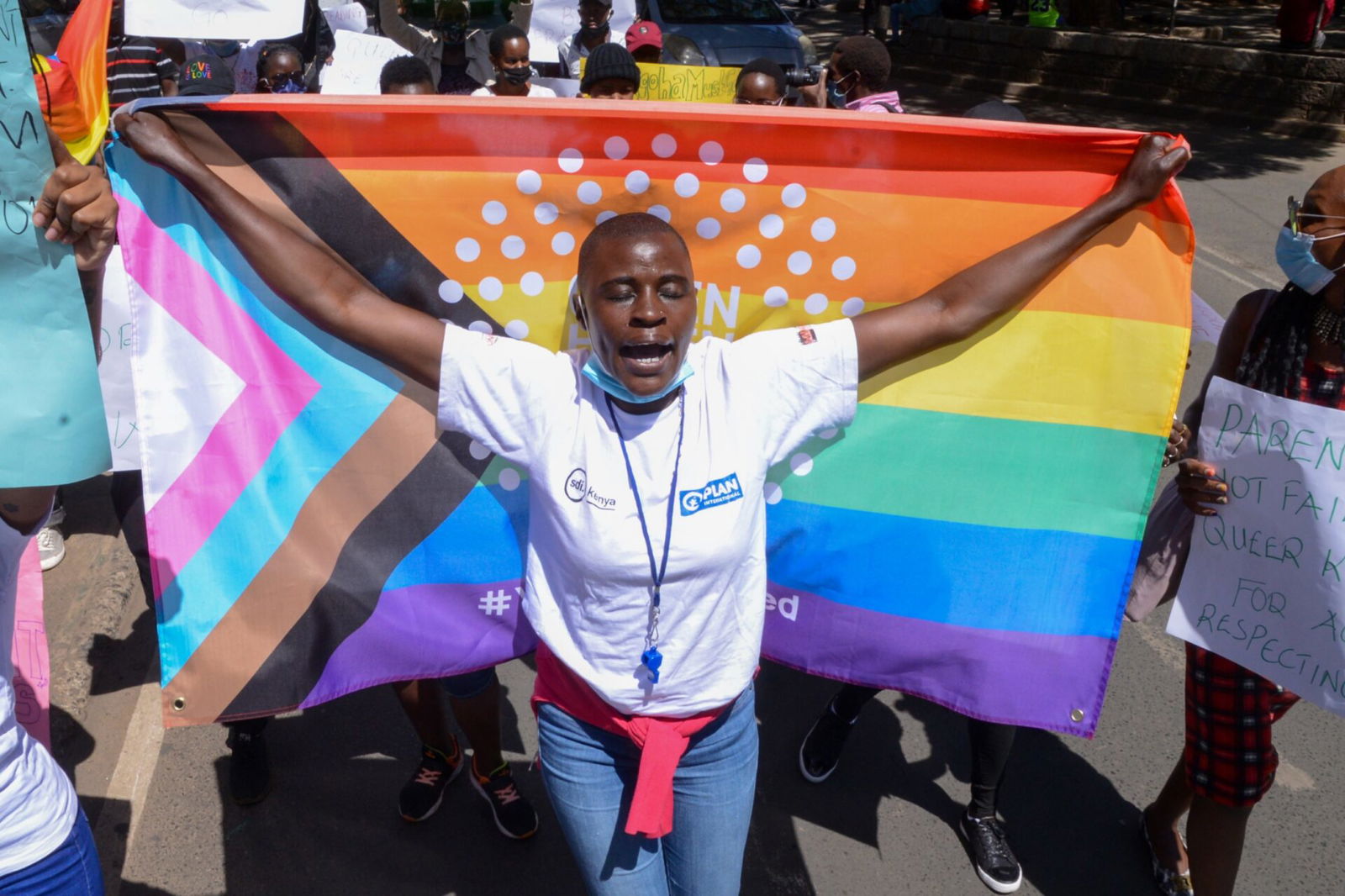
Activists are accusing Intel Corporation and its founders, Sharon and Greg Slater, of being “actively responsible for exporting, financing, and spreading hate, homophobia” on the African continent for decades, according to a Change.org petition. Through their nonprofit, Family Watch International, the Slaters have allegedly been promoting a slew of bills against homosexuality in Uganda, Kenya, and Ghana. 

The organization has worked with several key African lawmakers in favor of anti-LGBTQ laws. While denying the allegations against her and the organization, Sharon claims to be pushing “family values” at virtual and in-person conferences across the continent. During a sex education conference held in April 2023, Slater and organization staff posed for a picture with Uganda’s president, Yoweri Museveni, who weeks later signed strict anti-gay legislation into law.

In May 2023, the Ugandan government approved laws that issued harsh penalties outlawing homosexuality – including death and life sentences in prison. The country of Ghana also holds dangerous anti-gay legislation, including the “Promotion of Proper Human Sexual Rights and Ghanaian Family Values Bill” – encouraging citizens to out members of the community to the police. President Joe Biden has been a strong critic of these laws, calling them “a tragic violation of universal human rights.”

Southern Poverty Law Center described the Slater’s organization as a “hate group.”

The Kenyan nonprofit that is behind the petition, the Trust for Indigenous Culture and Health, said its time for the group to be called out. “Family Watch International has sponsored trips for politicians and diplomats from Kenya, Uganda and other African countries to … train them on their extremist agenda against homosexuality, sexuality education and reproductive rights,” Jedidah Maina of the Trust for Indigenous Culture and Health said.

“Many of these politicians go on to sponsor or support legislation that seeks to persecute innocent Africans.”

Sharon called the allegations “absurd” and said she had nothing to do with laws pushed in Africa.

“I have documents I can show you later that I have not been involved in any of those laws, period, it’s just absurd,” she told CNN after a conference at the United Nations headquarters. A spokesperson from Intel said the company’s focus has always been a push for diversity.

“We also understand that our employees have diverse opinions and viewpoints. We respect the rights of our employees to disagree with Intel’s policies or undertake outside activities as long as they treat their fellow employees with respect and act in accordance with Intel’s code of conduct.”

Americans, tax utility, government, tenant protection laws

Americans Encouraged To ‘Go Green And Save’ With Home Improvement Tax Credits

A nationwide call for environmental responsibility is coupled with significant tax credits for homeowners who "go green and save."


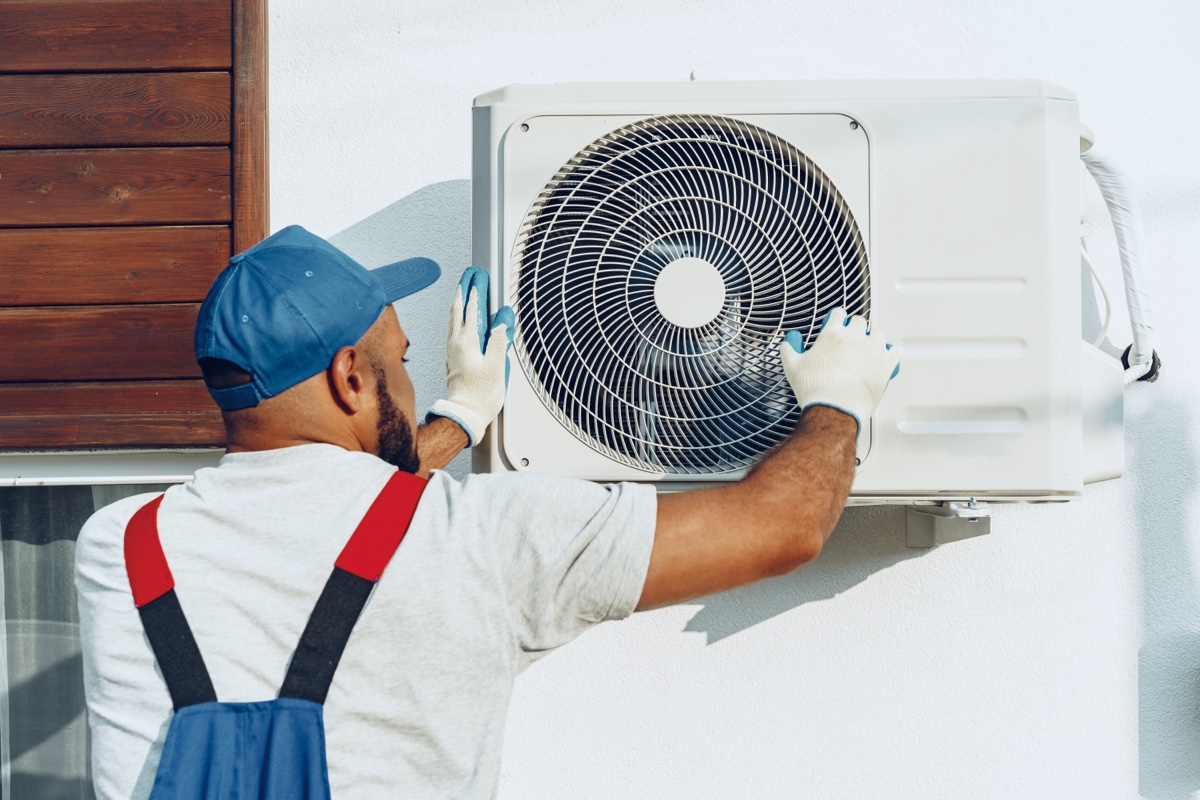
This winter, a nationwide call for environmental responsibility is coupled with significant tax credits for Americans looking to make energy-efficient home improvements. The Energy Efficient Home Improvement tax credit, introduced as part of the Inflation Reduction Act (IRA) signed by President Biden in August 2022, provides an opportunity for substantial tax savings for households engaging in various energy-efficient upgrades.

Under the IRA, homeowners can claim up to $3,200 in tax credits annually for eligible home improvement projects. This includes installing insulation, energy-efficient windows, doors, and electric heat pumps. According to government estimates, the cumulative effect of these measures can result in annual household savings of nearly $750.

The tax credit reimburses 30% of a project’s cost, with specific caps, such as approximately $2,000 on heat pumps and $1,200 on insulation improvements yearly. Of the $3,200 redeemable credit, $2,000 can be accessed if homeowners purchase and install a high-efficiency-rated heat pump, as certified by the Consortium for Energy Efficiency (CEE).

Steven Nadel, executive director of the American Council for an Energy-Efficient Economy, emphasized the importance of minimizing heat loss through walls, windows, and drafts. He said, “You want to minimize heat loss to the outside through walls, windows, drafts, et cetera, and supply the heat as efficiently as possible.”

For households under 80% of the median income in their area, the IRA covers the entire cost of purchasing and installing a heat pump, up to $8,000. The program aims to make energy-efficient solutions accessible to a broader demographic.

The tax credits extend beyond heat pumps, encompassing insulation, draft-proof windows, and doors. Homeowners can claim up to $500 for energy-efficient exterior doors, $600 for windows and skylights, and $1,200 for insulation and air-sealing materials, bringing the total available tax credits to $3,200.

The program, available through 2032, aligns with broader environmental goals, as buildings consume 40% of the energy used in the United States. The tax credits are designed to promote energy efficiency, reduce waste, and contribute to the nation’s commitment to environmental sustainability.

As Americans navigate their annual tax returns, the Energy Efficient Home Improvement tax credits provide a tangible incentive for individuals and households to contribute to a more energy-efficient and sustainable future. The recognition and encouragement of environmental responsibility offer financial benefits to those seeking to positively impact their wallets and the planet.

×