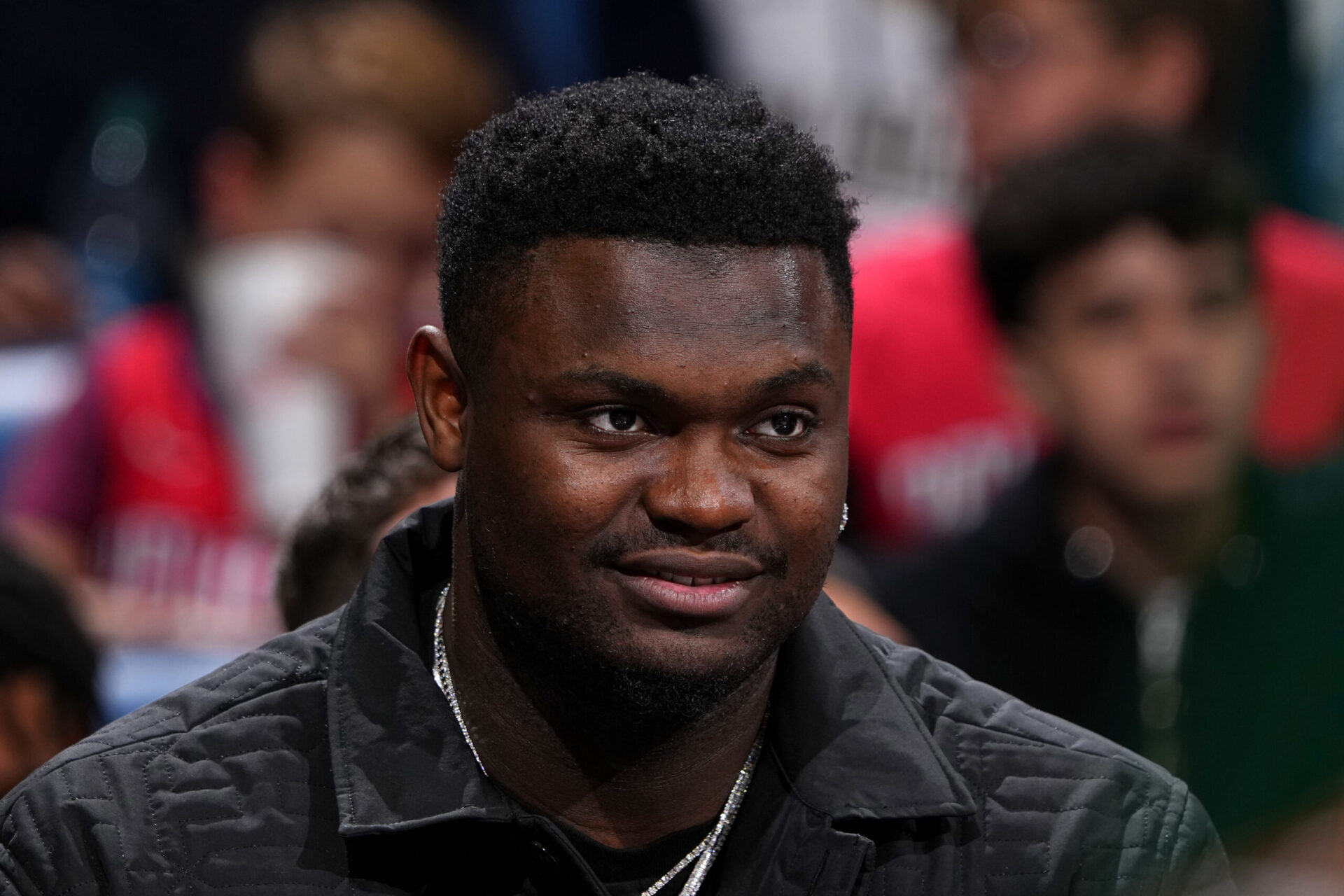
Zion Williamson And Family Sued By Tech Company For Breach Of Contract For $1.8M Loan
The professional basketball career of Zion Williamson, who was once touted as the next big thing in the NBA, has been going differently than planned. The oft-injured New Orleans Pelicans center has been a letdown on the court, and now he is facing a lawsuit over a loan he hasn’t paid back.
According to The Associated Press, Williamson and several of his immediate family members are being sued by Ankr PBC, a California-based company specializing in blockchain-related technologies which filed a civil lawsuit in the U.S. District Court in New Orleans. In its filed paperwork, Ankr PBC claims that Williamson, his stepfather, Lee Anderson, and his mother, Sharonda Sampson, still need to pay $1.8 million of a $2 million loan given to them by the company.
Ankr PBC provided the loan in September 2021. It was trying to establish a marketing relationship with the NBA player in hopes that Williamson would become a spokesperson for it.
The company says that Anderson acted as Williamson’s business manager and required an initial payment of $150,000 to start negotiating a potential business relationship with his stepson.
“Based on Williamson’s statements to Ankr, Ankr reasonably believed that Anderson possessed the authority to negotiate business arrangements for Williamson,” the lawsuit stated.
Meanwhile, Ankr named Sampson as a defendant, partly because the company wired money into her account after she allegedly told them that the family urgently needed a “bridge loan” to cover investment obligations.
“Anderson represented that the loan was urgently needed, as the family had taken on expensive investments, including the purchase of certain real estate in New Orleans, and could not meet their obligations due to the temporary suspension of payments from Williamson’s sponsorship deals resulting from an injury,” the lawsuit stated.
The loan was supposed to be paid back by August 21, 2022, but Anderson requested several extensions. When Ankr PBC finally did receive a payment, it was for $25,000, and it bounced. Last April, a forbearance agreement was made between the parties, and the company agreed not to sue if it received $500,000 by April 25 and the rest of the loan by July 6.
That $500,000 was received as scheduled, but about $300,000 of it covered interest. Ankr PBC has yet to receive the remaining $1.8 million.
CURLS Founder Mahisha Dellinger Is Helping Black Business Owners Turn Their Dreams Into A Multimillion-Dollar Empire
Although Black consumer spending habits account for nearly $6.6 billion within the beauty space, it’s no secret that Black businesses have faced deep-rooted challenges regarding diverse representation and equity in the industry. With a lack of natural haircare products for curly-textured hair, Mahisha Dellinger noticed a void in the marketplace and sought to provide an effective solution for other naturalistas. Equipped with business knowledge and a tenacious drive to develop a quality line of products that catered to this untapped market, Dellinger left her corporate post and in 2002 launched CURLS.
Initially, white corporate buyers did not believe in her brand, and she faced constant rejection. Now, 20 years later, the CURLS brand has proven its staying power as a pioneering force in an underrepresented market. Dellinger’s products are on store shelves from Target to Sally Beauty, Walgreens, and Walmart. To help other entrepreneurs avoid the pitfalls she once faced, the haircare expert created the Black Women Making Millions Academy, an MBA-style program that helps other business owners scale their brands for long-term success.
BLACK ENTERPRISE spoke with the beauty architect about career transitions, establishing an emotional connection with consumers, and how to seamlessly navigate the pros and cons of building a brand from the ground up.
BLACK ENTERPRISE: On the 20th anniversary of your brand CURLS and building a multimillion-dollar brand, what has been the foundation of your success?
Mahisha Dellinger: I always tell my mentees that having a plan, including a business, marketing, and strategy plan, is your roadmap. Many people go into business without those fundamental blocks, and we have great ideas and great work ethics but need that piece that keeps us on path to where we need to go. It’s critical because failing to plan is planning to fail, so start with that foundational work.
You left your corporate career as a marketing manager to pursue your passion. What advice can you give someone looking for support while making career transitions into new spaces?
Only leave your day job once your side hustle becomes legitimately your main hustle. That side hustle needs to show that it can sustain growth and investment back into the company. It can pay for itself and reinvest back into it, but also pay for your lifestyle. Many people will jump into entrepreneurship, leave their day job, and then rely on their company to pay for their lifestyle.
I went from an office job to sales working for Pfizer Pharmaceuticals, which allowed me the freedom to stick and move in and out of my office and work on CURLS. It gave me flexibility and a full-time salary, and I could keep the household covered. Every penny made from CURLS went back into CURLS. I did that for about three or four years.
I grew the brand organically because, at the time, I could not get a small business loan despite having exceptional personal credit and a strong business plan. Funding was hard back then, so I had to start scrappy. I worked every penny to the core because every penny spent was monitored to the nth degree. Wherever I planted a seed, I ensured that I would harvest it for the brand.
CURLS’ Mahisha Dellinger.
A lot of people are talking about imposter syndrome these days. How do you build yourself back up in moments of self-doubt or adversity?
That is a struggle for most entrepreneurs. I’m glad we’re being transparent today. Entrepreneurship is often glamorized. It’s hard, but I’d rather do this than work for someone else. You will have days where you feel beat down if you don’t meet a goal, a product launch fails, or you hope you land this account and don’t. Many things can go wrong, but I have to remember my why and remind myself of the wins when I’m in the midst of those heavy days.
In a world where marketing is crucial to any e-commerce success, especially within social media, what strategies have you implemented to ensure seamless branding and establish an emotional connection with your customers?
Regarding emotional connection, like any other Black female or Black business founder-based business, you have to connect with the consumer by bringing a piece of you to the brand. The CURLS consumers see Mahisha, and I’m touchable. I’m at events. I’m sampling with them. Like other Black-owned brands, we are more connected because we are more accessible, because being accessible is important. You will not see the founder of Pantene because a single person does not own Pantene, but you can walk up and see all these different Black hair brands and meet the founders. So, connectivity is essential.
I know all the different brand owners in this space, and you see every one of our personalities in our brands, and that’s the connectivity too. Being transparent, being accessible, and touching the consumer is super important. Branding is having the right talent and connecting all those teams. It’s all spaghetti, so it all should touch. There shouldn’t be separate pockets of people working independently. They need to be connected and unified, working for one mission, vision, and goal.
What mark do you hope to leave on the industry as a whole?
My goal is to leave behind a legacy for my family and children and a legacy roadmap. Only some people want to be an entrepreneur, so for my children I want to make sure I leave the legacy behind that “my mom did it against all odds.” For the brand itself and my consumers, what I want to leave behind is almost similar to that of other Black young women or girls; if I can do it, so can you. Nothing in this world will hold you back if you don’t allow it to. Reach deep into who you are and to yourself, to your strength, pull it out, and make it happen. Only you can stop yourself.
National Foundation For Credit Counseling To Combat Housing Insecurity For Black Renters
Following a recent survey revealing that nearly two-thirds (62%) of renters feel insecure about their current housing situation, a new initiative has been launched by the National Foundation for Credit Counselling (NFCC).
The program, supported by the Wells Fargo Foundation, wants to change that narrative and reverse that trend. Make it R.E.A.L. (Renter Equity at Last) aims to raise awareness about housing instability and other serious challenges renters are up against.
“Post COVID-19, rent moratoriums have uncovered a pressing need to assist individuals and families facing housing instability,” said Barry Coleman, NFCC’s vice president, program management and education, in a written statement. “With our partners at the Wells Fargo Foundation, the NFCC launched a summer campaign to educate the public about the instabilities renters face and drive awareness of the resources available to them through the NFCC.”
The initiative will help renters via financial education, testimonials, and inroads to debt management counseling from credit counselors authorized by the NFCC. They will be able to obtain help in person and via tele-sessions. The campaign is an attempt to mitigate involuntary moves such as notices, evictions, and liens, and make housing stability real for all.
According to Bloomberg, 8 million rental households are currently having issues paying their rent and are behind in payments. Black families in Southern states are experiencing the highest rates of housing hardship.
The NFCC’s recent survey of more than 2,000 U.S. renters, who spoke of their rental experiences, goals, and fears, yielded the following discoveries:
Fifty percent of renters have had personal experience with eviction. For Black Americans, that number increases to 57%.
People over the age of 35 are more likely than people under 35 to blame the tenant in landlord-tenant issues (57% vs. 41%).
Only 36% of people feel they fully understand their “rights and opportunities” when it comes to eviction.
The predominant emotion associated with eviction is “sadness.”
Half of those surveyed (50%) aren’t aware that financial literacy and debt management programs for renters exist.
Make It R.E.A.L. will focus on educating renters about what is available to them, and develop comprehensive financial plans addressing credit card debt, student loans, and medical debt. Renters, therefore, will be better equipped to combat unsecured debt and put themselves in a better position to prevent eviction or foreclosure.
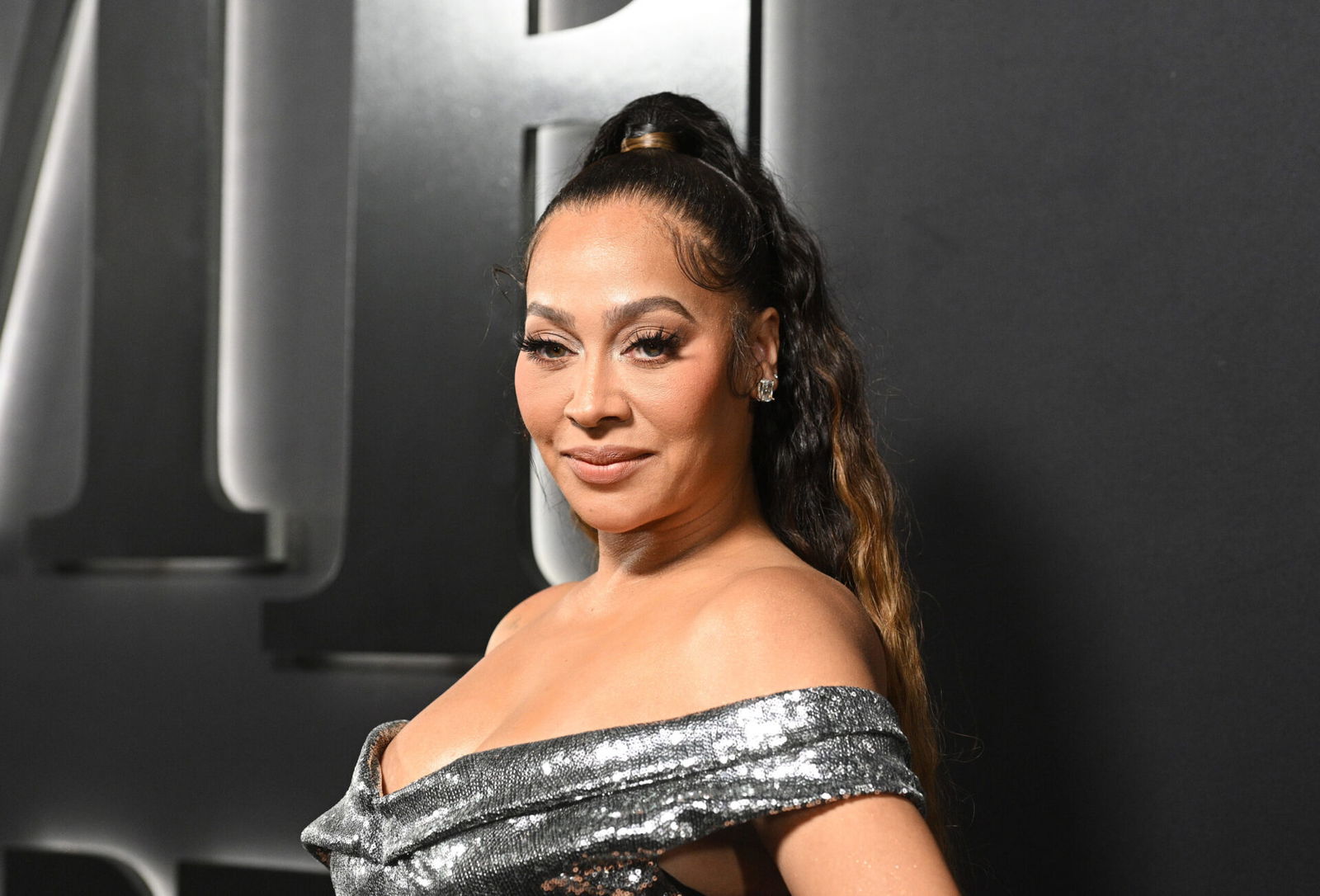
La La Anthony Shares Her ‘Power’ Moves On How An Unpaid Internship Led To Her Longevity And Success
La La Anthony is no stranger to creating the ultimate “Power Playbook” and playing by her own rules to sustain longevity and harness reinvention to stay at the top of her game. At just 16 years old she began planting the seeds of success, landing an internship at one of Atlanta’s most popular radio stations. The grit, grind, and tenacity didn’t stop there. She secured the coveted hosting gig as an MTV VJ for “Total Request Live”and hasn’t slowed down since, landing acting roles in the Think Like a Man franchise, Power, The Chi, and Black Mafia Family (BMF). Outside of being in front of the camera, Anthony is busy making moves behind the scenes, whether building her haircare brand, “Inala,” putting on her Broadway producer hat, or using her star power to secure partnerships with brands willing to amplify Black businesses.
The television personality sat down with BLACK ENTERPRISE to discuss creating a competitive advantage in business, learning to avoid burnout, entrepreneurial roadblocks, and discovering your passion.
Why was it important for you to partner with Now and Later for their “Pause Now, Hustle Later” campaign?
La La Anthony: It was important because I am learning and understanding the importance of self-care. I came from the mentality of work, work, work, grind, grind, grind, which is a beautiful trait to have, and it’s great to be that passionate and that driven, but it’s also understanding that in life, it’s about working smarter, not necessarily working harder.
I also love that with this partnership, reminding people to “Pause Now, Hustle Later,” we get a chance to highlight Black-owned self-care brands. Anytime there’s a chance to highlight Black-owned businesses and give them some shine, I’m always excited about it.
Why is self-care so important for Black women, especially now?
Just the state of the world right now. There are so many crazy things going on that we have to continuously check in on our mental health, check in on us slowing down and taking care of ourselves. Also, check in on each other because they always say, “Check on your strong friends,” because you might look like you have it all together, and inside, there are a lot of other things going on.
Let’s switch gears and discuss the biggest challenge you had to overcome as a businesswoman to get your haircare brand Inala off the ground.
In the beginning, money is spent before you see anything coming back. But you have to believe in the brand to get through the beginning stages of trying to get it off the ground. In some cases, you’ll have these brands where they hit immediately and go crazy, and some are a slower build. Initially, the challenges were “How do I stand out? There are a million haircare brands. What am I going to do that’s different? What will make people like my product when they have all these other options?”
I’m glad you mentioned that because people assume otherwise from the outside looking in. You’re La La, and you have this platform with millions of followers, but you are still figuring out and asking yourself, “How do I stand out above the rest.”
Of course, because there are so many products and choices out there. What will make people choose what I’m putting in the marketplace instead of something else? It’s challenging, but you get through it. You work hard, and when you’re passionate about something and believe in it, that will push you through some of those trials, tribulations, and bumps that happen along the way.
You said the keyword passion because people can put products out there, but your consumers can read through it if it’s not authentic to you and whether or not you are passionate about it.
Very true. That is a very true statement.
Like so many women, you’re balancing a busy schedule as a mom, a businesswoman, creative, and just being La La. What practices do you suggest for other women to do if they’re feeling stuck right now?
I try to delegate my time better, look at everything going on, and say, “I probably have too much going on when I’m feeling stuck.” What’s happening is I’m focusing on everything, but I need to focus more on one thing. Sometimes it’s about narrowing it down to one thing, focusing on what’s doing well or driving you and putting your time and energy into it instead of having a million things going on.
Entrepreneurship is a journey full of ups and downs. What is one fundamental question every person should ask themselves before embarking on their entrepreneurial journey?
The question is, is it something that you’re passionate about? Would you do it if you weren’t getting paid for it? That’s really a question because you have to be passionate about it to not give up and get through the ups and downs. You have to believe in it so much that it would be something you would do if you were doing it for free.
That’s how I look at it. I understand that nobody wants to work for free. I’m not saying that, but I’m saying that passion and mindset will push you through all the ups and downs of creating a new business.
Didn’t you have unpaid internships early in your career?
That’s how my career started. That’s why I talk about it, and I know it’s not such a big thing anymore. But in the beginning, I was doing a lot of internships and not being paid for them, but the experience and what I learned ended up making me so much more money in the end. The people who took jobs at that time for money didn’t sustain themselves or didn’t get to where I was because, for me, it was about learning. It was about understanding.
Sometimes you have to learn before it’s about, “Oh, I want to make money. I want to do this.”
Well, what do you know about this space? What do you know about this brand? What do you know about your competitors? What do you know about formulating a product? What do you know about any of this? You have to learn it first.
Through the years, you’ve continued to thrive, break down barriers and build a name for yourself. What keeps your creative spark alive?
I always think, “OK, what’s the next transition for me? Or “What’s something I haven’t done, but it’s still in my wheelhouse?” I never get bored because I don’t stay in one place or mindset for too long. I’ve gotten good at constantly reinventing myself.
Black Bench Chicago Prepares Black Millennials For Civic Engagement
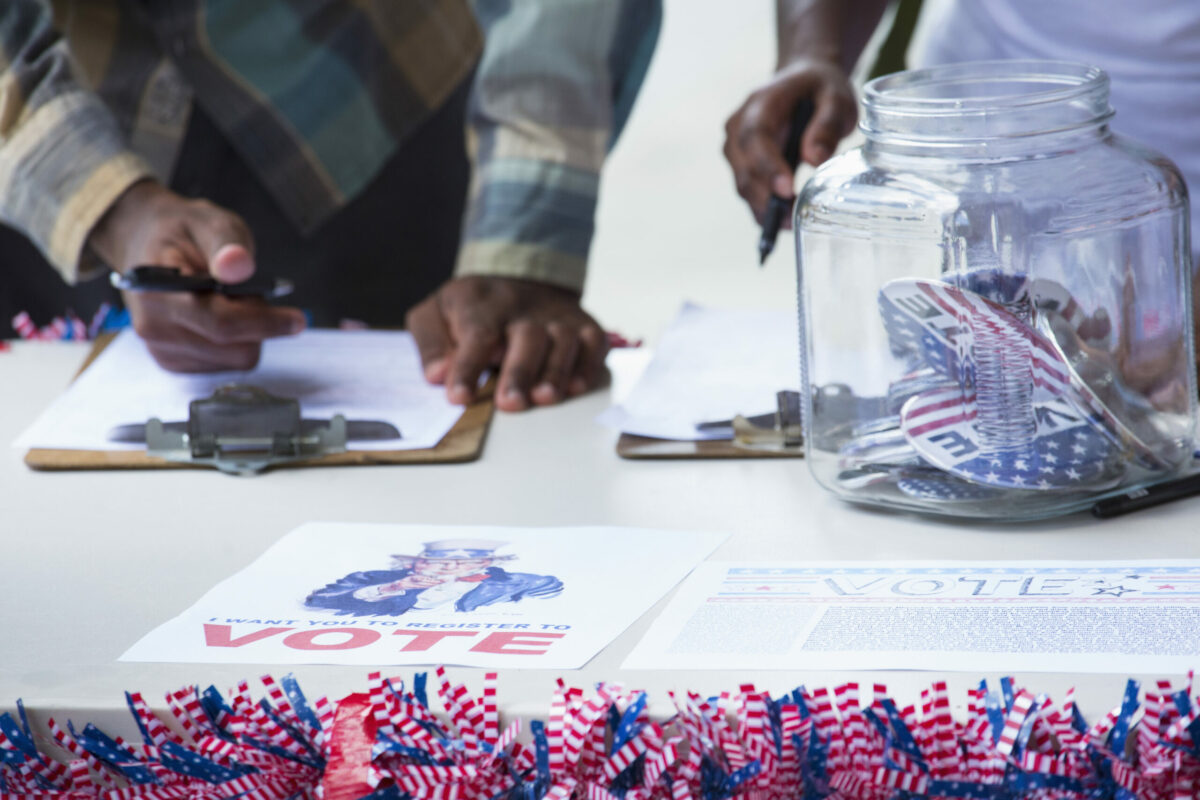
A local organization in Chicago was founded to educate individuals interested in politics. The impact of Black Bench Chicago has been felt in only a few short years.
According to the group’s website, Black Bench Chicago wants to help develop leaders in the Black community “who can create and carry out a plan that delivers Black Chicagoans resources.” They want to assist people aged 25 to 45 who want to create political movements while serving in civic engagement, civil service, elected office, and strategic leadership from Chicago’s South, East, and West sides.
One of the organization’s co-founders, Alexandra Sims-Jones, spoke to WTTW News recently to explain the virtues of the group and the work behind it. “There’s a gap between generations and passing knowledge,” she stated.
Black Bench Chicago helps connect older generations of people involved in the civic arena with younger individuals who want to embrace the spectrum of politics. The interaction between the generations will help older people share lessons in civic engagement and organizing with their younger counterparts.
“It’s invaluable to have a space specifically for Black millennials, Sims-Jones also said. “There’s comfort in having a space where someone’s expertise won’t be judged because of implicit or explicit racism.”
There have been discussions from polished political leaders like Ken Bennett, who used to work for Chicgao’s own, former President Barack Obama. There have also been past successes within the group, including people like Kennedy Bartley, the new executive director of United Working Families, and Anthony Driver, the president of Chicago’s Community Commission for Public Safety and Accountability.
“It’s safe without those pressures, and it’s incredibly refreshing,” Sims-Jones said of the organization.
More information on how to join Black Bench Chicago and learn more about the organization can be found on the group’s website.
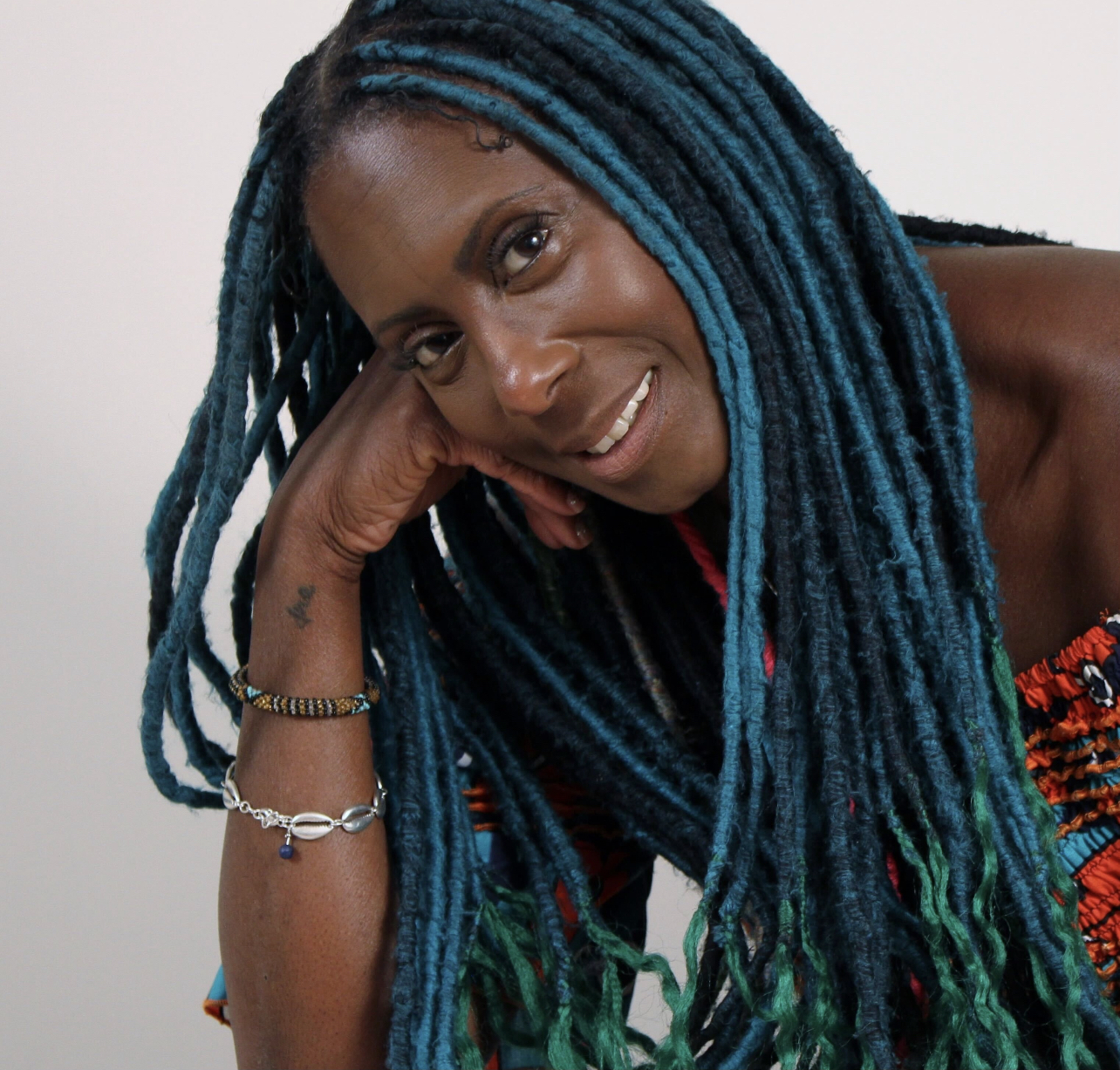
Debra Hare-Bey Discusses Natural Hair In The Workplace And ‘International I Love Braids Day’
Over the years, Black women have rocked many hairstyles. For some Black women in the ’80s, a look wasn’t complete without a perfectly coiled afro that could only be achieved with sheen spray and a hair pick.
The ’90s gave us Nia Long and Halle Berry and, with them, the iconic pixie cut. And young girls everywhere aspired to have Brandy’s signature microbraids because who didn’t want to be Moesha?
But, while Black hair has always been versatile and beautiful in every state, it has not always been treated as such, particularly natural hair. Cosmetologist, natural hair expert, and innovator Debra Hare-Bey wants to change that.
Hare-Bey sat down with BLACK ENTERPRISE to discuss her experience as a celebrity hairstylist, the upcoming international “I Love Braids” celebration, and why so many people are intimidated by unapologetic natural-haired Black women in the workplace. She also spoke about her natural hair care business, Oh My Heavenly Hair.
Hare-Bey started her career as a celebrity hairstylist, working for the likes of Erika Alexander from the hit television show Living Single. She was also motivated by her passion for the craft.
“The level of respect and love I have for my industry, the opportunity to create excellent hair care, specifically natural hair and braids. Being able to work with high-profile celebs, their looks matter,” she says.
Hare-Bey illuminated how celebrities often have to take risks and be willing to change their look, but in a way that they still feel confident in themselves.
“Being able to have everyone experience the opportunity to present in a way that makes them feel good. To be able to make them feel full joy in their natural hair. Being able to wear braids that are culturally important and historically important,” she continued.
She also spoke about how employers wrongfully view natural hair as intimidating. Our natural hair is not unattractive or unprofessional, a fact we have known for years. But, Hare-Bey suggests, that people want us to hide under wigs and relaxers to undermine our identity and remove our autonomy, a concept she vehemently rejects.
“This idea that we can’t wear our hair to work because it’s not professional or the standard of beauty…When you walk into an office with the God-given texture, it says ‘I don’t want to look like you.’”
In the 1990s, Hare-Bey was one of four hairstylists that helped usher in natural hair licenses in New York, now a standard in the state. The veteran stylist emphasized the importance of knowing how to properly care for and manage natural hair, a feat many new hairstylists have yet to master.
“There is a certain expectation that you know what you are doing, but we are at an alarming rate of hair loss because stylists are not trained properly to identify issues, to take care of situations, or to have solutions for damaged hair,” Hare-Bey says.
Her commitment to ensuring that natural hair is healthy and appreciated isn’t just because it’s her job. It’s her life’s work.
Eventually, Hare-Bey launched Oh My Heavenly Hair. Its name stems from the almost divine connection Hare-Bey has with hair. “Hair is important to me, that it is only majestic,”
Hare-Bey is also a founding member of the Natural Hairstyle and Braid Coalition, which aims to improve the art and science of the natural hair care industry.
Hare-Bey’s dedication is nothing short of admirable. She demonstrates the pure love that goes into caring for natural hair. It is this dedication that led her to create International I Love Braids Day. International I Love Braids Day was established in 2016 and born out of a desire to showcase Black beauty.
“I’m always thinking about braids. I am always thinking about how to elevate my industry. The world has a different image of who we are,” Hare-Bey said.
On July 29, 2023 in Brooklyn, New York, the seventh annual I Love Braids Celebration will occur from 12 p.m. to 5 p.m. This year’s theme is legendary singer and activist Nina Simone. Hare-Bey shared that Simone was chosen as this year’s theme because she encouraged young Black women to love themselves in ways others didn’t. Simone used her raw talent as a pianist and vocalist to shine a light on inequality, and she did so unabashedly.
The free celebration will start with a children’s parade where Black children of all ages wearing all kinds of hairstyles will flood the street in a display of self-love and pride.
Kids aren’t the only ones who get to have fun, though. There are several events to look forward to for all demographics, including a full makeover for one lucky bride-to-be in partnership with World Bride Magazine. One outdoor booth will create the world’s longest braid, where passerbys can join and add a section to the braid, which will then be pinned with a statement about why braids are beautiful.
There will also be a pop-up tent featuring celebrated authors, including Tameka Ellington, who wrote Black Hair in a White World. Parents can learn different ways to style their child’s natural hair as well. Another booth called the Bubble Zone will be a space for people to blow bubbles and write self-affirmative statements about why their Black is beautiful.
The inside of the event will tackle a more serious subject: women’s health. This year’s health booth will discuss Black wellness, including how to spot certain diseases and the link between relaxers and cancer.
In the days leading up to the event, Hare-Bey hopes to facilitate a social media takeover, using the hashtag #ILOVEBRAIDSDAY2023. Each tag will accompany a photograph of a braided hairstyle. The move is every bit symbolic as it is impactful.
“We were not always attached to things that were received in a good light. It’s oftentimes steeped in making you feel bad about yourself. You have to hide it. So why not create a day where we can celebrate it in its purity?” says Hare-Bey.
Hare-Bey offered a few parting words for younger hairstylists hoping to make it in the industry.
“When you are younger, you really want to do everything. But what I’ve learned as I’ve gotten older is you can’t do it by yourself.”
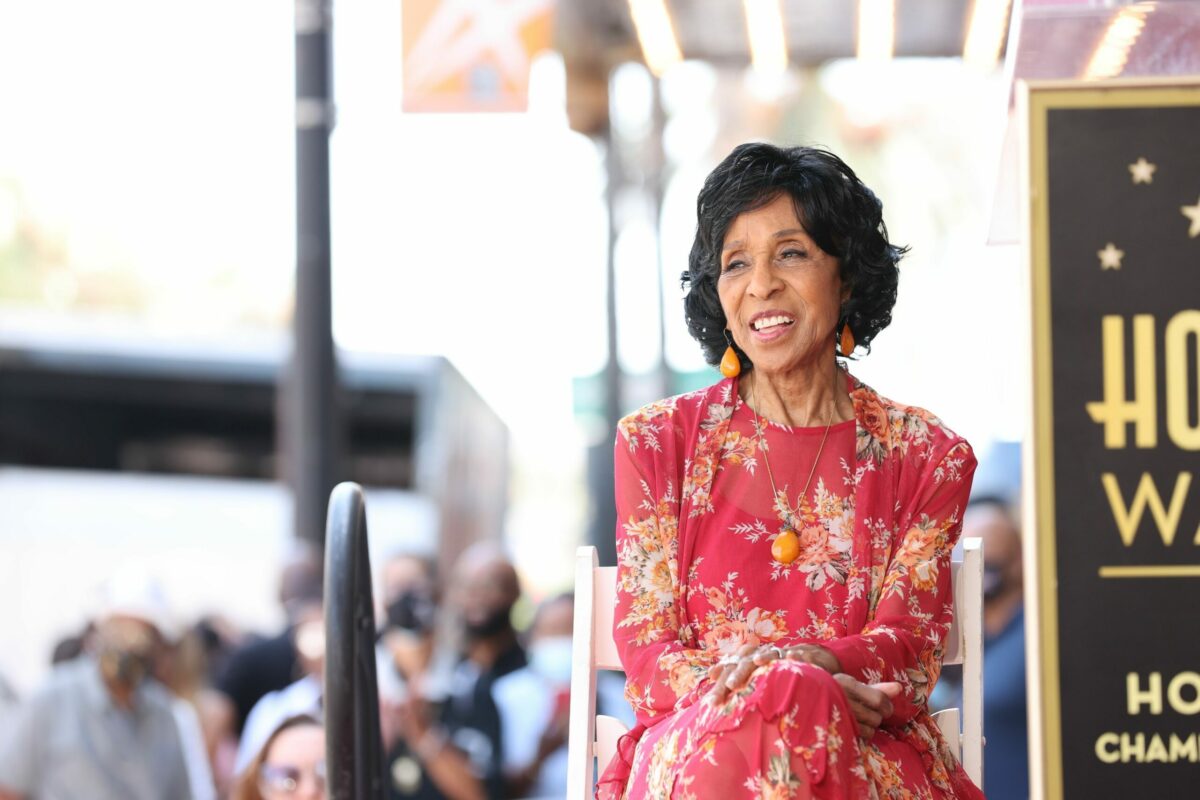
Marla Gibbs Says ‘It’s Never Too Late’ To Tell Your Story; Releases Memoir At Age 92
Marla Gibbs is 92 years young and finally ready to share her life story in an upcoming memoir, titled It’s Never Too Late.
The Emmy-nominated actress has inked a deal with Amistad, an extension of HarperCollins Publishers dedicated to telling Black stories. Her memoir is slated for a fall 2024 released, the Associated Press reports.
Gibbs, known for roles in hit sitcoms The Jeffersons and 227, will reflect on her life dating back to her upbringing in the South Side of Chicago to becoming a Hollywood star.
“My hope is that my memoir will serve as an inspiration to those that continue to show me love and support,” she said in a statement.
“I believe no matter the challenges one faces, it is never too late to turn your life around or make a difference.”
“I am grateful and I am ready to reveal the challenges I overcame as a way of service to those who wish to transform their tests into testimonies,” she continued.
With over 100 acting credits under her belt dating back to the late 1960s, Gibbs most certainly has a story to tell. She got her start in Hollywood after relocating to Los Angeles by way of a receptionist job with United Airlines, according to History Makers.
While in L.A., Gibbs took acting classes at the Mafundi Institute and the Watts Writers’ Workshop before landing theatrical roles at the Zodiac Theater and small roles in made-for-TV movies. In 1973, Gibbs scored a major supporting role in the 1973 movie, Sweet Jesus, Preacher Man.
Her other notable credits include films The Visit and Meteor Man and a recurring role on the daytime soap opera Days of Our Lives. Gibbs most recently appeared in recurring roles on shows Grey’s Anatomy and History of the World: Part II, where she starred alongside Wanda Sykes in a sketch about Shirley Chisholm.
Black Bookseller Step Closer to Having Mobile Bookstore Drive Change In Rochester
Taylor Thomas, a Black, non-binary book enthusiast, always considered themselves a librarian to their core. Now, they are taking that life-long love of reading on the road with Archivist Books, a mobile Black-owned bookstore based in Rochester, NY.
According to the Democrat and Chronicle, this idea stemmed from Thomas selling secondhand books with diverse characters to provide affordable reading options for people of color.
This passion for literature grew from Thomas grandmother and high school English teacher, who introduced them to classics such as Jane Eyre and Pride and Prejudice. However, classics from a white, heteronormative lens became “incredibly boring” for the book lover, leading them to their current journey.
And the journey proved to be quite successful, prompting Thomas to quit their day job in the middle of last year to embark on sourcing and reselling used books that focus on queer and diverse narratives with their virtual bookstore, The Secondhand Librarian.
However, Thomas;’ dream of a used book tour, however, is now a reality. With the purchase of a 1968 Globestar trailer, Thomas plans to transform it into a cozy, on-the-go bookstore to bring the novels to the people by January 2024.
The trailer van will be installed with shelves to transport as many books as possible, along with stools for individuals to partake in the pastime while inside. For Thomas, being one of the 6% of Black bookstore owners makes them a part of a movement for inclusivity and change in the market.
“Representation is so incredibly important because I believe that when marginalized people are behind the book-buying process, it helps to diversify the books going out into the world,” they said.
Support for the mobile book store is provided through their Gofundme campaign, which has raised over half its $10,000 target. Until they hit the road, Taylor is doing pop-up events to get Rochester reading.
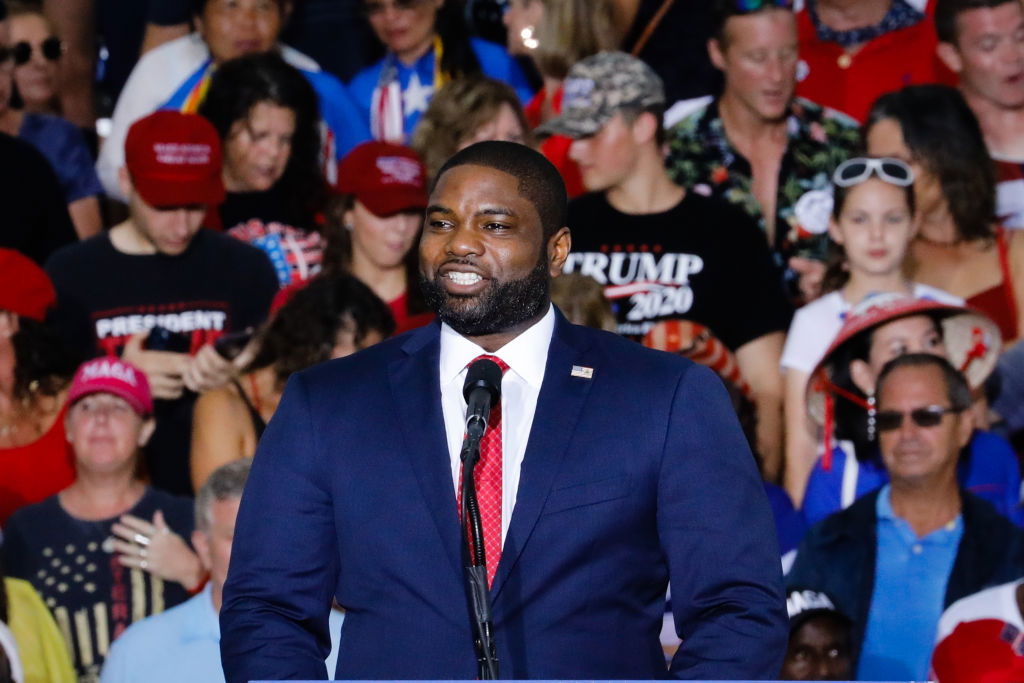
GOP Congressman Byron Daniels Asks Florida To ‘Correct’ Slavery Standards
While agreeing with most of the revisions on how Florida schools will teach Black History, Rep. Byron Donalds, a Black Republican in Florida, drew the line at its latest suggestion for slavery.
The controversial standard states enslaved people could have transferred skills acquired in slave labor to personal use, suggesting that enslavement was of some benefit to them.
In a tweet, he urged the education department to “correct” the issue. The suggestion slavery was of any good to those who were enslaved was too much for the conservative leader.
The new African-American standards in FL are good, robust, & accurate. That being said, the attempt to feature the personal benefits of slavery is wrong & needs to be adjusted. That obviously wasn't the goal & I have faith that FLDOE will correct this.https://t.co/muq8zi1p85
— Congressman Byron Donalds (@RepDonaldsPress) July 26, 2023
While still agreeing the standards were “good, robust and accurate,” Donalds made sure to distance himself from the benchmark that slavery had any “personal benefits.”
“That being said, the attempt to feature the personal benefits of slavery is wrong & needs to be adjusted,” Rep. Donalds elaborated. “That obviously wasn’t the goal & I have faith that FLDOE will correct this.”
The congressman has been vocal about his opposition to the specific benchmark as Florida makes controversial changes to how they approach Black History subjects in their statewide school system.
“Slavery was terrible in our country. It was terrible for for Black people coming to America, and it was just flat-out wrong, no doubt about that.”
“To me, yes, that section needs some adjustments,” he added. “The talking point narrative around it, yeah, it sounds awful. Like nobody should be acceptingof that, but when you read through the standards, they actually did a very good job in covering all aspects of Black history in the United States.”
He said only “refinement” needed to the newly modified Black history section of Florida’s school curriculum, stating there’s no way to rephrase slavery in any positive light.
While he is not as opposed as Vice President KamalaHarris, who referred to the guidelines as an “insult” and “revisionist history,” Donalds is hopeful that students will grasp that slavery had no redeeming qualities.
‘Earn Your Masters’ Block Party Experience Stops In Detroit
A block party for financial empowerment curated by UnitedMasters and Earn Your Leisure was a go-to event in Detroit. The aptly titled “Earn Your Masters” block party occurred at the popular Chroma building and brought out special guests whose main focus was financial savviness.
The July 22 event highlighted success stories from Detroit’s cultural history, such as hip-hop artist Icewear Vezzo and renowned comedian Haha Davis. Joining these guests was Earn Your Leisure Co-Founder Rashad Bilal; an athlete turned financial entrepreneur who spoke alongside business executives from sponsor Ally and community leaders for the jam-packed event.
Icewear Vezzo had a special announcement at the festivities, sharing with the crowd during his performance that he sold his music catalog for a hefty $1 million. With his own positive news, Haha Davis proclaimed that he is investing in a comedy club in his native city, bringing business back to Detroit’s cultural hub and real estate market.
The crowd sought advice from successful business leaders while enjoying the sounds of famed DJ Angel Baby. Panels with trailblazers in their respective industries, such as Mindful Culture Creators Founder Shawnta Hooks, provided insight into building upon ideas and turning them into a fruitful reality.
For the final performances, UnitedMasters brought out some of the hottest artists on its roster, such as Keely Crawford, to close out the powerful day. For its part in the activation of “Earn Your Masters,” the alternative label is proud to contribute to this “financial revolution” for diverse groups.
“Partnering with Ally and Earn Your Leisure has been an incredible journey; together we are igniting a financial revolution across the country to empower as many artists, creators, and entrepreneurs in local communities as possible,” said Eden Gorcey, chief revenue officer for UnitedMasters.
Detroit has a vibrant and diverse community that is proud to be a part of the new wave of financial empowerment, literacy, and freedom. Through connecting with Ally and UnitedMasters, this memorable stop on Earn Your Leisure’s national tour broadened its reach to highlight artists in their creative business endeavors while connecting with local attendees to revitalize their financial goals.
Fortunately, the work and fun do not stop in Detroit, with Earn Your Leisure still embarkingon its mission across the U.S. to educate and connect with all eager to earn success.