JAY-Z Cuts Ribbon At Opening Of Fanatics Sportsbook In Atlantic City
The billionaire is a partner in the venture with Founder and CEO of Fanatics, Michael Rubin.
Brooklyn-bred billionaire JAY-Z has officially entered the sports betting industry with the grand opening of the first Fanatics Sportsbook at the Ocean Casino Resort in Atlantic City.
The “Hard Knock Life” emcee cut the ribbon as his partner in the venture, Fanatics Founder and CEO Michael Rubin, was there along with Fanatics Betting and Gaming CEO Matt King and Ocean Casino Resort GM Bill Callahan. The event took place on Sept. 15.
According to BreakingAC, immediately after the ribbon-cutting ceremony, 15-time PGA-winning golfer Justin Thomas was the first person to place a bet at the venue. He put down $100 on his alma mater, Crimson Tide, winning the NCAA football national championship.
Although the ribbon-cutting just occurred, the 12,000-square-foot venue has been open since Sept. 5.
TMZ reported that Quavo, Jalen Rose, Dez Bryant, and Ryan Clark also attended.
JAY-Z has bigger plans for the betting industry.
Two years ago, JAY-Z and his Roc Nation entity joined SL Green and Caesars Entertainment in announcing that they were trying to open a new, state-of-the-art gaming facility at 1515 Broadway in Times Square, New York City. Roc Nation took out an ad in several prominent NY publications like TheNew York Post, The New York Daily News, and The Amsterdam News in the form of an open letter addressing “conflicted parties” attempting to “spread misinformation” about their plans regarding the casino.
The trio of independent companies believes the facility, which will be named Caesars Palace Times Square, will generate seven million new visitors to Times Square. Native New Yorkers and tourists will bring billions in economic benefits to Broadway and area businesses.
No decision has been publicly made regarding the city’s decision to open a casino in the heart of the city.
Louisville DJ Plans ‘National Whiteout’ For Frankie Beverly
'I was motivated to create #whiteoutforfrankie because of what Frankie Beverly’s music means to me personally and for what he means to Black culture as a whole.'
A Kentucky DJ wants fans of legendary R&B singer Frankie Beverly to celebrate the vocalist on Sept. 20 for what he has termed a National Whiteout for Frankie.
The well-loved entertainer died on Sept. 10, days short of his 78th birthday. His family announced the news via social media, and the world was saddened to hear about his passing. Sadly, the tour he was recently on was billed as his farewell tour and appears prophetic. The “Joy & Pain” vocalist will be missed, but the world will still party to his music.
In appreciation and recognition of Beverly and his timeless music, Brent Barnett, a Louisville DJ who goes by the name of DJ B-ROC, announced that, although he is not affiliated with the family, Sept. 20 should be recognized as “National Whiteout for Frankie.” With the hashtag#whiteoutforfrankie, he has encouraged people to celebrate the singer by streaming his music all day and wearing all white.
The Instagram and Facebook posts went viral, with many people joining him in stating they would do so while also reposting for others to see. One person even copied his flyer and used it for their own event on Sept. 20. Roland Martin and even Jemele Hill reposted it, leading to more posts making the rounds. As of Sept. 15, there were more than 200,000 views on DJ B-ROC’s account.
BLACK ENTERPRISE spoke to B-ROC to discuss why he decided to honor the beloved singer.
Reaching out to him via Facebook, B-ROC explained why he wanted to celebrate one of the greatest performers the culture has experienced.
“I was motivated to create #whiteoutforfrankie because of what Frankie Beverly’s music means to me personally and for what he means to Black culture as a whole. He’s a part of the fabric of this culture and he’s the soundtrack that follows us everywhere, in every season. He also is, to use the term, “Black famous,” meaning that he’s HUGE in our community but not as well known in the mainstream. So that means we need to honor him as our own when we have occasion.”
He was amazed by the outpouring of support to help celebrate Beverly on Sept. 20.
“I think folks are responding to this because we are all looking for a way to honor Frankie right now. I’m not a voting member at the Rock Hall, I’m not the producer of the Grammys. I can’t ensure that the mainstream loves on Frankie right now. But as for me and my people, we can. So I think folks are tapping in because we all wanna give him his flowers. Hopefully, it sparks more interest in his music.”
DJ B-ROC has been DJing professionally for three years but appreciates the community’s acknowledgment of Beverly.
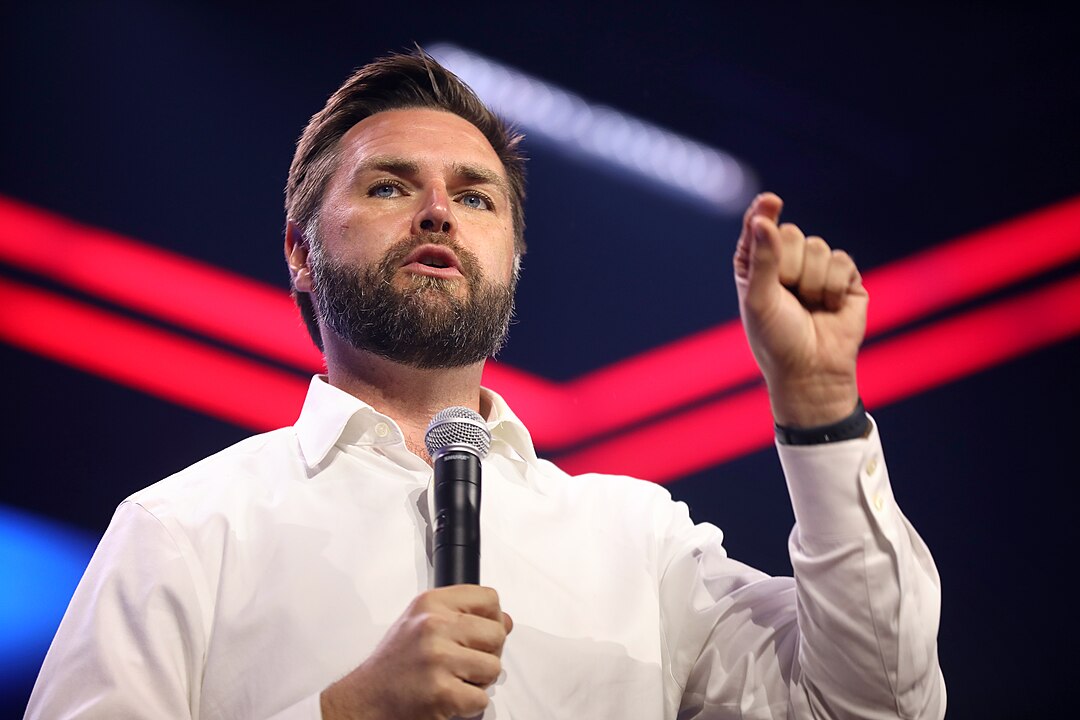
Sen. JD Vance Faces Calls To Resign Over False Claims About Haitian Immigrants
During an interview with CNN, Sen. Vance admitted to fabricating the story about Haitian immigrants.
Ohio Senator and Trump Vice Presidential pick JD Vance is facing calls to resign after he revealed to CNN’s Dana Bash that the now-viral debate clip of Donald Trump claiming that immigrants were eating pets in Springfield, Ohio, was a story Vance made up.
According to CNN, Bash asked Sen. Vance on the “State of the Union”television program to support his claims that Haitian immigrants were eating pets. Vance never directly gave a source, claiming on the Sept. 15 program episode that he had firsthand evidence from citizens in the town.
“The American media totally ignored this stuff until Donald Trump and I started talking about cat memes. If I have to create stories so that the American media actually pays attention to the suffering of the American people, then that’s what I’m going to do,” Vance told Bash.
Bash then pointed out that Sen. Vance admitted to fabricating a story, and Vance doubled down on his right to frame a narrative.
“It comes from firsthand accounts from my constituents. I say that we’re creating a story, meaning we’re creating the American media focusing on it. I didn’t create 20,000 illegal migrants coming into Springfield thanks to Kamala Harris’ policies. Her policies did that. But yes, we created the actual focus that allowed the American media to talk about this story and the suffering caused by Kamala Harris’ policies,” Vance told Bash.
According to NJ.com, following his appearance on the program, several politicians called for Vance to resign as an Ohio senator, citing concerns that his lies made life worse for the citizens he was supposed to represent.
Pennsylvania Gov. Josh Shapiro, a Democrat who CNN tasked with responding to Sen. Vance, called his remarks “bonkers.”
“That was bonkers,” Shapiro said. “Listen, [Mike DeWine] the governor of Ohio, and the mayor of [Springfield] has said this is all made up. These are all lies. There is no truth to it. And the U.S. Senator from Ohio just came on your show and blamed his own constituents for his own lies. This guy is so pathetic.”
Shapiro continued, “But the thing is, it is dangerous. There is a causal connection between the B.S. that JD Vance and Donald Trump spew and the safety and security of the American people. When they go out and they lie about this stuff, they put their fellow Americans at risk…This has now taken on a life of its own because of what they incited, and people’s lives are at risk because of JD Vance. This guy should know better. It’s shameful what he did.”
Ohio Rep. Casey Weinstein posted on X that he believed Sen. Vance needed to resign for many of the same reasons Shapiro found Vance’s explanation objectionable.
“In the wake of JD Vance admitting he ‘created’ the pet-eating story, and as a result of the very real threats the communities and people he has targeted are now under … I am calling on him to RESIGN as our Senator,” Weinstein wrote.
As Vox reports, the concerns for the safety of the Haitian immigrant community in Springfield are well warranted. On Sept. 12 and 13, public schools and municipal buildings were closed due to bomb threats, and a Haitian community center received threatening phone calls.
Trump and Vance’s comments are part of a long and ugly history of anti-Haitian sentiment in America. As Regine Jackson, a sociologist and the Dean of Humanities at Morehouse College, told the outlet, it is part of the practice of “othering” Haitian immigrants.
“It’s a part of a very old historic pattern,” Jackson said. “It’s the idea that they could do something so inhuman, so un-American. That’s the message underneath, that these people will never be like us.”
Carl Lindskoog, the author of Detain and Punish: Haitian Refugees and the Rise of the World’s Largest Immigration Detention System, took it a step further, and it is his comments that speak most to what lies beneath Trump and Vance’s willingness to lie about Haitian immigrants to stoke fear and hatred.
“Racism and xenophobia against Haitians among white Americans can be traced all the way back to the Haitian Revolution when Haitians … [overthrew] the system of slavery and [established] the world’s first Black republic,” Lindskoog told Vox. “Since then, Haitians have been seen by many white Americans as a threat to white rule and have been treated as such.”
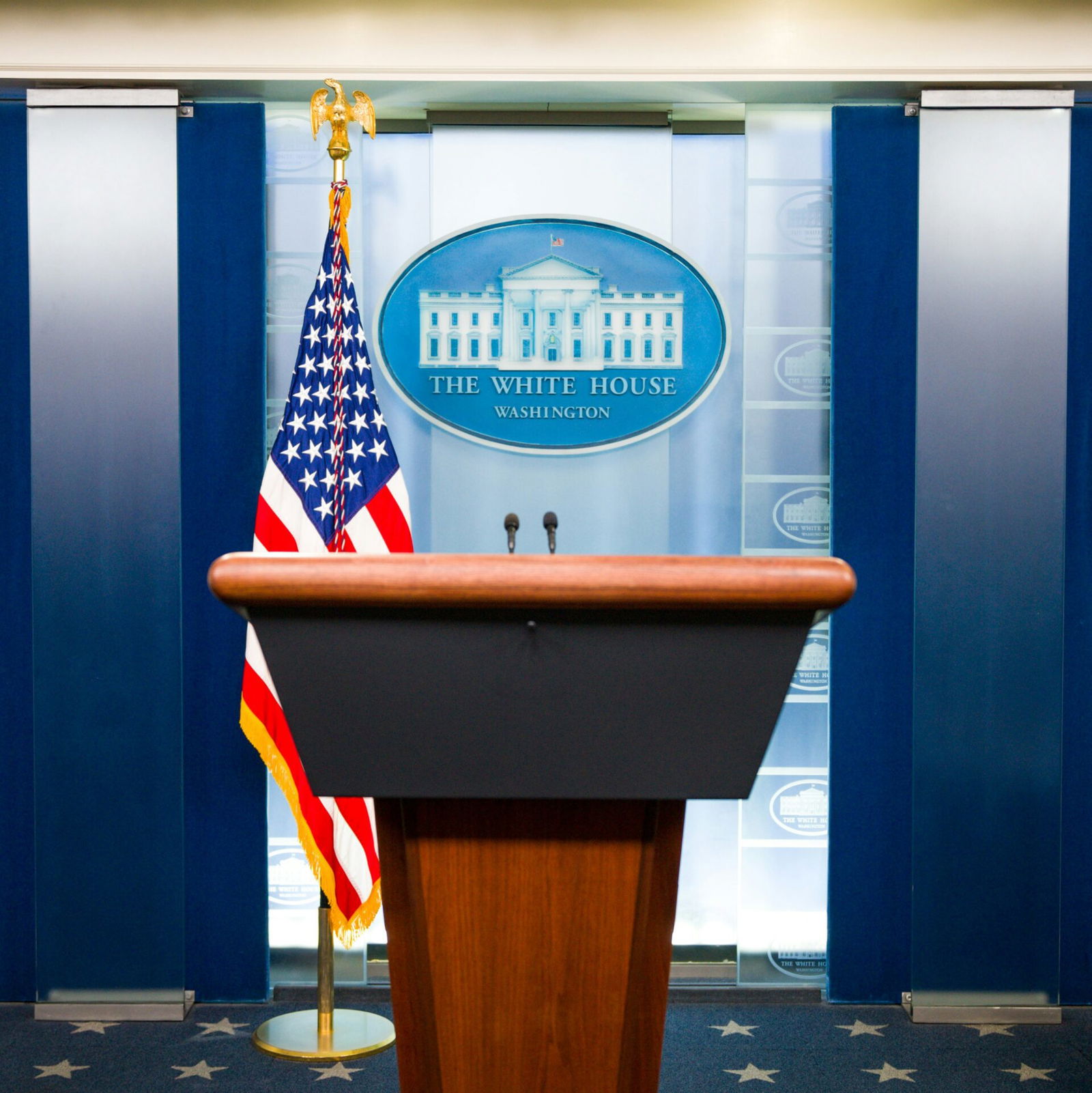
White House spokesperson John Kirby called for the rhetoric to cease at a press briefing on Sept. 10, saying it was dangerous and could get innocent people hurt.
“This kind of language, this kind of disinformation, is dangerous because there will be people that believe it, no matter how ludicrous and stupid it is, and they might act on that kind of information and act on it in a way where somebody could get hurt. So it needs to stop,” Kirby said.
Archaeologists Uncover Evidence Of Historic Black Community In Illinois
The archaeologists continue their mission to uncover the physical history of Brooklyn, Illinois, and the free people who built it.
Archaeologists continue to dig up new evidence of a historic Black community in Brooklyn, Illinois.
The Illinois State Archaeological Survey (SAS) has partnered with leaders of the “oldest known Black town” to uncover what remains of the settlement. According to First Alert 4, the village was founded in the first half of the 19th century. Now, the archaeologists work to locate old structures as part of an ongoing project in the storied area.
Using oral history and local knowledge, the scientists have searched for numerous structures and evidence of its founders. They hope to find more information to share with others on the history of this Black town.
According to SAS and the Brooklyn Historical Society, oral histories confirmed free Black people started the settlement in 1830. Led by Priscilla “Mother” Baltimore, 11 Black families, comprised of free people and runaway enslaved folk, established a community. However, the town continued to help others find freedom by participating in the Underground Railroad.
A historical marker already dictates the area’s history in the plight of Black Americans, deeming Brooklyn as “the only remaining early African-American settlement out of three established in Southern Illinois before the Civil War, it is the oldest black town in America, and the first incorporated black town in America.”
The archaeologists hope to find physical evidence to back the oral histories by searching the grounds. Their dig sites across the area require an intricate process of scraping away soil to locate these critical structures.
However, Brooklyn has yet to gain recognition in the National Register of Historic Places. Despite this, the project continues its mission to recover more of its history and the free people who built it. In the meantime, archaeologists also encourage visitors to see the fieldwork and learn more about their pivotal search.
(Photo: Stephen Lew/Icon Sportswire/Corbis/Icon Sportswire via Getty Images)
The NBA will have a two-day celebration honoring Wade on Sunday, Oct. 27 and Monday, Oct. 28
Former NBA player Dwyane Wade is legendary in Miami, having brought three championship titles to the city. In recognition of being termed the “greatest player in Miami Heat” history, the team has announced another accolade: Wade will be honored with a bronze statue that will be placed in front of the home where the Heat plays.
The Miami Heat will have a two-day celebration honoring the Naismith Memorial Basketball Hall of Famer on Oct. 27. The celebration will continue the next night when the team plays on the official “Dwyane Wade Statue Night” against the Detroit Pistons at 7:30 p.m.
Our franchise GOAT getting basketball’s ultimate honor. Be here when the @DwyaneWade statue is officially unveiled 🔥
The ceremony will be at the Kaseya Center West Plaza, home to the Heat. Luminaries from the executive level of the team will be on hand to present the statue. Managing General Partner Micky Arison, CEO Nick Arison, Team President Pat Riley, Head Coach Erik Spoelstra, and members of the current team will watch the unveiling along with Wade. Miami native Maybach Music Group’s “Bawse,” Rick Ross will perform along with Ross’s newest artist, Nino Breeze.
The Oct. 28 date coincides with Wade’s debut as a Miami Heat player. He started on that date in 2003.
Those who want to attend the unveiling of the bronze statue will have to register when tickets are available on Monday, Sept. 30, at 3:00 p.m. The ceremony will be in front of Kaseya Center (west end), and tickets will be free and open to the general public. Tickets to the unveiling will be limited, and additional details will be provided at a later date.
The statue was done by Rotblatt Amrany Studio sculptors Omri Amrany and Oscar León. The studio was also responsible for the “Michael Jordan Spirit” in Chicago, the Kobe Bryant “Black Mamba” statue, and the “Kobe and Gianna Bryant Memorial Statue” in Los Angeles.
Wade appeared in 1,054 regular season games, averaging 22.0 points, 5.4 assists, 4.7 rebounds, 1.54 steals, and 33.9 minutes. He is one of only three players in NBA history to score at least 20,000 points, dish out 5,000 assists, pull down 4,000 rebounds, have 1,500 steals, 800 blocks, and 500 three-point field goals made. The other two are LeBron James and Michael Jordan.
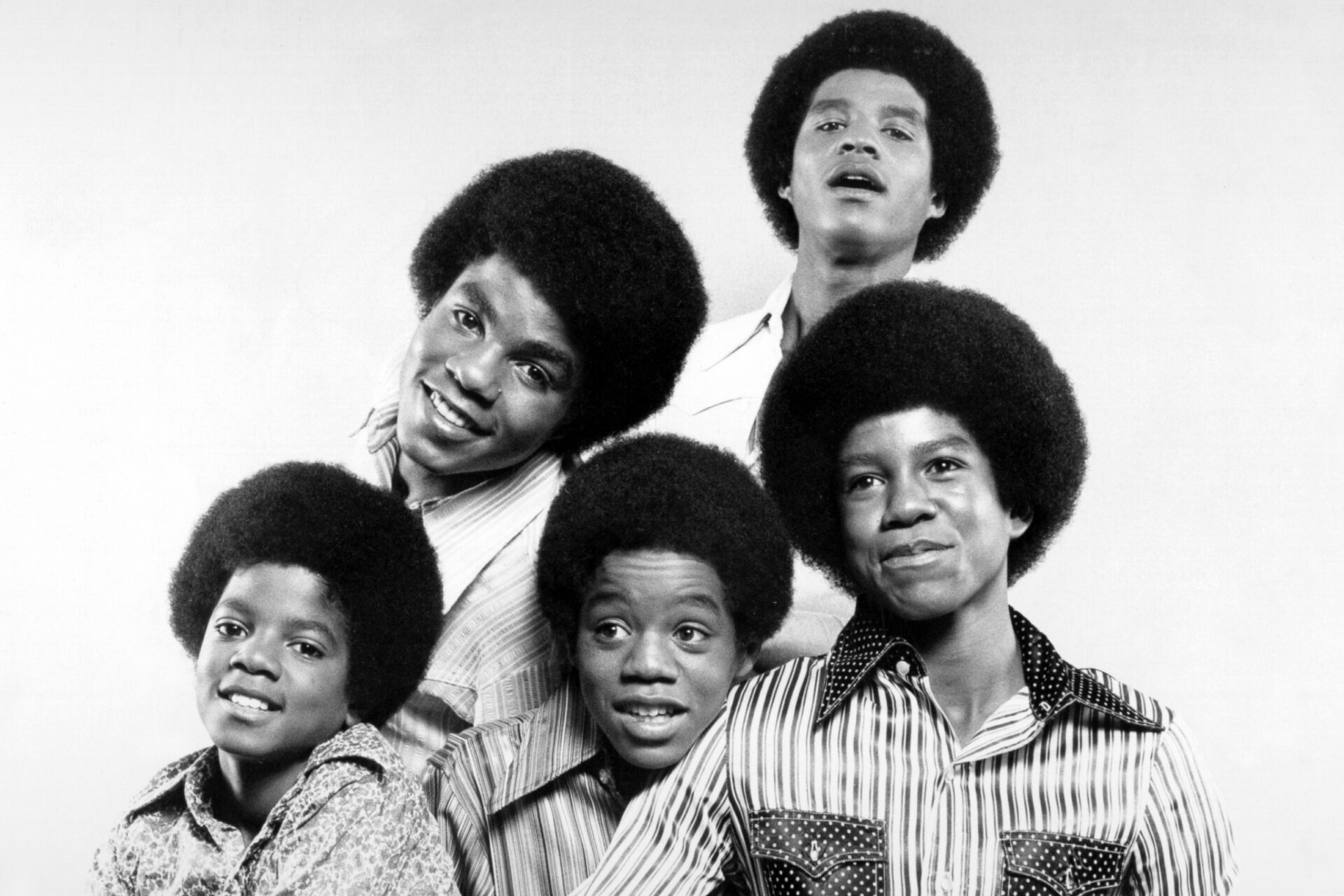
Tito Jackson, Singer And Guitarist Of The Jackson 5, Dies At 70
Tito Jackson of the Jackson 5 has passed away at the age of 70.
Tito Jackson of the Jackson 5 has passed away at the age of 70.
According to Steve Manning, a longtime Jackson family friend and former Jackson family manager, Tito suffered a heart attack on Sept. 15 while driving from New Mexico to Oklahoma, Entertainment Tonight reports. However, an official cause of death has yet to be revealed.
Tito’s sons TJ, Taj, and Taryll took to Instagram on Sunday with a heartfelt post announcing their father’s death and honoring his memory with a series of photos.
“It’s with heavy hearts that we announce that our beloved father, Rock & Roll Hall of Famer Tito Jackson, is no longer with us,” they wrote.
The post continued: “We are shocked, saddened and heartbroken. Our father was an incredible man who cared about everyone and their well-being. Some of you may know him as Tito Jackson from the legendary Jackson 5, some may know him as ‘Coach Tito,’ or some know him as ‘Poppa T.’ Nevertheless, he will be missed tremendously. It will forever be ‘Tito Time’ for us.”
“Please remember to do what our father always preached, and that is ‘Love One Another.’ We love you, Pops,” the statement concluded.
Born Toriano Adaryll Jackson on Oct. 15, 1953, in Gary, Indiana, Tito was the third of Joe and Katherine Jackson’s nine children, including superstars Michael and Janet, brothers Jackie, Jermaine, Marlon, and Randy, and sisters Rebbie and LaToya. He was inducted into The Rock & Roll Hall of Fame in 1997 as a member of the legendary Jackson 5 with his brothers. The family singing group achieved multiple No. 1 hits in the 1970s, including ‘ABC,’ ‘I Want You Back,’ and ‘I’ll Be There.'”
Tito is credited with being the driving force behind the creation of The Jackson 5. After Joe Jackson recognized his son Tito’s promising talent as a singer and guitarist at a young age, he formed the Jackson Brothers group in 1964, featuring Tito, Jermaine, and Jackie.
The family relocated to California as their careers skyrocketed. Soon, Michael and Marlon were added to the group, and Tito became a background vocalist and guitarist of what would be known as The Jackson 5. The group rose in fame and signed a seven-year deal with Motown Records as the label’s top act. When the group left Motown in 1975, they were forced to change their name to The Jacksons.
By 1984, Michael left the band and went solo after his classic album “Thriller” won him eight Grammy awards. The Jacksons never disbanded, but Tito did record two solo albums, “Tito Time” in 2016 and “Under Your Spell” in 2021.
Tito, Jackie, and Marlon have kept the group going, performing as The Jacksons, with upcoming concerts scheduled for Oct. 25 in Atlantic City, New Jersey, and Nov. 1 in Cincinnati. Tito’s last post was on Facebook, showing him, Jackie, and Marlon visiting a Michael Jackson memorial in Munich, Germany.
“Before our show in Munich, my brothers Jackie, Marlon, and I visited the beautiful memorial dedicated to our beloved brother, Michael Jackson,” he wrote. “We’re deeply grateful for this special place that honors not only his memory but also our shared legacy. Thank you for keeping his spirit alive.”
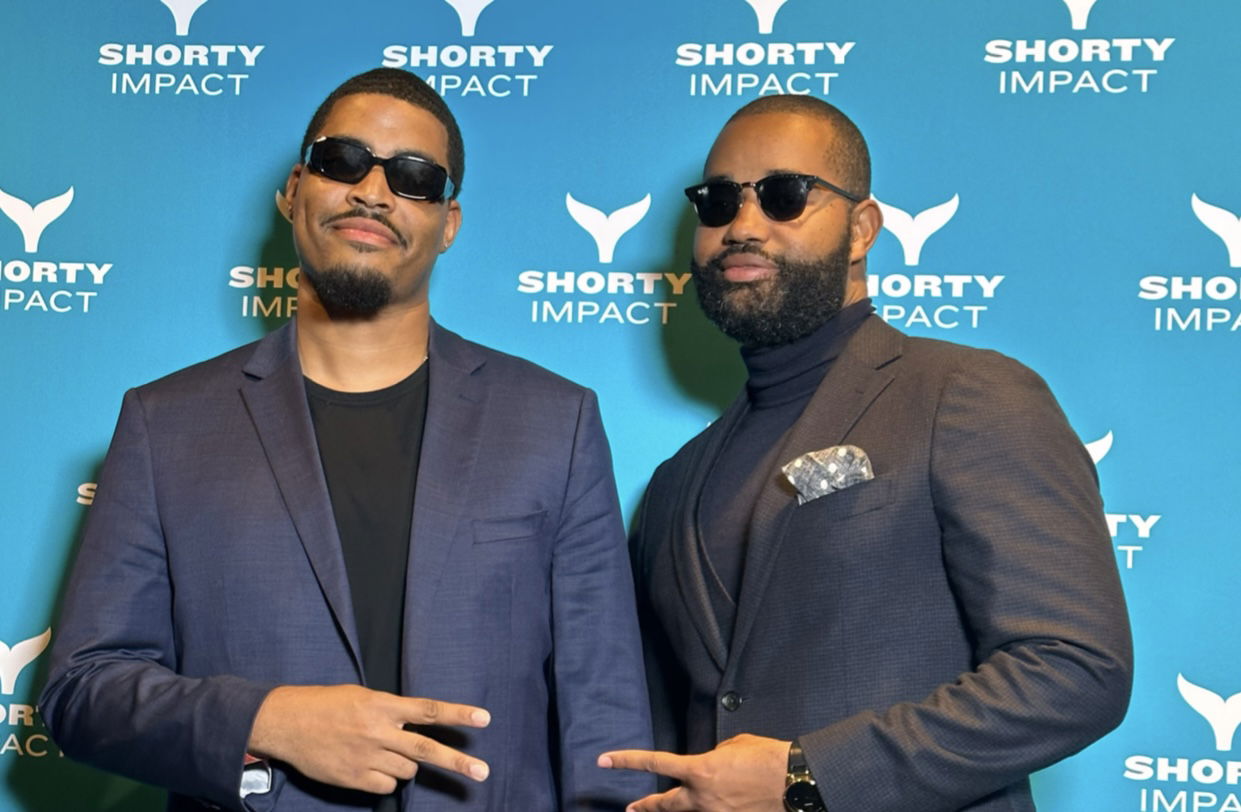
Breakr’s Founders Anthony And Ameer Brown Discuss Innovation And Their Full-Circle Moment With Nas
As a tech company, Breakr has quickly become a powerhouse within the industry, shifting the ways in which music, talent, brands, and influencers are discovered and shared.
The relationship between Breakr’s founders, Anthony and Ameer Brown, is what happens when one merges innovation, entrepreneurship, and resilience. As siblings, their love for one another runs deep, and they bring that same admiration into their work as the co-founders of the dynamic platform connecting artists, brands, and creators as they work to reshape the landscape of the music industry.
As a tech company, Breakr has quickly become a powerhouse within the industry, shifting how music, talent, brands, and influencers are discovered and shared. Since its inception in 2020, Breakr has been connecting artists with labels and brands looking to take advantage of the creator economy. Beyond that, Anthony says ensuring that creatives are paid their value keeps him up at night (in the best way) when it comes to the business.
“We’ve been doing this for like three and a half years now, and you can get fatigued if you don’t have a why,” Anthony told BLACK ENTERPRISE. “I think our why has been so crystalized in the last few weeks, which is really more like months. It’s like, Hey, we want to be able to make it easier for brands and labels to be able to find creators, but we also want to make it easier for labels and brands to be able to interact and provide value to creators.”
“The big thing there is streamlining these payments. Payments have been a very important innovation we’ve pushed through Breakr,” he continued. “We have made it our interest, and like, modus operand, to pay these kids in real-time. To us, that stops evictions. That stops people from having to have a job and be a creator on the side. It allows people to go out there and price themselves appropriately because they know they’re going to get their money instantly.”
A double entendre on the front end, with the company’s name stemming from the beat breaker work of a DJ, and the other half of the company’s name comes from the idea that they want to operate like a switchboard or circuit breaker for the entities that use their platform, whether it’s from the lens of a creator or a brand or music label.
“We want to be central infrastructure,” Ameer explained. “Think about a house. All the different appliances in your house are powered by electricity, but they have to be told where to go, how much voltage needs to go, all the information that needs to get there is sent through the electrical current that gets to that appliance so we think about Breakr in that way for the creator economy, we want all the different inputs and all the different appliances to get the right information. They need the right payment. They need the right resources. They need the right efficiency. They need the right data that they need at the right times, and that’s essentially why we’re called Breakr. We’re just a routing mechanism connecting people and solving problems at an efficient scale.”
As Breakr’s founders and graduates of the esteemed HBCU, Florida A&M University (FAMU), the Brown brothers’ vision for the business came as an aha moment at the same time that the world was shut down due to the COVID-19 pandemic. The Brown brothers were able to bring their friends along with them for the journey. For Anthony, working alongside his sibling has been “the greatest, most stressful, amazing experience” in his life.
“We started Breakr with two other co-founders that are friends of Ameer,” he recalled. “They threw a bunch of parties together in college. They went to FAMU, Daniel Ware and Rotimi Omosheyin, and that was the initial thing. There was a whole culture that they had established from the beginning in terms of how they operated together, and I think that Breakr works because, from my perspective, as technically the outsider of how they operate together, I had to kind of learn them and what they’ve mastered collectively is culture. This deep appreciation of culture. My background was more like finance, Wall Street, Goldman Sachs, JP Morgan, but they spent so much time in culture and curating culture and creating culture that what happened is that it ultimately became a part of our DNA as the business. We really do stand on the shoulders of that culture.”
The very culture of Breakr attracted early investors like rapper-turned-entrepreneur and cultural connoisseur Nasir “Nas” Jones. Thanks to a program called General Assembly that both Ameer, through his PR and communications background, and Anthony, thanks to his work in the tech space, were able to benefit from earlier in their respective careers, they were not only able to dive deeper into the world of digital marketing and coding, but it also brought them to the attention of Nas and Queensbridge Venture Partners, the first funders of the program.
The pair had no idea that not only would they get to meet Nas during a Hip Hop 50th Anniversary event several years later, but it would also be when they were fully immersed in their work as entrepreneurs, building the Breakr company from the ground up.
“The story is full circle for Tony, me, and in general,” said Ameer. “We’re both from Queens. Our family’s from Southside Jamaica Queens. Our whole history is from Queens, and Nas is essentially a Queen’s kid, you know what I mean. So the fact that he is who he is, and we even know him, is the coolest thing ever.”
Anthony added, “We got to meet him in person, tell him the whole story, take pics, etcetera. It was just a dope, full-circle moment to actually meet him as entrepreneurs, who literally learned technology and how to code through an investment that he made years ago. Then also to have him reinvest in our company, which was significant for us in those early days, in terms of just giving us the battery in our back to keep going.”
“The ability to actually fund our business is just crazy. It’s a story that nobody would believe unless it was true,” Ameer continued. “I actually wrote it. My essay to get into the General Assembly was called Silicon State of Mind: Techmatic and they were like, ‘Why did you name your essay this?’ I was like Nas said in 2009: Illmatic meant ‘the illest of ill, the dopest stuff of all time.’ And I was like; I want to be the techests of tech. I want to be able to make tech with the best of them, right? That’s why I named the article Techmatic. And that was the thing that the person at the General Assembly reading the essay said got me in. She was like, ‘This is a unique take, and I think that this is a dope story, and I want to accept you into the program.’ So it’s a wild story.”
In addition to being an investor, Nas is included in Breakr’s ever-evolving roster of artists benefiting from the platform. Other notable acts include Megan Thee Stallion, Gunna, Rick Ross, Future, and many others. Alongside the musicians, companies like Meta, Live Nation, and P&G are among the brands currently utilizing the startup for various campaigns with the aforementioned performers.
With exponential growth in a short period of time, Breakr has built a global database of 55 million creators, and the company is growing by the minute having onboarded more than 70,000 creators. As they look ahead to the future, the Brown brothers are hoping to reach north of $25 million in transaction volume by the end of next year.
“I think by 2026, it’s not unrealistic to see a world where we’re doing north of $160 million in transactions,” said Anthony. “Then basically by 2027, we think we’ll be doing anywhere around like $330 to $350 million in transactions. For me, the North Star is like, what does it take? How long does it take for us to get to a billion dollars in processed payments annually? So every strategy, and everything that we do is tied towards hitting that within the next five years.
Click here to learn more about how to join the Breakr community.
‘Timing Is Everything’: Clipse Reunites, Reviving Their Gritty Lyricism With New Album
Brothers Pusha T and No Malice are back as Clipse after a 15-year break.
Clipse is back like they never left and have a new album they believe is coming right on time.
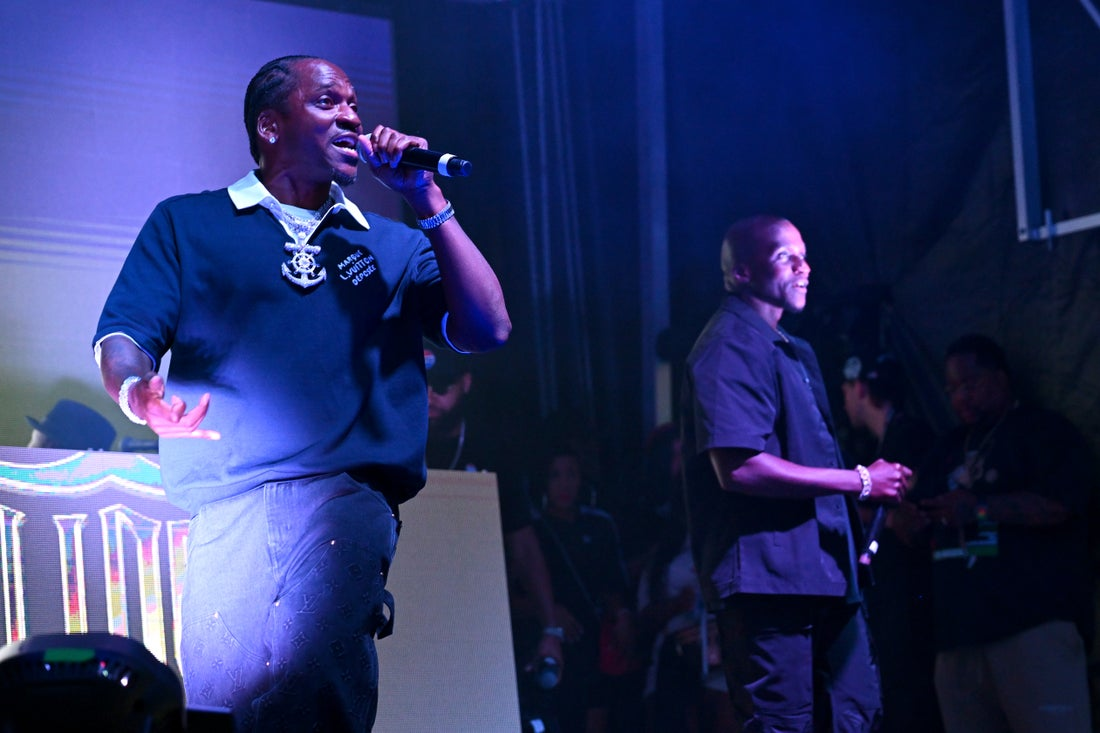
The respected rap duo and real-life brothers Clipse (Pusha T and No Malice) are reunited and preparing to release their first album in 15 years. Pusha T announced the album title, Let God Sort Em Out, just ahead of member No Malice teasing what fans can expect from their highly anticipated new music and recent involvement in the fourth annual Pepsi Dig In Day.
“It’s proven itself to be true that timing is everything,” No Malice tells BLACK ENTERPRISE of the Clipse reunion. “I personally feel like we couldn’t have set this up any better.”
Clipse performed recently for fans at the free Pepsi Dig In Day Block Party held at the DuSable Black History Museum in Chicago. The event, aimed at amplifying Black-owned restaurants nationwide, hosted a block party last month that brought locals together to celebrate community and culture in a city where Black Excellence thrives.
It was right on brand for Clipse as they re-enter the spotlight ahead of releasing their Pharrell Williams-produced hip-hop album Let God Sort Em Out. Since their 2002 album debut, Lord Willin,’ which produced classic hits like “Grindin'” and “When The Last Time,” Clipse have risen up the ranks as renowned lyricists with classic records.
No Malice (Gene Thornton Jr.) announced his departure from Clipse in 2010 after an incident on a flight involving his brother, Terrence “Pusha T” Thornton. However, in June 2024, the rap duo thrilled fans with the unexpected news of their reunion for a new Clipse album, followed by a tour and upcoming appearances.
Their headlining performance at Pepsi Dig In Day showcased the brothers’ seamless return to the music industry and live stage sets. No Malice applauds his brother for helping to keep the group’s name relevant in the constantly evolving hip-hop game.
“My brother has been doing what he does in his thing, the way that he does it, and it’s been great and it’s been awesome to watch,” No Malice said.
“And even for me, just being on my path, and just dealing with my convictions,” he says of his past decision to quit music and devote himself fully to his Christian faith. But now after 15 years apart, the brothers believe it’s the perfect time to reunite and give hip-hop fans a little of what the game’s been missing.
“Just the timing when we came back together, it couldn’t have been orchestrated any better,” Malice notes. “I really feel like it’s meant to be.”
Pusha T’s scathing Drake diss “The Story of Adidon” released in 2018, six years before the Toronto rapper would become embattled in another high-profile rap beef with Kendrick Lamar, has the Clipse rapper’s name being referenced in Drake’s current feud.
Kendrick even referenced Drake’s past beef with Pharrell and Pusha T on his Drake-aimed diss track “Euphoria” when he rapped:
I don’t like you poppin’ sh*t at Pharrell, for him, I inherit the beef Yeah, fu*k all that pushin’ P, let me see you push a T You better off spinnin’ again on him, you think about pushin’ me He’s Terrence Thornton, I’m Terence Crawford, yeah, I’m whoopin’ feet
Considering Pusha T’s subtle involvement in the ongoing rap beef between Kendrick and Drake, the “Mercy” rapper notes how much hip-hop fans are loving the return to “lyric-driven” rap music.
“I think the current climate of hip-hop is really speaking to a lyric-driven high-level rap competitive audience,” Pusha T says of today’s climate in hip-hop.
“You know, it’s competitive in nature and I think the audience is eating it up. I feel like you’ve watched the competition shut down everything else that was going on, honestly.”
Pusha continued, “I mean, you have novelty songs here and there, but at the end of the day, like the energy is around the art. It’s around art and it’s around lyricism. And I think that’s showing people that the fundamentals of hip-hop never die.”
As for when fans can expect Clipse to release their highly-anticipated third studio album, Pusha T teases “very soon.” In the meantime, fans can listen to their new single “Birds Don’t Sing” featuring John Legend, which Pharrell teased at the Louis Vuitton Spring/Summer 2025 show in Paris in June.
Mississippi College Students Named HBCU White House Scholars
The 2024 cohort boasts 77 students from historically Black colleges and universities.
Three students from Mississippi colleges have been selected as esteemed HBCU White House Scholars.
Two of the scholars, Almia Valentine and Aeries Hoskins, hail from Tougaloo College in Jackson, and the state’s third honoree, Sa’kinah Williams, attends Rust College in Holly Springs. According to the Mississippi Free Press, they are all part of the federal program, whose 2024 cohort boasts 77 students from historically Black colleges and universities.
The Historically Black Colleges and Universities White House Scholar Initiative recognizes HBCU students across the United States for their academics, leadership, and communal upliftment. The program also highlights students pursuing their degrees across many disciplines, further showcasing the diversity of an HBCU education.
The program, part of the White House Initiative on Advancing Educational Equity, Excellence, and Economic Opportunity through Historically Black Colleges and Universities, now celebrates its 10th anniversary. In a press release, the U.S. Secretary of Education, Miguel Cardona, explained how this ongoing venture champions HBCUs.
“For ten years, the HBCU Scholars program has celebrated the exceptional academic talent and achievements of students at our Historically Black Colleges and Universities—a recognition that reflects the Biden-Harris Administration’s determination to fight for our nation’s HBCUs and their immense contributions to excellence and diversity in higher education,” shared Cardona. “This year’s 110 outstanding students exemplify Black excellence—and fill us with hope for the promise of tomorrow. We couldn’t be prouder to support them on their journey.”
Through this honor, members attend monthly classes with diverse professionals, regional events, and virtual sessions. Moreover, they participate in leadership development opportunities while also meeting with White House officials to discuss solutions to better support HBCUs.
Scholars are also encouraged to share this knowledge and resources when returning to campus. For these students at the Mississippi schools, it is an honor to represent their historic HBCUs on a national scale.
“I believe that having Tougaloo students involved in this program is reinvigorating the flame that Tougaloo already had, but I feel like has been forgotten about,” Hoskins said to the news outlet. “Tougaloo has always produced amazing scholars. It’s one of the top HBCUs in the country.”
The computer science major added, “It’s very exciting to be a part of this cohort… (and) being able to be placed with like-minded students that have worked just as hard as you. You know, when you’re around excellence, you’re going to produce excellent work. So I want to work hard or keep working hard because I’m part of this. I’m now an HBCU White House Scholar.”
Moreover, the latest cohort of HBCU scholars will “link up” in Philadelphia starting Sept. 15 for the 2024 HBCU Week National Annual Conference. Students will engage with one another at the four-day event as they begin their development programming.
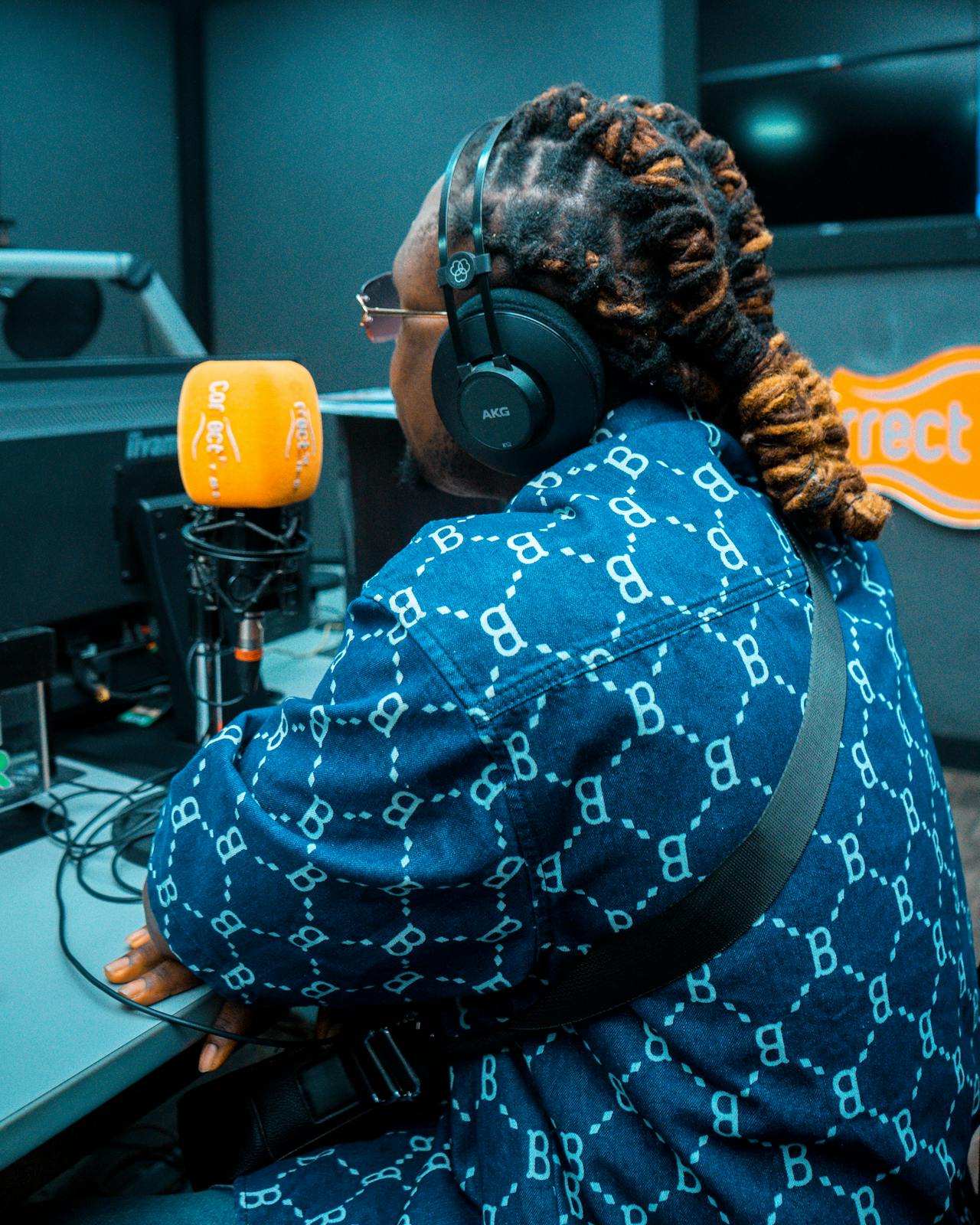
Black Radio Stations In Atlanta Unite For The Upcoming Election
Ten radio stations band together to inform Atlanta residents about information regarding the upcoming election.
Black radio stations in Atlanta have united to ensure people know about their voting rights and whatever else is needed to understand the intricacies of this year’s upcoming elections, such as where, how, and when.
Ten radio stations, Majic 107.5/97.5 (WAMJ/WUMJ/Radio One); Hot 107.9 (WHTA/Radio One); Praise 102.5 (WPZE/Radio One); Classix 102.9 (WAMJ-HD2/Radio One); Jazz 91.9 (WCLK/Clark Atlanta University); KISS 104.1 (WALR/Cox Media Group); V103 (WVEE/Audacy); News-Talk1380 WAOK (WAOK-AM/Audacy); Smooth Jazz 101.1/100.1 (WJZA/Davis Broadcasting); and Streetz 94.5(WWSZ/Core Radio Group) have collaborated for “Black Radio United For The Vote.”
The website informs voters/potential voters about critical dates, including the earliest date people can apply for absentee ballots, the last day people can register to vote for the general election, and other key dates to keep the voters knowledgeable. Atlanta residents can check their voting status and find the sites with early voting and when they will be open to accepting early voting ballots.
Inside Radio reported that Sept. 17 is “National Voter Registration Day,” the stations plan to offer a full day of programming to educate, inform, and inspire the community to register for the upcoming general election.
“I’m so grateful that former KISS programmer Terri Avery had the vision to bring the leaders of urban radio in Atlanta together to educate and inspire the community. Black Radio United for the Vote will continue to impact our future through this vetting and voting initiative. It’s a great day to be a broadcaster in Georgia,” Dyron Ducati, programming lead, KISS 104.1, CMG Atlanta, said in a written statement.
Black Radio United For the Vote partnered with the Urban League of Greater Atlanta and its affiliates.
Reggie Rouse, VP of Programming and Brand Manager at Audacy’s V-103, said, “Audacy is committed to serving the community and educating our audience on the importance of voting. V-103 and News-Talk 1380 WAOK are proud to be part of Black Radio United For The Vote and encourage all our listeners to register and participate in this election.”
As a general reminder, the election will occur on Nov. 5, Election Day.