Diddy Arrested In New York City Following Grand Jury Indictment
Diddy's attorney, Marc Agnifilo says, 'Please reserve your judgment until you have all the facts. These are the acts of an innocent man with nothing to hide, and he looks forward to clearing his name in court.'
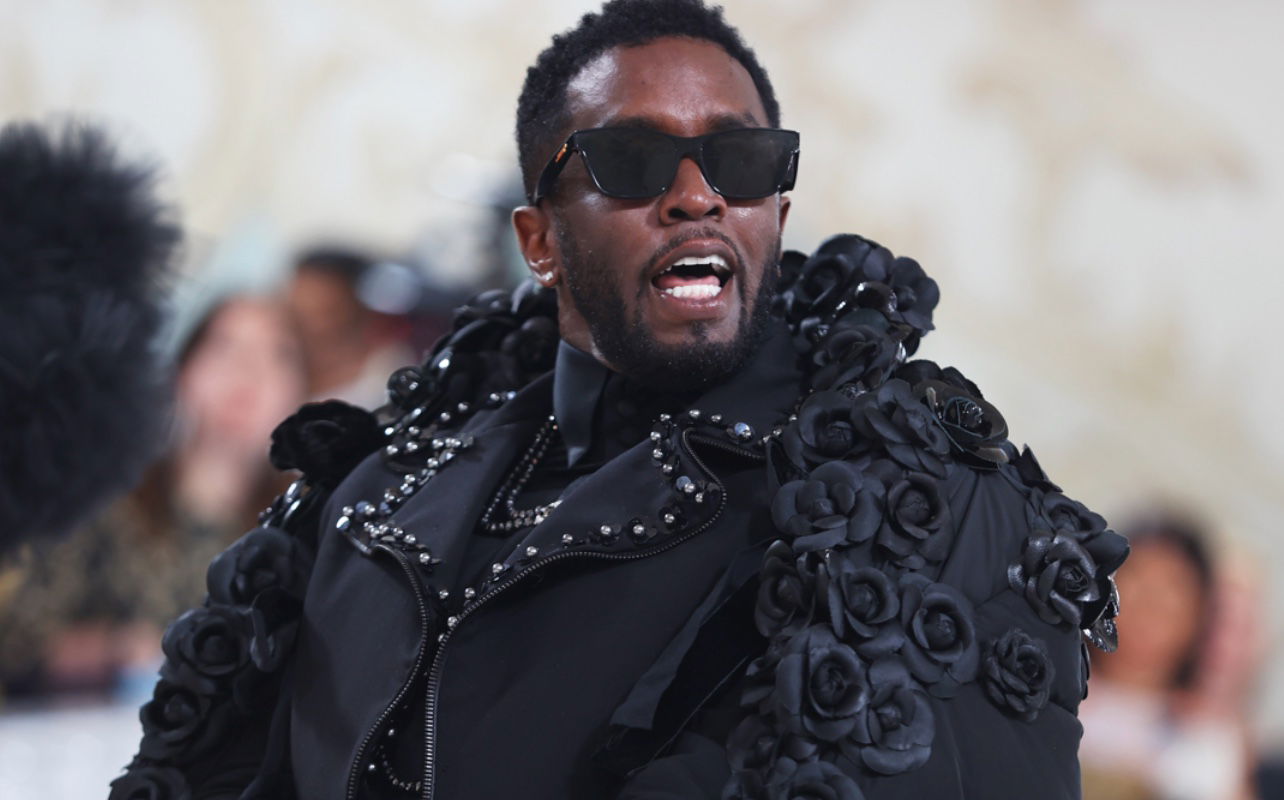
Entertainment mogul, Sean “Diddy” Combs was arrested in Manhattan on Sept. 16 after months of speculation after several people filed lawsuits against him in the last year.
According to The Associated Press, the “No Way Out” music producer was apprehended by federal agents after he was indicted by a federal grand jury and placed in custody. The charges Diddy is facing have not been revealed but Damian Williams, the U.S. attorney for the Southern District of New York in Manhattan did state the indictment will be unsealed on Sept. 17.
“We expect to move to unseal the indictment in the morning and will have more to say at that time,” Williams said in a written statement.
USA Damian Williams: Earlier this evening, federal agents arrested Sean Combs, based on a sealed indictment filed by the SDNY. We expect to move to unseal the indictment in the morning and will have more to say at that time.
Diddy’s attorney, Marc Agnifilo did confirm that his client had been cooperating with the federal investigation but expressed disappointment with Monday’s actions. The charges were expected as the mogul moved back to New York last week.
“We are disappointed with the decision to pursue what we believe is an unjust prosecution of Mr. Combs by the U.S. Attorney’s Office,” Agnifilo said.
“He is an imperfect person, but he is not a criminal.”
“Please reserve your judgment until you have all the facts. These are the acts of an innocent man with nothing to hide, and he looks forward to clearing his name in court.”
Diddy’s recent legal troubles started in November 2023 after his former girlfriend and artist, Cassandra “Cassie” Ventura filed an explosive lawsuit accusing him of troublesome activities including sexual abuse, physical beatings, and sex trafficking. Less than 24 hours after she filed papers, the lawsuit was settled.
Several lawsuits were filed against Diddy, the most recent one was announced by former Danity Kane member Dawn Richard on Sept. 10. In her suit, she explicitly alleges she saw him being violent toward former girlfriends, Cassie and Kim Porter.
(Photo: Steve Jurvetson, CC BY 2.0 via Wikimedia Commons)
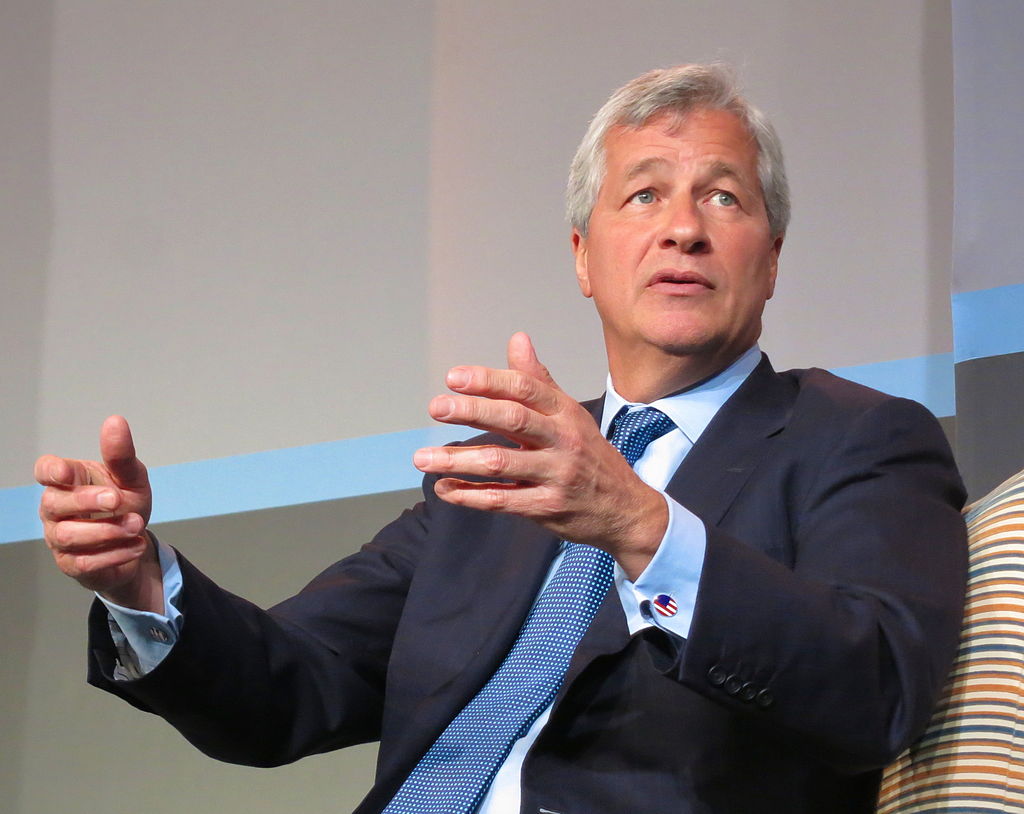
“It’s good for business; it’s morally right; we’re quite good at it; we’re successful,” Dimon said, according to Fortune.
He added that a “red-blooded, full-throated American” shouldn’t get in the way of intelligent business. “I’m not interested in other people pointing fingers. I’m not ‘woke’ at all.”
In addition to Dimon, Mastercard Inc. Chief Administrative Officer Tim Murphy said that his company, which operates in the payment services sector, is “committed to creating a global corporate environment where all people are treated equally and fairly and have equal access to opportunities and advancement.”
Murphy said “that helps bring great talent in and retain it here.” He added that it is important to cultivate “different perspectives that inform the ideas we bring to life.”
Although diversity, equity, and inclusion initiatives may not be in danger from the perspective of creating good business, they are currently rebranding in corporate America. Although companies are not backing away from making sure they have a workforce that is at least representative of the “melting pot” that is America, they are being much less upfront about it, in contrast to the post-George Floyd announcements of 2020.
“There are companies that are committed to this body of work, and you might not be hearing about it on a flashy webpage,” said Joanna Colosimo, vice president of workforce equity and compliance strategy at DCI Consulting.
However, according to Portia Allen-Kyle, chief advisor at Color of Change and a former senior advisor for equity, policy and stakeholder engagement at the US Department of Transportation’s Office of Civil Rights, companies who treat their commitments to diversity like a water faucet are problematic.
“(Companies) turning on and off their commitments so quickly makes plain that that commitment wasn’t really there in the first place.” Allen-Kyle said. “The worst thing that can happen is for folks to be silent and to give the impression that initiatives such as these are not worthwhile.”
Maryland Governor Says Black Voters Are Not ‘Monolithic,’ Urges Democrats To Earn Support
Moore made clear that Black voters are not "monolithic" and their support must be earned by politicians.
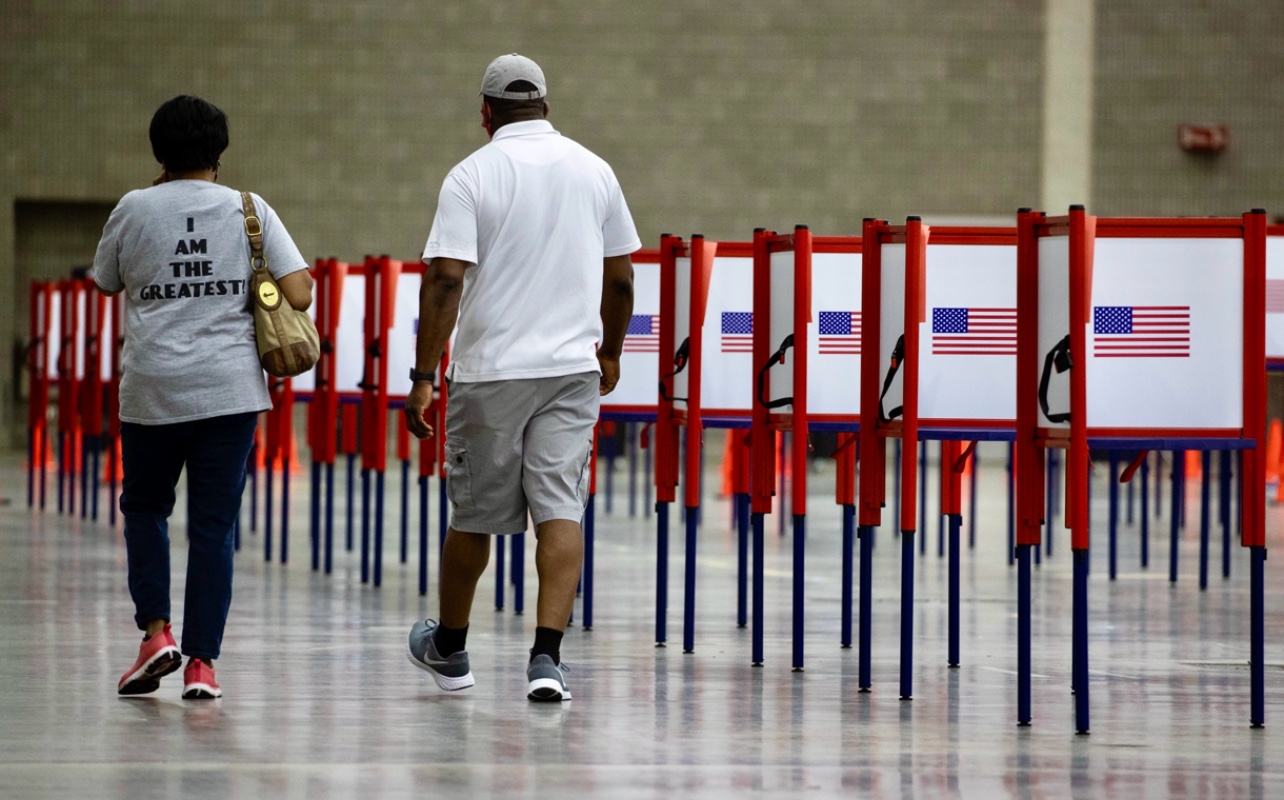
Maryland Gov. Wes Moore thinks Democrats should do more to earn the vote of diverse Americans. In comments on Sept. 6, he emphasized that Black voters are not “monolithic.”
Moore shared his thoughts with Fox News Digital at the 2024 Texas Tribune Festival, stating that Black voters are not a guarantee for Democrats. This concern stemmed from a new New York Times/Siena poll. It detailed that Trump had a 10-point increase in Black voter support since September 2020.
“I think you got to go earn support from every voter. And I think that is especially true amongst Black voters,” Moore told the news outlet. “Black voters and in our groups are not monolithic. They’re not going to go with a person because of their political affiliation. They’re not gonna go with somebody because of what they look like. You got to go earn their support.”
Moore continued, noting that Democrats should address concerns of hot-button issues that are especially relevant to Black voters.
“And I think it becomes really important that we stress on issues of importance to members of the Black community when you’re talking about things like access to work and wages and wealth,” the governor added.
In the discussion, Moore also noted that Black and other voters of color have to be inspired to vote. Building that enthusiasm could sway the election.
“I do think it’s really important that the way we’re engaging voters is not taking voters for granted,” he stated. “I think you have a lot of voters who right now are up for grabs…This election will be determined by not necessarily where people go when it comes to Democrat to Republican or Republican to Democrat. This election will be determined by those who choose to vote and those who choose not to. And that’s why I think there’s a lot of work to be done.”
On the other hand, an NAACP poll also surveyed Black voters across 12 priority states. Newsweekfound that 78% of respondents felt the “same or more excitement” about voting than during Barack Obama’s first presidential run in 2008.
However, gender gaps in Harris’s support persist. Of the respondents, 79% of Black women over 50 stated their support for the Democratic nominee, as opposed to 66% of Black men in the same age group.
Moore also discussed the issue of supporting women in leadership, stating he “deeply” advocates for more female elected officials. He further detailed that uplifting women in these roles should not equate to emasculating men.
“I am a person who is also deeply supportive of supporting growth of women in elected leadership. I don’t think that we put ourselves in boxes in these things,” he added. “As we are thinking about ways to support our young boys, as they’re growing into men, I think it’s important that we do not dehumanize their growth or emasculate their growth. Being able to say, ‘We support women in leadership roles,’ does not make us any less manly. Women saying, ‘We support men in roles,’ does not make them any less womanly.”
As the election nears, eyes are geared toward Black voters as both candidates seek to secure the voting bloc.
McDonald’s Focuses On Family Budget-Friendly Meal In These Trying Economic Times
This summer was all about stretching your dollar further.
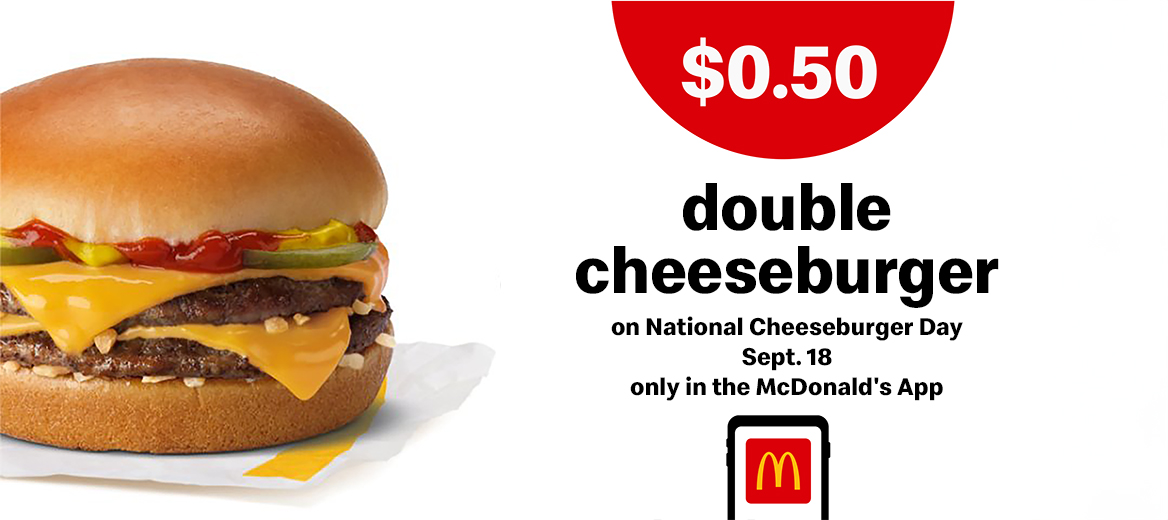
McDonald’s will offer 50-cent double cheeseburgers and continue its summertime $5 Meal Deal through December.
The cheeseburger promotion, which runs Sept. 18 on National Cheeseburger Day, is available exclusively through the McDonald’s app.
This is in addition to the eatery’s $5 Meal Deal that includes select items such as a burger, fries, and a drink. This new meal option allows budget-conscious customers to enjoy a full meal without breaking the bank.
“This summer, tens of millions of fans went to their local McDonald’s to enjoy our $5 Meal Deal, and it was so great to welcome them,” said Joe Erlinger, president of McDonald’s USA. “Together with our franchisees, we’re committed to keeping our prices as affordable as possible, which is why we’re doubling down with even more ways to save. Whether you’re stopping by for breakfast, lunch, dinner or a late-night snack, we want everyone to find the food they love at a price that hits the spot. The extension of the $5 Meal Deal and the other offerings we’re announcing for our fall lineup are just a few of the ways we’re working hard to offer great meals at a fair price.”
How to Get the Deals:
Download the McDonald’s app and create an account if you haven’t already done so.
Access the app’s “Deals” section on the designated promotion days to redeem the 50-cent cheeseburger offer.
The $5 Meal Deal is available in-store and through the app for a limited time.
The promotions come as inflation continues to impact food prices, and McDonald’s is looking to attract customers seeking more affordable dining options. It’s not the only restaurant chain doing this. Burger King, Wendy’s, and The Olive Garden have all introduced budget-friendly deals in recent months.
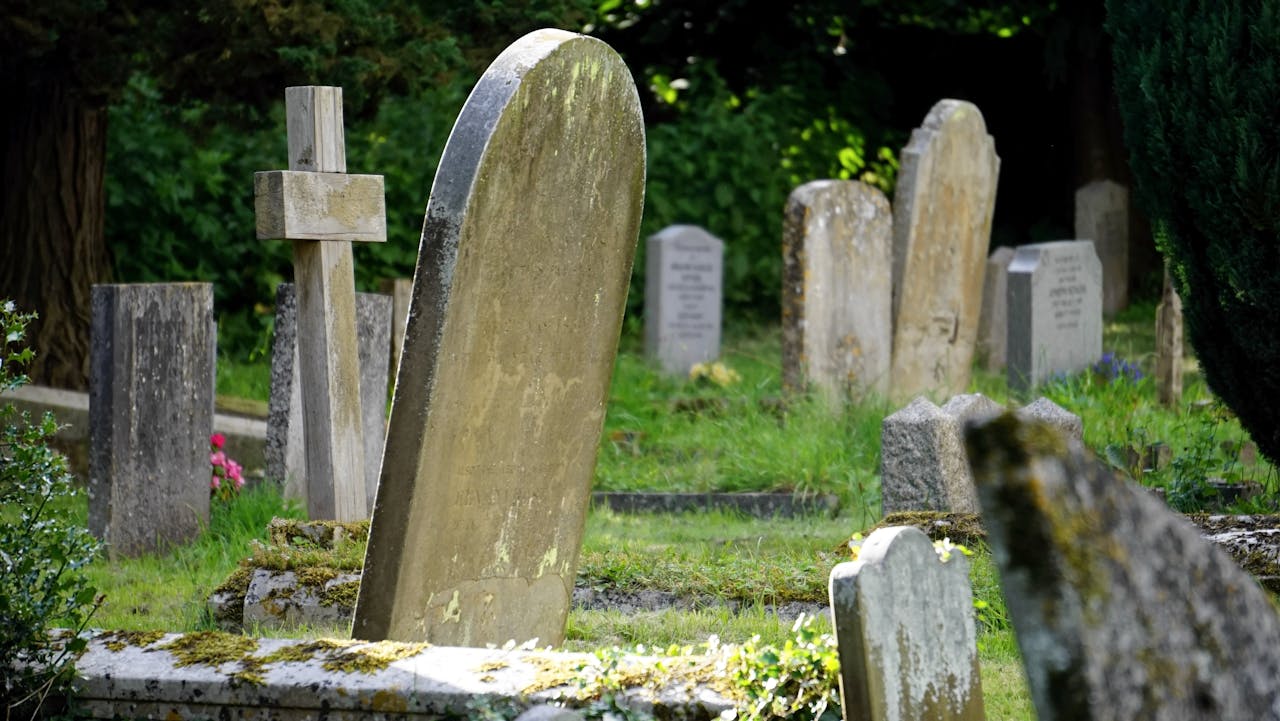
Names Of 1,630 Free And Enslaved Black People Honored At Louisville Cemetery
Thousands of free and enslaved Black individuals buried in unmarked graves at a Louisville cemetery were honored this weekend.
Thousands of free and enslaved Black individuals buried in unmarked graves at a Louisville cemetery have been honored.
WLKY reports that the ceremony took place during Black History Month at Saint Louis Cemetery in Tyler Park, four years after the unmarked graves were discovered during research conducted by a local deacon. It is part of the ‘Saint Louis Cemetery East Slope Project,’ which seeks to identify and mark the unmarked graves.
The deacon uncovered an undeveloped field, which turned out to be a segregated section of land known as ‘East Slope,’ the Black section of a segregated cemetery. The unmarked graves discovered include those of several U.S. troops, Louis Hunter and Thomas Nichols, soldiers in the 107th United States Colored Infantry during the Civil War, one of Louisville’s first Black doctors, and Catharine and James Madison Smith, two agents of the Underground Railroad.
“They don’t have markers to show that they were here, that they lived and that they mattered, and so this event is a way of correcting that and giving voice to those identities by saying their names,” said Ned Berghausen, a deacon at St. Agnes Catholic Church.
According to the project website, East Slope contains the unmarked graves of 719 enslaved people, 690 of them identified as Catholic. They were buried between 1869 and 1923, with the majority of burials occurring in the 1880s and 1890s.
Although most Catholics were relocated from Western Cemetery by the 1880s, it remains unclear if Black Catholics were also moved. Many, if not most of those buried at East Slope were formerly enslaved or the children of enslaved individuals.
It took decades for some families to afford permanent markers. The only record of those buried was kept in a burial book at the cemetery office. Now, the names have been transferred to a digital database to ensure they are not forgotten.
“Immediately after emancipation, most of the first generation did not have much wealth accumulated,” explained Berghausen, who organized the Saint Louis Cemetery Project. “As enslaved people, their labor had been taken from them without compensation, and so they did not have money for markers.”
Harris-Trump Debate Attracted Over 67 Million Viewers
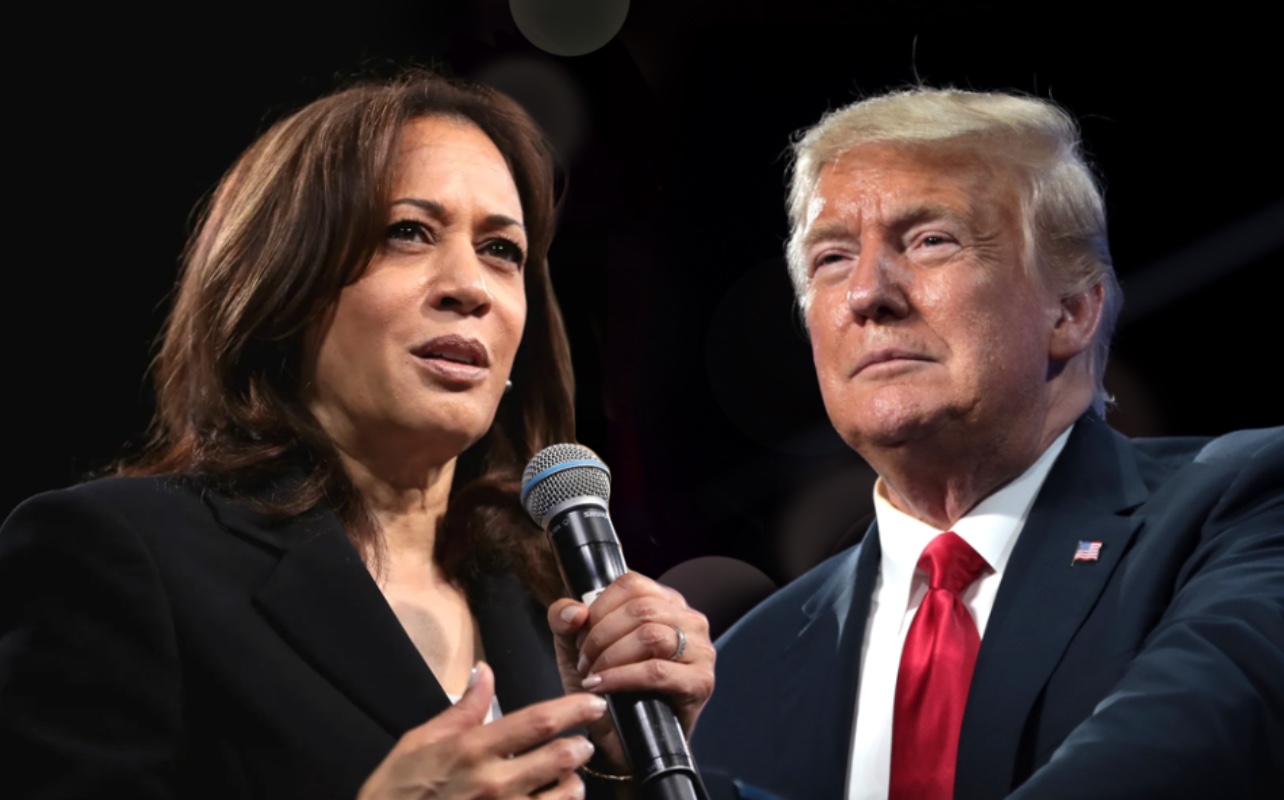
The Harris-Trump debate garnered over 67 million viewers, Nielsen says.
Americans were locked into the 2024 Presidential election debate, with over 67 million tuning into last week’s debate between Vice President Kamala Harris and former President Donald Trump.
NBC News reports that Nielsen ratings show an increase in the number of viewers who tuned in to the Harris-Trump debate compared to Trump’s debate with President Joe Biden in June. Roughly 51.3 million viewers watched the Biden-Trump debate, a square-off that effectively derailed Biden’s re-election bid, prompting him to drop out of the race one month later.
ABC hosted and broadcasted the Harris-Trump debate, which was simulcast across 17 networks, including NBC and MSNBC. The ratings surge includes over 6.4 million viewers aged 18 to 34, 16.8 million aged 35 to 54, and more than 41.3 million viewers aged 55 and up, comprising the largest audience percentage.
This year’s election is still experiencing a drop in debate viewership, with the 2016 election between Trump and former Secretary of State Hillary Clinton drawing in 84 million viewers and the 2020 Biden-Trump debate attracting 73.1 people. Ratings, however, do not include the many people who followed the debate through social media, news websites, or streaming platforms.
Harris is receiving praise for her debate performance, which included incisive critiques of Trump’s record on abortion and national security. On the other hand, Trump’s conspiracy theory-riddled performance raised concerns among his political allies as he seeks a second term in the White House.
Following the debate, an ABC/Ipsos survey revealed that 58% of Americans viewed Harris as the winner, while 36% chose Trump. The day after the debate, Trump announced he would not agree to a second presidential debate, citing alleged polls that deemed him as the winner of the first debate.
“Polls clearly show that I won the Debate against Comrade Kamala Harris, the Democrats’ Radical Left Candidate, on Tuesday night, and she immediately called for a Second Debate,” said Trump.
“There will be no third debate,” he added.
The Floridian Presscites post-debate polls that reflect pre-debate figures showing Harris maintaining a narrow lead over Trump, particularly in key swing states.
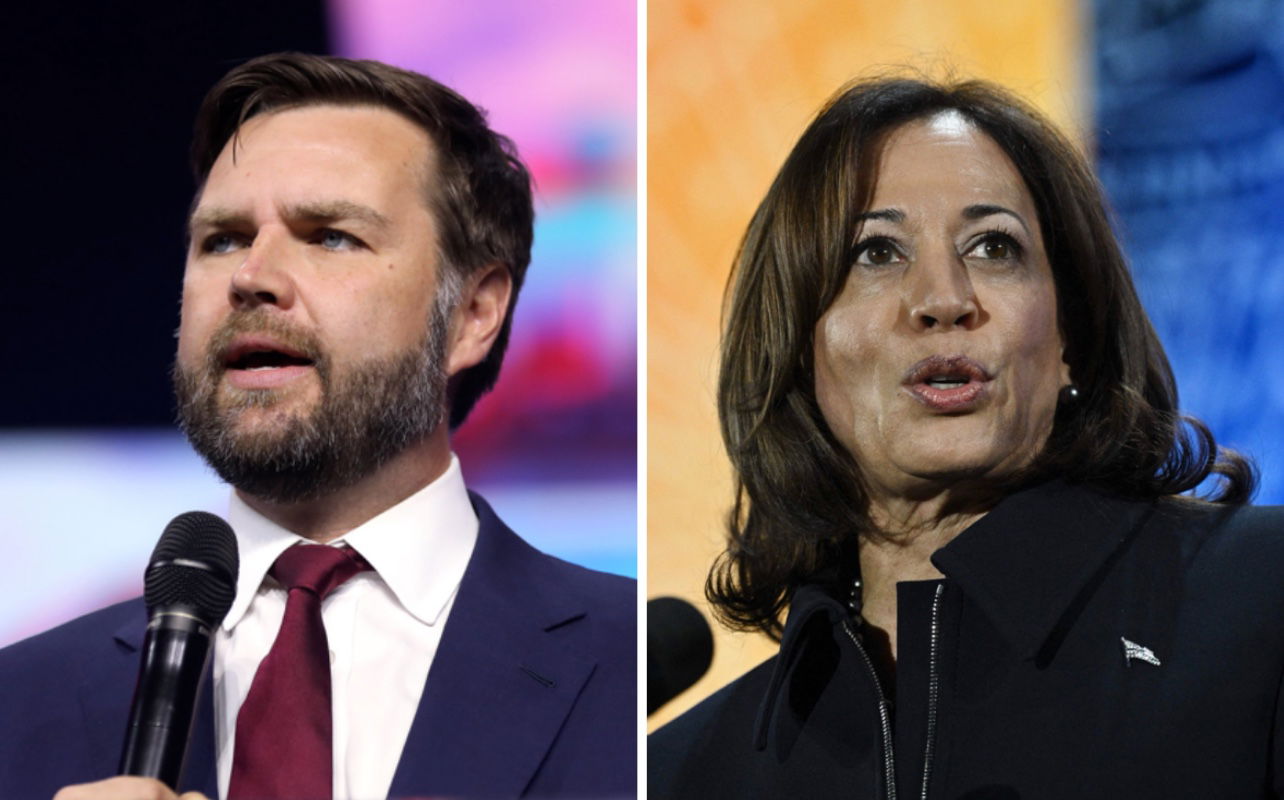
JD Vance Opts Not To Denounce Laura Loomer’s Racist Claims About VP Harris
Rep. Marjorie Taylor-Greene made her own post on X quoting Loomer's post and calling Loomer's remarks appalling and extremely racist.
Laura Loomer, a far-right figure who has made racist statements and promoted conspiracy theories and misinformation, has been attached to and has recently been traveling with former president Donald Trump. The association with a figure like Loomer is not surprising in and of itself, as Trump is a man who has dined with and been advised by white nationalists, but even other controversial Republicans want nothing to do with her.
In a Sept. 15 interview on NBC’s Meet The Press, Vance appeared to downplay Loomer’s statement about Vice President Kamala Harris. In a post on X, formerly known as Twitter, Loomer wrote that if Harris wins the election in November, the “White House will smell like curry & White House speeches will be facilitated via a call center.” A blatantly racist jab at Vice President Harris’ South Asian heritage, in line with earlier attacks on the vice president’s heritage by Trump.
In his appearance on the NBC program, Vance only committed to saying that he didn’t like Loomer’s comments; he did not disavow them.
“Look, Kristen (Meet The Press host Kristen Welker,)” Vance began, “I make a mean chicken curry; I don’t think that it’s insulting for anybody to talk about their dietary preferences or what they want to do in the White House.”
Vance then attempted to pivot to a difference in policy between the Trump and Harris campaigns.
“Do I agree with what Laura Loomer said about Kamala Harris? No, I don’t. I also don’t think that this is actually an issue of national import. Is Laura Loomer running for president? No,” Vance continued. “Kamala Harris is running for president, and whether you’re eating curry at your dinner table or fried chicken, things have gotten more expensive thanks to her policies.”
Rep. Taylor-Greene made her own post on X, quoting Loomer’s post and calling Loomer’s remarks appalling and extremely racist. Notably, X limited the post’s visibility over concerns that it violates the platform’s rules against hateful conduct.
“This is appalling and extremely racist. It does not represent who we are as Republicans or MAGA,” Rep. Taylor-Greene wrote. “This does not represent President Trump. This type of behavior should not be tolerated ever.”
Laura Loomer is a crazy conspiracy theorist who regularly utters disgusting garbage intended to divide Republicans. A DNC plant couldn't do a better job than she is doing to hurt President Trump's chances of winning re-election. Enough.
Sen. Thom Tillis, a Republican representing North Carolina, decried Loomer as a crazy conspiracy theorist in his own post, “Laura Loomer is a crazy conspiracy theorist who regularly utters disgusting garbage intended to divide Republicans,” Sen. Tillis posted. “A DNC plant couldn’t do a better job than she is doing to hurt President Trump’s chances of winning re-election.”
As more mainline Republicans try and divorce Loomer from Trump, he has done very little to separate what he believes from what she espouses.
When asked about Loomer’s comments on Sept. 14, Trump acted as though he didn’t know what she said. “She is a strong person, she’s got strong opinions, and I don’t know what she said, but that’s not up to me,” Trump told reporters. “Laura’s a supporter. I don’t control Laura; Laura has to say what she wants. She’s a free spirit.”
“We’re not having a serious policy debate about immigration or any other issue if you got JD Vance on your program, basically debating exactly how racist it is to talk about the things that Laura Loomer is talking about,” Buttigieg told NBC’s Welker on Meet The Press.
Buttigieg continued, “This is the kind of sideshow that they want to take the main stage so that they don’t have to talk about anything serious, and it’s a reminder of just how exhausting it was to deal with all this the first time Donald Trump was president. America would be in for another four years of this exhausting chaos every time we check the news if they come back into power.”
How Carnival Restored Joy In Saint Lucia And Across The Caribbean After Hurricane Beryl
From Saint Lucia to Grenada, the spirit of carnival could not be tamed even after the harsh conditions of Hurricane Beryl.
Hurricane Beryl was a significant and destructive storm that struck the Caribbean in June and July. Forming as a tropical storm in late June, Beryl rapidly strengthened into a Category 2 hurricane while moving westward across the Atlantic. By early July, it made landfall on several Caribbean islands, including Saint Lucia and Dominica, between July 2 and July 4.
The hurricane’s strong winds, reaching 110 mph, and torrential rains caused severe flooding and landslides, particularly in Dominica, where many areas were rendered inaccessible due to road damage and debris. The storm also led to widespread power outages and damage to infrastructure, including homes and public buildings.
In Saint Lucia, coastal areas experienced significant storm surges and flooding, damaging businesses and disrupting daily life. As Beryl continued its path, it also affected parts of Puerto Rico and the northern Leeward Islands, exacerbating existing vulnerabilities in these regions.
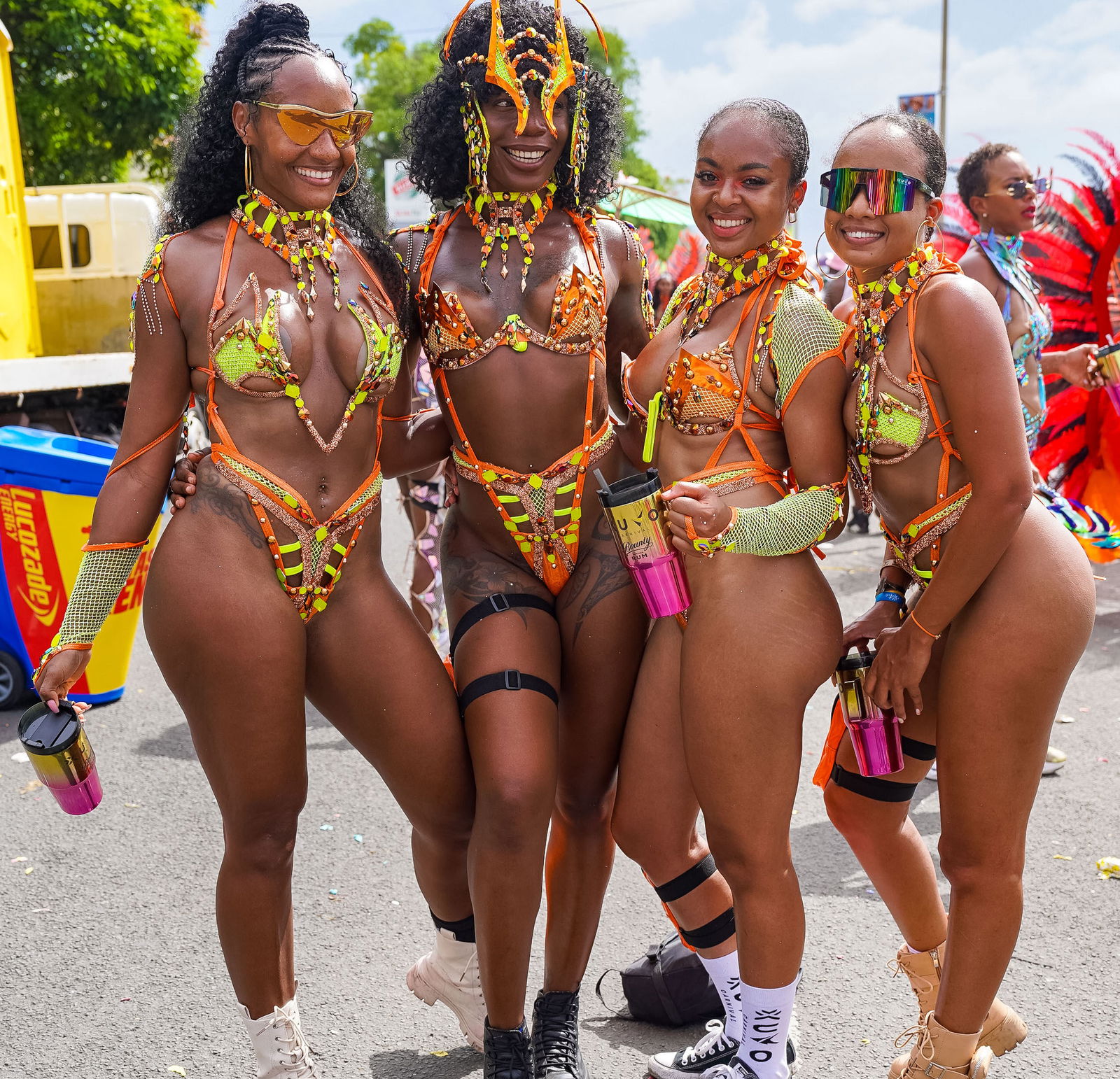
However, Hurricane Beryl was no match for the Caribbean people’s strength, tenacity, and determination. Carnivals across the Caribbean proceeded as scheduled. From Grenanda’s “Spice Mas” to the Saint Lucia Carnival, the spirit of the celebration could not be tamed. Saint Lucia Tourism officials and carnival attendees spoke to BLACK ENTERPRISE about their experiences.
“As head of marketing for the Saint Lucia Tourism Authority, carnival was instrumental in reviving the island’s spirit after Hurricane Beryl, especially with the impact felt across the region. The festival acted as a vibrant symbol of resilience and unity, bringing together locals and visitors alike in celebration. It provided a much-needed boost to the island’s economy and morale. The national activities, private parties, colorful parades, and the energetic Dennery Segment and Soca music helped to restore a sense of normalcy and joy, proving that even in the face of adversity, Lucian Carnival remains a source of strong cultural heritage and happiness,” said Dexter Percil, head of marketing for the Saint Lucia Tourism Authority.
Source: photo courtesy: Saint Lucia Tourism
She continued, “Carnival, to me, represents much more than just a festival; it is a profound expression of cultural identity and community spirit. It’s a time when people come together to celebrate life, music, and tradition in a way that transcends everyday concerns. The vibrant costumes, infectious rhythms, and collective energy capture the essence of our shared heritage and joy. It’s a reminder of the power of unity and the importance of celebrating our roots, which is both invigorating and deeply meaningful. Carnival is all about –- the culture, the people, the vibes.”
When asked how we can further elevate the Saint Lucia Carnival and other events beyond, she responded, “To amplify Saint Lucia Carnival and similar festivals across the Caribbean, several continued efforts are essential.”
She explained, “First, investing in high-quality marketing and branding campaigns to showcase the unique aspects of each carnival is crucial. Building partnerships with international travel and tourism agencies, as well as celebrities and influencers, helped us reach a broader audience. Finally, fostering collaborations between international carnivals and Caribbean islands to create joint marketing strategies and shared events has helped to amplify Saint Lucia’s appeal as a carnival destination.”
Carnival chaser Mellisa Deandre has toured the world, participating in carnivals from Brazil to Trinidad and Tobago. She explained, “One of the many reasons I love carnival is because it gives everyone a chance, from lawyers to construction workers, to let their hair down and enjoy beautiful music, people, and culture. I travel with a group of both Caribbean and non-Caribbean people who are doctors, entrepreneurs, politicians, and more–who use carnivals as a way to stop thinking about work and immerse themselves in something much greater. Being here in Saint Lucia was just what I needed after witnessing the devastation from Beryl. Carnival is a celebration of freedom from oppression that can be enjoyed by everyone!”
Between the vibrant and loving culture of Saint Lucia and Caribbean-based carnivals abroad, joy seems to be the theme. As Caribbean islands continue to deal with climate change caused by numerous larger nations, tourism officials and carnival chasers alike, agree on one thing: amplifying and protecting carnivals worldwide is a must to continue bringing joy to the islands that deserve it the most.
Jaleel White Damaged Voice While Playing Steve Urkel On Family Matters
'I wouldn't do anything differently. It was a great experience and it was a small sacrifice to make for one hell of a legacy.'
“Did I do that?” One of the most popular nerds in television history, Jaleel White, recently revealed that the voice used to portray the Steve Urkel character on the ABC sitcom Family Mattersdamaged his regular voice.
According to People, White was on a panel at the 90s Con 2024 in Daytona Beach, Florida, on Sept. 15 when he revealed that information to the audience. He told the people that the damage done to his vocal cords was “in emission” and that he was fine at the moment.
The lovable character he played became the biggest part of the show after playing a minor role at the beginning of the series. As his character grew in popularity, he basically carried the show through nearly 10 years of being on the air on ABC (1989-1998). Known for the high-pitched nasal sound, he claims using that voice did him no favors. He admitted speaking to a doctor about it.
“I spoke to a doctor,” he told the audience, “and what happened is during puberty, I spoke at the same pitch for extended periods of time. If the pitch had been going all over the place I wouldn’t have damaged it quite as much.”
Although he did not work with a vocal coach during the show, he admits to using one now, and along with a doctor, he was able to “get it under control.”
He did state, “I wouldn’t do anything differently. It was a great experience and it was a small sacrifice to make for one hell of a legacy.”
He previously stated on TV One’s Uncensored several years ago that Urkel wasn’t supposed to be the character he evolved into.
“I didn’t think anything of it being cast to be on Family Matters because it was supposed to only be a guest spot, one and done,” White disclosed when it aired in 2021.
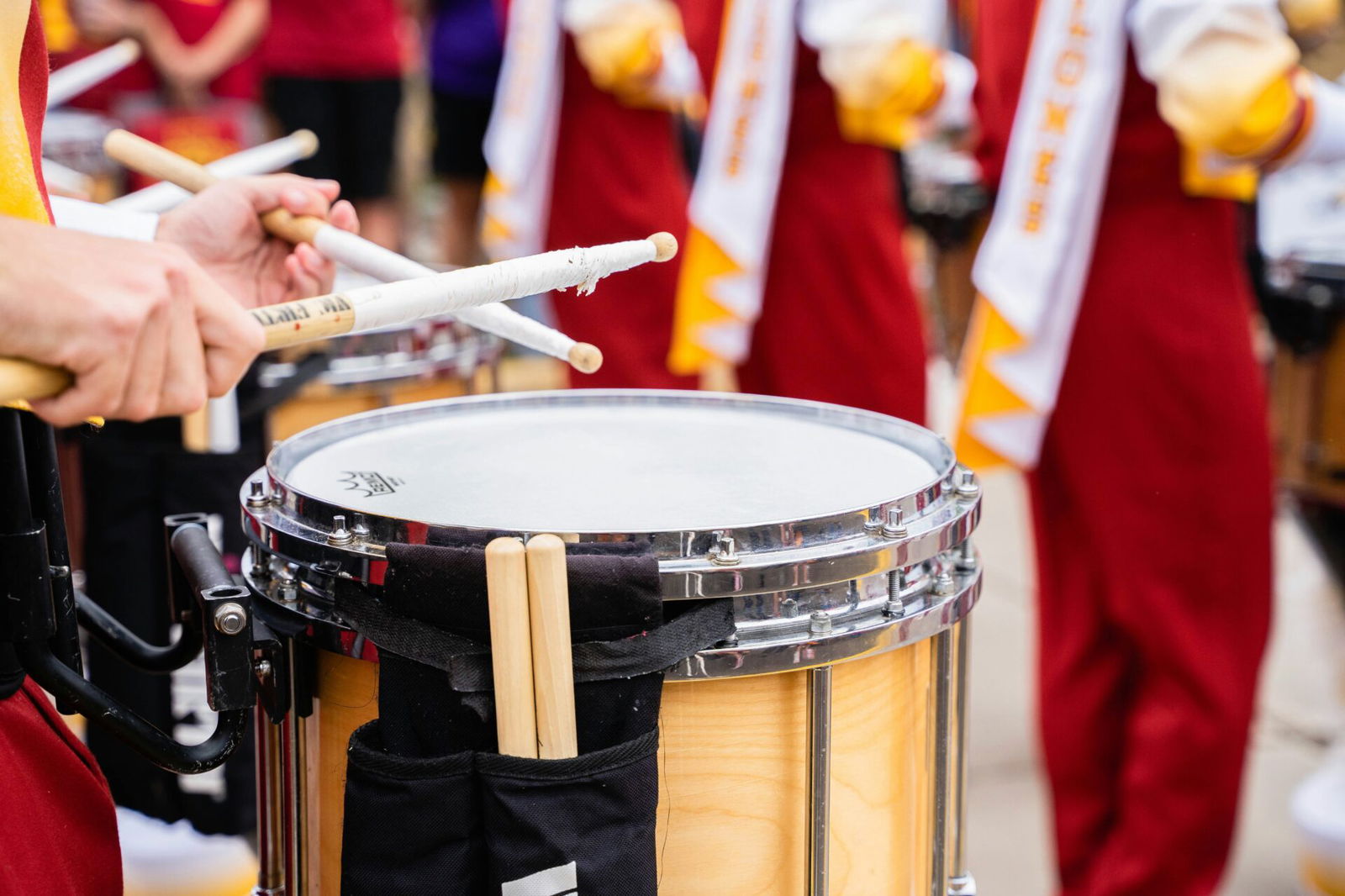
Savannah State University Names Its First White Drum Major
SSU Director of Bands Dr. Gabriel Arnold said that during the tryouts, Taylor was simply one of the best drum majors who auditioned for the spot
When Savannah State University, an HBCU, named Christopher Taylor, Aaron Franklin, and Shai McKenney its drum majors for the 2024-2025 season, they made history. Taylor became the university’s first white drum major.
According to the Savannah Tribune, the other drum majors in the program’s history were all Black, and only four were Black women before Taylor.
SSU Director of Bands Dr. Gabriel Arnold said that during the tryouts, Taylor was simply one of the best drum majors who auditioned for the spot. According to Arnold, he looks for his drum majors to control marching training, cardio, discipline, and to set expectations for what each member of the band will give during the marching and performance season.
According to Arnold, one of Taylor’s strengths was his ability to communicate. “He is an outstanding marcher and gives 1000 percent each time he is on the field,” Arnold told the outlet. “He also has great communication skills, and he won over a lot of the members because of that.”
Cherie Kitt, one of the band’s female drum majors, who led the band from 2008 to 2009 under Lorne Lee, told the Savannah Tribune that her advice to Taylor was to enjoy it and live in the moment.
“Enjoy it, but also know it will be challenging. You are now in front and will have to work two times harder than anyone else. I would also say to live in the moment and don’t overthink. Once you start overthinking things, you’ll start second-guessing yourself, and that’s the last thing you want to do; trust me, I know.” Kitt said.
Taylor’s high school coach, Aubrey Simmons, a former drum major at North Carolina Central University, said that while Taylor was in high school, he wasn’t sure if Taylor was drum major material but noted the work that Taylor has put in since his graduation.
“He joined the marching band his sophomore year and began to work really hard on becoming a great bandsman. He worked hard to become section leader his senior year and did an amazing job of leading a great group of students,” Simmons said.
Simmons continued, “I am extremely proud of the band students who have moved on from Bradwell to SSU…well, any college or university for that matter. We currently have the piccolo, trumpet, and tuba section leaders at Savannah State University. We also have had others hold that title elsewhere. Chris is the first collegiate drum major to come out of one of my band programs. I am hoping that he will not be the last. I do know that he will be great at SSU leading the band this coming year.”
Taylor, for his part, noted that Savannah State, being close to his hometown of Hinesville, Georgia, helped him decide to attend Savannah State. Taylor is also a two-time award winner at the band’s annual banquet, taking home the Freshman of the Year award for the 2022-2023 season and the Best Marcher for the 2023-2024 season.
“Savannah isn’t too far from home, and the tuition compared to other schools seemed a lot more manageable. The band also grabbed my attention, and I knew I wanted to be a part of this style and culture in Savannah,” Taylor said.