SAN FRANCISCO, Capital Building, black community

San Francisco To Issue Apology To Black Community, Some Say It’s Not Good Enough

While Supervisor Shamann Watson, who has been pushing the city to take action on reparations, and the board’s only Black member, says the apology is a concrete step, others are less charitable in their interpretation. 


San Francisco will formally apologize to its citizens for its lack of investment in the city’s Black community. The San Francisco Board of Supervisors has scheduled a vote for Feb. 27, which is merely a formality, as all 11 board members have already signed onto the resolution as sponsors. 

However, as The Associated Press reports, the divide over reparations that has plagued the city for years has gone nowhere. While Supervisor Shamann Watson, who has been pushing the city to take action on reparations and is the board’s only Black member, says the apology is a concrete step, others are less charitable in their interpretation. 

Rev. Amos C. Brown, a member of the San Francisco reparations advisory committee that proposed both the apology and additional actions, told the AP that he wants to see more. “An apology is just cotton candy rhetoric,” Brown said, “What we need is concrete actions.”

Though an apology is the first of the proposed actions, the commission also recommended cash payments for eligible Black adults. The commission recommended both a lump-sum payment of $5 million as well as $100,000 in guaranteed yearly income, both of which may be in jeopardy due to Mayor London Breed’s belief that reparations should be handled at the federal level as well as her budget cuts to an office that was supposed to handle reparations related affairs. 

In a column for the LA Times, Erika D. Smith and Anita Chabria argued that another part of the problem is the homeless crisis affecting the State of California, which they connect to the state’s history of disenfranchising its Black citizens.

They discussed the topic of reparations with Margot Kushel, the head of the Benioff Initiative and the author of an expansive study from the Benioff Initiative, which examines homelessness and housing in California. The study also recommends cash payments to help Black Californians who are disproportionately experiencing homelessness. 

Kushel told the Times, “This didn’t just happen by accident, and it didn’t just happen because there were a few bad people. This was organized,” Kushel said. “This is the strongest case for reparations, right?” she said. “That feels like a conversation that, if we are being honest, we need to have.”

Assemblymember Reggie Jones-Sawyer summed up the need for reparations in any context by telling the Times, “America’s original sin is the genocide and enslavement of human beings,” Jones-Sawyer said. “America’s second greatest sin is watching it happen and pretending that it never did.”

RELATED CONTENT: San Francisco Black Man Falsely Accused By White Man Of Robbing The Homeless Acquitted

culture, team, innovation, creativity

How To Foster A Company Culture That Values Creativity And Innovation

By taking the needed steps to alleviate any overpowering fear of failure, you can steer your team onto the right path.


Originally Published July 21, 2016

As a start-up founder and investor, it’s not enough for me to merely value innovation and creativity; I must also manage the hazards associated with new ideas. After all, employees who routinely bring novel ideas to their colleagues are likely to experience more rejection, failure, and even embarrassment than others in their career. The question is, how do you encourage your team to innovate despite the risks?

Ultimately, I’ve learned that my personal values alone can’t create a robust culture of innovation. For example, at my company, a social media editor recently started noticing a persistently dismissive attitude coming from certain quarters regarding her collaborative projects. In one extreme case, she was mortified when a project – a stylized promotional video – was scrapped over what boiled down to the employees’ editing choices. Team members lambasted the video, getting it pulled without offering constructive criticism beforehand.

Imagine if that were our response to every lost sales lead or dip in quarterly performance; it would be both paralyzing and counter-productive.

In the workplace, encouraging creative problem-solving is far easier in theory. By taking the needed steps to alleviate any overpowering fear of failure, you can steer your team onto the right path. Here’s what I did to turn our office culture around and encourage employees to share their ideas without worrying about rejection.

Lead by Consensus: Put Feedback on the Meeting Agenda

My team used to email one another to get feedback. Besides being inefficient, emails offered an easy out for those who preferred to avoid confrontations. Ironically, this silence only increases the risk of failure and can still hurt feelings.

To nip this communication method in the bud, we’ve now placed all projects on the weekly meeting agenda to mandate those uncomfortable conversations. There are now face-to-face discussions about each project, which makes the office a safe space for critical engagement with one another. This, in turn, also produces shared clarity on project design and purpose while generating ideas for improvement and greater results. And with more engagement comes more shared responsibility for both successes and failures.

Have the Last Word

Another barrier to direct critical feedback among team members was my own presence. I’m less risk-averse than most, yet my very vocal feedback made some team members too reliant upon me to catch every possible pitfall. Given my position and involvement, it was easy for team members to bring their concerns to management rather than have that possibly awkward dialogue with the project leads themselves. Now, my silence during meetings opens the door for the voices of other team members. Of course, I maintain the last word at every step of the process, but the emphasis is on last — and that makes all of the difference.

Make the Non-Starter a Conversation Starter

Most off-the-wall ideas never get implemented, so giving a constructive response to unviable suggestions early on can help your team members come up with more effective plans in the future (as opposed to shutting down their creative thinking). It’s critical that everyone has an evolving understanding of company goals, priorities and resources. At TalkLocal, we now deliver more frequent and detailed reports on our analytics, resource allocation, and where improvement is most needed. As a result, team members feel more empowered to offer informed feedback, and rather than falling silent, they are ushered towards a new way of critical thinking that allows them to produce more sophisticated and viable ideas over time.

Highlight the Anonymous Idea Box

As employees grew more seasoned, I saw fewer of those enthusiastic but naive suggestions, which was a problem in and of itself. In order to encourage new employees to not fall into a similar trap, we decided to dust off our suggestion box and encourage the team to bring up and discuss any anonymously submitted ideas. Through this process, we’re bringing new employees into our growing culture of innovation, while still helping them shape their thinking as they grow with the company.

Today, our social media editor remains creative, recently reducing our e-marketing costs while increasing click rates through better targeting, proving that one success is worth a dozen failures. Furthermore, not a day goes by that a team member doesn’t propose a way to change the company for the better — which makes us better regardless of whether the idea is implemented or not. As the inherent value of an innovation-powered workplace continues to energize and inspire our team, I’m confident that our tangible value will continue to grow as well.

Article Written By Manpreet Singh for BusinessCollective

RELATED CONTENT: 

Althea Gibson, Tennis

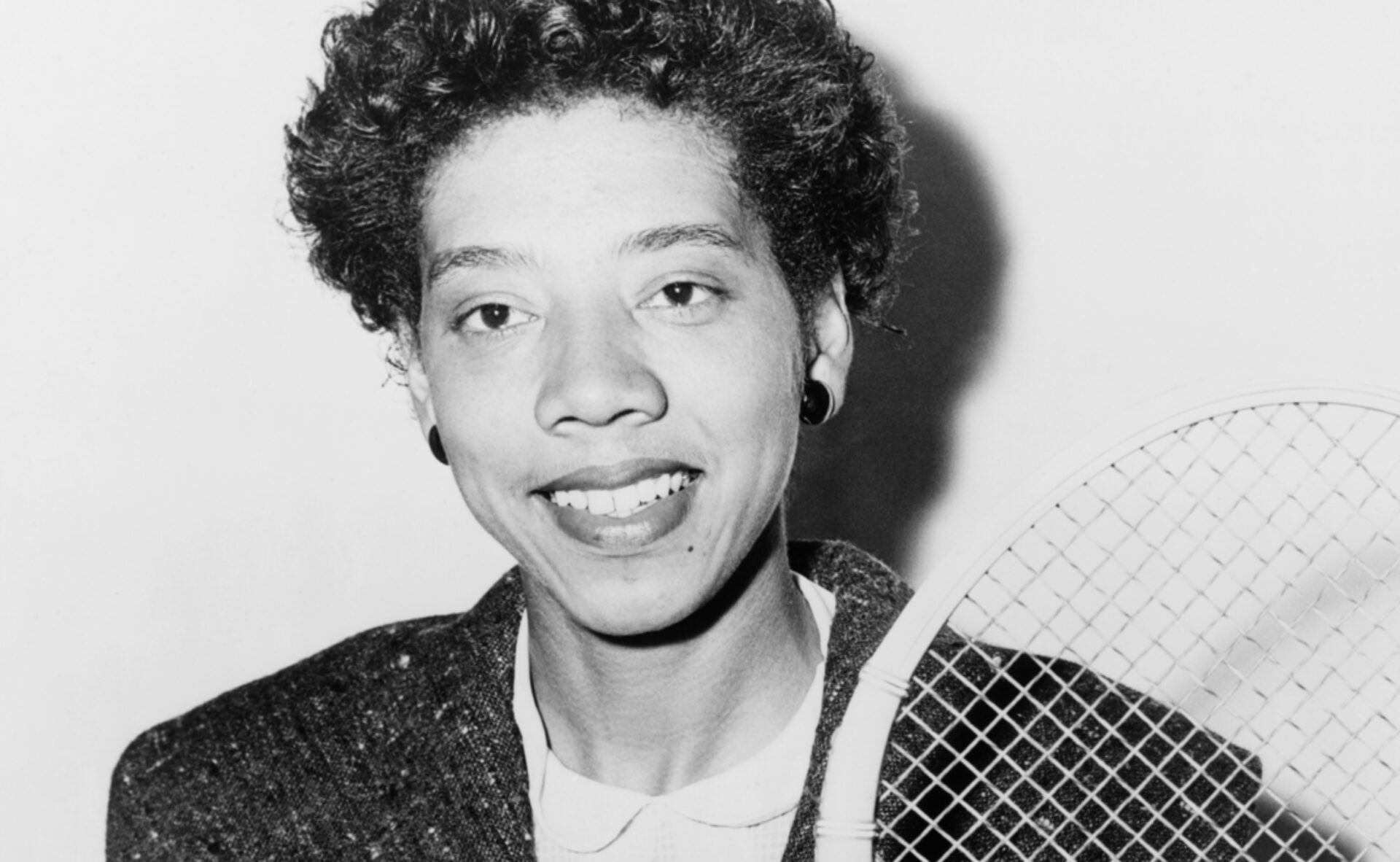
Black Enterprise Honors Tennis Star Althea Gibson For Black History Month

"She knew that this was so much more than color. She knew she was opening a door. She knew she was changing the world and she knew that she was the appointed person to do that," said Michelle Curry.


In the 20th century, baseball gradually became America’s favorite pastime, and never-before-seen technology was rising. But something else was happening in a small town in South Carolina. A young Black girl named Althea Gibson was born to be the first Black person to shatter the international color barrier in tennis and golf and win the U.S. Open. 

The administrator of Althea Gibson’s Estate and chief operating officer of the Althea Gibson Community Tennis Association, Michelle Curry, sat down with BLACK ENTERPRISE to share an intimate glimpse into Gibson’s life. She highlighted the sports star’s struggles, achievements, and lasting legacy that has continued to inspire generations, influencing the likes of Serena and Venus Williams and putting her in a league of her own

Althea Gibson was born in 1927 in Silver, South Carolina. Gibson, the oldest of four siblings, and her family soon migrated to Harlem, where they planted their roots on 143rd Street. There, Gibson mastered her craft through street games of paddle ball with neighboring children. With her boundless athleticism (Gibson had a knack for all things sports, even venturing into boxing at one point), she eventually found a niche, excelling in golf and tennis. It was the latter, however, that she would become most recognized for, a feat that was not without its challenges.

“It was difficult coming up in that time because it was very, very segregated, so for Althea, being the No. 1 tennis player in the world…she was not able to go through the front doors of the places she was playing,” said Curry. “She had to change in the car. So there were a lot of things that hindered her emotionally and socially.” 

She recalled one particular moment when the tennis legend was denied entry to a Florida tournament due to her race.

“She was the No. 1 player in the world, and they wouldn’t let her in. They would not let her off the highway to get into the city where the tournament was,” Curry revealed. Gibson was not admitted into the competition until she phoned the head of the tournament to deliver her. “She lost that game. That messed with her mind so much that she couldn’t get past it.”

Despite the racism she faced throughout her career, Gibson stood steadfast. 

“She stayed dignified,” said Curry. “She did not let it undercut her confidence and self-esteem, though there were times when it was so severe, it did play with her mentally on the court. She knew that this was so much more than color. She knew she was opening a door. She knew she was changing the world, and she knew that she was the appointed person to do that.” 

Finally, in 1950, her achievements culminated in her appearance at the U.S. National Championships (now known as the U.S. Open), making her the first African American to compete in the tournament and, later, the first Black person to win. Though she did not win during her initial appearance, she opened doors for herself and her peers, who had long been ostracized. 

“Even though Althea had that huge impact, we really did not see a flood of young African American women to the sport. One, because it’s not a cheap sport. But seeing Coco [Gauff] and seeing the stock that that young lady comes from, you beam with pride. All of them are very much aware of the impact that Althea had and that Althea was the first.”

Gibson’s impact doesn’t only exist in tennis. A multifaceted talent, she built just as much of a name for herself off of the tennis court as she did on it. She was an avid political participant, eventually running for a seat in the New Jersey Senate at one point. She was a skillful musician and even accumulated a few acting credits, appearing alongside western star John Wayne in the 1959 film The Horse Soldiers

“She played saxophone, and she recorded an album of jazz standards,” said Curry. “She was an actress. She was in a movie with John Wayne, so she spread her wings, and she was able to become the person she wanted to be, and that’s why she named her book I Always Wanted To Be Somebody. And she became somebody. And our job is to keep that name alive.”

Achieving legendary status, Gibson also adopted a mentor position, coaching up-and-coming tennis players like Zina Garrison and Leslie Allen while advising the Williams sisters on the best strategies on the court. 

Curry has worked tirelessly to preserve Gibson’s name and legacy and has several projects to show for it.

“In the City of Orange, there is a tennis summer camp in her name. We have a partnership with the New Jersey Symphony Orchestra, which keeps the two things she loved the most — tennis and music — alive,” she said. 

“We do an annual event during Black History Month. We were snowed out this month but it’s rescheduled for next month. The kids play tennis. We do a history session to learn about tennis, the music, and Althea’s impact. And there’s an actual performance by a quartet from the New Jersey Symphony Orchestra,” she continued.

Gibson is also slated to be featured on the U.S. quarter by 2025, in time for the 75th anniversary of her elimination of the color barrier in tennis.

“Her impact is more than her breaking a color barrier. Her impact is literally showing us how to serve. She used to say all the time, ‘Watch your serve,’ and a lot of people assume your serve in tennis. No, she meant your service to your community and those around you.”

give, donation, coins, investment, cash

Joining A Circle Of Philanthropy Is The Gift That Keeps On Giving

Consider joining or creating a giving circle, whereby individual donors pool their money–and other resources–and decide together where to give it away.


Originally Published Sept. 16, 2016

Looking for a way to express your identity as a member of the community and to leverage your capacity to make a difference? Then consider joining or creating a giving circle, whereby individual donors pool their money – and other resources – and decide together where to give it away. In essence, giving circles provide an opportunity for individuals to join others through collective charitable giving.

Collective Philanthropic Giving

Giving circles are a resurgence of an old tradition of generosity and caring that is making an impact all across the country. Giving circles have become an attractive channel of philanthropy for women, minorities, and donors under 40, according to a report prepared by Jumpstart Labs, a philanthropic research group.

Giving circles provide an entry point for donors with lower income levels and a desire to become involved in charity work, according to Jumpstart Labs. “It doesn’t surprise me that minority groups participate in giving circles at higher rates because of the effect that giving circles have in focusing and amplifying the effect of their giving,” Jumpstart Labs’ chief executive Shawn Landres told the Chronicle of Philanthropy. There is something exciting about people pooling their resources and making joint decisions on how to give grants to improve life in their community, he added.

Giving circles also provide opportunities for democratic participation through agenda setting, decision-making, and face-to-face debates and deliberation, and they build the capacities of their members through education about issues, organizations, and the skills of grantmaking, reports Nonprofit Quarterly.

Start A Giving Circle of Your Own

Step 1

Find like-minded people with whom you can pool funds and then distribute the income in the form of grants.

Step 2

Determine how much and how often each person is to donate. Members may chip in anywhere from $100 to $2,500 or more every month.

Step 3

Find a worthy cause or choose an agency (e.g., a pediatric cancer ward in a local hospital or a shelter for battered women) to whom the group will donate the funds.

Step 4

Decide where your giving circle will put its money before making a donation (e.g., savings, checking, or money market account), or if you want members to write individual checks to the cause you all agree to fund. Alternatively, decide whether you prefer a sponsor, such as a local foundation.

Some giving circles are supported by community foundations, which offer a variety of services to donors who wish to set up charitable funds without incurring the administrative and legal costs of starting independent foundations. The Council on Foundations’ Community Foundation Locator can help you look for a community foundation in your area. Other giving circles utilize a fiscal sponsorship arrangement, in which a 501(c)(3) public charity enables you to collect tax-deductible donations.

RELATED CONTENT: 11-Year-Old Black Boy Makes History, Raises $233K For Charity

Black Female Pilot, Air Canada

Air Canada’s First Black Female Pilot Takes Flight

Air Canada is celebrating a historic moment in diversity as Zoey Williams becomes its first Black female pilot.


Air Canada has introduced its first Black female pilot.

Zoey Williams was always next-in-line to extend her family’s legacy in piloting, as her father, Orett, was a longtime captain for Air Canada. According to BNN, her father flew the Boeing 777 aircraft throughout her childhood, with its magnitude captivating Williams as a young girl. However, before she could navigate the bigger planes, she had to conquer her fear of the smaller ones.

Luckily, with time and resilience, Williams earned her first pilot’s license at the age of 16. However, her studies were not over yet. She spent the next three years acquiring an advanced diploma in aviation flight management and a bachelor’s in aeronautics and aviation management. Before she turned 20, Williams was a certified flight instructor.

Her work to become a Boeing 777 captain like her father led her to receive her MBA in aviation and international business, alongside previous stints as a pilot for Sky Regional Airlines and Air Transat.

Williams is now the face of Air Canada on its promotional materials. The 27-year-old pilot is celebrated throughout her industry. She was also a part of Elevate Aviation’s 2023 Women of Inspire and was named one of the “Top 20 Under 40” for Wings Magazine.

Black pilots are still a rarity for airlines. In the U.S., they only represent 3.4% of the profession as of 2023, per the Federal Aviation Association. Air Canada pilots only employ 30 Black pilots, with 7 as captains, as reported by New Canadian Media.

“If you have a burning desire to do something, don’t bury it. Keep your focus, build your networks, share your goals and show your passion in everything you do. That’s how you can end up doing things you love day in and day out,” Williams said.

The goal-getter now has her sights set on releasing her upcoming book, Go Where You Belong, to inspire others to reach beyond what they could ever imagine.

RELATED CONTENT: Boeing Announces Nearly $1M Scholarship Program To Train Pilots From Underrepresented Communities

eviction, Lamar Odom,

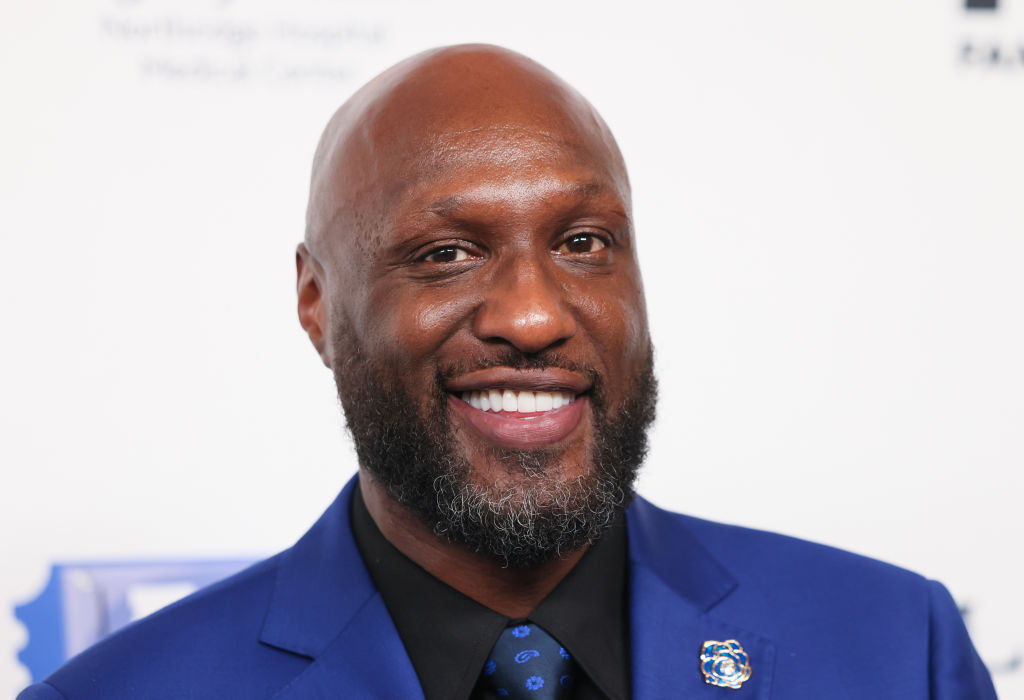
Lamar Odom Gifted Rehab Center In New Mexico

NBA champion Lamar Odom is expanding his empire of rehab treatment centers.


NBA champion Lamar Odom is expanding his empire of rehab treatment centers to New Mexico.

The former Los Angeles Laker was gifted a new treatment center by New Mexico Pastor Anthony Torres, TMZ reports. According to Torres, he was given the rehab center but had issues securing funding for the facility.

Torres, who was aware of all the work Odom has done with addiction treatment centers, decided to turn the property over to the Odom Recovery Group. Torres hopes Odom will open a facility to aid those struggling with addictions to fentanyl.

The property sits on one acre and new lease on life under Lamar’s Odom Recovery Group. It adds to Odom’s growing list of treatment centers, which includes the California-based Restoration Recovery in Sacramento, Compassions in Laguna Hills, Inner Minds Health in San Bernardino, and Vanity Wellness Center in Woodland Hills.

Last June, Odom opened three recovery homes in San Diego: Project West in El Cajon, Lemon Grove, and an all-women’s home. He also launched a facility in Louisburg, Kansas, called Gold Bridge Odom Wellness Treatment Center, and Wavelength Odom Wellness Center in Huntington Beach, California.

As a recovering addict himself, Odom has made it part of his calling to aid those battling addiction following his near-fatal overdose in 2015.

“Opening rehab centers was just I guess, would be like an act of God,” Odom said.

“I get more gratification and people coming up to me telling me that they read the book and it got them out of the dark so they can relate to it because they were drug addicts and they lost a lot. I get more of a good feeling than I did from people telling me how they loved watching me play on the Lakers.”

He has turned his Odom Recovery Group into a family-run business with his son and daughter aiding in the daily operations. Odom’s daughter, Destiny Morales, serves as a client representative in charge of documenting patient information. His son, Lamar Jr., works as a marketing consultant to step in on his behalf when appropriate.

RELATED CONTENT: Black Entrepreneur To Open Drug And Alcohol Rehab Facility In Hometown Of East St. Louis

Al Sharpton, Donald Trump

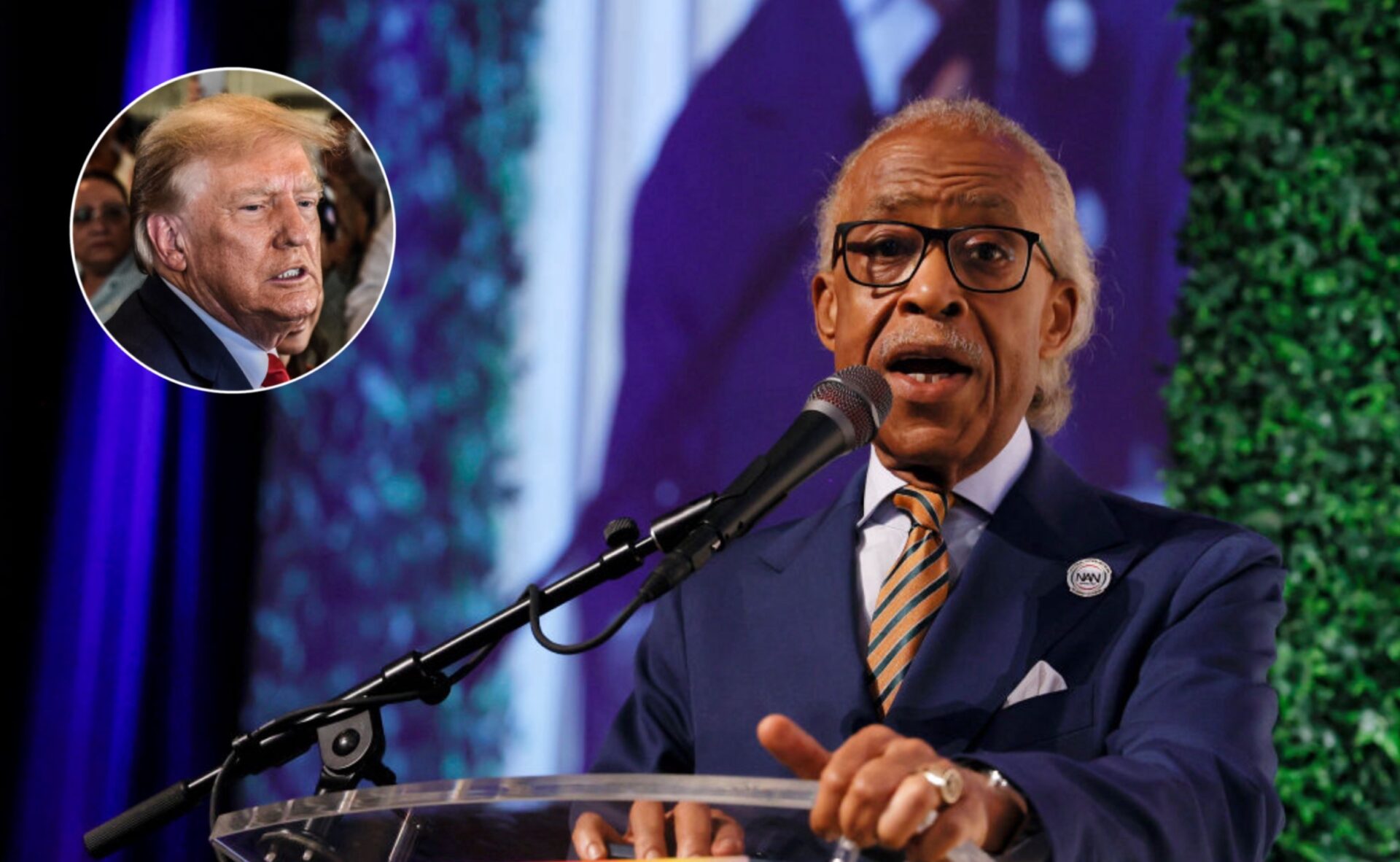
Al Sharpton Slams Donald Trump For Aligning Himself With African American Struggle

Sharpton reminded viewers that Trump called for “The Exonerated Five,” a group of Black and Latinx teen boys falsely accused of raping a white woman in 1989, to be put to death.


Days after Donald Trump commented that Black people relate to him because of his legal troubles, Rev. Al Sharpton spoke out against the likely Republican presidential nominee during an appearance on Morning Joe.

Sharpton, who was a supporter of “The Exonerated five,” a group of Black and Latinx young men who were falsely accused of raping a white woman in 1989, has been vocal in recent years, reminding the public of Trump’s full-page advertisements in New York City newspapers, including the New York Daily News and New York Times, which called for the then-teenagers to get the death penalty.

The Guardian conducted an extended interview in 2016 with Yusuf Salaam, one of the exonerated five, while Trump’s popularity in the Republican Party was soaring.

“He was the firestarter,” Salaam said regarding Trump, “Common citizens were being manipulated and swayed into believing that we were guilty. I knew that this famous person calling for us to die was very serious.

“We were all afraid. Our families were afraid. Our loved ones were afraid. For us to walk around as if we had a target on our backs, that’s how things were. Had this been the 1950s, that sick type of justice that they wanted—somebody from that darker place of society would have most certainly came to our homes, dragged us from our beds and hung us from trees in Central Park. It would have been similar to what they did to Emmett Till.”

Trump has never apologized for his advertisements or the effect they had on the families of those he wrongfully accused of the crime. 

Sharpton, meanwhile, told Morning Joe that he has never seen or heard Trump speak up on behalf of Black people who have been wrongfully accused of crimes in America. 

Sharpton also spoke at length about the motivations of Trump’s appearance at the event, a black-tie event for Black conservatives in South Carolina ahead of Saturday’s primary win.

“Well first of all, let’s be clear, Donald Trump is using the stereotype of Blacks being criminals, and therefore we would gravitate towards somebody in a mugshot,” Sharpton said. “Blacks were arrested to get the right to vote, that’s what the marches were about. It is the epitome of an insult also when you think of the fact that is a Black man that is prosecuting him in Manhattan, Alvin Bragg, a Black woman in Georgia, a Black woman, the New York State Attorney General, Leticia James. So he’s saying that Black people would relate to someone indicted for trying to undermine the elections by Blacks, but we would go with him rather than them?”

Sharpton had more to say about Trump.

“I’ve been in this movement for 40, 50 years. I’ve never seen him stand up for Blacks that were treated wrong by the criminal justice system. But now he’s a symbol of being persecuted, he’s being persecuted by Black prosecutors, a Black woman judge, in the federal court of Washington D.C. And the shameless Blacks standing there applauding him need to check the facts.”

RELATED CONTENT: Black Political Leaders Slam Donald Trump For ‘Racist’ Comments

Cam Newton, Natalie Nunn, interview

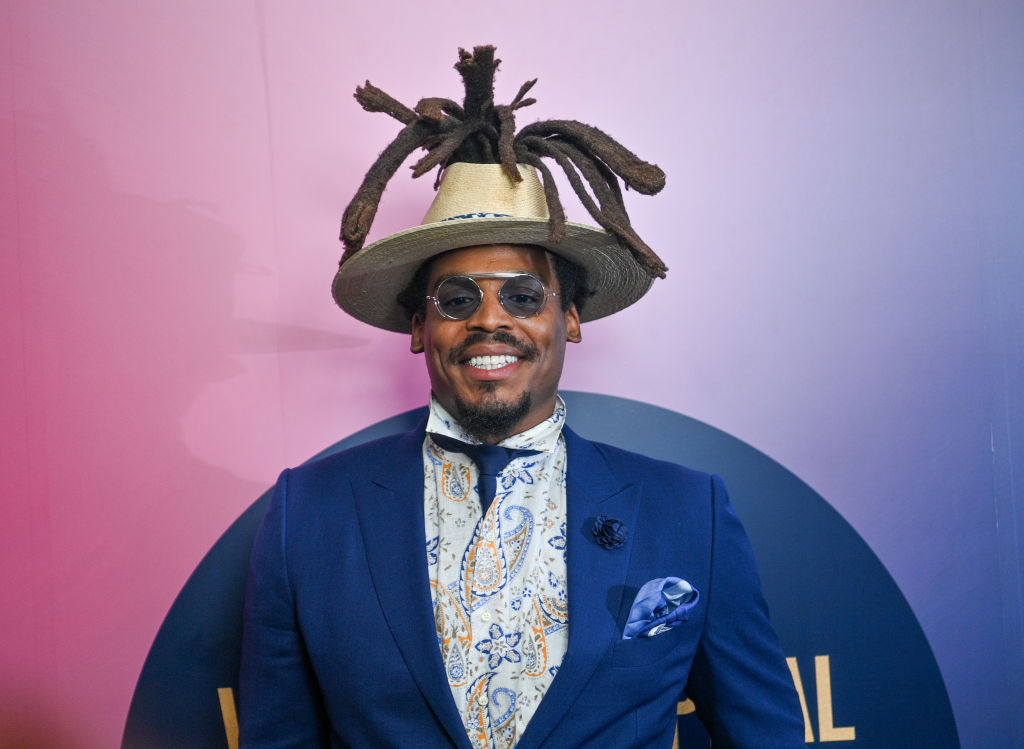
Don’t Play With It! Cam Newton Goes Viral After Scuffle At Youth Football Event In Atlanta

In a viral video, former NFL MVP Cam Newton was apparently caught up in a scuffle during a youth football tournament in Atlanta.


Former NFL Most Valuable Player Cam Newton found himself the subject of a viral video last week after he was apparently caught up in a scuffle during a 7-on-7 youth football tournament in Atlanta.

The video shows Newton, wearing one of his signature quirky hats, being pushed by three men near a set of steps. The altercation quickly escalated, involving pushing and grabbing, and moved toward a fence line.

The incident, lasting less than 30 seconds, came to an end when a police officer and event security intervened at the WeBall Sports x DynastyU 7v7 tournament at B.E.S.T. Academy, according to the Associated Press.

Despite the commotion, Newton, the top overall pick in the 2011 NFL Draft out of Auburn University, did not appear to throw any punches in the video. He seemed to be in a defensive position against three other men. While a punch was thrown in Newton’s direction, it remains unclear whether it landed.

A native of Atlanta, Newton runs the C1N organization, established in 2021, which focuses on nurturing the skills of young athletes in football.

The organization provides opportunities for them to compete at the highest level through events like 7-on-7 tournaments. According to Newton’s website, C1N’s mission is to create an environment that promotes growth and development on and off the field, assisting young athletes in achieving their goals in football and life.

Former teammates and NFL colleagues expressed their thoughts on X (previously Twitter), highlighting the unstoppable nature of the 6’5″ quarterback on the field—and why any rational person would want to take that on.

https://twitter.com/shawnemerriman/status/1761878832720564731?ref_src=twsrc%5Etfw%7Ctwcamp%5Etweetembed%7Ctwterm%5E1761878832720564731%7Ctwgr%5E5befb4cec598476c70b3a8062e667978e947bd90%7Ctwcon%5Es1_&ref_url=https%3A%2F%2Fpantherswire.usatoday.com%2Flists%2Fnfl-players-react-cam-newton-fight-shannon-sharpe-emmanuel-acho-wlll-compton%2F
Even former linebacker Daren Bates of the Carolina Panthers chimed in, joking that Newton, a podcaster, had to “get in the studio immediately.”

RELATED CONTENT: Cam Newton Claims Former Teammate Jimmy Clausen Tried To Hustle Him Out Of $1 Million

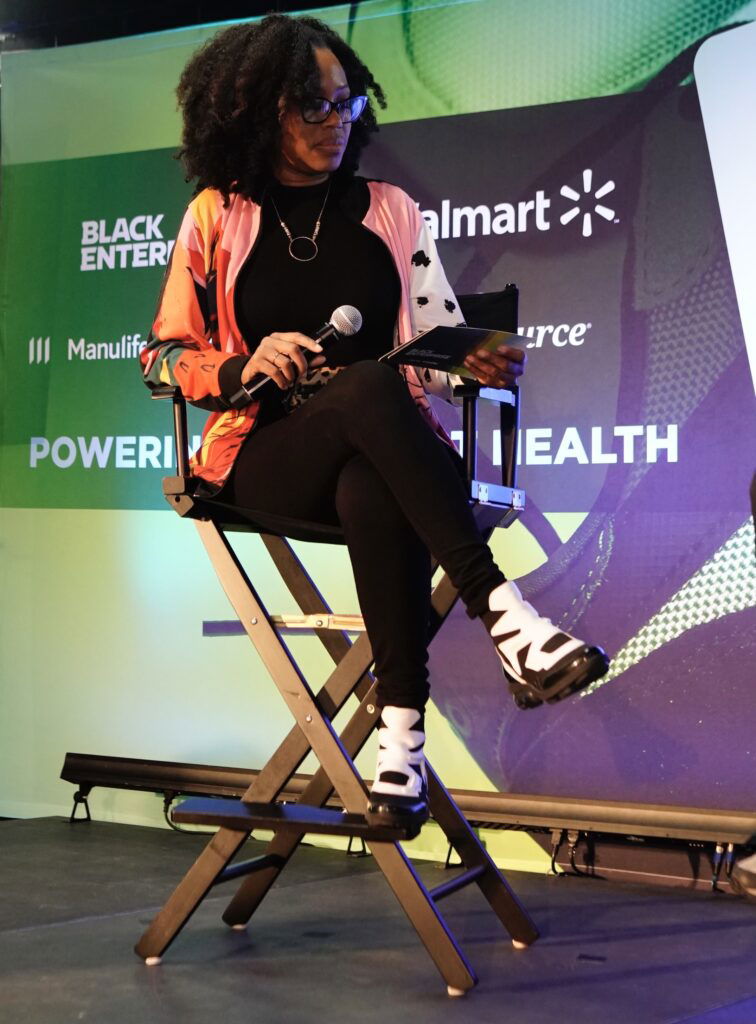
BLACK ENTERPRISE’s ‘Health Is Wealth’ Summit Brought Knowledge And Action To Atlanta

BLACK ENTERPRISE’s ‘Health Is Wealth’ Summit Brought Knowledge And Action To Atlanta

If Black people are not alive, they cannot reach their max potential.


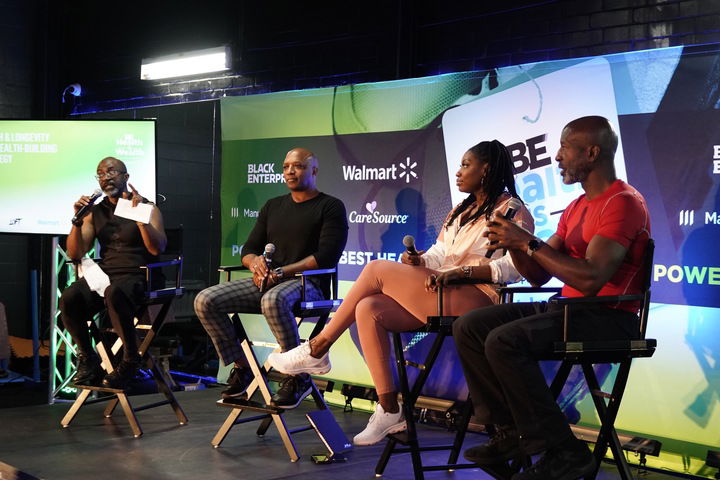
BLACK ENTERPRISE’s “Health Is Wealth” Summit took place in Atlanta on Feb 23 and 24.

The summit’s goal was to bridge the financial, physical and mental health gap while fostering generational wealth. A study by JAMA Network, found that Black Americans have “more than 80 million excess years of life lost—compared to the White population over a recent 22-year period—from 1999 through 2020.” 

The statistics make clear a very simple truth: Black people are not living long enough to earn their maximum potential and create wealth for future generations. Conversely, if Black people live to become elders, poor health will drain any accumulated wealth. The “Health Is Wealth” Summit is BE’s attempt to lead our community into a healthier future. 

“You’re not serious about building wealth if you’re not talking about getting past 50 and being healthy,” said Alfred Edmond Jr., BE’s senior vice president and executive editor-at-large, about the importance of the event.

“We pay a high financial price as black people because, generally speaking, Black men die in 53 years, and Black women live. But we are so ill that you can’t really maximize what you do, and you gotta pay a lot of money to stay alive because of healthcare costs.”

(Image Credit: BE)

Edmond also spoke about the implications of health and finance on Black businesses, emphasizing how BE Founder Earl Graves Sr. made the connection nearly 40 years ago.

“Mr. Graves was, like, we’re a small company. We’re not going to get the [insurance] discounts that a major corporation with thousands of people are gonna get. So the healthier we can keep our employee base, the health insurance costs will less for them and for us.”

Edmond added, “Everybody wins if you’re healthier.”

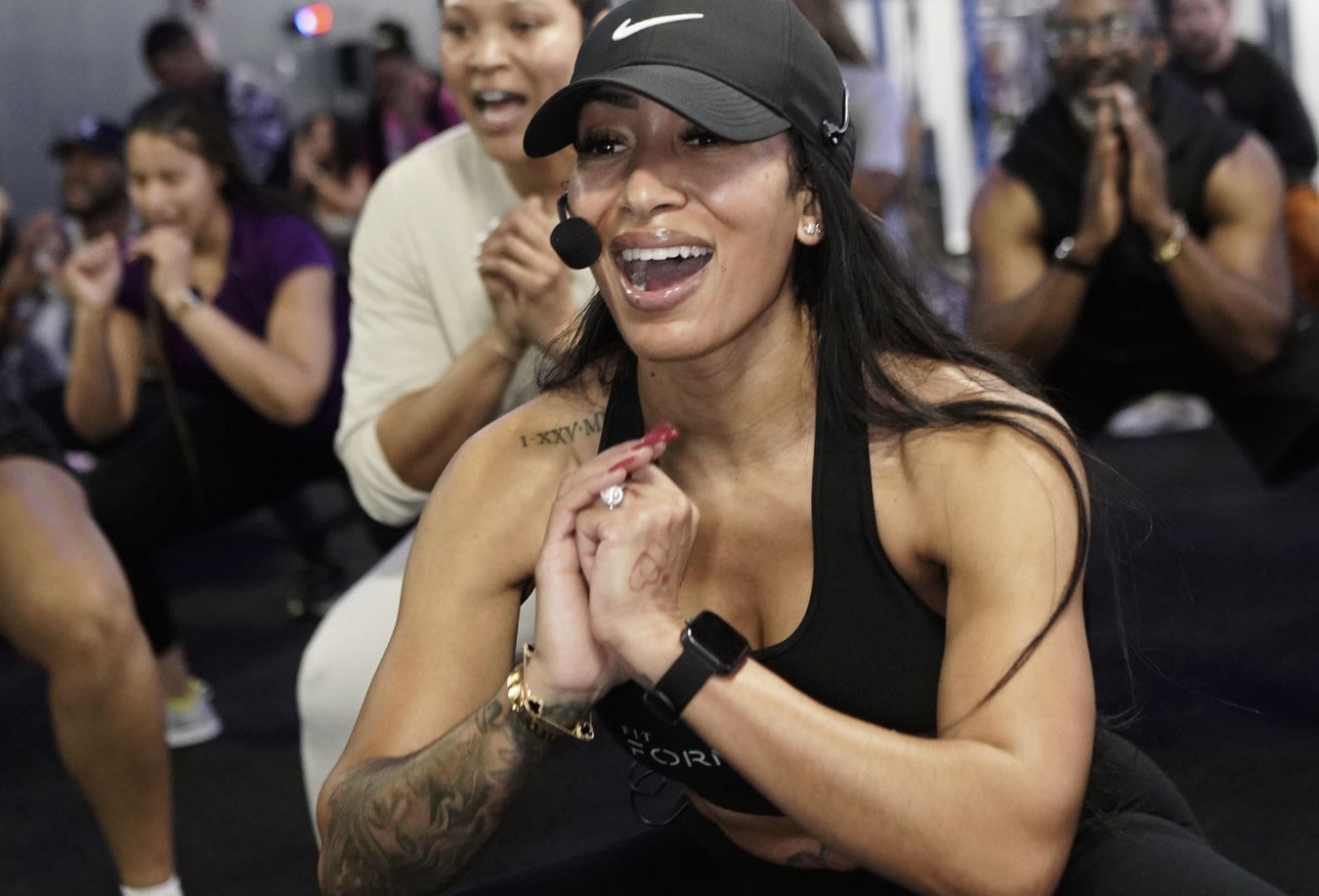
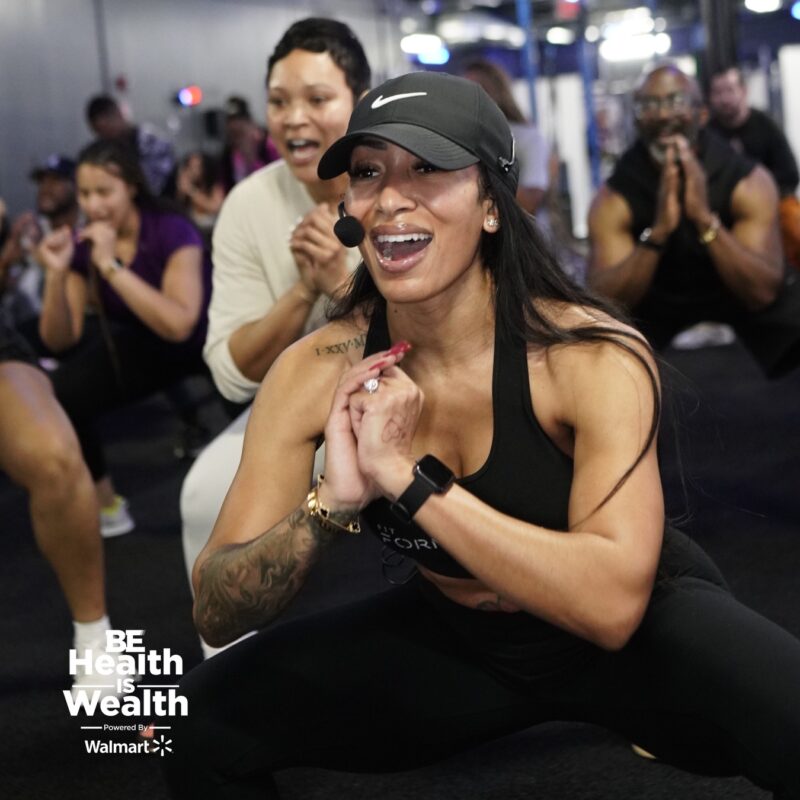
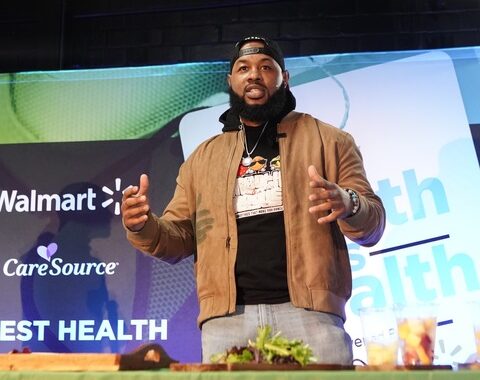
The summit began with an early morning workout to show participants that fitness can be fun and adaptable for anyone at any skill level, followed by a food-prep demonstration by Keon Davis, owner of Smooth N Groove, who gave attendees a blueprint for nutrient-rich meals and proper nutrition.

Halani Lobdell, Co-Owner, The Loft
(Image Credit: BE | Halani Lobdell)
(Image Credit: BE | Keon Davis Smooth N Groove)

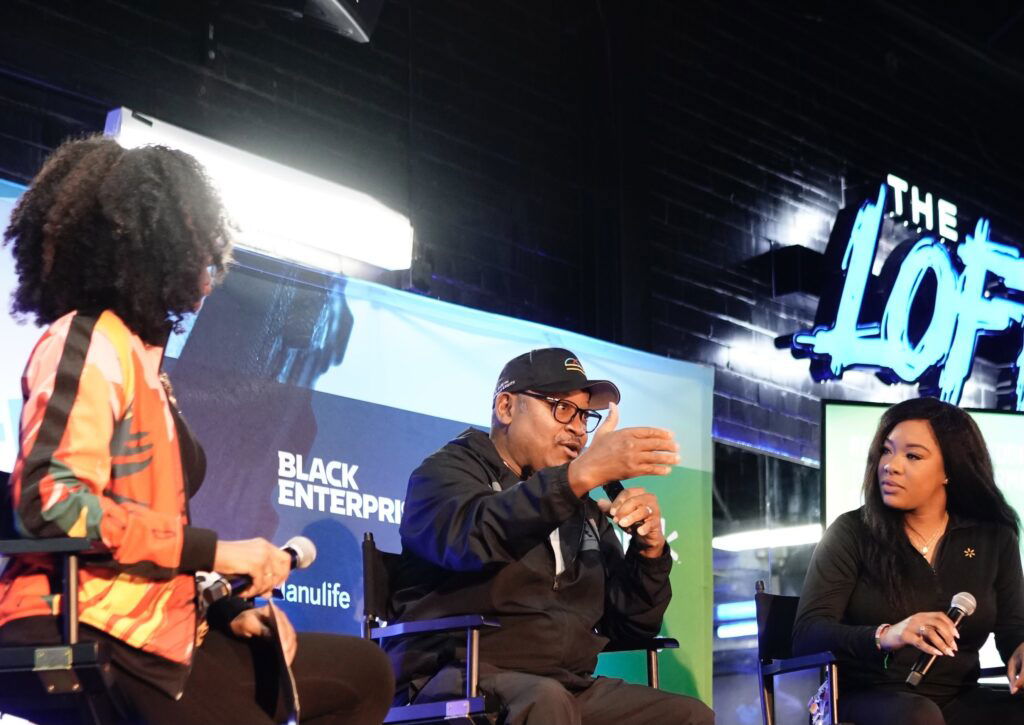
A series of discussions was held to activate a health and wealth mindset. Notable panels dived into “Health and Longevity as a Wealth-Building Strategy,” and “Recognizing and Addressing Social Determinants of Health,” which were moderated by Edmond and BE‘s director of digital content, Ida Harris, respectively.

Health is wealth panel
Delmonte Jefferson, Tashique Thomas

Edmond’s panel discussed the financial implications of poor health. In contrast, Harris addressed how people’s health is impacted by the social conditions that surround them, including the environment, work, healthcare, housing, access or a lack thereof. Panelist Tashique Thomas, Walmart’s senior director in this area, informed that the easiest way to gain access is to look for existing resources. 

Health is wealth panel
Ida Harris, BE director of digital content

Tonya Lewis-Lee spoke about her award-winning documentary, Aftershock, highlighting the maternal mortality crisis. Lewis-Lee spoke on motherhood and realizing that mental, physical, and spiritual health were keys to her progress.

“It was after my second child was born that I realized I needed to get my compass in order so that I can actually do the things I wanted to do.” Lewis-Lee told BE. “When my son was about 2-years-old, I kind of figured out that I had to pull it together from a mental, physica,l and spiritual space.”

The Health Is Wealth Summit took a comprehensive look into the Black community’s relationship with health and how wellness impacts our wealth. BE is dedicated to keeping the conversation alive. 

RELATED CONTENT: Health Platform For Black Women Receives $40K Funding Boost For Maternal Health Initiative

Black Joy Parade, Black Joy, Oakland

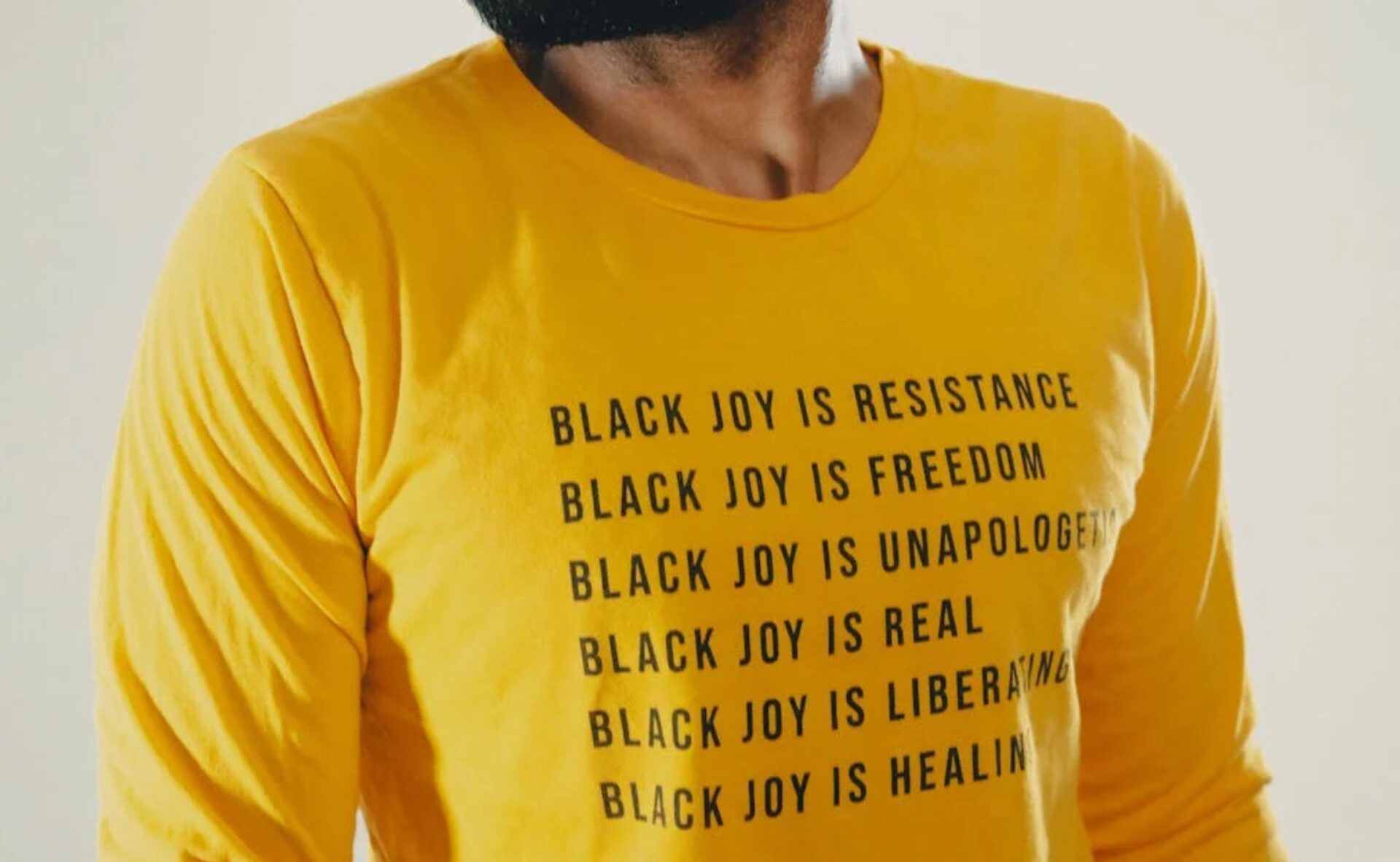
It’s The Joy For Me! Oakland’s Streets Overflow During 2024 Black Joy Parade

This year's Black Joy Parade gathered over 127 participating groups. The event has reached a peak of 40,000 since its first event in 2018.


Thousands gathered throughout Oakland, California, on Sunday to celebrate the annual Black Joy Parade.

The Feb. 25 event took place in honor of the Black experience and the community’s rich history and culture during Black History Month. Parade sponsor ABC7 captured moments from Sunday’s lively celebration, which organizers say has continued to grow over the years, with 2024 seeing over 127 groups participate.

“We have one of our biggest parades yet — and it continues to grow. I’m really excited about it,” said parade director Elycia Knight. The event brings crowds to Oakland’s historic Black business district on Franklin Street, providing an economic boost. “We are hoping to reactivate this space and kind of bring some economic empowerment to this area as well,” Knight said.

Live stream co-host Tayleur Brown-Crenshaw noted the parade’s economic impact, stating it “brings in an incremental $100,000 to Black-owned restaurants alone each year.”

Headliners like singer Durand Bernarr and Dear Silas entertained this year’s jubilant participants, according to the Black Joy Parade website.

Ahead of the event, founder Elisha Greenwell shared her wall of posters with CBS News. The posters, which hang in her home office, represent a timeline of memories for the Black Joy Parade. Alongside co-founder Amber Lester, they launched the nonprofit in 2018 with a team of local volunteers to commemorate the Black community. They envisioned it as a day to celebrate rather than gathering to fight “against the system and having to be on the frontlines like we always are,” Greenwell shared. “I just wanted to have a moment where it wasn’t that; that we were gathered in a big group for celebration.”

“It wasn’t just something we wanted and needed, but so many other people were craving it,” Greenwell said about the community’s desire for such a celebratory event. More than 14,000 people showed up to the inaugural celebration.

It’s not too late to get in on the action with the Black Joy Parade family. Catch the “Golf & Grooves” Tournament fundraiser on Apr. 22 at Oakland’s Metropolitan Golf Links.

https://twitter.com/blackjoyparade/status/1759630676197056581

View the non-profit’s documentary to learn more.

RELATED CONTENT: BLACK JOY COLLECTION CELEBRATES BLACK HISTORY MONTH WITH PLUS-SIZED BODY CANDLES

×