VA benefits, Black veterans

Black Veteran Sues The VA Over Agency’s Denial Of PTSD Benefits To Black Soldiers


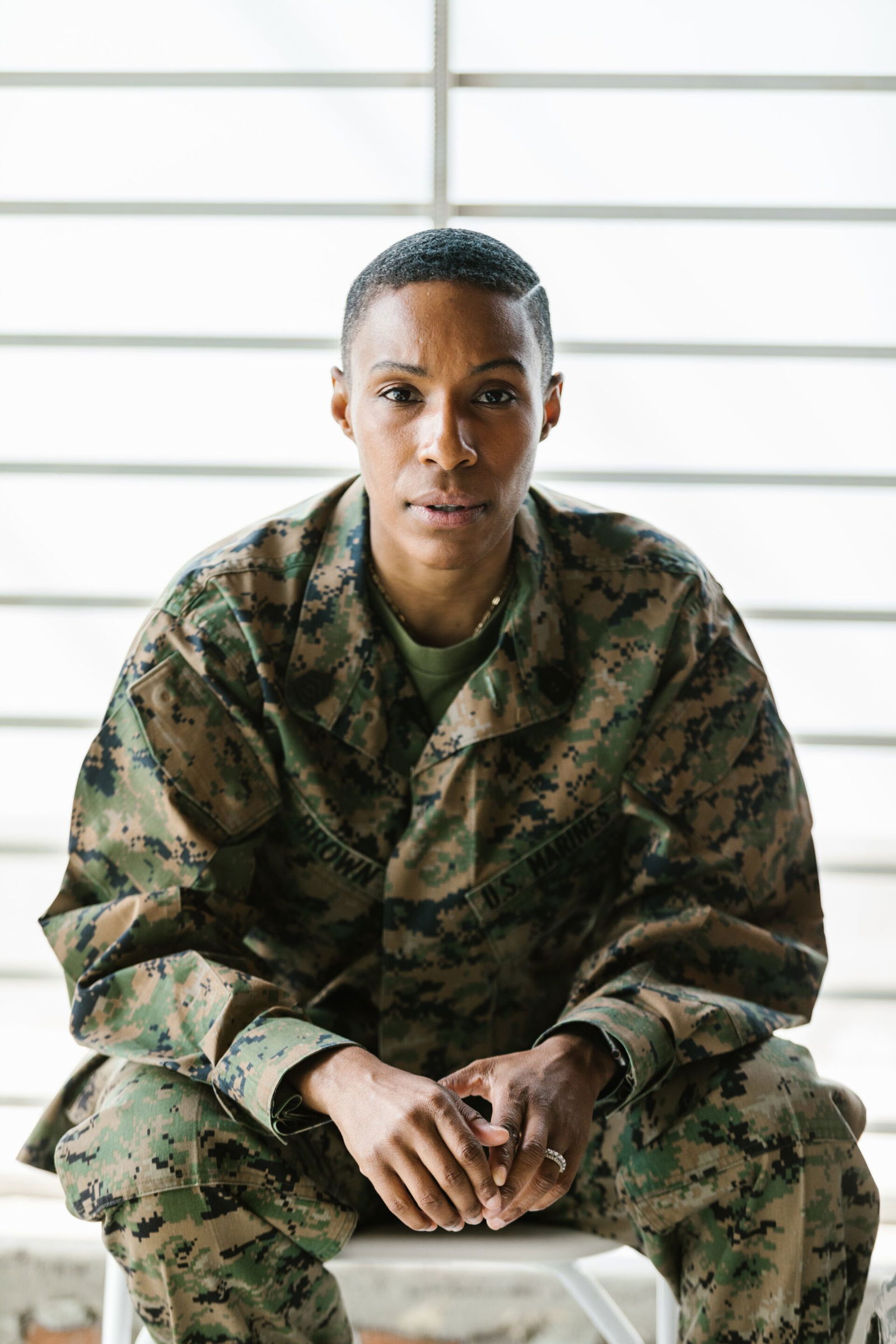
Black veteran Conley Monk Jr sued the federal government on behalf of himself and his father in November 2022 over benefits he says the Department of Veterans Affairs denied the pair due to racial biases. According to NBC Connecticut, this year on Nov. 2, Monk appeared in court to argue the merits of his case against the VA while the VA presented their side. Monk, a Vietnam war veteran, is being represented by a team of lawyers from Yale University.

“This is a wonderful day, to know that we have a chance to get some sort of justice,” Monk said briefly to reporters gathered outside the courtroom.

Deja Morehead, one of Monk’s lawyers from Yale, said in a statement, “Mr. Monk and [National Veterans’ Council for Legal Redress] argued that they suffered emotional, dignitary, and psychological harms from being subjected to the VA’s racially discriminatory benefits system.”

Morehead continued, “And we hope that the court ultimately recognizes the legal duty that the VA owes to the Monk family, to generations of Black veterans, to administer benefits in a non-discriminatory manner.”

VA documents released under the Freedom of Information Request Act corroborate Monk’s claims that Black applicants for VA benefits were not approved at a rate comparable to white applicants for VA benefits, say his lawyers. In a March report, NPR obtained documents showing that Black applicants for benefits relating to PTSD were rejected thirteen percent more than non-Black applicants. Additionally, a whistleblower at the VA told NPR that an internal report was created for senior officials at the organization, and then was buried in 2017.

More recently, on Nov. 2, the VA released more documents to NBC News under a Freedom of Information Act request that show that the VA engaged in a pattern of denying benefits that was stratified along racial lines from 2003 to 2023.

Gary Monk, Conley Monk’s brother, a veteran as well as the executive director of the National Veterans Council for Legal Redress, told NBC Connecticut, “I feel there’s a lot of guilt with the country with how they treated their veterans, and so the motion to dismiss doesn’t surprise me because they’re continuing to deny us as usual.”

The denial of Black veterans benefits stretches back to the GI Bills promised during WWII, according to History. The G.I. Bill was designed with benefits that effectively excluded Black soldiers from the rewards they expected for their service to the nation, critics say. Just as redlining emerged from the New Deal, the bill’s language, crafted by the Dixiecrats, was deliberately constructed to deny economic opportunities to Black soldiers, contradicting the promises made to them.

In addition to this, Black soldiers were often designated as dishonorably discharged so that they could not receive their benefits. Those few Black soldiers who were actually able to get their G.I. Bill benefits soon found that the bill was not nearly as advantageous to them as it was to the white soldiers who were able to take full advantage of the benefits offered by the bill, including training in skilled or more advanced labor. Historian Ira Katznelson told History that the denials occurred all over the country, “These impediments were not confined to the South. In New York and the northern New Jersey suburbs, fewer than 100 of the 67,000 mortgages insured by the GI bill supported home purchases by non-whites.”

According to NBC Connecticut, Judge Stephan Underhill, an appointee of Bill Clinton, has indicated that he sees the case as a difficult one to decide. Despite this, the family of both Monks are hopeful that they will receive justice for the denials of their benefits as Conley Monk told NBC Connecticut, “We’ll continue to fight. We have a good team and I pray to God that we win this case.”

RELATED CONTENT: How Redlining And Black Banks Impact Generational Wealth
entrepreneur, Airbnb, Janay white, Jacksonville

Investors Accuse Well-Known Jacksonville Entrepreneur Of Scamming Over $10,000; Lawsuit Alleges Fraud

Janay White reportedly engaged in a variety of extensive "bad business practices" that led to a large scale scam.


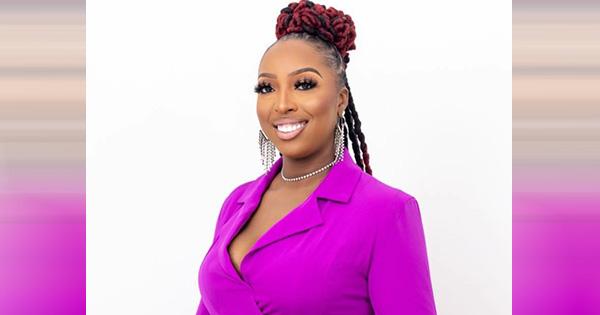
Popular Jacksonville, Florida, entrepreneur Janay White has found herself in the hot seat for a slew of fraud allegations due to what investors claim are “bad business practices.”

As previously reported by BLACK ENTERPRISE, White was best known as a formerly homeless mother of two children in Jacksonville who worked her way up to owning eight different businesses as well as 50 Airbnbs by attaining financial freedom through her own efforts in order to support her children.

However, the fraud suit paints White as a disappointing business partner. Rayvon Griffin alleges that she was scammed for more than $10,000 due to White’s systemic bad business practices. Griffin said that she, like several other investors, was made to believe she would be guaranteed to receive properties ready for renovation and later sell them, but White never came through on her end of the deal.

She claims in the lawsuit that White is “good at avoiding things and questions, that’s when I realized I had to take a step back.”

Griffin was able to pull out and remain financially stable, and she said she felt bad for the investors who weren’t so lucky and ended up losing everything that they had.

Those investors, along with Griffin, have been listed as suing White for fraud, according to First Coast ABC News.

White has denied all the allegations, claiming that the situation was an example of when deals fall through in business, and adding that not all investments work out.

So far, a Facebook group has identified 9,400 victims of the scam. White said she doesn’t “even know that many people [so] that’s impossible.”

However, the investors’ attorney, Chris Dempsey, says White may have scammed more than $200,000 from various investors. 

White has remained unswayed and urges people not to let “a few complaints” diminish the positive things she’s done for her community as she awaits her Dec. 4 court date. 

RELATED CONTENT: Black Woman Entrepreneur, Owner Of 50 Airbnb Properties, Launches Construction Firm

catholic school, racial discrimination, lawsuit

Family Suing Catholic Grade School In Kentucky For Racial Harassment And Discrimination

The 8th Grade Black girl was reportedly denied communion by a white English teacher during a school-sponsored Mass.


The family of a former 8th grade student at St. Joseph School in Kentucky is suing the Catholic institution and the Diocese of Covington. The lawsuit, filed on Oct. 30, alleges that the young girl, who is Black, was forced to endure months of racial discrimination and harassment from the establishment.

The victim’s family lawyer, Jamir Davis, filed the suit in federal court and reported that the student was suffering from lasting mental health issues following “malicious abuse,” The Daily Beast reported.

“[The girl] is scarred for the rest of her life because of these incidents,” Davis said.

The lawsuit reported that the abuse began after the girl, who was the only Black student in the class, was called a racial slur by one of her classmates after she refused to give the other her answers on an assignment. The school administration allegedly did nothing when she reported the incident. According to The Daily Beast, the victim’s mother said the school told her they would investigate and discipline the student at fault but never did.

The racial harassment escalated when the young girl’s English teacher repeatedly used a racial slur while teaching a lesson.

The teacher said that while her own parents used the word all the time, she now had to “be careful who you say [n-word] around because you will be ex’ed out of society.”

Classmates of the Black student spoke up during class and even went to the administrator, but again, nothing was done.

The lawsuit was sparked after the same English teacher reportedly denied the girl communion while attending a school-sponsored mass.

The lawsuit names the church, the English teacher, the administration, and the diocese for being responsible for allowing the girl to be bullied due to her race, and the family is seeking statutory and punitive damages. 

“This is the story of a brave, Black girl standing her ground against the biggest bully at her school, her teacher,” the lawsuit claimed.

However, a statement released by the Diocese of Covington denounced racism and the discrimination brought up in the lawsuit. The statement read, “The teaching of the Catholic Church is clear: Racism is a moral evil. The Catholic Church and the Diocese of Covington work to oppose and root out racism wherever we encounter this radical evil, especially in our Christian minds and hearts.”

RELATED CONTENT: Racist Video At California High School Prompts Student Walkout, Demands

Stephen Curry, Dell Curry

Stephen Curry’s New Signature Shoe, The Curry 11, Unveiled With Cutting-Edge Technology


NBA star Stephen Curry released his fourth signature shoe, Curry 11, under Curry Brand powered by Under Armour on Oct. 13.

The 11th iteration of Curry’s signature shoe is equipped for the first time with dual-density Under Armour Flow technology to help players stay at the top of their game like Curry. Its design has a “bold and disruptive flair,” according to a press release by Under Armour provided to BLACK ENTERPRISE via email.

Curry is a big name in the league and is known for his three-pointers. According to the release, the new iteration supports an athlete’s game through a comfortable fit with “a softer top loaded piece.” Another feature of this design is “a segmented plate that helps athletes maintain stability throughout the midfoot and underfoot with more flexibility at the forefoot,” per the release.

The point guard for San Francisco’s Golden State Warriors said about his Curry 11 shoe, “When designing this shoe, we wanted athletes to have the ultimate experience on and off the court – both when it comes to comfort and to traction – and the Curry 11 does just that. Nodding to the ‘Future of Curry,’ this shoe is designed to set the season’s tone for what is in store for Curry Brand. I know I have a lot left on the court and Curry Brand itself is truly just getting started.” 

Under Armour also highlighted a change in the upper insole of the shoe. According to the press release, Curry 11 features Under Armour’s proprietary Warp technology, an upgrade from previous iteration Curry 10.

The NBA star said, “To be on the 11th signature shoe is an honor and something I get really excited about – unveiling what we have been working on, allowing people from all over the world and the next generation to be a part of the story.”

RELATED CONTENT: Sacramento Kings Star De’Aaron Fox Becomes First NBA Player Signed To Steph Curry’s Athletic Brand

Chrys Violet, Space for Healing, Mental Health

Spelman Alum Psychotherapist Starts Culturally Competent Therapy Service, Space For Healing

Chrys Violet started Space for Healing therapy services out of Los Angeles, California.


An experienced Los Angeles psychotherapist has founded a therapy venture titled Space for Healing that offers mental health help and education for those who need it. Spelman alumni Chrys Violet has dedicated herself to giving a real and unfiltered treatment method for depression for the real people who are afflicted by it. She wanted to provide a nurturing, safe, yet dynamic space for healing.

According to PRLog, Violet was inspired to start Space for Healing due to the severe need for more mental health treatment options in healthcare. According to Violet, many people wait far too late to seek out treatment due to a variety of reasons. Also, many people are under the misconception they don’t have the time to engage in therapy, and Violet wanted to emphasize that therapy is not an indulgence, but a way to help improve all areas of our lives to make them better and easier. Violet has decided to offer a safe space with different treatment forms.

Also, she points out that one of the reasons many people don’t consider therapy is because they couldn’t find a therapist who “looked like them,” “understood them” and didn’t have the added burden of having to “explain cultural things,” Violet is hoping to change this.

She said in a press release, “Mental health, left untreated, doesn’t go away, instead it festers like diabetes or cancer.”

Space for Healing highlights the value of a therapeutic environment that fosters openness, honesty, and vulnerability through culturally aware care, inspiring people seeking help to advocate for themselves. 

According to Space for Healing, “1 in 5 adults grapple with mental illness and 1 in 20 face severe mental health challenges.” 

Violet revealed some of her most useful tips for managing depression as a persistent disorder. She advises her own clients to “Establish a Flexible Routine, Embrace Positive Distractions, Prioritize Basic Needs, Find Comfort in Small Pleasures.” Violet elaborated, “Through mindfulness, we can navigate life’s ups and downs with greater insight, patience, and love, finding peace of mind not in a perfect life but in a balanced one.”

While she does a lot of work in the clinical sector of mental health treatment, Violet also spends time doing advocacy work by collaborating with fellow progressive therapists, leading seminars and panels, and emphasizing the importance of awareness for the disorders we cannot physically see. 

The mission of her advocacy work, she said, is “to debunk the myths surrounding mental health, dismantle the barriers to overall wellness, reshape perceptions, and emphasize the positive impact of nonjudgmental, culturally competent care on daily functioning.”

RELATED CONTENT: ‘Bridgerton’ Actress Exposes Lack Of Support After Psychotic Breaks

Crown act|Unilever

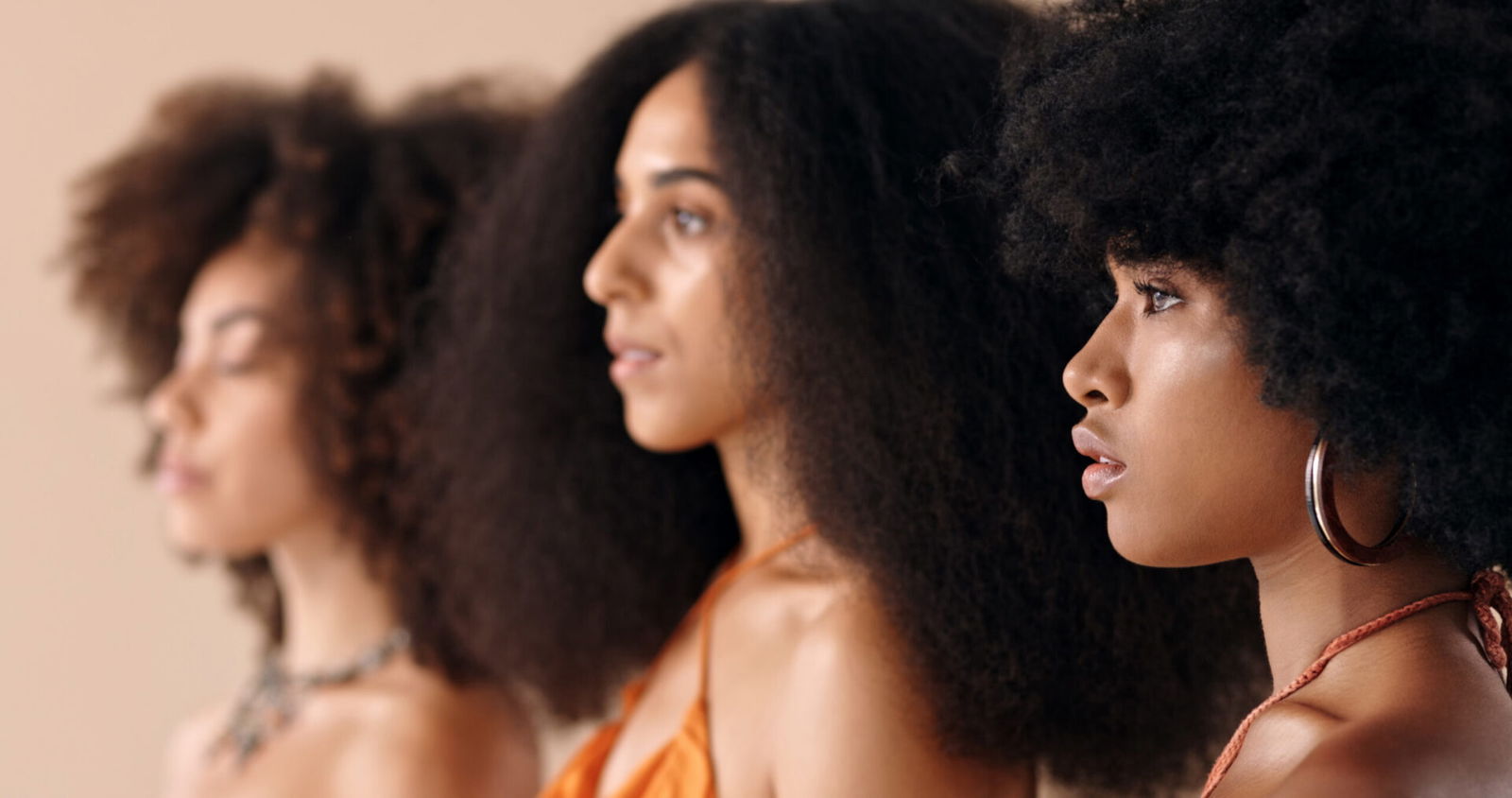
African Pastor Encourages Women To Embrace Wigs Because ‘Natural Hair’ Isn’t Going To Attract A Man


An African pastor has gotten social media riled up with her advice to young women trying to find husbands. The video, shared on Twitter/X on Oct. 30, shows the preacher explaining how to help women get noticed by being “packaged” well, and condemning women who wear their natural hair as opposed to spending their money on human hair and wigs, because “natural hair is not a selling market.”

The clip shows the pastor talking to an audience about attracting a man. She begins by telling women to carry themselves with a friendly demeanor, to go out often, and mainly to wear wigs when they do. She posited that natural hair doesn’t attract men. 

“The Bible says that will have friends must first show himself friendly. You’re squeezing your face, ‘nobody is calling me,’ but this is how your face is,” she said.

She continued, “Friday night, you’re at home. Monday, you’re at home, Tuesday, you’re at home. Instead of you to be smiling, be shining your teeth anywhere you are. When your friends are hanging out, say, ‘I’m coming.’ When your colleagues are going to one, say, ‘Maybe that’s where my husband will be. Let me dress up and join them.’ Show yourself friendly, and then you will have friends.

“All of you will be carrying natural hair about. Who does natural hair help? OK. Better wear your wig and be doing like this…” The pastor dramatically flipped her wig in the video.

She continued, “And be flipping it. Go and spend that money on hair. Draw your brows, buy lip gloss, and look good. Natural hair is not selling market. When you marry you off your wig because you have entered, there’s nothing they can do about it. But before you enter, don’t be caught unfresh. Never. Package yourself well.”

She quickly fired off a speech about telling women to even go to their friend’s weddings dressed to the nines with “snatched” waists and Aso Ebi Nigerian outfits.

https://twitter.com/__hypthshawry/status/1719085138959598056?ref_src=twsrc%5Etfw%7Ctwcamp%5Etweetembed%7Ctwterm%5E1719085138959598056%7Ctwgr%5Ea3c45cff47a2e1934b6736182cbd07f9aaf0dff8%7Ctwcon%5Es1_&ref_url=https%3A%2F%2Fwww.legit.ng%2Fpeople%2Ffamily-relationship%2F1561250-natural-hair-selling-market-female-preacher-tells-ladies-how-find-husband-video%2F

The viral video made its rounds on Twitter/X and brought backlash from many women were offended by her remarks about natural hair.

https://twitter.com/leila_hearts/status/1719128818076586238

RELATED CONTENT: Natural Haircare Entrepreneur Unveils Multimillion Dollar Expansion Project In Philadelphia To Create A Path To Wealth For Entrepreneurs

Fifteen Percent Pledge

Fifteen Percent Pledge And Shop With Google To Award $250,000 To Black-Owned Businesses


Obtaining capital to flourish remains an ongoing struggle for Black entrepreneurs who wrestle with the issue more often than their nondiverse peers. The Fifteen Percent Pledge aims to help reduce the disparity by partnering with Shop with Google to offer its second Achievement Award worth $250,000 for Black-owned businesses.

The award that includes three cash offerings is back this year. Christina Funke Tegbe, founder of the African beauty brand 54 Thrones, won $200,000 of it last year.

Launched in 2020, the Pledge is a nonprofit organization encouraging retailers to commit at least 15% of their shelf space to Black-owned businesses.

One Black entrepreneur could win $200,000, and two others could each pocket $35,000 and $15,000. Potential winners can apply now and view a video of Pledge Founder Aurora James announcing the prize. Both new and mature businesses are encouraged to apply.

The funding is truly needed. As of late 2022, it was reported that Black startup founders got just $264 million of $33.6 billion in capital allocated, which is less than 1%. On the banking front, 57% of Black business owners were denied a loan during the formation of their business.

For its part, the Pledge is taking new steps to support entrepreneurs of color year-round.

BLACK ENTERPRISE recently connected with the Pledge’s Executive Director LaToya Williams-Belfort via email to discuss upcoming plans on how the nonprofit aims to help Black entrepreneurs.

BE: Has the Pledge organized any recent events to further support Black business owners?

LaToya Williams-Belfort: We partnered with Victoria’s Secret to organize our first-ever Business Matchmaking Event this past August. Our goal was to create a space where Black business owners could gather alongside partners, esteemed suppliers, and community leaders to create Secret professionals, 68 community leaders, and 68 business owners seeking partnerships. Business owners walked away from our event with meaningful connections and knowledge on what they need to grow, scale, and do business with large corporate retailers.

BE: It recently was reported the Pledge and its partners have “created the potential to shift” over $14 billion to Black entrepreneurs and businesses.” We learned that so far, over 625 Black-owned businesses have been supported by 29 companies—including Nordstrom, Macy’s, and Sephora—that have taken the Pledge. Can you share more about that?   

Williams-Belfort: Our work over the last three years has resulted in over two dozen multiyear contractual partnerships with billion-dollar corporations. This data point ($14 billion) speaks to the revenue impact that will be transferred to Black businesses based on the publicly available revenue data of the 29 companies that have taken the Pledge.

BE: We understand the Pledge has an ambitious target of generating $1.4 trillion in wealth for Black entrepreneurs by 2030. How many participating retailers does the Pledge  have now, and how many does it hope to have? 

Williams-Belfort: To date, the Pledge has had 29 companies across three countries commit to multiyear contractual agreements, which can be found here.

We’re also expanding and fostering more connections between businesses and corporations, which is why we created the Business Equity Community (BEC)—an online ecosystem to connect Pledge takers directly with Black entrepreneurs. To date, we have more than 5,000 Black businesses across all industries and product categories in our BEC and are so excited to see how it will continue to grow.

BE: What other specific action is the Pledge taking to try to boost the number of retailers it works with?

Williams-Belfort: We are always finding new and creative ways to work with corporations to propel this collective action movement, our advocacy, and tangibly support Black businesses. Corporations like Yelp, Vogue, and Victoria’s Secret have demonstrated how companies can change their business structures to support Black entrepreneurs and increase the share of Black entrepreneurs represented in their business ecosystems.

As part of our Gifteen Holiday Campaign with Citi in 2022, we opened the Pledge’s first physical location, giving over 100 Black brands access to prime retail space during peak holiday shopping. The campaign created more than $1 million in estimated revenue growth for participating brands, as well as propelled their brands’ marketplace visibility.

HBCU, black golfers, Bridgestone, PGA Tour

Bridgestone Partners With PGA Tour For Inaugural Bridgestone HBCU Invitational To Create Diverse And Inclusive Golfing Opportunities


Bridgestone Americas and the PGA Tour hosted the inaugural Bridgestone HBCU invitational, a first-of-its-kind golf tournament featuring teams and players from 15 Historically Black Colleges and Universities.

Taking place at TPC Sugarloaf in Duluth, Georgia, the invitational included 10 men’s teams and five women’s teams for two days of competition Nov. 1 and 2. The invitational is a part of Bridgestone’s Collegiate Development Program and a part of the PGA TOUR’s Pathway to Progression program, which aims to achieve greater diversity in golf by developing talent from diverse and historically underrepresented groups. 

Both the men’s and women’s tournaments were closely contested, as one stroke was the difference between first and second place. On the men’s side, Arkansas Pine Bluff took home the victory with a score of 563, while the Alabama State women’s team was victorious, with a total score of 654. With their wins, both teams earned a two-day development camp at the prestigious TPC Sawgrass golf course, home of THE PLAYERS Championship in Ponte Vedra Beach, Florida. 

Additionally, the Arkansas Pine Bluff also earned an invite to the Bridgestone Collegiate Invitational, which will take place March 24-26, 2024, at the Silverado Country Club in Napa, California. 

Caitlyn Ranson, head of partnership marketing for Bridgestone Americas, said in a statement that the brand is committed to creating opportunities to make golf a more diverse game.

“Bridgestone is committed to utilizing our platform and resources to make the game of golf more accessible for student-athletes of diverse backgrounds,” said Ranson. “The Bridgestone HBCU Invitational was a pivotal first step in developing a stronger and more inclusive golf community. We are excited about the future of our new program with the PGA TOUR and what we can achieve together to support the whole athlete on and off the course.”

Last month, student-athletes from Drew Charter School in Atlanta joined Morehouse College golfers and coaches who participated in the Invitational for a behind-the-scenes tour of the Bridgestone Golf facility in Covington, Georgia, where they received a custom ball fitting and shared perspectives on their golf journeys.

Following the event, Bridgestone hosted a welcome dinner at TPC Sugarloaf for all teams competing in the invitational, where Eastside Golf founders Earl Cooper and Olajuwon Ajanaku spoke to the HBCU student-athletes about their mission to raise awareness of golf and promote diversity in the game. The groundbreaking lifestyle brand will partner with Bridgestone in the coming months to reach underserved communities and diversify the game of golf through the Bridgestone Collegiate Development Program.

“The PGA TOUR appreciates the support of Bridgestone in helping put together this incredible week of competition, and we congratulate the Arkansas Pine-Bluff men’s team, Alabama State women’s team, and Gonzalo Moreno of Alabama State and Trinity Ahing of North Carolina Central on their individual victories,” said Kenyatta Ramsey, PGA Tour’s vice president, player development. “The Bridgestone HBCU Invitational was a great starting point as we look to inspire the next generation of golfers from diverse backgrounds, and we are excited to see how the event grows and develops in the years ahead.”

RELATED CONTENT: PGA Tour Criticized For AI-Generated Images Of Golfers Of Color Showing Them In “Rugged” Backgrounds

Atlanta Skyline, ATL City

Atlanta May Not Be Keith Lee’s Pick For Top Restaurants, But ATL Does Rank Among Forbes’ Top Cities For Renters In 2023


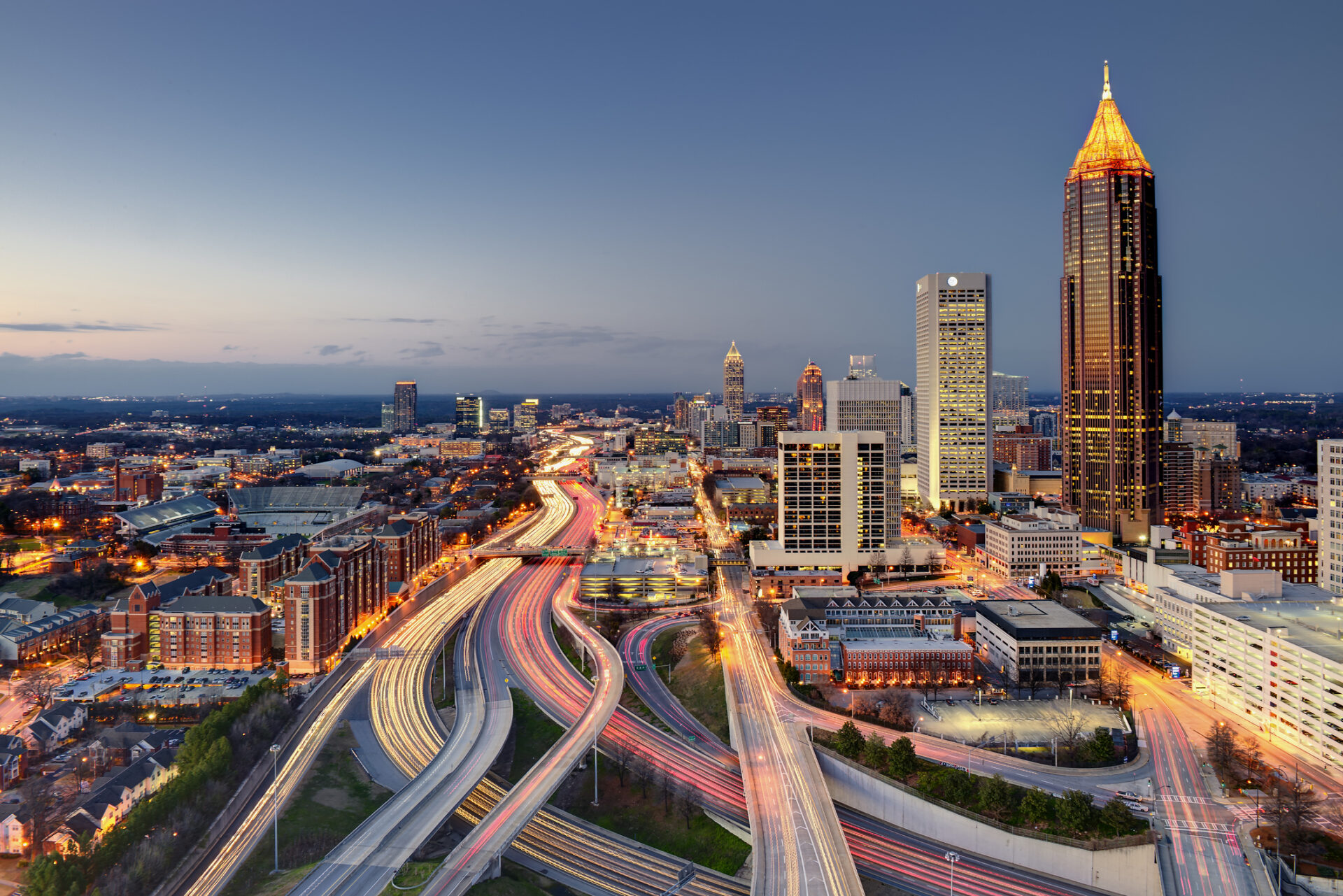
Amid debates as to whether Atlanta is becoming too crowded, a new report by Forbes on Oct. 24 suggests that the city’s rental market might be one of the compelling factors drawing people in. Recently, Forbes released its “Best Cities for Renters of 2023,” and Atlanta has proudly secured its place within the top 15 cities.

With Atlanta’s population surpassing a staggering 6.1 million, it’s worth noting that the metro area has become a significant magnet for residents, while the entire state of Georgia counts just over 11 million inhabitants. When Forbes delved into the best cities for renters, Atlanta comfortably ranked at No. 13 on its list.

“We evaluated the 96 most-populated U.S. cities with available data across 23 different metrics to uncover the best cities for renters. We considered average rental prices and unit sizes for one- and two-bedroom rentals, the year-over-year percentage change in average rent, the percentage of renters who are rent-burdened, crime rates, the percentage of dog-friendly rentals, amenities, and other metrics to identify the best cities to rent in,” Forbes stated as to its methodology for the study.

The report indicates that the average cost of a one-bedroom apartment in Atlanta is $1,535, reflecting a 2.9 percent decrease from the previous year. Those statistics demonstrate a favorable situation for renters in the city.

Topping this year’s list of best cities for renters was Chandler, Arizona. Notably, Atlanta was the sole representative from the Southeast to make the list, underlining its desirability among those looking for rental accommodations.

In contrast, the unfortunate distinction of being the lowest-ranked city went to Newark, New Jersey. Forbes attributed Newark’s unfavorable ranking to its high percentage of rent-burdened households, which stands at a significant 56 percent, as well as the small average unit sizes available for renters.

In summary, Atlanta’s prominence as the 13th best city for renters reaffirms the city’s allure in the rental market. With favorable rental prices and an array of available amenities, it’s no surprise that Atlanta continues to draw new residents despite concerns about overpopulation.

RELATED CONTENT: Keith Lee, Viral Food Review TikToker, Kindly Lambasts Atlanta Eateries

Man Acquitted, Murder

Report: Trends Show Black Prison Population Is On A Significant Decline

A new report shows that the Black prison population has notably downsized the most.


The total prison population has declined by 25% after reaching its peak in 2009, and the Black prison population has notably downsized the most, according to a new report.

Over the past two decades, reforms of the past have reduced some of the burdens of this nation’s criminal legal system and its racial disparities. While all major racial and ethnic groups experienced decarceration, the number of imprisoned Black Americans decreased 39% since 2002, said researchers from The Sentencing Project.

“Reforms to drug law enforcement and to sentencing for drug and property offenses, particularly those impacting urban areas which are disproportionately home to communities of color, have fueled decarceration and narrowed racial disparities,” researchers wrote.

For instance, the lifetime likelihood of imprisonment for Black men fell from one in three for those born in 1981 to one in five for Black men born in 2001. The number remains four times that of their white counterparts. Black women’s rate of imprisonment has also been on a decline, though it is 1.6 times the rate of white women in 2021.

Despite the progress, national and local politics have resumed the politicization of crime and drug policies. And the prison industrial complex overwhelmingly falls on Black communities. The report predicts a long journey to ending mass incarceration, citing that progress in reducing racial disparity in the criminal legal system is at risk of being reversed. The current pace of decarceration is averaging 2.3% annually since 2009, and would take 75 years to return to 1972’s prison population.

“The declines that we have seen do not match the significant increases that got us here, so there is still so much work to be done,” Sydney McKinney, executive director of the Black Women’s Justice Institute, told The 19th News. “Incarceration increased 700 percent since the 1970s, and now we’re seeing a 70 percent decline, which is not bringing us back to the levels we saw during the late ’80s and early ’70s.”

More trends

  • Imprisonment: Black women have experienced the most dramatic decline in imprisonment—70%—between 2000 and 2021. The imprisonment rate of Black men also declined substantially, falling by almost half.
  • Prison population: Between 1999 and 2020, when New York more than halved its prison population, the state’s violent crime rate fell by 38% while the U.S. violent crime rate fell by 24%. Correctional facilities in various states have shut down as a result.
  • Jail population: Though on a decline, high jail populations are still prevalent for Black communities. New York City has dramatically reduced its jail incarceration rate and still found that 27% of Black men and 16% of Latinx men, in contrast to only 3% of white men, had been in jail by age 38 in 2017.
  • Community supervision: The population serving probation and parole has reached 3.7 million in 2021, down from a peak of 5.1 million in 2007. These community supervision levels have declined for most racial and ethnic groups. But in 2021, people of color represented 62% of the population serving a probation or parole sentence, although they comprised 41% of the U.S. population. On July 1, 2022, Florida passed a milestone criminal justice reform bill to shorten probation sentences by offering educational resources and awarding long-term employment.
  • Youth incarceration: The number of youths held in juvenile justice facilities fell by 77%—from 109,000 in 2000 to 25,000 in 2020.  In 2015, Black youth were five times as likely as white youth to be incarcerated. By 2019, the number of Black youth incarcerated dropped to 4.4 times that of their white peers. 

RELATED CONTENT: Georgia Deputy Allegedly Shoots And Kills Black Man Who Spent 16 Years In Prison On Wrongful Conviction

×