Mary J. Blige’s ‘The Mary Boot’ Is Back In Stock, But Going Fast!
If you missed out on the first drop of "The Mary Boot," this is your chance to get your hands on a pair during the restock.
Thanks to a demand from Mary J. Blige’s fans, the singer’s “The Mary Boot” is back in stock.
On June 26, the “My Life” singer took to her Instagram page to share the exciting news with followers and encourage them to snag the once-sold-out shoe from the link in her bio. Blown away by the reaction to the first drop earlier this year, she shouted out fans for showing up and showing out when the item was unveiled.
As of Friday, the Guiseppe Zanotti website still shows the boot available in a few sizes, marked with the same price tag from its initial launch.
The Mary Boot “encapsulates the unique and celebrated styles” of Zanotti and Mary J. Statement boots have long been associated as a signature of Mary’s style, and through this collaboration, using striking and innovative design, fine materials, and attention to detail, the two have come together to make the Must-Have style of the season,” the designer’s website describes.
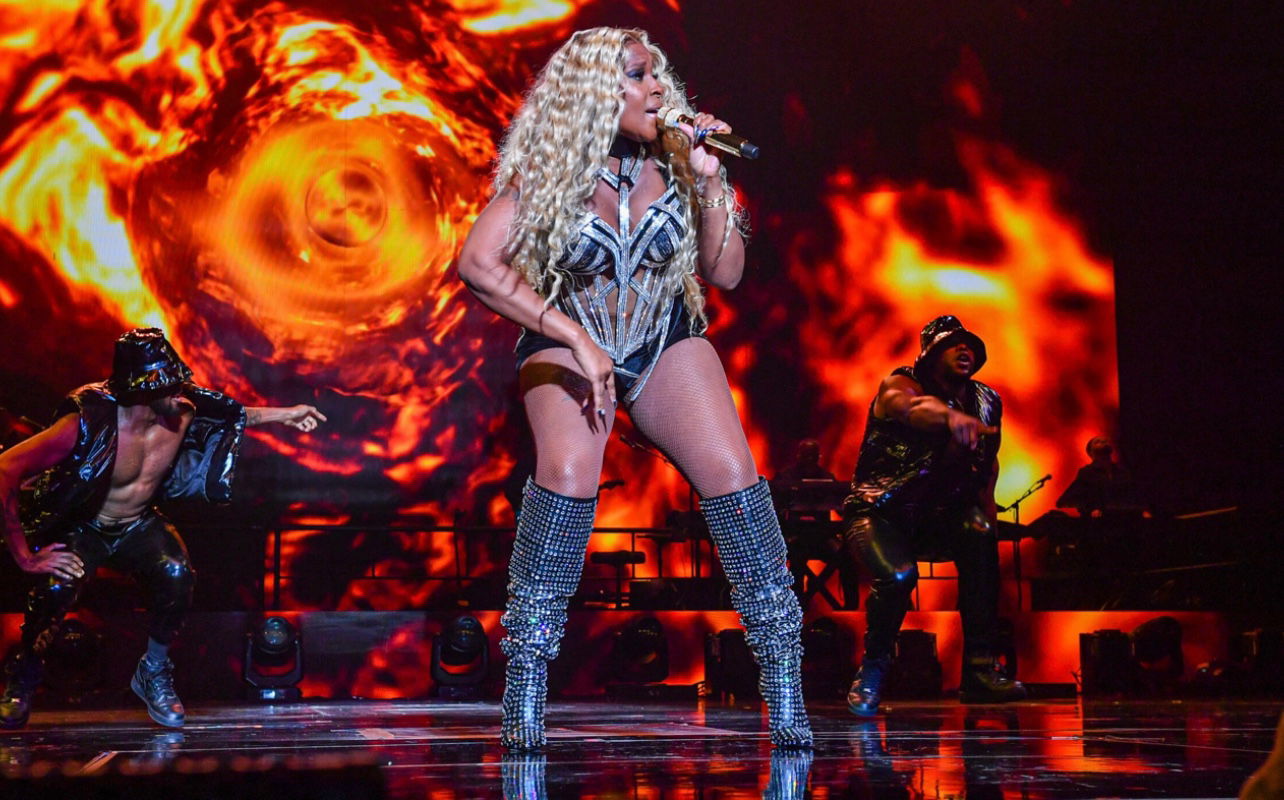
The signature boot, made in Italy, was inspired by the singer for her Strength of a Woman Festival and Summit and designed with a leather sole and 105 mm heel. As previously covered by BE, The Queen of Hip-Hop soul debuted her boot collaboration with Italian luxury footwear and fashion designer Guiseppe Zanotti in May, and even though fans gasped at the high $1,295 price tag, they flocked to purchase the over-the-knee, rose gold boot after Mary J. dazzled the crowd with a pair of the show-stopping metallic boots during her third Strength of a Woman extravaganza in New York City.
“Mary J. Blige boot is officially in the universe,” she announced at the time. “Everybody’s been requesting it, asking for it.”
Giuseppe Zanotti and Mary J. Blige have transformed their longtime friendship into an exclusive, limited-edition collaboration. Introducing “The Mary Boot”, a stunning over-the-knee boot co-designed by the two talents. Discover more https://t.co/jaQ9Lo5mz1#GZXMJB@maryjbligepic.twitter.com/qebKlNnUeA
— Giuseppe Zanotti (@giuseppezanotti) May 13, 2024
This second drop has Mary fans as hyped up as the first time around. Since the recent Instagram announcement, followers and celebrities have flooded the comments to congratulate the actress and express their excitement.
(Photo: Dustin Chambers/Bloomberg via Getty Images)
Donald Trump Calls Into Black Business Roundtable Discussion To Celebrate Support Of Black Voters From His Mug Shot
Trump bragged he has the 'number one mug shot of all time.'
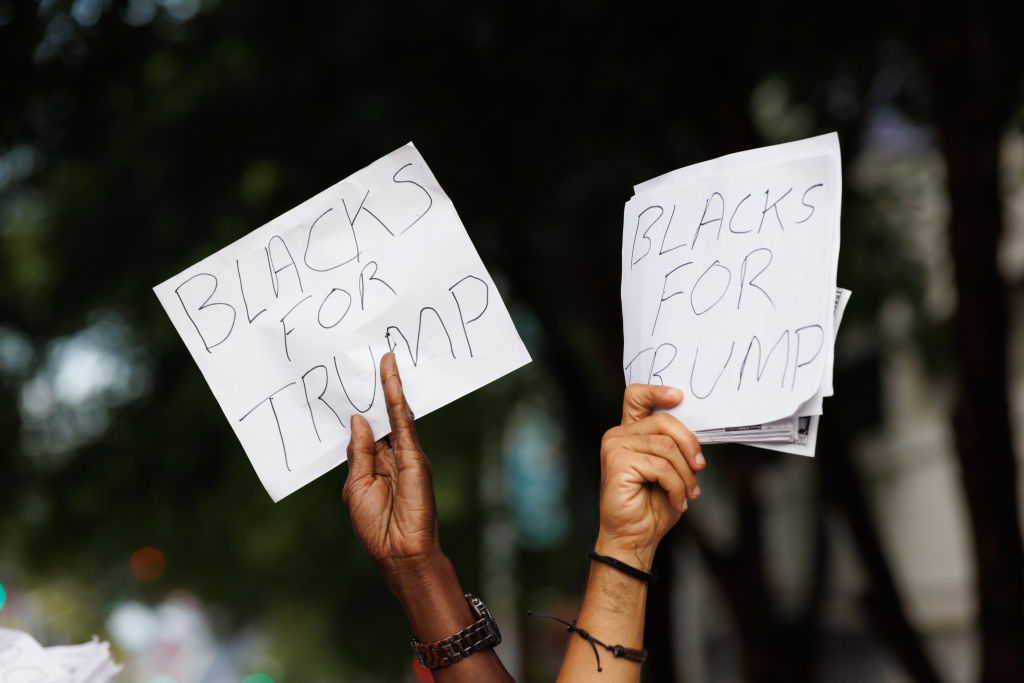
Former President Donald Trump called into a business roundtable discussion to thank Black voters for their support since the release of his mug shot photo.
The event was hosted at a barbershop in Atlanta on June 26 prior to the highly anticipated debate between Trump and President Joe Biden on June 27. Organized by the Trump campaign, the Black American Business Leaders Barbershop Roundtable discussion at Rocky’s Barbershop featured a number of GOP allies including former U.S. Secretary of Housing and Urban Development, Ben Carson, and Reps. Byron Donalds (R-Fla.) and Wesley Hunt (R-Texas).
During the discussion, the indicted businessman called in to answer questions over the phone and jumped to highlight the increase of Black voter support since the release of his mugshot, claiming it as the “number one mug shot of all time.” “Since this has happened…the mug shot…the mug shot is the best…it beat Elvis Presley and Frank Sinatra by a lot by the way…the number one mug shot of all time. It’s really an amazing thing. Since it happened, the support among the Black community and the Hispanic community has skyrocketed,” he said as Donalds held the phone.
“It’s been amazing. Really been amazing. It’s been actually very nice to see. In one way you say, ‘Gee it’s not too bad’ but the truth is, it’s really a lovely thing when I see that.”
Convicted criminal Donald Trump says Black people are supporting him because we love his mug shot. pic.twitter.com/UAxHf8P0Im
Atlanta area business owners and community leaders also participated in the event, including talk show radio host Shelley Wynter; co-owner, of Community Westside Market, Latron Price; commercial and residential real estate property owner, Eric Girault; Helping Empower Youth co-founder, Marc “KD” Boyd; and Daniel Ray, co-owner of Ray’s Southern Foods.
Viewers of the video expressed disappointment in the group’s participation. Co-founder of the The Seneca Project, Tara Setmayer, called the discussion “offensive and embarrassing.” “Every one of those fools should be ashamed of themselves,” she said on X.
The panelists discussed a number of topics pertinent to securing the White House in November, including attacks on some policies administered by the Biden Administration. According to Fox 5 Atlanta, the Trump campaign argued that Biden’s economic policies have set the Black community back, leaving them left with “Bidenflation,” disproportionately affecting Black households.
During the phone call, Trump highlighted his “No Tax on Tips” policy, targeting hospitality workers by exempting their tips from taxation. “I just came up with the concept of ‘No Tax on Tips’ – let the people earn what they earn,” Trump said.
Former Tennessee Top Cop, Celeste Murphy, Faces 17-Count Indictment A Day After Resigning
The ex-police chief reportedly entered false information on several government documents related to establishing residency in Chattanooga.
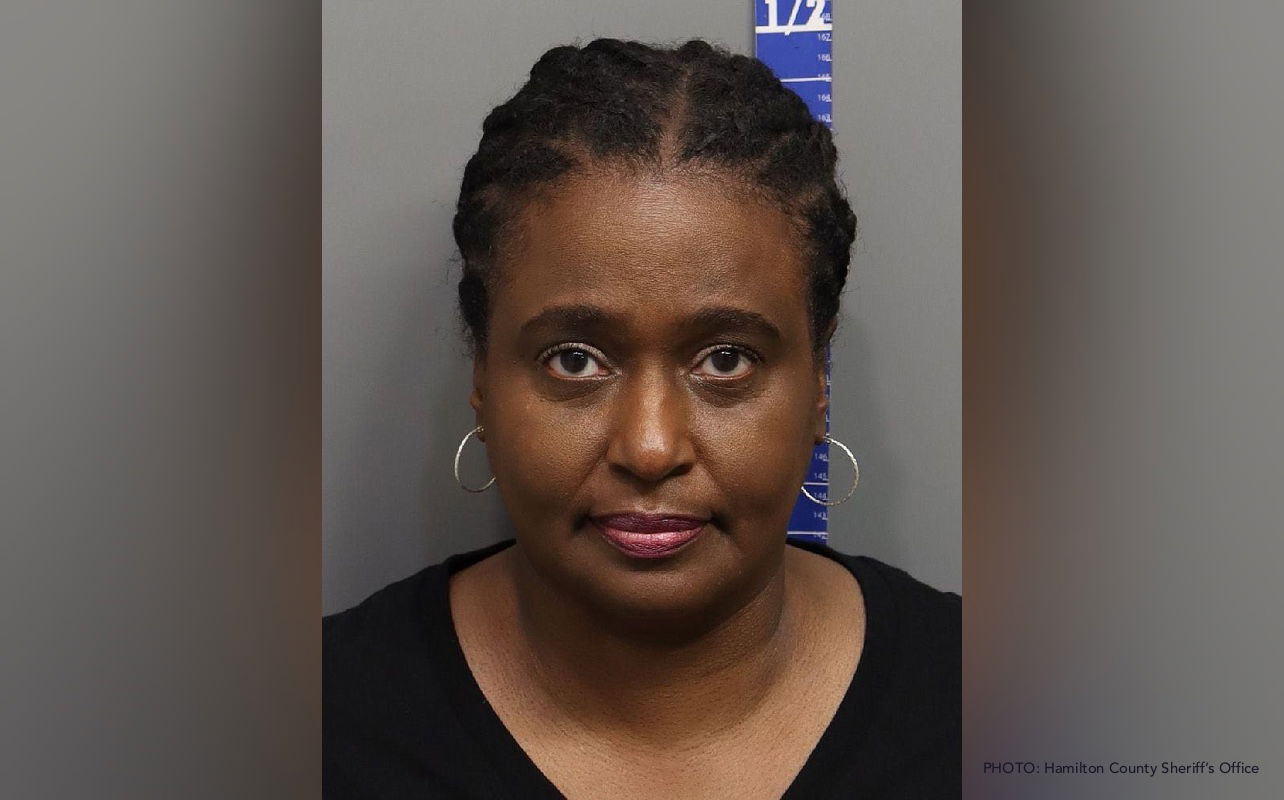
After reportedly falsifying documents, former Chattanooga Police Chief Celeste Murphy has been confronted with a 17-count indictment, comprising 14 felony and three misdemeanor charges, just a day after stepping down from her position.
Murphy, under investigation by the Tennessee Bureau of Investigation since April, faces perjury, official misconduct, unlawful voter registration, and falsification of official documents.
According to the Chattanooga Times Free Press, these charges include lying under oath, misusing her position, and fudging official paperwork.
The issue revolves around Murphy’s residency status. “During the investigation, agents determined Murphy knowingly entered false information on several government documents related to establishing residency in Chattanooga, though swearing to their truth in signing the documents,” the TBI said.
The discrepancy became apparent when her Tennessee voter registration clashed with a property tax exemption she claimed in Fulton County, Georgia.
In 2020, Murphy planted her flag in Fulton County, snagging a homestead exemption. When whispers of Murphy’s dual-state dilemma hit the streets in March, she vowed to straighten things out. However, records revealed the former authority was still receiving her Georgia tax break.
Murphy’s predicament is further complicated by Chattanooga’s charter and her own contract, both of which mandated her residence in Tennessee. Tennessee’s Secretary of State notes, “A person can have only one residence.”
The indictment explicitly mentions her voter registration form, driver’s license application, and a residency affidavit from the Department of Safety and Homeland Security as documents containing allegedly false information. Her first voter registration form listed two Chattanooga addresses, one where neighbors claimed they never saw her and another owned by a police sergeant’s family who stated she never resided there. Following the first reports, Murphy allegedly pivoted, updating her registration to a Southside apartment. Reports reveal Murphy has yet to vote in Hamilton County.
Following her resignation, Murphy surrendered herself to authorities at the Hamilton County Jail. She was released on a $19,000 aggregate bond and is scheduled to appear in court on July 12. Murphy, who made history as Chattanooga’s first female police chief in 2022, will receive a severance package of approximately $44,400.
In her absence, Executive Chief Harry Sommers will temporarily lead the department. As for finding Murphy’s successor, the torch has been passed to Chattanooga City Council member Raquetta Dotley, who will lead a search committee for the next chief.
Grab Your Tissues: Stuart Scott’s Daughters And SportsCenter’s Scott Van Pelt Share Touching Tribute On 10th Anniversary Of The Late ESPN Host’s Iconic ESPY Speech
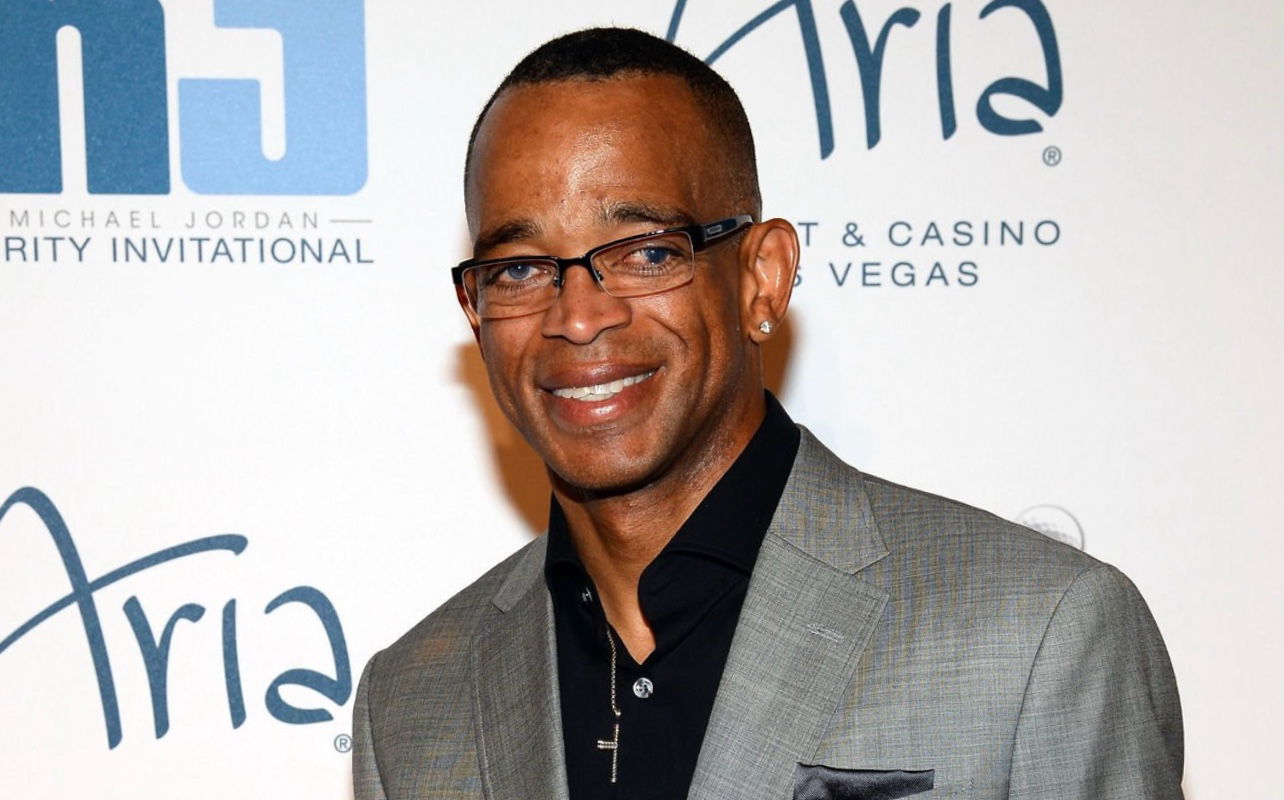
ESPN treasure Stuart Scott was honored by his daughters, Taelor and Sydni, alongside former SportsCenter co-host.
Grab your tissues, a touching moment shared between the daughters of the late ESPN sportscaster Stuart Scott and former ESPN SportsCenter co-host Scott Van Pelt might give you all the feels.
During a special SportsCenter segmen, Scott’s daughters Taelor and Sydni joined Van Pelt virtually to discuss the 10th anniversary of Scott’s renowned speech during the 2014 ESPYs where he openly talked about his ongoing battle with cancer. Now, a decade later, his daughters joined the popular show to not only discuss the historical moment but shed light on the Stuart Scott Memorial Cancer Research Fund, dedicated to their father following his passing on Jan. 4, 2015. His cause of death was from appendiceal cancer.
Founded by ESPN and popular basketball coach Jim Valvano, the V Foundation has been on a mission to achieve Victory Over Cancer since its 1993 inception. After Scott’s death, his family launched the Stuart Scott Memorial Cancer Research Fund to continue championing cancer research, a cause near to Scott’s heart. He was “especially driven to improve outcomes for African Americans and underserved communities disproportionately affected by the disease,” according to the organization’s website.
During the interview with their father’s former SportsCenter co-host, Scott’s daughters were shocked to learn that an anonymous donor has pledged to match up to $75,000 in donations leading up to the 2024 ESPYs, which are set to air live on July 11.
“I don’t have any words,” said Taelor. “It’s life-changing.” All three of them fought back tears for the remainder of the episode and Van Pelt admitted that he had been praying all day asking the Lord not to let him “cry on television.”
In honor of the 10th anniversary of Stuart Scott’s ESPYS speech, Scott Van Pelt was joined by Stuart Scott's daughters Taelor and Sydni.
“It’s life-changing and future-preserving,” Sydni chimed in. “Taelor and I … we talk about this a lot that it is stunning, it’s amazing to meet families who are … a part of one of the worst clubs in the world.”
As if fighting back tears wasn’t hard enough for the trio whose close relationship with Scott was evident, Van Pelt took a moment to shower the girls with love and remind them of how proud their father would be of them if he was still with us today.
“Your dad loved North Carolina, everybody knew that,” said Van Pelt as he continued to try not to burst into tears on national television. “But there’s nothing in the world that he loved more than his little girls and I’m sitting here looking at the grown women you’ve become and he’d be so proud, and he is so proud and so are all of us at ESPN who love you from afar.”
He added, “This was really, really cool that I got to do this and I don’t care that this is where It ends up (Van Pelt lost his fight with the tear ducts). Taelor and Sydni, it’s so good to see you guys.”
Diagnosed with cancer in 2007, Scott ultimately was given the Jimmy V Award for Perseverance at the 2014 ESPYs Awards, delivering a heartfelt speech that has continued to stand the test of time.
“When you die, it does not mean that you lose to cancer,” said Scott at the time. “You beat cancer by how you live, why you live, and the manner in which you live.”
“The best thing I have ever done, the best thing I will ever do, is be a dad to Taelor and Sydni. It’s true. I can’t ever give up because I can’t leave my daughters. Yes, sometimes I embarrass them,” said Scott. “Sometimes, they think I’m a tyrant. That’s a direct quote. There is an adjective that describes tyrant too, but I’m not gonna go there. But Taelor and Sydni, I love you guys more than I will ever be able to express. You two are my heartbeat. I am standing on this stage here tonight because of you.”
Scott died less than a year after delivering the speech at age 49.
Stuart Scott single-handedly changed the approach to sports news when he joined ESPN in 1993. Revered for his witty catchphrases and coining the term, “boo-ya!,” the Chicago native didn’t follow the traditional rules of sports reporting and while some people didn’t like it, there were more people who did because no matter what, Scott showed up as his authentic self.
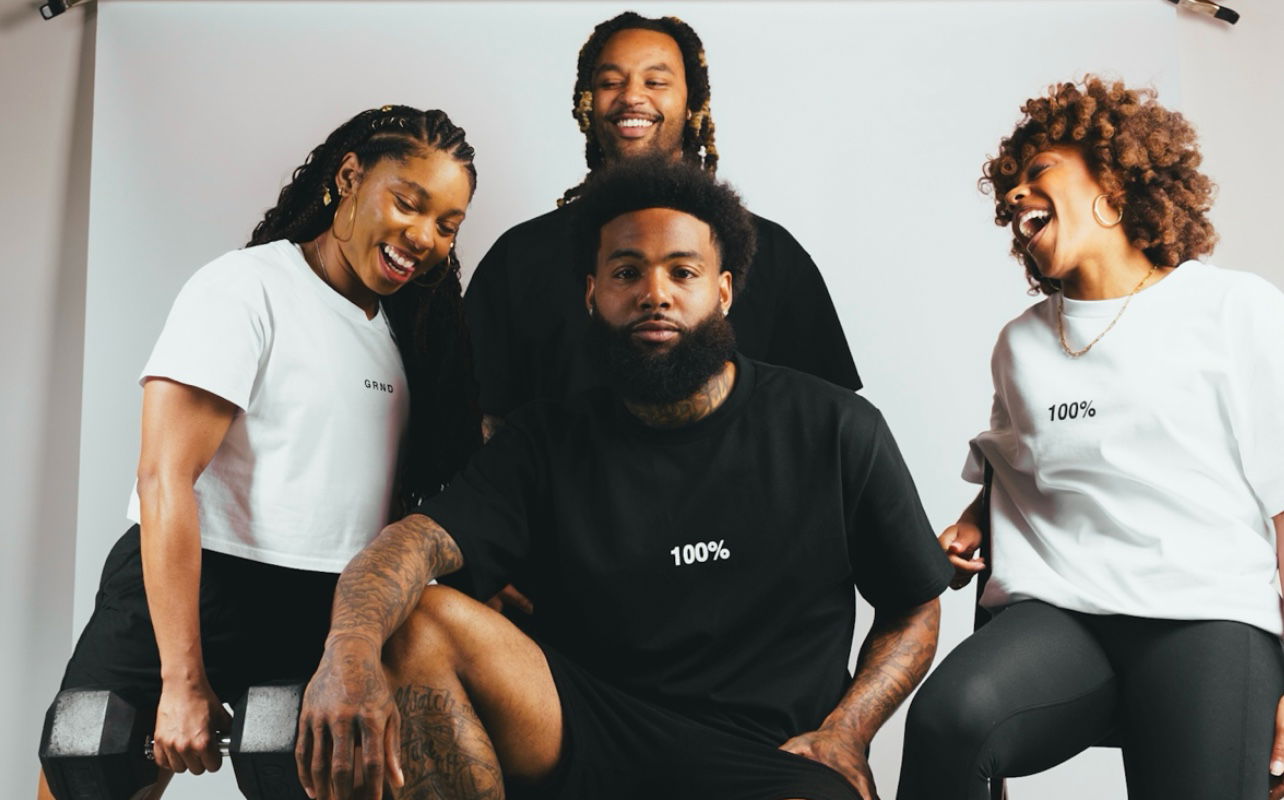
How A Second-Generation Combat Veteran Uses His Clothing Brand To Honor A Fallen Soldier And Inspire Personal Empowerment
Harrison Lewis is on a mission to empower Black youth and veterans through his GRND clothing brand.
From second-generation combat veteran to entrepreneur and soon-to-be physical therapist, Harrison Lewis is on a mission to inspire others to give life their all through his clothing brand, GRND.
After his dreams of becoming a pro athlete fell short, Lewis joined the military. His love for athletics never went away. As a child, he played sports and it followed him well into his adult years. Whether it was keeping up with the habit during his time in the services or now, as he completes his doctorate candidate to become a physical therapist, for him, ball is life and the grind to become the best version of himself never stops.
“GRND is more than a clothing brand, it’s an emotion we all feel, each and every day, as we sacrifice for your families, our communities, and our why, Lewis told BLACK ENTERPRISE via email. “Our mission is simple, to give 100% and then some, in all we do, not only on the field and in the gym, but also in life.”
Inspired by his late comrade, Captain Connor Bendarzyk, who was killed during a training incident in preparation for deployment while serving together in the 75th Ranger Regiment, Lewis says GRND is a way to encourage people to use losses to push them to go harder.
“I think it’s important to carry the reflections of our loved ones forward and draw inspiration from the impact they have made on the world,” Lewis, a combat veteran, explains. The GRND collection currently features unisex t-shirts with motivational quotes like “Stand On It” and “100%.”
For Lewis, his desire to change things for the better is way greater than just taking up space in the athletic wear industry. GRND, he notes, is not just about clothes.
“It’s the feeling we all get when our alarm goes off at 5 a.m. and we know we have to get up and go get it for our family,” he says. “It’s why there isn’t an ‘I’ in GRND. We’ve never done the things we have to do for ourselves, because there’s always a greater reason for our efforts. Whether you are a nurse on a 13-hour shift, a soldier in the field preparing for a deployment, or an athlete trying to make the team, you are the GRND, and you know what it means to give 100% and then some.”
Lewis’ grindcontinues as he works toward his doctorate in physical therapy from the University of Puget Sound in Tacoma, Washington.
It is all part of his grander scheme to launch a state-of-the-art training facility to not only equip Black youth and veterans with access to strength and conditioning programs, but to provide those facing mental health illnesses with the support that they need to keep pressing forward. Lewis faced bouts of anxiety and depression after leaving the military.
“As a physical therapist, my dream is to treat young Black athletes who don’t have access to sports rehab,” he explained. “As a kid from a small town in Louisiana, when we got injured playing sports, we just rubbed some dirt on it. I want to provide critical and necessary access to care our youth need so they can continue to GRND towards their dreams.”
Lewis is on the last leg of his clinical rotations and has plans to earn his doctorate in May 2025.
As It Turns Out, Donald Trump’s ‘Black Jobs’ Are Really White Jobs
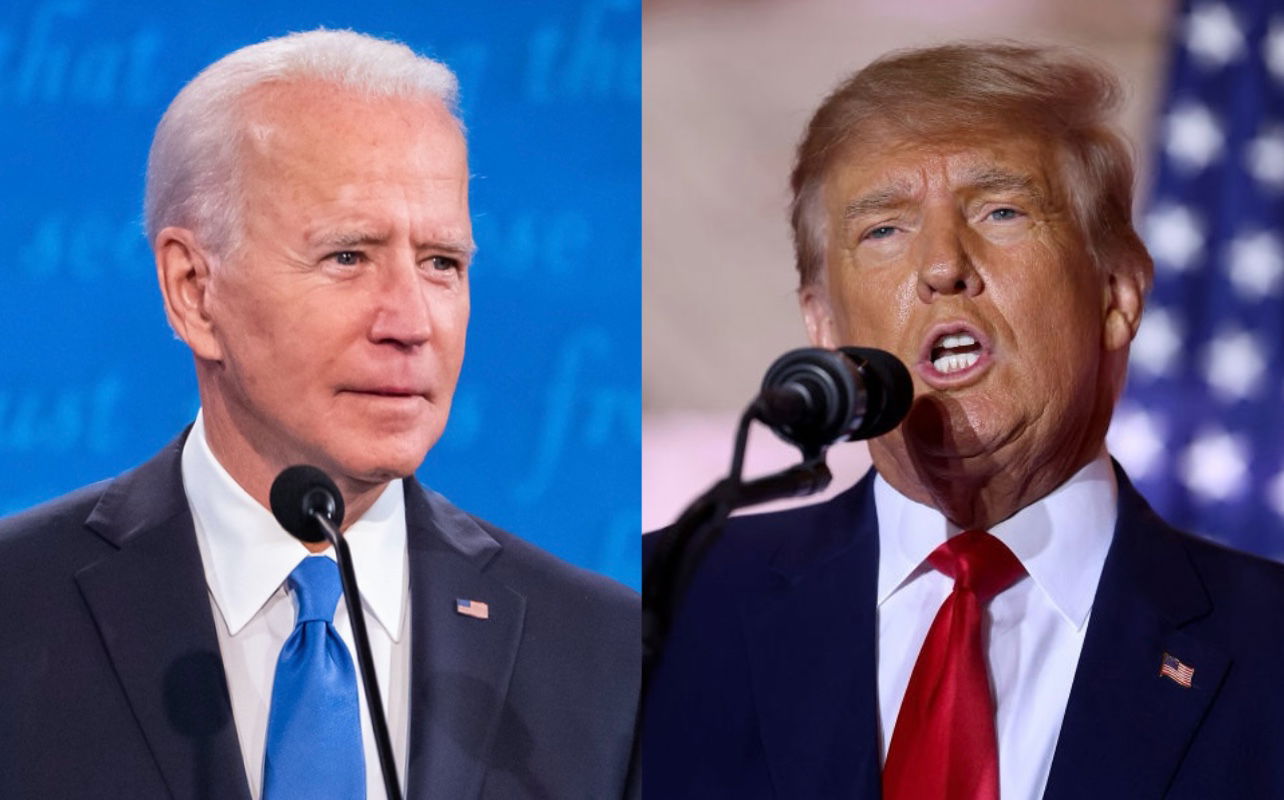
Trump’s unserious and questionable “Black jobs” commentary happened during the presidential debate held in Atlanta June 27.
As the unemployment rate rose from 3.7% to 4% in one year for a plethora of reasons, Donald Trump audaciously lambasted President Joe Biden’s immigration policies, claiming that they took away “Black jobs.” The Black delegation’s social media response to the former commander-in-chief’s ludicrous claim ranged from confusion to trolling.
Trump’s unserious and questionable “Black jobs” commentary happened during the presidential debate held in Atlanta on June 27.
The convicted felon claimed that Biden’s relaxed immigration policies were “allowing millions to enter the borders,” and they were taking “Black jobs” and “Hispanic jobs.”
“The fact is– his big kill on the Black people is the millions of people he’s allowed to come in through the borders. They’re taking Black jobs, and it could be 18, it could be 19 and even 20 million people. They’re taking Black jobs and Hispanic jobs. And you haven’t even seen it yet, but you’re going to see something that’s going to be the worst in our history.”
Although Trump didn’t specifically explain what jobs were considered “Black jobs,” a 2022 study on domestic workers revealed that 90% of those employees are women and 65% of the demographic is U.S.-born. Studies and any type of fact-checked information appear to evade the former president, but the Economic Policy Institute’s (EPI) study also revealed that white women make up 42% of the domestic worker population, followed by 28% of Hispanic workers, and Black folks were at 21%. In other words, immigration policies didn’t actually have an impact on jobs white women were doing.
Immediately, Black X users responded. Here are the best tweets.
First Biden-Trump Debate Highlights Voters’ Concerns as Biden Struggles
Last night’s highly anticipated presidential debate underscored the problems with President Joe Biden.
Last night’shighly anticipated presidential debate underscored the problems withPresident Joe Biden,whose “shocking performance” raised questions about the incumbent’s viability in a rematch with Republican challenger former presidentDonald Trump.
While his camp said that he was suffering from a cold, in assessing the first presidential debate of the 2024 presidential campaign, political analysts believed Biden was “unable to make the case for his administration and shut downTrump”on issues ranging from the state of the economy to abortion rights.In fact, the headlines this morning asked whether the Democrats should decide whether to look for another candidate.
Biden was also unable to put to rest major criticisms regarding his age nor offer rebuttals onTrump’s“inaccuracies,” as polls have shown, andhe refused to answer questions abouthis controversial track record in office.
Neither candidate fully addressed how their administrations would advance the future of African American voters,which is critical to the outcome of the November election.
Democrats are now scrambling to regroup just weeks before the nominating conventions for both parties and the election.
Moderated byCNN anchors Jake Tapper and Dana Bash,it was the first debate without a live audienceand with microphones muted when it was not the respective candidate’s turn to speak. These changes were implemented to foster a more organized and focused discussion, avoiding the disruptions seen in previous debates.
The following are highlights from the debate:
Tapper, opened the debate with a question on the economy, addressing Biden: “President Biden, inflation has slowed, but prices remain high. Since you took office, the cost of essentials has increased. For instance, a basket of groceries that costs $100 now costs over $120, and typical home prices have risen by more than 30%. What do you say to voters who feel they are worse off under your presidency than they were under President Trump?”
Biden responded by highlighting the state of the economy he inherited.
“We’ve got to take a look at what I was left when I became president, what Mr. Trump left me,” he said. “We had an economy that was in freefall. The pandemic was so badly handled. Many people were dying. All he said was it’s not that serious, just inject a little bleach in your arm. You’ll be all right.The economy collapsed. There were no jobs, and the unemployment rate rose to 15%. It was terrible.”
He also emphasized the actions taken to recover: “We created 15,000 new jobs and brought about 800,000 new manufacturing jobs. But there’s more to be done. Working-class people are still in trouble.”
Biden also outlined his plans to address housing and corporate greed: “We’re going to reduce housing prices by building 2 million new units and cap rents so corporate greed can’t take over. We were left with corporate greed as a major issue. By the time he (Trump) left the office, things were in chaos. We’ve put things back together, created those jobs, and made sure we brought down prescription drug prices, making insulin $15 per shot instead of $400. No senior will pay more than $200 for any drug starting next year.”
Trump countered by defending his economic record.
“We had the greatest economy in the history of our country,” he said. “We have never done so well. Every-everybody was amazed by it. Other countries were copying us.We got hit with COVID. And when we did, we spent the money necessary so we wouldn’t end up in a Great Depression, the likes of which we had in 1929.” Trump criticized Biden’s handling of the pandemic: “He created mandates that were a disaster for our country.”
Trump continued, “We never got credit for getting us out of the COVID mess. We did a great job and got a lot of credit for the economy, military, and avoiding wars.” Trump slammed Biden’s spending policies, arguing they have exacerbated rising prices. “They spent money like a bunch of people that didn’t know what they were doing,” Trump said.
Both candidates claimed their policies led to greater job growth and a stronger economy. But the exchange quickly descended into personal attacks as Biden accused Trump of misrepresenting facts and Trump criticized Biden’s leadership abilities. Their disagreements on economic policy highlighted fundamental differences in their approaches.
The debate took an even sharper turn when the discussion moved to abortion rights following the Supreme Court’s overturning of Roe v. Wade. Biden vowed to protect abortion access nationwide, calling it a decision that should be made between “a woman and her doctor.”
Trump applauded the new ruling. “This gives it the vote of the people, and that’s where they wanted,” he said. Harsh accusations were traded as each candidate alleged the other was distorting their position. Biden said he supported exceptions for rape, incest, and life of the mother, while Trump baselessly claimed Democrats support “killing the baby in the eighth month, the ninth month, and even after birth.” Their clash illustrated the irreconcilable divide on this issue between the two sides.
On immigration, Trump launched scathing attacks against Biden’s border policies, claiming they have allowed “killers” and “criminals” to freely enter the U.S. Biden forcefully rejected such allegations, emphasizing his commitment to reforming the system and treating migrants humanely. Their dispute underscored competing visions for how best to balance security and compassion.
The candidates unleashed withering critiques of each other’s records and character throughout the debate. At various points, Biden called Trump’s statements “foolishness,” while Trump slammed Biden’s leadership as “the worst in history.”
Biden and former Donald Trump dedicated a small portion of the debate to African American issues. Tapper asked, “What do you say to Black voters who feel they are worse off under your presidency than they were under President Trump?”
Biden highlighted the increase in small Black businesses, low Black unemployment, efforts to improve housing and reduce segregation, affordable childcare, a $10,000 tax credit for Black first-time home buyers, and pointed out student debt relief measures for Black individuals working in public service.
In response, Trump criticized Biden for causing inflation, claiming it harms Black and Hispanic families by increasing the cost of living. He argued that Biden’s policies, such as the Green New Deal, have damaged the economy. Trump also claimed that Biden’s immigration policies have resulted in job losses for Black and Hispanic Americans due to the influx of immigrants competing for jobs.
An Up Close Look At The Ins And Outs Of Startup Loans
African American business owners have many options for securing startup business loans, such as SBA loan programs and bank loans. Find the best fit for your business.
Originally Published Sep. 13, 2019.
Whether you’re looking for a bank loan or asking for funds on Kickstarter, financing a startup is half the battle of being an entrepreneur. Luckily, there are many options for financing your business, such as startup business loans. There are also financing and loan options geared toward African Americans and other minorities, that cater to a community’s specific needs.
In this guide to startup business loans, you’ll learn what they are, what types of business funding are available, and how to apply.
What is a Startup Business Loan?
A startup business loan is a type of financing for a new or expanding business offered by lenders (e.g., banks, credit unions, and other financing institutions) that follow the guidelines set by the Small Business Administration (SBA). Though loans are available outside of the SBA, SBA loan programs help match entrepreneurs with lenders willing to help new businesses with little financial history and greater risk.
You can find lenders partnered with SBA loan programs through the SBA’s Lender Match referral tool. If you want to secure a startup loan, follow these basic steps.
Use the lender referral tool and answer several survey questions so the tool can match you with appropriate, potential lenders.
In just a few days, you’ll receive an email from interested lenders. You can contact those lenders and set up a time to discuss financing options for your business.
Before submitting a loan application, you will have the opportunity to discuss rates and loan terms with the lender.
Put together the paperwork necessary for your loan application, complete the application, and submit.
Do I Qualify for a Small Business Loan?
The qualifications for a startup business loan aren’t as difficult as you would think. Does your business meet the following criteria?
Businesses must be for-profit, so nonprofit organizations are disqualified.
The startup must do business in the United States.
The individual(s) must prove they have invested their own time and money into the company.
The individual(s) must prove they have not been able to secure loans from other lenders.
Being able to prove this information will make it much easier to apply for a small business loan.
What Documents Will I Need to Apply for a Business Loan?
Once you’re ready to apply for your startup business loan, gather all of the necessary information required by the lender, such as:
Business Plan – A business plan shows potential lenders your company is capable of generating enough revenue to reduce the risk on the financial investment.
Requested Loan Amount – Calculate the amount of money your startup will need and how it will be used to ensure that funds are going to business expenses.
Credit History – Your credit history tells the lender how reliable you are in paying back your debts. Some lenders may be less likely to give a loan to an individual(s) with bad or limited credit history.
Financial Projections – Your financial projections give the lender an idea of how you will pay back your loan. Expect to show projections for the next five years.
Collateral – Often, to ensure that you pay back your loan, a lender will put a lien on a tangible asset, such as a home or car.
Industry Experience – Your industry experience demonstrates you have the appropriate knowledge to run a sound and successful business in your field.
Types of SBA Loan Programs
Depending on the amount of money you need and what the money will be used for, there are different loan programs to meet the needs of entrepreneurs. The SBA offers several loan programs, including:
General Small Business Loans—Also known as 7(a) loans, these loans can be used to start a business, expand or acquire additional businesses, purchase equipment and materials, purchase real estate, and refinance existing debt.
SBA Microloans—The SBA Microloan program offers loans between $5,000 and $50,000 for small businesses and some non-profit childcare centers. The SBA provides funds to intermediary lenders (typically non-profit community organizations) that have experience with lending and management assistance.
Real Estate Loans—These are also called CDC/(504) loans. They can be used for the purchase of buildings and real estate, land, construction and repair of new or existing facilities, and long-term machinery or equipment.
Disaster Loans—These loans are open to businesses of all sizes for the repairs to certain assets that have been damaged or destroyed.
Microloans can be an excellent option for very small companies, especially due to the willingness of these lenders to provide funding to women of color and other minorities.
Small Business Startup Loans for Minorities
Many African Americans turn to family, friends, and their own bank accounts to start a business. Loans are not always easy to secure, and the process can be intimidating. But, there are resources and loan programs available to African American businesses, as well as businesses in underserved communities.
SBA Community Advantage loans and 8(a) loans make funding more accessible to communities that lack the resources necessary to start small businesses, including minorities.
Community Advantage loans typically grant between $20,000 and $250,000 to small businesses. Whether it includes African American communities or not, these loans are provided to small businesses by certified community lenders (no need for a bank loan). The applicant must have:
Reasonable credit history or a cosigner with good credit
Some collateral, though not as much as a typical small business loan
30% invested capital
At least two years of experience in the industry
Proof their business will be able to generate enough revenue to provide for their own living expenses
Outside of SBA programs, there are a number of specific loan funds for minorities and African Americans that small business owners can take advantage of, including:
Union Bank’s Business Diversity Lending Program—Minority and women entrepreneurs who own at least a 51% stake in a company can secure up to $2.5 million. The company must be at least two years old and generate less than $20 million in annual sales.
The Business Center for New Americans—People of color who are immigrants or refugees in New York City can secure up to $50,000. New businesses may apply, and no minimum credit score is required.
The National African American Small Business Loan Fund—African American-owned small businesses in New York City, Los Angeles, and Chicago can secure loans from $35,000 to $250,000. Financial consulting is also available.
Accion—This is a nonprofit, community organization that offers loans between $300 and $1 million for mature and startup businesses. More than half of its borrowers are from minority communities. Startup business loan interest rates will depend on the applicant’s credit score.
Additional Funding Options:
If you don’t want to rely solely on startup business loans, there are still plenty of other funding options for your business. Let’s take a look at several of those options and why they may be a good or bad idea for your startup.
Bank Loans
It’s easier to get a general bank loan (rather than an SBA loan) if your business has been around for a few years. If you’re looking for a startup business loan, then you will need good credit and enough collateral to nearly match the amount on the loan. This level of collateral, as well as the credit score requirements, can make bank loans much more difficult to secure than SBA loans.
On the other hand, establishing a relationship with a bank can be good for building your business credit and managing your money. Banks often offer important financial assistance and consultation.
Small Business Grants
Grants are a great way to secure funding without having to pay back a debt. Unfortunately, grants tend to be allocated to nonprofits (e.g., educational or arts nonprofits) and federal or government institutions. Therefore, grants should probably not be your first option for financing a for-profit business.
With that said, there are opportunities to secure grants for businesses that operate within specific, niche industries. For example, businesses that improve economic development or push research initiatives may have an advantage in getting federal or local grants.
Grant programs, such as the Small Business Innovation Research Program (SBIR) and Small Business Technology Transfer Program (STTR), provide funding to businesses that explore new technologies or use technology for research. Tech startups would be an appropriate type of business to apply for these types of grants.
Credit Cards
Credit cards can be a rather dirty word when it comes to business funding, and that may be due to high-interest rates and late payment fees.
According to the Federal Deposit Insurance Corporation, credit cards should only be used to fund “short-term cash flow problems” while you are waiting on guaranteed income. Abuse of credit cards can damage your business and personal credit, so it’s best to look at other options first.
Crowdfunding
Crowdfunding is a high-tech method for funding your business, but it’s accessible to just about anyone with an Internet connection. If lenders won’t give startup business loans, then it may be time to turn to individual investors and donors on crowdfunding platforms.
Crowdfunding can mean pulling money from anyone interested in your product or service, which is the case for platforms like Kickstarter or GoFundMe. Meanwhile, equity crowdfunding platforms are open only to accredited investors. These platforms may require a minimum investment amount, which can provide significant capital for your company. These platforms may include CircleUp or SeedInvest, for example.
Sometimes, crowdfunding also refers to the sale of shares or stock in a company. However, this would require the business owner to understand and comply with securities laws, which govern how financial information is reported to the public. If this isn’t your area of expertise, then it’s best to learn more about the online crowdfunding platforms previously mentioned.
(Photo by Stephen Coburn on stock.adobe.com)
Accredited Investors
Venture capital and “angel” investors specialize in funding startup businesses, especially tech startups. Similar to share sales, this method should not be pursued without some knowledge of investor relations and perhaps legal consultation.
Angel investors, which are usually wealthy individuals, and venture capital firms put up large amounts of capital with the expectation of high returns on investment. Unlike a loan, you will not be in debt to these investors, but your business should demonstrate the potential for serious growth and significant returns. You may also have to give up some control of your business to these investors who want to own a stake in the company.
How Do You Secure Money from Investors?
You’ll need to network and woo wealthy investors. This is perhaps one of the disadvantages of relying on investor capital. If you don’t have the connections or the resources, it can be difficult to access investors or know how to pitch to them. However, you can start by researching venture capital firms and investor listings online.
Once you find investors, the process is not dissimilar to applying for a loan. You will have to present your business plan, financial statements, business structure, board and governance structure, products/services, and financial projections to those investors. If an investor is interested, you will then decide on terms and conditions in an official term sheet.
Overall, your business will most likely benefit from multiple sources of funding rather than just one. Each funding method should take into account your company’s unique operations and financial position.
Time to Apply for a Startup Business Loan?
Now that you’ve been introduced to startup business loans and how to get them, you can begin the “shopping” process. Always look for low-interest rates, repayment terms, and other fees before agreeing on a lender. And, most importantly, consider all of the different avenues you can choose to fund your business, whether it be an SBA loan program, a bank loan, or even a wealthy investor.
Marble Wines' first blend is a red wine inside a bottle designed with a special paper for drinkers to see their own reflections.
There’s a new player in town that’s set to shake up your summer sipping game. Marble Wines, the brainchild of dynamic duo Latoya Jordan and Brianna Shelko, is here to add a splash of diversity and a whole lot of flavor to your favorite poolside beverage.
Launched in February 2023, Marble Wines isn’t just another pretty bottle on the shelf, and Jordan spoke to BLACK ENTERPRISE about the minority- and women-owned company’s mission to celebrate the brilliance and resilience of women, one glass at a time.
Jordan and Shelko’s vision? “We really felt like it was a great time for women to connect and collaborate,” Jordan said about Marble Wines’ aim to break down barriers and showcase what’s possible when women from different cultures come together.
Behind this innovative brand is a story of passion and purpose. Jordan said as a Marble Wines co-founder, she brings her Black girl magic and experience as a successful business attorney to the table. The Germany-born businesswoman’s journey from disability advocate to entrepreneurial trailblazer led her to this delicious venture, fueled by a desire to lift women’s voices and create a more diverse landscape in the wine industry.
Shelko, a white woman from Rhode Island, is an award-winning singer-songwriter. Both women relocated to Georgia with their families during their early childhoods. and met prior to the wine venture, collaborating on several projects. Jordan approached Shelko about becoming a Marble Wines founding member and the Business and Administration graduate agreed to bring her expertise in digital marketing and advocacy for women, as a Marble Wines co-founder. They started discussing plans for their Marble Wines company back in 2021, eager to build a community of women to come along for the journey.
But why “Marble”? Jordan told BE to picture this: the beauty of interlocking mosaics, each piece unique yet contributing to a stunning whole. Just like no two marble stones are identical, this brand embraces individuality while creating something truly spectacular in the wine industry. According to Jordan, the name is a reflection of the partnership and represents what the co-founders hope to instill in other women. “We have this hope that for each woman who drinks Marble, she’s able to see herself reflected…figuratively in terms of what it is,” she said.
Now, let’s talk about what’s inside the Marble Wines bottle. Marble Red, their debut blend, is a medium-bodied stunner that’s neither too dry nor too sweet. With notes of dark berries, fresh plum, and raspberry compote, this velvety-smooth blend is designed to please both red wine aficionados and those just dipping their toes into the world of reds.
“We really wanted to create something that will slowly transition…and take the intimidation out of trying new things,” Jordan said. “We intentionally created Marble to be a feast for the eyes, the taste buds, and the spirit.” So, if you’ve been hesitant to venture into red wine territory, consider this your gilded invitation.
Speaking of gilded, Jordan dished about the eye-catching bottle design and it’s not just a vessel; it’s a work of art. Jordan shared that she and Shelko went the extra mile, holding focus groups to ensure their label resonated with women.
“What the women said they wanted to see was representation,” she said, and for Jordan and Shelko, it wasn’t enough to just put a woman on the bottle. The result? A stunning bottle adorned with gold elements and – get this – reflective paper that allows you to see your own reflection in the sunglasses on the label. The artwork itself comes from the talented hands of Black illustrator and painter Perryn Ryan Ford, adding another layer of diversity to this already inclusive brand.
Jordan said she can assure women will want to keep this bottle long after the last drop is gone and Marble Wines isn’t stopping at just one blend. With biracial vintner and master blender Chris Christensen (the genius behind America’s first sparkling Sauvignon Blanc) on board, the brand is poised to push even more boundaries in the future.
So, what’s next for Marble Wines?
The sky’s the limit! With plans for future collaborations with like-minded entrepreneurs and brands, this is just the beginning of a wine revolution. Next time you’re lounging by the pool, hosting a girls’ night, or simply unwinding after a long day, why not reach for a bottle of Marble Red? It’s more than just a wine – it’s a celebration of beauty, individuality, and connection, according to Jordan. Every sip of Marble Wines is a toast to diversity, empowerment, and the joy of trying something new.
The owners of Marble Wines envision wine drinkers pouring themselves a glass, admiring their reflections in that unique bottle, and raising a toast to the future of wine.
Expert Reveals How To Graduate College Without Becoming A Slave To Student Loans
Financial expert Anthony O'Neal, author of Debt-Free Degree, discusses ways financial education can help you avoid student loan debt.
Originally Published Oct. 24, 2019.
Student loan debt may seem like a way of life these days. But it doesn’t have to be, and Anthony O’Neal can tell you how. O’Neal has helped thousands of students make the right decisions with their money as the author of Graduate Survival Guide: 5 Mistakes You Can’t Afford to Make in College and his new book, Debt-Free Degree: The Step-by-Step Guide to Getting Your Kid Through College Without Student Loans.
After being in debt and experiencing homelessness—he lost both his college scholarship and his apartment—he overcame his financial issues to become debt-free. He now travels the country spreading his encouraging message to help teens and young adults transition into the real world. O’Neal took the time to discuss why financial education is key to being debt-free.
What made you decide to enter the world of finance?
The lack of wisdom and knowledge I received growing up around finances directly impacted the decisions I made in my early adulthood. I had $35,000 in debt and was homeless at age 19. When I hit that low point, I decided to not only never be in that situation again but knew I wanted to help young people avoid the mistakes I made.
Finance is very important in our lives, yet it’s not taught in schools. What can be done to ensure children can make better financial decisions as they enter adulthood?
There are only 25 states in the U.S. that require a personal finance course in high school. Other states are trying to make it happen. But, up to this point, educators have not seen it as a priority for teens. At Ramsey Solutions, we’re working hard to change that. Our curriculum, Foundations in Personal Finance, has impacted millions of lives and has been taught in 1 out of 3 high schools in the country. And I travel the country speaking to high school and college students helping them understand the impact their financial decisions can have on their futures. It’s so important for teens to learn these principles young so they’re set up for success when they leave home.
Why did you write the Graduate Survival Guide, and what should we anticipate from your latest offering, Debt-Free Degree?
In Graduate Survival Guide, I was able to really lay out the mistakes I made in college and work with my friend, Rachel Cruze, who was lucky enough to avoid those mistakes. We were able to use both of our experiences to not only educate readers on what to avoid but also how to win while in college.
Right now, in America, we’re in the middle of a student loan crisis. While everyone is talking about student loan forgiveness, I want to help people avoid the student loan trap altogether. My hope for Debt-Free Degree is to change people’s perspective on how to pay for college—it is possible to go to school without student loans. You just need a plan, and Debt-Free Degree is that plan.
Why are we, as a country, so rooted in a student debt crisis?
Student loans are normal. It’s easier to sign up for a student loan than it is to work hard, save money, and find scholarships and grants. People are uneducated on the effects these loans are going to have on the rest of their lives. We’re seeing it all play out now. Millennials are postponing buying homes, getting married, and even having kids because of student loans. That’s why the first thing I’m telling people to do is take debt off the table. When student loans aren’t an option, you find other ways to pay—whether that’s choosing a cheaper college, a trade school, or spending time finding money.
Student loans are robbing young people of opportunities—not creating them. So, right now, I’m just focused on changing the way that our culture thinks about their future.
Why is it so important to you to help young people deal with finance successfully?
This message matters so much to me because I have been there. I was in a situation that felt hopeless because of the debt that I was in, and it kept me from starting my adult life out on the right foot. I know kids and parents feel overwhelmed by the cost of college. I get why they feel tempted to take out student loans. It seems like the easy way upfront, but it is taking people an average of over 20 years to pay it off. That is not the easy way! Imagine what that monthly payment would do if you invested it for 20 years instead. The average student loan payment is $393 a month. That would be around $4.1 million by retirement. Student loans are literally costing young people millions of dollars!
If you could do one thing over again, what would it be and why?
I would listen to my mom. I would not have taken out student loans and cut up my first credit card when she told me to cut it up. Debt led me down a rough path where I was depressed, homeless, and alone. I am thankful to God for helping me to come to my senses and turning my life back around. I know those experiences shaped me into who I am, and now because I’ve lived it I can help young people to avoid the same mistakes. But if I had just listened to my mom.