Black College Grad Announces Run For Mayor Of Metro Atlanta City
Sam Foster wants to bring modern leadership to the city of Marietta.
A recent college graduate has announced his candidacy for mayor of Marietta, a city located in the Metro Atlanta area.
Sam Foster moved to the area in 2019 to attend school at nearby Kennesaw State University. While matriculating, he grew fond of the area and its people. However, he noticed some systemic issues that stunted its growth.
Since graduating with his Bachelor’s in Information Technology in 2022, Foster has remained a part of the Marietta community. He led a local nonprofit and attended city council meetings. He also helped residents stay connected and active through a communal bike ride.
“A new Marietta is possible, and it’s going to require new ideas,” shared Foster in his official campaign video. “Our community is ready for a vision that will build a Marietta that works forever. Leadership requires the courage to listen, the vision to lead, and the commitment to deliver.“
On his campaign website, he aims to tackle housing affordability. His plans, if elected mayor, also include fixing the streets for pedestrians and bike riders, as well as protecting green spaces while introducing fair taxes.
“We are dealing with a housing affordability crisis that isn’t being treated with the urgency it demands,” added Foster in another video. “With no clear vision for the future and a desire to maintain the status quo, it’s time for a new Marietta. One with fresh ideas, led by someone who is ready to invest in our city and deliver on the promises that we failed to fulfill for decades. Our community is ready for a vision that will build a Marietta that actually works forever.”
He also wants to invest in supportive housing and low-barrier services, as well as mental health services for unhoused people. Furthermore, he hopes to instill greater trust between residents and the local leaders they elect. As a modern leader, Foster wants Marietta to live up to its potential with a bold vision for the city.
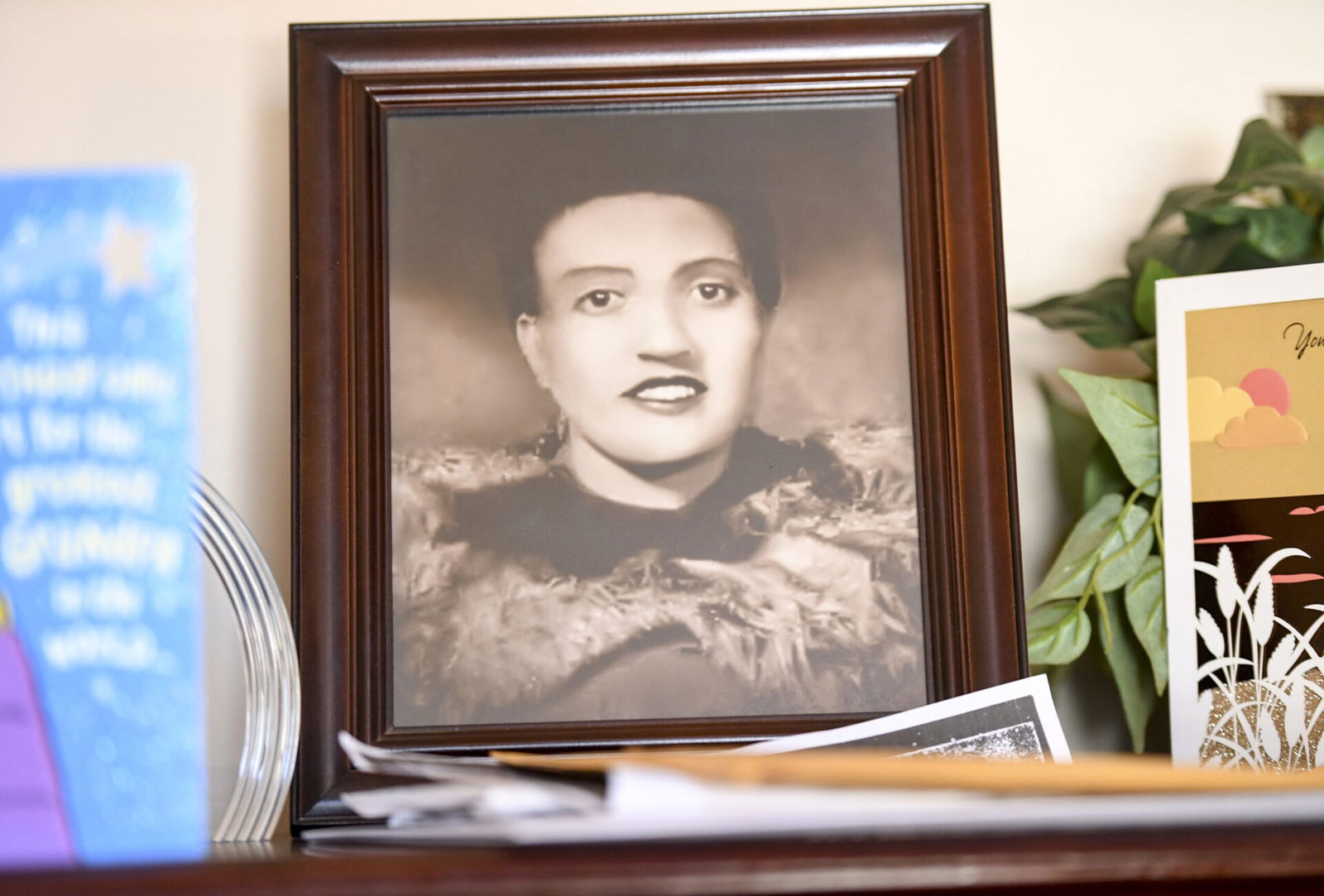
BALTIMORE, MD - MARCH 22: A photo of Henrietta Lacks, sits in the living room of her grandson, Ron Lacks, 57, n Baltimore, MD on March 22, 2017. (Photo by Jonathan Newton/The Washington Post via Getty Images)
Henrietta Lacks Honored With A Mural, Completed By Baltimore Community
Shawn Berkins and the Baltimore community honored the driving force behind modern scientific research during a Henrietta Lacks Paint Day.
Artist Shawn Berkins and Baltimore residents honor Henrietta Lacks during the Henrietta Lacks Community Paint Day.
In July, residents gathered to assist in the completion of the mural. Alongside Berkins, the community members assisted in bringing Henrietta’s story and image to life. The center of the mural features Lack’s face and was installed near Johns Hopkins Hospital.
Berkins spoke to WMARBaltimore about the significance of bringing light to Lack’s story.
“We can bring awareness to her whole story about her immortal cells and how she’s been able to impact the world on a global stage,” Berkins said.
Nosreme Baltimore organized the commission that began in 2017. The organization sought to honor one of the driving forces behind modern medicine. It also attempted, and succeeded, in bringing the Baltimore community together to join the initiative.
Ariana Parish, executive director of Nosreme, noted the community’s proximity to Johns Hopkins, which also serves as a research institute. She believes the location is a fitting place to memorialize Lacks and educate others about her contribution to medicine.
“How can we do something that honors Henrietta Lacks in this neighborhood … we’re in the medical campus area,” said Parish.
Organizers say a formal unveiling event is planned for late September. In the meantime, the mural remains a powerful daily reminder of a Baltimore woman whose life had global implications and whose memory is finally celebrated.
Lacks’s cells, harvested without her consent in 1951, became the first immortal human cell line, the HeLa Cell, which is crucial to polio vaccine development, cancer research, and more. However, Lacks did not consent to the unethical testing. Though widely used in labs, Lacks never received recognition or compensation for decades.
The immortal HeLa cells have been used in multiple scientific research studies since 1951. As a result, descendants of Lacks have launched litigation against multiple pharmaceutical companies that have profited from the use of her biological property.
Troy Taylor is the Founder and Chief Executive Officer of Coca-Cola Beverages Florida, LLC (Coke Florida), a family-owned Coca-Cola bottler.
Coke Florida is the sixth-largest Coca-Cola bottler in the United States and operates in an exclusive Florida territory that covers over 21 million consumers and includes the major metropolitan markets of Miami, Tampa, Orlando, and Jacksonville. Headquartered in Tampa, the company generates over $2 billion in annual revenue and employs over 5,000 associates. Coke Florida was recently recognized as a 2025 US Best Managed Company Gold Standard Winner by Deloitte Private and The Wall Street Journal. This honor is awarded to companies who have been recognized as US Best Managed Companies for four or more years.
Taylor is also the Founder and CEO of Cardinal System Holdings (Cardinal), the holding company for Coca-Cola Beverages Florida and Tellus Equipment Solutions (a John Deere agriculture and worksite equipment dealer). Cardinal also owns Florida Fresh Vending and Markets (a provider of unattended retail solutions), Cardinal Equipment Services (an integrated food and beverage equipment sales and service business), and related private investments.
Taylor serves as Co-Chair of the Coca-Cola North American System Leadership Governance Board. He is a board member of the Coca-Cola Bottlers’ Association, American Beverage Association, and Florida Chamber of Commerce. He is also a member of The Florida Council of 100 and a trustee of the Studio Museum in Harlem. Taylor earned a bachelor’s degree in Finance and Business Law from Marshall University and was a past recipient of the EY Entrepreneur of The Year award.
(Photo: Jeffrey Greenberg/Universal Images Group via Getty Images)
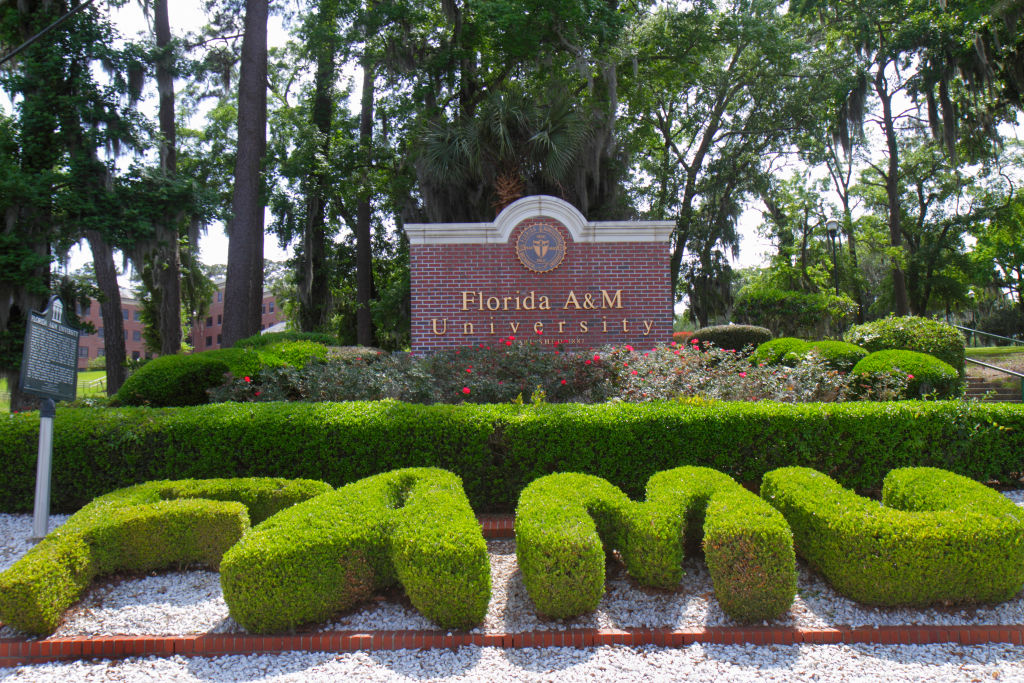
FAMU Board Of Trustees Points To Chair And Leadership Issues In New Self-Evaluation
The Board did not sugarcoat any of its issues it needs to work on for next year.
Florida A&M University’s Board of Trustees has released a new statement as part of its self-evaluation, revealing trouble within the group.
The Board of Trustees shared the self-evaluation with the public, which detailed its concerns regarding leadership, communication, and its former interim president. According to WCTV, the board scored itself lower in almost every category as compared to last year.
The document detailed how the Board has lowered its approval of how it operates. One category, on governance and leadership, dropped significantly to an average score of 2.1 out of 5: “The Board operates as a cohesive unit and strives toward a shared vision.” The majority of board members marked their responses toward the statement as “below average.”
Out of five statements regarding their effectiveness and actions in the best interest of FAMU, only one category, regarding participation in the decision-making process, held a higher performance average. The others, which included effectively working with clear responsibilities, remaining independent from outside stakeholders, and even the chair’s leadership, received lower average ratings.
The Board also acknowledges that FAMU faculty have been “systematically excluded” from key decision-making, with the issue reportedly worsened by the chair’s leadership. With calls for better leadership, they deemed their current model “not reflective” of what the university deserves.
“The leadership model currently in place is not reflective of the inclusive, transparent, and principled governance that our University deserves,” detailed the evaluation. “Faculty remain committed to advocating for fairness, shared governance, and the betterment of our institution, and we call upon the Board to do the same.”
The document added, “Due to a lack of proper leadership, the board functions at a low level and cannot move the university forward in a positive manner.”
However, the Board continued to “drag” itself during its self-evaluation, with members giving low scores in policy implementation and approach, as well as institutional sustainability. They further criticized the board chair for failing to improve relations between members, as well as a “troubling absence of accountability” among administrators, which they also attribute to the chair.
While the Board noted some positives about its work, including the selection of a new president and a successful budgetary process, members had mixed reviews regarding the past year’s interim president, Timothy J. Beard.
“President Beard created a culture of trust, mutual respect, and accountability, especially among [the] senior leadership team,” wrote Trustee Kristin Harper.
However, another trustee, Vice Chair Deveron Gibbons, sharply disagreed. Gibbons called Beard “a complete embarrassment and “the most ineffective leader I have seen in a long time.”
They also subtly referenced how the controversial presidential search led to rumors surrounding how the Board lets “external political pressures” influence its decisions. The University’s appointment of Marva Johnson, who also has the support of Florida’s MAGA-affiliated leadership, sparked backlash among the HBCU community.
“There has been ongoing concern and hearsay regarding the influence of external political pressures on how certain Board members cast their votes. If these claims are unfounded, it’s important that we remain transparent and unified to dispel any misconceptions.”
Now dealing with bouts of mistrust, the Board of Trustees says it must course-correct to assure stakeholders, faculty, and students that it serves in the best interest of FAMU.
It added, “However, if there is truth to them, we must address it directly and take steps to ensure that our decision-making remains rooted solely in what is best for the university and those we are here to serve. We need to address the issue of trust, with each other, and with key stakeholders.”
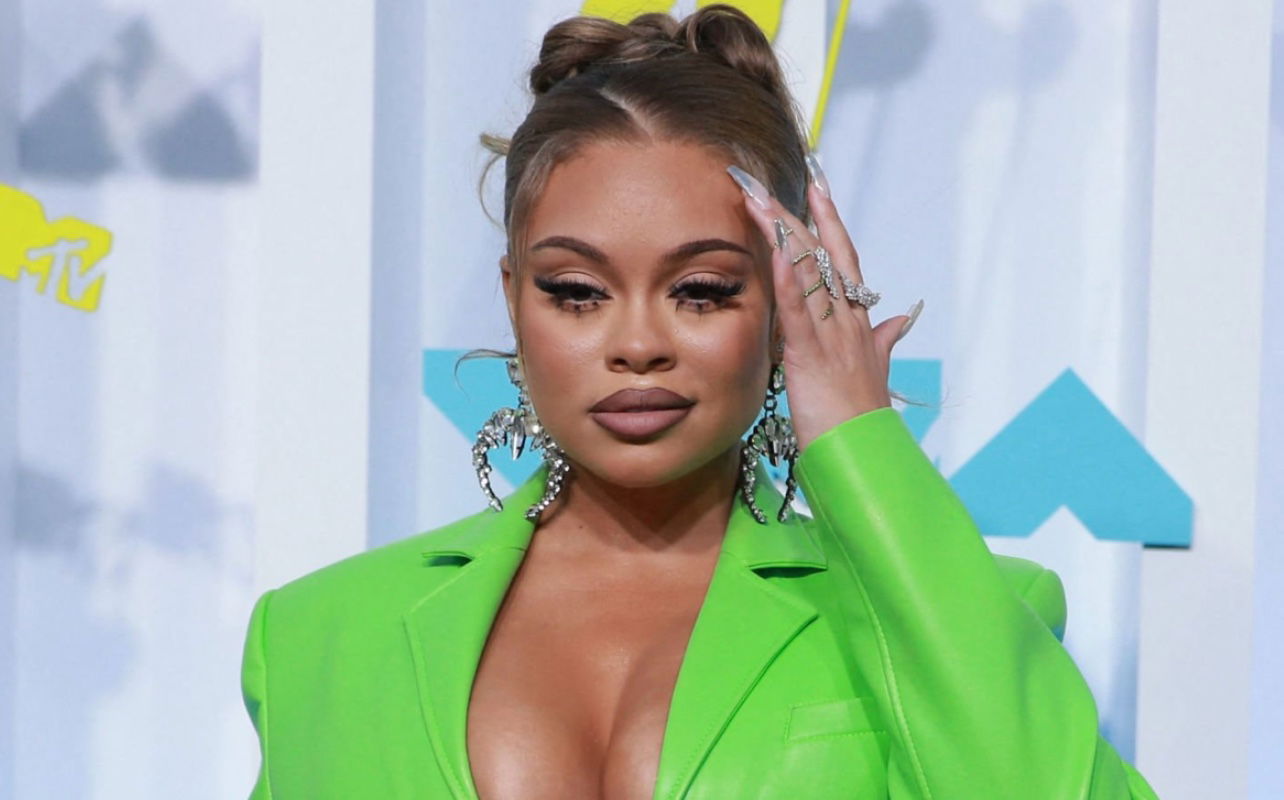
Latto Has Them Apple Bottom Jeans In New Brand Collab For Album Anniversary
Latto revealed a 16-piece collection with Apple Bottoms to delight fans.
Latto is switching her “Georgia Peach” for some Apple Bottoms. The rapper has donned the iconic denim amid her Sugar Honey Iced Tea album anniversary.
As she celebrated the one-year release of her Southern-inspired album, Latto kicked off the festivities with the new brand partnership. Latto shared on social media about the venture, featuring the honey-blonde entertainer in the famous jeans. The Jasmine Brand re-shared the images on its Instagram.
The collaboration also comes with an exclusive collection of Apple Bottoms and couture curated by the “Big Mama” rapper. Comprised of 16 pieces, the collection ranges from velour track suits to t-shirts and buckle belts.
Some of the designs even feature Latto’s favorite cheetah pattern, including a tracksuit, chiffon scarf, pants, and baby tee. Prices also range from $30 to $100, offering affordable styles to her fan base.
“Blending Latto’s signature style with iconic Y2K fashion, this collab brings a fresh take on the looks that made Apple Bottoms a hip hop staple,” the company described on its website.
Latto released her third studio album on Aug. 9 of last year. The LP, which featured hits such as “Big Mama” and “Put It on da Floor,” debuted at No. 15 on the Billboard 200. The certified Gold album also coincided with her Sugar Honey Iced Tea Tour, which held 30 shows across North America and Europe.
The move also comes as Apple Bottoms marks its reemergence in the streetwear scene as a Black-owned fashion brand. As the clothing line rolls out its relaunch, partnering with a modern hip-hop star like Latto will help draw in a new generation of fans for the popular 2000s brand.
As Latto continues to make her mark in rap music, she is now part of the Apple Bottoms family as it regains its throne in the fashion industry.
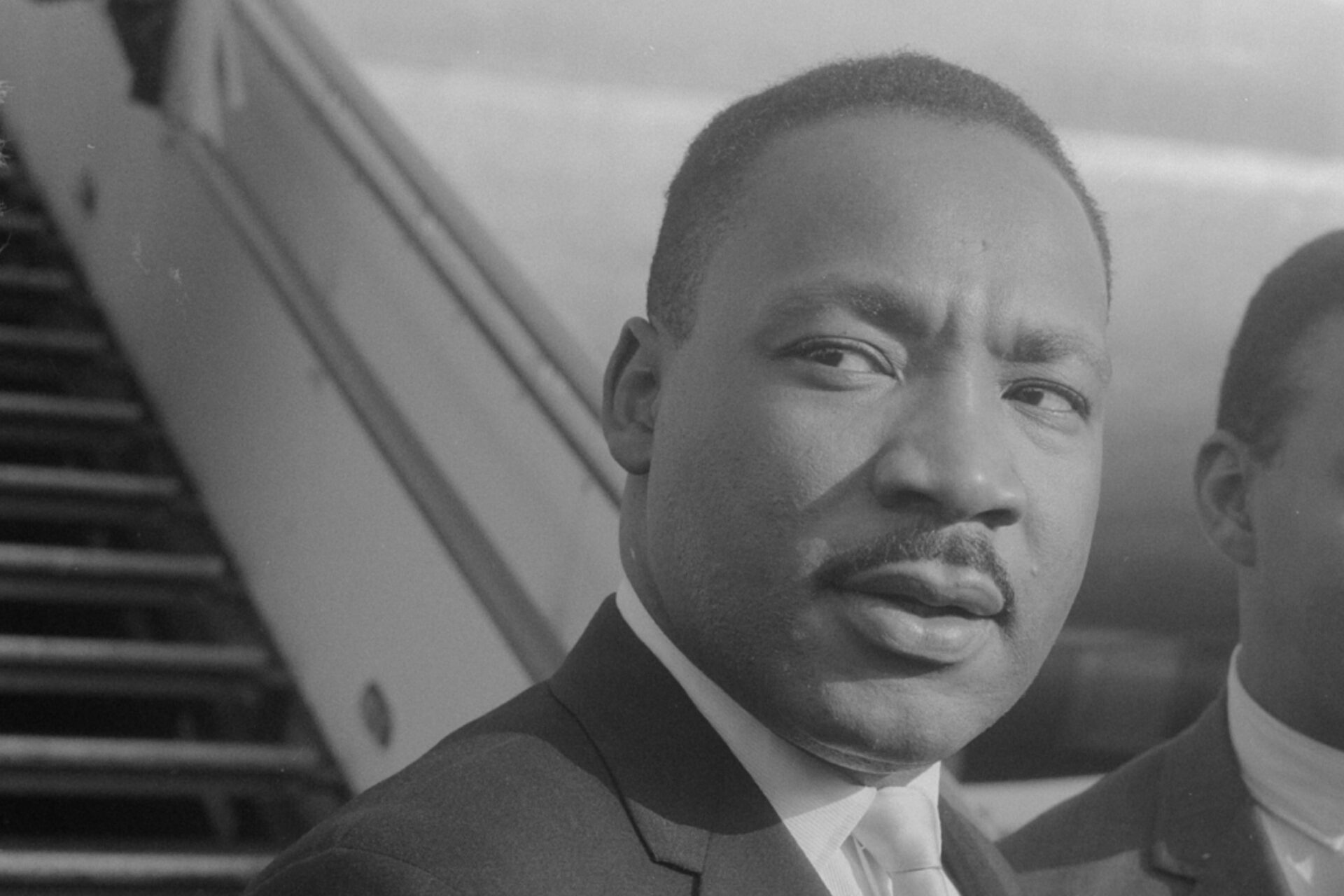
Dr. Martin Luther King Asassination
Dr. Martin Luther King Jr. dedicated his life to advocating for human rights, racial equality, and nonviolent protest. Ironically, April 4, 1968, he was assassinated at the Lorraine Motel in Memphis, Tennessee. The location of King’s killing has since been turned into a historical site and the National Civil Rights Museum. His death was a devastating blow to the Black and global community, as he symbolized hope, resilience, and peaceful resistance against injustice. King's legacy continues to inspire movements for equality and social change worldwide.
Florida Community Shocked By ‘Awkward’ MLK Jr. Statue, ‘It Doesn’t Look Like Him’
Winter Park, Florida, locals are scratching their heads over the design of a new MLK Jr. statue.
A Florida community is expressing its disappointment following the unveiling of a costly Martin Luther King Jr. statue locals are calling “awkward.”
Winter Park, Florida, came together last month for the unveiling of “Ripple,” a larger-than-life-size bronze statue honoring the Rev. Dr. Martin Luther King, Jr., WESH reports. The new statue is a joint project of the Community Redevelopment Agency (CRA) and the Parks & Recreation Department, in partnership with the MLK/Shady Park Planning Committee, to dedicate Unity Corner within Martin Luther King, Jr. Park.
What was intended to be a proud moment for the city instead left many residents shocked and let down by the design of the bronzed civil rights icon.
“I was a little. I don’t know, shocked. It didn’t look quite like I thought it would or thought it should,” Winter Park resident Jordan Chew said.
“On one side, oh yeah, I like it. On the other side, it doesn’t look like him,” added Nora Koenecke.
Jonathan Blount, co-founder of Essence Magazine, spoke directly with Winter Park Commissioners about the “awkward” statue that he says falls short of the community’s expectations.
“His feet was too big, his head was too big. His arm was too big and it looked really like a caricature of Dr. King and really didn’t look anything like him,” Blount said.
Sculptor Andrew Luy, of Huntsville, Alabama, designed the statue, explaining that its deeper meaning is reflected in its name, “Ripple.”
“Just as a single drop of water creates multiple expanding waves, so too does Dr. King’s influence,” Luy said, according to the city’s Facebook page.
He says he didn’t receive any criticism from the King family after receiving their approval to design the statue.
“I didn’t have direct contact with the King estate, but from what I heard, they were very happy with the representation of the sculpture of Dr. King,” Luy said.
The city describes the statue’s outstretched hand as a nod to the iconic gesture Dr. King often made while speaking, symbolizing his calm and peaceful presence. The city chose to honor the families who once lived on the land where the park now stands by inscribing their names into the black granite memorial walls below the statue.
Winter Park Mayor Sheila DeCiccio acknowledged the community’s concerns, but is unsure what steps can be taken, given the significant investment already made in the project.
“Maybe it didn’t come out the way everybody had hoped it would,” DeCiccio said. “I hear what you’re saying, don’t know what we can do at this point. It was a very big investment.”
The Baton Rouge rapper stated that he was "tired of fighting."
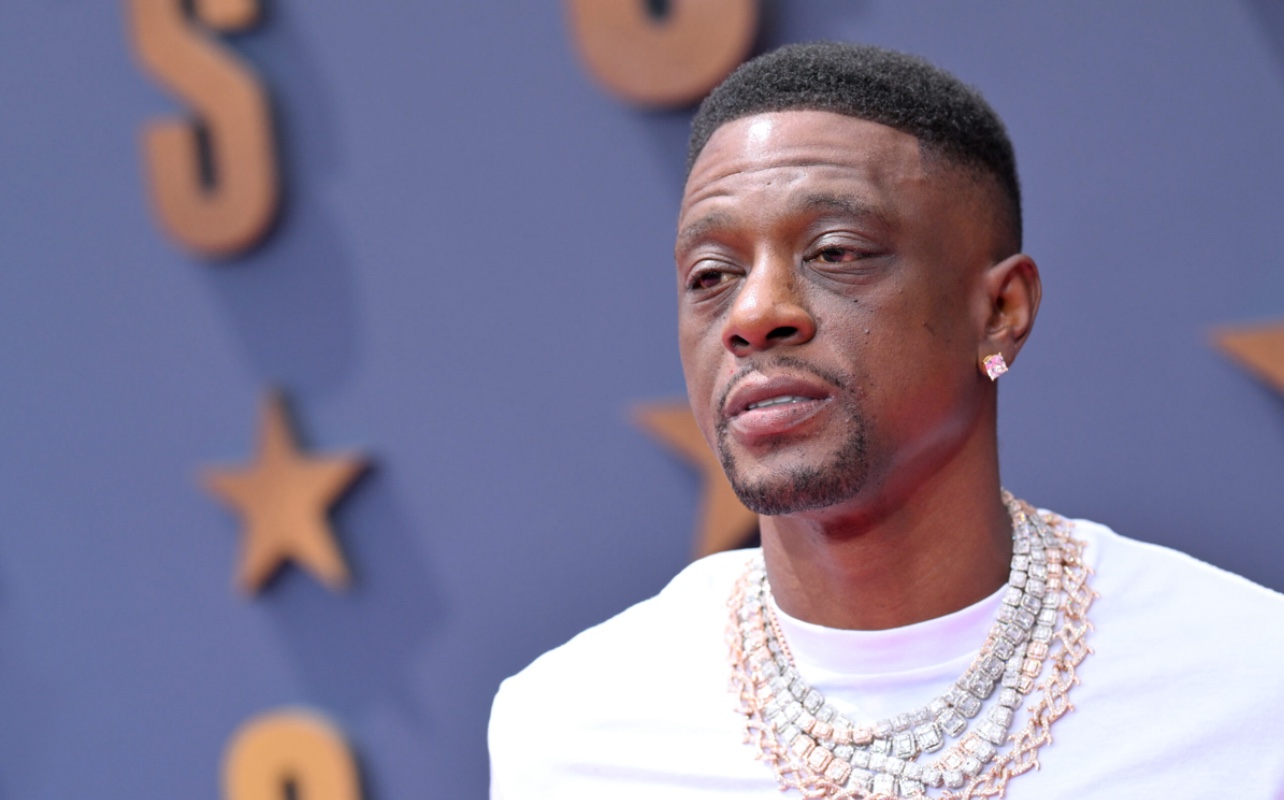
Recording artist Boosie has accepted a plea deal in a case in which he was initially charged in June 2023 with being a felon in possession of a firearm.
The Louisiana rapper informed his fans on social media that he had taken the deal after assuming that he had previously escaped punishment. He told his followers on X that he thought the case was over and that he was “TIRED OF FIGHTING.” He stated that he talked to his family, and it was the right decision for him to accept the plea deal. He also asked people to purchase his recently released album, Words of a Real One.
According to Billboard, the rapper is scheduled to appear in court Aug. 26. No details were revealed on what Bossie’s sentence may be or what charges he may be pleading guilty to. In June 2023, he was charged with being a felon in possession of a firearm after authorities saw a weapon tucked into his waistband in an Instagram video. He was previously convicted in 2011 on drug charges, making him a felon.
In July 2024, a federal judge dismissed the case after questions surrounding a Second Amendment issue on whether nonviolent felons can be charged with this type of gun possession. However, prosecutors refiled the case after making some changes.
After President Donald Trump was elected to office in November, Boosie took to social media to request a pardon on his gun charges—no word on whether Trump even received a request or had any discussions about doing so.
New Report States Gen-Z Prefers Hybrid Schedule Over Fully Remote Work, Craves In-Person Connection
Gen-Zers are afraid they are not gaining enough professional development skills through a screen.
A new report has revealed a preference from Gen-Z employees that may come as a shock.
Gallup has reported that Gen-Z employees do not want a fully remote workplace. Instead of the new-age Zoom calls, they would rather connect with colleagues through in-person meetings.
Gen-Z prefers not to have a fully remote setup more than other generations, such as millennials and baby boomers. Findings from Gallup’s survey concluded that only 25% of Gen-Z workers liked an entirely remote schedule. This number differed significantly from other generations, where 35% of workers within these age ranges said they would never come into the office.
Some may find these results surprising, especially as Gen-Z seems more digitally inclined than its predecessors. They can troubleshoot a Zoom call and message easily on a Slack channel, making the virtual day seamless.
“You might think that [Gen Z] just would have an automatic preference for remote work, because they can do a lot of things digitally,” explained Jim Harter, chief scientist of workplace management and wellbeing at Gallup, to CNBC.
However, an entirely virtual work environment can come with its drawbacks. As Gen-Z enters the workforce, concerns about how remote work can hinder their career advancement have taken a toll.
Establishing key relationships with higher-ranking professionals in the office can be harder online, and Gen-Z has already started to notice. Gen-Z employees understand that its easier to forge these relationships through in-person encounters than a screen.
There are so many things that happen in-person that you can’t schedule for on Zoom calls: random conversations, solving problems, quickly asking for advice,” added Harter. “All of us that have experienced it know the difference.”
Instead, the majority of this age group vastly prefer hybrid work at 71%. With the highest percentage for this work preference among all generations, this group views this option as the best of both worlds. They still widely reject entirely in-person work, with only 6% of Gen-Z workers wanting that option.
Hybrid flexibility includes some remote days, with mandated in-office times. With this, employees can still work from the comfort of their home while building those crucial relationships for advancement. However, hybrid days cannot guarantee that early career employees will receive everything they need to develop. Ensuring this occurs remains up to the initiative of upper-level management.
Another potential reason for this preference could stem from loneliness. As many Gen-Zers were the first to experience remote learning during the COVID-19 pandemic, this lack of interaction stemming from school days has increased bouts of loneliness. Harter says that the need for “in-person connection” may drive this push for hybrid work options.
The study also confirmed that 1 in 5 employees, and especially those under 35, have experienced significant loneliness. Having all employees in the office on hybrid days can help boost necessary interaction on all levels of a company.
Google Pushes Anti-Diversity Narrative By Removing Over 50 DEI-Focused Groups From Funding List
The tech conglomerate dropped groups with mission statements including words such as “diversity, “equity,” “inclusion,” or “race,” “activism,” and “women.”
Google is keeping the anti-diversity, equity, and inclusion narrative alive by removing more than 50 DEI-focused groups from its list of organizations that the company provides funding to, CNBC reports.
A new report from tech watchdog organization The Tech Transparency Project reveals Google removed a total of 214 groups from the funding list, with 58 related to DEI. By bowing down to President Donald Trump’s anti-diversity executive order, the tech conglomerate dropped groups with mission statements including words such as “diversity, “equity,” “inclusion,” “race,” “activism,” and “women.”
Some organizations dropped from the list include the African American Community Service Agency, whose goal is to “empower all Black and historically excluded communities,” the Latino Leadership Alliance, dedicated to “race equity affecting the Latino community,” and Enroot, which curates out-of-school experiences for immigrant kids.
Another group purged from the list was the National Network to End Domestic Violence, providing training, assistance, and public awareness campaigns for violence against women. Having remained on Google’s funder organization list for nine years, the company claims it still donated $75,000 to the group in 2024, but never explained why it was removed from the list.
Google spokesperson José Castañeda claims the list reflects companies with contributions in 2024 — not contributions made by other teams within Google. “We contribute to hundreds of groups from across the political spectrum that advocate for pro-innovation policies, and those groups change from year to year based on where our contributions will have the most impact,” he said in a statement.
The company has given mixed signals about its stance on diversity efforts. While Google’s CEO, Sundar Pichai, labeled the company’s views on diversity as necessary in the workplace during an all-hands meeting in March 2025, after Trump’s executive order, Google’s Chief People Officer, Fiona Cicconi, told a different story.
Cicconi alerted employees that the company would end its DEI-related hiring “aspirational goals” due to federal requirements and Google’s classification as a federal contractor. Google stood behind the announcement by removing language referring to “underrepresented” groups from the grant website.
“We’re a global company, we have users around the world, and we think the best way to serve them well is by having a workforce that represents that diversity,” the CEO, who attended Trump’s inauguration, said at the time.
According to TechCrunch, the tech company also removed mentions of “diversity” and “equity” from its responsible AI webpage and any mention of DEI from its 2025 10-K filings.
While Silicon Valley and other industries have stood beside DEI programs to rid bias in hiring and curate fair practices in the workplace, diversity advocates have pointed the blame not only at the Trump administration for its anti-DEI switch up but the Supreme Court as well, who in 2023 decided to end affirmative action in college admission processes following threats from conservative groups.
ELEVATING YOUR EXCELLENCE: John Hope Bryant Is A Champion Of Financial Literacy
John Hope Bryant, a visionary entrepreneur and global authority on financial literacy and economic empowerment, has dedicated his career to transforming economic systems for underserved communities.
Named to the prestigious Forbes BLK50 List in December 2024 and TIME Magazine’s inaugural The Closers List for his work to close the racial wealth gap, Bryant’s mission is to ensure inclusive growth, particularly in the burgeoning AI-driven future.
Bryant’s entrepreneurial journey began at age 10 in Compton, California, sparked by a banker’s visit to his elementary school. Inspired to “get rich legally” by making loans to entrepreneurs, he embarked on a lifelong path in business, building more than 40 organizations and companies with a foundational belief that “persistence and resilience are more powerful than pedigree and raw intelligence.”
He is the founder, chairman, and CEO of Operation HOPE, Inc., recognized as the nation’s largest on-the-ground financial literacy and economic empowerment nonprofit. Under his leadership, Operation HOPE has directed over $4.2 billion in capital into marginalized communities, establishing hundreds of financial empowerment centers nationwide. Beyond Operation HOPE, Bryant founded John Hope Bryant Holdings, Bryant Group Ventures, and Bryant Group Advisors. He successfully recapitalized The Promise Homes Company in 2021 with a $200 million credit facility, marking one of the largest capital raises by a Black-owned company in over a decade.
As a best-selling author, Bryant is one of the few Black thought leaders globally writing on economics and business leadership, with six books to his name, including “Financial Literacy for All” (2024). He serves as a CNBC contributor, hosts the iHeart Radio podcast “Money & Wealth with John Hope Bryant,” and is a member of both the CNBC Global Financial Wellness Council and the CNBC CEO Council. Referred to as the “Conscience of Capitalism” by Fortune 500 CEOs, Bryant’s advocacy was instrumental in making financial literacy official U.S. federal policy under Presidents George W. Bush and Barack Obama.
He also successfully led efforts to rename the U.S. Treasury Annex as the Freedman’s Bank Building, honoring Abraham Lincoln’s unfinished economic work for formerly enslaved people.
Recognizing that AI will define the future economy, Bryant pioneered national efforts to bridge the AI opportunity gap for Black and Brown communities. In December 2024, he unveiled the AI Literacy Pipeline to Prosperity Project (AILP³) at the HOPE Global Forum, tied to the AI Ethics Council that he co-founded with OpenAI CEO Sam Altman. AILP³ aims to equip underserved communities with AI literacy, workforce training, and digital skills, emphasizing that financial and technological literacy must go hand in hand.
Bryant asserts that closing the AI knowledge gap is the new civil rights movement, believing those who master AI will control future jobs, businesses, and economies.
In 2024, Bryant authored “The Business Plan for America,” a blueprint for inclusive economic growth, and launched the American Aspiration Tour to promote financial literacy nationwide. He also initiated the Corporate Inclusion Initiative, working to place qualified minority candidates on corporate boards to ensure corporate America reflects the nation’s diversity at the highest levels.
His commitment extends to practical community support, as evidenced by a July 24, 2025, announcement of a new financial wellness initiative for Atlanta’s firefighters, providing free financial coaching and incentives in partnership with the Atlanta Fire Rescue Foundation.
Born Feb. 6, 1966, in Los Angeles, California, Bryant now resides in Atlanta with his wife, Chaitra Dalton Bryant. His extensive impact has been recognized with numerous accolades, including Oprah Winfrey’s “Use Your Life” Award, American Banker’s “Innovator of the Year,” and inclusion in TIME’s 50 Leaders for the Future.
A LinkedIn Influencer with over 3 million social media followers, his “Straight Talk with John Hope Bryant” series has garnered over 300 million views across digital platforms.
Bryant’s life mission, supported by long-time mentor and friend Andrew Young, who serves as Global Spokesman for Operation HOPE, is to help America live up to its promise—one financially and technologically empowered person at a time.
Bryant will be honored for his excellence at BLACK ENTERPRISE’s 2025 XCEL SUMMIT FOR MEN, to be held in Orlando, Florida, at the Hyatt Regency Grand Cypress, Oct. 15-17. Join us to learn more about Bryant’s journey and BE’s tentpole event that celebrates the excellence of Black men.