American Basketball Player, Indonesian Prison, Cannabis Gummies,Compassionate Release
(Photo: Juan Camilo Bernal/Getty Images)

Louisiana Grandmother Nabbed After Allegedly Helping Her Grandson In Wild New Orleans Jailbreak

Connie Weeden reportedly has been in extended communication with the escaped Donald, as well as allegedly sending him money via a phone app.


Louisiana State Police have arrested another individual in connection with the New Orleans jailbreak of ten inmates earlier this week. Connie Weeden has been accused of helping Jermaine Donald flee from the Orleans Justice Center through a hole carved behind a cell toilet.

Donald is one of five escaped inmates who remain currently at large. Weeden now faces one felony count of accessory after the fact. The Louisiana woman is being held in the St. Tammany Parish Correctional Center.

According to WDSU, Weeden is Donald’s grandmother; and further investigation into the means of his escape revealed that Weeden has been in extended communication with him both before and after he fled the prison.

Donald himself has been hit with charges of second-degree murder, aggravated battery, possession of a firearm or weapon by a felon, and obstruction of justice.

Louisiana authorities also allege that Weeden sent Donald money through a cell phone app to assist in his escape.

Weeden is one of three civilians who have been arrested since the incident for reportedly being connected to the jailbreak plot alongside Cortnie Harris and Corvanntay Baptiste.

Harris and Baptiste have been charged with felony counts of accessory after the fact for providing support and transportation to other escapees.

As previously reported, 10 inmates were found to be missing during a routine morning headcount at the Orleans Justice Center on May 16.

The discovery led to authorities finding out that the inmates had escaped the prison hours before.

Corey Boyd, Dkenan Dennis, Jermaine Donald, Derrick Groves, Antoine Massey, Robert Moody, Kendell Myles, Gary Price, Leo Tate, and Lenton Vanburen managed to force open a sliding cell door while the guard observing their cell was away getting food.

Orleans Parish Sheriff Susan Hutson stated that the group of inmates then removed a cell toilet from the wall and slipped out from the subsequent hole created.

Additional surveillance cameras located in the Orleans Justice Center prison captured the 10 inmates’ escape from the grounds.

Louisiana State Police expressed in a statement following the jailbreak, “Law enforcement personnel from multiple local, state, and federal agencies will continue to pursue every lead until the remaining fugitives are located.”

“Those who choose to assist or conceal these individuals are violating the law and will be held accountable. Harboring fugitives threatens the safety of our communities and will not be tolerated,” the statement clarified.

Half of the original group of Louisiana inmates are still at large, including Donald, Antoine Massey, Lenton Vanburen Jr., Derrick Groves, and Leo O. Tate Sr.

RELATED CONTENT: Candace Owens Gives Harvey Weinstein A Platform To Profess His Innocence
Caribbean, Trump Administration. Marco. Rubio, travel ban, Antigua,, Barbados, cuba,, Dominica, St. Lucia
Dr. Ondřej Havelka (cestovatel), CC BY 4.0 <https://creativecommons.org/licenses/by/4.0>, via Wikimedia Commons

Caribbean American Women Are Valuable To Corporate America Now, More Than Ever


With the current pressures surrounding diversity, equity, and inclusion, leadership strategist Dr. Kerry Mitchell Brown reminds corporate America why Caribbean American women are an essential asset to today’s business landscape and give organizations a distinct advantage.

Dr. Brown is committed to equipping Black women of Caribbean descent with the skills to lead in spaces where they are often underrepresented effectively. The KMB Consultancy founder is confident that U.S. organizations can benefit from their abilities to lead across diverse social and organizational environments. “It’s not something to minimize,” Dr. Brown told Island Origins Magazine. “Cultural intelligence helps build bridges others might not even see.”

According to Brown, this cultural intelligence is shaped by Caribbean American women’s experiences growing up, balancing their culture while blending into the customs of American work culture. Their lived experiences and cultural insights shape their approach to leadership and are fitting for the growth of organizations.

“Caribbean women navigate multiple worlds with grace and power,” the organizational theorist said. “That’s not just personal strength—it’s leadership capacity.”

Contrary to the individualism emphasized in traditional corporate structures, Caribbean cultures strongly value community and shared progress. “That orientation shapes how you lead and influences how others thrive around you,” Brown said. A key to effective leadership includes the ability to lead despite barriers, which Dr. Brown noted have heightened for companies due to reduced resources and increased uncertainty.

The leadership strategist advises corporate systems to embrace the Caribbean storytelling tradition, especially with the rise of artificial intelligence. “It builds emotional connection and helps people understand your vision,” she said. Storytelling allows companies to master a more human-centered approach, which frames purpose and drives engagement. Recognizing that radical self-care is not a luxury, but a leadership strategy.

Dr. Brown describes the leadership of Caribbean American women through her RISE framework—Redefine Success, Innovate Disruption, Synergize Roles and Evolve Continuously.

RELATED CONTENT: ‘Sinners’ Not-So-Subtle Nod To Voodoo Is Just One More Way Ryan Coogler Connects The Diaspora

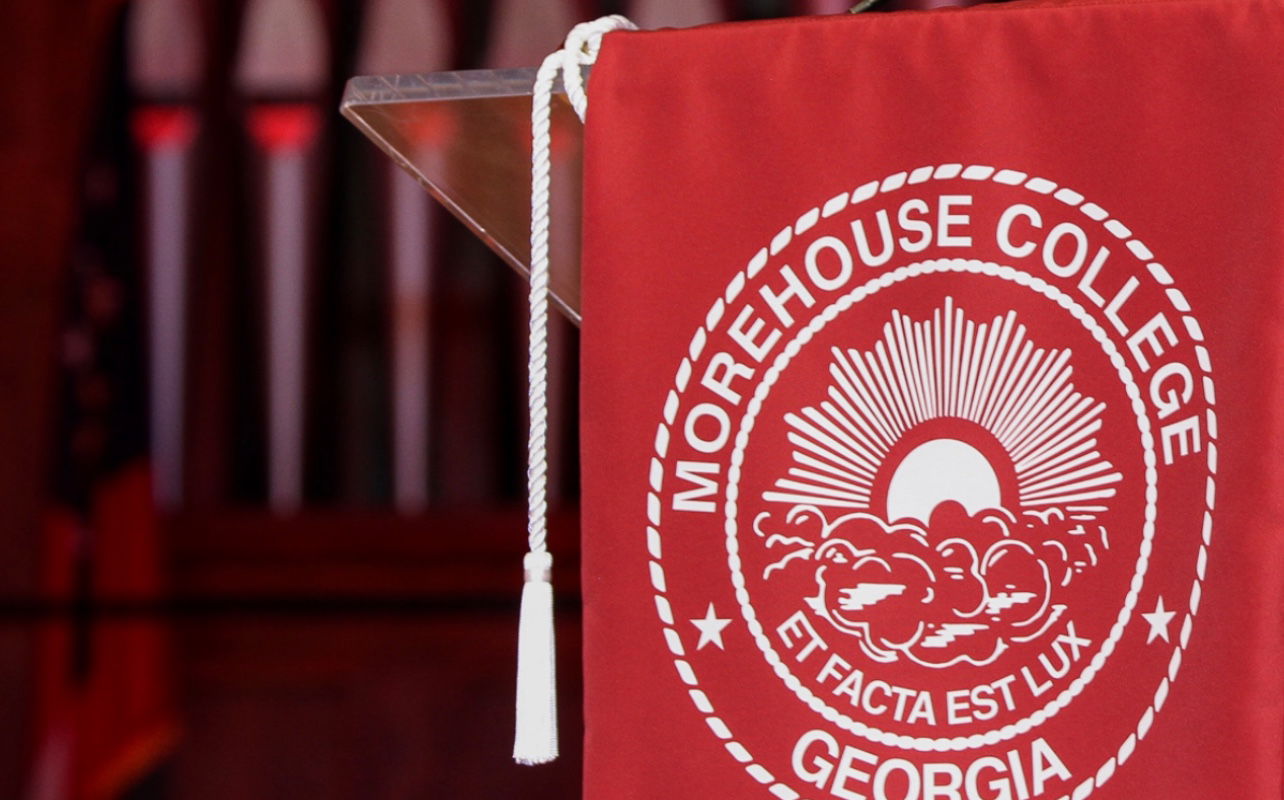
GLAAD, ‘Generation Z & HIV: HBCU Tour,’ Morehouse College
(Photo: Joi Stokes/Getty Images)

Morehouse Honors Lynching Victim With Posthumous Degree Nearly A Century After His Murder On Segregated Atlanta Playground

Morehouse awarded a posthumous degree to Dennis Hubert, a student lynched in 1930.


Morehouse College’s recent commencement ceremony commemorated the lynching of Dennis Hubert in June 1930 by giving his nephew, Imam Plemon El-Amin, the honorary degree that his uncle never got the chance to earn after he was murdered by a group of white men on the playground of one of Atlanta’s segregated schools.

According to CNN, Hubert was 18 at the time of his lynching and in his sophomore year at Morehouse, where he was studying divinity. At the commencement ceremony, Morehouse President David Thomas called Hubert a “son of Morehouse, a martyr of justice, and what history now sees as the Trayvon Martin of the 1930s in Atlanta.”

The 75-year-old El-Amin, whose family has a long connection with the Atlanta University Center, or AUC, was appreciative of the ceremony; several members of his family have graduated either from Morehouse College or its sister school, Spelman College, which, like Morehouse, is mono-gender.

“Many prayers were said in his name,” El-Amin said about the ceremony, which he told CNN reminded him of an Islamic saying that people only leave behind their charity, knowledge, and family members who pray for them when they die. “Many people remembered him and were informed about his life and his legacy, and so the knowledge was there, as well as the charity of him sacrificing his life so that we would be more conscious of the value of young life and the value of human life, but also the value of justice.”

El-Amin continued, further contextualizing the murder of Hubert, “For one of their promising children, who (was) a rising sophomore at the Morehouse College to be murdered just in cold blood…at that time, 1930, is saying that there (were) no human rights given to the (Black) people of Georgia.”

Bryan Stevenson, the executive director of the Equal Justice Initiative, an organization dedicated to honoring the memories of Black people who were lynched, applauded Morehouse’s decision to honor Hubert.

“When we begin to address this history, when we begin to try to create remedies for the harm and suffering that terror violence and lynching violence created, I think we lay a path down that will help us move forward, which is why I was so pleased that Morehouse decided to award a degree posthumously to Dennis Hubert,” Stevenson told CNN.

The tragedy of Hubert’s murder was compounded by the fact that there has not been much awareness about his story, and Morehouse’s alums, like Sean Jones, a 1998 graduate of the university, pressed the university to both formally recognize Hubert and tell his story to both current students and alumni.

“It’s personal, it’s painful, and…oftentimes it’s a scary thing, because some persons have nightmares about it once they hear this kind of history,” Jones told CNN. “But it is something that must be discussed, must be highlighted.”

Stevenson agreed, noting that it is important to highlight such stories “when there’s such a hostility in some spaces to learning the history of struggle and violence against Black people.”

El-Amin also noted the political climate, after noting that keeping his uncle’s story alive also means keeping him alive.

“Ninety-five years later, people are conscious of his life, which means he’s still alive, though not here with us physically or in body, but his life, his will, and he is providing inspiration for those of us left behind,” El-Amin also cautioned in his comments to CNN that, “We can see that those very, very terrible times are not that far away and can easily come back.”

RELATED CONTENT: Dr. F. DuBois Bowman Is A Morehouse Alumni And Now, The HBCU’s 13th President

Omarosa, Southern University, juris , doctorate
Courtesy of NBC Universal

Omarosa Earns Her Juris Doctor At Southern University

Omarosa Manigault Newman is continuing her education, she recently graduated from Southern University, while maintain her place in Hollywood.


On May 23, Omarosa Manigault Newman, former Donald Trump protégée and TV personality, graduated from Southern University. 

HBCU Gameday reported on Newman’s newly earned Juris Doctor and Master of Business Administration. This achievement marks her third degree from a historically Black college or university. While at Southern University, Newman demonstrated notable leadership and academic excellence.

She served as president of the Rotaract chapter and Senior Editor of the Journal of International Law Business & Policy. Her accomplishments earned her introduction into the prestigious Order of Barristers, which recognizes top graduates in legal writing and oral advocacy. 

Newman reflected on her journey: “Graduating from Southern University Law School has been an enriching experience. I am proud to have balanced my academic pursuits with my work in the entertainment industry, and I look forward to using my legal education to lead with purpose and to advocate for justice in every field I touch.”

Newman’s trek through HBCUs began with a bachelor’s degree in communications from Central State University in Ohio. She then received her master’s degree from Howard University. 

The former apprentice balanced her studies with television appearances. Recently, she participated in the Hulu competition series “Got to Get Out.’ 

Omarosa Manigault Newman is no stranger to the public eye. She built a multifaceted career in television long before her academic achievements at Southern University Law Center. She first gained national recognition as a memorable contestant on Donald Trump’s inaugural season of The Apprentice.

She later appeared on other reality programs such as Celebrity Apprentice, The Surreal Life, and Celebrity Big Brother. Her time on television helped her cultivate a unique media presence, which she eventually parlayed into a political appointment as director of Communications for the Office of Public Liaison during the first Trump administration.

These roles not only solidified her status as a media personality but also provided her with the public platform and political experience she now pairs with her legal education. Her graduation from Southern University Law Center adds to her impressive academic credentials and reinforces her commitment to lifelong academic growth.

RELATED CONTENT: Lamar Odom Booed By Protestors At Trump Cryptocurrency Black-Tie Event

homelessness, garden, Black Lives Matter
Photo by Karen Ducey/Getty Images

Community And Activists Work To Protect Nearly 150 Black Lives Matter Murals That Remain

Passionate activists and community members are being tasked with preserving the remaining Black Lives Matter murals.


With an administration pushing back on DEI efforts, it’s taking dedicated activists and community members to protect the remaining Black Lives Matter murals.

According to Urban Art Mapping, a public street art database, nearly 150 “Black Lives Matter” murals still stand. Behind each one is the commitment of local communities working together to preserve the artwork and keep the message of social justice alive.

“Even as BLM Plaza is dismantled, the reciprocal mirroring of these murals ensures their persistence now also reflecting the absence of spaces that have been removed,” Lindsey Owen, an art historian in Chicago, told ABC News.

She pointed to the iconic “BLACK LIVES MATTER” mural painted in bold yellow letters just a block from the White House, widely credited with sparking the nationwide wave of BLM street art in 2020 following the deaths of George Floyd, Breonna Taylor, and Ahmaud Arbery during Trump’s first term. The 35-foot-tall letters symbolized protest and solidarity, but the mural was removed in March by order of Washington, D.C. Mayor Muriel Bowser, following pressure from the Republican-led Congress.

Nationwide, efforts continue to preserve the remaining Black Lives Matter murals. In Hartford, a BLM mural on Trinity Street, just steps from the Capitol and featuring each letter painted by a different artist, stands as a symbol of resilience. After being defaced with a swastika, the mural was repainted in 2023, reflecting the community’s commitment to protecting its message.

“It was placed with intention,” said Andre Rochester, the artist who painted one of the Ts in 2020 and 2023. “It makes a loud statement that the City of Hartford cares.”

In Chicago, a 100-foot “Black Lives Matter” mural in Oak Park was defaced to read “All Lives Matter,” but the original message was later restored. Meanwhile, in Seattle’s Capitol Hill, a permanent BLM mural is maintained annually by the city and the Vivid Matter Collective, a local artists’ group. A second mural was added outside Seattle City Hall in 2021, and the collective plans to repaint it this June.

Tyrone Motley, who painted the letter “V” during the 2023 restoration of Hartford’s BLM mural, emphasized the importance of preserving the artwork locally, especially as similar murals across the country continue to vanish.

“I feel work like this is ageless,” Motley said. “I’m pretty sure in 10 years people can look at a piece like this and still get the message.”

RELATED CONTENT: Trump Rescinds Federal Contractor Minimum Wage Hike, Disproportionately Harming Black Workers in Key States

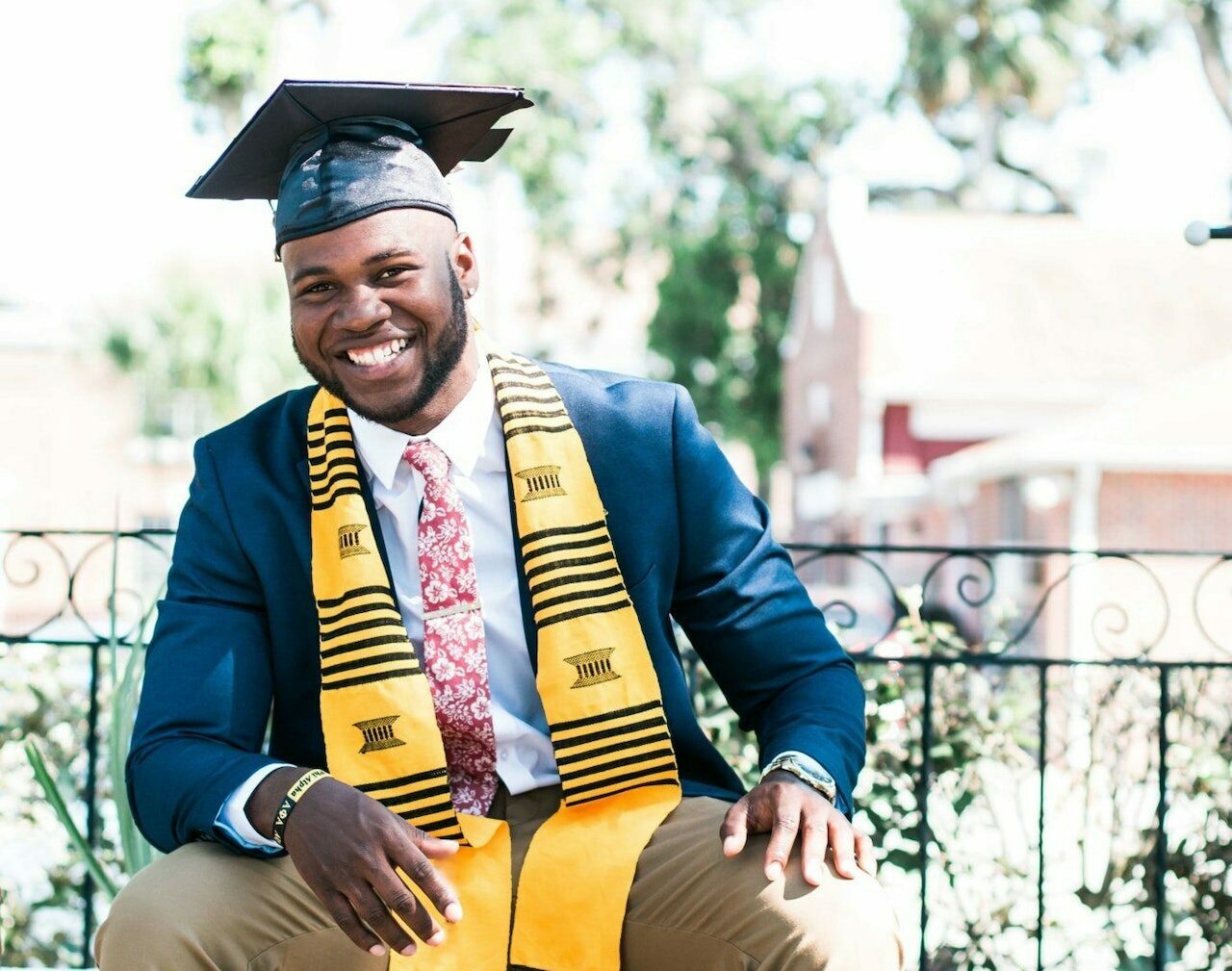
graduation, dei
Photo by nappy: https://www.pexels.com/photo/photo-of-man-wearing-graduation-cap-935948/

Black Students Are Keeping Graduation Traditions Alive Even As DEI Crackdown Limits The Festivities

Students across diverse communities are finding new ways to keep their graduation traditions afloat.


Black students and other affinity groups are finding new ways to celebrate their graduations as the Trump administration’s crackdown on DEI initiatives limits their on-campus engagement.

For years, affinity-specific graduations have highlighted the milestones for many university students. However, current government orders have stifled these celebrations, forcing graduates to pivot to keep tradition alive.

Some institutions, like Harvard University, are pushing back against certain rulings on federally funded universities. However, these issuances have still impacted race-specific programming. Harvard decided to strip funding used for all affinity group graduations. Despite this setback, Black Harvard graduates remain determined to keep the event in place.

Like others supporting these racially affirming events, many graduates say they celebrated the cultural traditions while acknowledging their plights. Harvard senior Elyse Martin-Smith took it upon herself to address matters. With the support of the Black Graduate Student Alliance and the Harvard Black Alumni Society, she and fellow graduates held their ceremony off campus.

“It’s an undue burden that continues to be placed upon Black students to create the change that we want to see,” Martin-Smith said to CNN.

Students at other schools like the University of Kentucky have faced similar restrictions. A spokesperson for the university confirmed that the optional celebrations will no longer take place on campus.

“Following a number of federal and state policy changes and directives, the university will no longer host identity-based or special-interest graduation celebrations,” university spokesperson Jay Blanton said in a statement. “In the past, these were held outside of our official commencement ceremonies as optional celebrations and social events. We will continue to comply with the law, while celebrating all students and their distinctive achievements at our official commencement ceremonies.”

However, students attempting to work around the rules must take caution when naming their newly reimagined events. Students at Kentucky also pursued a path similar to Harvard’s Black graduates, calling their version a “Senior Salute.”

“I feel it’s important to show that there are people coming from other places, underprivileged areas and many different backgrounds and struggles and still making it over to UK (University of Kentucky) and still getting their degree,” shared UK graduate, Kristopher Washington, who helped bring the new event into fruition. “It’s a tremendous achievement.”

This anti-DEI crackdown not only impacts graduates of different racial or ethnic identities. It only applies to those part of the LGBTQIA+ community as well. Queer students also found off-campus venues to celebrate their achievements for their overarching community.

Now, students must move forward despite the lack of school administration approval and resources. However, they remain committed to celebrating their new degrees in ways that specifically acknowledge their heritage and community.

RELATED CONTENT: Indiana University Closes DEI Office To Comply With Federal Mandates

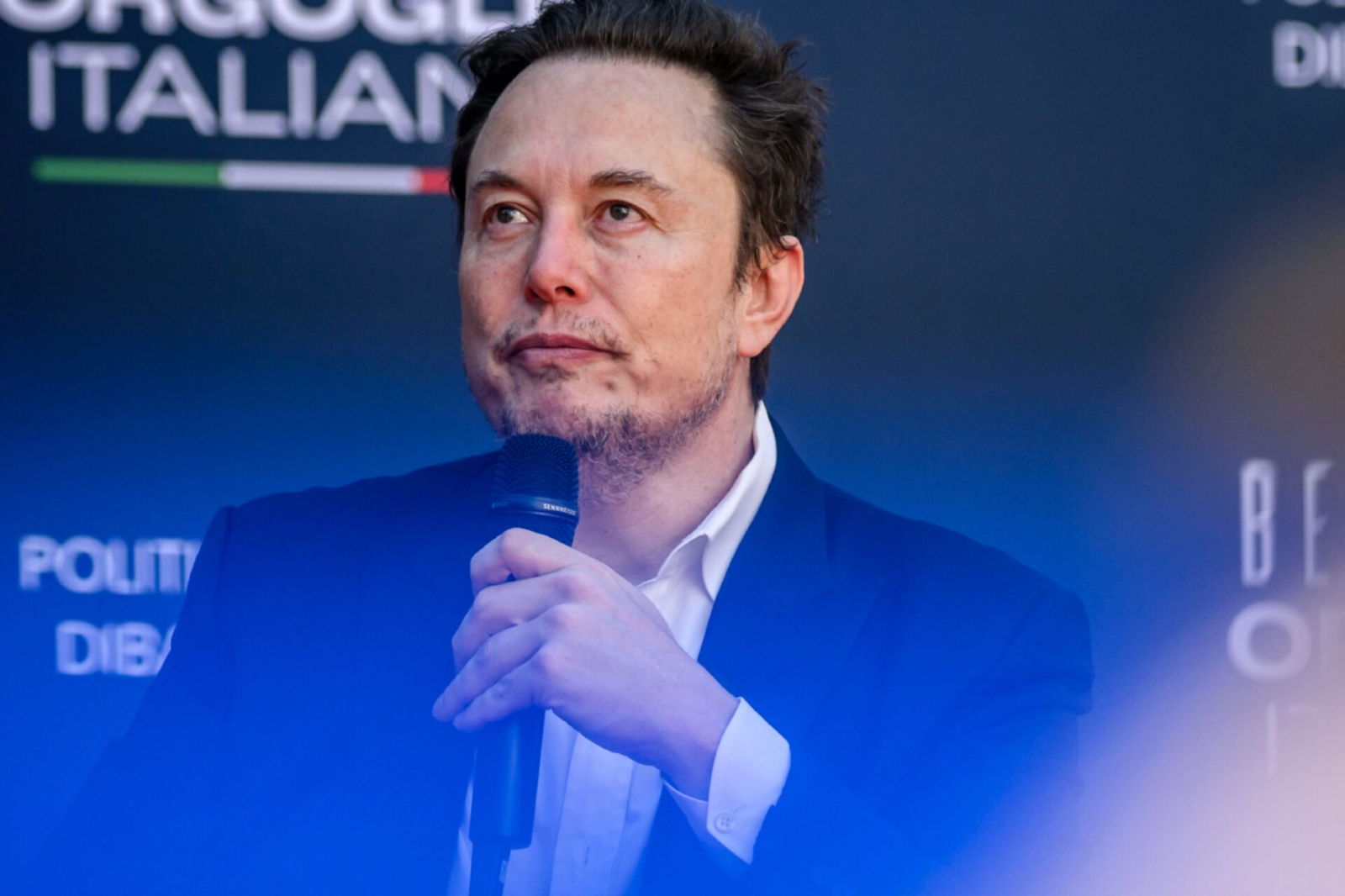
Elon Musk, 401(k)s, index funds, Wall Street, SpaceX
(Photo: Antonio Masiello/Getty Images)

Black Memphis Community Says Its Under Siege From Pollution Emitted By Elon Musk’s New Supercomputer

Although Musk has promised to limit the hazardous emissions, the way the facility is powered leaves no room for such limits to be applied, say local experts.


Elon Musk’s new $6 billion artificial intelligence supercomputer project in Memphis, Tennessee, is drawing concern from some residents and environmental advocates who say it reflects broader tensions between the tech industry’s rapid expansion and its impact on local communities.

According to The Huffington Post, residents and preservationists in southwest Memphis, where the facility—nicknamed “Colossus”—is located, have voiced worries that emissions from the site may be affecting both public health and the surrounding environment.

Although Musk, through his company, xAI, has promised to limit the hazardous emissions, the way the facility is powered leaves no room for such limits to be applied, say local experts.

The gas turbines, which largely power the facility, emit various nitrogen oxides and formaldehyde as byproducts, along with other substances that help to weaken the Earth’s already depleting ozone layer, and residents in the largely Black, largely working-class community of Boxtown, say that those pollutants are harming them much more immediately than the ozone layer.

Similar to reporting from Inside Climate News regarding a four million square foot data center slated for construction virtually in the backyards of Alabamians who had no say in its construction, Musk’s project was carried out without regard for Memphis’ residents and it relies heavily on a loophole for temporary turbines, which environmental groups allege does not apply to Musk’s company, and residents are increasingly upset about the lack of concern for their health and well-being.

As Sarah Gladney, a resident who lives three miles away from the sprawling facility and has a lung condition, told CNN, “Our health was never considered, the safety of our communities was never, ever considered.”

Memphis, like many other communities across the country—including a rural county in Alabama—faces challenges related to environmental protection following regulatory changes from the Trump administration, which eased pollution controls and shifted focus away from environmental justice issues. At the same time, there has been increased support for emerging technologies such as artificial intelligence, an area of particular interest for Elon Musk.

Memphis Mayor Paul Young has expressed support for Musk’s project, highlighting its potential economic benefits and tax revenue. However, some residents remain concerned about the environmental risks the development may pose to the community.

“What we are looking at is an opportunity to completely transform our economy,” Young told CNN. It’s “game changing.”

This characterization has attracted the ire of outspoken Tennessee State Rep. Justin Pearson, a Democrat who lives near the facility. Rep. Pearson was critical of both the lack of permit requirements for the facility and the proposed economic benefits for Memphis residents in his comments to CNN.

“It’s an actual gas plant in the middle of a neighborhood and you don’t need any permitting?” Rep. Pearson said. “Something has failed drastically and significantly with our system of checks and balances.”

He continued, “If you look at where these data centers are propping up, it’s always in poor communities,” according to the legislator, there remains “no hope” that the federal government will help protect them.

RELATED CONTENT: Memphis Petition Pushes Back On Elon Musk’s ‘Supercomputer’ Due To Health Concerns

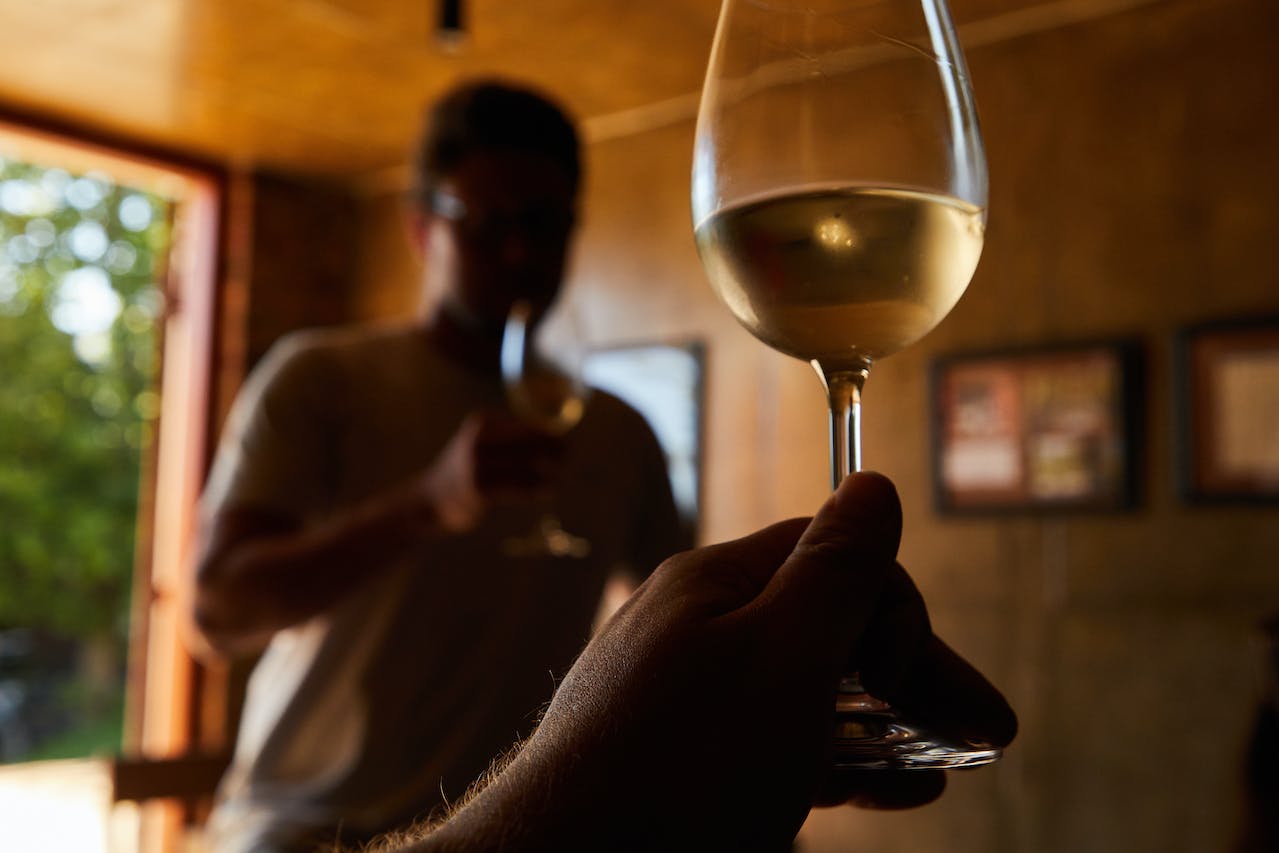
black-owned wineries, wine,
Photo by Laker : https://www.pexels.com/photo/men-drinking-white-wine-5732811/

Wine, Culture, And Community: Celebrate National Wine Day At A Black Winery

Black-owned wineries represent less than 1%.


May 25 is National Wine Day, a tribute to the multiple voices that create America’s wine narrative beyond its focus on premium wine varieties.

According to research, the wine industry supports the economy through its 11,500 wineries nationwide while generating an estimated $75.27 billion value in 2024. Black-owned wineries represent less than one percent of the total wineries in the country, with about 100 establishments, KCRA reports. BLACK ENTERPRISE looked at 10 Black wineries from California’s sun-kissed valleys to North Carolina’s rolling hills that produce outstanding wines while sharing stories of perseverance, cultural traditions, and innovative spirit. This guide presents 10 outstanding Black-owned wineries, which should be on your tasting journey because they deliver remarkable wines and compelling stories.

Brown Estate, Napa Valley, California

The Brown Estate, located in Napa Valley, California, belongs to the Brown Family and is famous for its Zinfandel production alongside multiple other wine varieties. The winery stands as Napa Valley’s first Black-owned estate winery, presenting visitors with more than two decades of winemaking experience. The downtown Napa tasting room allows visitors to experience the estate’s history while enjoying their wines.

Chapelton Vineyards, Washington, Texas

The historic town of Washington, Texas, hosts Chapelton Vineyards, which presents luxurious wine tastings, featuring wines from California, Uruguay, Argentina, and their vineyard production. The vineyard, which Kurt Lyn and Michelle Lyn co-own, has a distinctive combination of historic charm and premium wines that attract wine lovers.

Purple Corkscrew – Avondale Estates, Georgia

Purple Corkscrew operates from Avondale Estates, Georgia, under the ownership of Steffini Bethea. The establishment stands out with its extensive wine selection of more than 350 bottles while actively promoting Black-owned wine labels. The main attraction of Purple Corkscrew lies in its welcoming atmosphere and knowledgeable staff that provides a genuine wine expertise to customers of all wine knowledge levels, from beginners to experts.

Ebony Vineyards, Mooresville, North Carolina

Ebony Vineyards serve as a wine destination and cultural exploration site for visitors. Ebony Wine & Spirits operates this location, which honors the deep Black heritage of the area. Ebony Vineyards combines premium wines with cultural tourism initiatives for visitors. The wine tasting and tour activities allow visitors to experience a unique cultural wine celebration through these events. The vineyard welcomes both wine experts and beginners to experience. 

Abbey Creek Vineyard, North Plains, Oregon

Abbey Creek Vineyard operates as a hidden winery within Oregon’s North Plains region. Bertony Faustin established himself as Oregon’s first Black winemaker while bringing hip-hop culture to the entire wine industry. The wine tasting experience at this location defies traditional wine tasting expectations. When you enter, you understand that this place belongs to everyone who walks through its doors. Abbey Creek accepts visitors with open arms regardless of their wine knowledge. Great wine meets real community when you visit this place. 

Lashelle Wines, Woodinville, Washington

Lashelle Wines is a Black- and woman-owned winery where visitors can experience private wine tastings. The winery owned by Nicole Camp produces various wines, including Marsanne and Cabernet Sauvignon. A visit to Lashelle Wines supports a winery dedicated to promoting diversity in the wine industry.

Black Fire Winery, Tecumseh, Michigan

Black Fire Winery in Tecumseh, Michigan, welcomes visitors who enjoy quality beverages. Michael Wells operates this family-oriented establishment, which produces all their wines, ciders, and beers on-site. The atmosphere is relaxed while live music creates an environment that makes you want to spend your entire day there. 

Gotham Winery, New York, New York

Under Kwaw Amos’ ownership, Gotham Winery established itself as the initial Black-owned winery in New York State. Gotham Winery offers its customers rosé, riesling, pinot noir, and merlot wine selections. Wine enthusiasts should visit Gotham Winery to experience their contemporary approach to traditional winemaking methods.

Cyrenity Sips, Hatboro, Pennsylvania

Cyrenity Sips winery in Hatboro, Pennsylvania, produces small-batch wines that provide a distinctive wine-tasting experience. The winery run by Shakia Williams presents 16 permanent wine options, together with Cranberry and Gingerbread seasonal releases. The distinctive element of Cyrenity Sips is its personalized approach. The winery dedicates each wine label to loved ones, which makes the production process a heartfelt tribute to their community ties. The winery provides an intimate atmosphere where guests can taste wines that hold special meaning to the winery.

Boyd Cru Wines, Maryland

The Maryland winery Boyd Cru Wines operates under the ownership of the Boyd Family. The winery produces wines from local grapes, focusing on sustainable methods and innovative blending techniques. The winery stands as Maryland’s first and only Black-owned winery, which is a distinctive addition to the winemaking industry by promoting diversity.

RELATED CONTENT: The BLOC: A Black-Owned Company Helping Women Build Wealth in Real Estate

Georgia, white woman, Black boyfriend
(Photo: Tetra Images/Getty Images)

White Woman Suspected Of Killing Black Boyfriend Will Not Face Charges In Georgia

The victim was also called out on social media for berating Black women before being killed by his white partner.


A grand jury in Waynesboro, Georgia, has decided not to charge a white woman deemed a suspect in the fatal shooting of her Black boyfriend.

The grand jury in Burke County decided to grant Hannah G. Cobb a “no bill.” This ruling means Cobb will not face charges for the killing of Telvin Osborne. Cobb was arrested in February for the shooting, but initially claimed she was either cleaning or clearing her 9 mm pistol when it went off, killing the 30-year-old. She faced a charge of felony involuntary manslaughter.

One twist in the incident is that Osborne was known to berate Black women on social media while praising white women.

District Attorney Jared Williams told News 12 on Cobb’s bypass of charges May 23. After news of Cobb’s “no bill” was released, the Burke County Sheriff’s Office also released a statement. According to WRDW, the agency warned of potential riots that could “further harm” the Waynesboro community.

“We are aware of rumors circulating on social media regarding potential rioting in Waynesboro tonight following the grand jury’s decision to issue a ‘no bill’ in the case involving Hannah Cobb and the death of Telvin Osborne,” stated the department. “It is important to understand that the grand jury is a legal body tasked with hearing all evidence presented in a case before reaching a decision. While we recognize that this outcome may be upsetting or unpopular to some, we strongly urge everyone to refrain from actions that could further harm our community.”

The case garnered national attention over conflicting reports of how the fatal shooting of Cobb’s Black boyfriend occurred. Although Cobb insisted during her 911 call that she tried clearing her gun when it went off, Sheriff Alfonzo Williams said there was no evidence or information about a person cleaning the weapon before the shooting occurred.

Social media also erupted about the case over Osborne’s previous public bashing of Black women. Social media users noted the irony of Osborne dying at the hands of his white girlfriend despite his fetishization.

Williams also stated that alcohol was involved in the incident, which happened after the two went out clubbing in Augusta. Cobb also asserted that she believed the gun’s safety was on.

However, Cobb’s family also proclaimed that the two’s relationship was tumultuous with cheating allegations. Cobb also confirmed that the two had argued that night leading up to Osborne’s death, with additional Ring camera footage recording the altercation.

The prosecution detailed a different story from what Cobb had initially claimed in the 911 call. After Cobb kicked Osborne out of the house, she claims he reappeared at the home and threatened her with a knife.

She says she called his mother to calm him down, but the two’s altercation escalated regardless. The prosecution claimed that Cobb locked herself in the bathroom and threatened to harm herself. However, when Osborne broke the door down, she fired the gun once at him. Authorities saw her applying pressure to the gunshot wound. He was later pronounced dead at the hospital.

Although Cobb could potentially face charges later, D.A. Williams released a statement suggesting that they will not pursue the matter.

“As the Grand Jury has spoken, the case is closed,” stated Williams.

RELATED CONTENT: Man, Who Openly Berated Black Women, Allegedly Killed By His White Girlfriend, The Internet Sounds Off

How Model-Turned-Entrepreneur Zaina Gohou Is Disrupting The $130B Chocolate Industry With One Bold Idea
Photo by Vie Studio: https://www.pexels.com/photo/chocolate-bars-on-white-surface-6167332/

How Model-Turned-Entrepreneur Zaina Gohou Is Disrupting The $130B Chocolate Industry With One Bold Idea

Zacao, a chocolate company created by Ivorian-German model Zaina Gohou, is helping to change the chocolate industry for the better.


Ivorian-German model Zaina Gohou is challenging the exploitative roots of the global chocolate industry with her new brand, Zacao. In a recent Teen Vogue op-ed, Gohou—whose grandfather was a cacao farmer—explains how her company sources beans directly from farmers in West Africa, aiming to eliminate the human rights abuses and environmental destruction that have long plagued the industry.

Despite the creation of the World Cocoa Foundation in 2000, a January 2023 Guardian report found that labor abuses—including child labor—remain deeply entrenched in cocoa supply chains, driven by capitalism’s dependence on cheap labor. Major corporations like Nestlé, Mars, and Hershey continue to profit while African farmers bear the brunt of the system.

The report found that the system leads to the exploitation of the labor of poor farmers and even children in West Africa to extract profit for large corporations like Nestle, Mars, and Hershey.

According to Bill Guyton, a former president of the World Cocoa Foundation who became a senior advisor to the Fine Chocolate Industry Association, the only way to stop the exploitation of the African farmers is to go to the source.

“In mainstream chocolate, you have a whole system set up that doesn’t want to change,” Guyton told The Guardian. “You’ve got governments and large companies involved, and making changes to that system would require a new way of trading, and a new way of compensating farmers.”

With Zacao, Gohou is attempting exactly that—creating a model rooted in equity, transparency, and rejecting the colonial legacy embedded in the chocolate trade.

Gohou, who insists that modeling was not a path she sought, was inspired to create change after the disconnect of seeing how people back home in West Africa who worked as cocoa farmers couldn’t afford to send their children to school or clean drinking water despite being directly responsible for producing the wealth of a $130 billion industry while she was offered chocolate as a treat by fashion brands.

The creation of Zacao required a bit of legwork for the model. Still, she refused to compromise on her standards: the chocolate must be clean, plant-based, and organic, produced with unrefined coconut sugar, and each step of the process would be produced transparently, minus any “bean-shifting.”

The chocolate is produced entirely in Ghana, which Gohou says often surprises people, but to her, it shouldn’t come as a surprise, given that Ghanaians have been making chocolate for generations.

“People are often surprised when they learn our premium chocolate is made in Ghana. But why shouldn’t it be? If champagne is made in France, why would chocolate not be made in Ghana or Côte d’Ivoire? Africa isn’t just a source of raw materials. Who better to make extraordinary chocolate than the people who’ve been cultivating these beans for generations,” Gohou wrote for Teen Vogue, closing with a rhetorical question.

As Gohou strives to create change within the chocolate industry itself, according to Zacao’s website, her company is already setting itself apart by partnering with more than 250 family-run farms in Ghana, paying each farmer $600 per ton of chocolate produced and in the process helping to create a source of highly skilled labor, nurturing the local economy and building economic prosperity for the workers at the company.

For Gohou, the end result and the real impact she wants to create are centered around the workers she wants to empower, closing her op-ed on a high and hopeful note, encouraging young entrepreneurs to follow her blueprint.

“When you’re creating something that genuinely helps people or the planet, your passion becomes your driving force, and people will want to see you succeed.” Gohou wrote. “I see a future where farmers are getting paid their fair share, can send their kids to school, have access to clean drinking water, and thrive because the local economy is growing. That’s the real impact I’m dreaming of.”

RELATED CONTENT: Black-Owned ‘Good Girl Chocolate’ Brand Expands To 150 Whole Foods Stores Across 20 States

×