Afrika Bambaataa Loses Civil Lawsuit Accusing Him Of Child Molestation
A default judgment was “granted without opposition” by a New York State judge.
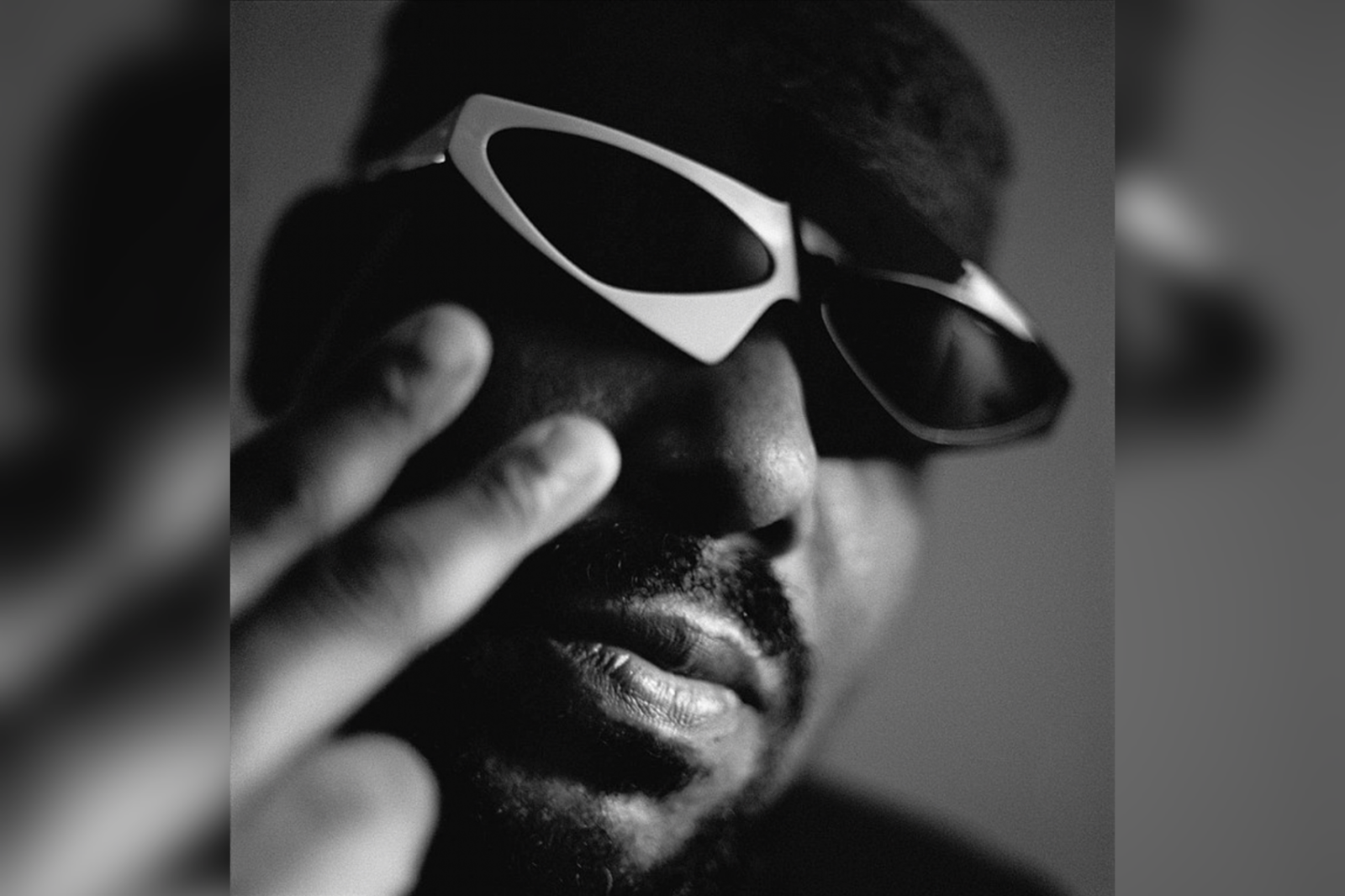
Hip-hop pioneer Afrika Bambaataa, who has been accused of sexual abuse by several people for years, lost a civil lawsuit filed against him.
According to Rolling Stone, the Bronx-bred legend was sued by a John Doe in a New York State Supreme Court case that accused Bambaataa of child molestation and sex trafficking.
Earlier this week, after Bambaataaa did not appear in court, Judge Alexander M. Tisch entered a default judgment.
The suit, filed in 2021, claims the Planet Rock artist sexually abused John Doe several times, starting from when he was 12 years old, from 1991 until 1995. Bambaattaa was 33 or 34 at the time.
Bambaataa never responded to the lawsuit. Over the years, he has denied similar accusations from more than 10 men who claimed he engaged in illegal sex acts with them when they were boys.
“I, Afrika Bambaataa, want to take this opportunity at the advice of my legal counsel to personally deny any and all allegations of any type of sexual molestation of anyone. These allegations are baseless and are a cowardly attempt to tarnish my reputation and legacy in hip-hop at this time.”
Two of the accusers have been very vocal, Hassan Campbell and Ronald Savage (Bee Stinger), although Savage, a former music industry executive, reportedly recanted in 2024.
However, activist Leila Wills, co-founder of the advocacy group Hip-Hop Stands With Survivors, filed an FCC complaint against Hot 97 after DJ Funkmaster Flex brought Bambaataa to the radio station as a guest on his show. Flex confirmed that Savage took back his accusations.
Sen. Tim Scott: ‘If You’re On Medicaid, You Should Be Able To Work’
The Congressional Budget Office (CBO) estimates that the changes in the "big, beautiful bill" would cause 7.6 million people to become uninsured.
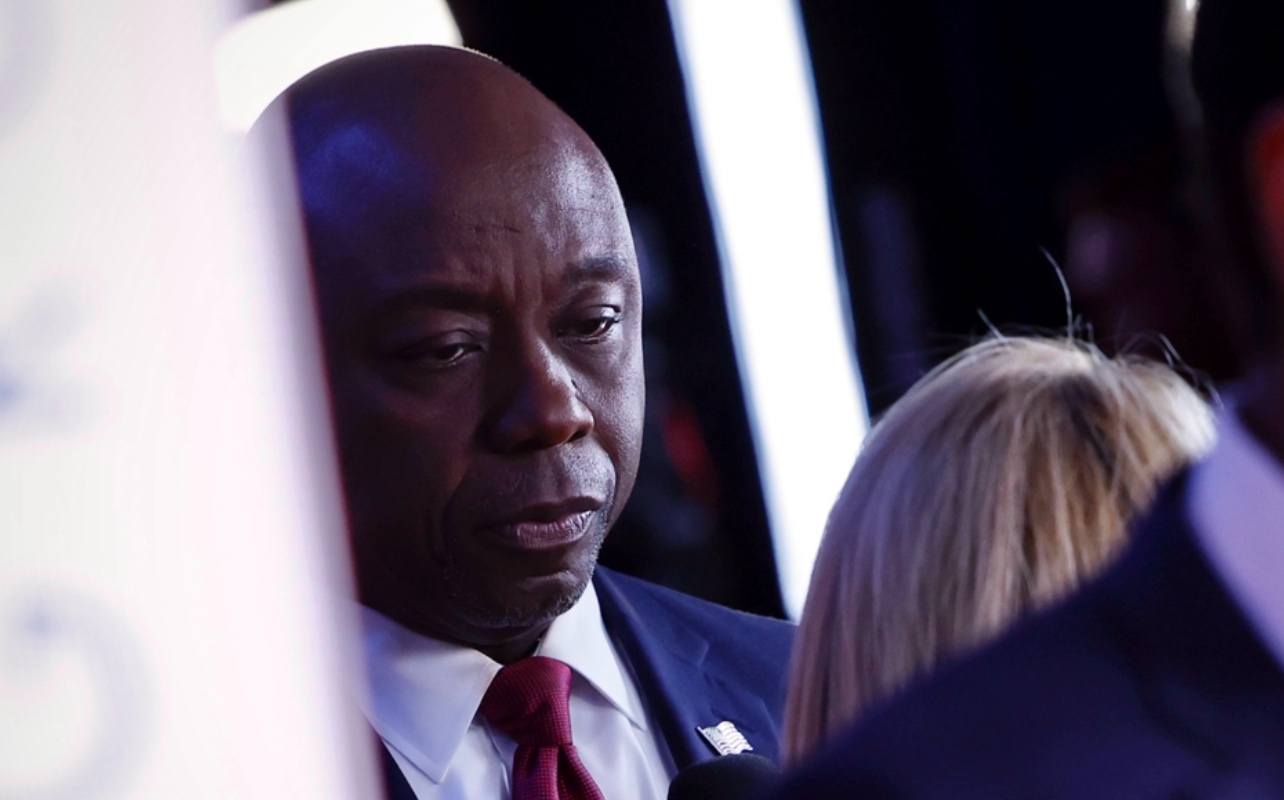
Hours after the House passed some of the strictest work requirements in its “big, beautiful bill,” Sen. Tim Scott (R-SC) proclaimed that anyone on Medicaid should be working.
During an interview on Fox News’ Hannity, the chairman of the Senate Banking Committee touched on one of the reasons House Republicans passed a new Medicaid recipient policy—215 to 214—requiring them to have proof of employment as a condition of receiving health insurance.
“If you’re on Medicaid, you should be able to work. If you can work, you should work,” Scott said. “Having the restoration of work requirements saves billions of dollars. We can keep the integrity of Medicaid while putting in place work requirements and eliminating illegal immigrants from receiving Medicaid.”
Tim Scott: "If you're on Medicaid, you should be able to work. If you can work, you should work." pic.twitter.com/fOPr32S1Gi
The Congressional Budget Office (CBO) estimates that Medicaid changes would cause 7.6 million people to become uninsured, with several people expected to lose coverage and be unable to prove eligibility under the new standard. On the flip side, adding work requirements can save the federal government approximately $280 billion over the next six years.
However, experts like Harvard University professor of health policy Benjamin Sommers feel the estimated savings don’t equal what President Donald Trump was campaigning for.
“What this is really about is producing budget savings,” Sommers said. “This is not savings through improved efficiency, or more people going to work. It’s savings by kicking people out of the program who are mostly eligible.”
New policies also target heavy rural areas in addition to the African-American community, some in the region that Scott serves.
NPR reports South Carolina is one of the few states in the Southeast that have refused to expand Medicaid, despite research revealing that expanding medical insurance would create thousands of jobs across the Upstate. Instead, the limitations increase the racial disparities that unwell African-Americans face.
“There is a disconnect between policymakers and real people,” Dr. Morris Brown said, who calls some of his patients “lucky” to have enough health insurance to see him. “The African Americans who make up most of the town’s population “are not the people in power.”
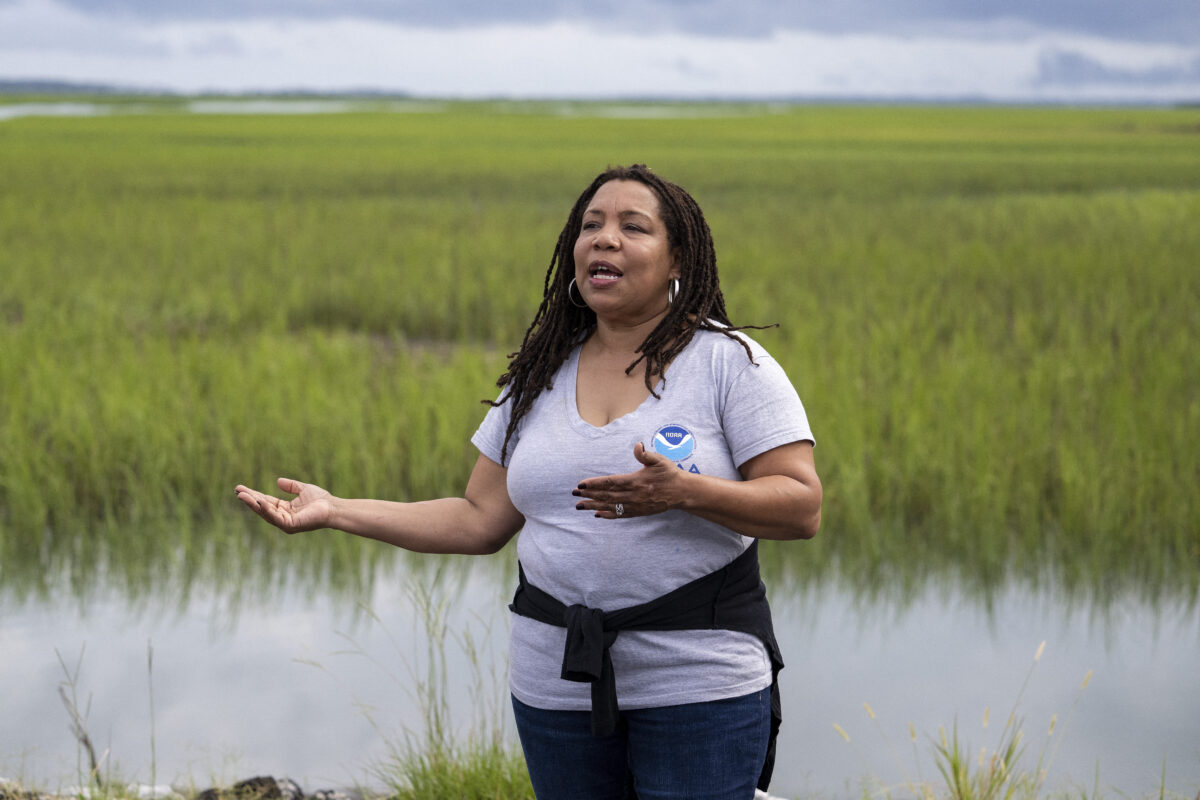
Dionne Hoskins-Brown, Chair of the Gullah Geechee Cultural Heritage Corridor Commission, speaks at Station Creek Landing in St Helena, South Carolina, on July 10, 2023. Isolated on islands scattered along the coast, ancestors of those in the Gullah Geechee community relied on the land and sea. They created their own culture, fed by their African heritage, and even developed their own Creole language. Hundreds of thousands of people are today part of the community -- which is threatened by climate change, gentrification, and real estate developers circling like hawks. (Photo by Jim WATSON / AFP) (Photo by JIM WATSON/AFP via Getty Images)
Gullah Geechee Chamber Of Commerce And Harvard University Partner For Economic Development
The Gullah Geechee people are descendants of enslaved West and Central Africans who live along the southeastern coast of the U.S.
The Gullah Geechee Chamber of Commerce and the William Monroe Trotter Collaborative for Social Justice at Harvard University’s Kennedy School of Government have partnered to create an economic recovery and development program for the Gullah Geechee community.
Through collaborative sessions, community leaders, scholars, and supporters co-created a program rooted in economic stability and cultural preservation.
“We didn’t come to be included. We came to integrate what we’ve already built,” Marilyn Hemingway, President of the Gullah Geechee Chamber, said.
The group proposed a five-year sustainability budget to support operations. The council will ensure that all initiatives align with the Gullah Geechee community’s cultural values, land protection efforts, and economic growth. This initiative aims to connect Gullah Geechee people with business leaders and global diasporic partners to develop and enhance the economy through technology, cultural education, and tourism. The program seeks to demonstrate how historically marginalized communities can lead their economic recovery efforts.
“The Gullah Geechee corridor is rich in culture, cuisine, and unrealized capital. Throughout its existence, it has fed the world with rice, resources, freedom, and the fruit of business and entrepreneurship,” Cornell William Brooks, director of the William Monroe Trotter Collaborative for Social Justice at Harvard Kennedy School, said in a statement.
“In the 1700s, the corridor was one of the wealthiest places in America. There is no greater time, no more propitious a moment than now to achieve an unprecedented level of economic development,” Brooks noted.
The team will enter Phase II of the program, which will includedeveloping funding initiatives, implementing strategies, and prioritizing Gullah Geechee leadership and community.
Harvard has a history of supporting the preservation of Gullah Geechee culture. In 2017, the university became the first Ivy League institution to offer a Gullah language course—a creole dialect blending English with West African languages. Linguist Sunn M’Cheaux, a native Gullah speaker from Charleston, S.C., teaches the course.
Lamar Odom Booed By Protestors At Trump Cryptocurrency Black-Tie Event
Protestors at a private black-tie cryptocurrency event for Donald Trump chanted "shame" at Lamar Odom upon his arrival.
Former NBA player Lamar Odom received disapproval at a Black-tie dinner hosted by Donald Trump.
On May 22, Donald Trump hosted an exclusive black-tie dinner at his Trump National Golf Club in Virginia. The event was organized to acknowledge the top 220 investors in his meme cryptocurrency, $TRUMP.
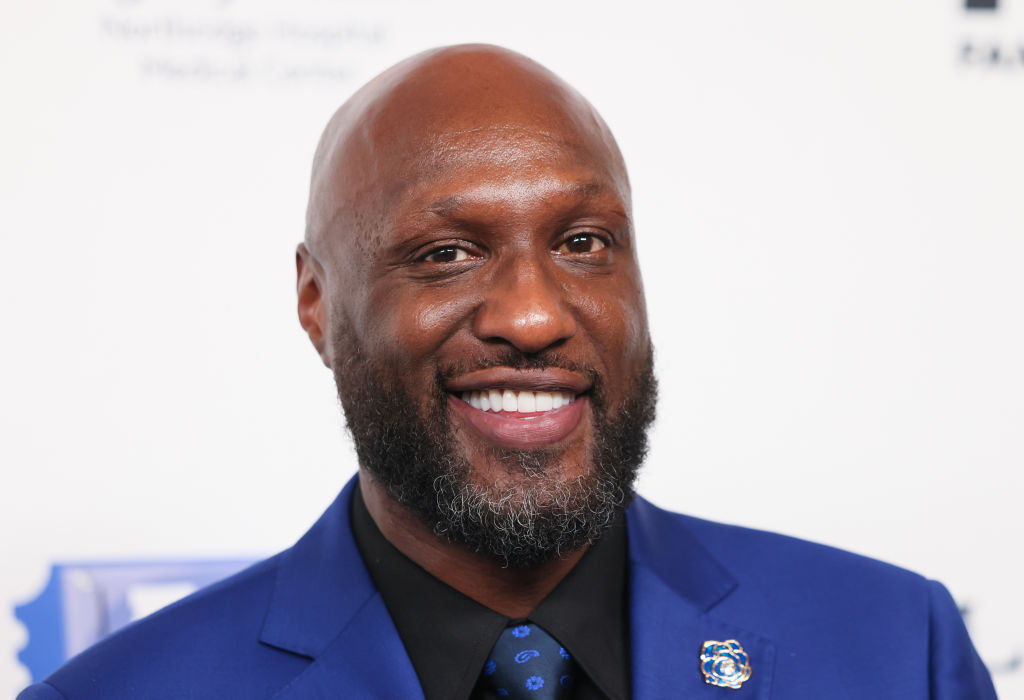
Former NBA star Lamar Odom was among the attendees. The former Los Angeles Laker faced boos and chants of “shame” from protestors as he arrived at the event. Odom’s status as a top investor shocked some, as he had publicly promoted his own cryptocurrency, $ODOM. Video of Odom arriving at the event circulated online.
BREAKING NEWS: Lamar Odom is spotted as one of the 220 attendees for Trump’s meme coin dinner.
It makes you wonder who else shelled out millions to be at an exclusive dinner with the president??? pic.twitter.com/VjkO8BErme
Odom, ex-husband of Khloé Kardashian, has longstanding ties to the Kardashian family. Due to that connection, his presence at political or high-profile events often reignites public interest. Speculation has circulated online regarding the Kardashian family’s political leanings, particularly after Kim Kardashian met with Donald Trump during his first term to advocate for criminal justice reform. While no member of the Kardashian family has publicly endorsed Trump, moments like that have fueled assumptions and debate about their political affiliations.
The $TRUMP coin launched in January 2025. It has generated over $312 million in revenue for Trump-affiliated businesses, including $43 million in fees. However, the coin has lost around 80% of its peak value since its launch. Consequently, the coin has enriched a small number of top investors while many small investors have suffered major losses.
Many see the current president’s engagement with private business dealings as a conflict of the office and, at minimum, unethical.
The administration has defended the event. Press Secretary Karoline Leavitt emphasized that the president attended the dinner in a personal capacity and that the event was not affiliated with the government.
Rep. Maxine Waters has introduced legislation regarding Donald Trump’s personal business. Waters cited concerns over conflicts of interest and the potential for foreign influence.
Politico reports that Waters is not the only politician sounding the alarm about Trump’s private dealings. Sen. Jeff Merkley labeled the event “the Mount Everest of Corruption,” while Rep. Sean Casten called for a Justice Department investigation.
Black Leaders Embark On 1,645-Mile ‘Ride For Equity’ From Tulsa To NYC
Black Detroit leaders are honoring the legacy of historic Black business districts
Black Leaders Detroit is leading a 1,645-mile ride from Tulsa’s Black Wall Street to New York City’s Wall Street, honoring the legacy of historic Black business districts while raising funds to support Black entrepreneurs.
“We’re riding from Black Wall Street in honor of the legacy of Greenwood,” Dwan Dandridge, founder and CEO of Black Leaders Detroit, told BridgeDetroit. “And we’re going to Wall Street because it’s another place where Black people had a huge hand in creating the wealth… but also not being able to benefit from the wealth that the labor created.”
The fifth annual “Ride for Equity” kicks off May 31, making stops in Missouri, Indiana, Ohio, and Pennsylvania before wrapping up around July 4 on Wall Street, America’s financial epicenter. The ride raises awareness for Black Leaders Detroit’s mission to fund Black-owned businesses, honoring the legacy of Detroit’s historic Paradise Valley and Black Bottom neighborhoods, which were demolished in the 1960s to build I-375, displacing tens of thousands of Black residents.
This year’s Ride for Equity pays tribute to Black Wall Street, the thriving Black business hub established in the early 1900s in Tulsa’s Greenwood District. That town’s prosperity was violently disrupted on May 31, 1921, when white mobs looted and burned homes and businesses, devastating the community that is still trying to rebuild today.
Now a global financial center, Wall Street was once the location of New York’s slave auctions. Major institutions like JPMorgan Chase and New York Life have documented ties to slavery, having profited by using enslaved people as collateral and insuring them as property.
Through its annual Ride for Equity, Black Leaders Detroit organizes a long-distance bike ride alongside citywide events designed to unite communities in meaningful dialogue, reflection, and collective action for lasting change.
“We invite people to come out and have a conversation about unity, race, equity, and what it means to be good neighbors to each other despite our differences,” Dandridge said.
Trump Rescinds Federal Contractor Minimum Wage Hike, Disproportionately Harming Black Workers in Key States
Labor advocates and progressive groups have criticized the move as an attack on working-class individuals, particularly when rising living costs are already a significant concern.
President Donald Trump has rescinded a key Biden-era executive order that had raised the minimum wage for federal contractors to $17.75 per hour, a move that labor advocates warn will negatively impact hundreds of thousands of low-wage workers, with a particularly significant effect on Black workers, especially in states where Black Americans constitute a large share of the federal workforce.
The rescission, enacted through Executive Order 14236 on March 14, effectively undoes Executive Order 14026, signed by President Joe Biden on April 27, 2021, which had gradually increased the minimum wage for federal contract employees.
The now-revoked Biden order, which had been in full effect since January 20, 2022, raised the minimum wage for these workers and directed the Secretary of Labor to make future adjustments to keep pace with inflation.
As of January 1, this had resulted in a minimum wage of $17.75 for those employed by private companies and nonprofits contracted by the federal government. While raising the federal minimum wage for all workers requires Congressional action, the Department of Labor has the authority to set higher wage standards specifically for federal contractors. These contractors encompass a broad spectrum of workers across various industries, from janitorial and food service staff to IT professionals.
Estimates from the Economic Policy Institute (EPI) in 2021 projected that approximately 1.9 million individuals, including construction workers, held federal contract jobs in 2022. Around 390,000 workers, representing about one-fifth of the entire federal contract workforce, were expected to see their wages rise due to Biden’s Executive Order 14026. The EPI further estimated that these workers would collectively experience a $1.2 billion increase in pay.
Advocates for the higher minimum wage argue that it ensures taxpayer dollars support jobs that offer a living wage, rather than incentivizing a “race to the bottom” where contractors compete by providing the lowest possible pay. They also point to research suggesting that minimum wage increases lead to lower employee turnover, improved worker performance, and increased efficiency.
For example, a 2021 study by Krista Ruffini indicated that minimum wage hikes in nursing homes correlated with better worker performance, reduced inspection violations, fewer preventable health conditions, and lower resident mortality.
Trump’s rescission of Executive Order 14026 is poised to reverse these gains for approximately 390,000 low-wage federal contract workers entitled to at least $15 per hour under the regulation. Should the Trump administration fully dismantle this rule, the minimum wage for these contractors would likely revert to the level set by the Obama administration in 2014, which was $13.30 per hour. Alternatively, if the administration were to eliminate the higher minimum wage for federal contractors, those working in states without a higher minimum wage could see their minimum wage fall to the current federal minimum of just $7.25 per hour.
Trump’s Executive Order 14236, “Additional Rescissions of Harmful Executive Orders and Actions,” directly revoked Executive Order 14026. Following this, the Department of Labor announced it would cease enforcing the Biden-era order and its implementing rule, initiating steps to rescind 29 CFR part 23 officially.
Labor advocates and progressive groups have criticized the move as an attack on the working class, particularly when rising living costs are already a significant concern. They argue that the gross decision grants private sector companies with government contracts the freedom to reduce the wages of hundreds of thousands of employees. Data from the Bureau of Labor Statistics (BLS) in 2022 provides context for the impact of minimum wage policies. That year, about 2 percent of Black hourly workers earned the federal minimum wage or less.
Disproportionate Impact on Black Workers
The rescission of the federal contractor minimum wage is anticipated to disproportionately affect Black workers, who historically have found more equitable job opportunities in the public sector compared to the private sector.
Data highlights that while 18.7% of all federal workers are Black, their representation is significantly higher in certain states. The Black worker share of state and federal employment is highest in Georgia (43.8%), Louisiana (37.6%), Mississippi (34.8%), and Tennessee (34.6%). The repeal of the $17.75 minimum wage for federal contractors in these states, where a substantial portion of the federal workforce is Black, could have a particularly pronounced negative economic impact on Black communities.
The EPI’s earlier analysis of the $15 minimum wage for federal contractors indicated that a significant percentage of those who would receive a wage increase were workers of color, including many Black workers, often in lower-wage service sector jobs within federal contracting. The rollback of this wage floor threatens to disproportionately harm these workers and potentially widen existing racial disparities in income and wealth.
The Trump administration claims its policies prioritize American workers. Yet, rescinding the federal contractor minimum wage follows a pattern of decisions that undermine wage standards for working-class individuals.
Labor advocates contend that this move contradicts claims of supporting American workers, leaving many vulnerable to potential pay cuts. The existing wage protections under the Service Contract Act (SCA) and the Davis-Bacon Act (DBA) may not adequately compensate these workers, as their wage levels can be lower and are not always regularly adjusted for inflation.
The repeal also introduces uncertainty for contractors and instability for the affected workforce.
Trump’s decision to rescind the executive order raising the minimum wage for federal contractors is expected to disproportionately harm Black workers, particularly in states with a high percentage of Black federal employees.
The rollback threatens to lower wages, reduce financial security, and potentially exacerbate racial economic disparities, raising concerns about the administration’s commitment to equitable economic opportunities.
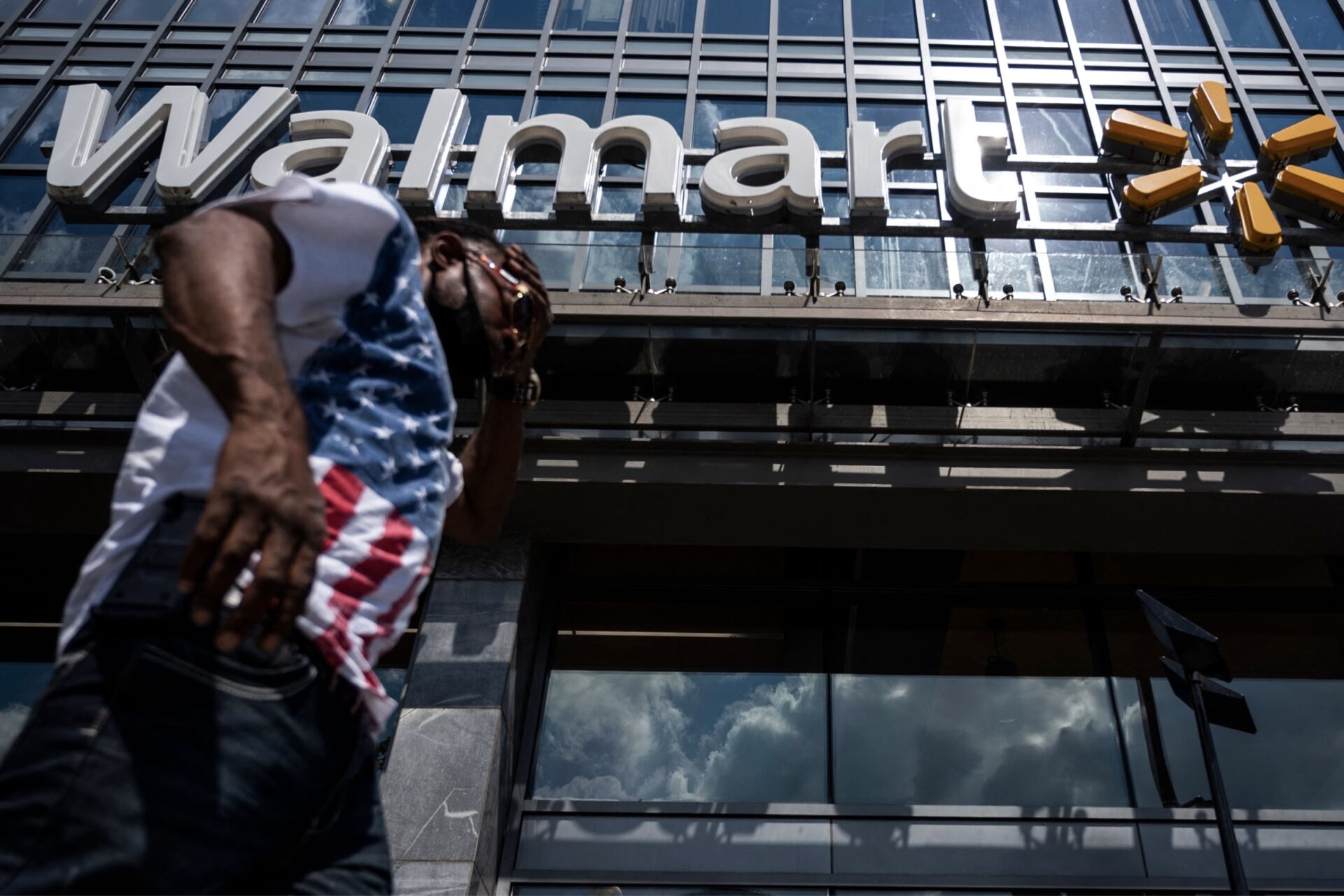
On May 20, People’s Union Founder John Schwarz took to Instagram to urge shoppers to boycott Walmart from May 20 to 26. The grassroots group behind the one-day economic blackout on Feb. 28 is now calling for a week-long boycott of Walmart, Sam’s Club, and affiliated brands like Great Value and Equate.
The latest blackout comes in response to Walmart’s planned price hikes that the retailer has tied to Trump’s tariffs.
“Because after all the record profits, all the tax loopholes, all the corporate greed, Walmart now once again wants to raise prices,” Schwartz said in the video. “But this time, because of the tariffs, as if they’re not already raking in billions, as if they can’t absorb the cost. As if you and I should carry this burden.”
Since Feb. 28, the People’s Union has held weekly boycotts, targeting companies like Amazon and Nestlé. The group plans to continue these actions through July 4, when it will escalate with longer campaigns. These efforts run alongside separate protests by other organizations against retailers like Target, criticizing their rollback of DEI initiatives.
Target has faced significant profit losses amid ongoing boycotts. Coupled with the impact of Trump’s tariffs, the company has revised its full-year outlook, now projecting a slight decline in net sales, which is a backtrack from its earlier projections.
Walmart’s price hike announcement was met with criticism from the president, who took to social media to tell the mega-retailer to “EAT THE TARIFFS.”
Wait a minute… Trump’s mad that Walmart is blaming tariffs—that he implemented—for higher prices… and says the real issue is they don’t want to eat the cost?
So the problem isn’t the tariffs. It’s that corporations won’t sacrifice their profits to cover for his economic… pic.twitter.com/ZmQxdoNIjL
In response to the latest boycott, Walmart reissued a statement released during The People Union’s first boycott in April.
“As one of the largest corporate taxpayers in the country, not only do we pay our fair share, we are an economic force multiplier strengthening communities nationwide through job creation, supplier growth, and over $1.7 billion in cash and in-kind donations last year,” the statement read. “We remain dedicated to earning the business of all Americans and giving our time and resources to causes that uplift and unite communities who rely on us every day.”
The People’s Union has future boycotts planned throughout June into July:
The Joy Spence Appleton Estate Rum Experience was given new life on May 20, when J Wray and Nephew Limited announced the grand opening of the Appleton Estate Rum Museum, the Jamaica Observer reported. Situated at 23 Dominica Drive, the museum offers a one-of-a-kind “edutainment” experience that blends education and entertainment for an immersive journey through the iconic brand’s storied history.
“This is a pop-up immersive space where persons can come in and learn about the brand credentials, the history and the rum creation process of Appleton Estate Jamaica Rum,” Dominic Bell, J Wray and Nephew Limited’s communications manager, said.
Inspired by the acclaimed Appleton Estate Jamaica Rum Festival, the newly opened museum celebrates Jamaican excellence in rum-making. Seasoned rum enthusiasts and curious visitors will get an in-depth exploration of centuries of tradition, masterful craftsmanship, and rich cultural storytelling of Jamaican rum history.
Hands-on exhibits will take guests on a journey through every step of rum-making, from the precise craft of distillation to the aging in oak barrels, all with the goal of garnering new appreciation for Appleton Estate. The museum highlights the versatility of their rum and what makes the brand unique in flavor, quality, and heritage.
“We have been crafting this brand from 1794 and exporting it to the world since then. It’s one of the top-selling spirits globally, and we’ve always said, how do we further communicate and involve the public in that of our own Jamaican experience, and that is what we are doing here now.”
“This museum represents far more than just a timeline of our achievements. It’s a dynamic space where visitors can feel, taste, and understand the soul of Appleton Estate. It’s about connecting with Jamaica’s rum legacy and welcoming a new generation into the world of Appleton through an experience that’s both educational and fun.”
Georgia Woman Bagged For Embezzling $500K From Local Business, Police Looking for Second Suspect
Dunwoody (GA) Police Department is still searching for Nicole Allen, who allegedly helped embezzle $500,000 from a local business.
Police in Dunwoody are searching for Nicole Allen, who is accused of helping a former employee embezzle nearly $500,000 from a local Georgia business over a two-year period.
According to an April 29 report from Rough Draft Atlanta, Felicia Kelley was arrested and charged with “computer forgery” and “theft by deception” after allegedly manipulating payroll and vendor payments while employed by the unnamed business. An arrest warrant has also been issued for Allen, who investigators say was a co-conspirator
Police say the embezzlement occurred in Georgia between May 2022 and August 2024. The scheme came to light in December 2024, when company leadership noticed irregularities in their financial records and launched an internal audit. The audit revealed approximately $500,000 in unauthorized transactions.
Kelley, who was responsible for managing payroll and paying company vendors, allegedly created altered spreadsheets that appeared legitimate while diverting company funds for personal use. According to police, Allen assisted Kelley in covering up the discrepancies.
The business, which has not been publicly named by authorities, reported the findings to Dunwoody police, prompting a criminal investigation. Detectives say they identified both women as key suspects through a review of financial documents, emails, and internal systems.
As of May 22, Kelley has been taken into custody, while Allen remains at large. Law enforcement is urging anyone with information on Allen’s whereabouts to contact the Dunwoody Police Department.
Neither suspect has made a public statement, and no trial dates have been announced. It is also not yet clear whether additional charges or further arrests are expected in the case.
This remains an active investigation.
Anyone with information about Nicole Allen’s whereabouts is urged to contact Detective Robert Ehlbeck at 678-382-6925 or Robert.Ehlbeck@dunwoodyga.gov.