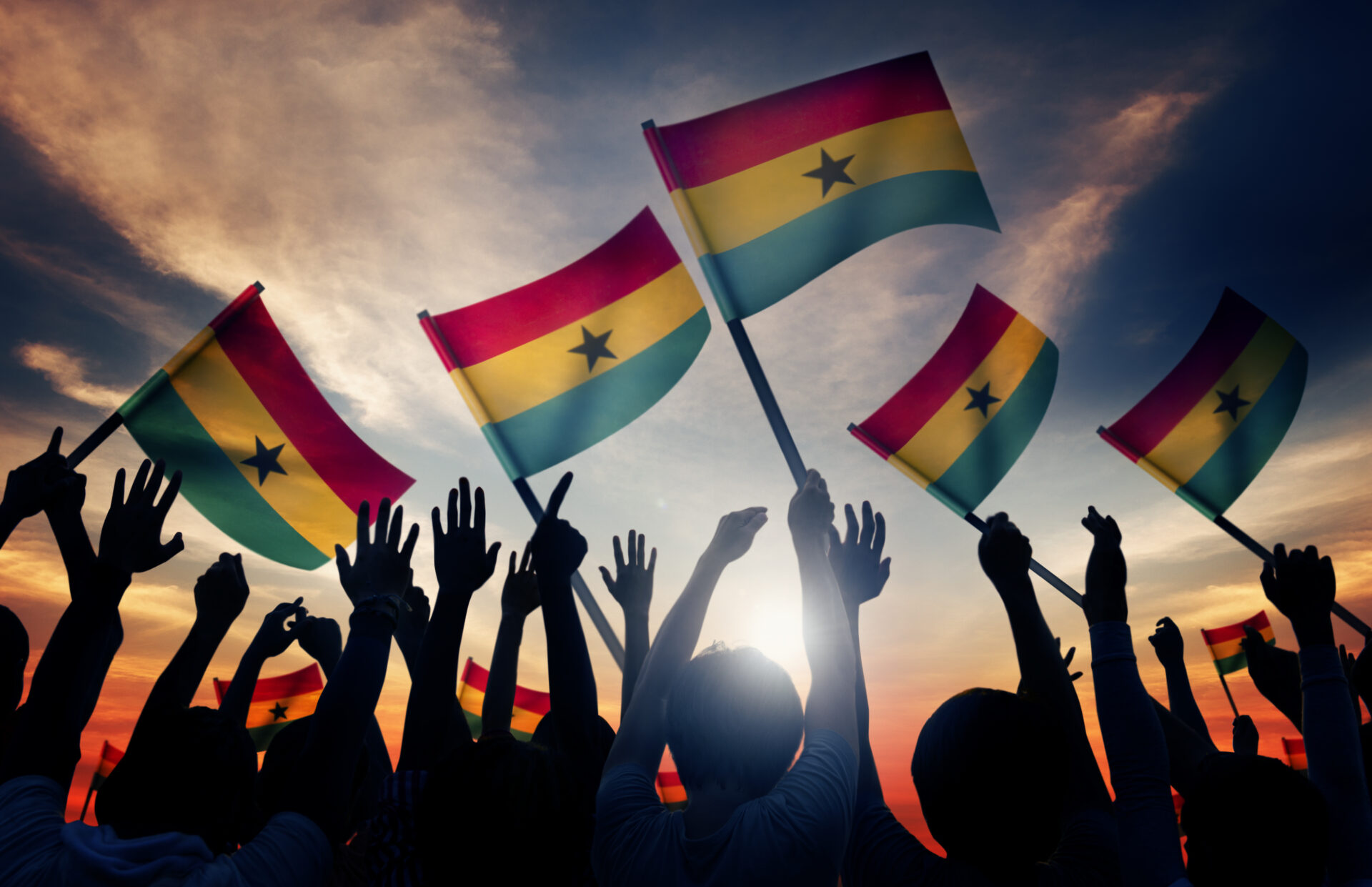
The week-long celebration bridged the African diaspora with a vibrant showcase of Ghanaian art, food, culture, business, tourism, and sports.
The rich cultural ties between Ghana and Washington, D.C., were front and center as the 2024 DC Ghana Week began Monday, October 7, with a VIP welcome reception at the Smithsonian National Museum of African Art.
This event marked the start of a week-long celebration that bridged the African diaspora with a vibrant showcase of Ghanaian art, food, culture, business, tourism, and sports.
In 2018, President Nana Akufo-Addo launched “The Year of Return” to encourage the African diaspora, particularly African Americans, to visit Ghana and reconnect with their ancestral roots. COVID-19 slowed the influx of visitors, but authorities soon launched Beyond the Return, a 10-year project under the theme, “A decade of African Renaissance – 2020-2030,” that is built on seven pillars: Experience Ghana, invest in Ghana, diaspora pathways to Ghana, celebrate Ghana, brand Ghana, give back to Ghana, and promote pan-African heritage and innovation.
Hosted by the Ghana Tourism Authority, LIQUID SOUL-DC, Events DC, and D.C. United, DC Ghana Week aimed to strengthen the bonds between Africa and the United States through cultural and economic events. The festivities culminated with the second annual “Capital City Africa Cup” on Sunday, October 13, featuring a soccer match between Major League Soccer’s D.C. United and Asante Kotoko, the 24-time champions of the Ghana Premier League.
“The Capital City Africa Cup is more than just a soccer match; it’s an opportunity to celebrate the cultural and historic ties between Ghana and the United States,” Paxton Baker, managing partner of LIQUID SOUL-DC, said. “Through soccer, we can showcase the vibrancy and passion of Ghanaian culture to the world while also fostering a deeper sense of community among the African diaspora.”
A Celebration of Ghanaian Culture
DC Ghana Week, a cultural immersion into the heart of Ghana, allowed attendees to experience the country’s artistic heritage, culinary traditions, and entrepreneurial spirit. The week’s events highlighted African Restaurant Week, where local chefs and restaurants feature traditional Ghanaian and African-inspired dishes, providing a taste of Ghana’s rich culinary landscape.
In addition to the culinary offerings, DC Ghana Week promoted business and tourism opportunities in Ghana.
“Ghana has always been known for its warmth and hospitality, and events like DC Ghana Week allow us to invite the world to experience our culture while also showcasing the tremendous investment and tourism potential our country offers,” said Akwasi Agyeman, CEO of the Ghana Tourism Authority.
Economic development and collaboration were key themes of the week, with opportunities for U.S.-Africa business partnerships on display.
“We are thrilled to be part of this important celebration that not only highlights the beauty of Ghanaian culture but also opens the door for meaningful partnerships between D.C. and Africa,” said Angie Gates, president and CEO of Events DC, said.
Ghana’s ambassador to the United States, Hajia Alima Mahama, said Ghana “welcome[s] all industries and businesses from the United States to explore opportunities in Ghana. We encourage African Americans to consider investment opportunities.”
Soccer as a Cultural Bridge
The highlight of DC Ghana Week was undoubtedly the Capital City Africa Cup, a friendly soccer match between D.C. United and Asante Kotoko at Audi Field. This match brought together two storied soccer clubs, uniting fans and showcasing the sport’s universal appeal.
“Football is more than just a game; it’s a way of life in Ghana,” Mark Addo, vice president of the Ghana Football Association, said. We are excited to bring Asante Kotoko to Washington, D.C., to share our passion for the sport and further strengthen the bonds between our nations through this event.”
For D.C. United, participating in the Capital City Africa Cup was an opportunity to deepen the club’s connection to the global soccer community.
Danita Johnson, president of business operations for D.C. United, said, “We are honored to play a part in this historic celebration of culture and sport. As one of the most diverse cities in the world, Washington, D.C., is the perfect stage for an event that highlights the cultural richness and shared values of Ghana and the United States.”
A Platform for Connection and Growth
DC Ghana Week was about more than just celebration but creating meaningful connections. From art exhibitions and business networking events to the energy of the Capital City Africa Cup, the week offered a platform for attendees to explore opportunities for economic growth, cultural exchange, and deeper understanding.
“The beauty of DC Ghana Week lies in its ability to unite people,” Baker said. “Whether you’re a soccer fan, an art enthusiast, or an entrepreneur, there’s something here for everyone. This is a celebration of our shared values, and it’s an exciting time to be part of the African diaspora in Washington, D.C.”
With the blend of culture, business, and sports, the DC Ghana Week event fostered greater understanding and connection between the African continent and the world.
In Akwasi Agyeman’s words, “DC Ghana Week is a testament to the enduring partnership between Ghana and Washington, D.C., and we are excited to showcase the best our country has to offer.”
(Photo: Brian Rothmuller/Icon Sportswire via Getty Images)
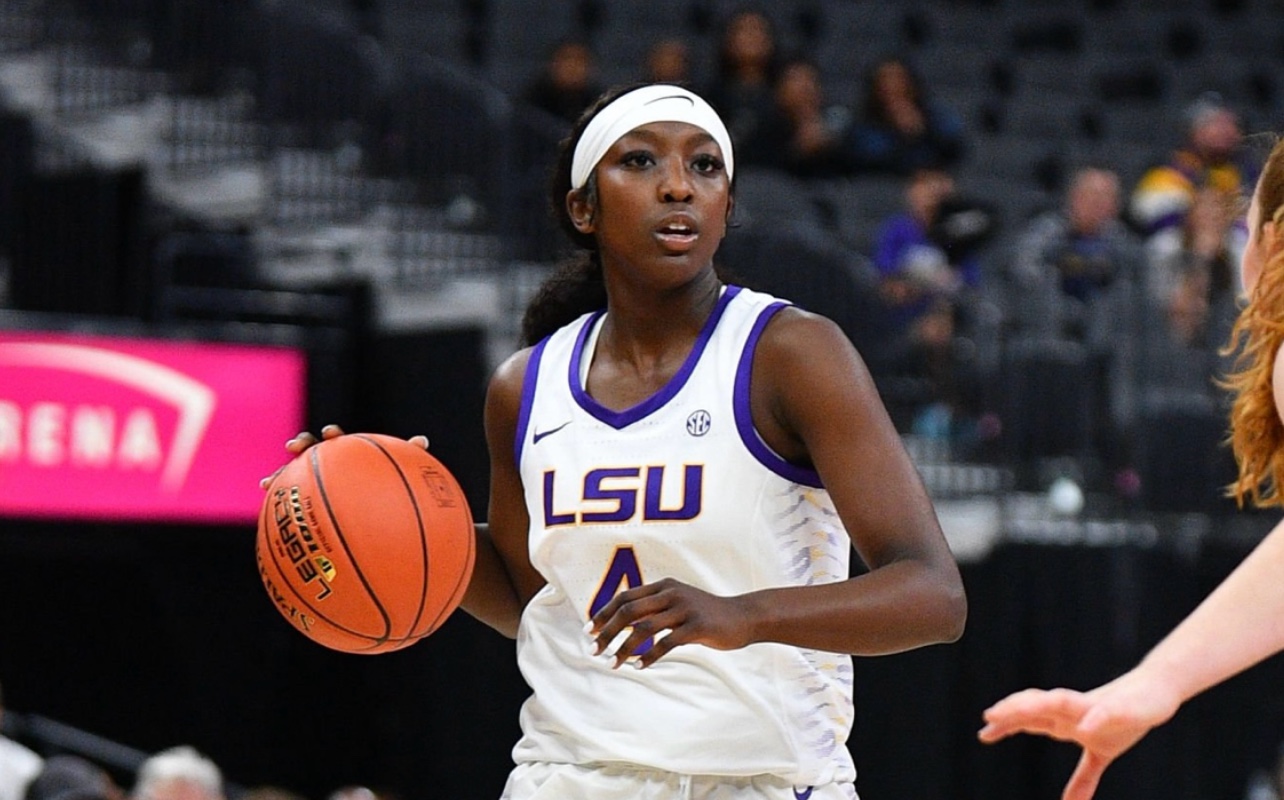
As Johnson told Boardroom, “This land represents more than just an investment for me—it’s about building something bigger than basketball or music. I want to create opportunities for my community and leave a legacy that shows young women, especially young Black women, that we can do it all.”
According to Sportskeeda, Johnson’s NIL value is roughly $1.4 million, (although it notes that figure currently leads women’s college basketball, Juju Watkins’ groundbreaking Nike and Gatorade deals will likely shift those valuations)
At the time, Johnson told the outlet that it was important for her to carve out space for the Black girls and women who would be following her into the NIL space.
“It feels great to be one of the NCAA players that’s leading the NIL movement,” Johnson said. “You know, as a Black woman, just as a woman in general, it’s so hard for us to dominate in these spaces and to be one of the top athletes it’s just something I worked for my entire life. I never thought it would come from basketball. I always thought it would be music. But to see that it’s happening in both is amazing.”
Johnson continued, “I think it’s important for little girls to see girls that look like them on big national campaigns like this—and it’s just important for women’s basketball. It’s important for the marketing of everything that we’re trying to do for women’s sports in general. So making history in that way, it feels amazing. And I just appreciate the opportunities that have been given to me.”
As Johnson has seen her star rise through a new EP featuring Lil Wayne and a performance at the ESPYS,, it is clear she is most likely going to be getting more of those opportunities.
“This is what I always tell people. They think like, ‘Oh my gosh, you’re getting all these NIL deals. You’re getting all this money.’ But if I wasn’t doing somewhat good on the court, that wouldn’t be a thing,” Johnson said. “At the end of the day, they still want to sponsor me because I’m a good athlete and we win.”
Heroic MTA Bus Driver Moonlights As New York Liberty Dancer, Performs at WNBA Finals Game
Luis Jimenez is a longtime member of the Timeless Torches dance troupe.
An MTA bus driver who went viral for helping a little girl wandering alone through New York is stepping into a different spotlight.
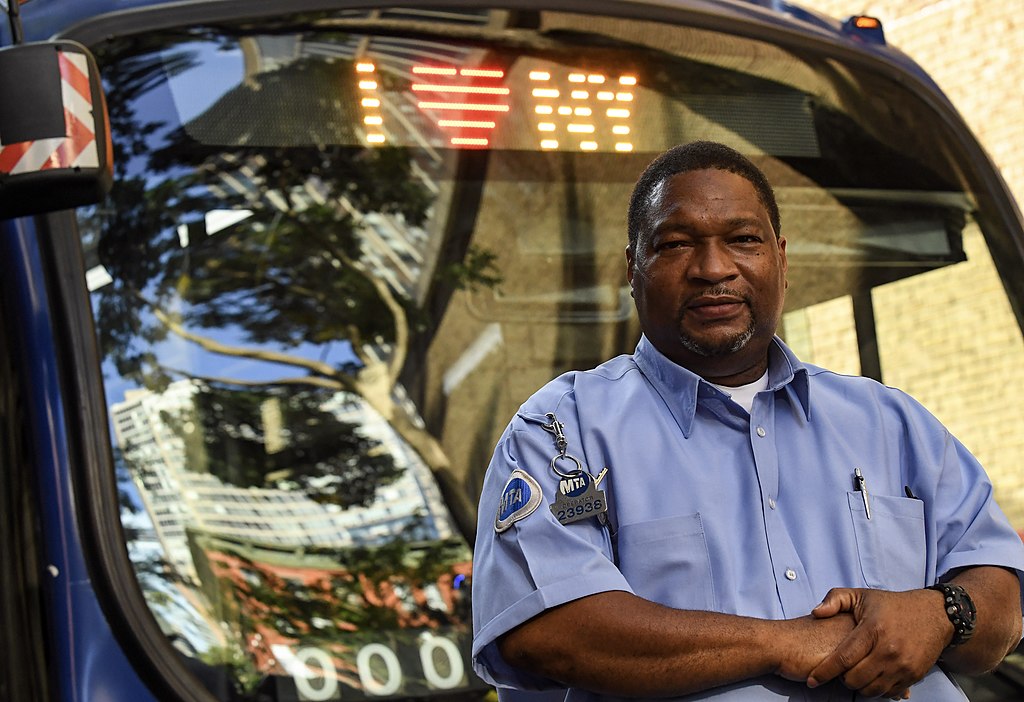
The driver, Luis Jimenez, is a member of the Timeless Torches dance troupe. The squad performs for the New York Liberty, most recently at the team’s WNBA Finals games. Jimenez rocked his uniform, a black Torches jersey with matching track pants, during the Torches’ Oct. 13 performance at the Barclays Center in Brooklyn.
The 60-year-old bus driver could not stop the feeling during his performance in Game 2 of the WNBA finals, in which the Liberty defeated the Minnesota Lynx. Jimenez has danced with the troupe for over a decade. He called the hobby a “fountain of youth” that helps him stay agile for his main job.
“It keeps your energy, everything you have to bring,” Jimenez told the New York Post. “Helping people out driving the bus is the best thing in the world. I help the elderly with where they gotta go, give special need to them.”
In September, while working his day job, Jimenez stopped his city bus after noticing a 5-year-old girl walking through upper Manhattan alone.
Before intervening, Jimenez urged one of his passengers to call the authorities. For the city employee, it was a no-brainer to help the child, especially when she went into the street.
“My instinct as a father came on because if I see a kid in the street in need of help, I would want somebody to help one of my children or one of my grandkids,” Jimenez explained to ABC7.
After bringing her onto the bus, Jimenez and the passengers waited until the police came. She had been reported missing by her school, 10 blocks from where Jimenez found her. Police later reunited the girl with her family.
Long Island, NY, Man Indicted After 15 Pounds Of Fentanyl Found Inside His Home
Suffolk County District Attorney Raymond Tierney said in a statement that there was enough fentanyl seized to effectively kill every person in Long Island.
“The amount of deadly narcotics seized in this operation is staggering. There was enough fentanyl here to kill every man, woman, and child on Long Island,” Suffolk District Attorney Raymond Tierney said in a statement. “This case underscores our unwavering commitment to dismantling drug operations that threaten our communities.”
In addition to the illicit drugs, $80,000 in cash, a drug ledger, and kilo presses, which are used to imprint bricks of cocaine and fentanyl, including one reading “COVID 19” were seized.
According to investigators, a large amount of fentanyl was discovered on Gibson’s nightstand in his bedroom, which is adjacent to a bedroom shared by two of his young children. The cocaine was allegedly found hidden in a trap door behind a shed in the backyard.
On Oct. 9, Gibson was arraigned on charges that included operating as a major trafficker, first and third-degree criminal possession of a controlled substance, criminally using drug paraphernalia, and endangering the welfare of a child. The first three charges are felony offenses while the latter are Class A misdemeanors.
Supreme Court Justice Richard Ambro ordered Gibson to be held on $200,000 cash, $800,000 bond, or a $2,000,000 partially secured bond.
“My client maintains his innocence,” Gibson’s attorney, George Duncan, said. “We look forward to defending the allegations in the courtroom. We will evaluate the discovery to see if it supports the claims made by the district attorney.”
According to NBC New York, if Gibson is convicted of the primary charge, operating as a major trafficker, he could receive between 15 years to life in prison.
Gibson’s next scheduled appearance in court is on Nov. 8.
Yawn…Another Election, Another Lecture From Obama To Black Men
Despite concerns, Black men are showing up and supporting Vice President Kamala Harris.
Written by Dr. Stacey Patton
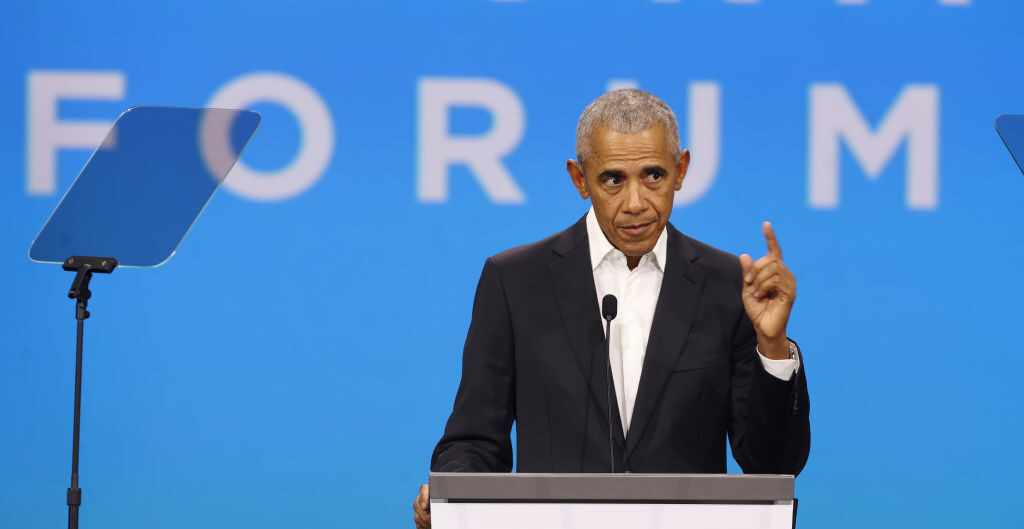
Barack Obama always has a lecture ready for Black men.
Remember his famous Father’s Day Speech in 2008? From the pulpit of the Apostolic Church of God on Chicago’s South Side, Obama basically implied that Black men are just overgrown boys who abandon their responsibilities. His message? “Hey, Black dads, fatherhood isn’t just about making babies—don’t think your job is done after conception. Oh, and while you’re at it, maybe turn off SportsCenter and actually engage with your kids.”
The next year at the NAACP National Convention he scolded Black men about personal responsibility, again emphasizing fatherhood and accountability, while neglecting to address the broader socioeconomic barriers that Black men face in their daily lives. Oh, and let’s not forget, that was the same speech where he suggested we go back to the good ol’ days when the whole village could whup children and send them back home where they’d get whupped again. Because clearly, more physical punishment and intergenerational trauma is the key to fixing systemic racism.
He did it again at a 2013 Morehouse commencement while standing before a crowd of young Black men who had worked hard to achieve their degrees. Instead of celebrating their triumphs, he hit them with a speech about responsibility, pulling up their pants, and not making excuses. Completely tone-deaf.
I mean, these high-achieving Black men just survived growing up Black in America, all kinds of systemic K-12 traps, years of academia, late nights cramming for exams, and student loan debt, and Obama shows up like, “Congrats on your degree, but let’s talk about sagging pants and bad attitudes.” Because nothing says “I’m proud of y’all” like a lecture on personal responsibility when you’re standing there with a college degree in hand.
Oh, and there was that radio interview in 2020 he did with The Breakfast Club. Obama again emphasized personal responsibility when discussing Black voter turnout. He suggested that Black men who didn’t vote for Hillary Clinton in 2016 had failed in their duty to the community, rather than acknowledging their potential disillusionment with the political system.
Fast forward to his latest critique.
Obama, dubbed as “the scolder-in-chief” by a Washington Post contributor, is now complaining about what he perceives as a lack of energy from Black men for Kamala Harris. In his eyes, Black men are not enthusiastic enough. But what evidence does he really have to back this up? Where are the surveys, data points, or voter turnout analyses that specifically point to this alleged lack of enthusiasm? Or is this just Obama once again assuming he’s got his finger on the pulse of Black men everywhere, while he’s actually lecturing from the comfort of a disconnected, high horse?
But could you really blame Black men if this were true?
They’re out here navigating a society where they’re constantly told they ain’t sh*t—from the media, from politicians, even from the mouths of their own leaders. They’re still being murdered by police with impunity, over-policed, underemployed, and scrutinized as failures across every conceivable social and economic indices.
Obama, of all people, should know better. His ability to walk the tightrope of racial respectability politics doesn’t mean every Black man can or should do the same. And now he’s frustrated about a supposed lack of enthusiasm for Kamala? Please. How about we ask why they might be less than enthusiastic in the first place?
Let’s be real: Black men have every reason to feel exhausted.
They’re fighting for their lives, literally and metaphorically, in a system stacked against them at every turn. If their energy feels low, maybe it’s because they’re tired of being kicked down every time they try to stand up.
Perhaps this lack of “energy” is rooted in exhaustion from being measured against impossible standards while being told in every way that their lives don’t matter. Instead of scolding, maybe Obama could acknowledge the fight Black men are already in—one they didn’t ask for but one they’ve been forced to wage every single day.
Are there segments of Black men who aren’t voting for Kamala because of their understanding of her criminal justice policies? Yes.
Are there Black men who won’t vote for her because of Gaza? Absolutely.
Are there Black men who won’t vote for her because they’re sexist or they think she’s not Black enough? Without a doubt.
Are there Black men who won’t vote for her because they feel politicians, including her, have consistently failed to deliver on promises to Black communities? Yep.
Are there Black men who are disillusioned by the entire political system, feeling that neither party truly represents their interests? Is the Pope Catholic?
Are there Black men who won’t vote for her because of her prosecutorial record and its impact on Black families? Definitely.
Are there Black men who refuse to support her because they see her as part of the establishment that doesn’t address the systemic issues they face daily? Absolutely.
Are there Black men who are tired of being told who they should support without anyone addressing their unique concerns? 100%.
Despite all these concerns, there are Black men who are showing up and supporting Harris because they see her as a groundbreaking figure—someone who shattered ceilings as the first woman of color to serve as Vice President. They recognize the historical significance of her candidacy and support her because they believe in her potential to fight for marginalized communities and push progressive policies that can positively impact Black families and future generations.
Additionally, there are those who recognize that the alternative is a Donald Trump win, which means the potential rise of fascism and an increase in policies that could result in more death and harm for Black communities. For these Black men, supporting Kamala Harris is a strategic choice to protect the future of Black lives and maintain a foothold in the fight against systemic oppression and white supremacy.
What we’re witnessing in this political moment isn’t just about a lack of energy from Black men—it’s part of a broader sense of malaise sweeping the country, and it’s affecting everyone. People across all demographics are disillusioned with politics. Voter turnout, trust in institutions, and belief in the system’s ability to deliver real change are at some of the lowest levels we’ve seen in decades. It’s not just Black men who feel left out—working-class people, women, young voters, and other marginalized communities are fed up with broken promises and politicians who seem more out of touch than ever.
The pandemic, economic instability, skyrocketing inflation, growing wealth inequality, climate crises, housing shortages, and a sense of endless political gridlock have made people feel powerless. It’s not that they don’t care; they’re just exhausted by a system that asks for their support while failing to fix the very problems that plague their daily lives. Scolding Black men, or anyone for that matter, for not having “enough energy” ignores the deeper frustration people feel about their voices not being heard. Scolding won’t fix the system; addressing these systemic issues and making meaningful changes will.
It’s easier for Obama and others to home in on Black men for political convenience. Black men have historically been positioned as scapegoats for a variety of societal ills. Whether it’s crime, poverty, or now political disengagement, there’s a well-worn narrative that blames Black men for the larger failures of the system. This is rooted in centuries-old stereotypes that paint Black men as irresponsible or apathetic, making them easy targets for criticism, especially when politicians or media figures are looking for someone to blame. It’s a pattern: when things go wrong, find the nearest marginalized group, often Black men, and shift the narrative to individual failings rather than systemic issues.
Black men, while being an important voting bloc, aren’t always treated as such. Instead of addressing their valid concerns—like police violence, economic instability, mass incarceration, and health disparities—it’s easier to lean into respectability politics and issue blanket statements about “personal responsibility.” This lets political figures off the hook from dealing with the complexities of systemic change.
On top of that, homing in on Black men oversimplifies the larger crisis of faith in political systems. Yes, Black men may feel disillusioned, but so do many other groups across the country, as I mentioned before. The reason they are singled out is because this focus avoids the heavier lifting of addressing broader frustrations like economic inequality, the health care crisis, and the growing powerlessness many people feel. By focusing on Black men, politicians and pundits avoid admitting that disillusionment is a widespread issue affecting many demographics. Blaming Black men allows the system to avoid self-reflection. It’s easier to chastise one group than to reckon with why so many people are tired of politics as usual.
And let’s be real—how much did Obama’s administration actually improve the lives of Black men? Oops.
Sure, he gave us hope, inspiration, and a beautiful image of a Black family in the White House. But when it comes to tangible, structural changes that could improve the lives of Black men in the long term, the record is murky at best.
Did police violence against Black men decrease during his administration? Nah. We saw Trayvon Martin, Eric Garner, Michael Brown, Tamir Rice—the list goes on. And while Obama made heartfelt speeches, where was the policy overhaul to address police brutality?
Did Obama seriously tackle mass incarceration? He talked about it, but let’s not forget that his administration didn’t take meaningful steps toward comprehensive criminal justice reform until his second term—and by then, the damage was already done.
What about the economic struggles Black men face? Under his administration, Black unemployment remained disproportionately high, and wealth disparities between Black and white households widened. Sure, the economy recovered, but that recovery didn’t touch Black men in the same way. They remained at the margins, trying to pick up the pieces.
How about education? Obama pushed for reforms like Race to the Top, but those reforms didn’t do much to close the educational gap for Black boys, who continue to face systemic bias, underfunded schools, and high suspension rates.
While Obama’s presidency brought a lot of symbolic wins for Black people, including Black men, the deeper, systemic issues that Black men face—like mass incarceration, police violence, and economic disenfranchisement—didn’t see the kind of transformative change they needed.
So, when he lectures Black men now, it feels out of touch with the reality of their lived experiences, especially considering the limited impact his policies had on the very issues he’s scolding them about.
The criticism of Black men for not showing enough enthusiasm for Kamala Harris is not a new phenomenon. In fact, this pattern of blaming Black men for political outcomes, often with little evidence or misinterpreted data, has been happening for years. Back in 2020, Black men were unfairly blamed for “drifting” toward Trump, despite the majority voting for Joe Biden. It was a classic example of data being misinterpreted and weaponized to craft negative narratives about Black men.
In the lead-up to the 2020 election, a flurry of articles fixated on the notion that Black men were turning toward Trump, often attributing this shift to chauvinism, economic interests, or political disillusionment. These articles painted a complex picture, blending legitimate political concerns with accusations of sexism, as some Black men questioned the Democratic Party’s commitment to their needs while others supported Trump’s economic policies or expressed dissatisfaction with the status quo.
Here’s a sampling of some of the headlines:
• “Black Men Voting For Trump Because of Chauvinism” (Yahoo News)
• “Maxine Waters Says She’ll Never Forgive Black Men Who Vote For Trump” (Washington Post)
• “Can Trump Woo Enough Black Men to Hurt Biden In Battleground States?” (New York Times)
• “Are 50 Cent, Ice Cube and Young Black Men the Supporters Who Will Enable Trump’s Return to the White House?” (The Conversation)
• “The ‘Eloquent Rage’ Of Brittney Cooper Over Black Men Voting For Trump” (The Washington Post)
These headlines reflect the recurring narrative of Black men being either politically disloyal or voting against their own interests. It was particularly telling how this focus on Black men voting for Trump (despite being a minority) overshadowed the real conversation: why so many Black men felt alienated from the Democratic Party in the first place. The media fixation often ignored larger systemic issues and overlooked the complexity of Black male voters, instead boiling it down to stereotypes of sexism or self-interest.
According to exit polls, Black men made up around 5% of voters, and of that group, around 20% voted for Trump while 80% voted for Biden. In terms of scale, when we break down those numbers: if Black men comprised around 5% of all voters in the 2020 election, and 20% of that group voted for Trump, it means that about 1% of the total voters were Black men supporting Trump. The other 4% of total voters were Black men casting ballots for Biden. So, despite all the focus on Black men “drifting” toward Trump, the reality is that a vast majority still voted for Biden. But headlines and social media fixated on the 18%, blowing it out of proportion and ignoring the fact that the overwhelming majority still supported Biden. Meanwhile, the 8% of Black women who supported Trump (up from 2% in 2016) barely got a mention.
This selective outrage is part of a broader pattern where Black men are consistently scapegoated and labeled deviant, while similar behaviors or trends in other groups go unexamined. The conversation today about Black men’s supposed lack of enthusiasm for Kamala Harris feels eerily similar. Instead of acknowledging the real frustrations Black men (and many others) have with the political system, the focus shifts to lecturing and blaming them, reinforcing harmful stereotypes rather than addressing the systemic issues driving disillusionment.
If anything, Obama should be scolding the very establishment that fails to listen to the legitimate concerns of Black men, that constantly demands their loyalty without delivering meaningful change in return. Black men are not the problem—it’s the system that’s been grinding them down, generation after generation.
At North Carolina Campaign Stop, VP Harris Calls Out Trump’s FEMA Misinformation During Hurricanes Helene And Milton
Trump is among the most prominent voices pushing conspiracy theories and other falsehoods about FEMA and other disaster relief efforts from the federal government.
According to The Associated Press, while Harris did not mention the former president by name, it was clear who she was referring to.
Trump is among the most prominent voices pushing conspiracy theories and other falsehoods about FEMA and disaster relief efforts from the federal government.
Harris told the crowd that despite the heroes who were helping relief efforts without respect to political affiliation, there were others committed to sowing division.
“Yet, church, there are some who are not acting in the spirit of community, and I am speaking of these who have been literally not telling the truth, lying about people who are working hard to help the folks in need, spreading disinformation when the truth and facts are required,” she said.
Harris continued, “The problem with this, beyond the obvious, is it’s making it harder, then, to get people life-saving information if they’re led to believe they cannot trust. And that’s the pain of it all, which is the idea that those who are in need have somehow been convinced that the forces are working against them in a way that they would not seek aid.”
Harris also said that those who are trying to further false narratives are attempting “to gain some advantage for themselves, to play politics with other people’s heartbreak, and it is unconscionable. Now is not a time to incite fear. It is not right to make people feel alone. That is not what leaders, as we know, do in crisis.”
“It’s creating distrust in the federal government, but also the state government, and we have so many first responders that have been working to go out and help these communities,” Criswell added in an Oct. 8 call with reporters.
Trump and his sycophants have loudly and baselessly accused federal responders of diverting disaster relief funds to immigrants, which has been amplified by Elon Musk, the owner of X, the social media platform. The Republican mega-donor and has steered X in the direction of a massive disinformation campaign.
“It used to take work to find disinformation on Twitter. You had to set up dashboards and Boolean searches,” Maarten Schenk, co-founder and chief technology officer at Lead Stories, told Poynter. “Nowadays, you just check the trending topics. You can also see what Elon Musk retweets or amplifies.”
According to Politico, President Joe Biden called the sentiments spread by Trump’s misinformation campaign un-American and said they spread fear and mistrust during a hurricane briefing at the White House earlier in October.
Barber Sparks Discussion, Praise After Announcing He’s Lowering Prices
A simple declaration has unleashed an interesting discussion on economics.
Maurice C. Simmons, a South Carolina-based barber, has drawn praise and created conversation after saying in a now-viral video that a run-in with a former customer who could no longer afford Simmons’ services inspired him to lower his prices.
Many social media users chimed in regarding how pandemic era prices for personal grooming have not gone down.
Some pointed to the barber’s idea of returning to a lower price point as a model for other barbers and beauticians. Others said that they have to also receive support from their respective communities to remain open.
I respect him for that. There is absolutely no reason whatsoever why a haircut should be $50+. If a father has 3 boys he's paying around $200 for cuts a week. That's $800 a month. $9600 a year. A lot of barbers have alienated their customers with outrageous price hikes. https://t.co/6vRCZW9CHu
In the video, Simmons noted that he didn’t necessarily make more money when he raised his prices, he just cut fewer people’s hair.
In other videos on his TikTok account, he advocates that the price for an average, basic haircut should be between $25-$50 depending on a barber’s skill level.
According to the Washington Post, a lot of attention has also gone to the experiences of Black women in salons and the decrease in quality and attention to their clientele that many women believe have ballooned along with the cost of a style.
“By the time life opened up again, the decline in stylists was met with a glut of clientele, ready to get their roots done after a year of home haircuts and bad box dyes. And suddenly, the laws of supply and demand hit the hair industry in a way it had never seen before. Instead of being everything to everyone, a growing number are now specializing in particular services and charging a premium for them,” Romano wrote.
Indeed, according to the U.S. Bureau of Labor Statistics, pre-pandemic, the median annual salary for a hairstylist was around $26,000 a year. In 2022, that salary increased to $33,400.
This increase, Romano posited, is attributable to those workers sharing salaries on social media.
Agron Nicaj, U.S. economist for the Japan-based MUFG Bank, told the outlet that in general, the cost for grooming services is not coming back down.
“When you have strong price pressures in the services sector, they’re likely to last longer,” Nicaj said.
Magda Ryczko, who owns and runs Hairrari, a gender-inclusive barbershop chain with the primary location in New York, echoed the sentiments of Nicaj.
“It’s not really high-end, it’s not really low-end; I like to keep my brand in the middle,” Ryczko said. “I feel like once we raise [prices,] I don’t think they’re going back down. That’s the risk that you also take as a business raising prices, because you may lose clients.”
Ryczko said price increases for the shop’s clients are a balancing act.
“I just want people to be not struggling, so any way I could maximize the wages I could pay so people can be happy and stay with me for a long time, I think that’s really important.”
Aoki Lee Simmons Quits Modeling After Called ‘Not Pretty Enough,’ Following Comparisons To Mom Kimora Lee
Simmons shared that the 'big fat comparison' to her mother makes her feel as though she will never be good enough.
Aoki Lee Simmons is breaking away from her emerging modeling career due to unfair comparisons to her supermodel mother, Kimora Lee.
The 22-year-old socialite took to Instagram to explain her frustrations with the “hard” industry. In the clips, she detailed how tired she is of being considered not pretty enough for the profession.Live Bitez reshared footage of Simmons venting.
“I think I’m probably wrapping up modeling soon,” explained the Harvard alumna. “I love modeling, but it’s hard to go somewhere and get told over, over, and over [again], ‘No, no, no, you’re not pretty enough,’ that’s not a fun time…it’s a hard industry.”
Simmons then shared that being compared her mother makes her feel as though she will never be good enough. The elder Simmons, who often modeled for Chanel, also appeared on the cover of Vogue as well as walked for Valentino and Fendi.
“If I’m going to a casting that my mom always got…It feels like one big fat comparison all the time,” the model said. “Like, OK [I’m] not as good. I get that. My mom is always going to be a way better model than me. But it’s just annoying to have that comparison sometimes.”
Simmons also disclosed that she will not walk in the Victoria’s Secret Fashion Show. While the rejection dampened her mood, she reminded herself that her degree in international relations could still be useful. She said she hopes to get a job in government. Currently, she plans on taking the foreign service test in her potential career pivot.
On the advice of her mother, Simmons will still finish what she started, despite being earlier than expected.
“My mom always taught that if you’re going to leave something…you should finish out strong,” she said of her mother’s outlook. “While I’m here I’m going to do my best…I hope I don’t sound whiny.”
Moreover, Simons has made headlines outside of Fashion Week for her online battles with her Bali-restricted father Russell Simmons and age-gap romances. Despite these controversies, Simmons remains focused on making a name for herself.
The plan would expand her goals for business owners and explore mentorship opportunities for this demographic. First, she hopes to provide 1 million loans, which would be fully forgivable for up to $20,000, for Black entrepreneurs, as well as those with businesses in underserved communities.
“For Vice President Harris, getting by is not enough—it’s about making sure that Black men in America have the opportunity to get ahead, to thrive, and to be the change agents in communities across the nation,” Harris’ campaign tells BLACK ENTERPRISE.
Moreover, Harris wants to create programs for Black men to gain access to jobs, regardless of degree-holding status. She seeks to accomplish this through HBCU partnerships with the Department of Education. Prioritizing Black male teacher training, Harris also wants to strengthen the Public Service Loan Forgiveness Program in her effort to recruit and retain this cohort.
Additional collaborations with state and local governments, community organizations like the National Urban League, and the private sector will offer a wider range of apprenticeships and credentialing opportunities. As for advancing its financial portfolio, Harris will support a regulatory framework for cryptocurrency and digital assets to better protect Black owners.
The creation of a National Health Equity Initiative hopes to address illnesses that disproportionately impact Black men, such as sickle cell disease, diabetes, mental health, and prostate cancer. Harris already intends to cap insulin costs at $35 a month with a $2,000 limit on out-of-pocket spending for prescription drugs, which joins new plans to expand preventative screening programs and increase the budget of the National Institute of Minority Health and Health Disparities.
Furthermore, she hopes to fully fund the Sickle Cell Data Collection Program while reducing the medical debt of many Black households.
In regards to criminal justice, the legalization of recreational marijuana remains a priority, while also building pathways for Black men to venture into the growing cannabis industry. The news release also urged how Harris’ opponent, Donald Trump, and his policy will not uplift Black men.
“From being investigated by the Department of Justice for refusing to rent to Black tenants, to falsely accusing the Central Park 5 and calling for their execution, to spreading the racist birther conspiracy theory against President Obama, at every step of his life Donald Trump put Black men down for his own personal brand,” explained Congressman and Harris-Walz Campaign Co-Chair Cedric Richmond. “While Vice President Harris is promising to equip Black men with the tools needed to pursue our dreams and aspirations, Donald Trump is promising Black in America a national nightmare.”
To spread awareness of her latest agenda, the Harris-Walz campaign will host “Black Men Huddle Up” events with public figures of this demographic. Starting Oct. 13, Black men across the country will join virtual and in-person events at Black-owned eateries to discuss the November election.
An Economic Freedom Talk series with Black business owners and advocates, as well as a Shop Talk series and forums, will also encourage Black men to join the fight for Team Harris-Walz. This extensive programming accompanies paid media testimonials across key states. This outreach toward Black voters hopes to show Harris’ plan to uplift Black America.
RELATED CONTENT: Here’s How Vice President Kamala Harris’ Economic Plan Would Help Black Americans
Man Arrested For Having Illegal Firearms Outside Trump Rally In Coachella
Authorities stopped Vem Miller at a checkpoint with two loaded firearms ahead of Trump's arrival to the Oct. 12 event.
Police arrested a Las Vegas man for having illegal firearms outside of former President Donald Trump’s rally in Coachella, California.
Authorities found Vem Miller with two loaded firearms while stopped at a checkpoint ahead of Trump’s arrival at the Oct. 12 event. The Riverside County Sheriff’s Department confirmed Miller had an illegal shotgun, handgun, and high-capacity magazine for the handgun as well.
Politico also reported Miller drove an unregistered black SUV with a handmade license plate. The county’s sheriff, Chad Bianco, also detailed fake driver’s licenses and passports in Miller’s possession.
According to the sheriff, Miller originally told law enforcement that he was a journalist to get to the event’s outer perimeter. However, officers noted “irregularities” from the man, leading them to investigate his vehicle more thoroughly.
At a press conference on Oct. 13, Bianco shared his belief that a third assassination attempt was in possibly the works.
“If you’re asking me right now, I probably did have deputies that prevented the third assassination attempt,” expressed Bianco. “I truly do believe that we prevented another assassination attempt and it was solely by our effort of keeping those types of people out.”
Trump’s event went on without further issue, also giving Bianco a shoutout during his speech. Bianco, who sat in a VIP section at the rally, later referred to Miller as a “lunatic.” He deemed the man’s political party as irrelevant.
“I couldn’t care less what political party he belongs to,” Bianco said. “I honestly think that’s the stupidest thing in the world that we have to label something and we’re labeling this as politics. He was a lunatic.”
However, Miller was released on bond in less than a day after his initial arrest. Despite this, Bianco noted that any updated inquiries will come from the federal level.
“From my perspective, from a state law enforcement agency’s perspective, the firearms charges are what we arrested him for and booked him on,” added Bianco. “Anything further will come from the federal government. And, quite frankly, I don’t know if we will be a part of that.”
United States Attorney Martin Estrada from the Central District of California also confirmed a federal investigation into Miller’s person.
“The U.S. Secret Service assesses that the incident did not impact protective operations and former President Trump was not in any danger,” detailed Estrada’s statement. “While no federal arrest has been made at this time, the investigation is ongoing.”