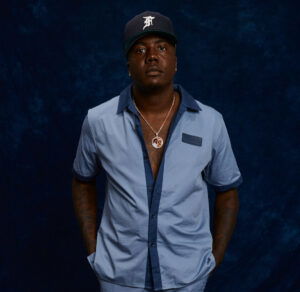
Martinus Evans Health Was In Jeopardy, 10 Years Later His ‘Slow AF’ Run Club Inspires Others To Run Their Own Race
Martinus Evans does not fit the characteristics or the size of someone who runs marathons regularly, but not only has he run them — eight times — he has also started a club to encourage others to do so.
According to CBC Radio, when Evans, now 36, went to his doctor about 10 years ago to get a diagnosis of the pain he was having in his hip, that doctor focused on Evans’ 360-pound frame and said he needed to lose weight.
“I’m sitting there, and my doctor is like, ‘Mr. Evans, you’re fat. You need to lose weight or die.'”
Evans became frustrated and indignant with what the doctor said. “I said, ‘Screw that, screw you. I’m going to run a marathon,'” he recalled. “And he laughed at me, told me that was the most dumbest thing he has heard in all his years of practicing medicine.”
Being told a marathon might kill him that put Evans on track to not only run one marathon but seven more.
He detailed his journey on his Instagram account, aptly named 300poundsandrunning. He also launched what he called the Slow AF Run Club to start an online forum for those who felt they were in the same class as him.
Evans, who is now a certified running coach, recently released a book, Slow AF Run Club: The Ultimate Guide for Anyone Who Wants to Run.
Most of us know what AF (As F**k) means, but Evans said it’s open for interpretation in his club.
“It can mean Slow and Fat Run Club. It can mean Slow and Fabulous. I think ‘AF’ is for anybody to decide what they want it to mean.”
His story was so inspiring to others that he was featured, in the nude, in Men’s Health magazine.
With the success he has garnered after being motivated by his former doctor, Evans has shown that anyone can fight the stereotypes and become successful at what they want to do.
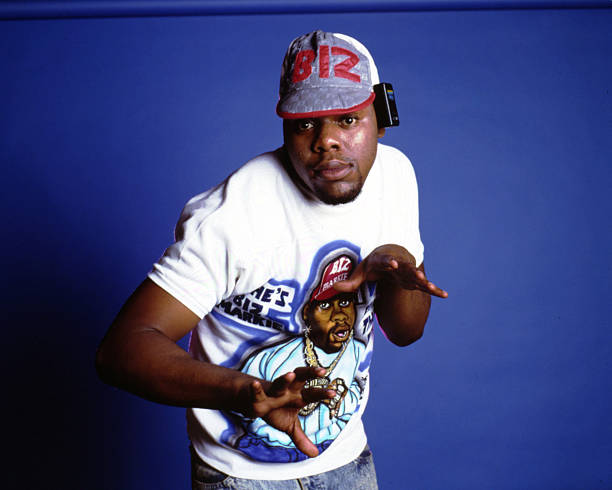
Biz Markie Documentary Coming To Showtime On Hip-Hop’s 50th Birthday
A documentary about the life and career of the late rapper Biz Markie is coming to Showtime on the same day as hip-hop’s 50th birthday.
The Sacha Jenkins-directed documentary All Up In The Biz, premiering Friday, August 11, will showcase the life, career, and cultural impact of the legendary rapper, Vibe reports. It will include exclusive footage, interviews, and puppetry to tell the story of the certified “Clown Prince of Rap.”
Fat Joe, Nick Cannon and Tracy Morgan will make guest appearances along with fellow rap veterans Darryl “D.M.C.” McDaniels from Run-DMC, Doug E. Fresh, and Big Daddy Kane.
The movie is the latest in Jenkins’ library of music documentaries including Word Is Bond, Wu-Tang Clan: Of Mics and Men and Bitchin’: The Sound And Fury of Rick James.
“Biz Markie is the pure essence of hip-hop. He believed in, he lived it, he harnessed its powers,” Jenkins said.
“Most people don’t know that he used those powers to power up some of the culture’s greatest poets and then some. I was fortunate to meet with Biz when he was alive so to have the opportunity to bring him back to life now that he isn’t here…it’s a special film.”
Born in Harlem in 1964, Biz rose to prominence in the emerging hip-hop scene of the 1980s. He got his start beatboxing for Roxanne Shanté before embarking on his own rap career with his 1988 album debut, Goin’ Off.
Biz Markie is best known for the comedic flair he brought to hip-hop and his popular singles, “Vapors,” “Make the Music with Your Mouth, Biz,” “Nobody Beats the Biz,” and his signature “Just a Friend.” The last is often featured in films, television commercials, and music samples—including Mario’s 2002 remake.
The Juice Crew member died July 2021 from Type II diabetes. A street was named in his honor in Long Island, New York, months after his death.
Lamar Odom Opens Senior Care Centers Inspired By His Grandmother
Lamar Odom is expanding his business portfolio to include luxury senior living centers in California, a move inspired by his 96-year-old grandmother.
The NBA champion has teamed up with Regency Palms Senior Living in Oxnard and Long Beach to launch Odom Senior Care, TMZ reports. The senior care centers will offer luxury and affordability to the elderly, something Odom realized was lacking while caring for his grandmother Florence.
Odom’s grandmother has lived in the same Bronx apartment for 70 years and now lives there by herself. The former Los Angeles Lakers player was inspired to open his senior care center after running into issues with finding his grandmother a new home earlier this year.
The Queens native has called out how expensive it is to place a loved one in an adequate senior living community. Now, he’s determined to offer the service in 1,000 communities with pre-negotiated rates.
So far, the former basketball star has two centers in Southern California with a goal of opening more by year’s end. Along with Odom Senior Care, the 2011 Sixth Man of the Year also owns Odom Recovery Group, where he helps patients on their journey to sobriety.
Odom turned over a new leaf following his near-fatal overdose at a Las Vegas brothel in 2015. In 2021, he appeared on Good Morning America, where he credited the drug ketamine for aiding in his sobriety.
“I went to rehab and did some other things, but ketamine came into my life at the right time,” Odom said at the time.
Now That Affirmation Action Is Dead, Black Folks ‘Need HBCUs More Than Ever’
In the wake of the June 29 Supreme Court ruling, which effectively prohibits the consideration of race in higher education admissions, it is not surprising that a tide of dissent has emerged. President Biden, expressing his deep disappointment, characterized the 6-3 decision as a profound setback.
Numerous observers have remarked upon the ruling’s adverse impact on diversity within higher education institutions nationwide, as well as its regrettable imposition of barriers upon numerous deserving students aspiring for higher learning. Across the country, universities and colleges find themselves reassessing their admissions processes, while some continue to affirm their commitment to holistic assessments of applicants in their admission decisions.
Amidst the justified outrage and widespread critique, it is crucial to recognize that the SCOTUS ruling signifies a pivotal juncture with far-reaching implications for historically Black colleges and universities. These esteemed institutions have long borne witness to the inhospitable reception faced by Black students in predominantly white colleges and universities (PWIs), regardless of their exceptional qualifications.
As this pivotal moment unfolds, it is noteworthy that former President Donald Trump, a self-proclaimed “genius” and ever the self-congratulatory champion of conservative policies, couldn’t resist patting himself on the back for his role in stacking the court with conservative justices, while also celebrating the SCOTUS ruling.
With his typical lack of subtlety he said, “This week, those justices ruled to move our country forward with a merit-based system of education.If you’re a worker and you work very hard in school, you got fantastic marks, somebody that hasn’t done nearly as well who perhaps has not worked nearly as hard will not be taking your place.”
The implication behind the phrase “taking your place” is none other than a thinly veiled reference to individuals from the Black community. Doopponents of affirmative action possess some sort of mystical ability to discern the qualifications of Black students based solely on their skin color?Do they have a secret blackness radar that magically detects inadequacy?
But let’s not forget, Trump is the same man who shamelessly peddled falsehoods about his own educational achievements, so forgive me if I’m not entirely convinced by his sudden commitment to academic integrity and merit.But let’s not dwell on the past fabrications of that “genius.” Instead, let’s address how this ruling presents a remarkable opportunity for HBCUs to swagger into a new and transformative future if they play their cards right.
GETTY/David K. Wilson
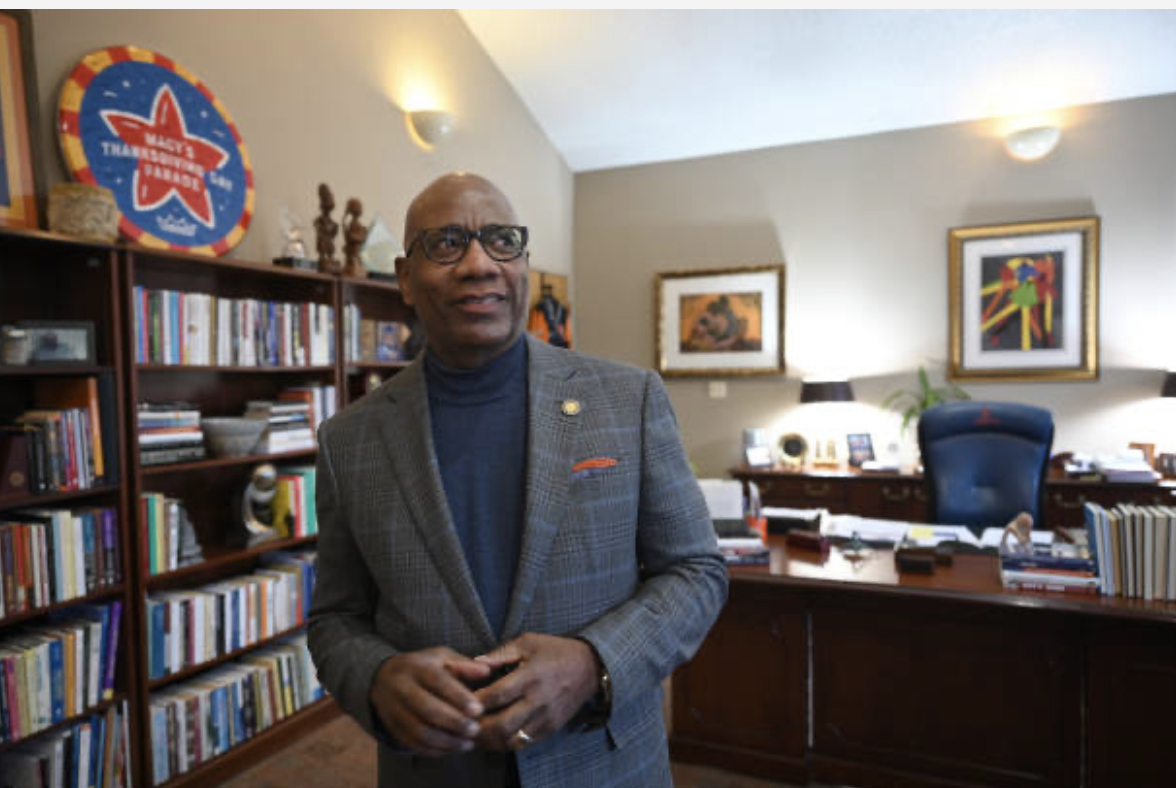
Following the court’s decision, several HBCU presidents expressed concern. Morgan State University’s president, David K. Wilson, stated that the ruling would undermine decades of progress, disregarding the value of diverse backgrounds in enriching the academic environment.
“By eliminating one’s ethnicity or racial background as a consideration in admissions decisions, the U.S. Supreme Court has, in many regards, turned its back on the inherent value of unique experiences and perspectives that students from diverse backgrounds bring to the academic environment, enriching the educational experience for all students,” Wilson said in a written statement.
FAIR USE | TWITTER TONY ALLEN
Delaware State University’s president, Tony Allen, described the decision as having a chilling effect on college matriculation for people of color, and being harmful to society.
Howard University’s communication office stated that the ruling would have a devastating impact on diversity in higher education, limiting access for students of color and hindering their preparation to contribute to society.
NEWARK, NJ – MARCH 28: Dr. Helene Gayle attends the BET’s ‘Black Girls Rock!’ Red Carpet at NJ Performing Arts Center on March 28, 2015 in Newark, New Jersey. (Photo by Gilbert Carrasquillo/FilmMagic)
Spelman College’s president, Helene Gayle, expressed deep disappointment, emphasizing the reversal of progress, the loss of equal access, and the importance of diversity for democracy.
“This ruling reverses generations of progress that opened the doors for Black and brown communities to have equal access to higher education at institutions of their choice. It also goes against the growing diversity of our nation and the importance of diversity for our democracy,” she said.
ATLANTA, GEORGIA – FEBRUARY 18: David A. Thomas, Morehouse College President, speaks onstage during the 35th Annual “A Candle In The Dark” Gala at Hyatt Regency Atlanta on February 18, 2023 in Atlanta, Georgia. (Photo by Paras Griffin/Getty Images)
Morehouse College’s president, David Thomas, called the decision a “travesty” with potentially enduring negative effects, including a significant reduction in the black student population at elite colleges. “The estimate at some elite colleges is that the impact of this decision will reduce the black population, student population, by 40%,” Thomas said in an interview with a local television station in Atlanta.
While Thomasexpressed concern over the potential enduring, negative effects of the decision, including a significant reduction in the Black student population at elite colleges, it is important to acknowledge the contrasting admissions practices between HBCUs and PWIs.
Unlike PWIs, HBCUs have traditionally not considered race as a factor in admissions. However, it is important to recognize the historical context in which HBCUs faced pressure to enroll more white students after desegregation legislation. The threat of severe sanctions, such as closure or merging with PWIs, compelled HBCUs to increase their white student enrollments. Over the past few decades, the number of white students on Black college campuses has continued to trend upward.
Data from the National Center for Education Statistics shows that the number of white students in HBCUs grew from around 20,000 in 1976 to approximately 34,000 by 2001, reflecting a 60% increase. It is worth noting that two HBCUs, Lincoln University in Missouri and Bluefield State University in West Virginia, currently have a higher number of white students enrolled compared to black students.
In the case of public HBCUs, the recruitment of non-Black students becomes necessary to maintain accreditation and secure government funding. These institutions actively seek students from predominantly white and Latinx high schools to meet racial diversity standards. Consequently, public HBCUs tend to have a higher proportion of non-Black students, compared to private HBCUs. It is noteworthy that discussions and debates regarding this form of affirmative action, which benefits white students attending HBCUs due to proximity and financial feasibility, are not as prevalent.
ATLANTA, GEORGIA – DECEMBER 18: Dr. Michael Lomax, Ph.D., President & CEO, United Negro College Fund (UNCF) attends 38th Annual Atlanta UNCF Mayor’s Masked Ball at Atlanta Marriott Marquis on December 18, 2021 in Atlanta, Georgia. (Photo by Paras Griffin/Getty Images)
In response to the SCOTUS ruling, Michael Lomax, the president, and CEO of the United Negro College Fund (UNCF), expressed concern that it would limit educational opportunities for Black students and students of color at PWIs. He anticipated that this limitation would result in a surge in demand for HBCUs. Despite the challenging circumstances, Lomax adopted a more optimistic perspective, viewing this as an opportunity.
In a statement posted on the organization’s website, Lomax remarked, “The Supreme Court ruling will close the door to educational opportunity for many Black students and students of color who want to attend non-HBCUs.” He acknowledged that, because of the ruling, more students would likely turn to HBCUs for their college education. Lomax also expressed confidence that HBCUs would make every effort to meet the increased demand from students. He emphasized the significance of HBCUs, stating, “America needs HBCUs now more than ever.”
Lomax is correct.
The SCOTUS decision is likely to result in even more declines in racial diversity among many postsecondary institutions, leading to talented students of color seeking alternatives. In 1996, the residents of California decided to prohibit affirmative action policies based on race in public universities within the state. Following suit, eight additional states – Arizona, Florida, Idaho, Michigan, Nebraska, New Hampshire, Oklahoma, and Washington – adopted similar measures by prohibiting race-based considerations, often through ballot initiatives that received approval from the states’ voters. Consequently, several universities in these states have encountered significant challenges in their pursuit of achieving racial diversity on their campuses due to these bans.
HBCUs can help fill this gap, but as Lomax and others have argued, these institutions require greater investment. Currently, HBCU endowments pale in comparison to those of PWIs, and federal research and development grants awarded to HBCUs are minimal.
A recent report from the Brookings Institute revealed a stark disparity between the endowments of the 10 largest HBCUs and predominantly white institutions in 2020. The top 10 HBCU endowments were found to be 100 times smaller than those of their predominantly white counterparts. Even when combining the total endowments of all HBCUs in the country, which amounted to approximately $3.9 billion in 2019, it was still less than the endowment of New York University alone ($4.2 billion).
The authors of the Brookings report also reported that HBCUs receive less than 1% of federal research and development grants, which leads to a lack of resources for both students and faculty. The report also stated that given the anticipated increase in demand for HBCUs following the SCOTUS decision, it is crucial for states, corporations, philanthropies, and individuals to reevaluate their investments in these institutions.As mentioned in the report, HBCUs require regular access to investment capital from various sources, including traditional banks, community development financial institutions (CDFIs), philanthropy, and other trusted, mission-driven partners. Such investment would enable long-term planning for institutional development and expansion.
To maximize their impact, HBCUs need to be having discussions about how to generate revenue through community and economic development activities to strengthen their financial standing in their surrounding communities. The Brookings report suggested that revenue generated from land and property acquisition, as well as the commercialization of research, patents, and entrepreneurial activities, can bolster endowments and be reinvested in students and faculty. The increased student demand also means that these institutions must solve the chronic housing shortages on campuses, invest in hiring more faculty, expand course options, and enhance campus security.
HBCUs have undoubtedly played a pivotal role in shaping and nurturing the Black middle class. To continue their legacy of empowerment, these institutions must prioritize the development and enhancement of programs that address pressing issues such as climate change in urban communities and the shortage of Black professionals in fields including medicine, law, psychology, science, journalism, and more. By cultivating a diverse range of professionals, HBCUs can contribute to the elimination of persistent disparities that manifest in various aspects of health and wealth.
In addition, HBCUs should forge strong partnerships with K-12 educational institutions to tackle systemic barriers that hinder students’ access to higher education. By addressing challenges like underfunded schools, housing discrimination, food insecurity, and income inequality, HBCUs can ensure that even the most talented students can pursue and attain higher education. It is through these collaborative efforts that HBCUs can continue to uplift their communities and drive positive social change.
In recent years, there has been a notable increase in enrollment at HBCUs as more Black prospective students and their families are choosing these institutions. While the overall number of Black students in higher education decreased during the pandemic, HBCUs have experienced a surge in applications from those who decided to pursue college. This trend can be attributed to a heightened awareness of racial justice issues, particularly during the Black Lives Matter movement. Students have expressed a desire to attend HBCUs, recognizing them as safe spaces where they can feel a sense of belonging and fully enjoy their college experience.
Parents seek institutions where their children can be protected and feel safe while acquiring knowledge and personal growth for a successful future. Black students have taken note of the message that they may not be fully welcomed at predominantly white institutions. Many are asking: Why continue to pursue validation and acceptance from predominantly white institutions if they fail to create a welcoming and safe environment for Black students?
In contrast, HBCUs provide an environment where Black students don’t have to worry about their sense of belonging or encountering a cold reception. These institutions offer a supportive and inclusive community for Black students, fostering an atmosphere conducive to their academic and personal development.
As predominantly white schools continue to grapple with ongoing challenges in achieving campus diversity, HBCUs stand at a pivotal moment, where they can seize a transformative opportunity. By taking the lead, HBCUs have the potential to shape a more equitable and diverse future in higher education and beyond.
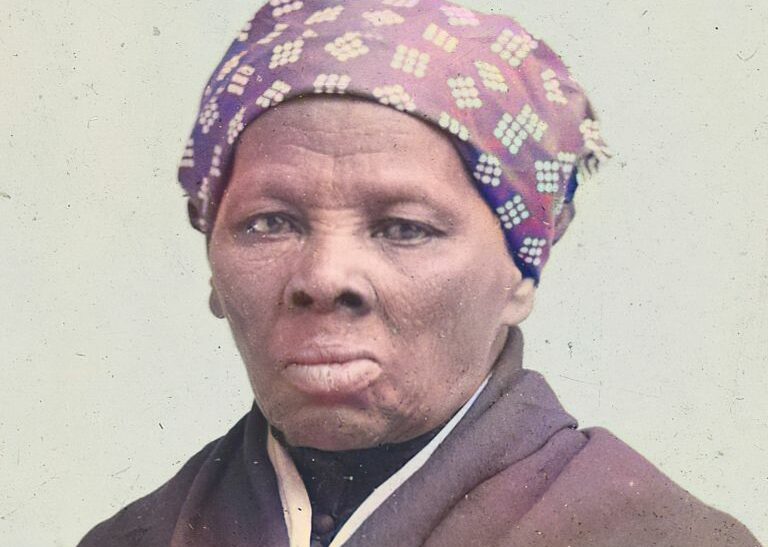
Khan Academy Is On The Wrong Side Of History And Intelligence With Its Harriet Tubman AI Avatar
Khan Academy bills its artificial intelligence tutors as “the future of learning” on its website, but the truth is a little more complicated. What the site does not state upfront is that its service allows learners to select different historical figures such as Genghis Khan, Montezuma, Abigail Adams, and Harriet Tubman. The service is currently not available to all; it is restricted to a few school districts as well as volunteer testers of the product.
Similar to ChatGPT, avatars pull from data available on the internet to create a repository of words in the “vocabulary” of the bot that a user is talking to.
The Washington Posttested the limits of this technology, specifically the avatar of Harriet Tubman, to see if the AI would mimic Tubman’s speech pattern and spirit or if came off as an offensive impression or a regurgitation of Wikipedia information.
According to the article, the tool is designed to assist educators in fostering students’ curiosity of historical figures, but there are limits in how the bot is programmed, resulting in avatars that do not accurately portray the figures they are supposed to represent.
These AI interviews immediately raised questions, not just of the ethics in the nascent field of artificial intelligence, but of the ethics in even conducting such an “interview” in the interest of journalism. Many Black users on Twitter were horrified at the thought of digitally exhuming a venerated icon and ancestor in Harriet Tubman. These concerns seem to be located in the working knowledge that the creators of these apps and bots are not interested in fidelity to the spirits of the dead, because they don’t seem to care much about the living Black people they continually fail to do right by.
Even The Washington Post acknowledges that the bot fails its basic fact-checks, and Khan Academy stresses that the bot is not intended to function as a historical record of events. Why introduce such a technology if it cannot be trusted to even impersonate an up-to-date “version” of historical figures?
UNESCO sets out some basic tenets and recommendations for ethics in the field of artificial intelligence on its website. The organization created the first global standard for ethics in artificial intelligence, which was accepted by 193 countries around the world in 2021.
Their four pillars are Human Rights and Human Dignity, Living in Peace With an Emphasis on Creating a Just Society, Ensuring Diversity and Inclusion, and Environmentalism. Even a cursory glance at these pillars would find Khan Academy’s bot impersonating historical figures who can’t consent to have their likenesses and names used is in flagrant violation of ethics and, some would argue, moral guidelines.
If the dead have dignity, digging them up for what amounts to thought exercises represents a complete disregard for their wishes and a lack of thought about these tenets of ethics. In its discussion of fairness and nondiscrimination, UNESCO writes: “AI actors should promote social justice, fairness, and non-discrimination while taking an inclusive approach to ensure AI’s benefits are accessible to all.”
It sounds like Khan Academy needs to take these words to heart, because at present, it does not exactly seem like social justice, fairness, and accessibility are at the heart of this project. The reactions to this experiment on social media tell that story to the world.
Scholaroo Compiles List Of Scholarships for African American Students
If you are a graduating African American high schooler or undergraduate student looking for scholarship resources, look no further. Scholaroo is here to make funding your college education a little bit easier.
The platform recently compiled a list of scholarship opportunities for Black students, centralizing the awards in one location and making them easy to find. These scholarships range between $500 and $100,000.
Every application cycle, hundreds of scholarships geared toward Black students become available and, if you know how to find them, you can come one step closer to having your college tuition paid. Just recently, valedictorian and Ugandan refugee Julianne Lukambo earned over $200,000 in scholarship funds.
There are many places to find available opportunities, from the National Advancement of Colored People to the Thurgood Marshall College Fund. Three noteworthy scholarships featured on Scholaroo this year include the NACME Scholars (Block Grant) Program, the Amyris Scholarship Program, and Ben’s Original Seat at the Table Fund Scholarship.
The NACME Scholars program is open to hardworking minority college students pursuing engineering or computer science careers. A total of 1000 winners will be selected, and each winner will be awarded a scholarship between $2,500 and $16,000.
The Amyris Program is reserved for students who are currently members of the United Negro College Fund or for students attending a Historically Black College University (HBCU) or an accredited four-year institution. Twenty winners will be selected to receive up to $4,400. Ben’s Original Seat at the Table Fund Scholarship Fund is available to all Black high school seniors or undergraduate students in the United States. Only one applicant will be selected to receive up to $25,000.
Scholaroo features over 140 scholarship opportunities for African American students of all majors. It also has region-specific funds. Other scholarships include the Foundation Education Award Scholarship, and the Chairish Design Your Future Scholarship.
To view all the scholarship opportunities click here.
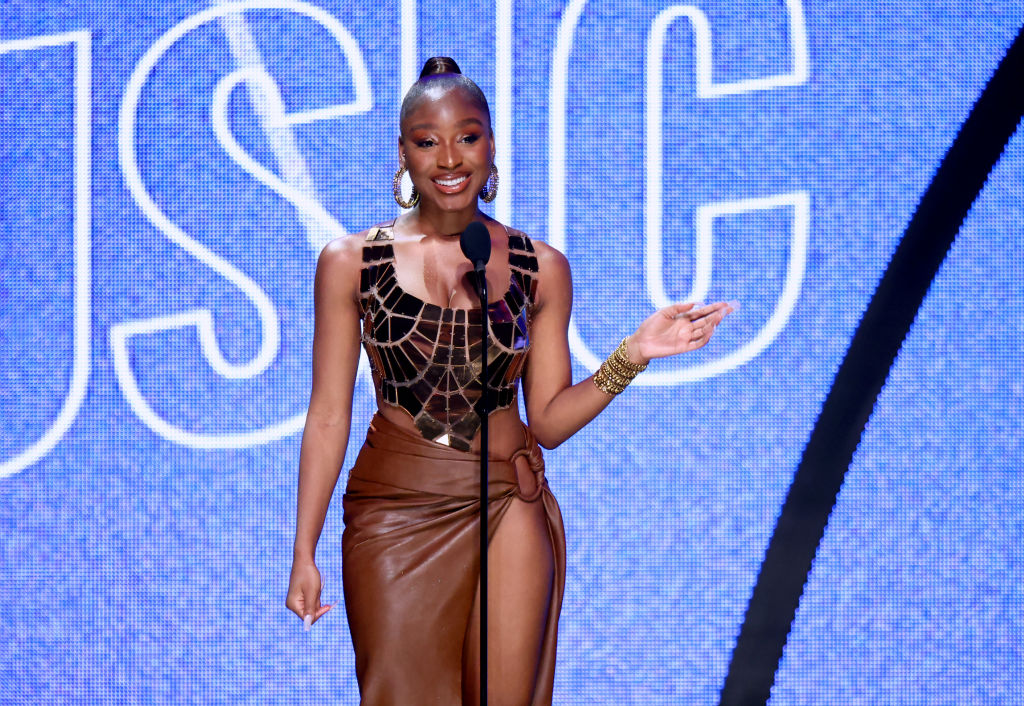
Normani Joins ‘Black Girls Smile’ Mental Health Conference As A Speaker
Black Girls Smile is hosting a three-day event comprised of conversations and workshops to help Black women and girls get the mental health support they need. Normani, an Atlanta-born, Houston-raised singer, is set to be a guest speaker.
The “Black Girls are Magic” conference is a fully-virtual event dedicated to “breaking barriers” and “building resilience” together towards better mental health and wellbeing. Its sessions range from how Black girls and women drive the culture, to curating specialized mental health plans for those on unique healing journeys. The nonprofit in charge of this conference, Black Girls Smile Inc., was founded in 2012 to prioritize these issues that are often pushed to the sidelines with this demographic.
In its theme of “The art of balancing and building together,” attendees will work alongside one another and professionals to empower themselves with the tools and resources needed to sustain self love and encouragement. Alongside the numerous workshops geared toward the younger audience, the conference will provide information for parents and caretakers on how to navigate mental health awareness and uplift the younger people in their life.
“When you approach mental health and center black girls, women and gender -expansive youth, who are some of the most marginalized folks within this space, everyone can benefit from that knowledge as well,” shared an event organizer with the nonprofit to 11Alive News.
Normani herself has been outspoken about her personal life and struggles recently, speaking directly to her fans last August in a tweet stating that she had “real life sh-t” going on, as critics questioned her dedication to her career.
The former Fifth Harmony member will connect with guests as a panelist in the “Curating Your Mental Wellness” workshop, being a positive influence for those on their mental health journeys, and providing insight on maintaining one’s wellbeing despite detractors.
The event is will be held from July 17-19 with RSVPs free and open to all, and still available now.
Introducing Jeffery Jackson Of J. Squared Productions
Jeffery “J-Squared” Jackson is the 27-year-old founder and owner of J-Squared Productions. Through his production company, Jackson strives to create high-quality photoshoots, music videos, and films. He pushes limits, always aiming to go bigger and better.
Jackson grew up in Atlanta. His mother, Adrienne Jackson, is a University of Georgia graduate and currently works for Delta Air Lines. His father, Jeffery Jackson Sr., is a former defensive linebacker for the Atlanta Falcons and San Diego Chargers.
Jackson’s educational career was expansive. He attended four different universities – Andrew College, Pai Chai University in South Korea, Lincoln University, and Georgia State University. By the end of his college experience, he had acquired two degrees, an Associate of Arts from Andrew College, and a Bachelor of Arts from Georgia State University, as well as a certificate of completion for his Korean studies abroad. Jackson also became a member of the ETA Sigma Chapter of Omega Psi Phi Fraternity, Inc. in 2016.
During his college years, Jackson’s interest in the media industry formed. Though he sought a full-time position working in the film industry, he eventually found work with LVRN/Interscope. Under the record label, Jackson worked alongside musical artist Spacejam Bo. His collaboration with the young star eventually secured him even more opportunities and, by 2022, Jackson had received at least two RIAA certified plaques. He received one plaque for his work on the hit song “You Got It” by Vedo, which accumulated over a million views on YouTube and is certified platinum. His second plaque was for his contribution to BRS Kash’s “Throat Baby,” another hit that garnered millions of views and is certified platinum.
Following his success within the music industry, Jeffery ventured into narrative filmmaking and, in 2022, he released his debut film, Mindfu*ked, which was picked up for a license deal with Revolt TV.
Henry Hunter Named Commissioner Of Pioneer Baseball League
Former Washington Nationals Director of Business Affairs Henry Hunter has been named the commissioner of the Pioneer Baseball League.
The Pioneer Baseball League (PBL), a Major League Baseball Professional Partner League, announced the news in a July 5 release, explaining that Hunter will oversee league management and baseball operations.
Hunter has been the PBL’s executive vice president since 2021, overseeing revenue generation, strategy, and the league’s ongoing digital transformation. As commissioner, he will oversee the league’s management and baseball operations. The former Nationals executive will also lead all on-field matters including rules enforcement, umpire supervision, and player transactions.
“It’s been an honor and a pleasure to work in the PBL,” Hunter said in the release. “We inherited a rich history and strong foundation due to the leadership and collegiality of former commissioner Jim McCurdy. I’m very proud of what we have built in the last few years and couldn’t be more excited about the league’s future. I learn something new every day from our incredibly talented league office staff, team owners, general managers, managers, players, and so many others in and around the PBL, and remain grateful for their continued confidence and support. Most of all, I am grateful for Mike Shapiro’s trust and friendship.”
PBL President Mike Shapiro said in a statement that he knows Hunter will excel in the new role.
“I couldn’t be prouder and more thankful for the tremendous job Henry has done since joining me to oversee the league office for the Pioneer League,” said Shapiro. “In his new and expanded role, Henry will help assure that the Pioneer League is operated professionally and in keeping with the league’s mission to provide not only family entertainment for our fans but also a high level of play on the field.”
The Pioneer Baseball League has been playing ball since 1939 and features 10 teams located in Montana, Idaho, Utah, and Colorado. It serves as a developmental league to Major League Baseball, with no player on the active roster having more than three years of prior professional baseball service. Each team is limited to a roster of 25 active players.
Unlike most professional leagues, any Pioneer League game that is tied after nine innings is determined by a home-run shootout called the Knockout Round.
Mesha Mainor Joins Republican Party Following Disagreements With Democratic Leaders
Mesha Mainor, a Georgia legislator, has switched parties after she disagreed with the Democrats on a number of issues.
Mainor alleges that the Democrats left her out to dry following her choices to back an unpopular school choice voucher program and refusal to defund the police. As recently as April, the state representative was on record claiming that she would never switch political parties.
“I don’t think I vote with Republicans. I vote for what my constituency needs,” she told Axios. “No party has all the answers. I’m not the only one. People are afraid of Josh McLaurin putting $1,000 checks on the table.”
McLaurin allegedly offered $1,000 to any Democrat who would run against Mainor. “There are at least as many members who know Rep. Mainor is more a Republican than a Democrat, not just on vouchers but on a range of issues,” McLaurin told Axios. “But they’re also hesitant to make that public.”
Mainor’s party defection establishes her as the first female Black Republican from Georgia in the party’s history. Her statements on Twitter seem to lend credence to McLaurin’s claims that Mainor was a closet Republican.
A recent tweet reads “I didn’t leave the Democrat Party. The Democrat Party left ME when it embraced left-wing radicalism, lawlessness, and put the interests of illegal aliens over the interest of Americans. I have nothing to apologize for.” Another tweet from Mainor declared, “This wasn’t a political decision for me. It was a MORAL one. I will NEVER apologize for being a black woman with a mind of my own.”
Making it easier to vote and harder to cheat isn’t Jim Crow.
According to the Associated Press, Mainor’s actions are driven by a much more personal matter. In 2022, Mainor sued Fulton County Commissioner Marvin Arrington Jr., Fulton Country District Attorney Fani Willis, and Fulton County. Mainor alleged that her civil rights were violated by an ex-campaign worker who stalked her.
Mainor claimed that Arrington, who was the primary defense attorney, used his position as county commissioner to get her stalker a favorable deal and that Willis didn’t thoroughly investigate before giving the former campaign worker the plea option. Judge Sarah Geraghty dismissed the case in March 2023, citing that even if all of Mainor’s claims were true, they didn’t necessarily amount to a violation of her civil rights.
Mainor will still serve the rest of her term in a district that elected a Democratic representative. Once her term ends in 2024 it is expected that she will face stiff opposition from her former party. The 56th District in Georgia leans heavily Democratic. She won election as a Democrat in 2021 with a 60% of the vote.