SpaceX To Acquire Assets From David Grain’s Investment Firm For $8 Billion
SpaceX’s planned acquisition of Grain Management’s wireless spectrum assets signals an ambitious push into mobile connectivity.
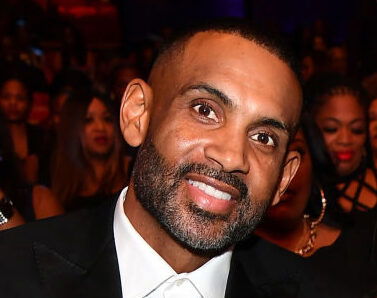
David Grain is at the center of an $8 billion telecommunications deal that could reshape the U.S. wireless industry. His investment firm, Grain Management, has agreed to sell its nationwide 800 MHz wireless spectrum portfolio to Elon Musk’s SpaceX, positioning the satellite company to expand its Starlink Mobile ambitions.
The agreement includes up to 14 MHz of low-band spectrum, which can carry signals over long distances and improve cellular reception inside buildings. SpaceX plans to combine the assets with its Starlink satellite network to expand direct-to-phone connectivity and challenge established carriers, including AT&T, Verizon, and T-Mobile.
Grain Management, which focuses on communications and related infrastructure, has built its business around acquiring and managing assets that support connectivity since its launch in 2007. Before founding the firm, Grain held executive leadership roles at companies like Global Signal, AT&T, and Morgan Stanley & Co. In March, he joined an elite group of African American billionaires that includes Oprah Winfrey, Tyler Perry, and Shawn “Jay-Z” Carter, with a whopping net worth of $2.3 billion.
“For nearly 20 years, we have built Grain to see opportunity where others see complexity,” said Grain, according to Data Center Dynamics. “Our spectrum expertise allows us to connect the strategic value of these assets with the technologies and operators that can realize their potential.”
The transaction follows Grain Management’s acquisition of the spectrum portfolio through a $2.9 billion exchange with T-Mobile in August, according to Data Center Dynamics. The subsequent agreement with SpaceX underscores how strategic infrastructure holdings can attract buyers seeking to expand into emerging markets.
Musk described the acquisition as the final piece of Starlink’s spectrum strategy. Following the announcement, shares of AT&T, Verizon, and T-Mobile reportedly fell between 5% and 7.3% in extended trading, reflecting investor concerns about increased competition.
The deal could also create opportunities for businesses supporting wireless expansion, including telecommunications equipment providers, fiber-network contractors, and infrastructure maintenance companies. However, SpaceX will still need regulatory approval and significant investment to build a competitive terrestrial network.
For Grain, the proposed sale represents a major moment in the commercialization of wireless spectrum. For the broader industry, it signals that control of critical connectivity assets could become increasingly valuable as satellite and terrestrial networks converge.
From Tech Expert To Executive Leader: 5 Moves Black Women Can Make In Cybersecurity
Technical excellence can make you indispensable. Strategic influence makes your value visible.
Written By Dora Mensah
There comes a point in your career when being the person who knows the answer is no longer enough.
You can be the person leadership calls when an assessment is going wrong, when a risk needs explaining, or when a difficult compliance issue needs resolving, and still discover that being indispensable technically is not the same as being positioned for leadership.
We assess risk, review vulnerabilities, lead audits, interpret regulatory requirements, manage remediation efforts, and help organizations make critical decisions.
After almost a decade working in cybersecurity governance, risk, and compliance, particularly in complex public-sector environments, I realized that advancing required something different from me.
I did not need to abandon my technical expertise.
I needed to learn how to translate it into influence.
I think about that transition through what I call the SCALE Framework: Speak the language of business, Capture your impact, Articulate at the executive level, Leverage sponsorship, and Execute at the next level now.
S — Speak the Language of Business
Identifying a technical problem is only half the job.
Executives need to understand what that problem means to the organization.
A vulnerability is not simply a vulnerability. It may represent operational disruption, regulatory exposure, financial loss, reputational damage, or an inability to deliver critical services.
A control deficiency is not simply a failed control. It may mean the organization is carrying more risk than leadership realizes.
Instead of stopping at “This control is ineffective,” explain what could happen if it is not corrected, how serious the exposure is, and what decision leadership needs to make.
That is the shift from reporting problems to influencing decisions.
Before your next leadership briefing, ask yourself: If I removed the technical terminology, could I still explain why this matters to the business?
If not, keep translating.
Technical excellence can make you indispensable. Strategic influence makes your value visible.
C — Capture Your Impact
There is a difference between responsibility and impact.
“Conducted security assessments” describes a responsibility.
“Led assessments across multiple systems, identified recurring control weaknesses, and helped improve assessment readiness and remediation timelines” communicates impact.
Keep track of the problems you solved, the processes you improved, the risks you reduced, the teams you influenced, and the decisions you helped shape.
This is especially important for Black women who may find themselves carrying significant responsibilities without receiving equally visible recognition.
You cannot always control who notices your work.
You can control whether you know how to articulate its value.
Create an impact document and update it regularly. Record measurable outcomes when possible: assessments completed, systems supported, timelines improved, teams led, processes created, or risks reduced.
Do not wait until your next interview, performance review, or promotion opportunity to remember what you accomplished.
A — Articulate at the Executive Level
Technical credibility may get you invited into the meeting.
Communication determines whether people listen when you get there.
Executive communication is not about sounding more impressive. It is about communicating clearly, confidently, and concisely.
Senior leaders usually need to understand three things:
What is happening?
Why does it matter?
What do you recommend?
You should know the technical details and be prepared to defend your analysis. But you do not have to lead with every detail you know.
Lead with the message.
Before walking into a senior-level meeting, ask yourself: If I had only two minutes, what would leadership absolutely need to understand?
Executive presence is not about sounding important.
It is about making complicated things understandable enough for people to act.
L — Leverage Sponsorship
Mentorship matters, but mentorship and sponsorship are not the same.
A mentor may give you advice.
A sponsor says your name when you are not in the room.
Sponsors recommend you for opportunities, introduce you to decision-makers, advocate for your potential, and put you forward for assignments that expand your visibility.
Sometimes, particularly as Black women, we assume the answer to advancement is another certification, another degree, or another credential.
Education matters. I have invested heavily in mine.
But there comes a point when the question becomes less, “What else do I need to prove?” and more, “Who knows what I can do?”
Build relationships with leaders who can see how you think, solve problems, and lead.
Do excellent work. Build trust. Take on meaningful assignments. Ask thoughtful questions. Let people see you operate beyond the boundaries of your job description.
Sponsorship grows where credibility, visibility, and relationships meet.
Your next promotion may not require you to know more.
It may require more people to understand the value of what you already know.
E — Execute at the Next Level Now
Do not wait for a promotion to begin leading.
Volunteer to lead the project.
Mentor someone newer to the field.
Improve the broken process.
Facilitate the difficult meeting.
Bring teams together.
Present the recommendation.
Take ownership when the path forward is unclear.
At some point in your career, your value is no longer measured only by how well you execute your own work. It is also measured by your ability to create clarity, develop people, influence decisions, and move an organization forward.
Ask yourself: What am I doing in my current position that demonstrates I can operate at the next level?
If the answer is difficult to identify, find an opportunity to lead now.
It’s Time to SCALE
For Black women in cybersecurity, the next level may not require becoming more technically capable.
Many of us are already highly capable.
The next move may be learning to position that capability differently.
Speak the language of business. Capture your impact. Articulate at the executive level. Leverage sponsorship. Execute at the next level now.
That is how we SCALE.
A seat at the table is important.
But a seat alone is not the goal.
The goal is to influence the conversation, shape the decision, lead the people, and help determine what happens next.
For Black women in cybersecurity who have spent years proving we can do the work, the next season may not be about proving we belong.
NAACP Partners With Former Vice President Kamala Harris For Midterm Town Halls
These upcoming activations expand an extensive mobilization circuit
The NAACP announced a partnership with 49th Vice President Kamala D. Harris to direct national focus toward the approaching democratic turning point and mobilize voter turnout across key battleground regions ahead of the 2026 midterm elections.
NAACP President and CEO Derrick Johnson will join Harris to anchor critical community conversations. They will headline upcoming events in Milwaukee on Oct. 26, and Atlanta on Oct. 29. Each regional gathering will feature an intimate fireside chat that fosters civic engagement, highlights community leadership, and tackles systemic challenges facing marginalized voters.
This collaborative effort directly answers the urgent need for year-round mobilization, grassroots organizing, and robust voter education ahead of critical local, state, and national elections.
NAACP town hall talks will drive civic engagement and voter turnout
The upcoming town halls are the centerpiece of the organization’s comprehensive, nonpartisan voting rights strategy. Rather than treating civic outreach as a seasonal campaign duty, civil rights leaders emphasize sustained grassroots organizing and grassroots activism to build informed constituencies.
“The NAACP has been at the forefront of protecting voting rights and ensuring our communities have a voice in our democracy,” Johnson said in a press release provided to BLACK ENTERPRISE. “Our work doesn’t begin or end on Election Day. From voter education to grassroots organizing, we remain committed to building informed, engaged communities. We look forward to continuing that work alongside Vice President Harris in Milwaukee and Atlanta.”
The events offer attendees nonpartisan voter education resources, direct access to local organizers, and practical steps for community involvement. For official guidance on voter registration status and regional voting procedures, voters can consult state election authorities or review information on the U.S. Election Assistance Commission Portal.
Detroit, Milwaukee, and Atlanta are integral hubs
Selecting Milwaukee and Atlanta underscores the strategic importance of urban hubs in defining national legislative balances. As historically pivotal battlegrounds, both metropolitan centers represent key mobilization zones where civil rights advocacy and robust community outreach directly shape democratic representation.
According to the NAACP website’s We the People Town Halls Hub, these upcoming activations expand an extensive mobilization circuit. The strategy builds directly on momentum from a Sept. 22, voter education gathering at Fellowship Chapel in Detroit, Michigan, where Detroit Branch President Rev. Dr. Wendell Anthony, Rev. Dr. Genetta Hatcher, and Vice President Harris led discussions.
White-Owned Harlem Bagel Shop Faces Backlash Over ‘Blackface Bagel’ Mascot
Bo’s Bagels removed its controversial mascot after critics called it racist
A Harlem bagel shop has removed its cartoon mascot after accusations that the artwork resembled racist stereotypes sparked backlash online.
Bo’s Bagels, a white-owned eatery on West 116th Street in New York City, displayed a life-size cardboard cutout of a cartoon bagel wearing sunglasses, gold grills with the words “Harlem World,” and a gold ring marked “NYC.” The sign also doubled as a chalkboard advertising the business.
The controversy began last week when Harlem-based photographer Carl Broady criticized the mascot in an Instagram post, describing it as a “disrespectful caricature of Black people,” reports The New York Post. Broady argued that its exaggerated facial features, prominent lips and teeth, and darkened skin tone evoked racist imagery historically used to demean African Americans. The debate gained traction after TikTok creator Anastazia X recorded a video outside the shop and called the mascot a “blackface bagel.” In the video, which has since received nearly 90,000 views and 11,000 likes, she said she contacted the shop’s owner about her concerns but received no response.
“The fact that they made the bagel the brown shade it is, the hands and legs are also that same brown, and gave the bagel stereotypical signifiers of Black culture make it problematic. It can’t just be written off as a silly bagel character; it has grillz,” wrote TikTok user @insbecktor_gadget as a comment on the video.
Bo Bagels owner Andrew Martinez, however, disputed the characterization of the mascot and said the controversy escalated into threats and harassment directed at him and his employees.
“It got completely out of hand by a bunch of people who know nothing about us,” said Martinez, a native New Yorker who’s lived in Harlem for nearly 20 years, to the Post. He said the backlash included insults directed at the shop’s Black employees, with callers allegedly telling them their employers hated them. Martinez added that Bo’s Bagels donates to local schools and provides food to homeless shelters. Nevertheless, he said the response forced him to remove the mascot.
Tom Sanford, the Harlem-based artist who created the mascot, also defended the design as cultural expression rather than an attempt to demean Black people.
“Personally, I do not see uptown streetwear culture in a negative light at all,” he told the Post. “To me, these items represent overwhelmingly positive cultural contributions that came from the streets of my neighborhood and crossed over into the mainstream.”
Community members were divided over the mascot. Some agreed with the criticism, while others rejected the accusation that the sign constituted blackface. One longtime 43-year-old Harlemite said the bagel had “stereotypical imagery.”
“The gold chains, whatever else was on it, that’s just like a caricature they used to show back in the olden times…but this time it just happens to be on a bagel,” he told the Post.
On the other hand, 39-year-old Genisha Metcalf said critics have gone “too far ” by calling the sign “racist.”
Tap Into This Resource Guide For Breast Cancer Survivors
There’s an urgent need for resources that are tailored, well‑funded and culturally competent for Black women.
In 2026, the breast cancer mortality rate for Black women remains 40% higher than that of white women, underscoring an urgent need for resources that are tailored, well‑funded, and culturally competent.
Eight institutions are deeply rooted in the Black community: two Black‑led organizations that provide grants to women navigating breast cancer; three research institutes focused on advancing science for women; and three groups that prioritize therapy and mental‑health support for Black survivors and their caregivers.
BLACK ENTERPRISE highlights each institution’s purpose, how it operates, and why it matters, so readers from coast to coast can tap into the support many Black women rightly deserve.
Financial Assistance for Black Breast Cancer Survivors
Sisters Network® Inc. – Karen E. Jackson Breast Cancer Assistance Program
Sisters Network® Inc.’s Karen E. Jackson Breast Cancer Assistance Program (BCAP) provides financial aid up to $350 for housing and utility expenses to Black breast cancer survivors actively undergoing treatment. It also offers access to 3D mammograms for uninsured women through partnerships with leading mammography screening facilities.
The Keep A Breast Foundation’s Give Back Grant is for women of color diagnosed with breast cancer by offering a boost up to $500 to help offset costs throughout treatment and beyond. Acknowledging the hurdles this community faces within the healthcare system, the grant operates nationwide. The foundation places an emphasis on supporting BIPOC communities.
Dr. Lucile Adams-Campbell, Epidemiological Research
Dr. Lucile Adams‑Campbell, an epidemiologist, heads a research agenda that probes how lifestyle tweaks might blunt disease risk breast cancer, among African‑American women. The project’s purpose is to sculpt community‑focused strategies that could temper cancer risk via habit changes within the Black community. She pursues this work out of the National Institutes of Health (NIH).
Dr. Bonnie (Bo) Qin, Breast Cancer Survivorship Research
Dr. Bonnie Qin is a researcher in Breast Cancer Survivorship Research at the Rutgers Cancer Institute in New Jersey. The research explores the impact of lifestyle patterns, social determinants of health, and inflammatory mechanisms on breast cancer survivorship among Black women. The research aims to identify factors influencing long-term health outcomes and develop targeted interventions for Black breast cancer survivors.
Mental Health Resources for Black Breast Cancer Survivors
TOUCH, The Black Breast Cancer Alliance—“Pink Table Talk”/Support & Awareness + Mental Health Resources
TOUCH, a Black‑led advocacy organization runs a recurring series called “Pink Table Talk” that delves into mental health issues, survivorship challenges, and emotional resilience. They also maintain a “BlessTie Resources” hub packed with mental health links. The talks, which take place weekly or monthly, reach Black women nationwide via virtual channels such as social media feeds. In these forums, TOUCH creates an attuned space where survivors can share their stories and begin to heal and connect with mental health referrals. They also unveiled Black TNBC Sanctuary, a resource hub delivering mental health support and integrative care services specifically designed for patients with breast cancer.
African American Breast Cancer Alliance—Online Support Group (SMIS: Sisters & Misters In Survival
The African American Breast Cancer Alliance (AABCA) offers support to patients and survivors through its web‑based circle SMIS (Sisters & Misters In Survival). Inside SMIS folks can speak candidly with peers, tap into outreach and join support circles. Sessions swing between Zoom calls and where geography permits, in‑person gatherings. AABCA’s nationwide web of chapters keeps the in‑person meet‑ups humming. Emotional and psychosocial support provide a lifeline when confronting a cancer diagnosis and peer groups step in to break down isolation, swap coping playbooks, and point members toward mental health professionals.
Carrie’s TOUCH (mental health + peer support app/counseling referrals for Black survivors)
This nonprofit humanizes the breast cancer experience of Black women and men. It offers mental health resources, support group matching, low-cost therapy referrals, survivor stories, and a mobile app for emotional wellness services. Founded nearly 20 years ago, Carrie’s TOUCH is active nationally through its app, online, and via local partnerships. It bridges the gap between mental health platforms for Black breast cancer survivors by curating resources, matching users to culturally competent therapists, and fostering community.
10 Years Of Black Enterprise’s XCEL Summit Honorees
As the summit marks 10 years of honoring excellence, this list looks back at the standout honorees
For a decade, the BLACK ENTERPRISE XCEL Summit has spotlighted the innovators, executives, entrepreneurs, and changemakers redefining leadership across business, technology, media, and culture. As the summit marks 10 years of honoring excellence, this list looks back at the standout honorees whose vision, influence, and impact have helped shape industries and open doors for the next generation. From boardrooms to startups, from entertainment to public service, these leaders embody the ambition, resilience, and forward-thinking spirit that continue to drive Black excellence. Join BLACK ENTERPRISE at the XCEL Summit taking place in Orlando, Florida, at the Hyatt Regency Grand Cypress on Oct. 21-Oct. 23, 2026.
2025
George C. Fraser: Founder, FraserNet Inc.
Source: photo credit: BE
Rev. Dr. W. Franklyn Richardson: Senior Pastor, Grace Baptist Church
Source: Rev. Dr. W. Franklyn Richardson
Larry Fitzgerald Jr.: Chairman & CEO, Larry Fitzgerald Foundation; Former NFL Player, Philanthropist, Investor
Source: photo credit: Gage Skidmore from Peoria, AZ, United States of America, CC BY-SA 2.0 via Wikimedia Commons
John Hope Bryant: Founder, Chairman & CEO, Operation HOPE, Inc.; Bryant Group Ventures L.L.C.
Robert Smith: Founder, Chairman & CEO, Vista Equity Partners
Source: Robert Smith (Photo by Ricky Carioti/The Washington Post via Getty Images)|
2024
Ed Gordon: President, Ed Gordon Media
Source: Ed Gordon, President of Ed Gordon Media, moderated multiple panels at the 2025 National Urban League Conference.
Steven Williams: Chief Executive Officer, PepsiCo Foods North America
Source: photo credit: BE
R. Donahue Peebles: Chairman & CEO, The Peebles Corporation
Source: photo credit: BE
D.L. Hughley: Actor, Comedian & Author, The D.L. Hughley Show
Source: photo credit: BE
2023
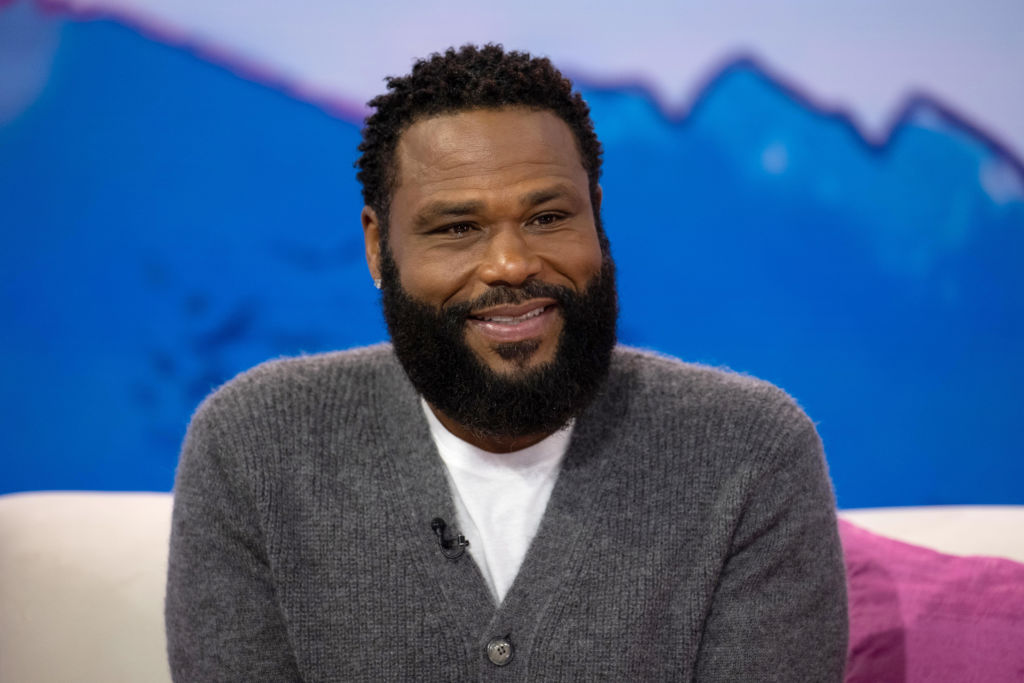
Anthony Anderson: Emmy & Golden Globe Nominated Actor
Source: Photo by: Nathan Congleton/NBC via Getty Images
Chris Womack: President & CEO, Southern Company
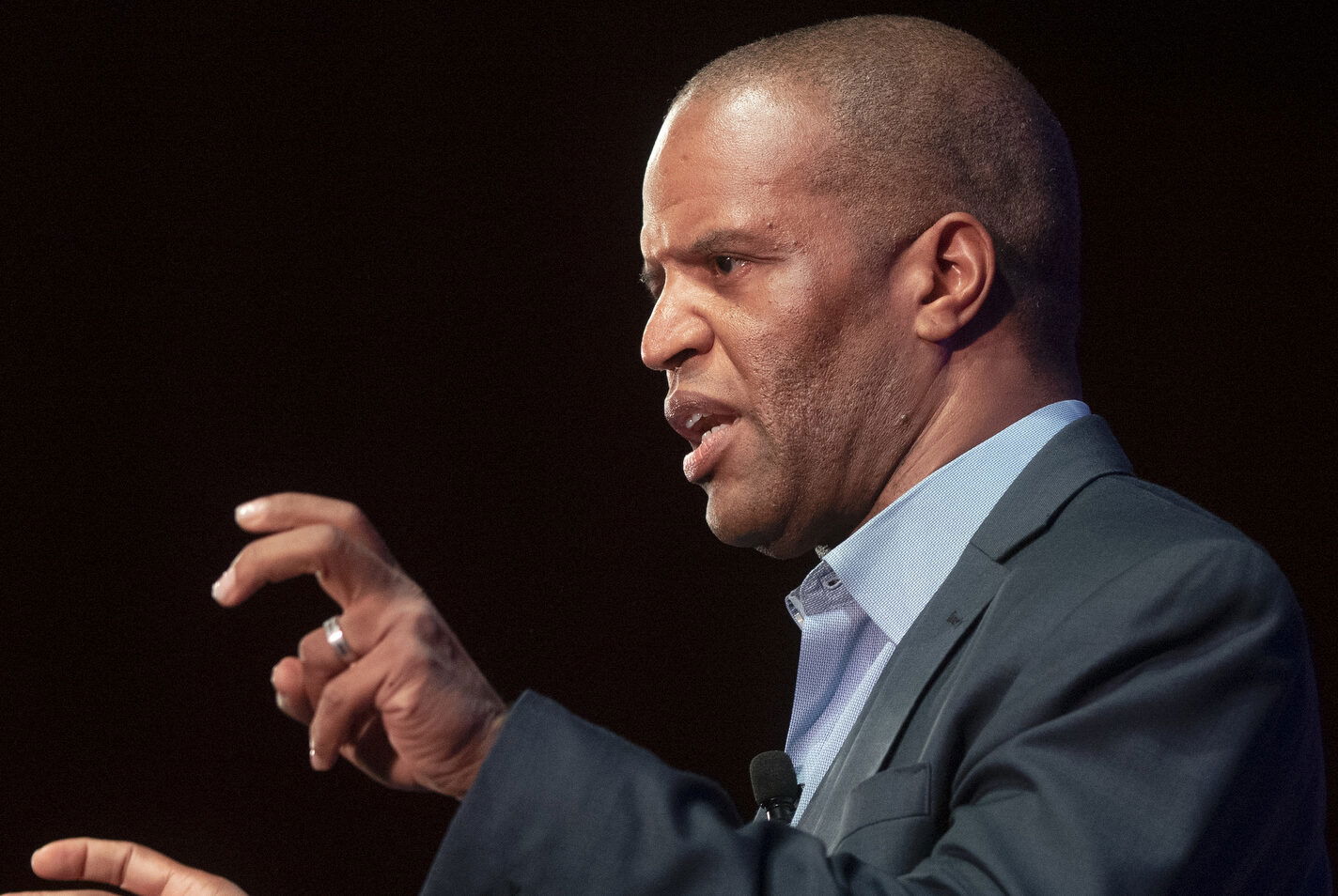
David Grain: CEO, Grain Management L.L.C.
Source: David Grain, founder and CEO, Grain Management (Photo Credit: Black Enterprise)
Shannon A. Brown: President & CEO, BCS Consulting Services; Retired SVP, Eastern Division U.S. Operations and Chief Diversity Officer, FedEx Express
Source: photo credit: BE
2022
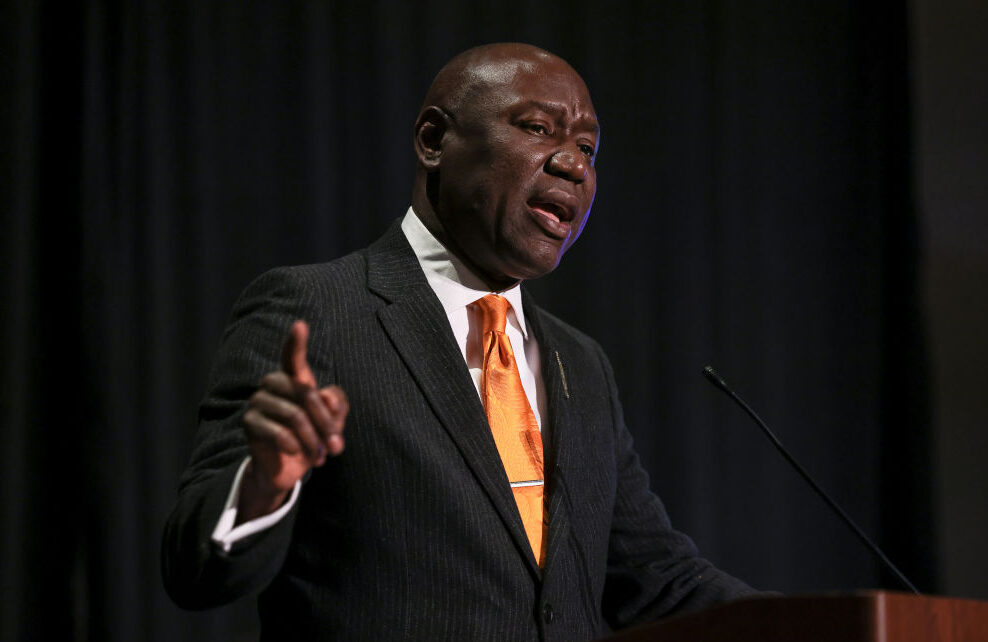
Ben Crump: Civil Rights Attorney
Source: (Photo: Jemal Countess/Getty Images for NOBCO)
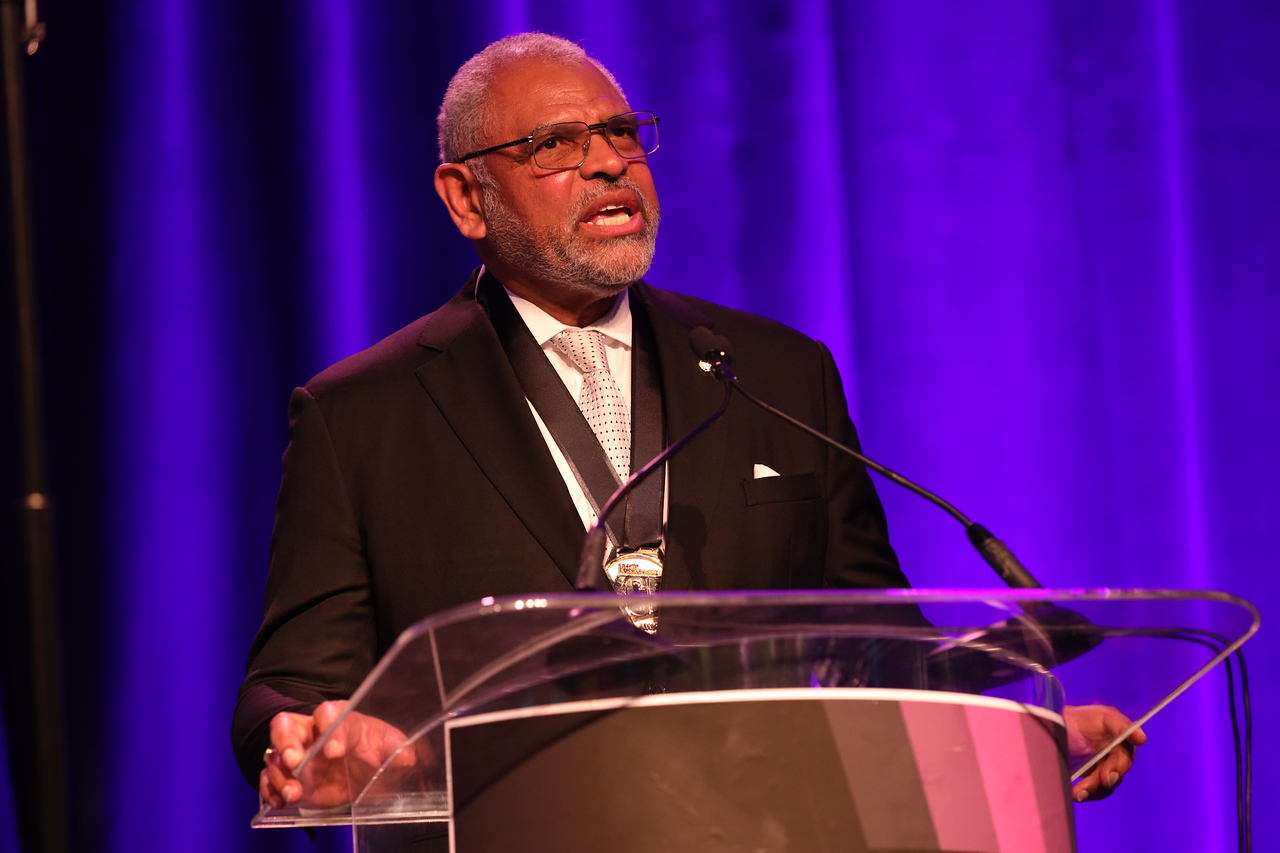
Arnold W. Donald: President & CEO Carnival Corporation & PLC
Source: Arnold W. Donald, former President and CEO of Carnival Corp (Image: Black Enterprise)
Kirk McDonald: CEO, GroupM North America (NA)
Source: Kirk McDonald, CEO
GroupM North America (NA) (Image: Black Enterprise)
Ray Robinson: Chairman, Citizens Banchares Corporation
Source: Ray M. Robinson, Chairman, Citizens Bancshares Corporation (Image: Black Enterprise)
Grant Hill: Owner, Vice Chairman of the Board, Atlanta Hawks
Source: Photo by Paras Griffin/Getty Images
2021- 2020:
The XCEL Summit was paused during the COVID19 pandemic. Like the rest of the world, BE pivoted to an online presence, hosting a virtual summit featuring one-on-one interviews and panel discussions to compensate for the in-person experience.
2019
Marc. H. Morial: President & CEO, National Urban League
Source: WASHINGTON, DC – AUGUST 22: Jesse Jackson poses for a portrait during the 55th Anniversary of Ben’s Chili Bowl on August 22, 2013 in Washington, DC. (Photo by Kris Connor/Getty Images)
Jerome “The Bus” Bettis: Philanthropist, Entrepreneur, Pro Football Hall of Fame Inductee
Source: photo credit: BE
Eddie Levert: Lead Singer, Songwriter, Founding Member of The O’Jays
Source: Photos By Denise Truscello
2018
Kenneth Chenault: Chairman and Managing Director, General Catalyst; Former Chairman & CEO, American Express Co.
Source: photo credit: BE
Tommie Smith: U.S. Olympic Gold Medalist
Source: photo credit: BE
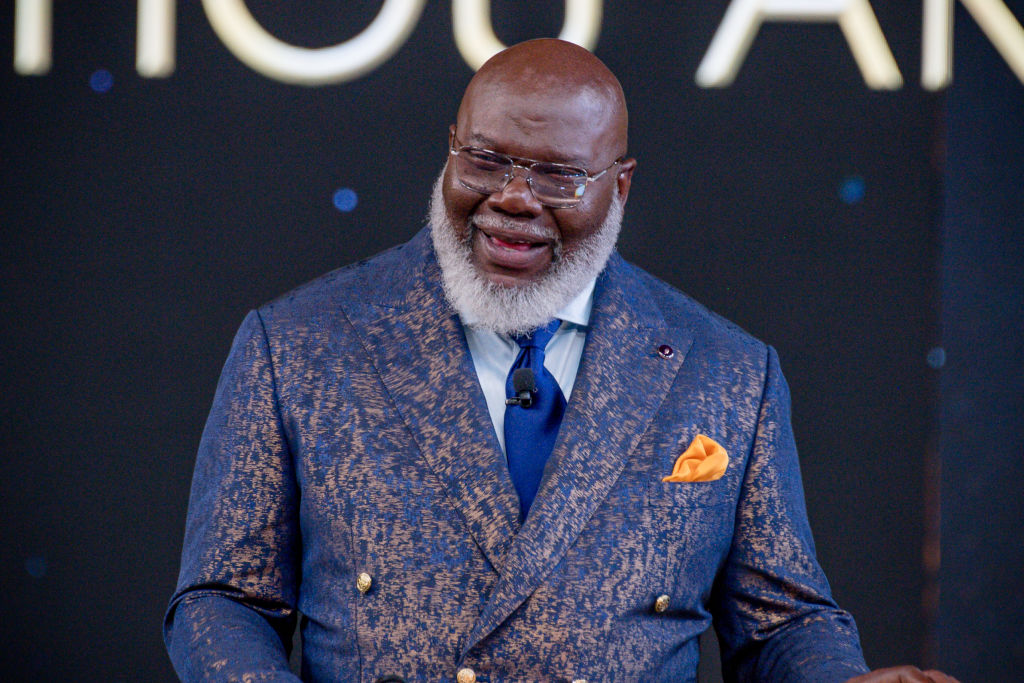
Bishop T.D. Jakes: Bishop, Potter’s House Ministries; CEO, TDJ Enterprises L.L.P.; The Potter’s House of Dallas
Source: (Photo: Marcus Ingram/Getty Images)
2017
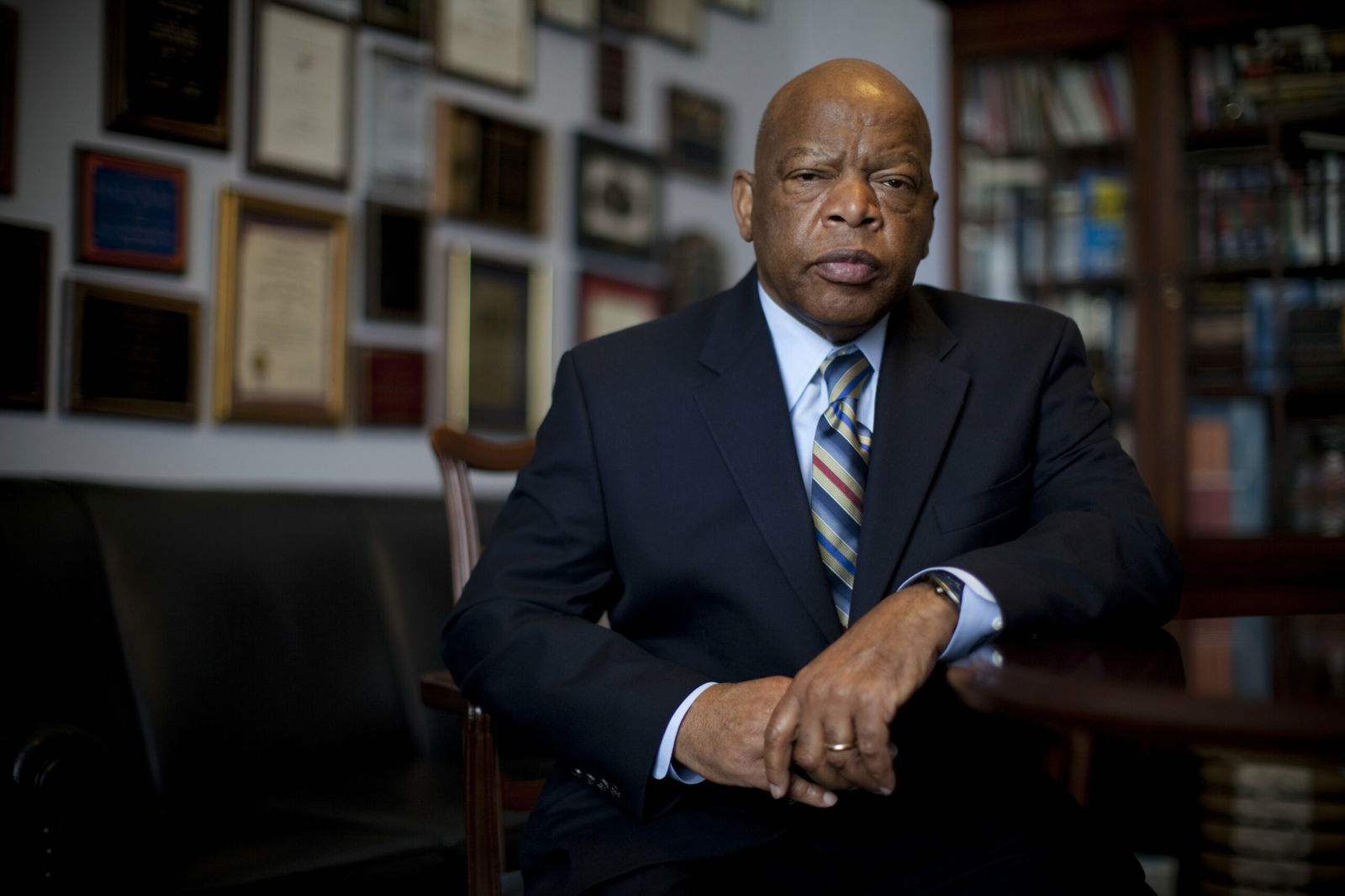
Congressman John Lewis: Congressman, Civil Rights Leader
Source: Photo by Jeff Hutchens/Getty Images
John W. Rogers Jr.: Chairman & Chief Executive Officer, Ariel Investments
Source: photo credit: BE
Robert Townsend: Award-winning TV/Film Director, Actor, Comedian
Source: photo credit: BE
Lonnie Bunch: Founding Director, Smithsonian National Museum of African American History and Culture
Source: Smithsonian Institution Secretary Lonnie G. Bunch III (photo credit: Black Enterprise)
To witness the 2026 BLACK ENTERPRISE XCEL Summit honoree ceremony, join BE in Orlando, Florida, at the Hyatt Regency Grand Cypress on Oct. 21-Oct. 23, 2026.
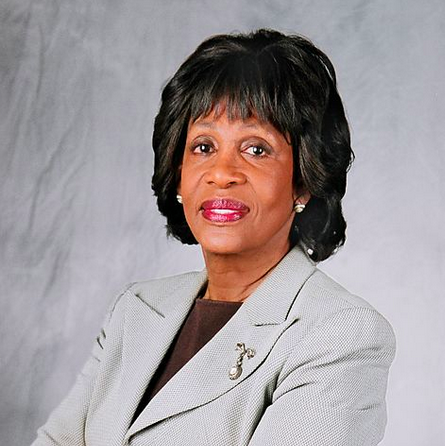
Rep. Maxine Waters Fights To Keep House Financial Services Leadership Role
Concerns about her age, fundraising, and the need for generational change are fueling a debate among Democrats over who should lead the party’s financial services agenda
Allies for Rep. Maxine Waters are rallying to help her retain her leadership position on the House Financial Services Committee.
The 88-year-old California House representative’s effort to remain the committee’s top Democrat comes as Reps. Sean Casten, 54, and Bill Foster, 71, of Illinois have emerged as potential challengers, according to POLITICO. Concerns among some Democrats about Waters’ age and fundraising abilities have contributed to calls for a leadership transition. Some lawmakers argue that the party’s senior members should make room for a younger generation to lead. Waters, however, says she’s still up for the job despite her age.
“If you take a look at my energy and what I do—I am Auntie Maxine,” Waters told Politico in March. “I’m the one who popularized ‘reclaiming my time.’ … I don’t know who’s got more energy, more concern. And so, Maxine Waters seems to be doing alright.”
The debate comes as Democrats confront questions about their leadership pipeline and how best to position the party for future elections. Fundraising remains a critical measure of political influence and helps lawmakers support campaigns. Concerns about a leader’s fundraising capacity can therefore factor into internal contests for influential committee positions.
But seniority and experience remain important considerations. Waters has led Democrats on the Financial Services Committee since 2013 and previously served as its chair when Democrats controlled the House. Her supporters are working to secure backing from colleagues, while House Minority Leader Hakeem Jeffries and other Democratic leaders have maintained a neutral stance in the contest, according to Semafor.
The leadership dispute carries implications for business owners, entrepreneurs, and investors because the committee oversees banking, securities, housing, and other areas of financial policy. Its leaders help determine which issues receive congressional attention through hearings, legislation, and investigations.
Small business lending is one area where the committee’s priorities could matter. Entrepreneurs often rely on loans and lines of credit to launch companies, purchase equipment, hire employees, and expand operations. Access to information about lending decisions can help policymakers assess whether financial institutions are serving business owners equitably.
Waters has supported greater transparency in small business lending, including implementation of Section 1071 of the Dodd-Frank Wall Street Reform and Consumer Protection Act. The provision requires financial institutions to collect specified information about small business credit applications, helping regulators and researchers examine lending patterns.
“Small businesses are the backbone of the American economy,” Waters said in a statement published by House Financial Services Committee Democrats.
The “United for Georgia Rally,” scheduled for Oct. 28, will feature Democratic candidates running across the state ballot. According to FOX 5 Atlanta, admission will be first-come, first-served, and attendees must register online. Registration does not guarantee entry or seating, while venue and parking instructions will be sent to registered guests 24 hours before the event.
Ossoff, meanwhile, has highlighted rising household expenses as a campaign issue as he seeks to defend his Senate seat against Republican Congressman Mike Collins. At a recent rally in Cobb County, the Democratic leader criticized the increasing cost of everyday necessities and healthcare, according to Georgia Public Broadcasting.
The event follows President Donald Trump’s recent campaign rally in Dalton, Georgia, alongside Collins and GOP gubernatorial nominee Rick Jackson. Vice President JD Vance also visited Atlanta last week to support the Republican ticket, while former Vice President Kamala Harris is scheduled to campaign in Georgia later this month.
Beyond the campaign trail, the election carries implications for Georgia’s business community, including entrepreneurs, small-business owners, workers and companies weighing investment decisions in the state. Economic policy, from taxes and healthcare costs to labor conditions and the cost of operating a business, can influence household spending, hiring and the environment in which companies grow.
John Legend Partners With Bilt To Help 50 College Students Cover Rent
Supporting this challenge is personal to the singer.
Legendary singer and songwriter John Legend is helping students who are struggling to make ends meet pay for their off-campus housing, according to AfroTech.
Bilt and Scholarship America are teaming up with the musician for the October Rent Day initiative to cover the rent of 50 students who are at risk of eviction. The students hailing from Morehouse College, Central State University, Wilberforce University, and the University of Pennsylvania, which is Legend’s alma mater, will be chosen for the initiative. Three of the schools involved are historically Black colleges and universities (HBCUs).
For Legend, supporting this challenge is personal. In addition to moving from Springfield, Ohio, to attend college, Legend worked at a church and held a work-study job while in school to pay for his rent.
“I was hustling, and I was doing it so I could pay my rent,” Legend said, according to AfroTech. “I know what it feels like to be in that position where you’ve got to figure out how to do it yourself.”
Bilt members plan to support the effort, too. On Rent Day, members can donate “Bilt Points” to Scholarship America and all donated points will go to the organization.
To celebrate the upcoming release of Legend’s studio album Muse that will drop Oct. 23, Bilt has partnered with the artist to give members a chance to win money to pay their rent on Bilt’s Rent Free game show, score a member-exclusive vinyl copy of Muse, and attend a private show with the artist in San Francisco on Oct. 21.
Despite this new business venture, Legend said education is at the core of his new partnership with Bilt. He said he received a great education in college that “set me up for life,” and hopes the new Rent Assistance Program will allow students to pay for their rent while still being in school.