76ers,VJ Edgecombe Breaks,NBA
Photo by raymondclarkeimages/flickr

Former NBA Player And Billionaire Philanthropist Junior Bridgeman Laid To Rest In Louisville

The Louisville community mourned the man who remained an integral part of their city.


In Louisville, Kentucky, hundreds gathered to honor the man who boasted immense talents on and off the basketball court.

Junior Bridgeman, who died of a medical emergency March 11, was a beloved member of the community, beginning when he led the University of Louisville basketball team to back-to-back appearances in the NCAA Division I tournament in 1974 and 1975. His stellar performance made him a first-round pick in the NBA draft, spending most of his 12-year career with the Milwaukee Bucks.

During his off-seasons, Bridgeman leaned into his entrepreneurial ambitions. After learning about the fast food model, he decided to take his NBA earnings and invest in hundreds of franchises. He owned over 450 restaurants, including over a hundred Wendy’s and casual dining chain Chili’s.

After selling nearly all of his locations for both restaurants in 2016, he established a Coca-Cola bottling company to continue growing his portfolio and then-$32 million net worth with Bridgeman Foods Inc.

Four years later, Bridgeman bought Ebony and Jet magazines for $14 million, before becoming a minority owner of the Milwaukee Bucks in 2020, a move that solidified his billionaire status. The franchise also released a statement on Bridgeman’s “tragic passing.”

However, the people he connected with throughout his sports career remembered him for his character and business prowess. One man, Wade Houston, met Bridgeman during the athlete’s freshman year at UofL.

“I first realized how talented he was, the kind of person he was,” remarked Houston, according to Wave3. “Young man of faith, character.”

The two struck up a friendship that continued long after Bridgeman put the basketball down.

“I was proud to be around him, proud just to watch how he carried himself,” he added. “He never cared about getting credit for anything he did. He was so helpful to the city, to the community and so helpful to other people.”

Bridgeman continued pouring back into the community that celebrated his collegiate wins. The philanthropist served on the board of directors for the Churchhill Downs horse racing complex, home of the Kentucky Derby. Bridgeman also remained influential at his alma mater and was appointed to UofL’s Board of Trustees.

Now, his community mourns the loss of a generous legend who had “never-ending support” for the city.

“Today, we lost a kind, generous and groundbreaking legend. He was an All-American at UofL, an NBA All-Star, and a self-made billionaire,’ shared Louisville Mayor Craig Greenberg in a statement. “Yet, I will most remember Junior Bridgeman for his quiet, impactful assistance to others in need, his love for Doris and his entire family, and his never-ending support for our community. Junior made us all better people and Louisville a better city. Rachel and I send our love and prayers to the Bridgeman family. May Junior’s memory be a blessing.”

A man of faith, he remained a long-standing member of Louisville’s Southeast Christian megachurch, where his memorial took place. He is survived by his wife, three children, and multiple grandchildren. He was 71 years old.

RELATED CONTENT: Roy Ayers, Jazz-Funk Visionary And Soulful Voice Behind ‘Everybody Loves the Sunshine,’ Dies At 84
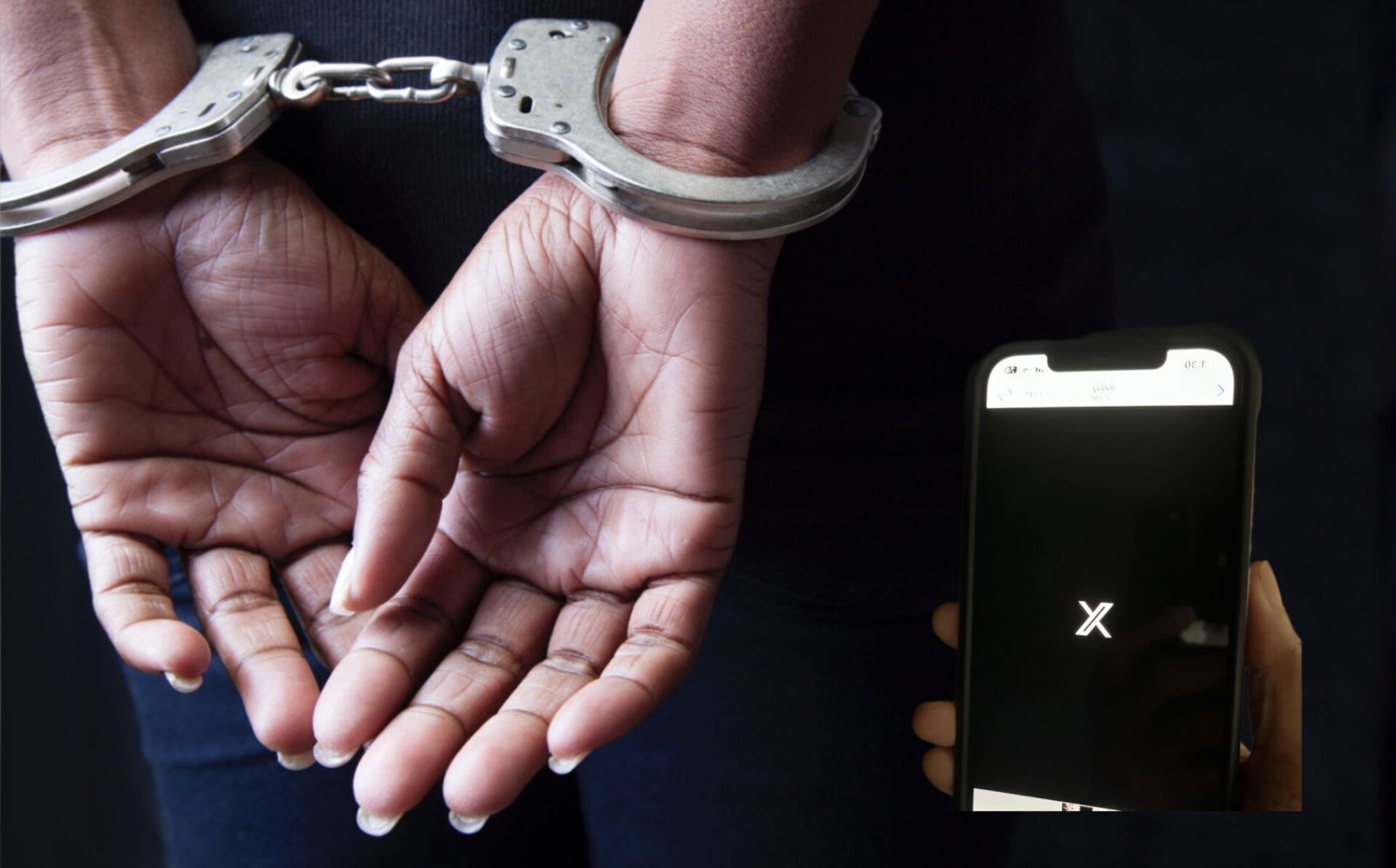
Charges Dropped Against Black Woman For Using The N-Word On “X”

Charges Dropped Against Black Woman For Using The N-Word On “X”

Stay out of Black people's business


The Crown Prosecution Service (CPS) has dropped its case against a Black woman in London for tweeting the N-word in 2023.

Jamila Abdi, a 22-year-old student, was charged under the Communications Act of 2003 after she referred to Alexander Isak, a Black soccer player, as a “n*gg*” in a 2023 post on X. 

A data monitoring system that was explicitly targeting online hate speech against athletes flagged the post and sent it to authorities. Nearly a year after she posted the tweet, the Crown Prosecution Service (CPS) charged the student.  

Jamila’s lawyers argued the  N-word is commonly used both in African American and Black  British vernacular, and it is significantly different than the racial slur. They also noted no evidence showing the post was offensive or threatening. 

After a year and a half of legal wrangling, CPS dropped the case, stating that there was insufficient evidence to support a “realistic prospect of conviction,” Hyphen reported. 

Jamila recalls receiving a call from her mother informing her that the police had come to their home looking for her. Several moments later, the 22-year-old received a text message from the investigating officer, who informed her that she was wanted for questioning over a “racial” tweet. Jamila said she was perplexed when she went to the police station.

“I was trying to rack my brain to think of what could I possibly have said that anybody could have considered as racist … Then I went to the station, saw the tweet, and thought: are they being for real,” the 22-year old told The Guardian. 

Jamila accused prosecutors of misusing hate speech laws by weaponizing them against the very communities they were meant to protect. In an interview with Hyphen, she noted that the N-word used within the Black community has a different context. 

“We can be anti-Black towards each other in the sense of the conversations people have about appearance, hair texture, colorism. But to say that I can be racist to another Black person by saying the N-word casually is ridiculous,” she told the outlet.

RELATED CONTENT: X, Formerly Known As Twitter, To Test Charging New Users To Access Key Features

HIV AWARENESS
Photo credit: Nathalie Gaines of Epiphany Image Photography

Risky: A Dinner Conversation Is Changing How Black Women Talk About HIV

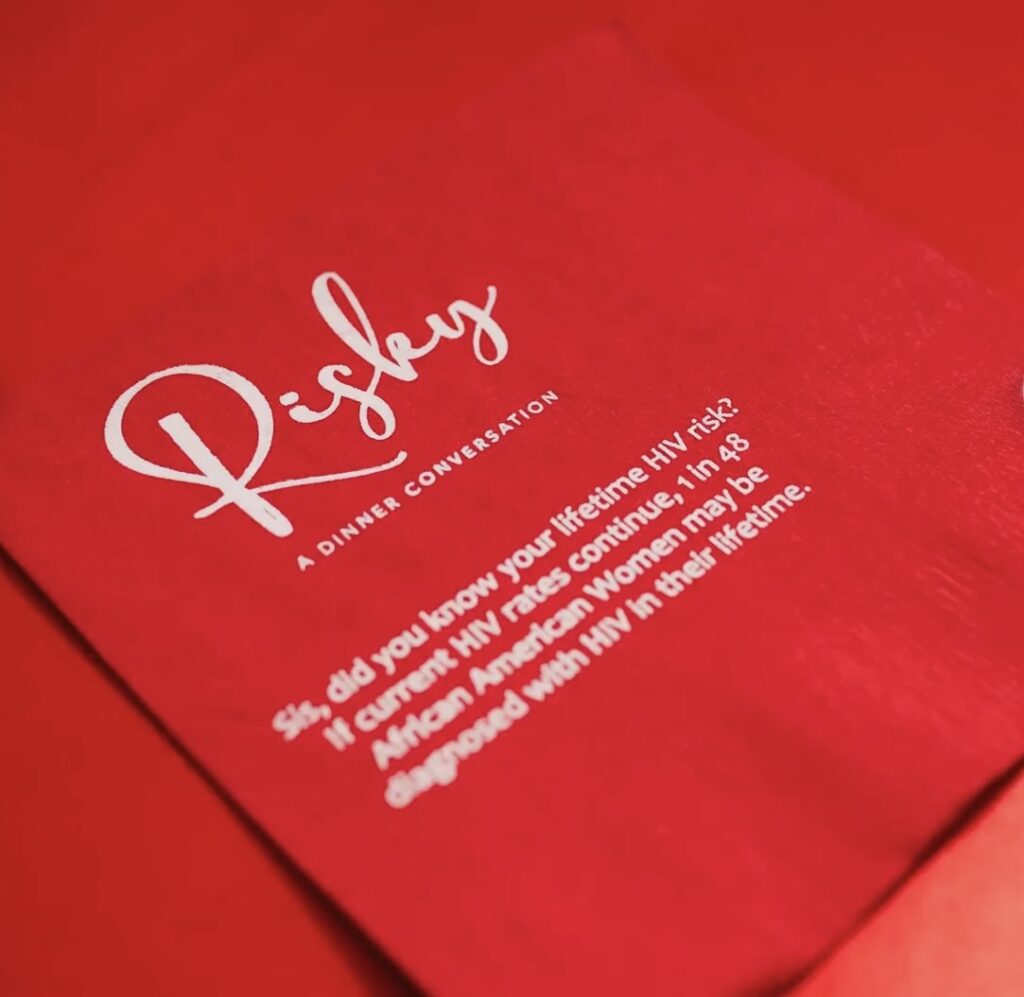
More than just a dinner— the evening was an immersive experience


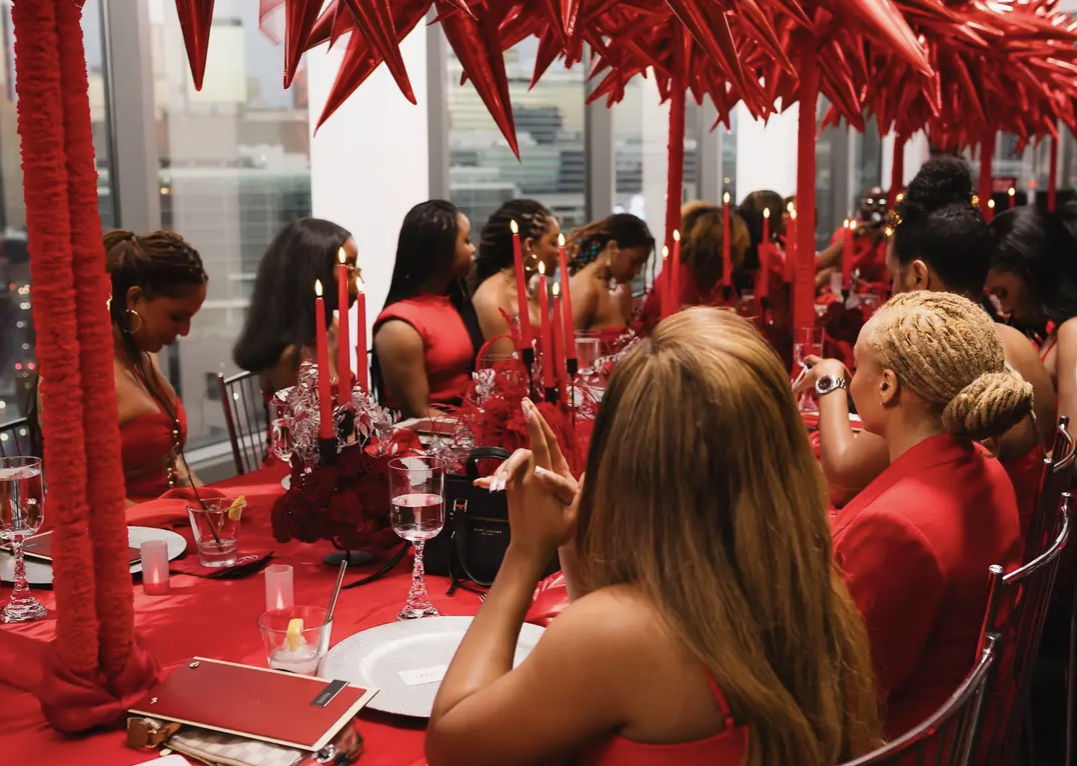
On March 14, a diverse group of 30 or so Black women convened for an intimate and powerful gathering at Ventanas in Atlanta. The event was the latest in the Risky: A Dinner Conversation series, an initiative designed to foster open, unfiltered discussions around HIV awareness, testing, and prevention. 

Dressed in bold red as a symbol of HIV/AIDS awareness, attendees were invited to engage in candid dialogue about the realities of the current public health epidemic and the importance of taking control of their sexual health.

Upon arrival, guests signed a media waiver acknowledging the event’s visibility, a crucial step given the sensitivity surrounding HIV-related conversations.

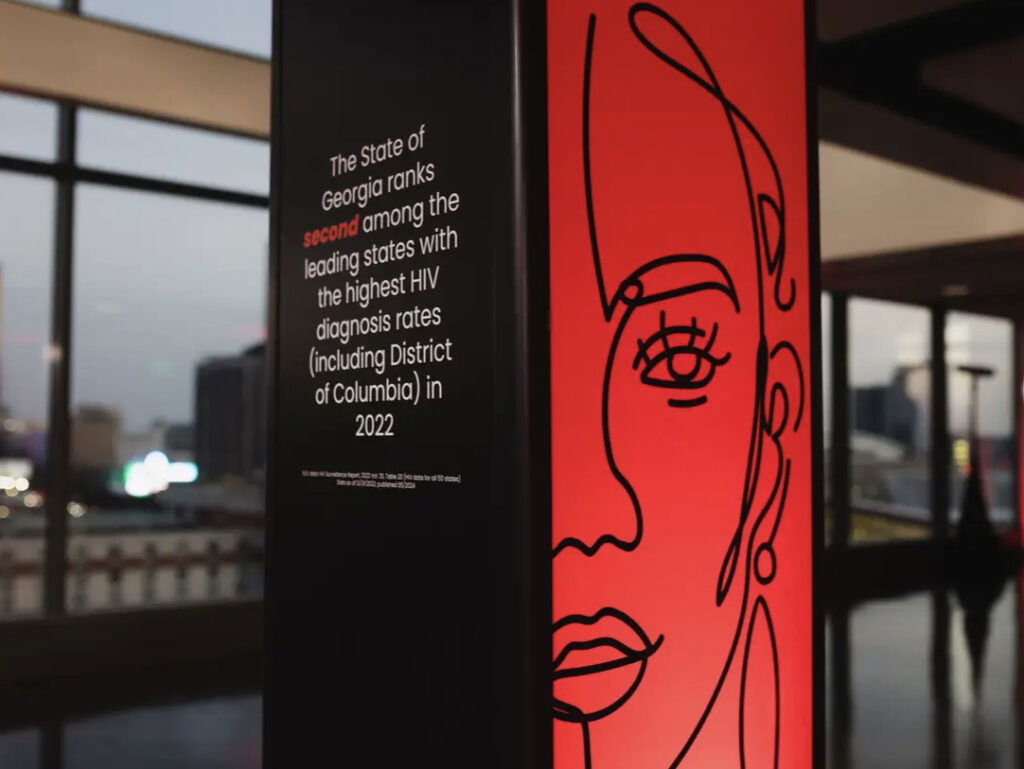
More than just a dinner — the evening was an immersive experience. In addition to the red dress code, the entire event space (produced by BLK Room Project) was transformed with red draped pillars and a tablescape that included intricate centerpieces. The staggering statistics surrounding new HIV diagnoses were spelled out in signage throughout the room. 

Before heading into the main event, attendees participated in an interactive activation: each woman was given a pin to pop a balloon, simulating the process of getting tested for HIV. The 400 balloons represented the staggering reality of Black women disproportionately impacted by the virus.

“Each balloon represents a woman with an HIV diagnosis to attribute to this fact: Black women continue to be disproportionately impacted by HIV, accounting for 54% of new HIV infections in U.S. women, despite making up only 14% of the female population,” explained Risky co-founder Koiya McElroy.

The statistics are sobering. Black women make up over 50% of new HIV cases among women in the United States, and in Atlanta alone, they account for nearly 60% of new diagnoses. Georgia ranks second in the country for new HIV cases, and Atlanta ranks third among U.S. cities. These numbers highlight why initiatives like Risky are essential.

McElroy, who started Risky in Orlando, shared what motivated her to launch the initiative.

“I remember the Florida Department of Health approaching me about an HIV awareness campaign when I was on the radio. It was successful, and they wanted to do another one involving a billboard. I was excited, but they told me they were struggling to find media personalities willing to put their face on a billboard associated with HIV & AIDS. That was wild to me because we are the demographic most affected by this, yet people were afraid to talk about it. If I call myself an influencer, how could I not use my platform for something this important? That was my motivation. Risky started with three Black women in Orlando who saw the need to bring this to other cities. We’ve since expanded to Chicago, Dallas, Houston, and Atlanta, and we’re taking it to two more cities this year.”

The dinner was hosted by Weezy, the dynamic voice behind the Decisions, Decisions podcast. She spoke openly about her own evolution in understanding HIV and the importance of regular testing. Throughout the night, guests shared their personal experiences, fears, and questions in a judgment-free space, reinforcing Risky’s mission to make these conversations less taboo.

While Gilead Sciences sponsored the event, most of the dialogue focused centered on awareness rather than treatment; however, when talk turned to prevention, at least one attendee was able to share her experience with PrEP (Pre-Exposure Prophylaxis), a medication that significantly reduces the risk of HIV transmission when taken as prescribed.

“For years, PrEP was not widely marketed toward Black women,” McElroy told BLACK ENTERPRISE. “Most advertisements featured white men, white women, or same-sex male couples, often excluding Black women from the conversation. As a result, many Black women were unaware that PrEP was an option available to them for HIV prevention. Risky aims to increase awareness surrounding PrEP to ensure black women have access to accurate information about this life-saving medication.”

There were also Gilead representatives and a certified nurse in attendance, who were able to clarify or dismiss misconceptions about HIV – like the notion that the disease can be dormant in your bloodstream for years or the mythology that wealthy individuals like Magic Johnson have access to different treatments than other people living with HIV. Guests were assured that patients who seek treatment can stop the virus from replicating, rendering the disease undetectable and decreasing the odds of passing it on. It’s also important to note that testing technology has improved over the years, making it easier for the virus to be detected earlier. All of these factors help underscore why it’s so critical that everyone knows their status. 

Between the heartfelt discussions, DJ Suga Shae kept the energy high with a carefully curated soundtrack while guests enjoyed an elegant three-course dinner paired with delicious mocktails. Before the night wrapped up, attendees gathered for group and solo photos, capturing a moment of solidarity and empowerment.

Risky: A Dinner Conversation continues to redefine how Black women engage with HIV awareness, proving that education, empowerment, and sisterhood go hand in hand. With plans to expand its reach even further, this initiative is set to have an even greater impact in breaking down stigmas and saving lives — one conversation at a time.

RELATED CONTENT: Let’s Talk About Sex: Dr. Maisha Standifer And Masonia Traylor Address The Critical Need For A Change In Narrative Around HIV And Black Women

Mia love, Utah congresswoman
Photo credit: gage skidmore

Mia Love, Utah’s 1st Black Republican Congresswomen, Dies Of Brain Cancer At 49

Utah Gov. Spencer Cox called Love a “true friend” after she passed away peacefully in her home after a fight against brain cancer.


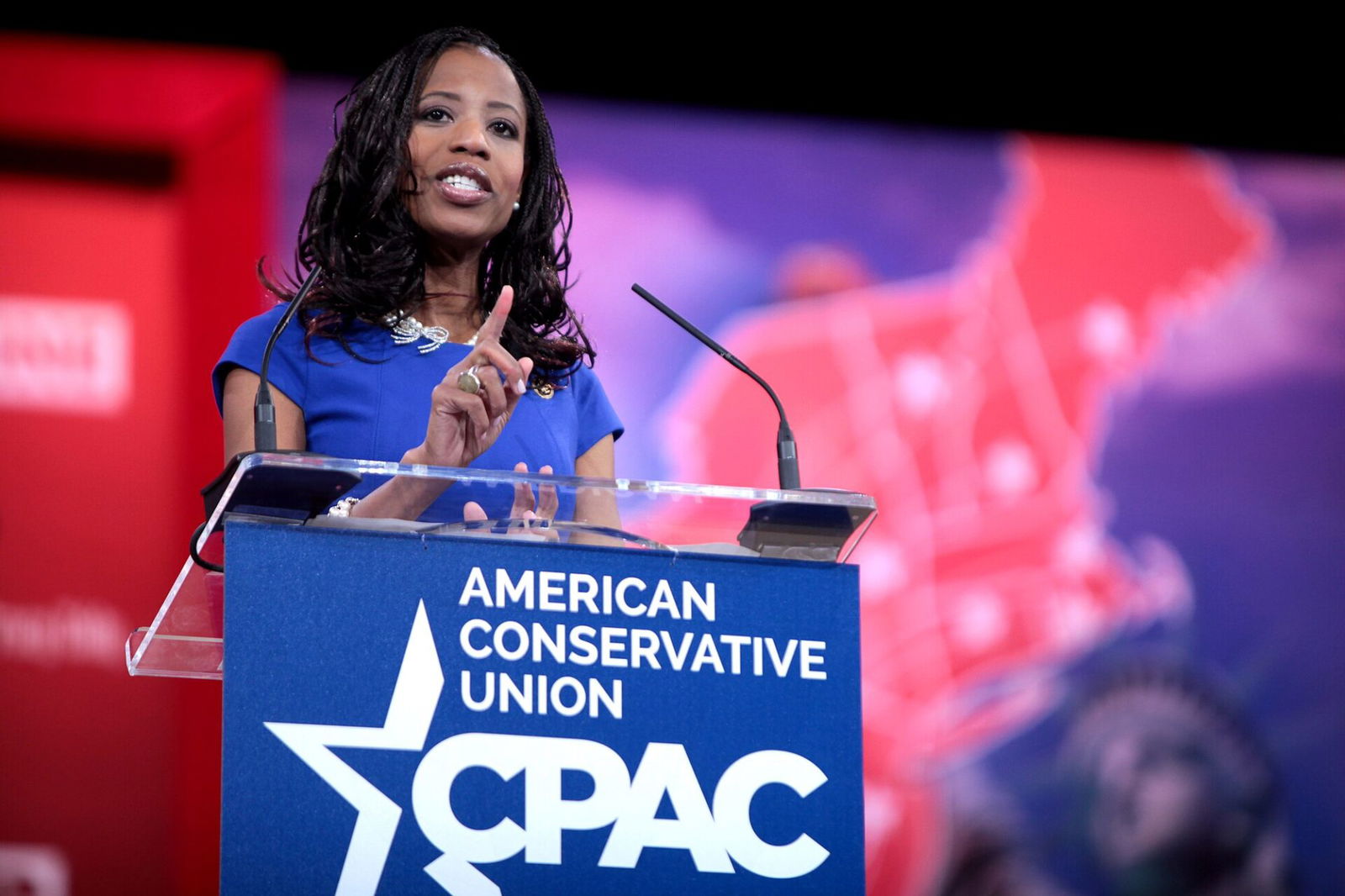
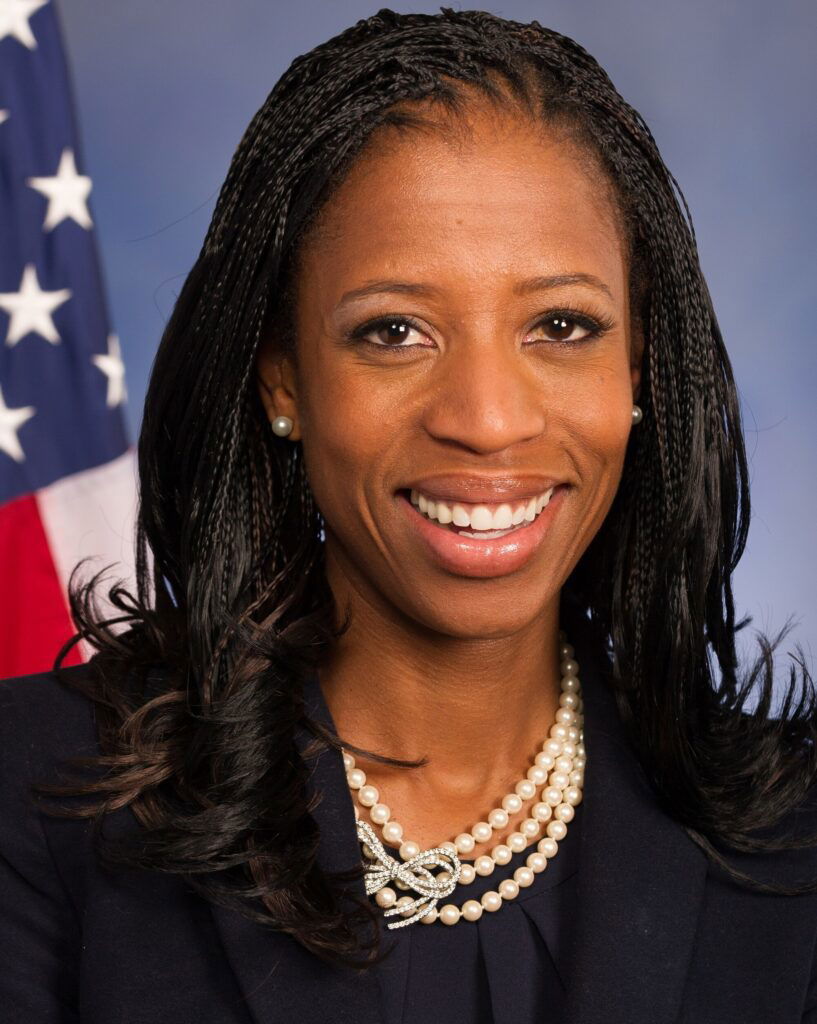
The family of former Republican U.S. Rep. Mia Love (R-UT) reveals she passed away in her home at just 49 years old, Fox News reports. 

In a statement posted on X, Love’s family says she passed away peacefully while surrounded by loved ones in her home in Saratoga Springs, Utah. “With grateful hearts filled to overflowing for the profound influence of Mia on our lives, we want you to know that she passed away peacefully today. She was in her home surrounded by family,” the statement read. 

“In the midst of a celebration of her life and an avalanche of happy memories, Mia quietly slipped the bands of mortality and, as her words and vision always did, soared heavenward,” the family continued. 

“We are thankful for the many good wishes, prayers and condolences. We are taking some time as a family and will provide information about funeral services and a public celebration of her life in the days to come.”

According to the Associated Press, Love was undergoing treatment for brain cancer and received immunotherapy as a participant in a clinical trial at Duke University’s brain tumor center. However, in early March 2025, her daughter announced Love was no longer responding to the treatment. 

Known as a fighter, Love entered the political realm over 20 years ago in 2003 after securing a seat on the Saratoga Springs city council and later becoming mayor. As a Black Republican and Mormon woman, Love believed the odds would be against her winning a bid for Congress, but she defeated first-time candidate Doug Owens by about 7,500 votes in 2014. 

Despite being a member of the Republican party, the daughter of Haitian immigrants kept her distance from President Donald Trump and the MAGA ideology, writing about the America she grew up loving in a Deseret News op-ed, remembering the roots being “respectful, resilient, giving and grounded in gritty determination.” 

When she lost a third term attempt in 2018, Trump called Love out by name during a news conference after she openly said she refused to vote for him and endorsed then-presidential hopeful Sen. Ted Cruz. “Mia Love gave me no love, and she lost,” Trump said. 

“Too bad. Sorry about that, Mia.”

While urging other elected officials to lead with compassion and communicate honestly with their constituents, Love pushed her hopes for a less divisive country. “In the end, I hope that my life will have mattered and made a difference for the nation I love and the family and friends I adore,” Love wrote. 

“I hope you will see the America I know in the years ahead, that you will hear my words in the whisper of the wind of freedom and feel my presence in the flame of the enduring principles of liberty. My living wish and fervent prayer for you and for this nation is that the America I have known is the America you fight to preserve.”

RELATED CONTENT: Mia Love, First Black Republican Congresswoman, Aggressive Brain Cancer Prognosis Worsens

American Basketball Player, Indonesian Prison, Cannabis Gummies,Compassionate Release
(Photo: Juan Camilo Bernal/Getty Images)

White Man Who Defaced A Predominantly Black Church Faces 12 Months In A Predominantly Black Prison System

A white man in Michigan was sentenced to one year for vandalizing a Black church with hate speech.


A white man in Michigan has been sentenced March 19 to 12 months in prison for defacing a predominantly Black church in Macomb County.

David Bluer, 34, pleaded guilty to one count of damaging religious property, WOOD TV reports, and is currently housed at FCI Milan, a federal prison in York Township, Michigan. Thanks to the impact of mass incarceration against Black Americans, 34.8% of Black people make up the federal incarceration roll.

As part of the plea, Bluer admitted to spray painting several swastikas, the word ‘die,’ and other graffiti on the Greater New Life Church in Roseville in October 2021 “because of the race and color of individuals associated with the church,” a release from the U.S. Attorney’s Office for the Eastern District of Michigan said.

He also wrote “David kills N——” on a bathroom at Trombly Park in Warren. In addition to his 12-month prison sentence, Bluer was sentenced to one year of supervised release.

“The defendant’s attack, motivated by race and color, instilled fear in not only the mostly Black congregants of the church but damaged the entire community’s sense of safety,” Acting U.S. Attorney Julie Beck said in a statement. “Our office will always vigorously prosecute those who commit unlawful bias-motivated acts and seek justice for the victims.”

During the attack, Bluer, assisted by two accomplices he had recruited, spray-painted swastikas on the church. He directed his accomplices, one of whom was a juvenile, to also paint their initials and swastikas on the church.

Bluer and his accomplices then vandalized the bathroom at Trombly Park, spray-painting swastikas, a racial slur, and other symbols, in addition to the aforementioned phrase. In March, federal prosecutors stated that Bluer targeted the park because Black people used the facility.

“Such bias-motivated acts of hate devastate not only their direct victims but also entire communities by instilling fear in members of a protected class that they, too, could be targeted because of the color of their skin, their religion, or another protected characteristic,” prosecutors wrote. “The unique and wide-reaching harm of bias-motivated crimes such as this one warrant meaningful punishment.”

RELATED CONTENT: 30 Historically Black Churches Receive $8.5M In Grants From National Trust For Historic Preservation 

GLAAD, ‘Generation Z & HIV: HBCU Tour,’ Morehouse College
(Photo: Joi Stokes/Getty Images)

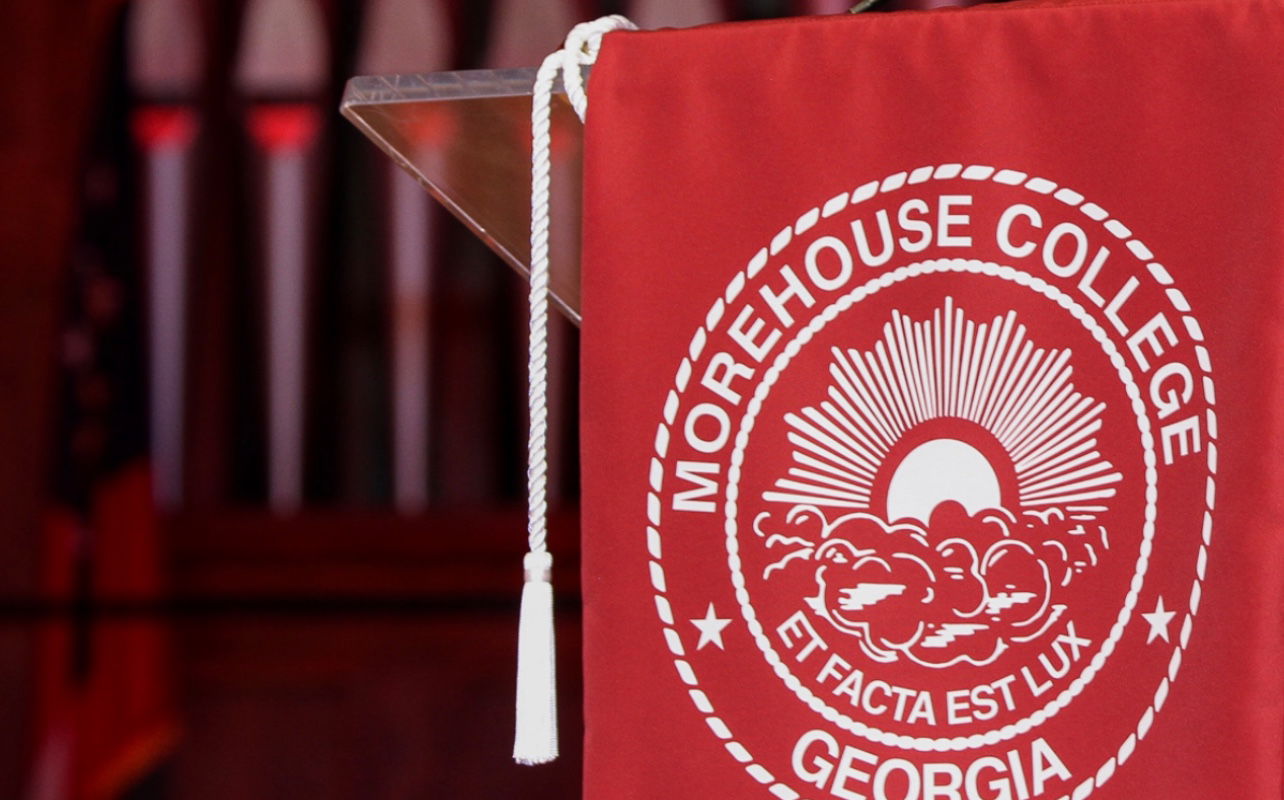
Morehouse College Drafts Plan Of Action In Case Of ICE Raids

Although less than one percent of Morehouse's students and full-time faculty are either international students or nonresidents, some part-time faculty or staff could find themselves the targets of an ICE raid.


Morehouse College has drafted a plan to confront U.S. Immigration and Customs Enforcement (ICE) if they show up on the university’s doorstep to arrest and detain any of their students.

According to Capital B News, although less than one percent of Morehouse’s students and full-time faculty are either international students or nonresidents, like at many other universities, some part-time faculty or staff members could find themselves the targets of an ICE raid.

To that end, on Feb. 25, a Faculty Council resolution which was sent to Morehouse Provost Kendrick Brown and Police Chief Charles Prescott, pressed for action regarding their plan for an ICE raid on campus.

“Morehouse students, staff, and even faculty might be at risk of harassment or worse by ICE,” the email read in part. “Raids, but also arrests under suspicious circumstances, have been taking place on the hallowed grounds of faith/worship houses and at workplaces.”

On Feb. 26, Brown sent out an email to faculty and staff indicating that he and Prescott had come up with an idea that they believed would protect students from being arrested or dragged off campus.

“[We] have agreed that if agents arrive at our gates, they will be held there until they are met by the highest-ranking officer on duty. If they present a warrant, it must be verified before any further action is taken,” Brown’s email reads. His communication also noted that the warrant would be “handle(d) in a manner that best serves the interests of the Morehouse community.”

Prescott, meanwhile, indicated that in the event of a verified warrant, things would be handled decently and in order, there would be no chaos at Morehouse College.

“If it was verified and it’s a real warrant, I can’t deny that right from a federal officer. You’re not going to drag people out of here in handcuffs out of the front gate. I’ve seen the stuff they’ve been doing. We’re not going to cause a scene.”

Despite these assurances, some, like Andrew Douglas, the chair of Morehouse College’s political science department, wanted to get more from the university than requiring an additional step for ICE officers.

“We’re definitely aware of some faculty members who are not citizens who are worried at this time. Ideally, I would like to see a more principled commitment to the idea that the campus is a sanctuary space. And certainly, we didn’t get that,” Douglas said.

According to the American Civil Liberties Union, colleges and universities have a distinct responsibility to protect their students from unconstitutional violations of their students’ First Amendment rights, which they elaborated on in a March 4 press release.

“Colleges and universities should encourage robust discussion and exploration of ideas by students, faculty, and staff, regardless of their nationality or immigration status. Nothing obligates universities to act as deputies in immigration law enforcement — to the contrary, universities do not and should not veer so far from their core mission for good reasons. Schools must protect the privacy of all students, including immigrant and international students. Schools must abide by the 14th Amendment and Title VI of the Civil Rights Act,” the ACLU reminded colleges and universities in the press release.

RELATED CONTENT: Daughter of Rep. Ilhan Omar Among Students Suspended For Anti-Israel Protests At Columbia University

Colleges, race, Trump
Unrecognizable teacher gestures as she lectures a class of college students. Some of the students are wearing scrubs.

Colleges Cut Ties With The PhD Project, Which Boosts Black Representation In Business, Amid Pressure From Trump

The PhD Project's aim is to “create a broader talent pipeline” of business leaders.


The PhD Project, a small program designed to boost Black and Latinx representation in business degree programs, is now under scrutiny as the Trump administration has launched investigations into dozens of universities connected to the program as part of its so-called racial discrimination probe.

According to The Associated Press, the investigations have led to what conservative activists like Christopher Rufo likely intended — universities scrambling to distance themselves from the PhD Project to protect federal funding amid the Trump administration’s approach to diversity, equity and inclusion, a move some say is driven by fear.

The PhD Project put out a short statement to the AP emphasizing its aim to “create a broader talent pipeline” of business leaders and said that “this year, we have opened our membership application to anyone who shares that vision.”

Regardless of this clarification, a number of universities, including the University of Kentucky, the University of Wyoming, and the University of Nevada at Las Vegas, and Arizona State University either said that they have cut ties, would cut ties, or are no longer financially supporting the PhD Project.

Veena Dubal, the general counsel for the American Association of University Professors, told the AP that the reaction of these universities hints that they may be governed by fear. “There is a concern that if one university steps up and fights this then that university will have all of their funding cut. They are being hindered not just by fear but a real collective action problem. None of these universities wants to be the next example.”

According to Politico, universities, even liberal institutions like Columbia University and Dartmouth College, are folding under pressure from the Trump administration, in part, ironically, to protect their deep pockets, which in theory, could be utilized to fight back against the attacks on diversity, equity and inclusion and liberal education itself.

As Holden Thorp, the former chancellor of North Carolina at Chapel Hill, told the outlet, “It’s going to be tense for a while, because…the [university] presidents are not going to go into full-on resistance mode. They have too much history and financial resources and people to protect to do that.”

Much of the debate on the Trump administration’s overreach at universities has centered on Columbia University, whose interim president, Katrina Armstrong, signaled that she was prepared to comply with the Trump administration’s desire to control key aspects of the university, including placing its Middle East, South Asian, and African studies department under independent oversight.

In an interview with Politico, Michael Roth, the president of Wesleyan University, indicated that he believes universities have a duty to protect their students rights and their own independence, regardless of the overtures from the Trump administration; and Roth also defended DEI from the framing of individuals like Rufo.

“So, famously Chris Rufo and company have managed to make diversity, equity, and inclusion poisonous words, whereas I think most people think that it’s better to learn from folks who don’t always agree with you. That’s why diversity is good,” Roth said.

He added, “Most everybody thinks fairness is a good thing, which is just what equity means, and no one is against belonging. But many administrators are so afraid to use these words because the government is using cheap versions of AI to find the words and then go after the people who use them. The idea that we now have a list of words we shouldn’t use is shocking. Schools are scrubbing their websites…But this effort now to just make sure you’re not using some good old American words to talk about how you’re teaching, that’s one of the greatest infringements on free speech that I can remember in my lifetime.”

RELATED CONTENT: Trump Administration Accuses 45 Universities Of Racial Discrimination

baltimore met gala
(Photo: Jim Arbogast/Getty Images)

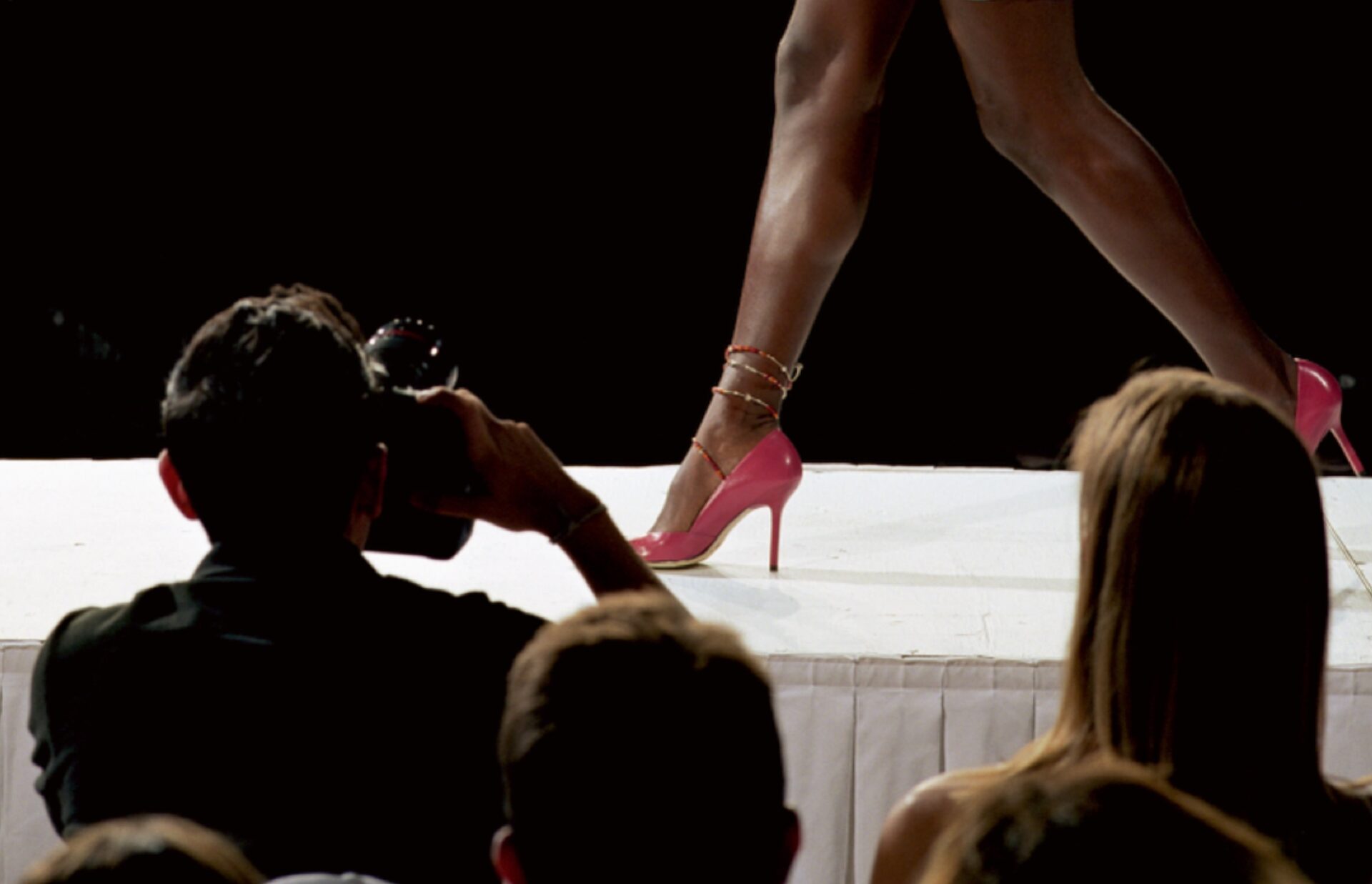
Strut To Victory: Nigerian Model Sets Guinness World Record With Epic Catwalk Marathon

It took five days straight for the 26-year-old model to catwalk for over 77 miles.


A Nigerian model has broken an unusual record for the fashion industry. 26-year-old Ololade Ayelabola has strutted for five days straight to break the record for longest catwalk.

Ayelabola spent 80 million naira (or around $51,612.90 U.S.) to complete this quest, wanting to inspire other emerging models. However, the journey did not come easy as she attempted to do what many could not, especially in heels.

According to BBC News Pidgin, preparation for the catwalk of Ayelabola’s life took six months. She and her team worked to ensure she could walk the more than 77 miles needed to win the contest. In the end, she walked a total of 77.75 miles at a fashion show in Lagos last October.

“To prepare for me [was not] easy, [with] blood and sweat, [it] cost us a lot, I spend 80 million naira,” explained Ayelabola. “For six months, me and [the people] begin [to] prepare [because] no be easy thing. Doctor and nurse [had given] medications so I [would be] ready.”

However, what drove her was the initial disbelief and lack of encouragement from other fashion shows to complete the catwalk challenge. Despite negative feedback and rejections, Ayelabola remained determined to reach her lofty goal.

“I go different competition but[ they] tell me say I short. Plenti [people] no fit survive dat [kind of thing], na [what] [motivated] me be dat,” she explained.

As the walk took days, Ayelabola faced some injuries, including her leg peeling. However, her supportive team used bandages with multiple treatments to ensure she could keep strutting down. They even had to place her leg in ice water to stop its swelling.

“On di third day, my leg peel sake of di catwalk, on day four dem bandage my leg and put me for ice water as my leg don swell.”

Although the catwalk took true grit and perseverance, Ayelabola now holds the title for one of fashion’s greatest feats.

RELATED CONTENT: How I Did It: Catwalk Powerhouse J. Alexander Talks Fashion Industry Success

100 Black Men of New York, Stock Exchange
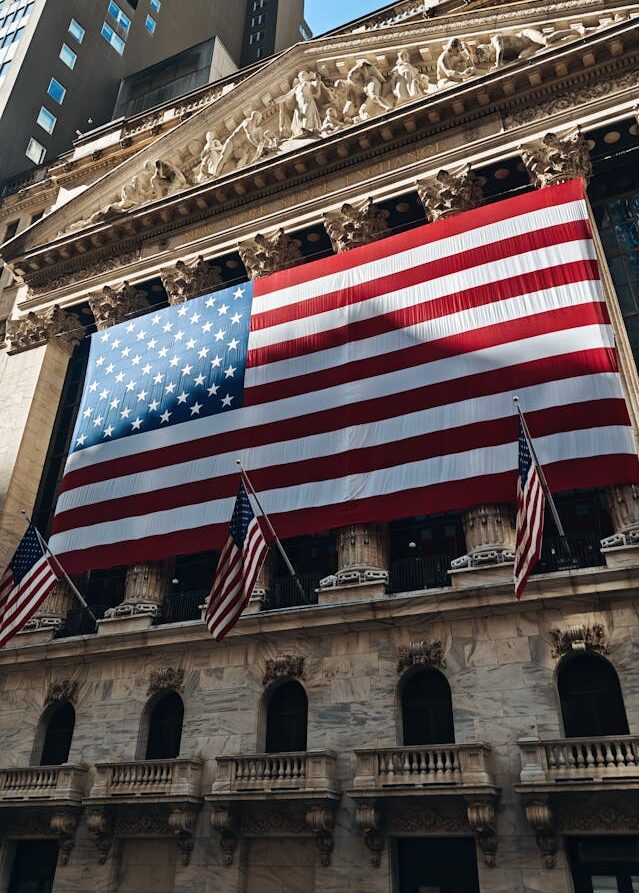
Photo by Garrison Gao: https://www.pexels.com/photo/grand-view-of-new-york-stock-exchange-30915372/

One Hundred Black Men Of New York Ring Bell At New York Stock Exchange

The One Hundred Black Men of New York were commemorating of the organization's 45th Annual Benefit Gala.


Members of the One Hundred Black Men of New York were on hand to ring the closing bell at the New York Stock Exchange in commemoration of the organization’s 45th Annual Benefit Gala and more than 60 years of community activism in the New York City area.

According to a press release shared with Amsterdam News, on March 20 the gala celebrated retired Congressman Charles Rangel, PGA of America Chief Commercial Officer Jeff Price, Resorts World Senior Vice President Michelle Stoddart, and Goldman Sachs Partner Greg A. Shell.

https://twitter.com/NYSE/status/1902812153855287646?s=19

The 45th Annual Benefit Gala is annually sponsored by Enterprise Mobility, United Airlines, News Corp, PGA of America, Hennessy, Healthfirst, and Deloitte. The honoree sponsors for this year’s benefit gala were Goldman Sachs, PGA of America, and Resorts World.

According to their website, the 100 Black Men of New York was founded in 1963 by Robert Mangum, David Dinkins, Jackie Robinson, J. Bruce Llewellyn, Cyril deGrasse Tyson, Charles Rangel himself, Godfrey Murrain, Livingston Leroy Wingate, Andrew T. Hatcher, and Dr. William H. Hayling, among a number of other men, for the purpose of advocating for the improvement of the conditions in the communities they lived in.

Since that time, according to Robert B. Brown, the current president of One Hundred Black Men New York, the group has continually provided support by advocating for investment in communities of color in education, arts and culture, mentoring, economic empowerment, and health and wellness.

Over its lifetime, the group has given almost $400,000 in scholarship money and fed over 40,000 New York City residents during the holidays, in addition to other accomplishments highlighted in its impact sheet.

Per their website, “For over 60 years, One Hundred Black Men has worked with government, corporations, and community leaders to transform economic and social policy, as well as launch independent programs and organizations that serve low-income communities. Our members include leaders across the business, political, and non-profit sectors in New York. The organization provides scholarships, educational support, economic empowerment, mentoring, health and wellness initiatives, and an overall voice for the African American community.”

RELATED CONTENT: 100 Black Men Organization Begins Mentorship Program With Boy Scouts Of America

×