Wake–And Baked Goods? Girl Scout Troop Selling Cookies Near NJ Dispensary Stirs Controversy
The Girl-Scout-cookie-to- dispensary-pipeline is not new.
A New Jersey Girl Scout troop has garnered national attention for setting up a cookie sales booth outside a cannabis dispensary, a move that reportedly left leaders in the Girl Scouts organization displeased.
The booth appeared outside Daylite Dispensary in Mount Laurel, where members of a local troop sold Girl Scout cookies during its annual fundraising season.
Dispensary owner Steve Cassidy told NJ.com that the idea was meant to serve the community like other neighboring establishments.
“The Girl Scouts pop up in grocery stores and other large public places,” Cassidy said. “They’re selling to the community and to our neighbors, and that’s exactly who our shop serves, too.”
Cassidy said the location drew customers to the troop’s cookie stand. He linked the sweet sale to what cannabis users commonly refer to as “the munchies,” the increase in appetite that can occur after cannabis consumption.
The dispensary owner said the cookie sale was successful enough that the troop initially planned to return for another scheduled booth appearance. However, Cassidy hinted that the regional Girl Scout leadership may have opposed further sales near Daylite Dispensary.
“It was about community, If that means the local Girl Scout troop got in trouble, that is absolutely not what we wanted.”
The specific troop involved in the sale has not been publicly identified. The Girl Scouts of Central and Southern New Jersey, which oversees troops in the region, has made no public comment on the matter. Business and Politics reported that Girl Scout troops in the area were initially “given a green light” to proceed.
The Girl-Scout-cookie-to-dispensary pipeline is not new. For more than a decade, scouts have stationed themselves near cannabis dispensaries to capitalize on the munchies.
In 2014, NPR reported on a San Francisco 13-year-old who sold 117 boxes of cookies in two hours. In 2018, The Root reported on a scout who sold 300 boxes in just three hours. There are countless tales of entrepreneurial success by business savvy troop members.
Girl Scout cookie season typically runs from January through April, with troops selling the cookies to raise funds for activities, travel ,and community programs.
Chinese Billionaire Allegedly Aims To Father 20 U.S.-Born Children To Inherit Gaming Empire
Xu Bo owns one of China’s largest mobile gaming companies.
Billionaire Xu Bo, the founder of one of China’s largest mobile gaming companies, has reportedly fathered multiple children—particularly in the United States—in an effort to father as many as 20 children, believing they could eventually carry on and manage his gaming empire.
According to Fortune, Bo, the founder and chairman of Guangzhou Duoyi Network, is following a similar game plan to that of fellow billionaires like Telegram founder Pavel Durov and Tesla CEO Elon Musk. Durov and Musk have reportedly fathered a number of children so they can inherit their companies and keep everything in the family.
Bo, 48, has a business profile valued at $1.1 billion, and he allegedly does not want his fortune to be passed down to his children in his home country of Guangzhou. A report by The Wall Street Journal revealed that the billionaire has fathered children in the United States through surrogacy. According to the outlet, he has sought parental rights for at least four unborn children.
The report also stated that Bo’s video game company has said that he has more than 100 children in the United States who were born through surrogates. He was allegedly seeking “50 high-quality sons,” according to the Chinese microblogging website Weibo. It was reported that Bo said, “having more children can solve all problems.”
In 2025, one of Bo’s former girlfriends made an unsubstantiated claim that he had 300 children living around the world, but his company denied it. The Duoyi Network released a statement that the Journal “deliberately confused the facts and fabricated false information,” and that only 12 of the alleged 100-plus children were born in the U.S.
The media outlet also reported that during a 2023 court hearing, Bo stated that he hoped to have around 20 U.S.-born children to one day take over his business.
Terrence Howard Candidly Admits His Anger Derailed Career—And Reveals The Gem Denzel Washington Gave Him
"I've had a number of opportunities," Howard said, but "my aggression" and "need to be a man" derailed them.
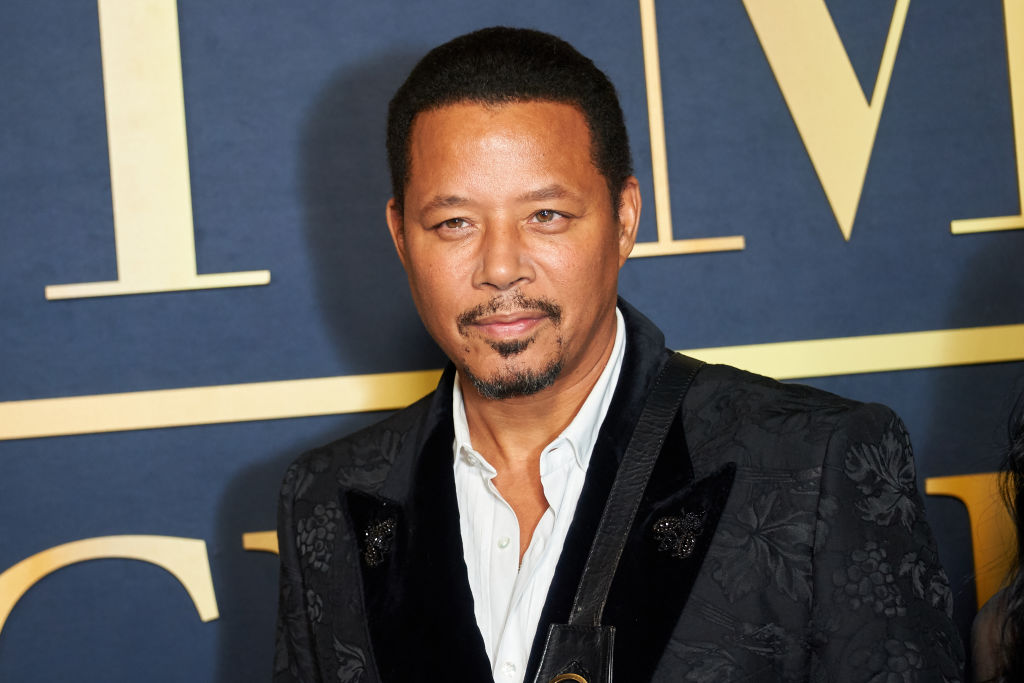
Terrence Howard is opening up about how his anger disrupted his acting career and the advice he once received from Denzel Washington in an effort to help him get out of his own way.
During a recent appearance on the PBD Podcast, the Hustle & Flow star opened up about a moment he says cost him his role in Marvel’s Iron Man franchise after threatening to physically assault producer Joel Silver during the press run for The Brave One.
Howard said the situation began when a reporter asked why his name wasn’t billed above the title alongside Jodie Foster.
He later confronted Silver about the placement on the movie poster. Although Silver explained that Howard had a supporting role, the actor admitted his ego was bruised and reacted aggressively, despite understanding the reasoning.
“I was like, ‘OK. Thank you for telling me that. Now I understand, but you have to remember I’m a man just like you, and if you ever talk to me in that way again, I’m gonna knock your teeth out your mouth,” Howard recalled telling the producer, in a clip shared online.
A few months later, Howard said he had lost his role as James “Rhodey” Rhodes in the Iron Man franchise and had been replaced by Don Cheadle. Howard noted that Silver’s producing partner, Susan Downey, was involved with the Marvel films, leading him to believe word of his outburst had spread throughout Hollywood.
Howard said he became aware of the negative reputation he had developed in Hollywood, recalling how Denzel Washington once pulled him aside and offered advice.
“I had a meeting with Denzel once, and he told me, he’s like, ‘Look at your hands, man. You’re always like this. Your fist all balled up.’ He said, ‘And all these producers want to do is they are trying to open your hand so they can put money in it. But you won’t do it. You keep your hands all tight like this, and you’re blowing it.’
“And this is 20 years ago,” Howard added.
As a result, Howard said he was effectively blacklisted from major theatrical film roles.
“I ended up going back into the Chitlin circuit. I was no longer being supported by the studios again,” Howard shared. “…I’ve had a number of opportunities. And you know, but my aggression, you know, my need to be a man. ‘You’re gonna, you ain’t gonna talk to me like that.’ You know, instead of learning how to diffuse and to walk away and to smile.”
The Chicago native said his struggles with controlling his anger trace back to childhood, growing up light-skinned with green eyes in an all-Black neighborhood where he was bullied and felt he had to toughen up to survive.
“I’m battling shadows from the past. You ain’t gonna punk me. You know, and it’s like I was punking myself. So that’s the hardest thing to get out of your own way to recognize,” Howard said.
Cal State Bakersfield Assistant Basketball Coach Accused Of Running Side Hustle As A Pimp
The university's men’s basketball program is drawing national attention after a former assistant coach was accused of operating as a pimp across four states.
California State University, Bakersfield’s athletic department has been shaken by reports accusing temporary assistant coach Kevin Mays of allegedly operating as a pimp across four states.
On March 5, reports surfaced about a behind-the-scenes scandal within CSUB’s men’s basketball program that dates back to last August, when the school first learned of the allegations through an anonymous email, ESPN reported. After an internal investigation, Mays was fired from his role as an assistant coach, and a subsequent police probe resulted in 11 felony and misdemeanor charges.
In the email, the tipster identified a woman whom Kevin Mays allegedly trafficked for several months.
“FIX IT OR THE WHOLE STAFF WILL FALL,” the message read in all caps, describing itself as both a “first warning and a final warning.”
Rod Barnes, who was the men’s head basketball coach at the time, reportedly forwarded the anonymous email to the human resources department at CSUB, which then passed it along to campus police, sparking an investigation that ultimately led to criminal charges. Mays, who is being held without bail, now faces 11 felony and misdemeanor charges, including pimping.
Prosecutors also charged him with possession of automatic firearms and high-capacity magazines, as well as possession of methamphetamine and marijuana with intent to sell. Separate counts allege he possessed more than 600 images of child sexual abuse material and distributed obscene material involving a minor.
Mays has pleaded not guilty to all charges. At the time of his dismissal, Mays had only recently joined the CSUB staff. The former three-year CSUB player had been hired in June and was earning about $3,000 a month.
Investigators later located the alleged victim through a sex advertisement posted in Sacramento, California, and conducted a sting operation in September posing as a “date.” The woman reportedly told officers that Mays was her “boyfriend” and said he frequently paid for hotels, rental cars, and flights related to her work. Mays was arrested the following day.
In the fallout from Mays’ alleged scandal, CSUB announced in September that men’s basketball coach Rod Barnes and athletic director Kyle Conder had also left the university, though it remains unclear whether their departures were related. CSUB senior director of strategic communications Jennifer Self, said the school took a “broader look at its athletic program” following Mays’ arrest.
Conder later claimed in a lawsuit that he was actually fired in August, before the tip about Mays surfaced, and argued he was made a “convenient scapegoat” due to the timing of the announcement.
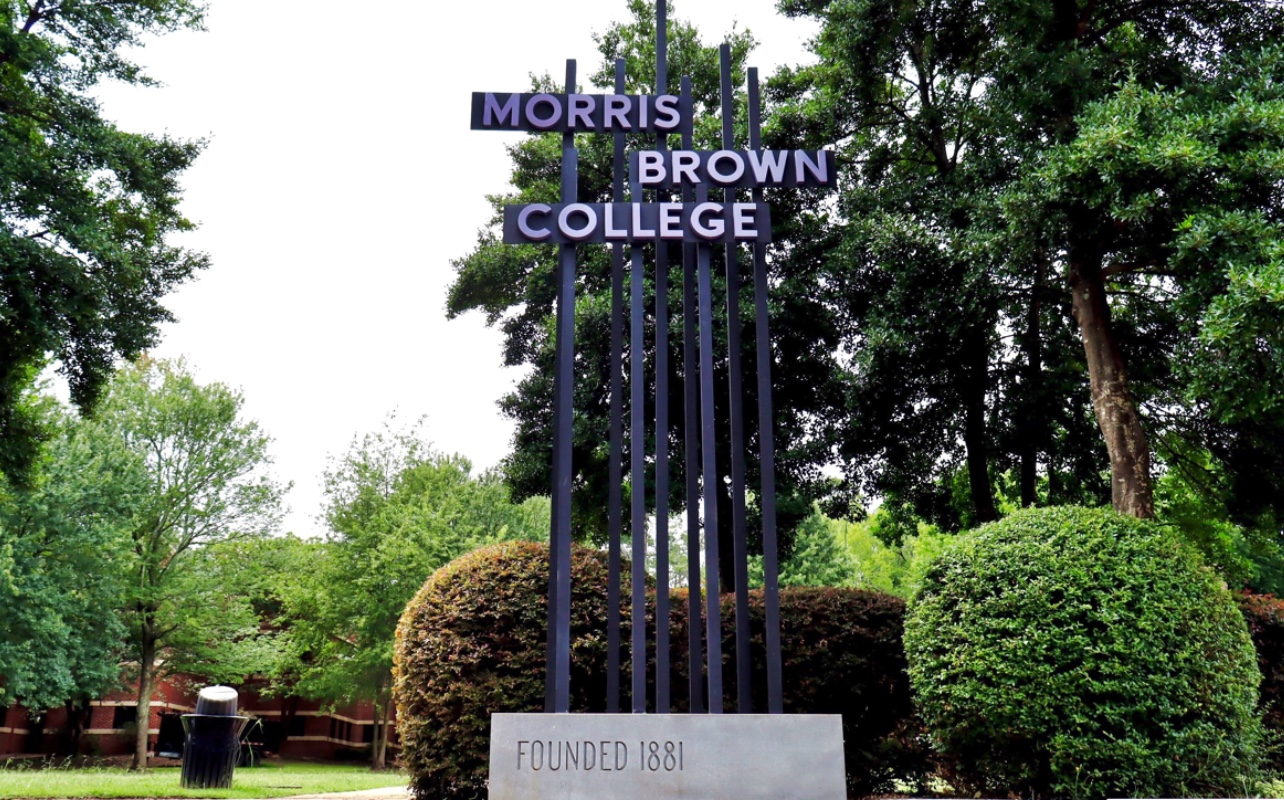
According to university president Dr. Kevin James, Morris Brown College is one of the few universities that offers the degree and is currently the only HBCU in Georgia with the program.
Added student Courtney Stanback, “I am hoping to work in the sports entertainment space, and Morris Brown is allowing me to learn the hospitality industry from a holistic standpoint.”
James, who stated that he is aiming for the college to become a top institution in the nation, was recently embroiled in controversy after the university’s board of trustees fired him as president.
On LinkedIn said the board terminated his service as president “without providing specific cause or substantive explanation.”
“This action is deeply concerning,” said James. “Research and my lived experience demonstrate that many HBCUs have struggled with board overreach and interference. Unfortunately, those dynamics are evident in this situation.”
James, who said his post as president ends in 2029, continued, “The timing of this decision is particularly troubling, as the institution is approaching its accreditation reaffirmation review in a few weeks […] I fully intend to pursue all rights and remedies afforded to me under that agreement.”
James said he led Morris Brown College to become the first HBCU to regain accreditation after nearly 20 years, restore access to Federal Financial Aid, grow enrollment from approximately 20 students to more than 540, and more.
Keith Lee Joins Brooklyn Dumpling Shop As An Official Investor: ‘God Is Amazing’
Lee has joined Brooklyn Dumpling House as an official brand investor.
Keith Lee is leaning into what he calls his “Legacy Building Year,” announcing a new partnership with Brooklyn Dumpling Shop as an official investor.
On March 4, Lee revealed how he is expanding beyond TikTok reviews and stepping into the role of culinary brand investor. One of his first ventures is with the rapidly growing Brooklyn Dumpling Shop, an Asian-inspired fast-casual chain gaining traction nationwide.
“Legacy Building Year , Amen 🙏🏽,” he captioned an Instagram announcement. “Not only are we official investors but If You’re in Dallas, come pull up on me at Brooklyn Dumpling Shop in Deep Ellum this Friday, March 6 at (2pm). I’ll be there serving dumplings and chillin with everybody. First 100 people in line get free swag of your choice – hat, t-shirt, or sweatshirt, see you there.”
Known for its signature dumplings, which are also sold frozen in retail stores, the brand will now have Lee on board as an official investor and ambassador, a press release announced.
“I’ve always believed that food brings people together, and that’s what stood out to me about Brooklyn Dumpling Shop,” Lee said in a statement. “It’s creative, it’s accessible, and it doesn’t cut corners on flavor.
“Partnering with Brooklyn Dumpling Shop is about more than just great food, it’s about community, culture, and creating experiences people can enjoy and trust,” he added. “I’m excited to be part of what they’re building and to help introduce even more people to something special.”
To celebrate the partnership, Lee will appear at the Brooklyn Dumpling Shop location in Dallas, Texas, on Friday, March 6. The brand will also be a featured vendor at Lee’s one-day food festival, FamiLee Day, set for May 16 at the University of New Orleans Lakefront Arena in New Orleans.
The collaboration, along with the launch of his inaugural food festival, marks a major milestone in Lee’s journey from TikTok food reviewer to a trusted and influential figure in the food community.
How Orena Fragrances Founder Nabeelah Aminah Is Redefining Luxury Body Care
The brand is helping to transform elevated fragrance and body oils into an everyday luxury
Nabeelah Aminah’s journey in the beauty industry began with a simple observation — something was missing in the fragrance market.
As a fragrance enthusiast, she loved the elegance of luxury perfumes, but noticed that the body care market didn’t offer products that truly complemented them. The lotions and creams available were often lightly scented, short-lived, or diluted with alcohol. Because she couldn’t find a moisturizer that smelled like one of her favorite scents and lasted throughout the day, she decided to create the product herself.
Drawing from her perspective as a young Black Muslim woman, Aminah spent two years developing alcohol-free products that were long-lasting and luxurious. Her goal was to create products that felt sumptuous while still being inclusive and accessible to everyday consumers.
In 2023, at just 22 years old, she launched Orena Fragrances, a high-performance body care and fragrance brand inspired by luxury perfumery. Within its first year, Aminah said the brand began generating six figures a month. Today, Orena Fragrances boasts a growing online community of customers that includes beauty influencers who have helped the products go viral and repeatedly sell out. Inspired by deluxe designer perfumes like Kilian Paris Love, Don’t Be Shy and Bianco Latte by Giardini di Toscana, Orena Fragrances offers customers a fresh take on luxury scents at a fraction of the cost. Known for its alcohol-free formulas and powerful scent projection, the brand is helping to transform elevated fragrance and body care into an attainable and affordable luxury. Price points — which range from $48 for standard-size body oils and body butters to $72 for a full-size lotion — have enabled Orena to capture a broad market of fragrance shoppers.
BLACK ENTERPRISE spoke with Aminah via email about how Orena began, the lessons she learned while building the business, and the legacy she hopes to create.
Source: Orena Fragrances
(Photo courtesy of Orena Fragrances)
BE: What was the spark behind Orena Fragrances, and what gap in the beauty industry were you determined to fill?
Orena Fragrances started from a very personal place. I’ve always loved fragrance and the way scent can trigger memory and emotion. What I felt was missing in the luxury fragrance space was both accessibility and inclusivity, particularly when it came to body care.
The luxury fragrances I loved often felt exclusive, not only because of their price point, but because there was no real way to experience those scents beyond the perfume itself. Matching body care simply didn’t exist, which made the overall experience feel incomplete and out of reach for most people.
I wanted to change that. I believed everyone should be able to experience beautiful, elevated scents in a way that fits naturally into their everyday life. Orena was created to bridge that gap by bringing the essence of luxury fragrance into body care, allowing people to enjoy those scents more fully, more often, and without barriers.
BE: If Orena Fragrances were a feeling, not a product, what would you want people to experience the moment they encounter the brand?
If Orena Fragrances were a feeling, I would want it to feel like a memory in motion. Fragrance has always meant capturing moments and emotions for me, and I want Orena to create that same experience for others — something familiar, comforting, and emotionally grounding.
I want our scents to become part of someone’s everyday life and the memories they attach to it — getting ready in the morning, winding down at night, or taking a quiet moment for themselves. Orena Fragrances is meant to feel personal and comforting, creating an emotional connection that lasts beyond the product itself.
Source: Orena Fragrances
(Photo courtesy of Orena Fragrances)
BE: What does “affordable luxury” mean to you, and why do you find it important?
To me, affordable luxury means access without compromise. It’s not about cutting corners or chasing price points— it’s about offering high-quality products that still feel special, intentional, and elevated without requiring a luxury budget.
I think luxury is really about experience and emotion, not just a price tag. People deserve products that make them feel good and confident without guilt. Affordable luxury allows people to fully enjoy what they buy instead of rationing it or treating it as untouchable.
BE: What challenges have you faced in the beauty industry as a Black woman founder?
One of the biggest challenges has been building credibility and trust in an industry where larger, more established brands often have access to significantly more resources. As a Black woman founder who started Orena at just 22 years old, I was entering a space where many of the brands I was competing alongside had decades of experience, teams, and infrastructure already in place. That meant learning quickly, making decisions in real time, and earning credibility through consistency and results rather than reputation or history.
Another challenge has been navigating how to position the brand authentically. While I’m proud that Orena is Black-owned, I’ve been intentional about ensuring the brand is loved for the quality of its products and the experience it delivers, not solely because of who founded it. Finding that balance of honoring identity without making it the sole narrative has been an important and ongoing part of building Orena.
Source: Orena Fragrances
(Photo courtesy of Orena Fragrances)
BE: What were some early mistakes that became expensive lessons in building Orena?
Early on, I underestimated how important systems and operations are when you’re growing quickly. I was focused on product, branding, and customer experience — which are, of course, all important — but I learned the hard way that scaling without the right infrastructure can be costly.
I also learned to be more careful about where I invest time and trust. Not every opportunity is aligned, and not every “yes” moves the business forward. Those lessons forced me to become more strategic and disciplined, which has been crucial for long-term sustainability.
BE: What metrics matter most to you when measuring your brand’s success (revenue, reach, customer retention, etc.)?
Revenue is important, but it’s not the only thing I look at. Customer retention and repeat purchases matter just as much to me because they tell me whether people truly connect with the brand.
I also pay close attention to feedback — what customers say, how they describe the products, and how often they come back. Long-term success, to me, is about building something people trust and return to, not just chasing short-term growth.
Source: Orena Fragrances
(Photo courtesy of Orena Fragrances)
BE:How do you hope Orena contributes to shifting narratives around Black women–owned beauty brands?
I hope Orena helps reinforce the idea that Black women–owned brands can exist at scale, in luxury spaces, without being boxed into a single category or narrative. I want the brand to be recognized for its quality, experience, and consistency first.
Being Black-owned is part of who I am, but it’s not the sole definition of the brand. I want Orena to show that excellence, longevity, and ambition can coexist naturally without explanation or justification.
BE: When you think long-term, what legacy are you building through Orena Fragrances — personally and generationally?
Personally, I’m building something that represents freedom, ownership, and self-belief. Orena is proof to myself that I can take an idea and turn it into something real, impactful, and lasting.
Generationally, I want to build a blueprint. I want people to see that it’s possible to create something meaningful from the ground up, and that building wealth, independence, and opportunity doesn’t have to follow a single path. It’s about normalizing ownership and ambition.
Source: Orena Fragrances
(Photo courtesy of Orena Fragrances)
BE: What advice would you give to Black women who aspire to enter the beauty industry right now?
I would tell Black women founders to learn the business side early and treat it with as much importance as creativity. Branding and aesthetics matter, but margins, systems, and strategy are what keep a business alive.
I’d also say not to rush. Trends come and go, but building something sustainable takes patience, confidence, and a willingness to grow through mistakes. Trust your voice, but stay grounded in reality.
BE: How do you see the beauty industry evolving, and how is Orena positioning itself for what’s next?
The beauty industry is moving away from hype and toward connection. Customers are more informed, more intentional, and more interested in brands that feel authentic and consistent rather than viral.
Orena has always been rooted in that idea. We focus on building trust, community, and long-term relationships with our customers. Instead of chasing every trend, we’re focused on depth, quality, and creating experiences people want to return to—and that’s how we’re preparing for what’s next.
Photo by I Bautista: https://www.pexels.com/photo/a-fighter-jet-flying-in-the-sky-with-a-blue-sky-27291301/
Iran Foreign Minister Rejects Ceasefire, Says Tehran Is ‘Waiting’ For U.S. Ground Invasion
"We are not asking for a ceasefire, and we don't see any reason why we should negotiate with the U.S."
The Foreign Minister of Iran Abbas Araghchi says the country is “not asking for a ceasefire” from the U.S. or Israel and is “waiting” for a ground invasion from American troops.
Araghchi gave the warning during an exclusive interview with NBC Nightly News with Tom Llamas.
He said Iran is “confident” they would be able to confront the U.S. military—and if President Donald Trump decides to invade, “they are waiting for them.”
“We are not asking for a ceasefire, and we don’t see any reason why we should negotiate with the U.S., when we negotiated with them twice and every time they attacked us in the middle of negotiations,” Araghchi told Llamas. “So there is no request for a ceasefire from us and there is no request for negotiation with the U.S. from us. We are waiting for them.”
When Llamas asked to confirm, the foreign minister said “yes” as they are “confident that they can confront them and that would be a big disaster for them.”
CNBC reports Araghchi labeled the battle as “not our war,” but as “a war of choice by the United States.”
According to The Hill, the last time representatives for Iran and the U.S. met for negotiations on a new nuclear agreement was Feb. 26, less than 48 hours before Operation Epic Fury launched. The strikes killed Iranian Supreme Leader Ayatollah Ali Khamenei and several other military leaders.
In retaliation, Iran’s military issued drone strikes on Israel and Gulf states, killing six U.S. service members.
While social media users issued concerns on homeland attacks, Araghchi said Iran’s military has their eyes set on targeting American military bases in the Middle East, seemingly adding to Trump’s sentiments that troops may die.
“We pray for the full recovery of the wounded and send our immense love and eternal gratitude to the families of the fallen,” Trump said. “And sadly, there will likely be more. Before it ends, that’s the way it is. Likely be more.”
Trump casually mentions, while slurring his speech, that more US troops will die in Iran based on the decisions he’s making from his beach club in Florida pic.twitter.com/LwdImAEsUR
The foreign minister said with the military capacity the U.S. has, there is no reason to go past that as the issue isn’t with American citizens.
“We have attacked American targets and American bases, American installations, which are unfortunately located in the soils of our neighbors,” he said. “So we have made it clear for them, I have been in touch with their foreign ministers, and I have explained that ‘we are not targeting you. We have no problem with you. We have only, are only targeting the American installations.”
Fans Call For Kirk Franklin To Start A ‘Revolution’ For Next Super Bowl Halftime
Franklin said the scale of the event would make him hesitant to perform alone. However, he would entertain the idea.
Gospel Icon Kirk Franklin said he would consider performing at the Super Bowl halftime show, but only if he could bring other gospel greats along.
With a little under a year until the next Super Bowl, fans have been throwing their suggestions for next year’s halftime performer into the mix. Kirk Franklin is one of the names that has gained traction. During an Instagram “Ask Me Anything” session, a fan went straight to the source to inquire whether he would headline the NFL’s halftime stage.
The 20-time Grammy-winner said the scale of the event would make him hesitant to perform alone. However, he would consider the idea if accompanied by other gospel greats.
“Somebody else questions a lot, would I ever do a Super Bowl performance? Not by myself. Maybe if we put together, like, a squad, like a gospel Avengers moment. You know how Dre and Snoop and Kendrick and Em,” Franklin said.
Social media users and fans of the gospel legend are all for the idea; a follower of Franklin, @jayqueens_wrote, “With all that’s going on, a Gospel halftime show is what we need!” Though the event is approximately a year away, fans are vocal about their support, suggestions and speculations.
X user @CarolinaConect is all for the “gospel Avengers” idea, stating: “Man, Super Bowl HT show featuring Kirk Franklin, Fred Hammond, and Mary Mary would be the greatest halftime show of all time.”
X user, @PandorasCashBox, commented on MAGA’s resistance to recent artists such as Kendrick Lamar, Usher, and Bad Bunny. Many MAGA members, who claim to be Christian, sais they would prefer a more family-oriented, wholesome show. These claims led to the creation of an “alternative Super Bowl.”
@PandorasCashBox believes a Franklin performance may reveal the real reason for recent Super Bowl resistance.
“Kirk would kill it! But MAGA would explode because they’d have to be real with why they hate the performers.”
Franklin’s comments came as fans online speculated about whether gospel music could appear on the Super Bowl stage. The halftime show, which the NFL and Roc Nation produce, has featured a range of genres in recent years, including hip-hop, R&B, and pop. Still, many are struggling with the show’s trajectory. Controversy surrounded Super Bowl LX, as Bad Bunny, a Puerto Rican native, performed the entire show in Spanish, much to the dismay of many. Super Bowl performers are usually announced in Q3 yearly. Only time will tell if fans get to enjoy a good old Sunday revival on the Super Bowl stage.
Try These ‘Brownkind’ Products If You Want To Be Kind To Your Brown Skin
The formulation targets melanin-rich skin specifically
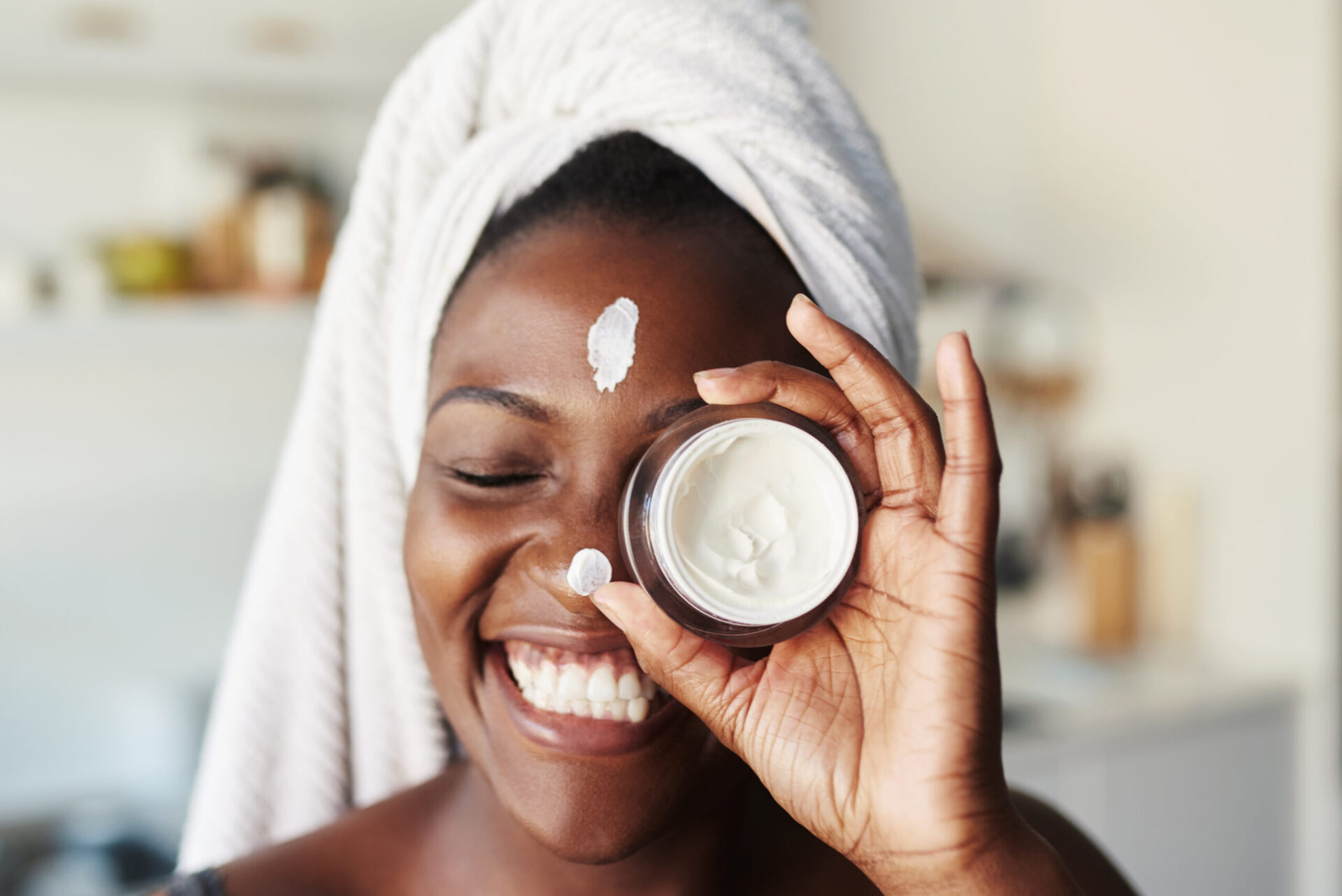
Consumers who are intentional about their skincare choices are a demographic that deserves attention. Brands like Brownkind are stepping up to serve melanin-rich complexions. Brownkind is a dermatologist-designed skincare brand with solid solutions. Brownkind products contain a special botanical phytonutrient blend which includes Indian gooseberry, rainbow algae and cacao, which was created by dermatologists. The formulation targets melanin-rich skin specifically. Research shows that this method achieves balanced skin tone and natural radiance without using strong lightening or bleaching chemicals.
Among its many masterfully designed collection, Brownkind created a proprietary Even Tone Defender™ complex to formulate products which target hyperpigmentation and uneven tone and sensitivity issues. Brownkind sells its products through an online direct-to-consumer platform while establishing itself as a scientific inclusive skincare brand that meets the needs of deep skin tones after decades of beauty industry neglect.
Brownkind Vitamin C Serum – Boost Collagen & Even Tone
Screenshot
The Brownkind Vitamin C Serum enhances collagen production while evening out skin tone. This serum targets uneven skin tone, dark spots, and dull skin. Use this serum daily after cleansing and before applying moisturizers as part of your brightening routine. The combination of antioxidants with Vitamin C derivative in this product delivers even tone and natural glow enhancement without using strong lightening agents, which makes it perfect for brown skin that tends to develop hyperpigmentation.
Melanin-rich skin types need daily UV protection that disappears without leaving a white cast. The Even Tone Defender™ formula creates a broad-spectrum SPF that perfectly matches darker skin tones while enhancing natural brightness. Sunscreens typically leave visible traces on brown skin, but this product protects without creating a white cast, while being non-greasy and suitable for sensitive and acne-prone skin. Apply this product as the final step of your morning skincare routine before applying makeup or wear it alone. Protect your skin from UV-induced dark spots and uneven tone by using this product every day throughout the year.
Brownkind Dark Spot Corrector – Target Hyperpigmentation
Screenshot
Melanin-rich skin often experiences patchy, dark, or uneven skin. The dermatologist-created serum uses natural phytonutrients to fade dark spots and brighten complexion over weeks. Use the product daily on skin that has been cleansed before applying moisturizer. Use the product during both morning and night routines The product removes spots using mild approaches that preserve the natural glow of your skin.
Brownkind Glow Moisturizer – Hydration + Barrier Support
The Brownkind Glow Moisturizer is a daily hydrating moisturizer that strengthens the skin’s natural barrier. The product suits people who have dry, dull, or dehydrated skin, and want to create a glowing complexion. This moisturizer contains phytonutrients that strengthen the skin’s barrier while providing deep hydration and enhancing natural skin luminosity. Apply it after serums during both morning and night routines to achieve maximum hydration. Use Brownkind Glow Moisturizer two times per day to achieve optimal results.
Brownkind Night Cream – Overnight Repair & Even Tone
Screenshot
The Brownkind Night Cream works during the night to repair skin while evening out its tone. The night cream targets users who want to restore their skin overnight and who have concerns about skin texture, aging signs and spots. The formula contains peptides and other skin-boosting ingredients which makes it perfect for melanin-rich skin. Apply this product as the last step of your evening routine and use it every night to see results over time.
Brownkind is an official sponsor and supporter of BLACK ENTERPRISE’s 20th annual Women of Power Summit