Earl
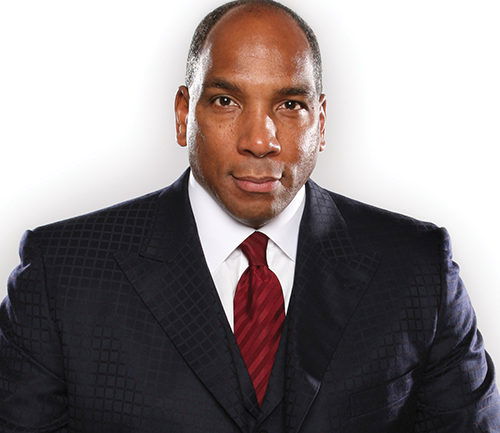
Black Enterprise President & CEO Earl "Butch Graves, Jr.

The 55-Year Legacy Of BLACK ENTERPRISE Informs Its Future

Celebrating 55 years of BLACK ENTERPRISE is more than just a milestone


BLACK ENTERPRISE is celebrating 55 years, and it’s far more than just a milestone; it’s a testament to a legacy of empowerment and staying power. Earl G. Graves Sr was the visionary who spearheaded this incredible mission in 1970, to amplify the stories of Black entrepreneurs and business leaders when no one else would.

For over half a century, BE has been the definitive source for Black business and economic progress. It was a seminal concept birthed from Mr. Graves’ belief that economic empowerment is the cornerstone of true liberation for Black communities. From its first issue to the evolution into a leading multimedia company, BE has not only reported on history; it has contributed to shaping it.

The next 55 years of BE are poised to build on this historical legacy of empowering Black Americans. Under the leadership of CEO Earl “Butch” Graves Jr., the company has shifted from a print publication to a multifaceted multimedia platform.

The future of BE is centered on maintaining its continued impact in a rapidly changing world. Key areas of focus include:

  • Digital Expansion: BE is a leader in digital content, including podcasts and video, ensuring its message of economic empowerment reaches a global audience across multiple platforms. This digital-first approach is crucial for reaching younger generations and providing real-time information.
  • Targeted Events: Signature events, such as the Women of Power Summit and the XCEL Summit For Men, continue to be vital spaces for networking, professional development, and celebrating excellence. These gatherings provide tangible connections and inspiration that can’t be replicated online.
  • Advocacy and Education: BE remains a fierce advocate for economic equity and financial literacy. Our content and initiatives are designed to give Black Americans the tools they need to build wealth, succeed in corporate America, and scale their businesses, directly addressing the wealth gap.

As “Butch” Graves Jr. himself has stated, the company’s core mission is to empower its audience to become full participants in wealth creation within the global economy. This commitment to “elevating your excellence” ensures that BE will remain a crucial force in the decades to come.

This video provides a glimpse into the company’s forward-looking vision and commitment to economic empowerment. Elevating Your Excellence: Black Enterprise’s 55-Year Charge With Unwavering Vision

RELATED CONTENT: The 1st BLACK ENTERPRISE Cover Birthed A 55-Year Legacy

Walgreens Pharmacy
(Photo by Gary Hershorn/Getty Images)

These Black-Owned Pharmacies Need Your Black Business

Supporting these community-based businesses is crucial


In towns and cities across the United States, Black-owned pharmacies are doing a lot more than filling prescriptions. These businesses fill a need in their communities. Black-owned pharmacies are keeping a sense of identity alive in Black neighborhoods that big chains often ignore and creating places where people feel culturally supported. However, it’s getting tougher for these Black-owned pharmacies to thrive. Giant corporations are making it hard for them to compete. Supporting these community-based businesses is crucial, not solely for business’s sake but for the wellbeing and strength of the neighborhoods they serve. When we back these pharmacies we’re doing a lot more than keeping a business afloat. We’re investing in the health, wellness, and economy of the community on a whole. BLACK ENTERPRISE is shining a light on eight Black-owned pharmacies. 

GreaterHealth Pharmacy & Wellness — Missouri

In St. Louis, Missouri, a city where it’s tough to find a pharmacy in some areas, GreaterHealth Pharmacy & Wellness is trying to change that. Founded by CEO Marcus Howard in 2023, a local startup is about breaking down barriers to healthcare for people who’ve been underserved. GreaterHealth has a commitment to community counseling, a service that is sorely needed in the city of St. Louis. The team behind this Black-owned pharmacy is locally-rooted and deeply invested in the community. GreaterHealth is making a difference in the lives of its neighbors. GreaterHealth is on a mission to fill those gaps in  “pharmacy deserts” and make healthcare more inclusive for everyone.

HOPE Pharmacy — Virginia

Dr. Shantelle Brown brought much-needed care to Richmond, Virginia, when she opened HOPE Pharmacy back in 2019. What sets HOPE Pharmacy apart from the chains is its commitment to the community. The business offers vaccines, education, and a level of service that can’t be denied. HOPE Pharmacy provides care that’s tailored to the people who live in the community, making them a valuable asset to the neighborhood.

Premier Pharmacy & Wellness Center — North Carolina

Premier Pharmacy & Wellness Center is a North Carolina-based clinic founded by Dr. Martez Prince. The business is one part independent pharmacy and one part wellness clinic under one roof. Since opening its doors in 2015, Premier Pharmacy & Wellness Center has served its community. The business is addressing health issues by ensuring its customers have access to the care they need. It’s an approach that sets them apart.

Del-Kar Pharmacy — Illinois

Del-Kar Pharmacy has been a constant in Chicago’s North Lawndale neighborhood since 1960. It’s a family-owned business that has been passed down throughout generations. Over the years, it has become a trusted name in the community. Despite the challenges of pharmacy deserts, Del-Kar Pharmacy has successfully maintained its operations, ensuring that people in the area can access the necessary medicine. 

Othello Station Pharmacy — Washington

Othello Station Pharmacy in Seattle’s Othello neighborhood opened its doors in 2020. It’s owned by a trio of guys: Dr. Ahmed Ali, Dr. Abdirahman Tache, and Abdikadir Athur. The pharmacy offers services in multiple languages. It is also independent, which means they can provide services that really cater to their customers’ needs, meeting them where they’re at.

Lee’s Family Pharmacy — Georgia

Lee’s Family Pharmacy has been a staple of Atlanta’s Southside for over 30 years. Dr. Stedman Lee and Dr. Sylvester Lee are behind this pharmacy. They’ve built a reputation for giving their customers personalized care, which is often rare these days. What sets Lee’s Family Pharmacy apart from other pharmacies is how much they genuinely care about the neighborhood. In addition to filling traditional prescriptions, Lee’s Pharmacy also retails naturopathic and home remedy alternatives. The Black-owned pharmacy recently relocated to a new location in South Fulton. They’re not a pharmacy, they’re a part of the community. 

Economy Drug Store — Florida

The Economy Drug Store in Florida’s Frenchtown neighborhood is thriving. Founded back in 1951 by Howard Roberts, it’s still going strong as a Black-owned pharmacy. That’s over 70 years of serving the community. The Economy Drug Store is right in the heart of Frenchtown, meeting customers where they are. The pharmacy takes the time to talk to customers in person. It’s clear they’re committed to being accessible to the community. 

Altev Community Pharmacy — Ohio

In Cincinnati’s Avondale neighborhood, a new pharmacy opened its doors in 2023. Altev Community Pharmacy is a game-changer for its community. The area had been without a Black-owned pharmacy for years, but that’s all changed now. Dr. Emmanuel “Manny” Ayanjoke is on a mission to make a difference. He wants to make sure people in the neighborhood have access to healthcare services like COVID testing and vaccines. The community has been waiting for a pharmacy like Altev for too long.

RELATED CONTENT: Jobs in Demand: Pharmacy Professionals Talk Career Advancement

Kamala Harris, Black Voters, Essence Festival
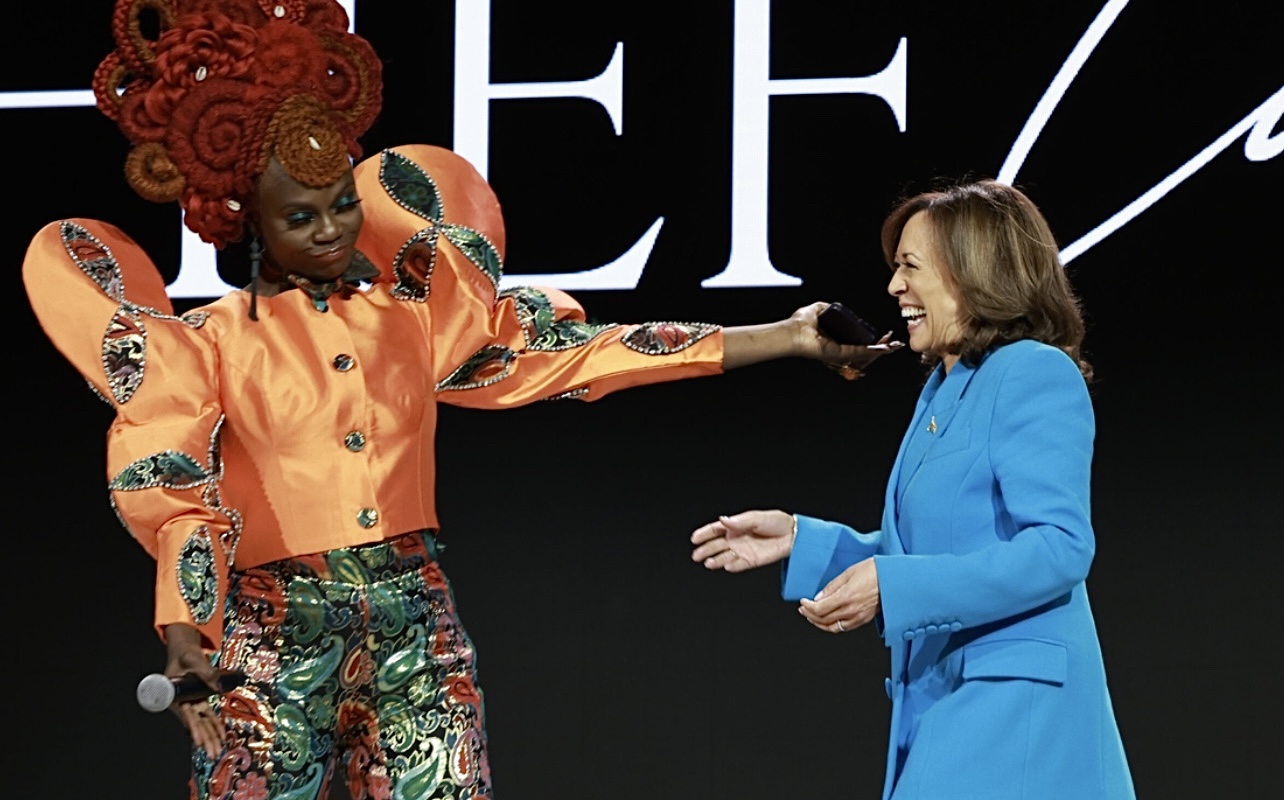
NEW ORLEANS, LOUISIANA - JULY 06: (L-R) Caroline A. Wanga, CEO, Essence Ventures and Vice President Kamala Harris speak onstage during the 2024 ESSENCE Festival Of Culture™ Presented By Coca-Cola® at Ernest N. Morial Convention Center on July 06, 2024 in New Orleans, Louisiana. (Photo by Arturo Holmes/Getty Images for ESSENCE)

Essence President And CEO Caroline Wanga Steps Down After 1-Year Health Leave

Caroline Wanga announces her exit as President and CEO of ESSENCE Ventures.


Caroline Wanga is officially stepping down from her role as President and CEO of ESSENCE Ventures and addressing any “false assumptions” about her exit.

In the early hours of Aug. 25, ESSENCE Ventures issued a press release announcing that Wanga would not be returning to the company, one year after taking a health-related leave. The media brand, dedicated to Black women, stated that the decision was Wanga’s following her yearlong leave of absence.

“We are profoundly grateful to Caroline for her leadership, vision, and unwavering advocacy of Black women and culture,” said Richelieu Dennis, founder and chairman of Sundial Technology & Media Group, parent company of ESSENCE Ventures. “Her expertise in culture, equity, and organizational change has fueled progress across the ESSENCE Ventures portfolio. Caroline has left an indelible mark on ESSENCE and beyond, and we celebrate the many ways she has amplified our mission and impact.”

After the press release, Wanga issued her own statement, which, while vague, confirmed that her decision to leave was already underway ahead of criticism over the handling of this year’s ESSENCE Festival of Culture.

“ImHighlyPercentSure that some missing knowledge has led to false assumptions regarding my leave as President/CEO that predated the activation of operational planning for a significant annualized event,” Wanga captioned a post which included a screenshot of the press release.

“My holistic career experiences amidst the current socioeconomic climate have NO PROVEN ROLE in the current state of affairs within the company and its supporters,” she added in response to her yearlong health leave.

Wanga, who published her memoir I’m Highly Percent Sure in May, ended her statement by welcoming dialogue about the announcement while warning against any attempts at “defamation” or “disparagement.”

“I encourage debate and discussion within the aforementioned guardrails, absent of sensationalized slander without proof, lies without legal defense, and character concoctions that give way to conviction and correction,” she wrote. “Some have with full knowledge, been demonstrating unsubstantiated behavioral undermining that reflects an inability to defend feedback without backfeeding truth.”

“The ‘defamation’ and ‘disparagement’ smoke that accompanies correlating the uncorrelated ain’t what anyone should want,” Wanga added.

Wanga spent four years helming the ship at ESSENCE Ventures from June 2020 until the start of her health leave in September 2024. The company credits her for guiding the legacy brand through a period of growth, innovation, and in ways that uplifted and championed Black women.

“The opportunity to serve Black women as CEOs of home, culture and community will forever represent pride, to do my best to serve will forever represent courage, and fulfilling my next purpose calling will forever represent conviction,” Wanga said in a statement.

RELATED CONTENT: Essence Fest Sees Booking Decline As Tourism Faces Hit From Broader Economic Struggles

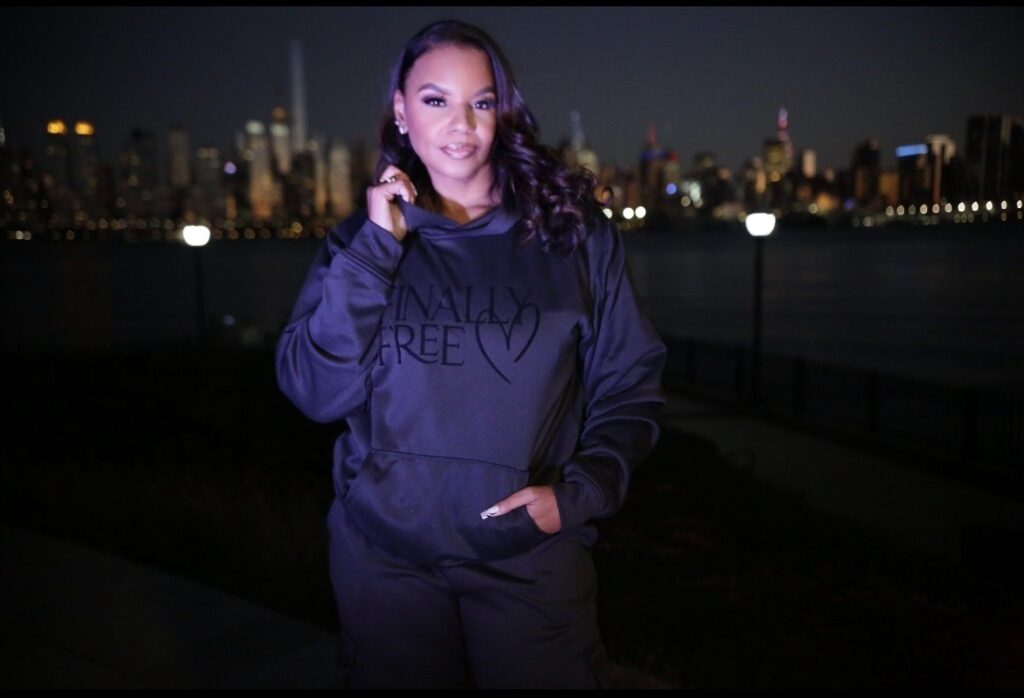
Modupe Congleton, finally free
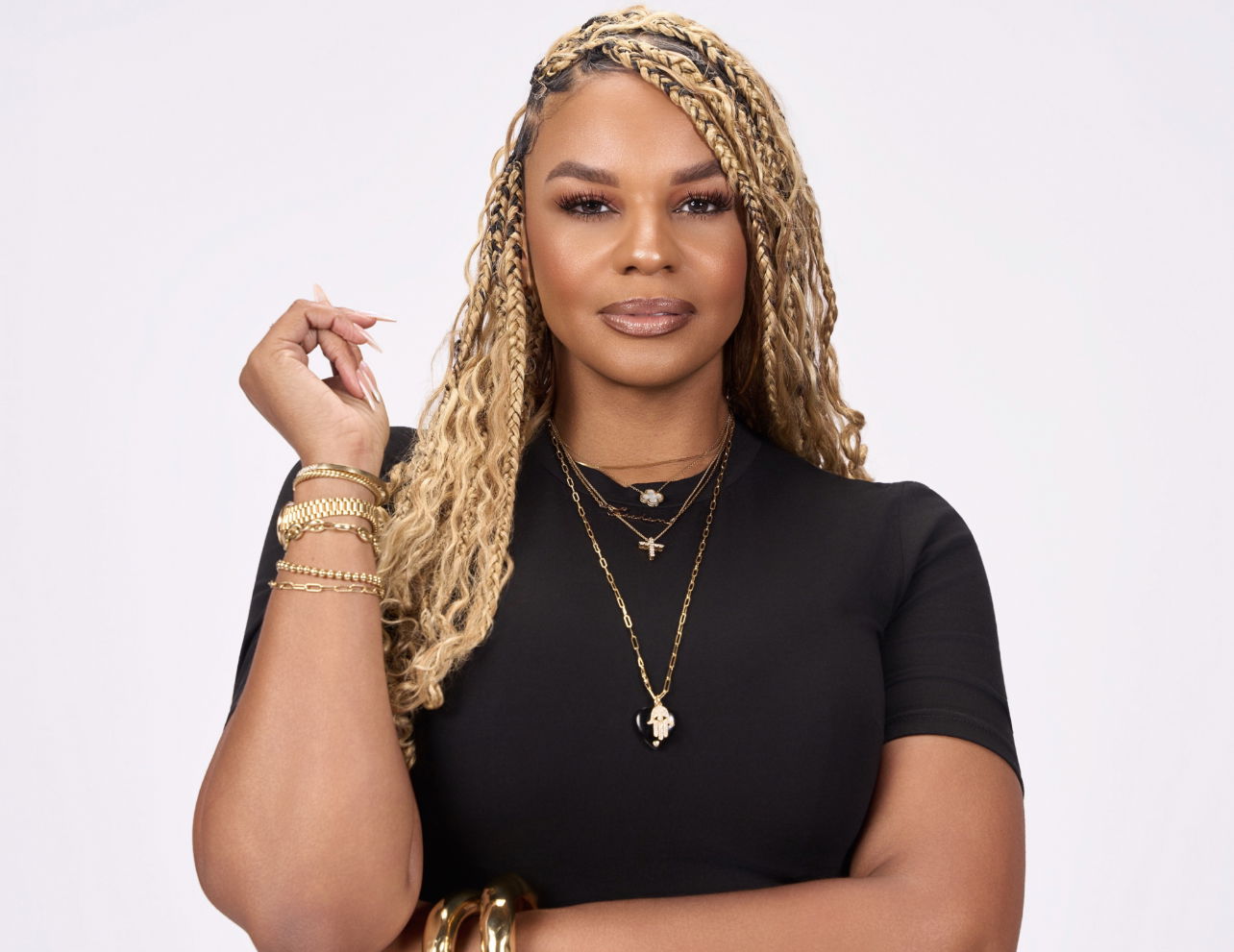
Courtesy of Modupe Congleton

Modupé Rouse Is Finally Free: Post Amazon, The Former DEI Exec Launches Athleisure Brand

Finally Free celebrates the journey to freedom


Finally Free is the newest Black-owned athleisure brand on the market. It was born out of President Donald Trump’s target on diversity, equity and inclusion (DEI) initiatives. Modupé Rouse was working a high-profile position at Amazon within DEI before it was eliminated. It was the first time in her more than 20 years working as a corporate executive that she found herself in this predicament.

“It felt like failure, especially when you’re doing impactful work,” she told BLACK ENTERPRISE. “I spent about two months reconnecting with myself, going to therapy, and fighting my way through depression and grief.”

It was during this time of healing and regrouping that Rouse began to think about ownership differently. For more than two decades, her work has been both regarded as impactful and legacy-building for corporations. Yet, despite her accomplishments, Amazon still let her go. Reflecting on how a company parted ways with her after meaningful work created a fiery passion never to give a corporation that kind of power over her life’s purpose. Rouse decided to continue that purpose-driven work by launching her own luxury athleisure collection called Finally Free Clothing Brand.

Finally Free Brand Celebrates Liberation Journey

Rouse said Finally Free celebrates the journey to freedom. It honors the hard work of overcoming obstacles.  

“When someone asks, ‘What’s the name of your clothing line?’ and I respond, ‘Finally Free,’ I usually hear someone say, ‘OMG. I just got chills,’” said Rouse. “I think it’s because these words are such a universal concept that no matter what race, gender, or where you are in the world, there is something that has bound you.”

While the Black-owned brand primarily targets women, there are items, including t-shirts, hoodies, and hats for men and products deemed as unisex.

Within the first two months of launching, the brand had over 400,000 impressions and over 300,000 views on TikTok as she and her team worked to showcase the brand. Her brand is resonating worldwide, with site visits from people in Brazil, South Africa, and more.

Black Women Overwhelmingly Impacted By DEI Crackdown

A recent report found that Black women are taking the hardest hits as the Trump Administration cracks down on eliminating and banning DEI initiatives. A recent report from the U.S. Bureau of Labor Statistics revealed the jobless rate for Black women rose to 6.1% in April, a full percentage point surge from 5.1% in March, as BE previously reported.

However, despite a departure from Amazon, Rouse still chose to market herself on her former employer’s platform.

“What’s powerful about healing is I’ve had to honor the totality of the journey,” she said. “I cannot deny that Amazon has mastered the art of customer experience, convenience, and accessibility. They also have multiple avenues and lanes to continue to generate wealth for small businesses like mine.”

Still, Rouse says the best way for consumers to support small businesses like hers is to shop directly on their websites. She added that as more people pull back from spending money with large corporations and retail giants, they are turning to small businesses, especially Black-owned ones.

“That’s the only way we will keep leveling the playing field. Our businesses have to exist […] because our stories have to be told,” she said.

In addition to the Finally Free clothing brand, Congleton recently published the guided journal, “Finally Free Presents: A Guided Path for Your Journey to Freedom.” The journal is designed to help readers claim their full voice, release shame, and connect with their truth.

RELATED CONTENT: Black-Owned Athleisure Brand To Sell Official ‘Wakanda Forever’ Merchandise With Marvel Studios

Martin Luther King, deepfakes, openAI
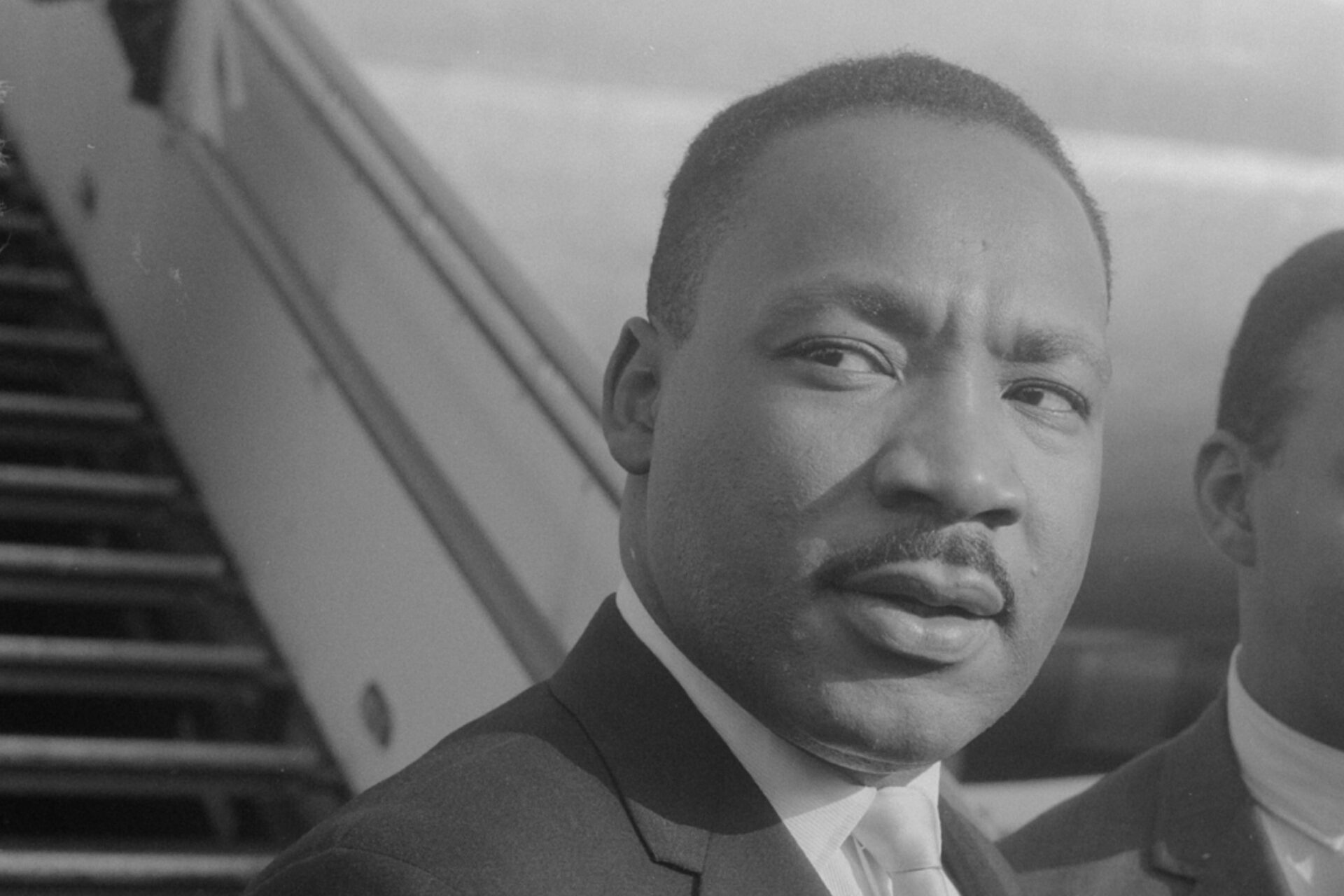
Dr. Martin Luther King Asassination Dr. Martin Luther King Jr. dedicated his life to advocating for human rights, racial equality, and nonviolent protest. Ironically, April 4, 1968, he was assassinated at the Lorraine Motel in Memphis, Tennessee. The location of King’s killing has since been turned into a historical site and the National Civil Rights Museum. His death was a devastating blow to the Black and global community, as he symbolized hope, resilience, and peaceful resistance against injustice. King's legacy continues to inspire movements for equality and social change worldwide.

Historic Atlanta Church Honors 62nd Anniversary of March On Washington And MLK Speech

Big Bethel A.M.E. church in Atlanta hosted its Social Justice Sunday to celebrate the March on Washington's 62nd anniversary.


A historic church in Atlanta spent Sunday Service honoring the 62nd anniversary of the March on Washington.

Big Bethel A.M.E. Church celebrated the historic event for racial justice and social equality, as well as the speech made by Dr. Martin Luther King Jr. that holds its own place in American history.

On Aug. 28, 1963, hundreds of thousands traveled to Washington, D.C. for the peaceful protest. They witnessed King make his historic “I Have A Dream” speech, cementing the event as a global catalyst for change.

At Big Bethel A.M.E.’s Social Justice Sunday event, they remembered the efforts made by King and countless civil rights activists.

The event encouraged church members and community members to take action in the ongoing fight for equality and justice. They remember the voices of King and fellow activists as they forge a new battle for the betterment of all.

“We stand on the shoulders of giants, and it is our duty to continue the fight for justice for all,” said Reverend Dr. Jonathan C. Augustine, senior pastor, in a release obtained by 11Alive. “This anniversary is not just about remembering the past; it’s about galvanizing our community to take meaningful action now.

On its 62nd anniversary, the church also shined a light on the history of the March on Washington and MLK’s historic speech. It was a chance moment that made King switch the narrative of his words after Mahalia Jackson sung “I’ve been Buked, and I’ve been Scorned” at his request. Following the rendition of the gospel song, Jackson uttered “Tell them about the dream, Martin,” to the civil rights leader.

It was not a dream he had initially planned to share, originally wanting to focus on jobs and freedom. However, his “I Have a Dream” speech later became the most famous oration spoken by King. It emerged as a battlecry to end segregation and dismantle racism in the United States.

Big Bethel A.M.E. continues this legacy, instilling it for the next generation. While the fight for equality wages on, the Atlanta church promotes communal and social advocacy in the footsteps of those who marched on Washington.

RELATED CONTENT: Florida Community Shocked By ‘Awkward’ MLK Jr. Statue, ‘It Doesn’t Look Like Him’

pastries,The Pastry Box Bakery, New York,East Village
Photo by Lina Kivaka: https://www.pexels.com/photo/pastries-on-clear-glass-display-counter-3639538/

The Pastry Box Bakery Is First Black-Owned Restaurant In NYC’s East Village In 25 Years

The Pastry Box reigns as the first Black-owned business in the East Village in decades.


A bakery has revived Black-owned restaurants in a New York City area, while giving back to its community.

Tiara Bennett’s love of baking and communal upliftment go hand-in-hand. When the culinary school-trained pastry chef decided to open her own bakery and re-establish a Black-owned eatery in Manhattan’s East Village, she knew she wanted to do more to leave a legacy.

However, becoming the first Black-owned restaurant in the historic neighborhood in 25 years was not a cakewalk. When she opened The Pastry Box in 2023, bringing back diversity in this space came with its own struggles. Despite the ebbs of entrepreneurship, Bennett’s supporters encouraged her to continue her mission, as told to Food52.

“People in my neighborhood who knew me from passing out fliers and selling cookies before I had a shop were excited for me, but I was the first Black person to open a business on this block in decades, so there were some challenges,” she explained, according to the Legal Defense Fund.

Bennett had always championed empowerment in her craft, a skill learned by baking with her grandmother. Two years after graduating from culinary school with honors in 2018, she opened her first pop-up on Juneteenth to showcase her pastries. Bennett spent years sharpening her skills in high-end restaurants and pastry programs, later taking the opportunity for her own store.

Unfortunately, the Brooklyn native still received pushback and disheartening comments from those around the East Village. Many did not expect her to last.

“A lot of people didn’t even expect us to be lasting in our second year. [I came] from a community in Bed-Stuy where everyone accepted us and rooted for us to come into a neighborhood where everyone was like ‘oh, who are they? Who is she?’ A lot of the neighbors didn’t even think it was my place. “

All it took was one cookie to transform The Pastry Box. Once Eater gave a rave review about one of her signature sweets, customers from across NYC came in droves to try it out.

“I’ll never forget that weekend,” she told Food52. “Our sales were like insane. We like made rent in a weekend and I never had seen it. And that was like the beginning of the change, where we actually started to be in the green.”

While she brought back Black-owned restaurants to the East Village with her bakery, Bennett considers it a part of her destiny. She also believes it is overdue for representation, offering an opportunity to support diverse youth in the area.

“I believe a neighbor told me that it had been like 20 years since a Black-owned business opened in this neighborhood. So, the representation is really important… I didn’t choose the East Village. The East Village chose me, and I’m glad it did. And then we’re here to stay now,” she added.

As she builds upon her success, Bennett has plans for a youth program to help other younger New Yorkers learn about entrepreneurship, kitchen etiquette, and baking techniques.

RELATED CONTENT: Ninth Degree, No Stopping Him: Meet 86-Year-Old Hurl Taylor, Emory University’s Oldest Grad

Racquel Oden, Wall Street, Forbes over 50
Courtesy of Racquel Oden

Banking Exec Racquel Oden Brings ‘Main Street To Wall Street’ With Forbes Over 50 Honor

HSBC U.S. Head Racquel Oden wants to prepare women and people of color for the transfer of wealth on the way.


Racquel Oden’s recognition as a leader in global banking operations is long overdue. 

With previous roles across major finance corporations, Oden joined HSBC last year as U.S. Head of the bank’s wealth management, global private banking, and retail businesses endeavors. As a trailblazer and leader in the finance sector, one could consider her to be the Beyoncé of the banking industry.

Of course, the profession is less glitzy than Hollywood, but Oden’s commitment to communal upliftment is impressive by itself. As a Black woman leader, a Forbes 50 Over 50 honoree wants to leave a legacy that promotes others like herself. 

The daughter of Jamaican immigrants, Oden forged her own destiny, marking her place in the C-suites of JPMorgan Chase to Merrill Lynch, to name a few of her past employers. Oden spoke to BLACK ENTERPRISE about what this honor by Forbes means to her, and how her leadership delivers social equity. 

“My job is to make sure that we finally represent, allowing Main Street to be part of Wall Street. And that was really the intent of when this was created. It has really kind of stepped away from that and helping individuals figure out how they can achieve their personal goals and dreams,” explained Oden.

While her work deals with high net worths, Oden still manages to support everyday people by leveling the playing field in finance. What Oden wants for her clients as much as her community is financial soundness. Especially as the look of leadership shifts to a more inclusive place, her work ensures everyone’s readiness for their moment. 

“Part of my role is to ensure that I build the next generation to represent what the world and society looks like,” she said. “That is people of color, that is women, and that is where I would say the transfer of wealth is going to happen in the next couple of decades, statistically. And for that reason, I personally want to make sure this next generation is prepared and ready.”

Oden’s decades of transformative leadership led to her nomination in the Forbes 50 Over 50 Investment category. Her inclusion is especially significant as a Black woman in this cohort of seasoned female wealth-builders. She calls the honor a nod to her impact, as she shapes the banking industry for its broader reach. 

“It’s the fact that over a 25-year career, you’re being recognized for having impact beyond your job. If you sit in the seats that we sit in, how do you make the community a better place? How do you make sure that you’re actually having an impact on society beyond your job? And so that award specifically for me was, truly, wow, I’m actually having impact on society.” 

However, her advocacy extends beyond her profession. She makes sure her finance skills go where her heart is. Oden serves as Board Chair of the Thurgood Marshall College Fund, while also serving on the Board of Directors for the Apollo Theater. Investing in education and cultural institutions remains a core part of her values. Now, it stands as part of a personal mission.

“It’s education as well as arts and culture in our community,” continued Oden. “When I think about our HBCUs I’m making sure that we’re able to support these young minds from a financial standpoint, of ensuring they can get through college affordably, and making sure we’re developing those future leaders. Then secondly, arts and culture, our cultural institutions need to be not only supported but protected.” 

Her advice to women in any field is to stay boldly confident, while allowing space for grace and humility. She also believes that living in one’s purpose within and beyond one’s professional sphere is the key to career fulfillment. 

As Oden sees it, the transfer of wealth to people of color and women is on the horizon. As for how to prepare, Oden encourages leaning into their leadership, whether professional or personal.

“I always say, take control of the purse. That’s for you individually, which is critically important, and not shying away from it. No matter how we look at it, you will control the purse at some point. And I want people to be prepared for that. I want people to lean into it, not waiting until it happens.”

RELATED CONTENT: Kai Cenat, Druski, Flau’Jae Johnson: Black Influencers Top Forbes’ 2024 Creators List

Wes Moore, trump, Redistricting
Photo: Rob Carr/Getty Images

Maryland Gov. Wes Moore Activates Petty Mode, Invites Trump On Safety Walk In Baltimore

Wes Moore is doubling down on his criticism of Donald Trump's takeover of Washington, D.C., and plans to send the National Guard into cities like Baltimore.


Maryland Gov. Wes Moore is doubling down on his criticism of Donald Trump’s takeover of Washington, D.C., mere days after he extended an invitation to Trump to put his bone spurs where his mouth is and join Moore on a safety walk around Baltimore, slated for October.

According to Politico, Moore stated in his Aug. 21 letter to Trump that, regardless of the administration’s stance on funding gun violence prevention programs, Baltimore City and the State of Maryland are reporting record lows in violent crime.

“Homicides in Maryland are down statewide by 20% since my inauguration two and a half years ago. In the first six months of 2025, the Baltimore Police Department continued to see double-digit reductions in gun violence, including a 22% decrease in homicides and a 19% decrease in non-fatal shootings from the year before. We are currently on track to have the lowest number of homicides in Baltimore City since we began officially keeping crime statistics,” Moore wrote.

In response to Gov. Moore’s letter, Trump wrote on Truth Social that the letter was “nasty and provocative,” adding that he “did his job” as President by sending funds to Maryland to help repair the Francis Scott Key Bridge after its 2024 collapse, which killed six people, but suggested he could reconsider such decisions in the future.

Gov. Moore was undeterred by Trump’s bluster on his social media platform, joining CBS’s “Face The Nation” program on Aug. 24 and blasting him in 4K. According to Moore, “the last time the homicide rate was this low in Baltimore City, I was not born yet.”

He continued, “The reason that I asked the President to come and join us is because he seems to enjoy living in this blissful ignorance…these tropes and these 1980s scare tactics. As someone who actually deployed overseas and served my country in combat, to ask these men and women to do a job that they’re not trained for is just deeply disrespectful. The members of our National Guard are trained up to be able to address things like emergency situations, situations where you need, where you need a surge of supports for traumas and disasters that are happening within individual jurisdictions. That is not this, and this is a direct deflection that the President is authorizing.”

Baltimore’s Mayor Brandon Scott issued his own comments in response to Gov. Wes Moore’s letter to Trump; many of his statements echoed the points that the governor raised.

“President Trump’s takeover of Washington, DC’s police force makes two things very clear. First: that he will do anything, and sacrifice anyone, to boost his own ego. And second: that he has no real solutions to make our country any safer, healthier, or freer. Here in Baltimore, we have driven down violence to 50-year lows, with significant reductions across every major crime category. This has not happened by chance. It is the result of an intentional strategy, coordinated alongside local, state, and federal law enforcement, violence interrupters, and community leaders.”

Scott continued, “In contrast, the President has embraced unconstitutional stop-and-frisk tactics, diverted federal law enforcement from their actual jobs to instead conduct indiscriminate traffic stops, and slashed funding for public safety programs that are driving real progress. “Whether the President chooses to accept Governor Moore’s invitation or not,” Scott noted there are a number of financial commitments the federal government could make to further increase the drop in violent crime in Baltimore.

Scott closed his comments, noting that “Only these commitments, not actions that erode our residents’ rights, would help our work to reduce violent crime. Otherwise, if Trump wants to roll into Baltimore purely to stage a photo op and spew racist narratives about Black-led cities, I speak for the vast majority of our residents when I say: We are not interested.”

RELATED CONTENT: Maryland Gov. Wes Moore Marks Juneteenth With Historic Cannabis Pardons And $400M Investment To Close Racial Wealth Gap

Black Business Month, Entrepreneurs, She Did That., Shopify
(Photo: RDNE Stock project/via Pexels)

Celebrate Black Business Month In Los Angeles With A Scavenger Hunt And Pop-Up Market 

The scavenger hunt prompts Angelenos to find and support Black businesses.


This Black Business Month, Black people in Los Angeles can uplift local entrepreneurs through this new pop-up market.

The California African American Museum (CAAM) will host the market and scavenger hunt to help Angelenos learn and support local Black-owned businesses. Throughout the month, Prosperity Market Founders Kara Still and Carmen Dianne created an interactive map featuring over 120 Black-owned spots that patrons could explore.

Supporters who venture to these businesses earn points and prizes for their participation. The hunt will conclude at the end of the month, with the winners announced at a special pop-up market.

Prosperity Market has evolved into a mobile farmers’ market, bringing local and nutritious goods directly to the people. In its fifth annual year, its scavenger hunt keeps Black businesses thriving in this interactive setup.

According to Secret Los Angeles, the map holds clues that participants must decipher to find the treasured spot. From local coffee shops to bookstores, these places rely on their diverse communities to continue for generations.

While Black Business Month winds down, it will end with a celebratory occasion for families. Los Angeles residents can come to the free market to lend their support even further. Over 50 vendors and farmers will participate in the market, allowing visitors to stock up on locally sourced produce and other goods.

A live DJ will produce the vibes, alongside a photo booth and wine garden by 1010 Wine. The market will also include community resources and a kids’ area by Teach to Reach, allowing younger people to also take part in the communal effort.

Vendors include businesses previously featured on BLACK ENTERPRISE, such as Octavia’s Bookshelf, Sherman’s Produce, All Chill Ice Cream, and the LA Philharmonic. Fans of Prosperity Market will also get to see its mobile trailer, showing local and national Black-owned goods. The free event will take place Aug. 31 from 11 AM to 4 PM in the heart of Los Angeles.

RELATED CONTENT: Black Business Month Unfolds Amid Trump Policy Threats, Entrepreneurial Spirit Unbothered

Black Boys, Maryland, graves, investigation
(Photo: Mike Bird/Pexels)

Community Outrage Grows Over Greenville County’s Mishandling Of Historic South Carolina Black Cemetery Cleanup

Greenville County, however, defended its choice to use a vendor to perform the work at the cemetery.


The results of a recent cleanup effort of Brutontown Cemetery, a historic Black cemetery in Greenville County, South Carolina, have left Black residents and scholars with more questions and concerns about the state of the site than they had before the county began its cleanup effort.

As Brandon Inabinet, a professor at Furman University, told Fox Carolina during a recent walk-through of the cemetery, some of the graves appear to have been destroyed.

“What’s really atrocious about this spot—this is where I think a plantation cemetery was,” Inabinet told the outlet as he stood in a large area of mud. “It was very evident that there were 20 graves here—[they] were completely destroyed.”

Inabinet, who began researching the cemetery’s history a decade ago, discovered that the first president of the university that currently employs him was an enslaver; one of them, Abraham Simms, is believed to have been laid to rest at the cemetery.

The apparent use of heavy equipment at the site disturbed Inabinet, as he told the outlet that, in the interest of preserving the graves, the use of that kind of equipment is unacceptable.

“We now don’t have an area to look for [him] because it’s purely mud now,” he said. “There’s no way to now know where that Simms family plot is anymore because it’s gone. With an historical cemetery you never use heavy equipment. Somebody had to have animus, had to have a real feeling that this is not a site of importance, is not a site of dignity, because the kind of damage you see here, is not the kind of damage you can do unintentionally.”

Greenville County, however, defended its choice to use a vendor to perform the work at the cemetery in a statement issued after Fox Carolina asked for clarification on what happened.

“Because this site deserves reverence and proper attention, the County chose to enlist a vendor to clear the property that had been neglected for decades. We did this because nobody else in the community had stepped up to do this level of work…The County’s vendor did not do anything wrong. What the clearing work did was expose the damage that had already occurred from decades and decades of neglect,” Greenville County Governmental Affairs Director Bob Mihalic, told the outlet.

This response did not sit well with the professor, “To blame the people who are buried here because they didn’t have the funds to make it look like Spring Field Cemetery…I think that’s heinous, and the county shouldn’t be saying that,” Inabinet said.

Furthermore, he indicated that the dignity of the remains of the enslaved people at the cemetery should have taken precedence when the work was performed.

“If I was to answer from an academic standpoint, I would say, ‘To know the genealogy, find the history of this area,’ but it matters so much more that their dignity is restored.”

According to WYFF News 4, in 2024, Greenville County initially claimed ownership of the land on which the cemetery sits, and thereby took the lead on cleanup. However, officials have since changed their tune, and apparently neither they nor the Greenville County Redevelopment Authority owns the land that contains the cemetery.

According to WYFF’s reporting, the land is still listed as the property of the 1800s church group, Society Ground. In the same property report, it also denotes the land as “county ownership,” which county leaders claim is the result of a clerical error.

As a result, nobody really knows who should be in control of the land and thus responsible for the cleanup effort.

Despite this convoluted mess, both Walter Patton of the Upstate Cemetery Preservation Alliance and Robin Coon, a cemeterian who studied both Brutontown Society Ground Cemetery and Walcott Cemetery in 2024, say that the way the cleanup was approached was improper, joining the criticism of Professor Inabinet.

“We are not pleased with the way that it has been cleaned. There are track marks all over the cemetery. You can see where the vehicle or whatever it was. The machine drove over the same place repeatedly,” Patton told the outlet.

Greenville County Councilman Alan Mitchell, who has spent a considerable amount of time trying to untangle the question of who owns the cemetery, also noted in his comments that the equipment the vendor selected by Greenville County appears to be improper, considering the task.

“I was a little disturbed because the equipment that was being used was heavier than I expected,” Mitchell noted.

According to the Center for Constitutional Rights, the ordeal in Greenville County, as well as at other enslaved burial sites in the South, the treatment of Black cemeteries constitutes a violation of the Thirteenth Amendment.

RELATED CONTENT: Descendants Of Black Tenant Farmers In Virginia Speak Out As Ancestors’ Graves Displaced For Industrial Park

×