Kid Cudi’s Personal Items Bring In $850K On Pharrell’s Online Auction
People snatched up items to the tune of $857,439
In March, Pharrell Williams’ Joopiter website held an online auction to give people a chance to purchase items from Kid Cudi’s personal collection, and according to HipHopDX, the auction brought in more than $850,000.
The auction, On Another Planet: The Collection of Kid Cudi, which was held for two weeks, started March 13 and ended March 25. There were 75 items chosen by Cudi to place on the auction site. The items purchased reportedly brought in $857,439, with a custom Jacob & Co 14-karat N.E.R.D. pendant bringing in $243,750, making it the highest-priced purchase at the auction.
Cudi told GQ why the auction took place after the auction site approached him previously about doing something with him.
“Joopiter has been wanting to do something with me for a while, so I recently reached out to the team and let them know I had some stuff I was willing to part with, things I’ve collected throughout my career.”
Other items that went for a large amount of money included a rare Ben Baller x Takashi Murakami x Kid Cudi chain, which went for $187,500, although the expected price was below the $200,000 guide price. A pair of Louis Vuitton x Nike Air Force 1 Low sneakers, which was designed by the late Virgil Abloh, was bought for $82,500.
There was also a Ben Baller chain that depicts the rapper in 18-karat gold, diamonds, sapphires, and rubies that was purchased for $43,750.
In a recent interview with Hube, the recording artist stated that he just worked on a project that will be released in the future that “did something” for him as an artist.
“When I first started making this album, I didn’t know if I would even be able to sing at the level I needed to in order for it to be executed in the right way. Working on these songs, collaborating with the writers and producers, and building songs from the ground up—it did something for me as an artist. I haven’t created like this in a long time. It’s been years. With my last few projects, I was getting beats from different people and building an album that way, but there is something about being in a room and creating something from scratch—from a simple hum—it’s so fulfilling.”
If We’re Asking Who ‘Taught’ Karmelo Anthony? We Must Also Ask—What Kind Of Parents Raised Austin Metcalf?
The white student died after confronting Karmelo Anthony, a Black student who felt threatened
By Stacey Patton
“I’m not trying to judge, but what kind of parents did this child have?”
That’s what Jeff Metcalf, the grieving father of Austin Metcalf, said as he forgave the Black teenager accused of killing his son.
Metcalf, a white high school student from Texas, was fatally stabbed during a confrontation with another student, 17-year-old Karmelo Anthony, who is Black. The incident occurred during a track meet in Frisco, where reports suggest the altercation began after Metcalf attempted to remove Anthony from an area under his school’s tent. Anthony is currently charged with first degree murder and being held on a $1 million bond.
In the aftermath, Metcalf’s father went on television and posed the question that has echoed across media and comment sections alike: “What was he taught? He brought a knife to a track meet and he murdered my son by stabbing him in the heart.”
It’s a familiar script. The suspicion, the blame, the scrutiny of the other child’s upbringing. The assumption that some kind of moral failing, parental neglect, or cultural deficiency must have led a Black boy to violence. Jeff Metcalf questioned Karmelo Anthony’s parents in the same breath that he asked God for peace.
But I wonder—what if we turned that question around: What kind of parents raised Austin Metcalf?
That’s the question, isn’t it?
Because whenever a Black youth is killed, the country performs its well-rehearsed ritual of digging into their home life, school performance, their behavior, their photos, their parents. America never mourns the loss of Black life without first dissecting us and leveling micro-inquisitions at Black families.
So, where did Austin Metcalf’s parents go wrong? What kind of household raises a boy like Austin Metcalf — a boy who, according to witnesses, used a racial slur during a confrontation with a Black peer?
What kind of parents raise a child who allegedly called another student the n-word? Reports circulating on social media suggest that Metcalf hurled that word at Anthony. If true, that wasn’t just a word, it was a weapon. A centuries-old threat. A verbal heirloom of white dominance, sharpened to remind Black children of their place in American society.
But when confronted with that possibility, Austin’s father went on TV and said, “This is not a race thing.This is not a political thing.”
And there it is, folks. The white American default: erase race the moment it becomes inconvenient. The moment whiteness stops being innocent and starts looking aggressive. The moment a slur forces the nation to reckon with the possibility that the boy they’re grieving may not have been just a victim, but an instigator.
What kind of white parents raised a boy who reportedly put his hands on another student and tried to police where he could sit at a school event? A boy who, along with his twin, posed proudly in multiple photos holding what appear to be AR-15s, dressed in camo, staring coldly and dead-eyed into the camera with the posture of kids who’ve already decided who the enemy is.
There are also social media posts circulating online of Metcalf flashing the middle finger and showing off weapons. But you won’t see those images in the mainstream media. There, Austin is presented in his Sunday best: smiling in a suit and tie, standing beside his father, or captured mid-stride as a wholesome student-athlete. Because when white boys die, their image is curated. Softened. Sanitized. But when Black boys die, their worst photos are resurrected and turned into character evidence. Their dignity is denied in life and even more viciously in death.
What kind of mother and father raise a child who feels entitled to dictate another student’s place under a tent at a school event? Who raised this boy to believe his whiteness came with the authority to police Black bodies, to engage in racial gatekeeping? Who taught him that his body, his voice, his dominance would not be questioned and that a Black boy who didn’t obey was a threat?
To be clear, there’s also a fake autopsy report circulating online claiming that Austin Metcalf had drugs in his system when he died. That report is false and spreading it is wrong. We don’t need to stoop to misinformation to make a point.
But the impulse behind it? That’s familiar. That’s straight from the American playbook — the same one used to justify the deaths of Black people for generations.
How many times have we been told that a Black victim had marijuana in their system, as if that makes a bullet or a chokehold more acceptable? They said George Floyd had fentanyl in his bloodstream and heart disease. They said Eric Garner was in poor health when he was choked to death in broad daylight by a New York City cop. They dug into Breonna Taylor’s past, looking for anything that could explain why she was shot in her own home.
When a Black person is killed, the question is never just “What happened?” — it’s “What did they do to deserve it?”
This fake autopsy isn’t just misinformation. It’s a mirror. A reflection of the very tactics used to dehumanize Black victimsand now, suddenly, being applied to a white boy. And it feels wrong, doesn’t it?
Good. Sit with that. Because Black folks have had to sit with the rage of losing our children and being blamed for decades.
What kind of parents raised Austin Metcalf? Did his parents talk to him about race? Or are they the type to say they don’t “see color,” while raising their twin sons to enforce the boundaries of whiteness anyway?
Are they the kind of white parents who share “Back the Blue” posts and said Kyle Rittenhouse was “just protecting himself” when he brought a weapon of war to a protest? Do they keep a Trump flag in the garage and rifles in the truck? What were those dinner table conversations like? Did they call it “just joking” when the n-word slipped out? Or was it said with the same venom Austin allegedly used?
Was Austin a “big kid?” Well, yes actually. He was a linebacker. Broad-shouldered. Hulking. A teenage boy built like the type of athlete people praise for being “tough” and “aggressive” on the field. But off the field, in a moment of confrontation with a smaller Black peer, that same body became a very different kind of threatening presence.
Should we talk about Austin’s size the way they talked about Trayvon Martin’s? At George Zimmerman’s trial, the defense famously dragged life-sized cutouts of the two into the courtroom just to make the unarmed teenager look larger, more threatening, to justify why a grown man with a gun felt scared. That courtroom moment wasn’t about truth. It was about performance. It was about making a Black boy look like a brute.
Should we describe him the way Officer Darren Wilson described Mike Brown Jr. — as a super demon, towering figure who made him fear for his life? Should we call Austin “menacing,” “threatening,” or “intimidating” because he was athletic, white, and raised in a culture that taught him he owns the space around him?
Should we call Austin Metcalf “no angel,” the way they did Mike Brown Jr.? Should we point to the photos of him flashing weapons and middle fingers, or the reports that he used a racial slur, as proof of a troubled character? Should we say he made choices and those choices had consequences? Or is that language only reserved for Black boys who die?
Oh, I already know the answer to those rhetorical questions. Folks will deflect and rediscover the concept of innocence and insist that Metcalf’s past actions are irrelevant to the incident.
What if Austin’s parents had taught him to mind his business? What if they had taught him not to put his hands on other people? What if they had taught him that he’s not the authority over who belongs in a space? What if they had taught him to walk away instead of escalate? What if they had taught him that using a racial slur isn’t just offensive — it’s violent? What if they had raised him to see Black boys as equals, not intruders? What if they had taught him that strength isn’t dominance, and that white masculinity isn’t about control?
So, I’ll ask again: What kind of parents raised Austin Metcalf?
How does it feel to have your parental grief met with suspicion? How does it feel to watch people dig through his social media for proof that he deserved what happened to him? To have his dead body turned into evidence against him? To see his death turned into a morality tale about what happens when white boys overstep? How does it feel to have your parenting dragged through the mud, your child’s smile turned sinister, their death twisted into a cautionary tale about someone else’s delusional fear?
Because this—THIS—is what Black families have lived through for generations. How does it feel to sit in the same rage Black parents have carried for centuries with no comfort, no grace, no benefit of the doubt? Sit with it. Because we’ve had to.
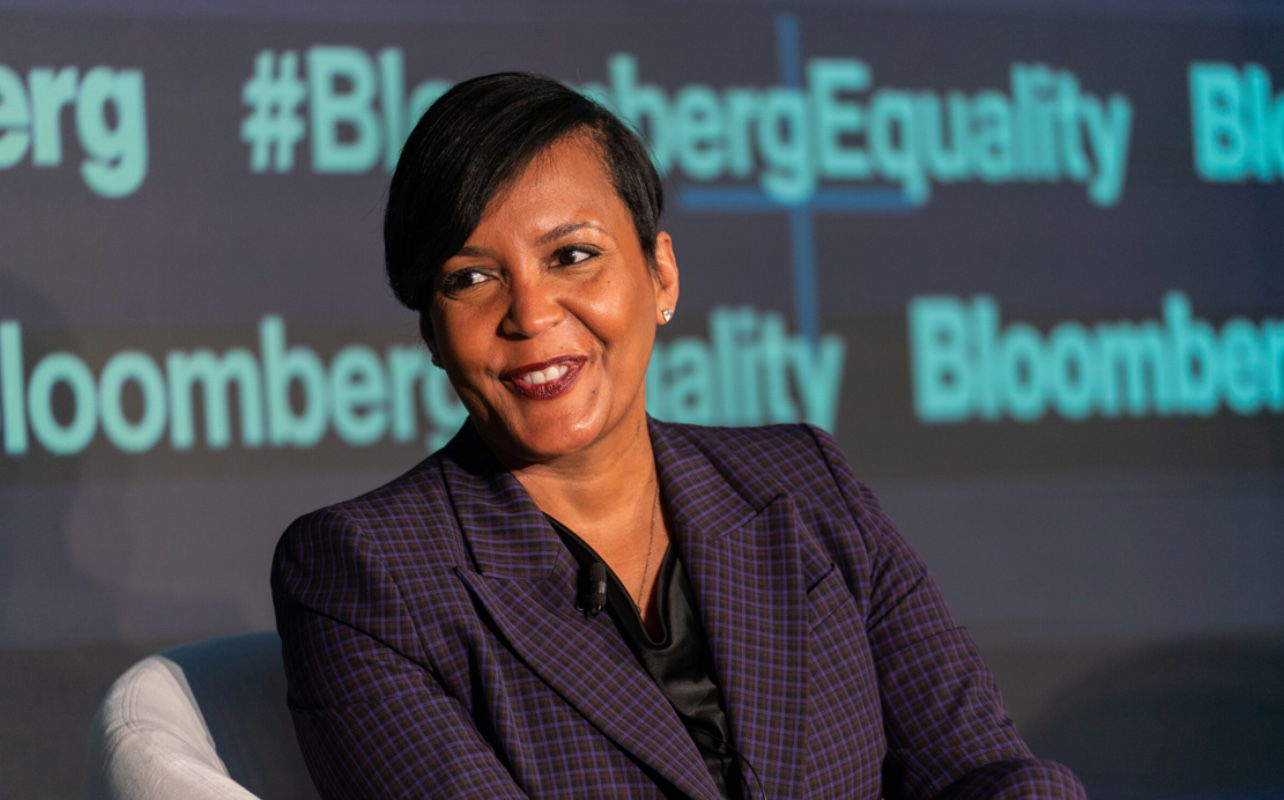
Keisha Lance Bottoms, mayor of Atlanta, smiles during the Bloomberg Equality Summit in New York, U.S., on Tuesday, March 22, 2022. The event convenes leaders to discuss the progress on pledges, policies and programs that are creating a more equitable workplace and society. Photographer: Jeenah Moon/Bloomberg via Getty Images
Former Atlanta Mayor Keisha Lance Bottoms Gears Up To Run For Governor Of Georgia
Bottoms previously hinted at her return to Georgia politics.
Keisha Lance Bottoms, who previously served as mayor of Atlanta, expects to announce her campaign for governor of Georgia.
The former city leader had hinted at becoming a contender for the gubernatorial race, exploring the bid alongside other notable state politicians such as Rep. Lucy McBath. Bottoms confirmed in a new statement that she will probably announce her run “soon.”
“Dr. Martin Luther King, Jr. reminded us that there is a ‘fierce urgency of now,’” Bottoms said, as reported byThe Atlanta Voice. “For the people of Georgia, that includes having leaders who aren’t blindly following Trump off of a moral and economic cliff but are focused on the pressing needs in our communities. I have previously publicly shared that I was seriously considering a run for governor and expect to make a formal announcement soon.”
Bottoms also confirmed her intentions to 11Alive on a special local holiday, 404 Day, which took place on April 4 to commemorate the Atlanta area code. She will “seriously consider” a run, but has not specified a date for when she will formally launch the campaign.
During Bottoms’ stint as the second Black woman Mayor elected in Atlanta history, she championed affordable housing while advocating for social issues such as immigration and LGBTQ+ rights. During Trump’s first term, she reiterated that Atlanta would not follow his executive orders regarding ICE detainment and deportations. She notably did not seek re-election for the role.
Bottoms’ pre-announcement puts her among the bigger names among the Democrats eyeing the position. McBath’s exploratory bid also made her one of the frontrunners for the Democratic primary. However, she had to bow out of her potential run due to her husband’s cancer treatment. Those reportedly exploring runs include Jason Carter, a former state senator and grandson of President Jimmy Carter, and Stacey Abrams, the Democratic gubernatorial nominee in the last two elections.
Bottoms made headlines recently for emphasizing how she resigned from her White House advisory role upon President Donald Trump assuming office. She affirmed that she left the President’s Export Council a day before Trump’s own declaration that he fired her and others from the positions.
Georgia has been notably purple at the federal level, but has not elected a Democratic governor since Roy Barnes in 1999. Although the state went red during the general election, many hope to turn the state blue with a heavy focus on its Black voter turnout.
Many eyes will be on the Georgia races taking place in 2026, including a highly-coveted congressional race to fill Sen. Jon Ossoff’s seat. Ossoff is also expected to run for reelection.
DEEP BREATHS: Deep breathing activates the parasympathetic nervous system, which decreases the heart rate and blood pressure and calms the body, thereby relieving stress. Also, it decreases cortisol levels, which in turn, helps one get rid of anxiety and also assists in mood. Research indicates that it improves emotional regulation and contributes to cardiovascular health. Deep breathing is a quick and accessible approach that can be done anywhere and is another way to manage stress effectively.
(Image: iStock / PixelsEffect)
self-care isn’t something you take out the toolbox and return after a few hours of use
April 5 was National Self-Care Day and it is never too late to share a vital reminder for African Americans to think about ways to implement self care each and every day. In fact, self-care isn’t something you take out the toolbox and return after a few hours of use. Self-care doesn’t have to be just a short break or rest to address emotional healing or personal development. It can be incorporated into our lives as a lifestyle. To help you out with this journey, here are 8 authentic and practical tips to cultivate love, compassion, and self-care daily.
Meditation/Mindfulness
(Image: iStock / PixelsEffect)
Meditation and mindfulness are self-care techniques which are valuable for learning to slow down, reduce stress, and be present. Meditation is the concentration of the mind, often focusing on the breath, or a mantra; while mindfulness is the state of being fully aware of the moment without judgment. These can be practiced in just a couple of minutes per day and will benefit your mental and emotional health.
Pamper Yourself With A Bathing Routine
Getty Images A beautiful woman perches on the side of an elegant red roll top bathtub, and waits for it to fill up. She wears a silky robe. Light floods through the window, backlighting the relaxing scene and giving it a dreamy vibe.
The act of soaking in a bathtub is one of the most effective means of self-care because it includes physical, emotional, and hygienic wellness. Bathing is a calming ritual that allows you to decompress and be present with yourself in the moment.
Journal Your Thoughts
(Photo: iStock/LaylaBird)
The act of journaling is not just a way to recapture moments, but also a great form of self-care that provides emotional release, mental clarity, and stress relief. The technique frees your mental space through listing worries, swimming emotions, and scattered thoughts. It even brings you to new destinations by showing some patterns and beliefs that you never noticed before.
Enjoy Nature
Getty Images
Indulging in nature is a widely practiced self-care technique that restores mental, physical, and emotional balance. The outdoors improve your mental focus and that helps restore a good state of mind. Getting outside is a healthy way to decrease blood pressure. It is an avenue for artistic inspiration and contemplation, offering a space to breathe out and restore to your factory settings. All in all, nature is a good, inexpensive, and simple option.
Unplug From Social Media
Social media and digital online concept, woman using smartphone and show technology icon.
Disconnection from social media is a kind of self-care because it favors mental consciousness, Nixing social media allows time to spend on other meaningful activities. It enhances sleep and it also helps to build relationships that are deeper and more genuine. On the emotional side, it promotes balance, by removing repetitive triggers , and it reaffirms the healthy limits that focus on your well-being.
Enjoy A Healthy Comfort Meal
Close up of man in his 20s making dinner, squeezing lemon on pasta dish, hands only, healthy eating, healthy lifestyle, cooking
Meals are not only a source of energy for your body but also a healer for your soul. Cooking and eating a comfort meal is believed to be self-care because of the sensory experience engaged in the moment. Including healthy options ups the ante. Consider a charcuterie board, fun fruit salad, or nutritious, rich meal.
Surround Yourself With Positive Affirmations
Photo by Carol Yepes/Getty Images
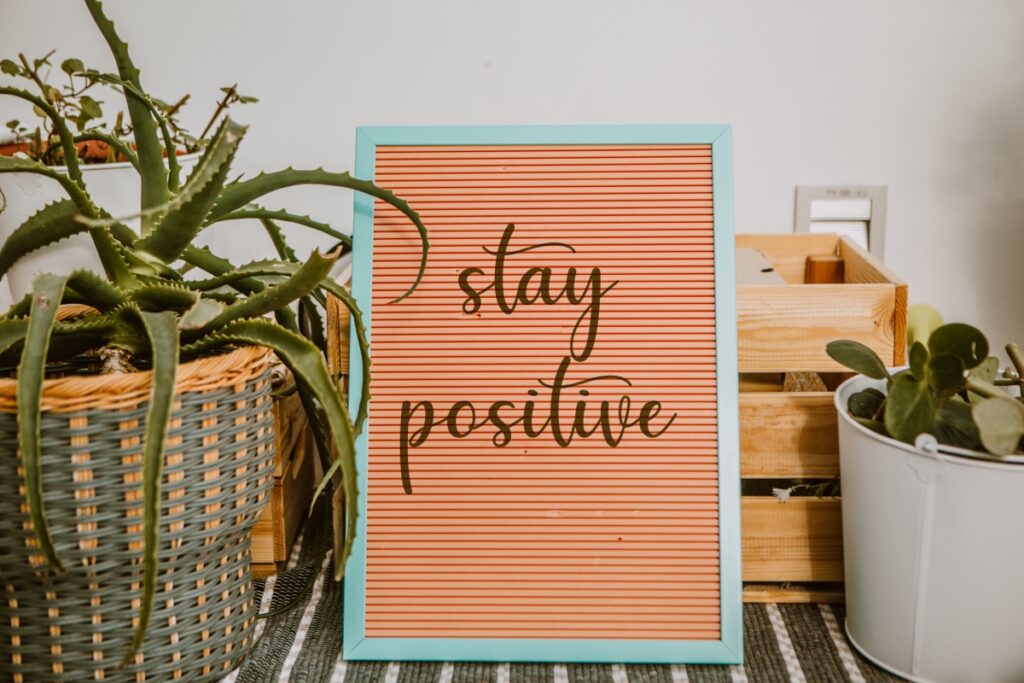
Keeping positive affirmations around is an accessible way to tap into self-care. Positive affirmations contribute to making our inner dialogue a more encouraging and supportive conversation. Consuming positive affirmations regularly can transform your mood, recast negative thoughts, and cultivate an emotionally safe environment. Affirmations are a good way to improve your mental health because they give you the power to believe in your own strengths and growth. Seeing them every day on mirrors, phones, or notebooks is a way to keep reminding you of your self worth.
Read Empowering Books
(Photo: Jeffrey Greenberg/Universal Images Group via Getty Images)
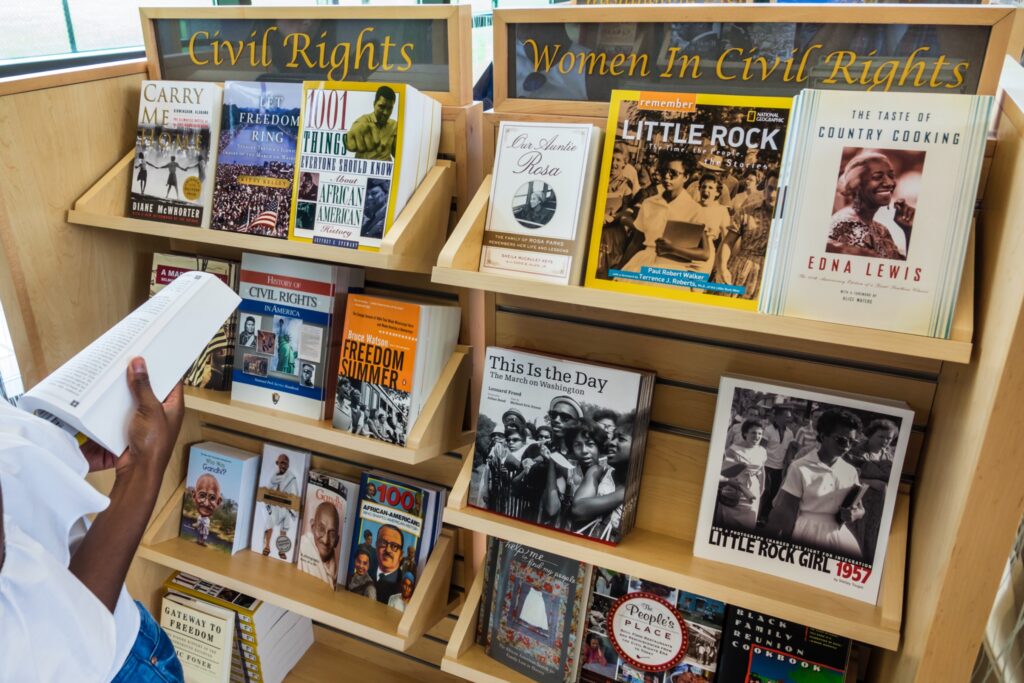
Reading — and even listening — to motivational books is a significant self-care practice, as it stimulates mental and emotional well-being. Reading books that empower also helps change the attitudes toward oneself and teaches self-compassion. Empowering books offer comforting and reassuring messages that can change negative thinking patterns. They are, therefore, a substantial part of any self-care regimen.
Pastor Keion Henderson And First Lady Shaunie Offer Healing And Restoration To ‘Cry Out Con’ Attendees
Cry Out Con is coming to the George R. Brown Convention Center.
Pastor Keion Henderson and First Lady Shaunie Henderson are hosting Cry Out Con for the third consecutive year in Houston from May 1-3. The four-day event will feature nontraditional guests, women’s workshops, and sermons from notable speakers.
Pastor Keion and Shaunie took a moment away from organizing the conference to sit down with BLACK ENTERPRISE to discuss their hopes for spiritual restoration, their inclusive lineup of guests, and navigating marriage and business.
Courtesy of Lighthouse Church
BLACK ENTERPRISE: Can we talk about how Cry Out Con began? What spiritual need led to the idea?
Pastor Keion: I was in a bad space. Pastor Mathew Stevenson stood in the pulpit and spoke about the children of Israel. He said God didn’t bring them out of the wilderness until they cried out. It was like electricity hit my body. I stood right where I was and started to cry out.
I had three staff members with me. I called them over and said, “That’s what we’re going to do.”
The conference includes family therapists and relationship experts. What need are you addressing with that?
Pastor Keion: We recognize a deficit in our community when it comes to emotional and relational health. And that’s not an accident — it’s part of a wider system.
Is there a message at Cry Out Con that people can take into their personal relationships to begin healing?
First Lady Shaunie: More than half the room will be women. That’s just church, right? It was only right to create moments where we speak directly to them.
There’s so much healing we need. Our women’s panel is focused on healing everything from parenting to relationships, finances, self-care, and faith.
Courtesy of Lighthouse Church
This year, you’ve chosen men who aren’t necessarily clergy, like D.C. Young Fly and Deion Sanders. What about their spiritual journeys led you to include them?
Pastor Keion: We can’t win the world if the only people speaking to them come from the church.
I think both Deion and D.C. would disagree that they’re not “of the cloth.” Deion will tell you he is a man of God who coaches football, not a football coach who speaks about God. It’s important to recognize that the cloth is represented not just in pulpits but on football fields, in comedy clubs —wherever people are.
You’ve both been public figures for a long time. You’re married, and you’re in a business partnership. How do you navigate that and stay grounded?
First Lady Shaunie: If you had asked me when we first got married, I’d have said, “Oh, it’s easy.” But it gets complicated — until you acknowledge that it’s complicated. Once you acknowledge it and figure out a system that works, then it flows.
Pastor Keion: I’d add that she’s the boss of her, I’m the boss of me, and together we run the family.
When I married my wife, she was an individual with a functioning business, a skill set, and a family mantra. At no point did I believe marriage to me meant the release of her history. I had to embrace it, and she did the same for me.
As a facilitator of Cry Out Con, do you also feel spiritually fed?
Pastor Keion: My destiny is to help you find yours. I am absolutely fed by the fact that people come to this conference and leave empowered, engaged, and informed.
I’m excited about the transformation I anticipate, because I’ve seen it before. I know I’ll see it again.
First Lady Shaunie: Sometimes being fed is simply knowing you helped someone. If the experience resonates with just one person and makes them one percent better, then I’m fed.
Both Hendersons will lead multiple workshops and sermons. Joining this year’s lineup are some of the foremost voices in ministry, including Evangelist LaTrice Ryan, Lacy Tezino, Steven Speaks, Jordan Welch, Kirk Franklin, Pastor Jerry Flowers Jr., and Minister Vincent A. Casey Sr.
Caribbean Under Siege: Is Paradise Lost For American Tourists Amid Rising Violence?
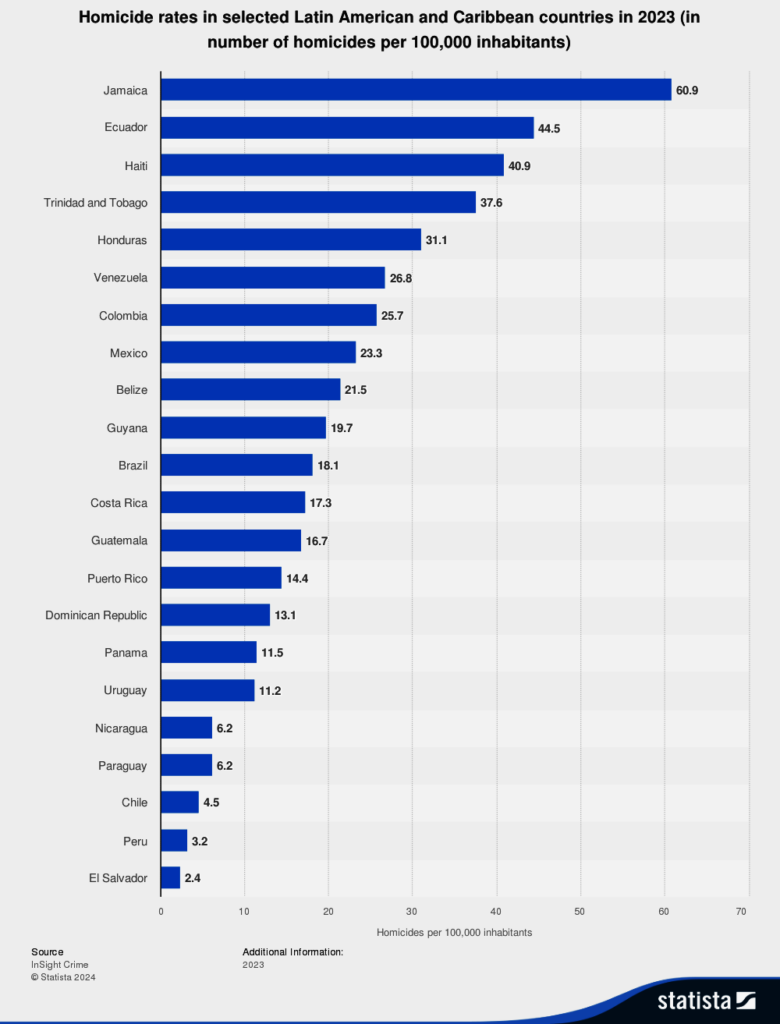
As noted in a 2024 report by the International Monetary Fund (IMF), LAC holds a disproportionate share of global homicides, accounting for 29% despite representing only 8% of the world’s population.
The Caribbean, once a beacon of tranquil escapes for American tourists, is now grappling with a rising tide of violence, casting a long shadow over its idyllic image. From the once-serene beaches of Turks and Caicos to the vibrant streets of Jamaica, the bustling metropolis of Trinidad and Tobago, and the popular resorts of the Dominican Republic, the region’s escalating crime is raising serious concerns about the safety of American visitors.
Recent tragic incidents, such as the killing of Cook County sheriff’s deputy Shamone Duncan in Turks and Caicos and the brutal murder of retired American nurse Luris Murray in Jamaica, underscore the indiscriminate nature of this violence. These events and alarming travel advisories issued by the U.S. Department of State reveal a region struggling with a complex and deeply concerning crisis.
Turks and Caicos: A Stark Wake-Up Call
The killing of Shamone Duncan in Turks and Caicos, a popular tourist destination, sent shockwaves through the region. Duncan, vacationing for her sister’s birthday, was killed by a stray bullet during a shooting at a restaurant. This incident, occurring in a seemingly safe tourist area, highlights the unpredictable nature of violence and the vulnerability of visitors. The U.S. Department of State’s Level 2 travel advisory for Turks and Caicos underscores the need for increased caution due to crime, particularly in Providenciales. The advisory also emphasizes the strict enforcement of firearm laws, with travelers facing arrest, jail time, and heavy fines for even unintentional possession of ammunition.
Jamaica: A Troubling Trend
Jamaica, another popular destination, is facing a more pervasive problem. The brutal murder of Luris Murray, a retired American nurse who returned to Jamaica seeking a peaceful retirement, has reignited fears among the diaspora about the dangers of returning to the island. Murray was sexually assaulted and murdered in her home, highlighting the vulnerability of returning residents and the challenges in ensuring their safety. The U.S. Department of State’s Level 3 travel advisory for Jamaica urges Americans to reconsider travel due to crime, particularly violent crime, which occurs throughout the island. The advisory also warns of inadequate healthcare services and the potential for slow or unsatisfactory responses to criminal incidents.
Trinidad and Tobago: A State of Emergency
Trinidad and Tobago is grappling with a state of emergency declared due to escalating gang violence. The surge in killings, often linked to the drug trade, has prompted the government to implement stringent measures, including warrantless searches and arrests. The U.S. Department of State’s Level 3 travel advisory for Trinidad and Tobago warns of serious risks from crime, including murder, robbery, assault, sexual assault, home invasions, and kidnappings. The advisory also highlights the risk of terrorist attacks and other activity, urging Americans to exercise extreme caution.
Dominican Republic: Resort Safety Questioned
The Dominican Republic, a major tourist hub, is also facing increasing concerns about crime. The U.S. Department of State’s Level 2 travel advisory highlights the prevalence of violent crime, including armed robbery, homicide, and sexual assault. Reports of U.S. citizens being robbed and sexually assaulted, sometimes after being drugged, even within resort settings, have raised particular alarm. A U.S. woman’s account of being drugged and sexually assaulted at a resort underscores the vulnerability even in seemingly secure tourist locations. While resort areas generally experience lower crime rates than metropolitan areas like Santo Domingo, travelers are still advised to exercise caution and avoid risky situations.
A Regional Crisis: Interconnected Violence and Destabilization
The violence affecting these diverse Caribbean nations is not isolated; it reflects a broader trend across Latin America and the Caribbean (LAC). This regional interconnectedness highlights the complex web of factors contributing to the crisis. As noted in a 2024 report by the International Monetary Fund (IMF), LAC holds a disproportionate share of global homicides, accounting for 29% despite representing only 8% of the world’s population. This concentration of violence stems from deep-seated issues that transcend national borders, including transnational criminal networks involved in drug trafficking and arms smuggling. The Caribbean’s strategic location along major drug trafficking routes makes it particularly vulnerable to the spillover effects of this illicit trade.
Furthermore, the region’s porous borders and shared cultural and social ties facilitate the movement of criminals and the spread of gang violence. The destabilizing effect of this violence is not limited to crime statistics; it also undermines democratic institutions, erodes public trust, and hinders economic development across the region. As documented by the United Nations Office on Drugs and Crime (UNODC), the proliferation of firearms, often sourced from outside the area, exacerbates the violence and fuels gang conflicts.
Root Causes and Economic Impact: A Cycle of Despair
The IMF identifies various historical, economic, social, and political factors driving the region’s violence. The historical legacies of colonialism, slavery, and political instability have created a climate of impunity and weak governance. Economic inequality, with staggering wealth disparities, fuels desperation and drives individuals toward illicit activities. Organized crime, drug cartels, and gang violence perpetuate instability, while social challenges, such as high youth unemployment and limited access to education, compound the problem. The economic ramifications are significant. The Inter-American Development Bank (IDB) estimates that the direct costs of crime and violence in LAC reached 3.44% of the GDP in 2022, with the Caribbean bearing the highest-burden at 3.83%. This economic drain impacts human capital, public-sector spending, and private-sector investments. Rising homicide rates deter tourists, harming economies heavily reliant on tourism revenue. Businesses face increased costs and reduced productivity, and the region experiences a loss of human capital due to emigration. Furthermore, research from the World Bank Group has demonstrated a clear correlation between violence reduction and economic growth, indicating that addressing the root causes of violence is not only a moral imperative but also an economic necessity.
A Call for Action: Collaborative Strategies for Sustainable Solutions
Addressing this multifaceted crisis requires a comprehensive, multi-pronged approach. Prevention, evidence-based policies, and interventions that target the root causes of violence are essential. Collaboration between governments, international organizations, and local communities is crucial to creating safer environments. The partnership also includes strengthening law enforcement and judicial systems, investing in social programs that address inequality and youth unemployment, and implementing community-based violence prevention initiatives. Moreover, regional cooperation is vital to combat transnational criminal networks and stem the flow of illicit firearms. As outlined in reports from the Organization of American States (OAS), addressing the root causes of violence requires a holistic approach that tackles poverty, inequality, and social exclusion. American tourists’ safety and the Caribbean’s economic well-being depend on the region’s ability to confront this crisis head-on and implement sustainable solutions that foster peace, security, and prosperity.
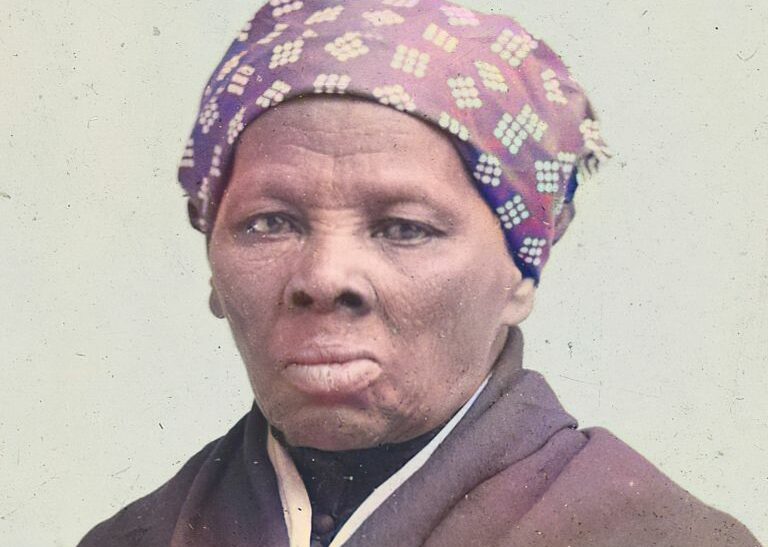
Pressured By Trump, Park Service Rewrites Underground Railroad Story, Downplays Slavery And Harriet Tubman
Changes to National Park Service narrative aim to erase the harsh realities of slavery and the pivotal role of Harriet Tubman, sparking backlash from historians.
The National Park Service, an agency charged with preserving history as it happened, has been changing how it depicts events ranging from the enslavement of Black people to Jim Crow by the wishes of the Trump administration.
According to The Washington Post, the National Park Service previously introduced the Underground Railroad by keeping its focus on the unjust enslavement of Black people in the United States of America as well as perhaps its most famous and recognizable “conductor,” Harriet Tubman.
Since Trump took office in January and immediately sought to eliminate diversity, equity, and inclusion from the federal government, that depiction has undergone quite a facelift.
Instead of focusing on Tubman and slavery, the National Park Service appears to have engaged in what’s being called a form of sanitizing American history by removing the proper context of the Underground Railroad. It refers to it as “one of the most significant expressions of the American civil rights movement,” which “bridged the divides of race.”
According to Andrew Diemer, a professor at Towson University and the author of a book on one of the founders of the Underground Railroad, these changes and several others on the National Park Service website severely downplay the “legal and political forces” that were aimed at Black Americans at the time.
He continued, “Overall, the revisions seek to emphasize ‘harmony’ and ‘unity’ and to de-emphasize conflict in a way that is out of step with how historians have written about the Underground Railroad in recent decades.”
Greg Downs, a specialist in Civil War history and a professor at the University of California at Davis, indicated that the changes amounted to a significant retelling of American history.
“A country that cannot tell the truth about itself cannot assess what has led it to moments of greatness in the past and what could lead it again to greatness, Downs told the Post.
Similarly, Shawn Leigh Alexander, a W.E.B. DuBois biographer and professor at the University of Kansas, said that the changes, taken together, would lead people to conclude racism did not need to be confronted during this period in American society.
“Although these changes may appear inconsequential to some, they collectively contribute to the erasure of the historical narrative of Black struggle for civil, political, and economic rights, which continues to this day,” Alexander told the Post.
Notably, according to the Post‘s reporting, these changes were not instituted wholesale from the top down but through low-level employees.
One anonymous employee, who said they feared losing their job if they had not complied, put it, “You draw as broad a brush as possible, because the consequences of missing something are a lot more severe than the consequences of doing too much.”
Baltimore Sues FanDuel And DraftKings For The ‘Exploitation Of Disordered Gamblers’
The city of Baltimore is going after DraftKings and FanDuel for allegedly exploiting vulnerable gamblers.
The City of Baltimore filed a lawsuit against DraftKings and FanDuel on April 4, accusing the two sportsbooks of exploiting “disordered gamblers.”
The complaint, filed in Baltimore City Circuit Court on behalf of Mayor Brandon Scott and the Baltimore City Council, accuses the companies of using misleading promotions to lure vulnerable bettors, ESPN reports. The lawsuit states that FanDuel and DraftKings exploit data and analytics to keep problem gamblers wagering—actions the city claims violate its Consumer Protection Ordinance.
“These companies are engaging in shady practices, and the people of our city are literally paying the price,” Baltimore Mayor Brandon Scott said in a statement. “DraftKings and FanDuel have specifically targeted our most vulnerable residents–including those struggling with gambling disorders–and have caused significant harm as a result. This lawsuit is a critical step to hold them accountable and protect all Baltimoreans.”
According to the complaint, the companies attract new users by offering bonus bets—credits that can only be used on their platforms within seven days—as sign-up incentives. These bonuses push users to place frequent bets early on.
“First, Defendants get Baltimoreans in the door with the promise of ‘bonus bets,’ or other similarly named promotions, designed to induce Baltimoreans to bet,” the lawsuit states.
The bonuses are often loaded with fine print containing “complex terms and conditions,” the suit said.
“Defendants are not interested in people merely dipping their toes in the water: They want bettors to bet, in significant amounts, over and over,” the lawsuit reads. “Some get hooked, and that’s the point.”
Maryland is home to 11 licensed online sportsbooks, with FanDuel and DraftKings “consistently leading the pack,” the complaint states. In January 2025 alone, bettors placed $278.5 million in wagers on FanDuel and $178.9 million on DraftKings.
The lawsuit seeks unspecified statutory penalties and an injunction requiring the defendants to stop targeting and exploiting problem gamblers and overhaul their platforms’ “exploitative” features.
How To Protect Your 401(k) As Trump Tariffs Spark Stock Market Crashes
Although the stock market plunge has many eager to pull from their 401(k)s, some financial experts suggest the contrary.
As Trump’s tariff plans launch a trade war and a plunge in the stock market, safeguarding one’s finances remains the priority.
Trump’s tariffs across continents have led to a free-fall in the markets, with investors seeing the S&P 500 and Dow reach new levels in the red. The benchmark S&P 500 index lost over 300 points when the markets closed on April 4.
Amid the stock market crashing and the ongoing “recession indicators,” retirement funds remain vulnerable to a significant dip. This uncertainty can lead many people to think they should pull their money out of their 401(k) accounts.
However, financial advisors suggest that this may not be the right play and that a rushed move could result in an even worse outcome. Advisors shared with Fortune that investors should tread away from the panicked frenzy and ride out their investments until the market waters calm.
“Resist the urge to shift out of stocks entirely,” Christine Benz, a director of personal finance and retirement planning for Morningstar, a financial markets research firm. “Such a move could buy you some short-term relief, but it will soon be replaced by another nagging worry: Is it time to get back in?”
For young professionals who are not near retirement age, risk management experts think that the stock market is still their oyster. Taking advantage of lower prices now could lead to bigger gains in the long term.
“When you are in your 20s, that’s the most time you have until retirement that your money can grow,” explained Mark Williams, a risk-management practitioner and lecturer at Boston University, to Yahoo Finance. “It’s really the best time to invest in stocks.”
Given one may have decades of paying into their 401(k), leaving it alone will offer recovery time from the turbulent market. Moreover, pulling out funds usually comes with an early withdrawal penalty for those younger than 59 and a half.
For Williams, a retirement account should be stored away in the back of someone’s mind, as daily worries about the ebbs and flows will take away from the long-term satisfaction.
“Market drops test investor resolve,” he said. “It is counterproductive to look at your retirement account daily. Instead, view your investments as part of a long-term strategy that will overcome market corrections, grow and support retirement.”
Experts think placing funds in conservative investments may yield better results for those a little closer to retirement, especially in crunch time. Backing out of the more shaky indexes for bonds and cash will help those on their way out of the workforce.
“I would still say they should be saving. Should they be investing in an S&P 500 index? Maybe not,” suggested Sarah Behr, a registered investment advisor. “Say you’re 63 and plan to retire in five years. You should already be shifting to more conservative investments.”
However, if one still feels shaky about their heavily U.S.-based investments, another advisor suggests looking into international stocks. Maintaining diverse stocks in an investment portfolio ensures a country’s holdings won’t result in record-breaking 401(k) lows.
“There is no way to go back and change your portfolio in the past, you can only plan how to manage it in the future,” says Stephen Kates, a certified financial planner and financial analyst at Bankrate. “Invested money should never be at risk of needing to be withdrawn in the short term. Investors with ample time to stay invested should remember how lucrative patience has been over the last 15 years.”
Other tips include converting one’s traditional IRA to a Roth IRA to pay taxes when the balance is smaller and using buffer ETFs to limit losses. However, a huge proponent of mitigating risk while a trade war and recession feel imminent is to spend conservatively. Even if one’s 401(k) remains untouched, tightening a budget can help keep one afloat amid economic uncertainty.
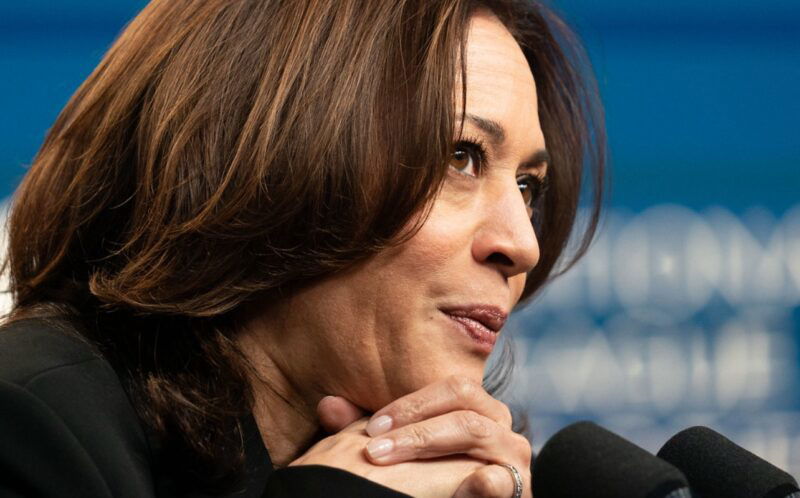
‘Should We Do A Recount?’: Kamala Harris Allegedly Questioned 2024 Election Results, New Book Claims
According to the book, "Fight: Inside the Wildest Battle for the White House," Harris was "completely shocked" at her loss.
A new book from NBC News political reporter Jonathan Allen and Amie Parnes, a senior political correspondent for The Hill, entitled “Fight: Inside the Wildest Battle for the White House,” tells the story of the 2024 election and describes a Democratic Party rife with its share of disagreement and disarray.
According to The Guardian‘s review of the book, the pair’s sourcing is solid, their writing about the campaign and its lead-up is sober, and their message is also unmistakably clear: Biden’s reelection campaign and his selection of Kamala Harris were viewed as a mistake. The book also claims that former President Barack Obama never held much faith in either Harris or Biden for different reasons.
“The 44th president never had much faith in [the] political ability” of his former vice-president, Parnes and Allen write in the book. “Less than two weeks earlier, at [a] Los Angeles fundraiser, Obama led Biden offstage by the wrist after the president stood frozen for a few moments while staring into the crowd.”
They continued, “Obama already had determined that he didn’t think Harris should take the president’s spot on the ballot. That was his position from the outset, according to one person who spoke to him at the time.”
In an interview on an April 3 episode of The Ringer’s podcast, “Somebody’s Gotta Win with Tara Palmeri,” Parnes told the host that Harris and her running mate Tim Walz were shocked that they lost the election to Donald Trump.
“She was completely shocked, and [Harris’ running mate] Tim Walz was shocked,” Parnes.
Parnes also said, “He has no words. And people are kind of explaining to him, same thing with her. And she’s like, are you sure? Have we done a recount? Should we do a recount?”
She continued, “They thought that they were going to win. And so, you know, when they come back now and say, ‘Oh, no, we didn’t really have a chance.’ No, that’s not what they were thinking. They thought they were going to win.”
According to Allen, Obama had doubts that Harris could defeat Trump, and, as he told MSNBC, his efforts to create a mini-primary or an open convention ended up working against her.
“He didn’t think that she was the best choice for Democrats, and he worked really behind the scenes for a long time to try to have a mini-primary, or an open convention, or a mini-primary leading to an open convention, did not have faith in her ability to win the election,” Parnes’ co-author Jonathan Allen told MSNBC on April 1.
“As it turned out, she didn’t win, but he was really working against her,” he added.
Parnes, meanwhile, told The Ringer that Harris allegedly “bought the hype” concerning her chances of winning the election.
“Kamala Harris was looking at her crowd size, and they felt like the vibe was strong, and people were saying, ‘Oh, we have more boots on the ground. We’re doing better in fundraising,‘” Parnes said on the podcast. “And she bought all of that. She bought the hype, and so did a lot of people in the campaign.”
In a conversation with Vanity Fair, the authors stopped short of calling attempts to hide aspects of Biden’s deficits a cover-up. They did, however, describe Democratic leadership that, in their estimation, failed to meet the urgency of the moment.
“What we saw was a lot of bad decision-making and, perhaps at the very top, people putting their own interests, and what they believed were Joe Biden’s interests, above the interests of the Democratic Party and the country. And so that’s a failure. That’s a moral failure, but maybe not a criminal one, which is what the term cover-up sort of implies, a criminal conspiracy, and we didn’t reach that threshold,” Allen told the outlet.