Chance The Rapper’s Relationship with Streaming Toppled Grammy Award Rules
How the first independent artist to win 3 Grammy Awards influenced an industry institution!
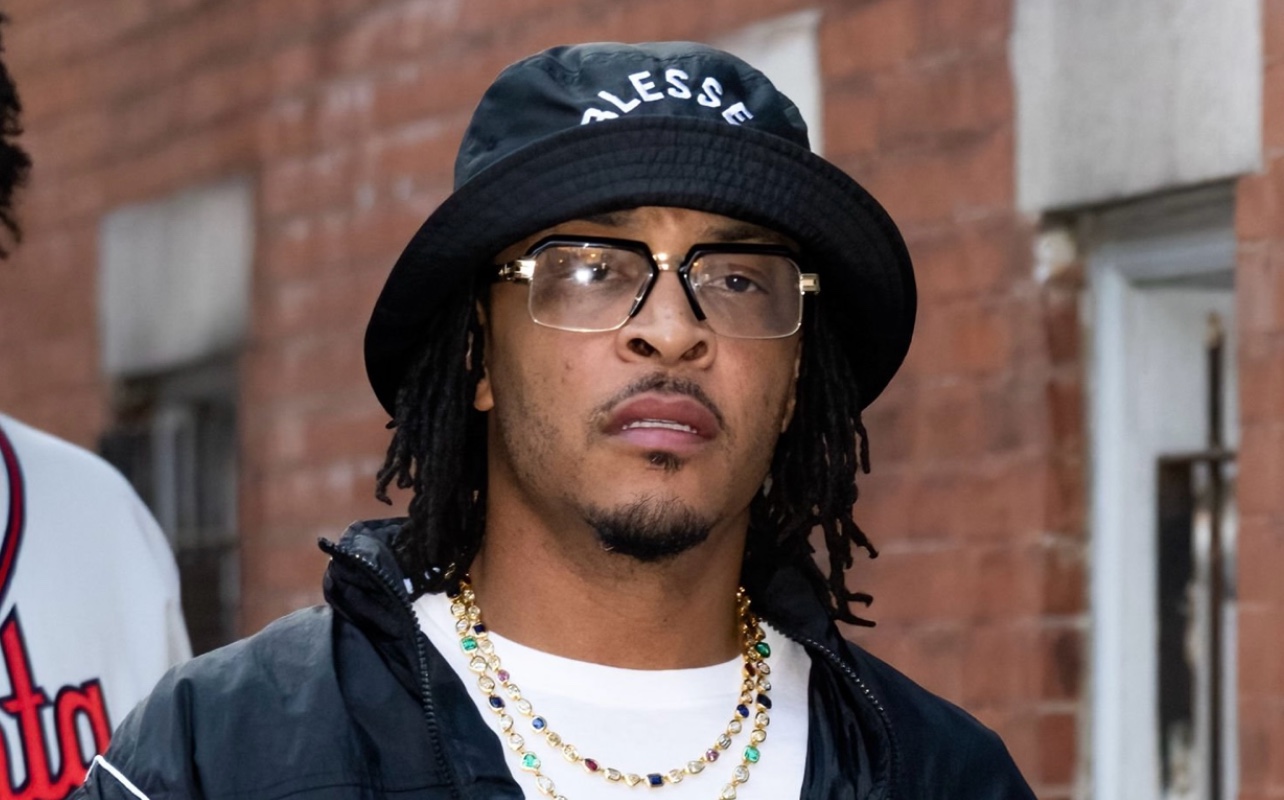
Chance the Rapper was the first artist to win three Grammy Awards who was not signed by a major record label. And while there were loopholes and offers to get his early music nominated, Chance rejected the proposals because it went against his mission to keep his music free to the public. He says his relationship with streaming was key. In his conversation with BLACK ENTERPRISE CEO Earl “Butch” Graves, Jr., for XCEL Summit for Men, Chance the Rapper revealed a side of himself that very few people see. He explained that he challenged the Grammy rules because he believed in himself and his path, despite the challenges against him. And in the end — he won. In fact, Chance believes he influenced the Grammy’s rule change that now allows other independent artists the opportunity to be nominated without selling a single song. Take a look.
Project B Disrupts Women’s Basketball With Equity, Ownership, and Black Women Board Leadership
A global basketball league is redefining athlete equity and corporate governance for Black women in the sports economy.
Women’s basketball is seeing record viewership, valuation increases, and major global investment. The 2023 NCAA women’s basketball championship drew over 9 million viewers, breaking records. WNBA games have a 20% year-over-year ratings increase this season. Franchise valuations have surged, with some teams valued at more than $100 million. The most significant changes are happening off the court, where equity and governance structures are being redefined in executive boardrooms.
Project B, an elite, athlete-owned basketball circuit modeled on a grand prix format, marks a pivotal change in an industry where Black women have long contributed significant labor and cultural value without proportional ownership or executive authority. By placing Black female leaders in core governance roles and granting players direct equity, Project B offers a strong model for financial empowerment in the global sports economy.
Women's basketball is growing. Ownership hasn't kept up. Project B is creating a new model centered on women, specifically Black women, athlete ownership, and equity. My latest for @Forbes@ForbesSports ⬇️⁰https://t.co/CX27LRUNWk
— Dr. Allison Smith (@allisonbsmith15) July 22, 2026
Redefining Corporate and Sports Governance
According to McKinsey & Company, Black women hold only 7% of C-suite roles nationwide. The gap also exists in professional sports, where majority ownership remains predominantly white and male.
Project B intentionally moves away from traditional structures. Led by former WNBA champion and Chief Basketball Officer Alana Beard and co-founder Grady Burnett, the league has formed a predominantly female board of investors with accomplished corporate leaders. The governance team includes Robin Washington, board director at Alphabet and Salesforce, Merline Saintil, co-founder of Black Women on Boards, and sports icons such as Candace Parker and Grand Slam tennis champion Sloane Stephens.
Transforming Athletes into Equity Stakeholders
Project B features an athlete-investor model allowing players to earn multiyear equity stakes alongside competitive compensation. Equity is awarded based on tenure, participation, and individual performance milestones, with shares vesting incrementally over the term of their contracts. For example, athletes may receive an initial equity grant upon signing, with additional percentages vested each season as they meet criteria for games played or community involvement.
In a video feature, WNBA star Azzi Fudd explained that direct access to female board leaders offers valuable mentorship to expand her brand and ventures. Similarly, champion guard Jewell Loyd described her Project B investment strategy, showing how global tournament play and equity stakes support long-term financial empowerment.
A Tech-Driven Global Stage
Project B will operate as an international circuit, hosting two-week international tournaments from late 2026 through April 2027, in major cities such as Tokyo and Valencia. The league features a prominent international roster, including Jonquel Jones, Kamilla Cardoso, and Nneka Ogwumike.
Gee’s Bend Quilters Partner With Ralph Lauren For New Artist In-Residence Collab
The iconic fashion house is spotlighting the history and legacy of Alabama’s Gee’s Bend quiltmakers.
Ralph Lauren is spotlighting one of Black America’s most celebrated artistic traditions through a new collaboration with the legendary quilters of Gee’s Bend, Alabama.
For generations, the women of Gee’s Bend—a small Black community whose residents descend from enslaved people who worked a former Alabama plantation—have transformed discarded denim, work clothes, flour sacks, and fabric scraps into striking quilts now recognized as masterpieces of American art. Their work has appeared in the Whitney Museum of American Art and the Metropolitan Museum of Art.
“These quilts kept families warm when there wasn’t any heating in the house,” Pettway Charley told Fast Company. “They didn’t have money to buy new fabrics. So you think about the struggle, the hardship, and how they turned sorrow into something beautiful.”
Pettway Bennett also emphasized the importance of preserving the craft across generations. Referring to a red triangle stitched into one of her quilts, she explained, “That one red piece represents another bloodline that’s coming… Now it’s my turn to be the grandma. I am giving her a taste of what I had when I was growing up, passing down the legacy.”
The community is named after plantation owner Joseph Gee, who bought 6,000 acres of land in the area in 1816. Although the quilting practice began during slavery, Dinah Miller, who was captured in West Africa as a teenager and brought to Alabama in 1860, is often considered the mother of the movement, reports Wallpaper.
Gee’s Bend was later purchased in 1937 by the federal government, which allowed Black residents to buy back land through low-interest loans. Rev. Dr. Martin Luther King, Jr. also visited the historic community during the Civil Rights Movement in 1965 after ferry services were terminated to prevent inhabitants from voting.
In addition to celebrating Black craftsmanship, the Ralph Lauren x Gee’s Bend collection will support the Equal Justice Initiative’s hunger relief and direct assistance programs benefiting low-income families throughout Alabama, including Gee’s Bend. The collaboration also represents overdue recognition of Black cultural traditions that have historically been used as inspiration and even appropriated by luxury fashion labels. By placing Gee’s Bend artisans at the center of the collection, Ralph Lauren acknowledges the economic value of Black craftsmanship while helping preserve an artistic legacy that continues to influence American design.
Melanated Moments: July Was Filled With Vibes And Vision
Peep these events that went down in Atlanta and New Orleans.
The month of July rolled in, bringing heatwaves for much of the country. However, steamy weather and rainstorms didn’t put a damper on the following events. Peep these melanated moments from New Orleans to Atlanta.
Essence Festival of Culture
Shine City, the festival’s largest interactive activation to date, went down at the Ernest N. Morial Convention Center. Festival-goers got to experience music, wellness, entrepreneurship, and meaningful community connection.
Global Black Economic Forum
This powerful forum brought the panel, “Sistas, Say It Louder: Reclaiming Power, Pleasure, and Protection in Black Women’s Health,” an important discussion on the health of Black women to Essence Fest.
DUNKMAN
Shaquille O’Neal’s DUNKMAN, the world’s first professional dunk league, jumped off in Atlanta. The inaugural season of Dunkman showcases the world’s top dunkers competing for a $500,000 grand prize.
The White Dress Project
July is Fibroid Awareness Month. The 2026 Empowerment Experience ushered in a weekend-long initiative and theme around: “The Softness We Deserve: The Healing Power of Our Stories.” in support of those impacted by fibroids.
Processed with VSCO with a6pro presetProcessed with VSCO with j5 presetProcessed with VSCO with a6pro preset
Brooklyn Will Host NYC’s 1st Parade Dedicated To Jamaica
The free event will kickoff at Bob Marley Boulevard at the intersection of Church and Flatbush Ave.
Organizers say New York City will host its first parade dedicated exclusively to celebrating Jamaican heritage when the inaugural Jamaica Rising Day Parade steps off in Brooklyn Aug. 8, highlighting the borough’s deep ties to one of the nation’s largest Jamaican communities, PIX 11 reports.
The free event is scheduled to begin at 11 a.m. at Bob Marley Boulevard, located at the intersection of Church and Flatbush avenues, before proceeding north along Flatbush Avenue through central Brooklyn.
Organized by the Jamaica Rising Day Parade organization, the celebration is expected to draw thousands of attendees under the theme, “Jamaica Rising: One People. One Legacy. One Future.”
Participants will include cultural organizations, schools, churches, youth groups, elected officials, athletes, entertainers, and marching bands. Local vendors will also offer Jamaican food and other goods throughout the day.
Organizers say the parade is designed to recognize Jamaica’s cultural contributions while celebrating the history and influence of the Jamaican diaspora in New York City. Brooklyn is home to one of the largest Jamaican communities outside of Jamaica, making the borough a natural setting for the inaugural event.
The celebration comes as Jamaican communities around the world mark Jamaica’s independence, which the Caribbean nation gained from the United Kingdom Aug. 6, 1962. While New York City’s annual West Indian American Day Carnival has long celebrated the broader Caribbean community, organizers say the Jamaica Rising Day Parade is the first event in the city dedicated solely to Jamaican heritage.
The parade will transform a stretch of Flatbush Avenue into a showcase of Jamaica’s national colors — black, green, and gold — while highlighting the country’s music, food, traditions, and community organizations.
The Jamaica Rising Day Parade is free and open to the public.
Alcorn State University Professor Catches 32 Students Using AI Chatbots On Midterm
The discussion comes as colleges and universities continue to grapple with AI's growing role in the classroom.
A history professor at Alcorn State University is drawing national attention after a hidden prompt embedded in a summer midterm revealed that nearly every student across two classes relied on artificial intelligence to complete part of the assignment,Afrotech reports.
Dr. Jason Gibson, who teaches history at the Mississippi HBCU, said 32 of his 35 students failed a portion of their midterm after using AI to generate their responses without reviewing the final submissions.
The assignment asked students to compare the Industrial Revolution with the modern digital age. Unbeknownst to students, Gibson embedded the word “Madagascar” in white text within the essay prompt. Students who copied and pasted the instructions into an AI chatbot and submitted the generated responses without reviewing them unknowingly included the hidden word in their essays.
“Thirty-two of my 35 students between two classes failed a portion of their midterm because they all used AI to generate their entire response,” Gibson said in a TikTok video explaining the assignment. “Apparently, they didn’t proofread it.”
After grading the exams, Gibson showed students how the hidden text had been embedded in the prompt and invited anyone who believed they had been unfairly affected to appeal their grades.
One student’s score was later adjusted after she explained that her device’s dark mode prevented the hidden text from appearing on her screen, Gibson said.
While Gibson acknowledged that some instructors take satisfaction in catching students cheating, he said his goal was to encourage responsible AI use rather than punish students.
“I get no gratification out of seeing students fail,” he said. “It’s not my intent to see you fail.”
Gibson said the assignment was designed to demonstrate why AI-generated work should never be submitted without careful review.
“You would be amazed at the bizarre usage of the word ‘Madagascar’ that I saw in these students’ assignments,” he said. “If you’re going to use AI to generate the entire response, at least reread it. At least try to ensure that it makes a little bit of sense. Try to put it in your own words.”
Gibson’s videos have garnered millions of views across TikTok and other social media platforms, fueling debate over students’ reliance on AI and how colleges should respond.
The discussion comes as colleges and universities continue to grapple with AI’s growing role in the classroom. According to a February 2026 College Board survey of more than 3,000 faculty members, 74% of respondents said students use AI to draft essays or papers, while 67% reported students use the technology to rewrite or paraphrase text. Nearly half estimated that at least 50% of their students rely on AI for writing assignments.
“Faculty are navigating this critical transition, as AI rapidly expands in higher education,” Dr. Jessica Howell, the College Board’s vice president of research, said in a statement. “This research shows that faculty have serious concerns about AI’s impact on critical thinking, original writing, and academic integrity.”
Judge Orders Northwestern Mutual To Hand Over DEI Records In EEOC Probe
The ruling marks another legal test of corporate DEI programs as federal regulators increase scrutiny of workplace diversity policies
A federal judge has ordered Northwestern Mutual to comply with a U.S. Equal Employment Opportunity Commission subpoena seeking records related to the company’s diversity, equity, and inclusion initiatives, allowing the agency to continue investigating a workplace discrimination complaint, Bloomberg Law reports.
The July 30 ruling marks another legal test of corporate DEI programs as federal regulators increase scrutiny of workplace diversity policies and whether they comply with federal anti-discrimination law.
U.S. District Judge Brett H. Ludwig rejected the Milwaukee-based financial services company’s request to block the subpoena, finding the EEOC is entitled to information that could be relevant to its investigation. The court also approved a protective order designed to safeguard confidential employee information while allowing the agency to obtain the requested records.
The investigation stems from a discrimination complaint filed in March 2025 by a Northwestern Mutual employee who alleged he was denied a promotion because he is White and later faced retaliation after raising concerns about the company’s DEI initiatives. According to court filings, the employee contends the insurer’s diversity efforts improperly influenced promotion decisions.
The company argued the EEOC’s subpoena sought records that were overly broad and unrelated to the employee’s complaint. Ludwig disagreed, concluding the requested documents could be relevant to the agency’s investigation and ordering Northwestern Mutual to comply with the subpoena while preserving confidentiality protections for sensitive employee information.
The case comes as the EEOC, under Acting Chair Andrea Lucas, has stepped up scrutiny of corporate DEI programs following executive actions from the Trump administration aimed at eliminating what it describes as unlawful workplace preferences.
Ask for the Raise, or Start Looking? Run This Playbook First
When professionals decide they want to make more money, most assume there are only two options: ask for a raise or quit.
Career coach Joyel Crawford, the Fairygodmentor, says the raise conversation and the job search are both negotiations. Before you pick one, gather your evidence.
When professionals decide they want to make more money, most assume there are only two options: ask for a raise or quit. Career and leadership coach Joyel Crawford, the voice behind BLACK ENTERPRISE’s Ask Your Fairygodmentor column, starts her clients somewhere else, with a harder question. Has your value outgrown your paycheck, or has your workplace outgrown its willingness to pay for it?
The answer determines your next move. A raise conversation and a job search campaign are both negotiations. One happens with your current employer; the other happens in the marketplace. Before you commit to either, Crawford recommends three action steps.
Step 1: Conduct a value audit
Most people walk into salary conversations guarded and all in their feelings. What you need to walk in with is evidence. Or, as Crawford puts it, receipts. Ask yourself:
Have my responsibilities increased?
Am I performing work above my current level?
Have I improved the bottom line: led projects, improved processes, increased revenue, reduced costs, trained others?
When was my last significant pay increase?
Her tool for keeping those receipts current is a DIG folder, short for Damn, I’m Good: a running log of every measurable contribution from the last 12 to 18 months. If you can’t clearly articulate your value, your employer won’t be able to either.
“Your salary should reflect the value you create today, not the value of the person they hired several years ago.”
Step 2: Research your market value
Before asking for anything, do your homework. Research roles comparable to yours, current salary ranges, industry benchmarks, and compensation at competing companies. Many professionals discover they are underpaid only after seeing what other employers are offering.
The goal is sizing, not threatening. If the gap between your pay and the market is small, it may be negotiable internally. If it is large, changing employers may be the fastest path to higher earnings. Crawford is direct about the trade-off: it is admirable to be loyal, but blind loyalty can be expensive.
Step 3: Read the response, not just the answer
If you decide to ask, listen carefully to how leadership responds. A “not right now” is not always a no. Probe further: What would need to happen for a raise to be approved? What timeline should I expect? What measurable goals would justify an increase?
A healthy employer will explain a path forward. An unhealthy one will change the subject, move the goalposts, or expect you to keep doing more for the same pay, indefinitely. The conversation itself often tells you whether to stay or go. Sometimes, the most valuable thing you leave the room with is information.
You can do both
Crawford’s last piece of advice dissolves the either-or framing entirely. You don’t have to choose between asking for a raise and exploring new opportunities; the smartest professionals often do both. Gather your evidence, understand your market value, have the conversation, and let the response guide the decision.
Key takeaways
Keep a DIG folder: log every measurable win from the last 12 to 18 months before you need it.
Research comparable roles and ranges first; the size of the gap tells you whether to negotiate or move.
Judge the response, not just the answer: a healthy employer explains a path forward.
The goal is a career in which your compensation truly reflects your contributions. You’ve earned the right to know your worth and be paid accordingly. The question, Crawford reminds her readers, is whether your current employer agrees.
Source: Ask Your Fairygodmentor, BlackEnterprise.com.
Reputation, Not Resumes, May Unlock Better Career Opportunities
Her perspective comes as many mid-career employees report feeling stuck.
On the surface, earning another certification or graduate degree may seem like the logical solution for professionals whose careers have stalled. But career strategist Ilana Golan argues that experienced workers may benefit more from strengthening their professional reputation and networks than adding another credential, Entrepreneur reports.
Her perspective comes as many mid-career employees report feeling stuck. A recent New York University study found nearly 1 in 4 white-collar professionals has gone at least five years without receiving a meaningful promotion or pay increase, a trend researchers described as a “mid-career stall.”
According to Golan, experienced professionals often respond by pursuing additional certifications or technical skills. While that approach may help early-career workers compete for entry-level roles, she argues it has less impact later in a career because executive consulting work, advisory positions, board appointments, and other high-value opportunities frequently develop through professional relationships rather than traditional hiring channels.
Golan said she learned that lesson after unexpectedly leaving a startup she co-founded. She wrote that rebuilding her career led to advisory positions, investments, podcast opportunities, and eventually the launch of Leap Academy — none of which resulted from submitting job applications.
She encourages professionals to identify the unique business problems they solve rather than define themselves by a job title or employer. She also recommends building relationships before they become necessary during a job search by maintaining industry connections, seeking mentorship opportunities, and increasing visibility outside their current organization.
While credentials remain valuable, Golan contends that long-term career resilience increasingly depends on developing portable professional capital — including trust, credibility, and relationships — that can create opportunities regardless of changes within a single employer.