‘New Jack City’ And ‘Above The Rim’ Writer Barry Michael Cooper Dies In Baltimore At 66
The writer and producer behind classic Black films like "New Jack City" and "Above the Rim" passed away at age 66.
Barry Michael Cooper, the prolific writer and producer behind the classic Harlem trilogy New Jack City, Sugar Hill, and Above the Rim, died at age 66.
Cooper died in Baltimore, Maryland, on Tuesday, a representative for Spike Lee confirmed. The pair last worked together on the series adaption of Lee’s film debut, She’s Gotta Have It, Variety reports. Cooper produced both seasons and wrote three episodes.
A Harlem native, Cooper was used to working alongside the greats after making his screenwriting debut with Mario Van Peebles on New Jack City, a cult classic film he co-wrote with Thomas Lee Wright. The film, which starred Wesley Snipes, Ice-T, and Chris Rock, marked a major success for Cooper after his shift from investigative reporting at The Village Voice, where he penned the impactful 1989 cover story “Kids Killing Kids: New Jack City Eats Its Young,” which delved into the drug war in Detroit.
“Barry helped define pop culture in the ‘80s and ‘90s with his early reporting on crack, by naming Teddy Riley’s sound ‘new jack swing’ and writing star vehicles for Wesley Snipes (New Jack City, Sugar Hill) and Tupac Shakur (Above the Rim],” writer and friend Nelson George wrote about Cooper in a Substack post. “Though he lived much of the last decades in Baltimore, he was Harlem to his core.”
Dubbed a “Harlem trilogy,” Cooper’s inception into the film industry helped amplify Black onscreen talents like Snipes and Ice-T, who played a ruthless gang leader and hardened cop in New Jack City, respectively, and a young Rock who was getting his footing in acting while continuing his rise as a standup comic. Snipes returned for Sugar Hill in 1994, the same year Cooper released Above the Rim, which starred Leon, Tupac Shakur, Duane Martin, and Marlon Wayans.
Cooper made his directorial debut in 2005 with Blood on the Wall$, a low-budget web series about a television producer’s descent into a downward spiral. 2008, he produced the Larry Davis episode for season 3 of American Gangster. His Harlem upbringing served as inspiration for much of his work in film and television.
Cooper’s death came shortly after his most recent Instagram post on MLK Day, in which he paid homage to the civil rights icon and his classic film New Jack City.
“15 January 2025 – Dr. MLK Day – “Am I My Brother’s Keeper? – Baltimore, MD,” he captioned his final shared photo of himself.
Trump Rescinds Biden Executive Order On Drug Costs, Sparking Backlash From Democrats
Trump dismissed the order as part of what he called Biden’s “unpopular, inflationary, illegal, and radical practices.”
On his first day back in office, President Donald Trump revoked a series of Biden-era executive orders, including one designed to lower prescription drug costs for Medicare and Medicaid beneficiaries. The move, which eliminates Executive Order 14087, has drawn sharp criticism from Democrats and healthcare advocates, who see it as a significant setback for affordability and access to essential medications.
The executive order, signed by President Biden in 2022, tasked the Department of Health and Human Services (HHS) with exploring innovative payment and delivery models to reduce drug costs. The directive aimed to build on the healthcare cost provisions in the Inflation Reduction Act (IRA) and proposed strategies such as capping co-pays for generic drugs and pooling state Medicaid resources to negotiate better prices for high-cost specialty drugs.
Trump dismissed the order as part of what he called Biden’s “unpopular, inflationary, illegal, and radical practices.” However, critics argue that the rollback undermines efforts to address the rising costs of prescription medications for millions of Americans.
The Biden administration had made strides in tackling prescription costs, with HHS publishing a 2023 report on potential reforms. One proposal under consideration involved allowing Medicare Part D sponsors to offer 150 high-value generic drugs with a $2 monthly co-payment cap. Another proposed initiative would have coordinated multi-state agreements to leverage collective bargaining power for specialty drug discounts. Despite the potential benefits, none of these models were implemented during Biden’s term.
Several measures enacted under the IRA remain in place, including a $2,000 annual out-of-pocket cap for Medicare beneficiaries, which took effect this year. Additionally, reduced prices for the first 10 drugs selected for Medicare negotiations will begin in 2026. Temporary rebates saved dozens of prescriptions in 2024, offering immediate relief for some beneficiaries.
Trump’s decision has reignited the debate over how best to address drug pricing, with Democrats accusing him of prioritizing pharmaceutical industry interests over public health.
“Donald Trump is already following through on his dangerous plans to jack up the costs of drugs to appease his billionaire backers,” said Alex Floyd, the Democratic National Committee’s Rapid Response Director. “Trump is proving once again that he lied to the American people and doesn’t care about lowering costs – only what’s best for himself and his ultra-rich friends.”
Rescinding the executive order means the innovative models proposed by Biden’s administration are now off the table. The $2 co-pay for generic drugs would have been a game-changer for many Medicare beneficiaries, particularly those on fixed incomes. Similarly, the multi-state outcomes-based agreements could have reduced Medicaid costs by streamlining negotiations for high-cost medications, addressing inefficiencies that burden state agencies.
This rollback comes amid broader healthcare policy reversals under Trump’s second administration. Republicans argue that scaling back government intervention will reduce costs in the long run. Advocates, however, warn that these actions could leave vulnerable populations struggling to afford their medications.
HHS data shows that many Medicare beneficiaries already face challenges affording their prescriptions, with some skipping doses or forgoing treatments altogether. Critics of Trump’s decision argue that it exacerbates financial strain for millions of Americans who depend on affordable access to essential drugs.
The Biden administration also explored ways to incentivize drug manufacturers to complete confirmatory clinical trials for drugs approved under accelerated approval. At the time of the 2023 report, nearly one-third of drugs approved through this process had incomplete trials, leading to increased costs for the Centers for Medicare and Medicaid Services (CMS)—the proposal aimed to reduce spending on delayed trials while promoting accountability within the pharmaceutical industry.
Trump’s supporters contend that rescinding these measures will cut red tape and foster innovation, but opponents see it as a gift to pharmaceutical companies at the expense of everyday Americans. As Democrats push back against these rollbacks, they will likely highlight the tangible benefits of the IRA provisions still in effect, framing Trump’s actions as a step backward in the fight for affordable health care.
We Need A Second First Step To Address Prison Abuse
The First Step Act dismantled draconian practices that most Americans knew nothing about.
Written by Dr. Topeka K Sam
It’s been just a few days since Donald Trump stepped into the Oval Office, bringing a vision for what he calls a ‘Golden Age’ for America. With this new chapter in leadership comes an opportunity for meaningful change across our government. As someone deeply committed to justice and equity, I remain hopeful that this administration will recognize the power of transformation within the Department of Justice and work toward creating a system that is fair, restorative, and truly reflective of the values we hold as a nation.
His prior term marked one of the most significant shifts we’ve seen in this nation’s criminal justice policies. The First Step Act dismantled draconian practices that most Americans, if they knew about them, would be horrified to believe ever existed. Before the Act, it was legal—and common—for pregnant women in labor to be shackled to hospital beds. Women in prison often lacked access to basic hygiene products, forcing humiliating decisions between purchasing sanitary items or making a phone call to their children. I lived through these indignities when I was incarcerated over a decade ago.
Thanks to the First Step Act, these practices began to change. Yet, for all the progress made inside prisons, the processes that bring people into the criminal justice system—investigations, indictments, and pre-trial proceedings—remain deeply flawed and in need of urgent reform.
Over the past several years, terms like lawfare, weaponization of justice, and prosecutorial misconduct have entered the national conversation. While these terms often emerge in the context of attacks on politicians and their allies, they speak to a broader, longstanding issue in our justice system.
Lawfare, or the use of the justice system by one group to oppress another, is not new. The War on Drugs devastated Black communities by disproportionately targeting us with aggressive policing, harsh sentencing laws, and systemic bias. But today, lawfare isn’t just a relic of the past. I see it in courtrooms across the country, used against everyday Americans whose only crime was being in the crosshairs of an overzealous prosecutor or investigator.
Just recently, I sat in a Brooklyn federal courtroom alongside over two dozen women, watching a pre-trial hearing for Nicole Daedone and Rachel Cherwitz. These two women are charged with a single count of conspiracy for forced labor—a charge that has echoes of the same conspiracy laws used to destroy lives during the War on Drugs, including my own.
What struck me most about this case wasn’t just the charge but the blatant misconduct surrounding it. Over five years, these women endured an FBI investigation riddled with fraudulent evidence, agent misconduct, and prosecutors withholding key information from their defense. Their business was destroyed, their reputations smeared, and their lives uprooted—all without a trial.
I’ve attended several hearings in this case, and each time, I’m reminded of the powerlessness I felt during my own incarceration. In that courtroom, I watched civil rights prosecutors defend evidence tied to an FBI agent with a history of misconduct. I saw them cling to the testimony of a few witnesses without rigorous scrutiny, all while ignoring the civil rights of the defendants.
This is not justice. This is not accountability. This is the weaponization of the law.
The truth is, that the same institutions we trust to protect us can be misused to harm us. Prosecutors can be biased, judges can favor one side, and law enforcement can cross ethical lines. These aren’t hypotheticals; they’re realities. And when they occur, the impact is devastating—not just for the individuals involved, but for our collective faith in the justice system.
We need another First Step Act—one that focuses on preventing injustice before a case even reaches trial. The First Step Act tackled inequities inside prisons; now, we must address the abuses that happen before someone is incarcerated.
My hope for the next four years is that this administration prioritizes meaningful reform within the Department of Justice. We need pre-trial accountability mechanisms to ensure law enforcement officials, prosecutors, and even judges operate within the bounds of fairness and integrity. Relying on appeals courts or post-conviction remedies is not enough. By the time a case reaches that stage, the damage—both personal and systemic—has already been done.
Judges are overwhelmed with caseloads. Many come from prosecutorial backgrounds, which can create implicit biases. Appeals are expensive and, for those incarcerated, nearly impossible to mount effectively.
It’s time for us to take the next step in reforming our justice system. Let’s establish safeguards to ensure transparency and accountability at every stage of the legal process. Because justice isn’t just about what happens inside a prison—it’s about what happens before someone ever gets there. I want to see this administration using its executive power for clemency, pre-emptive pardons, remission on restitution, and full and unconditional pardons, not just at the very end of its term but every month.
The First Step Act gave us a foundation. Now, let’s build on it. Let’s create a system where no one’s rights—whether they’re my friends Nicole and Rachel or any American—are trampled before their day in court. It’s time for a Second First Step.
100-Year-Old Sun Ra Arkestra Leader Marshall Allen Announces 1st Solo Album
The album, New Dawn will be released on Feb. 14
A 100-year-old musician will release his first solo music project on Feb. 14. Marshall Allen, the leader of the legendary group Sun Ra Arkestra, has recently announced plans for his first solo album, New Dawn. The second single, which is also the title track, has already been released and features singer Neneh Cherry with an accompanying video.
Marshall Allen will release his debut solo album “New Dawn” at the age of 100 on Feb 17 2025. African Sunset is the first single to be released from the album, out now. Composed by Marshall Allen / Arranged by Knoel Scott. pic.twitter.com/9KN8pGaZpG
The album on Mexican Summer/Week-End Records was produced with fellow Arkestra member Knoel Scott and producer Jan Lankisch and incorporated musicians Michael Ray and Cecil Brooks (trumpet), Jamaaladeen Tacuma (bass), Bruce Edwards (guitar), and George Gray (drums). The project was recorded in Philadelphia in May. Lankisch did the album in collaboration with Scott, a lifelong friend of Allen’s.
“Knoel’s energy became the driving force behind the project,” Lankisch said. “He knew Marshall better than anyone, and his deep understanding of Marshall’s compositions guided the selection of material for the album.”
The two producers had a collection of unrecorded material to choose from when selecting tracks for Allen, who turns 101 in May.
They started recording the album just two days after he turned a century old. This album showcases a new chapter for Allen, “a love letter to spacetime that channels a century of musical transience and transcendence into seven outer-dimensional tracks.”
Lankisch says, “We have created a record that showcases Marshall Allen’s musical versatility, including a surprisingly calmer side we may not have heard before.”
New Dawn
1. Prologue
2. African Sunset
3. New Dawn (feat. Neneh Cherry)
4. Are You Ready
5. Sonny’s Dance
6. Boma
7. Angels and Demons at Play
Sun Ra Arkestra – 2025 Tour Dates
Thu Jan 30th. Princeton, NJ Berlind Theatre
Sat March 8th. Meredith, Victoria, Australia Golden Plains Festival
Sat March 22nd. Washington, DC Howard Theatre
Fri March 28th. Knoxville, TN Big Ears Festival with Yo La Tengo
Sat March 29th. Knoxville, TN Big Ears Festival
Sat May 10th. London, U.K. HERE at Outernet
Mon May 12th. Mannheim, Germany Alte Feuerbache
Tue May 13th. St. Gallen, Switzerland Palace
Thu May 15th. Athens, Greece CT Theater
Chicago Immigrants Stay Home From Work Amid Deportation Concerns
Chicago's immigrants no longer feel safe attending work and school.
Chicago immigrants are staying home from work and school due to fears of mass deportations brought on by President Trump’s first-day executive orders.
On his first day in office, President Donald Trump immediately got to work, signing a flurry of executive orders. One, in particular, has residents of Chicago hiding in fear. The “Protecting People Against American Invasion” executive order authorizes the “efficient removal” of immigrants.
“We have to do everything possible to keep our children safe,” Ramos told the Tribune. “What will they do if we get deported?”
Ramos heard from a coworker that only ten of more than 40 employees showed up to work at the Joliet factory. The father said he is unsure when he will return to his blue-collar job, as he is hunkering down, hoping for a change in the current mandates.
“All we can do is take all precautions possible and stay home as long as we can,” he said.
Though Ramos’s actions may seem extreme to some, they may be an equal response to the current administration’s plans.
The Department of Homeland Security issued a statement on Jan. 21, rolling back an executive order introduced by President Obama that denied ICE or any law enforcement the right to intercept suspected undocumented individuals in sensitive areas such as schools and churches.
“Criminals will no longer be able to hide in America’s schools and churches to avoid arrest. The Trump administration will not tie the hands of our brave law enforcement and instead trusts them to use common sense,” DHS said in a statement.
While sweeping raids with unchecked boundaries are one facet of the “Protecting People Against American Invasion” executive order, other sections are just as concerning.
Section 10 of the order gives ICE the authority to “establish contracts to construct, operate, control, or use facilities to detain removable aliens,” effectively granting the government control over immigrant’s physical persons for an indeterminate amount of time.
Rev. Kenneth Phelps of Chicago is preparing to protect the city’s vulnerable citizens.
“We’re preparing for an attack, we’re not just going to wait until they do it. We’re taking the offensive and training those that are in our community for how to handle this.”
Rev. Beth Brown, a pastor of the Lincoln Park Presbyterian Church, echos the sentiment and is ready to stand in the gap for Chicago’s immigrant population.
“ICE cannot enter our building without a signed judicial warrant,” even with the policy change, she said.
The people of Chicago appear to be committed to fighting what they see as injustice in one of the nation’s sanctuary cities.
Laphonza Butler Joins Actum LLC Firm After Capitol Hill Bid
From the boardroom to Capitol Hill and back again....
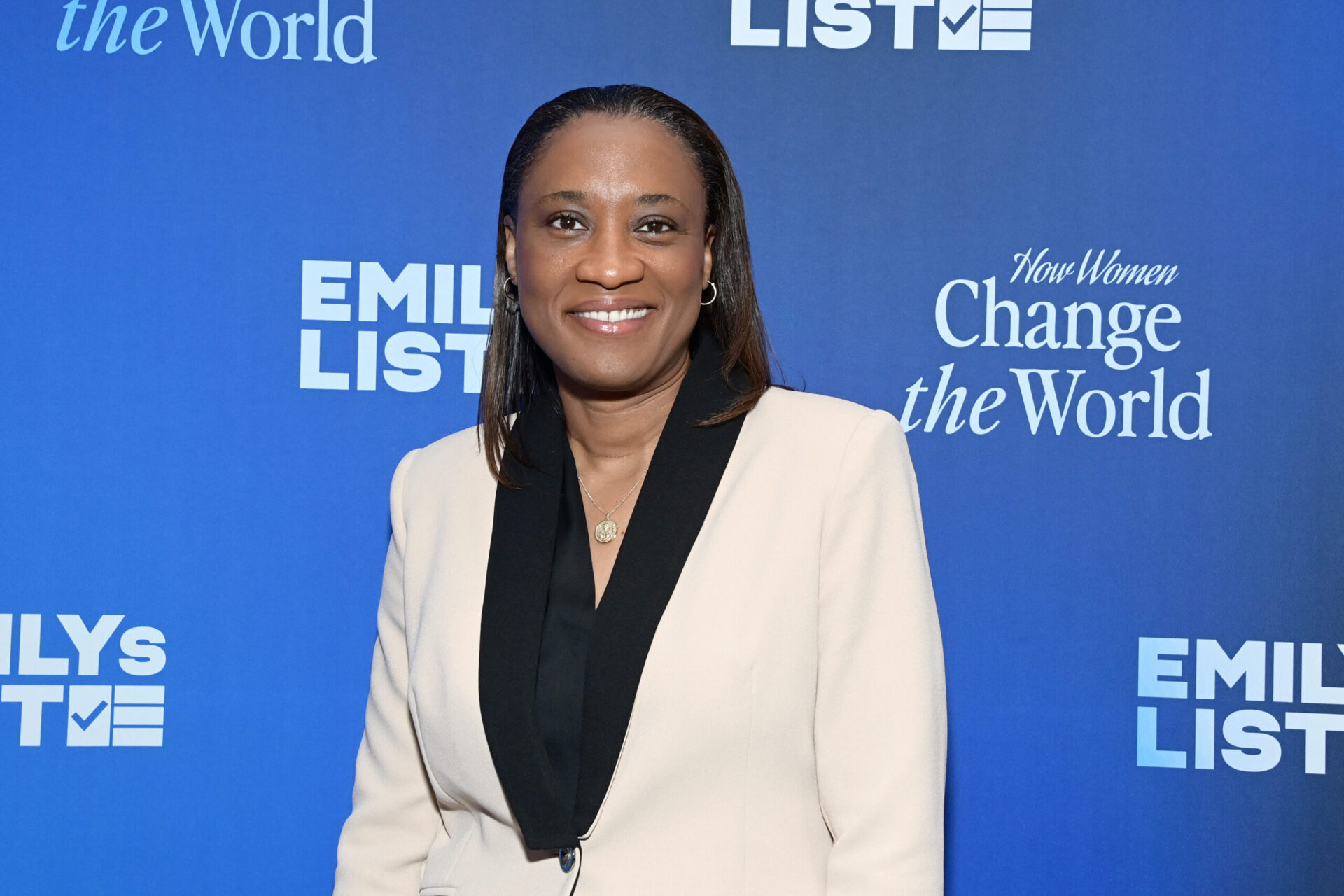
Former California Sen. Laphonza Butler brings her expertise in political strategy, labor leadership, and public service to global consultancy firm Actum L.L.C. as a partner, according to a press release shared with BLACK ENTERPRISE.
Butler will be tasked with growing the firm’s impressive global client portfolio. After taking over for the late Sen. Dianne Feinstein, the former senator became increasingly prominent in the political spotlight. Alongside a career as a trusted advisor to several elected officials, such as former Vice President Kamala Harris and Sen. Angela Alsobrooks (D-MD), Butler also served on Hillary Clinton’s presidential campaign in 2016.
While working with the former first lady, Butler set her sights on becoming an advocate for transformative public policies, coinciding with staying committed to representation for underserved communities and equity. Such vision made her the perfect candidate to join a firm like Actum. “We are thrilled to welcome Senator Butler into the partnership,” said Managing Partner Fabian Núñez.
“Her leadership, strategic vision, and depth of experience in navigating complex political landscapes will be a tremendous asset to our firm and our clients, helping to deliver innovative and results-driven solutions that have defined Actum.”
Fellow partner Kirill Goncharenko shared the same excitement but touched on her will to turn policy into progress, labeling her as a “ game-changer,” echoing the title of “Champion of Change” given to her by the first Black president of the United States, Barack Obama.
For Butler, becoming a partner at Actum is just another chapter to her robust story. “Joining Actum represents an exciting opportunity to continue the work I’ve dedicated my life to — bringing people together to solve big challenges,” she said. “Actum’s commitment to delivering meaningful outcomes aligns perfectly with my approach to leadership, and I’m thrilled to work alongside this talented team to help our client achieve their goals.”
The announcement comes after a week of battles between Democrats and Republicans following the transition between the Biden-Harris administration to the Donald Trump-J.D. Vance team. After a short stint–14 months to be exact — in Washington, D.C., Butler told Rolling Stone that she garnered several useful relationships and assisted with policies, but the main lesson learned was knowing when it’s time to walk away.
She said that’s something that many politicians don’t understand, including her predecessor, who died at 90 years old, still serving the Golden State, is “When is it time to go? I think it has to start with: ‘Whose power is it?’ Are you running for yourself, or are you serving the power of the people who elected you? Who trusted you,” she said. “And if at any point in time, you were no longer able to exercise fully the power that they — not you, but they — have, it’s probably time to have that conversation, right, with yourself, with your family, with your colleagues.”
Win With Black Women Pens Thank You Letter To Kamala Harris For Her Service As VP
Win With Black Women committed to support the former Vice President as she continues in politics with a potential 2028 bid for presidency.
Win With Black Women (WWBW), a collective that has been a devoted advocate for Kamala Harris, is making sure the former Vice President is met with immense gratitude and appreciation following the completion of her term in The White House.
WWBW, along with the Black Women’s Leadership Collective and over ten thousand Black women, have signed off on an open letter penned to the former VP in acknowledgment of her tenure as the first woman and first Black Vice President of the United States. According to a press release, the letter recognizes Vice President Harris’ steadfast commitment to justice and equality and her inspiration to countless individuals, especially Black women.
“On behalf of so many Black women across this nation and beyond, we want to express our deepest gratitude for your service, leadership, and unwavering commitment to justice and equity,” the letter signed by 10,500 supporters reads. “Your historic role as the first woman, the first Black woman, and the first South Asian woman to serve as Vice President is a profound source of inspiration and pride for us all.” The letter addresses Harris’ efforts toward causes like voting rights, economic justice, healthcare, and equity for marginalized communities.
Social impact strategist and WWBW founder Jotaka Eaddy said, “The thousands of women who signed this letter show the world that even as President Trump works to reverse the progress our nation and Black women everywhere have made, we will continue to work together and vow to never give up.”
Harris broke barriers when she became the first Black woman Vice President of the United States after former President Biden selected her in 2020. WWBW has supported her mission since she took her place in The White House in 2021 as the nation’s 49th Vice President. The collective made history in 2024 during Harris’ groundbreaking presidential campaign, raising over $3 million for the Harris-Walz ticket and inspiring the collection of over $20 million for the campaign from over 200 pro-Kamala affinity groups.
@KamalaHarris has a vision for America that is one of unity and progress, where every citizen has the opportunity to succeed and the support to reach their full potential. Together, we can achieve this vision. #WinWithBlackWomen#OnefightOnevoice#SistersLead
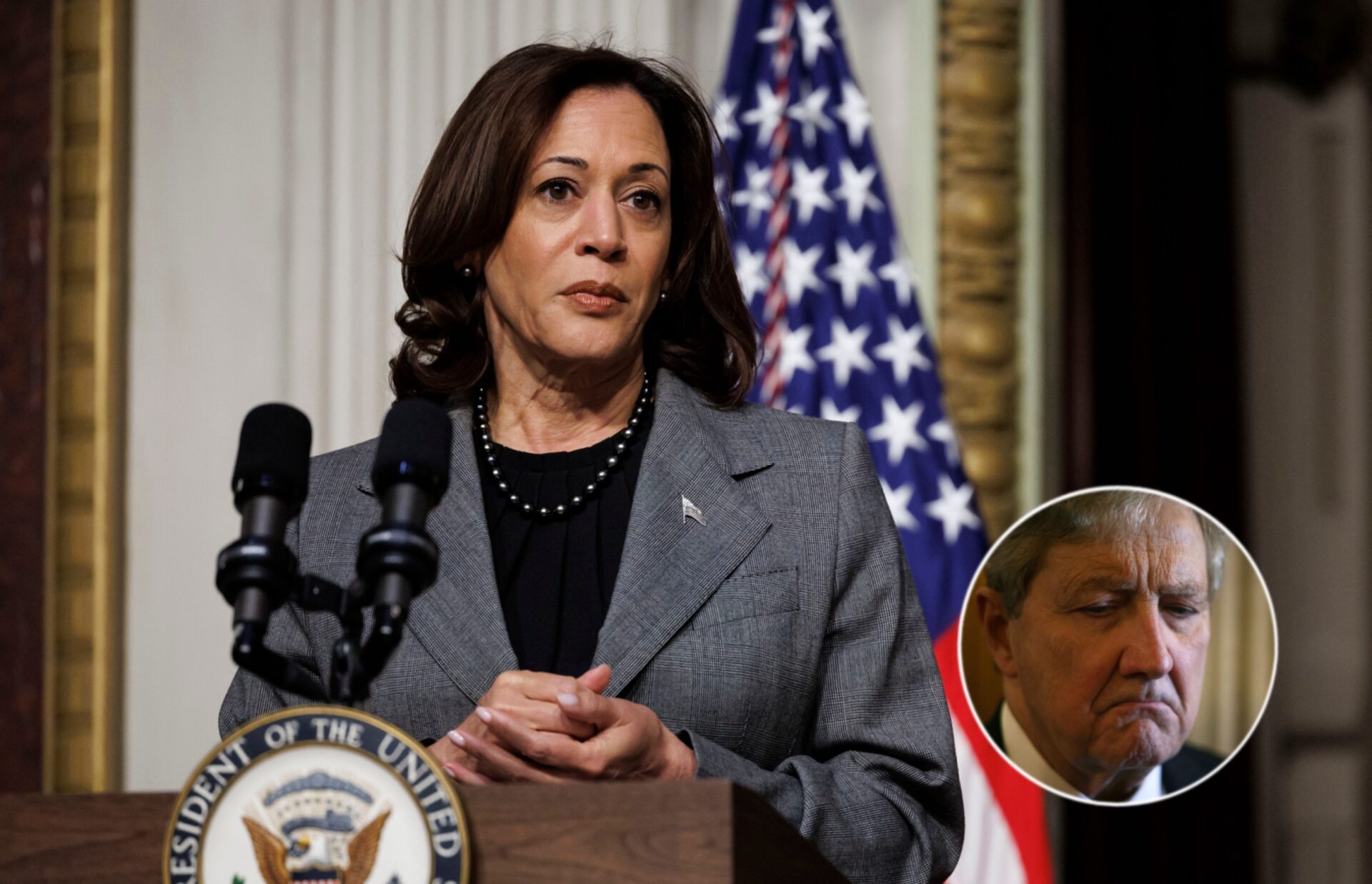
Win With Black Women partner and Sisters Lead Sisters Vote president Holli Holliday said the collective is “committed to standing with her and driving the change that uplifts our communities.” As previously mentioned by BLACK ENTERPRISE, Harris told advisers that she plans to”stay in the fight” and continue working in politics. Discussions with top allies revealed the former VP may run for California governor in 2026 or potentially take another shot at the presidency in 2028.
Department Of Health And Human Services Follow Trump’s Order To Pause Federal Communications
They claim there is no cause for concern here....
Close to all scientific reports and communications from federal health agencies, including the National Institutes of Health (NIH) and the Centers for Disease Control and Prevention (CDC), have been paused due to orders from President Donald Trump, NBC News reports.
In a memo handed down by the Department of Health and Human Services (HHS) Acting Secretary, Dr. Dorothy Fink, on Jan. 21, all agency leaders, including the Food and Drug Administration, should “refrain from publicly issuing any document” or communication, including regulations and press releases, “until it has been reviewed and approved by a Presidential appointee.” The pause will last through Feb. 1.
Before the Trump-Vance administration took over the White House, health officials alluded to a rise in the spread of the bird flu. A memo from the CDC highlighting the outbreak was scheduled to be released on Jan. 23.
As HHS projects no cause for concern, health advocates say otherwise. Former CDC Acting Director and President of the Robert Wood Johnson Foundation, Dr. Richard Besser, says a communications pause is an essential health threat to the American people. “Not a day goes by when the CDC isn’t tracking a potential threat to our health. Right now, they are letting us know about bird flu in cows, birds, and people. Every time there is an outbreak involving food, they let us know how to avoid getting sick,” Besser said, according to CNN.
“They let us know where diseases are occurring around the world that could affect our health here or if we travel. Cutting off communications from the CDC puts our health at risk and prevents our doctors, nurses, and public health leaders in our communities from doing their jobs. I urge the administration to quickly lift the pause.”
Fink’s communications pause memo includes social media, however, that didn’t stop scientists from jumping on apps to express frustrations in several areas, including the lack of money for research grants since the NIH stopped approving funds. Dr. Jane Liebschutz took to Bluesky to talk about how damaging the pause can be. “All NIH study sections canceled indefinitely. This will halt science and devastate research budgets in universities,” she wrote.
All NIH study sections canceled indefinitely. This will halt science and devastate research budgets in universities.
She alleged that the pause comes from the Federal Advisory Committee Act (FACA), allowing the president or advisor to terminate any advisory committee at any time. The NIH awards over 60,000 grants per year, supporting approximately 300,000 researchers. Without the grants, scientists won’t be able to start new research on asthma, pediatric cancer, COVID-19, or Ebola.
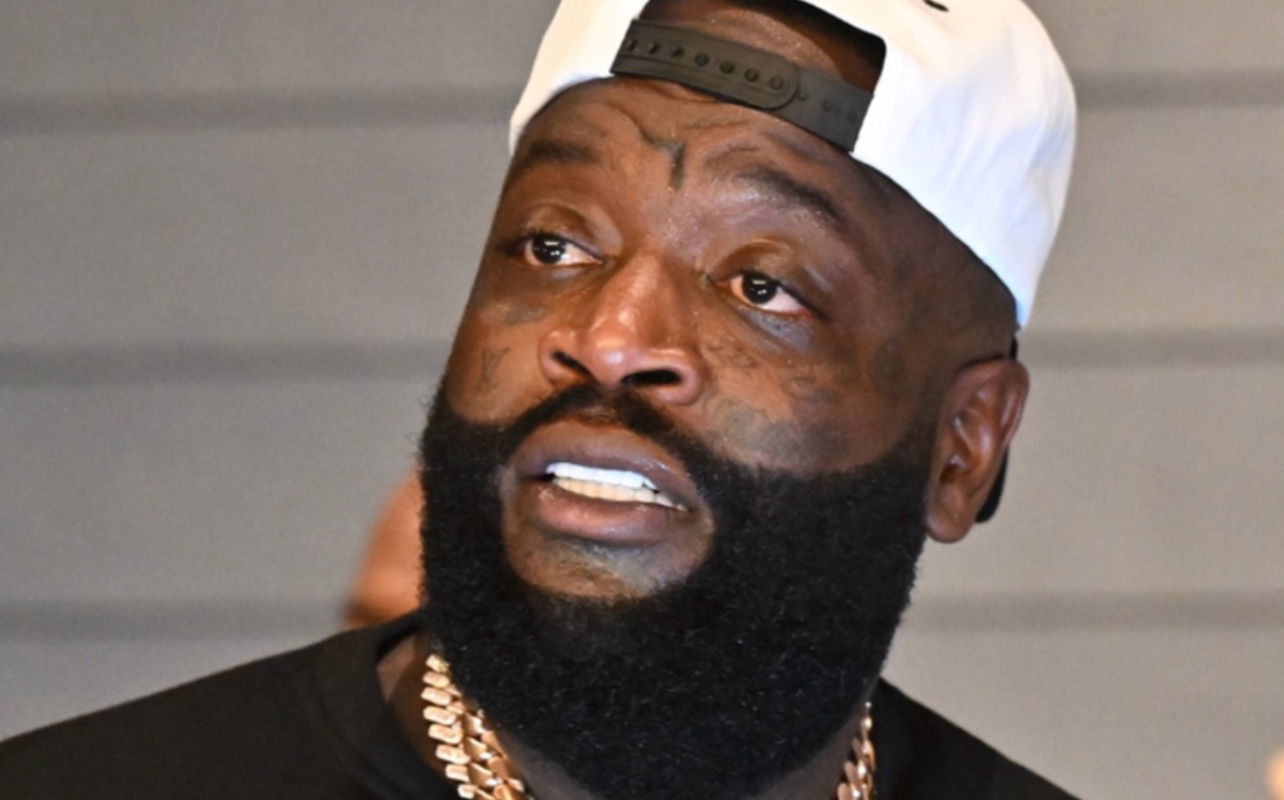
Ross reportedly owes $65,000 in back taxes for his ranch, The Promised Land. The Georgia Department of Revenue claims that “delinquent tax liabilities” have accumulated over the years. The bill, discharged in 2021, was put on hold, and the state tax execution wasn’t filed until late 2024.
“The original amount owed by Ross [real name: William Leonard Roberts] was $29,043, but the debt has grown over the years due to interest ($10,576), penalties ($19,516.80), collection fees ($5,808), and various other fees,” the outlet reported.
Ross’ Federal Tax Troubles
This is not the first time Ross, whose given name is William Leonard Roberts, has faced tax issues. The Aston Martin Music rapper has a long history of failing to pay his tax bills, only to settle for millions down the line.
The U.S. Department of the Treasury released a tax lien on the rapper’s property that was first issued in 2012 and 2016. To avoid asset seizure, Ross paid $4,617,370.86 to the IRS. The debt was discharged in 2018.
The IRS came back to settle another score with Ross. The Hustlin’ rapper reportedly owed $1,147,141.77 in taxes for 2013 and 2014.
Working to Pay Bills
Ross’s history with owing the government may explain why he has been cozying up to the new Trump administration by performing at inauguration events. The rapper has never outwardly spoken about President Trump in a negative manner, but he has said that people are a bit “delusional” about Trump’s economic impact during the 2020 pandemic.
“I just don’t want nobody to be delusional. You can’t be a delusional [expletive]. Did he have you eating, or was it a nationwide, worldwide pandemic and you [expletive] stole the money?” he asked.
It seems Ross doesn’t care either way, as he is indeed “eating” by performing at the Inaugural Crypto Ball in honor of Trump’s inauguration. Hopefully, the check was big enough to pay the state of Georgia what they are owed.
On Jan. 22, the newly returned Commander in Chief pardoned Terence Sutton Jr. and Andrew Zabavsky, who were sentenced to 66 months (Sutton) and 48 months (Zabavsky) in the killing of Karon Hylton-Brown, Reuters reported. The pardon comes four months after the officers received their sentences in what the Justice Department deemed as “an unauthorized police pursuit that ended in a collision” death of Hylton-Brown.
The officers never began their prison sentences, as they remained free while waiting for the outcome of their pending appeals. The sentences came two years after a nine-week trial where a jury found Sutton guilty of second-degree murder, conspiracy to obstruct, and obstruction of justice and Zabavsky guilty of conspiracy to obstruct and obstruction of justice.
The DC police union requested pardons for the two officers after the jury convicted Sutton of driving a police vehicle with “conscious disregard” for the severe risk of death or serious injury to Hylton-Brown. Prosecutors said Karon Hylton-Brown was riding a motorbike without a helmet when Officer Terrence Sutton chased him in an unmarked car through Northwest D.C.
The pursuit lasted for 10 blocks before Sutton followed Hylton-Brown down an alley at what prosecutors described as an excessive speed. After Hylton-Brown exited the alley, he was struck by a car.
Following the crash, Sutton and Lt. Andrew Zabavsky allegedly conspired to cover up the true events of what happened, according to prosecutors. Prior to Trump’s recent ruling, Hylton’s mother, Karen Hylton, expressed how distraught she was about the potential pardons.
“As a mother, I am asking you don’t pardon the murders (sic) of my baby Karon Hylton,” Karen Hylton said in the statement. “President Trump as the mother of a baby whom I love, I am requesting to speak with you privately … Please don’t pardon Sutton and Zabavsky.
The two officers now join the 1,500 Trump supporters who stormed the U.S. Capitol on January 6, 2021, and received pardons from the newly reinstated president on his first day back in office. Among those pardoned were individuals who had assaulted police officers during the riot.
The Fraternal Order of Police, the largest police union in the U.S. that endorsed Trump in the 2024 election, along with the International Association of Chiefs of Police, has since issued a joint statement expressing their “deep discouragement” over the pardons.
“The IACP and FOP are deeply discouraged by the recent pardons and commutations granted by both the Biden and Trump administrations to individuals convicted of killing or assaulting law enforcement officers. The IACP and FOP firmly believe that those convicted of such crimes should serve their full sentences,” the IACP and FOP statement said.