Mike Epps Shows Fan Appreciation By Buying Her Clothes, Giving Tickets To Comedy Show
The comdian bought her an outfit, gave her $500 and a ticket to his comedy show in Celeveland
The generosity of comedian Mike Epps was on display on social media, as he posted a photo of himself hugging a fan after she chased him down when she saw him out in public recently.
The comedian, who had a show in Cleveland, posted the pic after he said she saw him out and about, and while she was chasing him down, screaming “Day-Day” (his character from the Friday movies), he stopped to speak to her. After discovering that she was “so sweet” and beautiful on the inside, he bought her an outfit, gave her money, and a ticket to his Cleveland show.
She is seen in the photo smiling and hugging the comedian in a store.
“This lady made my day she chased me down hollin day day she was funny af and so sweet beautiful inside and out I brought her a outfit and gave her 500 dollars and invited to the show in Cleveland tonight I had to force her to take the money 💵 make sure you love our sisters out thier y’all if you don’t have nothing good to say don’t say it at all 🌺🌹”
Epps, who, according to Deadline, has released his fifth special for Netflix, Delusional on Jan. 27, is currently on the road for his We Them Ones Tour. This tour takes him to 35 major cities; it kicked off Feb. 6 in Louisville, Kentucky, and will wind down in Las Vegas on May 23.
“This one feels different,” Epps told the media outlet. “Delusional is the most honest I’ve ever been, and now I get to take that same energy back to the people. When we hit your city on the We Them Ones Tour, just know — I’m not holding nothing back.”
Morehouse School Of Medicine Gets Nearly $1M In Federal Funds For New Research Building
The money will go toward the school's new Academic & Research building.
Morehouse School of Medicine has received a lofty check from the federal government, all thanks to one Georgia congresswoman.
U.S. Rep. Nikema Williams secured nearly $1 million, $950,000 to be exact, to help the medical school construct a new Academic & Research building. According to WSB-TV, the money stems from 2023 Community Project funding.
Williams, who represents Georgia’s 5th congressional district, also noted that the federal funding will aid the medical school’s expansion of biomedical research and workforce development. The congresswoman helped celebrate the occasion by presenting a check to the MSM President and CEO, Dr. Valerie Rice.
Morehouse School of Medicine currently stands as the only historically Black medical school in Atlanta. Although no longer affiliated with Morehouse College, the school continues to educate a diverse population of medical students. According to the Princeton Review, roughly 80% of its student body identifies as Black.
MSM continues to serve as a pipeline for Black medical professionals, who remain underrepresented in the healthcare industry. With the Association of American Medical Colleges confirming that Black people accounted for only 5.3% of all medical professionals in 2023, this new funding seeks to level the playing field for greater medical diversity.
Now, this funding will go toward Morehouse’s efforts to advance its academic opportunities through research while also addressing healthcare inequities in the U.S. medical system. Rice also released a statement expressing the school’s gratitude for this gift.
“This investment helps Morehouse School of Medicine expand our campus and train more physicians and healthcare professionals who will serve communities here in Atlanta and across Georgia. We’re grateful to Congresswoman Nikema Williams for her leadership and her continued commitment to strengthening healthcare and education in our community,” Rice said.
As Morehouse School of Medicine produces the next generation of Black doctors, this monumental funding will ensure they have the training and research needed to treat diverse communities.
Glen Davis Released From Prison After Serving 17 Months For Healthcare Scam
'I’m back, man. I’m back, baby!'
NBA Champion Glen Davis, who was known to basketball fans as Big Baby during his playing days, has been released after serving 17 months in prison for his role in defrauding the league’s health insurance plan.
A video was posted to social media showing Big Baby celebrating his release, saying, “I’m back, man. I’m back, baby.”
You & Diamond… Been playing gaaammmmeezzzz!! BIG BABY FREE!! WELCOME HOME KING KILO!! pic.twitter.com/R1CWkLLZsK
The former Celtics player was sentenced to 40 months in federal prison on May 9, 2024, after being found guilty of attempting to defraud the NBA Players’ Health and Benefit Welfare Plan.
He was found guilty on Nov. 15, 2024, along with former NBA player Will Bynum of healthcare fraud, wire fraud, conspiracy to make false statements, and conspiracy to commit healthcare and wire fraud. The two were among 16 other former players convicted for their role in the insurance scheme. He will also have to serve three years of supervised release and has been ordered to pay $80,000 in restitution.
“He used his time productively while serving his sentence and took many programs during that time,” Davis’ attorney, Brendan White, toldThe Athletic. “He’s ready to become a productive member of society again.”
Davis is released from prison, but still has to serve at a halfway house. He will enter the Long Beach Residential Reentry Management Office. As part of his stay, he will be enrolled in financial management classes and drug treatment that was mandated in his original sentence. He is slated to be there until his release on July 9. He will then face three years of supervised release.
The other former NBA players arrested and charged in the scheme are Milt Palacio, Antoine Wright, Charles Watson, Darius Miles, Ruben Patterson, Eddie Robinson, Gregory Smith, Jamario Moon, Terrence Williams, Alan Anderson, Tony Allen, Shannon Brown, Melvin Ely, Christopher Douglas-Roberts, Sebastian Telfair, and Tony Wroten.
Davis, who won an NBA championship in 2008 with the Boston Celtics, also played for the Orlando Magic and the Los Angeles Clippers.
Black Women’s Artwork That Everyone Should Have Eyes On
Black women artists have transformed modern art
Black women artists have persistently transformed modern art through their presence in museums and galleries as well as public art spaces. Their artistic production gives widespread recognition to both restore forgotten histories and celebrate Black existence while transforming institutional approaches to Black representation.
These artists create their most culturally significant modern artworks through portraiture, sculpture, photography, collage, and large-scale installations. The following selection features Black American women artists whose work has received both critical acclaim and institutional acknowledgment, and you should keep your eyes on them.
In 2018, artist Amy Sherald created a powerful portrait of former First Lady Michelle LaVaughn Robinson Obama. The Smithsonian’s National Portrait Gallery commissioned the oil painting which became the official Obama portrait for their presidential collection. Sherald’s distinctive artistic approach breaks conventional portrait rules through her depiction of Obama, who sits before a light blue backdrop in a Milly-designed geometric dress. The painting’s effect is enhanced through Obama’s distinctive grayscale skin tones. The portrait’s debut attracted unprecedented crowds which established it as the museum’s most popular exhibition piece.
Simone Leigh: Brick House (2019)
The bronze sculpture “Brick House” by Chicago-born artist Simone Leigh debuted in 2019, as the first public art installation for the High Line Plinth program in New York City. The sculpture reaches about 16 feet above 10th Avenue Manhattan while merging a Black woman’s bust with architectural elements that reference African and African American building heritage. This artwork represents a continuing investigation by Leigh into Black womanhood alongside labor and public art representation of Black women.
Phyllis Stephens: The Movement of Material (2023)
In 2023, Atlanta-based quilt artist Phyllis Stephens showcased “The Movement of Material” textile series, which features large-scale quilted artworks that honor dance rhythms and storytelling abilities. Stephens displayed her hand-painted fabric-quilted artworks at Almine Rech Gallery in a solo exhibition which showed Black figures dancing through joyful, intimate, everyday moments. The ten-piece series unites African American quilting heritage with dance movement to study how rhythm and memory and community influence Black cultural identity. Stephens found her inspiration in the shared characteristics of quilting and dance because both disciplines need rhythm, structure, and emotional expression to create visual motion through color and fabric in each composition. The exhibition solidified Stephens’ status as a fifth-generation quilt maker who creates vibrant textile narratives that unite fine art with Black storytelling traditions.
LaToya Ruby Frazier: Flint Is Family (2016)
In 2016, documentary photographer LaToya Ruby Frazier started the photographic project “Flint Is Family” while she covered the water crisis in Flint. Frazier received a commission from Elle magazine to document the crisis, yet she spent several months living among the community members while she focused her lens on poet and activist Shea Cobb and her family. Frazier portrays the human side of the environmental disaster that impacted Flint residents.The photographic collection depicts family in everyday routines alongside activist activities. The images demonstrate the impact of water contamination on ordinary life in the predominantly Black urban area. The initial photo essay developed into a multi-year project called “Flint Is Family in Three Acts.”
Mickalene Thomas: Resist (2016)
The 2016 mixed-media painting “Resist” by Mickalene Thomas depicts a Black woman who reclines amid colorful patterned fabrics and rhinestone decorations. These elements are hallmarks of Thomas’ artistic style. This artwork demonstrates Thomas’ continuous effort to redefine traditional art history while promoting Black feminine representation in modern visual arts.
The 2018, “Let Them Be Children” was created by Austin-based mixed-media artist Deborah Roberts. The collage shows groups of Black children through its combination of photographic fragments and painted elements. The artwork joined institutional collections after its creation and established Roberts as a leading contemporary artist who examines race identity and childhood in America.
Jordan Casteel: The Baayfalls (2017)
In 2017, painter Jordan Casteel created “The Baayfalls,” a large-scale portrait which shows two Senegalese street vendors working in Harlem, New York. The painting became a mural installation which was displayed along NYC’s High Line during 2019-2020. Casteel wanted to bring attention to the ordinary people who form the backbone of Harlem’s community with her artwork. Through bold color and intimate composition, she presents her subjects with dignity and individuality. Through her work, Casteel has helped to broaden contemporary portraiture by capturing Black urban life in America.
Bisa Butler: I Know Why the Caged Bird Sings (2019)
In 2019, textile artist Bisa Butler made a quilted portrait called “I Know Why the Caged Bird Sings.” Butler used layered African wax fabrics and patterned textiles to create the portrait, which was inspired by Maya Angelou’s autobiography of the same name. Through this work, Butler demonstrates her commitment to advancing quilting as a contemporary fine art form while honoring its Black American cultural heritage. The Art Institute of Chicago and the Smithsonian American Art Museum have displayed Butler’s quilts to recognize their artistic significance.
Gun Rights Advocates Seen Handing Out AR-15 Magazine Rounds Outside Virginia Capitol Amid Assault Weapon Ban
Protestors like Todd Askins and Jason Redman of TurboVets feel “our rights are being assaulted” with the proposed legislation.
Gun rights advocates felt the best way to protest the new ban on the sale of assault weapons and high-capacity magazines in Virginia was to hand out AR-15 magazines outside of the Virginia Capitol building.
Hundreds gathered outside the building on March 14 for a rally to protest the new legislation that was sent to the desk of new Democratic Gov. Abigail Spanberger to sign, WTVR reports. If she signs, after July 1, the sale, manufacture, and importation of guns classified as assault weapons and magazines holding more than 15 rounds will be prohibited. But those who are already owners are allowed to keep them. Advocate Todd Askins was one of the protestors seen handing out close to $30,000 worth of 30-round capacity magazines.
He said he feels “our rights are being assaulted,” while Jason Redman of TurboVets labeled the legislation as being a broader threat to constitutional rights. “Here in Virginia, right now, we are seeing drastic attempts to erode one of our most important freedoms: Our Second Amendment,” Redman said.
If signed, Virginia would become the 10th state to enact such bans, according to the Washington Examiner.
But it seems Redman and Askins aren’t the only ones who feel the bill is unconstitutional. Recently, the D.C. Court of Appeals ruled that banning magazines with over 10 rounds is a violation of the Second Amendment, with President Donald Trump’s DOJ pushing a lawsuit against the District of Columbia over its assault weapons ban.
But they are up for a fight. The bill’s sponsor, state Democratic Sen. Saddam Salim, described the law as being intended to keep guns out of the hands of criminals, citing the 2007 mass shooting at Virginia Tech, known as one of the deadliest in U.S. history. “The overall goal of this bill is to ensure that we have less weapons of war on the street,” Salim said.
Salim claimed the lack of legislative action against gun violence has gone on too long. But advocates have pushed back on his argument, citing that the V-Tech assailant used a .22-caliber Walther and a 9 mm Glock — both being handguns — and not AR-15s.
However, there are several times when assault rifles were deemed as a threat to those who were not. . Like in St. Louis, when Mark McCloskey and his wife Patricia made headlines for pointing assault weapons at a group of peaceful Black Lives Matter protestors passing by their home.
As the video of the protestors handing out magazines, the same ones to be banned under the proposed legislation and donated by manufacturer Magpul, comments started to flood in with criticism — especially when a magazine was handed to a child. “This is so weird .. and they give it to a kid but they think drag queens are bad for kids?,” @el-danny_c wrote.
Other users feel these participants should be signed up to go to war “since they want to play war games.” “Sign them up and ship them out to Iran They want to play war games,” @damonwilliamscomedy said.
There seems to be some positive parameters under the legislation, if signed into law, like owners who no longer want their assault weapons being allowed to transfer them to a licensed firearms dealer or to someone outside of state lines who has licenses to legally own one.
The weapons can also be inherited by an immediate family member, but some groups, such as law enforcement and federal facility security personnel, are exempt from these restrictions.
Misty Copeland Returns To Dance For ‘Sinners’ Performance At Oscars Amid Ballet Diss
Copeland returned from ballet retirement to take part in the historic Oscars performance.
Misty Copeland has returned to the ballet scene for one night after an Oscar nominee dissed the art form.
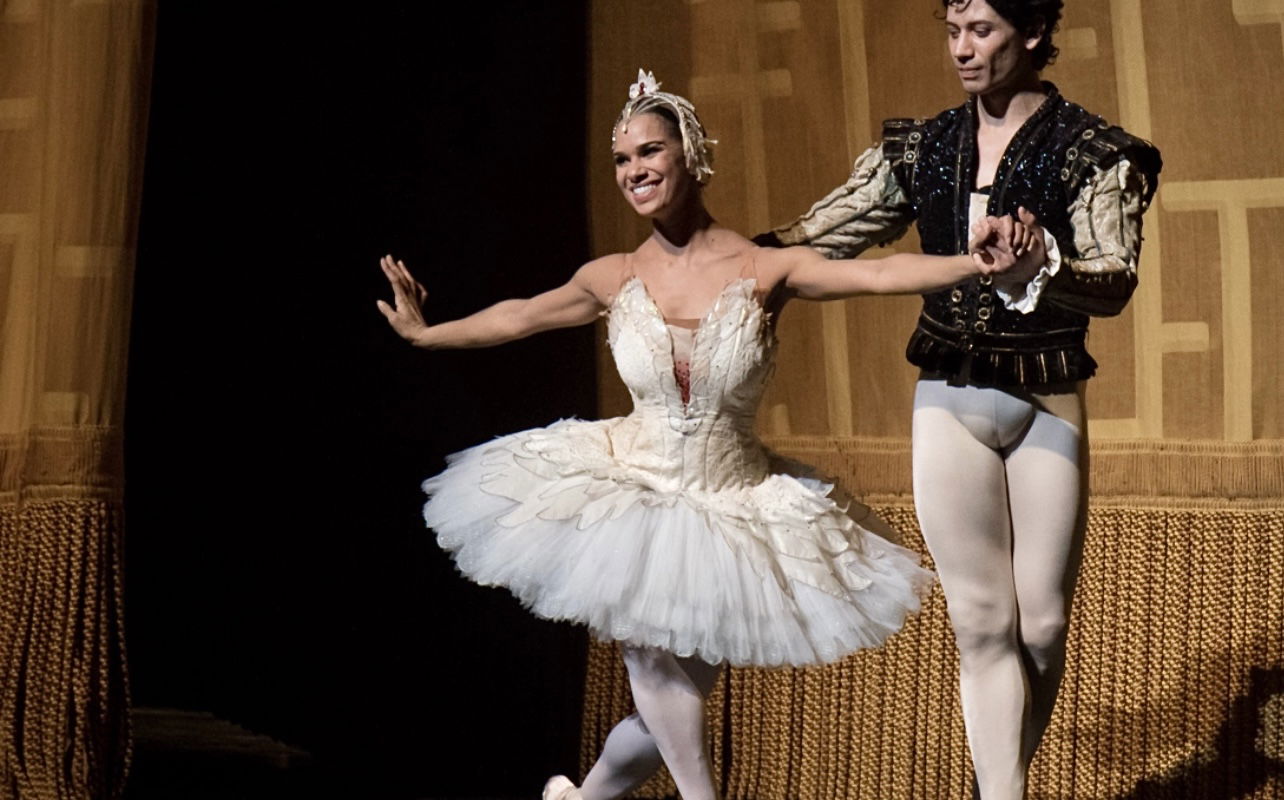
Copeland laced up her shoes to dance on the Oscars stage during ‘Sinners’ star Miles Canton and Raphael Saddiq’s performance of “I Lied To You.” The song was a hit off the film’s soundtrack and nominated for best song at the March 15 awards ceremony.
The first Black principal dancer for the American Ballet took part in the special showcase, which celebrated the song’s ties to blues music. Despite retiring last October, Copeland graced the stage yet again as a highlight of the Oscar night.
As for Copeland’s participation, her return to ballet highlighted the art form’s storied history and enduring appeal, despite recent comments dismissing the discipline. However, her inclusion in the performance was already in the works, with “Sinners” Director Ryan Coogler having special plans for her look.
“Ryan Coogler was really interested in having me wear a costume that represented one of the iconic roles that I’ve danced in my career,” Copeland shared, according to Vogue. “Swan Lake came up and then Firebird. And I think Firebird really connected to the film and the song in particular, in which there are all of these different spirits of history and culture and music and dance coming up.”
Her outfit also made history for the evening, with her Firebird costume used in the original 1982 production by the Dance Theater of Harlem. The costume even features a Sankofa emblem, a symbol used by the Akan people of Ghana. The symbol’s meaning of “‘going back to get it’ further ties to the film’s theme of connection across generations.
While a vibrant display of Black artistic culture, the performance held another bout of significance. “Marty Supreme” actor Timothee Chalamet, who lost in the “Best Actor” category to “Sinners” lead Michael B. Jordan, made divisive comments regarding older art forms such as ballet and opera.
Many fans and artists in these fields lost respect for the actor after he undermined the art forms during a recent CNN town hall. Naysayers described the comments as offensive and tone-deaf, especially for a fellow artist.
Before making her grand statement on stage, Copeland joined in the critique of Chalamet’s words as the comments gained traction. Previously covered on BLACK ENTERPRISE, she noted how Chalamet invited her to help with his “Marty Supreme” promotion despite his views toward ballet.
While she understood how interest in these arts has declined, that does not mean their overall impact has withered away. Copeland also proclaimed that Chalamet would not even have his esteemed acting career if these disciplines had not paved the way for cinema.
The ballet prodigy added, “[Chalamet] wouldn’t be an actor and have the opportunities he has as a movie star if it weren’t for opera and ballet and their relevance in that medium. So all of these mediums have a space and we shouldn’t be comparing them.”
While her words garnered praise, her Oscars dance in front of Chalamet also proved that ballet and opera remain relevant in society and the arts.
Snoop Dogg Hits A Legal Roadblock: Breaking Down The “Smoke Weed Everyday” Trademark Refusal
By Caleb L. Green
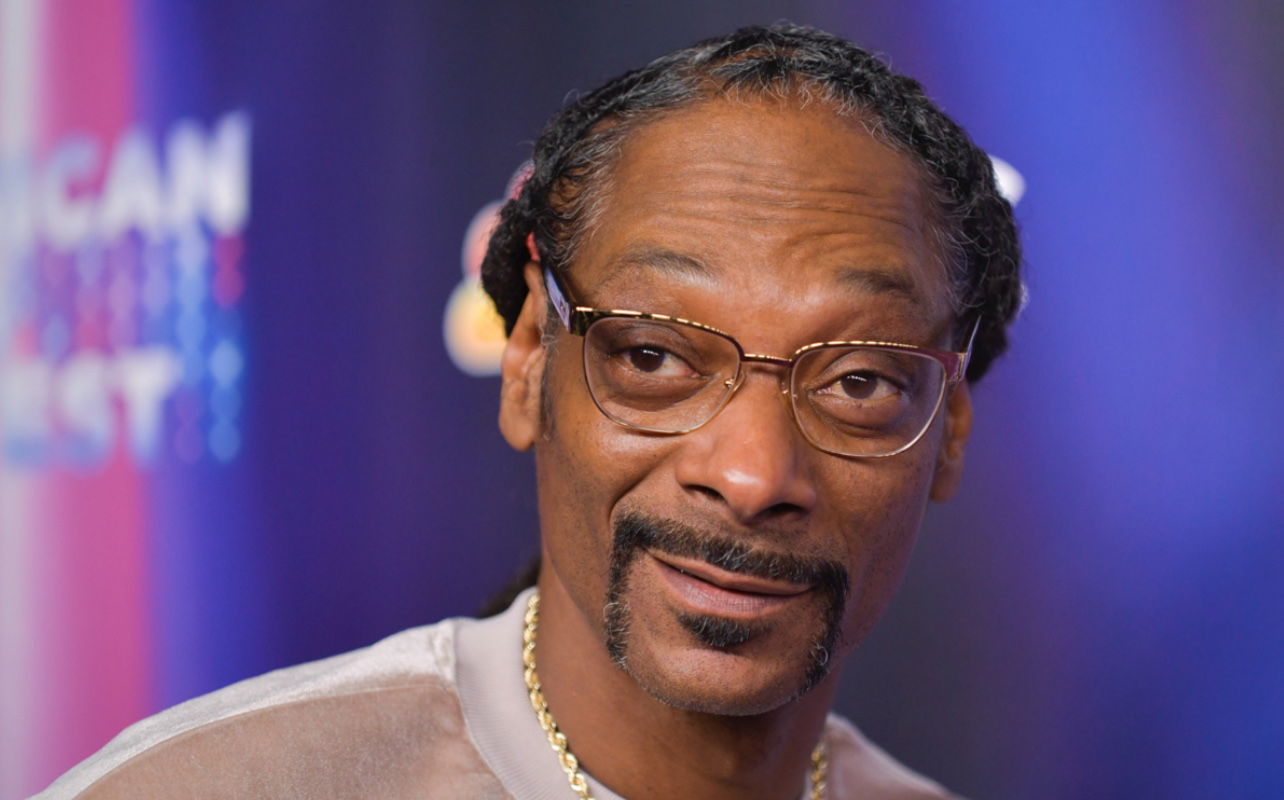
Few artists have shaped modern culture the way Snoop Dogg has. His influence spans music, media, and the cannabis industry, where he has become one of the most recognizable business figures in the world. It made perfect sense that his company, DR ETC HOLDCO LLC, recently sought federal trademark protection for the phrase “SMOKE WEED EVERYDAY,” a line that has lived rent-free in hip-hop history since “The Next Episode.”
The United States Patent and Trademark Office (USPTO), however, was not impressed. In a detailed Office Action issued on March 10, 2026, the USPTO refused the application on two major grounds, each rooted in established trademark doctrine and the limits of federal cannabis regulation.
But understanding why the refusal occurred requires stepping back to examine what Snoop’s team applied for. The trademark application covered a broad mix of goods and services, including retail and online store services offering cannabis products, hemp-derived goods, aromatherapy items, brownies, cookies, gummies, oils, and even goods connected to psychedelic-assisted therapy.
The first problem for the USPTO was the phrase itself. In the office action refusal, the USPTO explained that “SMOKE WEED EVERYDAY” is not viewed by the public as a trademark at all, but as a common expression. The examiner pointed to widespread marketplace evidence showing the phrase appearing on Amazon, Redbubble, and similar platforms across a variety of sellers. The legal standard is straightforward: a trademark must tell consumers that a product comes from one particular source. According to the USPTO, this phrase functions instead as a widely used slogan or message associated with cannabis culture, not with any one company. Because the phrase is already in heavy circulation and used by many unrelated sellers, the examiner concluded that consumers would not perceive it as identifying goods from Snoop’s company.
The USPTO’s refusal referenced prior decisions involving messages such as “EVERYBODY VS RACISM” and “NO MORE RINOS,” where applicants were also denied protection because the wording was used widely in public discourse rather than as a brand identifier. The refusal emphasized that when a phrase becomes too common, the USPTO cannot grant exclusive rights to it to any one person or company. Attempts to overcome this kind of refusal by proving acquired distinctiveness, moving to the Supplemental Register, or submitting different specimens are not permitted. The examiner made that point clearly.
If that refusal alone did not stop the application in its tracks, the second one certainly did. A significant portion of the goods and services listed in the application was subject to federal cannabis restrictions under the Food, Drug, and Cosmetic Act. The USPTO explained that certain items in the application—particularly the consumable products like brownies, cookies, gummies, and other ingestible goods containing Delta9 THC—are considered “adulterated foods” under federal law. The FDA has repeatedly stated that, aside from a few specific hempseed derivatives, it has not recognized cannabis or cannabis-derived ingredients as generally safe food additives. As a result, introducing these products into interstate commerce remains unlawful under the FDCA, which in turn means that no valid federal trademark rights can arise from their sale.
The USPTO’s reasoning follows longstanding policy: if the use of a mark in commerce would itself violate federal law, the application must be refused. The refusal cited not only the FDCA but also recent USPTO and Trademark Trial and Appeal Board decisions that reinforce this rule. Even though many states have liberal cannabis laws, federal trademark protection remains tied to compliance with federal statutes, not state-level legalization. For cannabis entrepreneurs, this remains one of the most significant structural barriers to brand protection.
Despite the two refusals, Snoop’s application is not beyond saving, although the path forward is narrow. The USPTO suggested that the applicant could amend the goods and services to remove items that violate federal law. It also recommended clarifying certain descriptions, such as narrowing “cannabis products” to specify precisely which lawful hemp-derived goods are being offered. The examiner noted that “essential oils,” as listed, were too broad because they could encompass ingestible items, which again would fall under federal restrictions. Properly limiting the identification to non-ingestible, non-therapeutic, cosmetic, or smoking-related oils could help salvage portions of the application.
Snoop’s team could also choose to remove the consumable goods entirely and refocus the application on areas that do not trigger FDCA problems. Many cannabis-adjacent brands instead pursue trademark protection for media, entertainment, apparel, and lifestyle services, which remain a lawful basis for federal registration. Filing a trademark application in those categories might provide a clearer path to protecting the phrase in other contexts, even if it cannot be directly tied to ingestible THC products.
For Black founders, creatives, and cannabis entrepreneurs, the lessons from this refusal extend far beyond celebrity branding. First, popular expressions—even culturally iconic ones—are extremely difficult to claim as trademarks if the public already uses them freely. A phrase that feels integral to your brand may be impossible to monopolize if it has already entered everyday language. Second, the cannabis industry still operates within a complex legal patchwork where federal trademark law moves at a slower pace than culture or state regulation. Even the biggest names face the same federal barriers as smaller players.
Finally, the wording of your goods and services in a trademark application matters more than many people realize. One impermissible item can jeopardize an entire filing. The most effective protection strategies often involve a layered approach: securing your company name, distinctive logos, unique taglines, and the non-restricted parts of your brand ecosystem while monitoring the regulatory landscape for future opportunities.
Snoop Dogg has succeeded over the decades because he understands how to evolve with the times while staying rooted in authenticity. His trademark challenges here are not so much setbacks as reflections of how federal law continues to lag behind cultural and economic reality. For now, the phrase “SMOKE WEED EVERYDAY” may remain in the public domain, but the broader takeaway is clear. Anyone building within cannabis, culture, or lifestyle branding needs a smart, forward-thinking trademark strategy that respects both where the law is and where it is heading.
The 20th Annual ‘Women Of Power’ Summit Finishes Strong With Powerhouse Programming [PICS]
BLACK ENTERPRISE has done it again
BLACK ENTERPRISE has done it again—presented a powerful Women of Power Summit. Like the 19 summits before it, the 2026 summit is one for the books.
Over 1,500 powerful Black women executives, entrepreneurs, and visionaries held court at Bellagio Resort & Casino in Las Vegas, Nevada, to celebrate 20 years of Women of Power.
The entire week was loaded with powerful programming, including wellness, workshops, panels, coaching, networking—and partying with like minds. Megan Goode whipped out an incredible workout while Iyanla Vanzant dropped jewels. Jotaka Eaddy, Bozoma Saint John, and Angela Rye shined bright as luminary honorees.
Check it out in the following gallery:
Black Enterprise Women in Power Summit – Las Vegas 2026Black Enterprise Women in Power Summit – Las Vegas 2026Black Enterprise Women in Power Summit – Las Vegas 2026Black Enterprise Women in Power Summit – Las Vegas 2026Black Enterprise Women in Power Summit – Las Vegas 2026Black Enterprise Women in Power Summit – Las Vegas 2026Black Enterprise Women in Power Summit – Las Vegas 2026Black Enterprise Women in Power Summit – Las Vegas 2026Black Enterprise Women in Power Summit – Las Vegas 2026Black Enterprise Women in Power Summit – Las Vegas 2026Black Enterprise Women in Power Summit – Las Vegas 2026Black Enterprise Women in Power Summit – Las Vegas 2026Black Enterprise Women in Power Summit – Las Vegas 2026Black Enterprise Women in Power Summit – Las Vegas 2026Black Enterprise Women in Power Summit – Las Vegas 2026Black Enterprise Women in Power Summit – Las Vegas 2026Black Enterprise Women in Power Summit – Las Vegas 2026Black Enterprise Women in Power Summit – Las Vegas 2026Black Enterprise Women in Power Summit – Las Vegas 2026Black Enterprise Women in Power Summit – Las Vegas 2026Black Enterprise Women in Power Summit – Las Vegas 2026Black Enterprise Women in Power Summit – Las Vegas 2026Black Enterprise Women in Power Summit – Las Vegas 2026Black Enterprise Women in Power Summit – Las Vegas 2026Black Enterprise Women in Power Summit – Las Vegas 2026Black Enterprise Women in Power Summit – Las Vegas 2026
A Black Female Podcast Host Broke Into The Top 1% Globally — No Ads, No PR, Just Real Conversations
The show highlights voices from entrepreneurship and everyday leadership.
Originally published on BlackNews.com
In a digital world driven by optics and algorithms, authenticity is becoming the rarest currency.
In less than a year, The Real Connect Podcast, hosted by communications and relationship expert Tamika Carlton, rose to the Top 25 in the Relationships category on Apple Podcasts, signaling a growing appetite for conversations that move beyond performance and into truth.
Where social feeds reward curated vulnerability and polished success, The Real Connect centers raw honesty, emotional presence, and lived experience. The show explores grief, burnout, ambition, boundaries, faith, masculinity, and the emotional labor required to “look fine” in a culture that rarely asks if you actually are.
While the show occasionally features recognizable voices like Top Chef Season 22 winner Tristen Epps and Law & Order: Organized Crime star Danielle Moné Truitt, its growth has never depended on celebrity appeal. The conversations themselves are honest, vulnerable, and often unexpectedly revealing, with guests sharing reflections and experiences they didn’t necessarily plan to discuss.
The show also highlights voices from entrepreneurship and everyday leadership, including Nayana Ferguson, the first Black woman to found a tequila brand; Rachel Kennedy, an author, entrepreneur, and relationship builder; and Tiffani Hawes, one of Atlanta’s best-known closing attorneys.
The mix of recognizable figures and everyday leaders reflects the core premise of The Real Connect: meaningful connection isn’t reserved for the famous. Real connection is felt, not performed. It happens when people are willing to show up honestly and share the parts of their story that often go unspoken.
Carlton’s mission is personal. Having lost her father suddenly and later facing the possibility of losing her husband unexpectedly, she was confronted with a truth many avoid: connection is not a lifestyle accessory. It is survival.
“We’re surrounded by people playing roles,” says Carlton. “But when life breaks you open, performance doesn’t hold you. People do.”
At a time when one in four adults reports frequent loneliness and public trust in institutions continues to decline, The Real Connect offers a space where truth is prioritized over image and emotional depth over engagement metrics.
“If we made more intentional effort toward our partners, our friendships, our colleagues through kindness, accountability, and remembering each other’s humanity, we wouldn’t be living in such deep division,” Carlton adds. “Disconnection doesn’t just harm relationships. It destabilizes everything.”
Tamika Carlton is a relationship and communications expert, entrepreneur, and author, leading an urgent cultural conversation about connection in an increasingly disconnected digital world. She is the visionary behind The Real Connect Podcast, which reached the Top 25 on Apple Podcasts in less than a year. Her message is clearly resonating, with a rapidly expanding audience seeking deeper, more meaningful connections.
Through her growing platform, she is on a mission to build a community of 1 million people committed to cultivating authentic human connection, challenging the reality that only 14 percent of people report being truly happy today. For more information, visit TamikaCarlton
Giving Up Your American Passport? It Just Got 80% Cheaper To Renounce Citizenship
The State Department rule reduces cost of giving up U.S. nationality from $2,350 to $450, citing efforts to ease financial barriers.
The U.S. Department of State has sharply reduced the fee required for Americans who wish to formally give up their U.S. citizenship, lowering the charge from $2,350 to $450 under a new rule that took effect March 13. Officials said the updated price restores the cost to the same amount the government charged when it first introduced a fee for citizenship renunciation in 2010. The adjustment, originally announced in 2023 but only recently implemented, was described as a policy change designed to lessen the financial burden on applicants seeking a Certificate of Loss of Nationality.
The certificate is issued after individuals complete the formal process of renouncing citizenship outside the United States.
Applicants must appear before a U.S. diplomatic or consular officer abroad and confirm both verbally and in writing that they understand the consequences before taking an official oath of renunciation. The State Department then reviews the request before granting approval and issuing the document.
According to Fox News, government officials previously raised the fee significantly in 2015, increasing it from $450 to $2,350. At the time, the higher price was intended in part to help cover administrative costs as the number of Americans seeking to give up their citizenship grew in the early 2010s. According to the State Department, the number of applications rose from 956 cases in 2010 to 3,436 in 2014.
The department now estimates that roughly 4,661 people apply each year for a Certificate of Loss of Nationality. Despite the price reduction, officials said the new $450 charge still falls short of the government’s actual processing expenses. The change is expected to decrease federal revenue from the fee by about $8.9 million annually. Funds collected through the charge are deposited into the U.S. Treasury rather than used to support the State Department’s consular operations.
Advocacy groups representing Americans living abroad had long criticized the higher fee. Some organizations argued that the cost created an unnecessary obstacle to people attempting to exercise their legal right to renounce citizenship. Legal challenges were filed contesting the policy, including claims that the process should not carry any fee at all.
One of those groups, the Association of Accidental Americans, welcomed the change. Its president, Fabien Lehagre, said in a statement that the reduction “acknowledges the necessity of making this fundamental right accessible to all.”
Lehagre noted that the decision followed years of advocacy from the organization. According to the group, thousands of individuals paid the previous $2,350 fee after the government first announced plans to reduce the charge but before the new rule took effect.
While the updated policy lowers the financial barrier, the State Department has not released new data on how many Americans have recently renounced their citizenship.






![The 20th Annual ‘Women Of Power’ Summit Finishes Strong With Powerhouse Programming [PICS]](https://blackenterprise-prod.b-cdn.net/wp-content/blogs.dir/1/files/2026/03/IMG_2881.jpeg)


