Walter Payton Posthumously Awarded Golden Diploma From Jackson State University
His older brother, Eddie, accepted the diploma on the late NFL great's behalf.
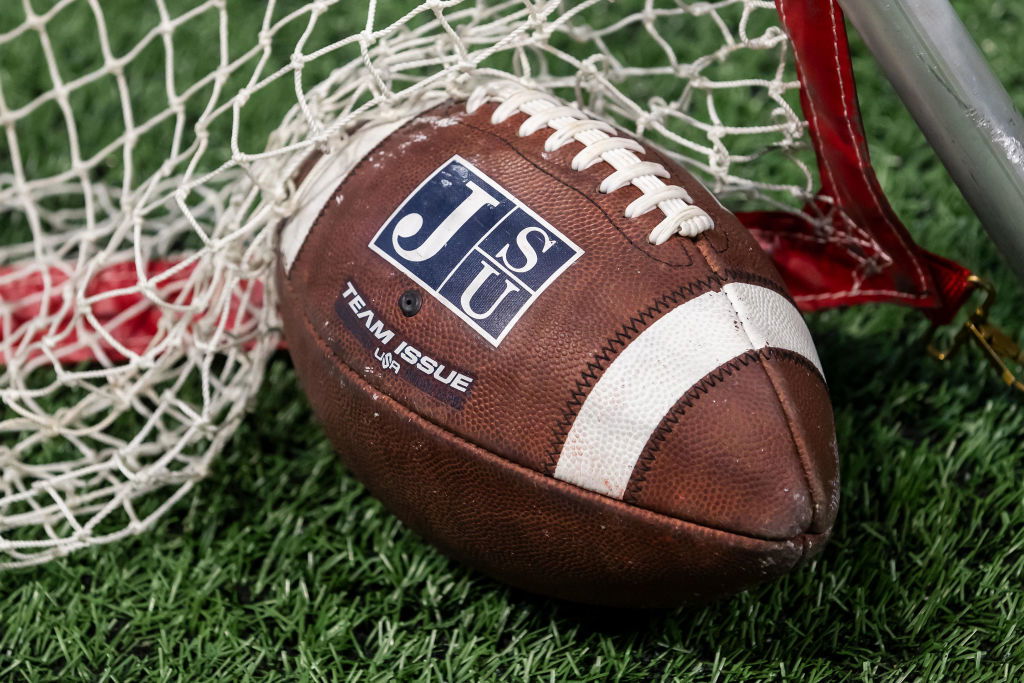
NFL legend Walter Payton, who passed away in 1999, was awarded a Golden Diploma from his alma mater, Jackson State University, during the school’s May 3 commencement ceremonies.
According to HBCU Gameday, the university honored Payton as it celebrated the 50th reunion of the Class of 1975.
He received the diploma during a special tribute for the “Golden Class”—a group of 97 alumni who returned to JSU to mark the milestone. “I couldn’t think of anything that I would rather have done than be here in Walter’s place,” said Eddie Payton, who received the Golden Diploma on his brother’s behalf.
“I know if he would have been here, he would have been front and center with a big smile on his face.”
Payton starred for the Chicago Bears from 1975 to 1987 after graduating from Jackson State. At Jackson State, Payton, as a running back, was voted Black College Player of the Year in 1973 and 1974. During his career at JSU, Payton averaged an astounding 6.1 yards per carry, accumulated 3,563 rushing yards, and scored 464 points, according to the Black College Football Hall of Fame page.
In the NFL, Payton rushed for a single-game record 275 yards in 1977, the season he won the league’s Most Valuable Player award. Before retiring, he won an elusive Super Bowl ring when the 1985 Bears were one of the best football teams. When he retired in 1987, Payton finished with 16,726 yards, then the most in NFL history. He was selected for nine Pro Bowls and was a five-time All-Pro.
Payton was inducted into the Pro Football Hall of Fame in 1993 and made the College Football Hall of Fame in 1996. He was posthumously inducted into the Black College Football Hall of Fame in 2010.
On November 1, 1999, Payton died of bile duct cancer. He was 46.
After his death, the NFL added Payton’s name to its NFL Man of the Year Award, which is awarded to the football player who is committed to philanthropy and community impact. Payton won the award in 1977.
L.A. Mayor Karen Bass Faces Anti-ICE Curfew Backlash, While Gov. Newsom Praised for Opposing Trump’s Troops
The curfew does not apply to people living within the curfew’s targeted area, people experiencing homelessness, media, public safety, and emergency personnel.
It’s no secret that anti-Immigration and Customs Enforcement (ICE) protests have taken over the streets of Los Angeles, but residents are seemingly more upset that Mayor Karen Bass has set a curfew against them and not the National Guard troops sent in by President Donald Trump.
In an announcement, Bass implemented a curfew between the hours of 8 p.m. to 6 a.m. for the downtown area ranging from the 5 Freeway to the 110 Freeway and from the 10 Freeway to where the 110 Freeway and the 5 Freeway combine.
Bass said the curfew will stop violent rooting and vandalism from taking place. “I wanted to let the city know that I have declared a local emergency and issued a curfew for downtown Los Angeles to stop the vandalism, to stop the looting,” the mayor said during the June 10 press conference, according to the Los Angeles Times.
While Los Angeles Police Chief Jim McDonnell said the curfew does not apply to people living within the curfew’s targeted area, people experiencing homelessness, media, public safety, and emergency personnel
Bass has received grief about the decision as it limits peaceful protestors.
One user on X said Bass made a “bad choice” and claims it only encourages law enforcement to harm residents. “The Mayor of LA instituting a curfew tonight is a bad choice, one that many Dem Mayors made in 2020. That included Richmond VA Mayor Levar Stoney, who then gave cops even more encouragement to brutalize city residents,” @brerva wrote.
“I’ll never forget the enablers of police brutality.”
The Mayor of LA instituting a curfew tonight is a bad choice, one that many Dem Mayors made in 2020. That included Richmond VA Mayor Levar Stoney, who then gave cops even more encouragement to brutalize city residents.
I’ll never forget the enablers of police brutality.
Another user called for protests to transition from downtown LA to where ICE arrests are happening in areas like Huntington Park and East Los Angeles. “GO PROTEST WHERE THE RAIDS ARE HAPPENING!!! DO NOT LET THE DTLA CURFEW MINIMIZE YOU!!!,” @stacy_stace7 said.
California Gov. Gavin Newsom has supported the protestors while blaming Trump for “destroying democracy.” He claims the Trump administration is tying together undocumented immigrants with violent ways and “hard-working immigrant families” for mass deportations.
“This brazen abuse of power by a sitting President inflamed a combustible situation, putting our people, our officers, and the National Guard at risk,” he said. “…What Donald Trump wants most is your fealty, your silence to be complicit in this moment; do not give in to him.”
Donald Trump, without consulting with California’s law enforcement leaders, commandeered 2,000 of our state’s National Guard members to deploy on our streets.
Illegally, and for no reason.
This brazen abuse of power by a sitting President inflamed a combustible situation… pic.twitter.com/Xy8JHMq3cV
Newsom’s constant feud with Trump has given him the label of being a “badass” while Trump has called for the Democratic governor to be arrested in the name of immigration. In response to what is occurring in the City of Angels, protests have taken place in a number of metro cities across the U.S., including Chicago, where a car drove through protestors in the street, according to Fox News.
As protests in San Antonio began, Republican governor and Trump loyalist Greg Abbott threatened to deploy members of the National Guard.
Rep. LaMonica McIver’s Indictment Is A Contradictory Move From Trump’s DOJ
McIver says she is confident that the facts are on her side.
While Rep. LaMonica McIver (D-NJ) has been indicted on federal charges following accusations that she assaulted immigration officers, the Associated Press reports.
McIver’s charges were announced June 10 on X by acting U.S. Attorney for New Jersey Alina Habba. McIver faces three counts of assaulting, resisting, impeding and interfering with federal officials during a tussle in May.
“As I have stated in the past, it is my Constitutional obligation as the Chief Federal Law Enforcement Officer for New Jersey to ensure that our federal partners are protected when executing their duties,” Habba wrote. “While people are free to express their views for or against particular policies, they must not do so in a manner that endangers law enforcement and the communities those officers serve.”
Today a federal grand jury seated in Newark, New Jersey returned a three-count indictment charging U.S. Representative LaMonica McIver with forcibly impeding and interfering with federal law enforcement officers. This indictment has a maximum penalty of 8 years for Count One, an…
However, that paints a vast difference from the violent offenses that took place during Trump’s first term. Trump once said the people that participated in the 2017 white nationalist rally in Charlottesville, Virginia that killed a protester and resulted in a mob chanting, “Jews will not replace us!” were “very fine people.” He also failed to tell his “loyal followers” to stop during the violent January 6, 2021 insurrection.
In a statement, McIver professed similar sentiments, saying the tactic is nothing more than political persecution and a way to scare her. “The facts of this case will prove I was simply doing my job and will expose these proceedings for what they are: a brazen attempt at political intimidation,” she said in a post on X.
This indictment is no more justified than the original charges. I will not be intimidated. My full statement: pic.twitter.com/C0aZyrnNx8
Her lawyer, former U.S. Attorney for New Jersey Paul Fishman, feels the same. “The legal process will expose this prosecution for what it truly is—political retaliation against a dedicated public servant who refuses to shy away from her oversight responsibilities,” Fishman said.
While two counts carry a maximum eight-year prison sentence and the other up to one year, legal experts believe in the current political climate, McIver’s case may fall flat if the case goes to a jury. According to Politico, the claim that McIver attempted to forcibly interfere with Newark Mayor Ras Baraka’s arrest at the time of the viral scuffle may not fly over well given that prosecutors quickly dropped charges against Baraka.
McIver could also invoke the Speech and Debate clause from the U.S. Constitution, providing civil and criminal immunity for members of Congress engaged in legislative activity such as oversight activity, just like former Vice President Mike Pence had the option to do regarding the events of January 6.
Detroit Introduces BIG3 Team, The Amplifiers Before June 14 Season Start
The Amps' first game will be played at Allstate Arena in Rosemont, Ill., against the Chicago Triplets
As the BIG3 league prepares to start its latest season on June 14, Detroit is excited to be one of the eight location-based teams granted a team, as the city introduced the Amplifiers before the team’s first game.
According to the Detroit Free Press, a press conference was held to present the coach and players for the team before the BIG3 starts its eighth season. The Amplifiers are led by NBA Hall of Famer George “Iceman” Gervin and former seven-time NBA All-Star Joe “Iso Joe” Johnson, as well as EuroLeague veteran Jeremy Pargo and former NBA forward Darnell Jackson, who head the roster of players.
The introduction took place in front of the Born in Detroit store on Woodward Avenue.
Thank you, Detroit! You showed up and showed out at our launch event.
Iceman said he relishes the chance to coach the team. The 73-year-old former player is also a part-owner in the Amplifiers, along with former NFL Pro Bowl offensive lineman T.J. Lang and Born in Detroit Co-Founder Anthony Tomey.
“I love Detroit. Man, it’s where my stage was,” he said. “And now to have an opportunity to coach in a professional league again? I relish it, man. I look forward to it so much.”
Iso Joe has been playing in the league for several years and was the BIG3 MVP in 2019 when his team, the Triplets, won the title that year.
“We’re probably at the highest point that it’s ever been,” he said. “We learned so much about the city of Detroit and the state of Michigan. It’s been fun, man, so I expect it to grow, to continue to get better, and we’re here to bring winning basketball to Detroit.”
Other cities hosting BIG3 teams this season include Baltimore, Boston, Chicago, Dallas, Houston, Los Angeles, and Miami.
OKC Brings The ‘Thunder,’ And A Side Of Black Culture
The Oklahoma City Thunder makes its first NBA finals appearance in 13 years, here's what the city has to offer if you're in town.
The Oklahoma City Thunder is making its first NBA finals entry in thirteen years. Fans and foes alike are gearing up to watch one of the most-watched American sports. Lucky fans will visit the PayCom Center to see if the men of OKC can earn its first ever championship.
Before the game begins, tourists can get a taste of the Sooner State’s cultural offerings during the day. Oklahoma City offers a unique perspective on the Sooner State, blending family fun, African cultural roots, and a thriving culinary scene.
Lodging
Courtesy of Visit Oklahoma City
At the center of this shift is the newly opened OKANA Resort & Indoor Waterpark, sprawling across more than 100 acres near the First Americans Museum. The resort is home to the fourth-largest commercial swimming pool in the United States. The OKANA is an ideal place to stay during both short and extended stays.
Cowboy Core
Courtesy of Visit Oklahoma City
For those travelers who have embraced Cowboy culture, Oklahoma City is a hub that celebrates and honors Black Cowboy culture. Many Bey-Hivers on the West Coast are experiencing Cowboy Carter withdrawal. A short trip to Oklahoma City can help strengthen the link to western history.
A short drive from downtown, the National Cowboy & Western Heritage Museum, formerly the Cowboy Hall of Fame, hosts an impressive collection of Western art. The museum honors legendary Black cowboy Bill Pickett, the creator of the “bulldogging” riding method, and recognizes his contributions to the sport.
Everyday Access
Construction is ongoing in parts of the city, but it’s purposeful. New pedestrian bridges connect both banks of the Oklahoma River. The bridges expand access to walkways and bike trails, helping visitors explore the city. The Myriad Garden’s a botanical oasis offers calm and serene naturescapes. A highlight of the facility is beautiful architecture of the “crystal bridge.”
Black OKC
Courtesy of Visit Oklahoma City
A highlight of Oklahoma City’s cultural calendar is Juneteenth on the East. Held annually, the 2025 celebration is scheduled for June 19–21. The three-day event features a diverse range of activities, including live music performances, interactive murals, dance showcases, spoken word poetry, a 5K run/walk, and a selection of food trucks and vendors.
Southern hip-hop artist Big K.R.I.T. headlines this year’s Juneteenth festival on the East, a celebration of Black history, creativity, and resilience. The festival offers attendees an opportunity to honor the past while celebrating the present.
Award Winning Cuisine
Courtesy of Visit Oklahoma City
Food lovers also have a reason for excitement. James Beard Award-winning chef Andrew Black is putting Oklahoma City on the national culinary map. His latest venture, Perle Mesta, a chic cocktail bar in Midtown, is a testament to how the city blends high-end experiences with local flavor.
While Oklahoma carries a complex past, its capital seeks to change the narrative. It is worth the trip.
Faith Oluwadare Is A Serial Entrepreneur And Owner Of House 157
House 157 is making its mark on the New Jersey food scene
Ehi-Faith Oluwadare is a mother and serial entrepreneur. While wrangling children and operating a non-profit, A Mother’s Road to Zion, she owns and operates House 157 and soon Legacy 27. Oluwadare’s courage to enter an often-times volatile industry is a consistent thread in her story. She has found success and failure in multiple industries. Consequently, each failure taught her a new lesson in life and business. Oluwadare spoke to BLACK ENTERPRISE about her journey past, present, and future.
A graduate of Rutgers, the restaurateur did not have a straightforward path to entrepreneurship. Initially she decided to join the university’s nursing program. However, she quickly decided that she was not suited for that career. While working as a secretary for a shipping company, Oluwadare’s interest was piqued and her entrepreneurial spirit kicked into high gear.
Freight Forwarder
“Within six months of being a secretary, I quit and decided to open up my own freight boarding company, Faithful international shipping company. I had already created a good report with Homeland Security. I often spoke to employees in the offices and at the shipping point. I was able to acquire a few customers on my own by networking. So, within four years, my business grew. I ended up in a 15,000 square foot warehouse where I was shipping containers, dump trucks, and commercial equipment in and out of the country.”
She said working in international shipping prepared her for her entrepreneurial future. Standing her ground against misogyny and sexism made her stronger. Furthermore, facilitating transactions with international customers showed her how to be malleable to the customs of others.
Personal Crisis
While her business grew, Oluwadare went through a personal crisis. Newly married and pregnant, her home life shifted, which ultimately led to the demise of her business. Oluwadare’s shipping business was a one-woman operation. As she fought to escape domestic violence, her business devolved. This tumultuous time in her life taught her a valuable business lesson: Have a team. Without the proper support and structure, personal turmoil derailed her company.
“I didn’t really have good business structures to actually help me keep it going. Now I delegate more. I have a staff of 40. I literally don’t do anything anymore because I’ve learned when you’re the solo person in your business and, God forbid something happens to you, the whole thing goes down.”
Eventually she escaped the violence that plagued her first marriage. By day, she worked in public health, doing oncology research. A short while later, she would meet the love of her life. The newfound love led to engagement, which would turn into opportunity. Oluwadare began to plan her second wedding. It was then she discovered she had a knack for decor. After conceptualizing and decorating her big day, she realized there is opportunity in design.
DE Luxury Events was born. She began designing displays for Nordstrom, hosting events, and renting out event spaces and equipment. Unfortunately, as a Black business owner, Oluwadare received pushback from locals, leading to issues with zoning and landlords.
“In a suburban area, they just didn’t want it.”
Restaurateur
The issues led to Oluwadare seeking full ownership of her own building. That building would become House 157, taking its name from its street address, Oluwadare described the restaurant as an amalgamation of cuisines all over the world. Any ethnicity can come in and feel at home. The restaurant will soon celebrate its third anniversary. The accomplishment is huge, as most restaurants take 18-24 months to break even.
“We’ve won three awards, back-to-back. It’s been featured in a movie that’s not yet out. The housewives of New Jersey have dined and filmed there. Now we’re on our second location.”
Legacy 27 will have a more focused American menu. Still, Oluwadare ensures that the dining experience and food will be excellent. Honoring her past struggles, Oluwadare has also started a non-profit organization to help bring awareness to domestic violence issues, A Mother’s Road to Zion.
Oluwadare had no plans to become a freight forwarder, event designer, property owner, or restaurateur. Yet, all moves led to entrepreneurship. In addition to her serendipity, she has a fearless attitude about taking new opportunities. More than once as she spoke to BE she repeated what seems to be a personal mantra:
“What’s the worst that can happen.”
Having been put through the fire multiple times, she is unfazed by failure because in it she often finds her next step to success.
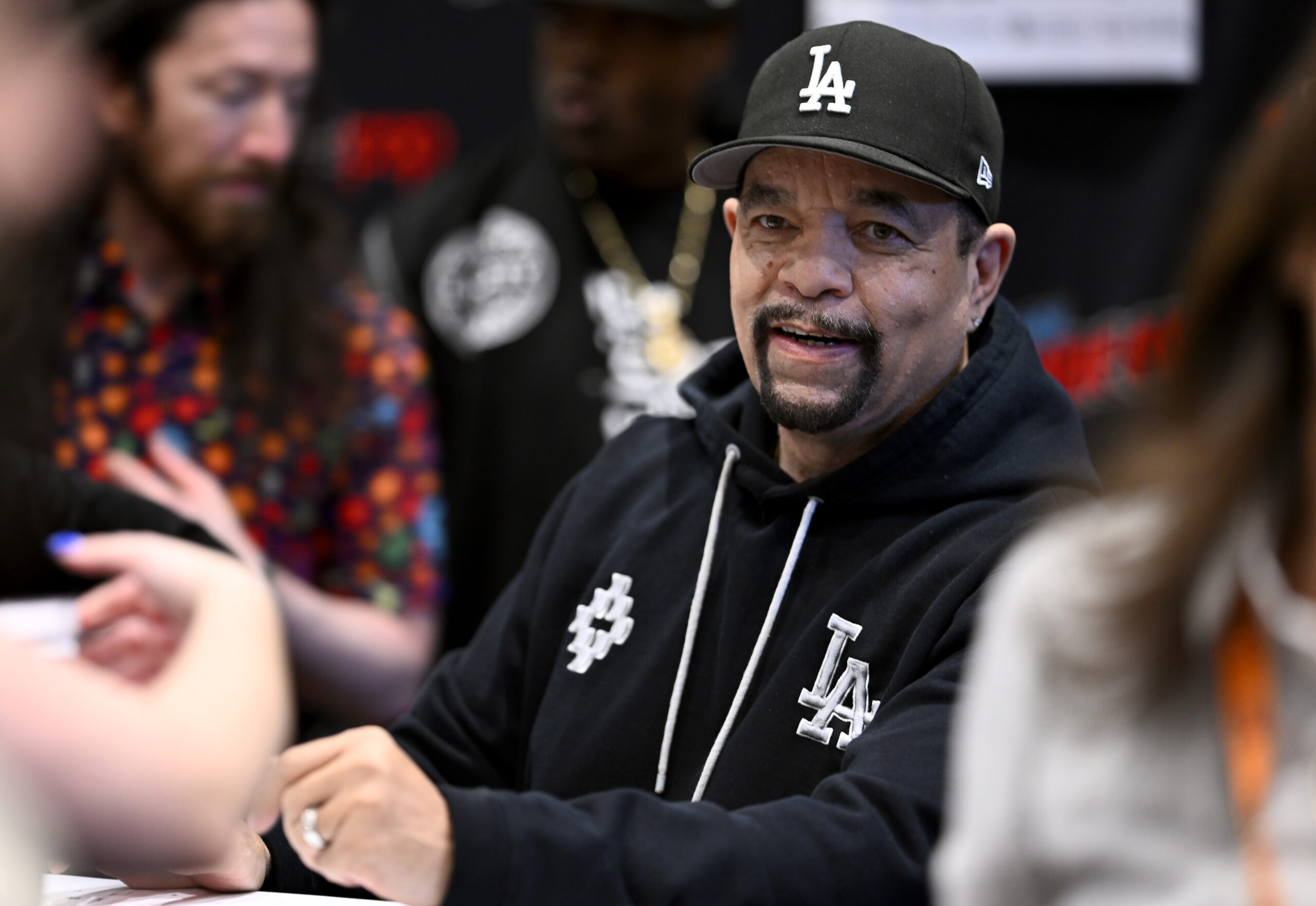
NEW YORK, NEW YORK - OCTOBER 08: Ice-T speaks to fans during New York Comic Con 2022 on October 08, 2022 in New York City. (Photo by Roy Rochlin/Getty Images for ReedPop)
Ice-T Champions Black Men Getting Mental Health In Check
'As far as Black men out there, don’t be so boss that you can’t tell somebody that you hurt. You know that ain’t nothing soft about that.'
While celebrating National Iced Tea Day with the Raising Cane’s restaurant franchise, actor and entrepreneur Ice-T discussed how mental health affects Black people, particularly Black men.
According to TheGrio, the New Jersey-bred rapper-turned-actor spoke with the media outlet about being a spokesperson for the brand and provided details about the struggles people encounter when dealing with their mental health.
With mental health still being taboo among Black men, although it’s been a little more acceptable recently, the struggle among them still meets resistance. The man born Tracey Marrow brought up the suicide of Bronx-born, East Orange-raised recording artist, Chino XL, as an example. Chino committed suicide less than a year ago on July 28.
“Black men, we have the biggest egos about health in general… We’re strong. We don’t go to the doctor. We don’t take care of ourselves until it’s usually too late,” Ice-T tells the media outlet. “I had a friend, Chino XL, commit suicide recently, and I always was just like, ‘Man, why didn’t you call me?'”
He explains that we’re scared to talk to people about issues we’re having because we fear the things we discuss may be used against us in the future. However, he encourages people to share their problems with someone they trust. Not to hold so much inside as we all go through things that may get to us because we’re not expressing ourselves.
“Every single human being walking around is dealing with some sh**, everyone. And what happens is we start to think our problem is we’re the only person dealing with it. When you think you’re the only one dealing with a particular problem, you’re not at all. There are thousands of people that deal with that same neglect problems, but you need to reach out and talk to somebody.”
The New Jack City actor also advises Black men not to let their ego affect their mental health.
“As far as Black men out there, don’t be so boss that you can’t tell somebody that you’re hurt. You know that ain’t nothing soft about that. Because the other option is not acceptable, hurting yourself or hurting somebody because you’re hurt.”
Claressa Shields Takes Jab At Angel Reese After Losing BET ‘Sportswoman Of The Year’ Award
Claressa Shields is not pleased with her loss to Angel Reese for BET 'Sportswoman of the Year' award and she is being vocal about her displeasure.
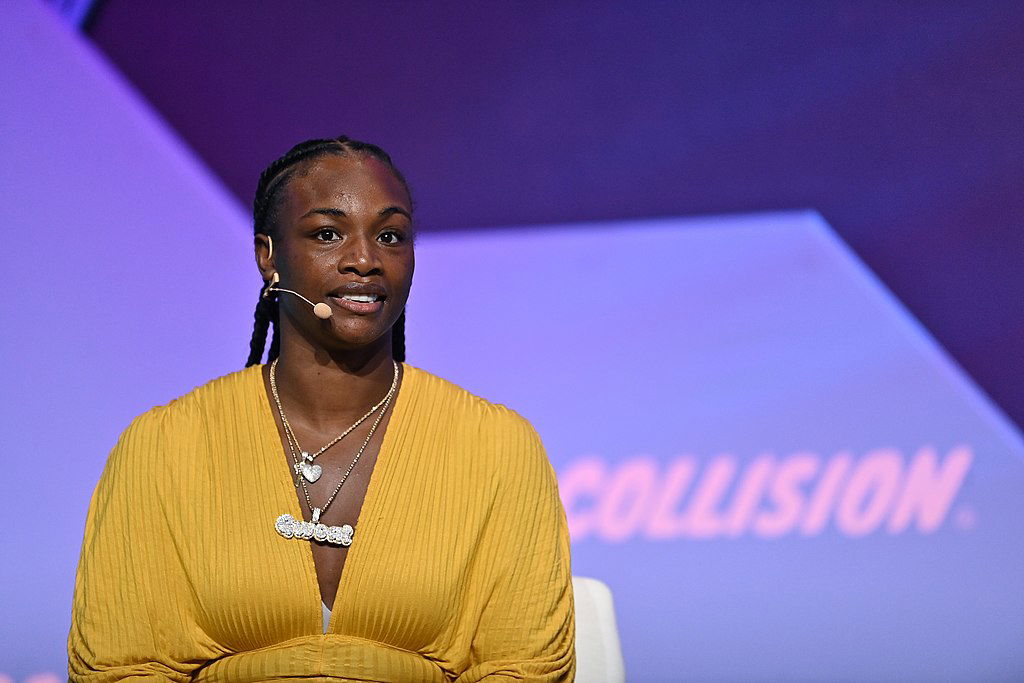
Olympic Gold medalist Claressa Shields is confused about why she did not win the Sportswoman of the Year award at the 2025 BET Awards.
On June 9, the 25th BET Awards ceremony aired. Only a day later, Shields posted her query on X. The 2025 Sportswoman of the Year nominees were some of the most successful Black women in sports. However, Shields called out a singular nominee, the award winner, Chicago Sky player Angel Reese. The undisputed heavyweight boxer has an impressive 16-0 record and questioned if winning matters.
“Still don’t know how I didn’t win the Sportswoman of the Year for the @BETAwards, but Congrats to Angel Reese and all the other Nominees, I just thought accolades mattered,” Shields wrote.
Shields followed up her post with further explanation. According to Shields, she was “under the impression the category was graded on accolades of your sport.” While professing to be a fan of Reese, she firmly stood behind her previous post.
“Ain’t nobody saying Angel Reese don’t have accolades or she not good…. I’m saying I thought the person with “THE MOST” accolades & accomplishments would win the Award. I’m team Angel Reese!” she exclaimed.
Ain’t nobody saying Angel Reese don’t have accolades or she not good…. I’m saying I thought the person with “THE MOST” accolades & accomplishments would win the Award. I’m team Angel Reese!
— Claressa Gwoat Shields (@Claressashields) June 10, 2025
Still, even by the metrics Shields outlined, she would not be the clear winner. Shields’ competition included the best Black women in sports today: legendary WNBA Player, Olympian, and college coach Dawn Staley; WNBA Champion and multiple time MVP winner A’ja Wilson; Olympic Gold medalist Sha’Carri Richardson; the Greatest Gymnast of All Time, Simone Biles; 2025 French Open Champion, Coco Gauff; and college basketball standouts Flau’Jae Johnson and Juju Watkins.
Social Media Backlash
Unfortunately, X users are not pleased with Shields’s competitive nature. Some people recognized the talent in the stacked category and made a point to draw attention to the accolades of the dynamic list.
Sha’Carri Richardson won a gold and silver medal at the Olympics. Dawn Staley won a national championship after going undefeated. A’ja Wilson won an MVP. What tf have you done besides beef with Remy Ma over Papoose? Even if it wasn’t Angel, it would NEVER be you. https://t.co/7EE1bvFt6P
— The Black Chuckie Finster (@AKSoGreat) June 11, 2025
One X user listed Angel Reese’s accomplishments with a scathing critique of Shields. The commenter emphasized that the award only takes into account the previous year’s milestones.
“You’re sleeping with a married man. You were never going to win that award. It’s not an overall award. Obviously, you didn’t read the criteria. It’s based off the previous year.”
Another user pointed to the boxer’s public relationship with married rapper Papoose. The commenter cited a lack of business acumen and an abundance of social media scandals as the reason Shields did not prevail.
“You’ve been crashing out behind a married man for months. So much so that you didn’t even promote your own movie. While Angel has been building a brand while focusing on her sport.” @MayRainAway wrote.
You've been crashing out behind a married man for months. So much so that you didn't even promote your own movie. While Angel, has been building a brand while focusing on her sport. https://t.co/ikWnWs66s5
The prevailing sentiment among many is that the callout to BET and Reese is unsportsmanlike behavior. Shields has accomplished a great deal in her career. Additionally, she continues to display excellence in her craft. Yet, her actions suggest that maturity is a skill she is still developing. Shields will defend her heavyweight title on July 26 against Lani Daniels at the Little Caesars Arena in Detroit.
Megan Thee Stallion Secures Gag Order Against Milagro Gramz In Defamation Lawsuit
Megan sued the blogger last year for allegedly leading a "campaign of harassment"
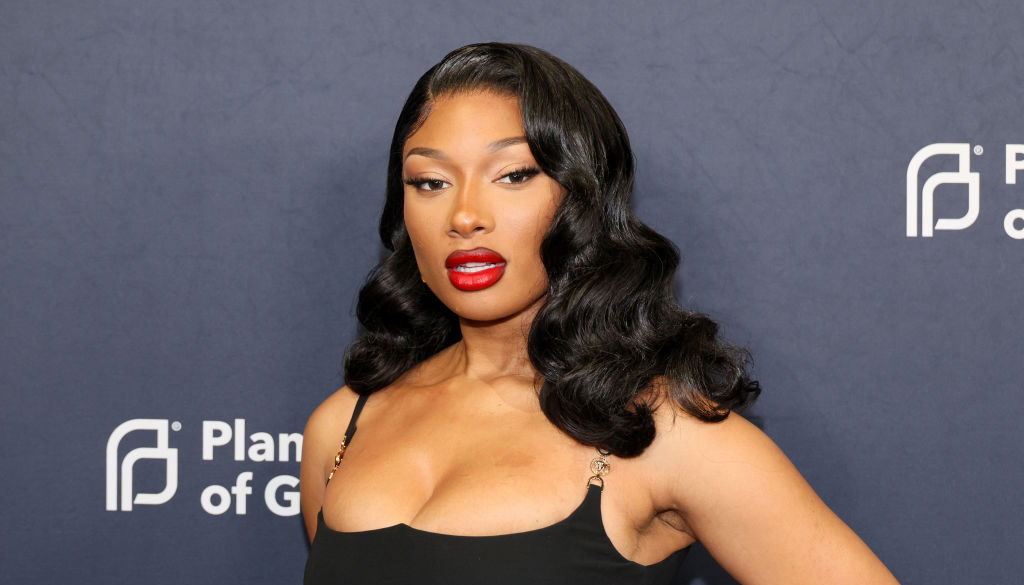
Megan Thee Stallion has successfully gained a gag order against Milagro Gramz amid her defamation lawsuit against the blogger.
According to Billboard, Milagro, whose real name is Milagro Elizabeth Cooper, will legally have to stop posting about Megan Thee Stallion as their legal battle wages on. Megan sued the infamous blogger over her alleged harassment of her as a staunch supporter of Tory Lanez, who is currently in prison for shooting Megan.
Megan’s attorneys claim that the blogger was fully invested in leading the public smear campaign against her. The lawsuit alleges that Tory Lanez paid Milagro to continue spewing rumors and misinformation against the Houston rapper, also fueling the drama surrounding the shooting.
She referred to Milagro and Lanez’s alleged deal as a “campaign of harassment,” leading her to launch the case against the social media critic.
“Enough is enough,” her team wrote in 2024. “Ms. Pete—a victim of violent crime and champion of women’s rights to her millions of fans worldwide—will no longer stand for defendant’s campaign of harassment.”
Given these allegations, a judge ruled in favor of Megan on June 4, restricting Milagro’s ability to reference the Grammy winner publicly.
“There’s an accusation that you defamed her. So what I have to do as a judge in this case is at least contain the information that’s going around in social media from you right now on this case,” ordered U.S. Magistrate Judge Lisette M. Reid.
However, the gag order works both ways. The 30-year-old also received a court order not to speak about Milagro either.
The judge added, “And the plaintiff would be required to do the same. If she were posting about you or this case, that would be highly inappropriate as well.”
Attorneys for Megan even emphasized how Milagro’s social media comments suggested that the “Hiss” rapper played a role in Lanez’ stabbing while in a California prison last month. Her legal team maintains that Milagro’s continued bashing of the rapper could provoke others to harm her.
“What I’ve described is the least of it. It has taken itself to a more serious level. It rises potentially, at least in our judgments, to a level of incitement. There’s a real risk that people could act on the defendant’s statements,” said Megan’s attorney, Robert Schwartz.
On Milagro’s team, the news comes as she sourced new counsel after Lanez’s defense team dropped her as a client over legal expenses. While Lanez fights for his own appeal, Milagro had to crowdfund to pay for a new legal team. The blogger acquired new representation just weeks before her deposition, as reported byHot New Hip Hop.
With the new gag orders in effect, Milagro’s deposition remains scheduled for July 1.