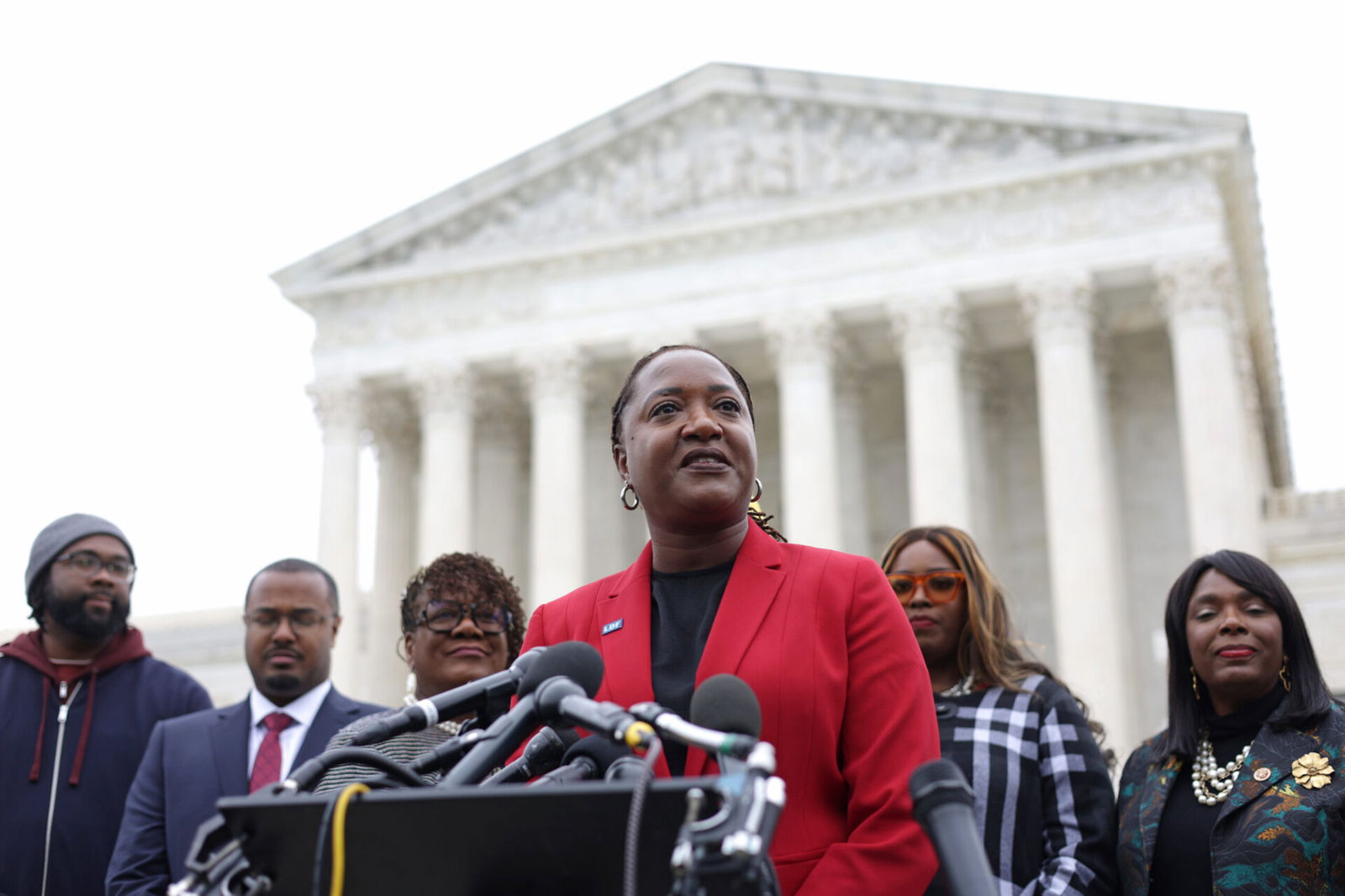
WASHINGTON, DC - OCTOBER 04: President and Director-Counsel of the NAACP Legal Defense Fund (LDF) Janai Nelson (C) speaks to members of the press after the oral argument of the Merrill v. Milligan case at the U.S. Supreme Court on October 4, 2022 in Washington, DC. The Supreme Court heard oral argument of the case that challenge whether the new congressional map of Alabama violates the Voting Rights Act. (Photo by Alex Wong/Getty Images)
How The NAACP Legal Defense Fund Is Fighting Back Against DEI Attacks
NAACP’s Legal Defense Fund (LDF) has been organizing with other civil rights groups to challenge anti-DEI.
While some voters are asking Democrats to fight the attacks on diversity, equity and inclusion initiatives, one organization is fighting back against DEI opponents. NAACP’s Legal Defense Fund (LDF) has been organizing with other civil rights groups to challenge those who are stripping down protections.
LDF is already starting to see some victories in their fight.
“We had a team engaged in Georgia working to oppose an anti-diversity, equity, and inclusion bill there. They successfully defeated it last week,” Amalea Smirniotopoulos told BLACK ENTERPRISE. Smirniotopoulos is leading the Equal Protection Initiative at the NAACP’s LDF.
“We have been coordinating with civil rights allies to file litigation. For example, we filed a lawsuit in February challenging two of the anti-diversity executive orders and the anti-transgender order,” says Smirniotopoulos.
“We also have a motion for a preliminary injunction that would prevent the government from implementing those orders. It will be heard in court next week.”
What The Legal Defense Fund Says Is At Stake
Following the Supreme Court’s decision on Students for Fair Admission, which ruled that the use of race in higher education is unconstitutional, LDF launched the Equal Protection Initiative. LDF launched the initiative because civil rights advocates saw the writing on the wall that civil rights across industries would be weaponized. The initiative pushes back on these attacks with litigation, policy research, and other techniques.
“I worry about the chilling effect of the Trump’s executive orders and the actions that we see coming out of federal agencies, including the Department of Education, and what that means for people in their daily lives,” she said.
“We know, based on social science research, that it’s important for students to feel like they can belong, that they can see themselves in their curriculum, that they can find community in their schools to be able to learn effectively.”
She added, “there have been studies that have documented that racial discrimination costs the economy overall to the tune of trillions of dollars.”
Excellence In Bleu To Honor Carol Moseley Braun At 2025 Women In Power Event
As the Women in Power Special Honoree, Moseley Braun will be celebrated for her dynamic leadership contributions in Illinois.
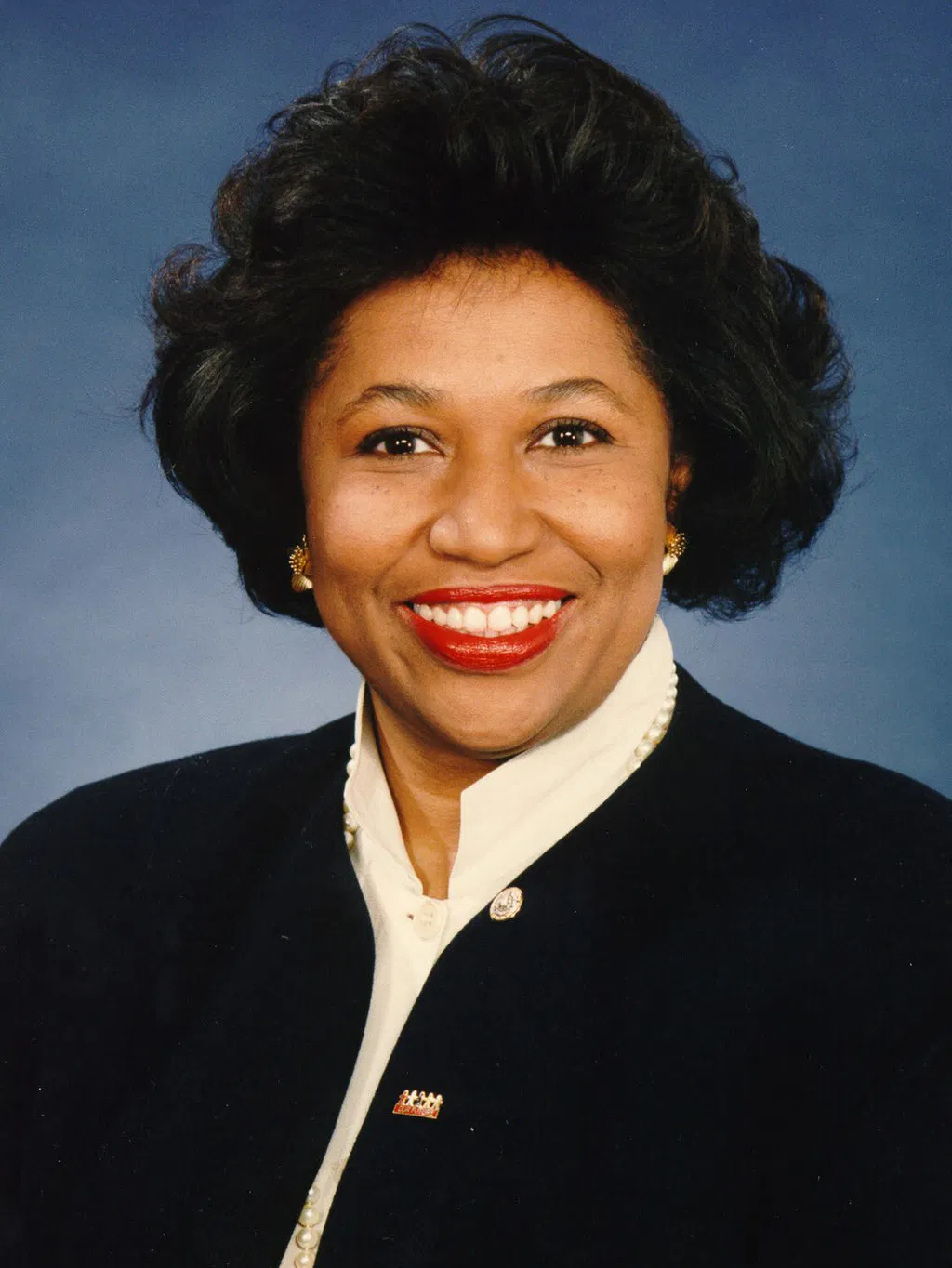
This year’s Women In Power program, hosted by House Speaker Emanuel ‘Chris’ Welch and civic engagement organization Excellence in Bleu, will honor Carol Moseley Braun, the first Black woman U.S. Senator, for her dynamic leadership in Illinois.
The annual Women’s History Month event will feature Ambassador Braun as a 2025 Special Honoree alongside the celebration of other female change makers in Illinois. Welch said in a press release that, “While we are here to honor a powerful and diverse group of women, it is not lost on me that the first Black Speakers of the Illinois and Michigan Houses and the first black woman to lead the Illinois House political arm are highlighting Ambassador Moseley Braun, a woman of many Black firsts who paved the way for us all.”
Moseley Braun, a Chicago native, served in the United States Senate from 1993 to 1999. According to a featured biography, The Illinois Democrat became an Illinois state Representative in 1977 before she was appointed as the first African American to hold an executive position for Cook County. She made history again after she became the first Black woman to serve in the Senate in 1992. She served as U.S. Ambassador to New Zealand from 1999 to 2001. Moseley Braun’s advocacy focused on policies like progressive education and gun control.
As Black Excellence in Bleu continues its commitment to promote civic engagement, community outreach and policies to support its communities, the organization is dedicated to motivating and inspiring women through its Women in Power event. Each year, the celebration honors a diverse group of women in leadership. Welch asserted, “Now is a critical time to celebrate the women who continue to break barriers in Illinois.”
The event will be held on March 14 at RPM Seafood from 1 to 3 p.m. Tickets are available for purchase on the Women in Power event website.
Employee Morale Plummets As Unemployment Rises And Job Market Weakens
Employee confidence hit a new low in February amid rising unemployment and a shaky job market.
New research reveals that employee confidence, based on workers’ trust in their employer’s business outlook, dropped to an all-time low in February.
Data from workplace review platform Glassdoor show that workers across various industries are increasingly worried about their future and losing confidence in the current job market, Axiosreports. Factors contributing to the decline in employee morale include fear of layoffs, an unstable job market, and uncertainty about a company’s future, particularly in the federal sector.
As the Trump administration implements significant federal spending cuts, many workers are concerned about potential impacts. Confidence among these workers dropped nearly five percentage points last month, as the Department of Government Efficiency has “thrown the future of the federal workforce into disarray,” Glassdoor stated.
Federal workers experienced the largest drop in employee confidence, followed by the aerospace and defense sectors, which saw a 3.5% decline. This decrease reflects, in part, concerns about the spillover effects of federal budget cuts.
“It’s not just about people being laid off, but it’s also about people who are left behind and feel the impact,” said Glassdoor lead economist Daniel Zhao.
Key consumer sentiment indicators reveal growing concerns about a decline in economic confidence, fueling the “growth scare” topic that is dominating discussions among economists and investors. The New York Fed’s survey of consumer expectations shows that respondents anticipate tougher economic conditions in the near future.
Discussions of layoffs in Glassdoor reviews have been on the rise, with the percentage of reviews mentioning “layoff” increasing by 5% compared to the same period last year. This record low in confidence comes just three years after a record-high period when workers were in high demand, and job-hopping was more common.
“As the balance of risks has shifted from inflation to the job market, we’re seeing that reflected in how employees are talking about the risks and challenges they face,” Zhao said.
Looking Ahead: Report Reveals New Capital Strategy For Black Business Owners
Collective wealth starts with collective literacy
By Ronald Busby, Sr
Traditional funding barriers have long kept Black entrepreneurs from accessing the assets and opportunities readily available to their white counterparts. Seventy-eight percent of small business owners use their own funds to launch their business ventures, according to the U.S. Chamber of Commerce. Still, assets that Black people hold have lesser value, automatically undermining their ability to start and grow businesses due to longstanding challenges. Stock ownership statistics reveal a significant disparity: 65.6% of white families own stocks compared to just 39% of Black families, per the Pew Research Center. Furthermore, the issue persists across the board as Black families hold more than 75% less in median stock-holding value compared to white families. Case in point, Black families’ median stock-holding value is $16,500, while white families have $67,800. How, then, are we supposed to increase our wealth when we have so little to begin with?
One emerging solution is retail investing. Unlike institutional investing, retail investing is done by non-professional investors who purchase assets, including stocks, bonds, mutual funds, and exchange-traded funds (ETFs). These individuals go through investment advisors, brokerage firms, or investment platforms and leverage outsourced expertise to assist in investment decisions. Retail investing puts more power in the hands of the individual and looks to make the market more accessible for all.
One of the U.S. Black Chamber, Inc.’s (USBC) Six Pillars of Service is access to capital, and we used that pillar as the backbone of our research for our recently released Black Investment Report. The report takes a holistic view of the investment landscape for Black entrepreneurs and informs our understanding and approach. Given the realities of accessing capital as a Black person in this country, the Black Investment Report makes it abundantly clear how important asset portfolio expansion is for Black business owners.
Today, the democratization of retail investing makes wealth-building tools more accessible, empowering individuals to invest in their futures. Retail investing platforms, financial education initiatives, and increased mentorship opportunities have played a pivotal role in expanding access to capital markets. These platforms provide user-friendly information, educational resources, and features like fractional shares that make investing feel less out of reach. By lowering barriers to entry, they’ve opened up opportunities for more people, especially those from historically underserved communities, allowing them to participate in those wealth-building avenues.
That access is just one piece of the puzzle. By collectively moving away from asking for capital to creating it, Black entrepreneurs are doing what they have always done—finding innovative ways to fund their dreams. When the systems in place work so hard to gatekeep, we must make the switch to self-directed and community-based wealth building.
By shifting away from traditional funding models, Black entrepreneurs are carving out innovative paths to success. Black people are under-indexed in businesses, stocks, bonds, and other assets that can increase their net worth. Despite these shortcomings, projections show that even modest increases in Black stock ownership could significantly narrow wealth disparities (Source: Brookings Institute).
“Research illustrates the stock market, even with all of its ups and downs, remains the most reliable and most effective way to increase wealth over time.” (Source: Nasdaq) By levering the power of capital markets, Black entrepreneurs are rewriting the narrative and creating ripple effects for their communities and future generations. That community impact shows the importance of looking beyond individual success. We are only as strong as our most disenfranchised, so we must work to build collective wealth.
Collective wealth starts with collective literacy. We must do more to educate aspiring Black entrepreneurs about stock market participation to empower them. In addition to retail investing platforms that make information more accessible, investment clubs and mentorship programs are opportunities to bring that information to life. There’s more than one way to learn about and access capital markets, and utilizing different avenues diversifies your knowledge base in a way that will only benefit us all in the end.
The Call Forward
As the President & CEO of the USBC, I advocate for the more than 170 Black chambers and 310,000 Black-owned businesses we represent nationwide. USBC prides itself on its resources and partnerships crafted to support Black entrepreneurs with the unique challenges they face. One of our Six Pillars of Service is access to capital, and we used that pillar as the backbone of our research for our recently released Black InvestmentReport. The report takes a holistic view of the investment landscape for Black entrepreneurs and informs our understanding and approach. We are committed to an equitable and just world full of wealthy Black businesses, individuals, and families and will lead the charge to ensure this vision is realized.
Here’s how you can start your investment journey:
Get to know the market. USBC offers a resource deck featuring lending programs like our partnership with Lendistry, the ByBlack Grants List, business development support, corporate and government resources, and more.
Education is key. Retail investing platforms provide up-to-date resources, allowing you to stay on top of the fast-paced world of investing. Platforms like Robinhood, one of our corporate partners and one of the most well-known companies operating in this space, is one of many options depending on your goals.
Start small. When it comes to investing, every bit counts. Purchasing even fractions of shares will help you gain the experience necessary to invest confidently.
Ron Busby Sr. is President & CEO of U.S. Black Chambers, Inc., the national voice of Black business and a top advocate for resources and policies that impact Black business owners.
Jay-Z’s Assault Accuser Heard Admitting To Lying About Incident And Blaming Lawyer For Lawsuit
Jane Doe, who accused Jay-Z of rape, was recorded admitting to fabricating the story.
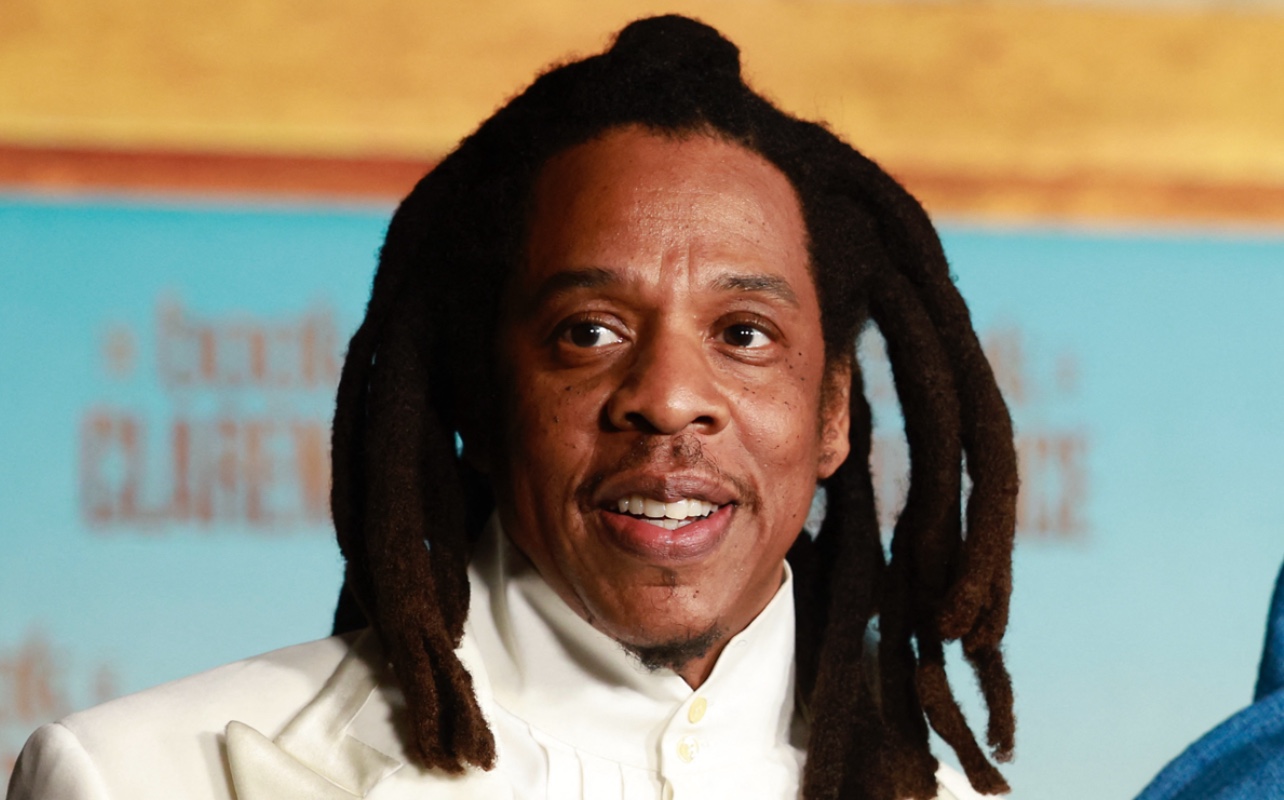
The woman who previously accused Jay-Z and Sean “Diddy” Combs of raping her at a VMA afterparty is heard in a recording stating that Jay-Z did not assault her while also accusing her lawyer, Tony Buzbee, of pressuring her to sue the rap mogul.
The recording features a conversation between the woman, identified as Jane Doe, and two private investigators connected to Jay-Z, ABC News reports. During the exchange, she confirms with the investigators that Jay-Z was not involved in the alleged assault and acknowledges that her lawyer, Tony Buzbee, encouraged her to pursue legal action against the Roc Nation founder.
“He was just there, but he didn’t have anything to do with any sexual acts towards you?” the private investigator asked.
“Yeah,” Jane Doe replied.
“He was the one that kind of pushed me towards going forward with him, with Jay-Z,” the woman is heard saying.
“Buzbee did?” the investigators asked. “Yeah,” the woman replied.
Carter’s attorney, Alex Spiro, denies that Jay-Z has ever met Jane Doe. Additionally, Buzbee has dismissed the claim that he pressured Jane Doe into suing Hov, calling it a “blatant lie.”
“As far as the suggestion that I pushed Jane Doe to bring a case against Jay Z – That is a blatant lie that is directly contrary to all the documentary evidence,” Buzbee said.
Jane Doe’s lawsuit against Jay-Z and Combs has been dismissed with prejudice, meaning it cannot be refiled. In a sworn declaration, Jane Doe reaffirmed her claims but explained that she withdrew the lawsuit due to “fear of intimidation and retaliation from Jay-Z” and his supporters.
She also denied telling investigators that Buzbee sought her out as a client or urged her to pursue a false claim against Hov. Jane Doe stated she felt “intimidated and terrified” when the investigators confronted her at her doorstep and noted that they knew her personal details, including her name and address.
Carter’s attorney, Alex Spiro, stated that “the tape speaks for itself” and that any doubts about Jay-Z’s innocence should be cleared up. Spiro further emphasized that the investigators who contacted Jane Doe did not coerce or threaten her in any way.
“She voluntarily met, spoke to them, and she told them her truth, which was under no circumstances did Mr. Carter do this,” Spiro said.
Carter is now suing Jane Doe and Tony Buzbee for defamation.
Breaking New Ground: MSNBC Show To Feature First Openly Gay Black Co-Hosts
MSNBC's new version of 'The Weekend' will feature the first openly gay Black male co-hosts.
When MSNBC’s The Weekend debuts in spring 2025, it will be historic. Co-hosted by Jonathan Capehart, Eugene Daniels, and Jackie Alemany, Capehart and Daniels will become the first two gay Black men to co-host a news program.
Daniels shared his excitement in an Instagram post, announcing not only his new role as co-host but also his position as Senior Washington Correspondent for MSNBC’s news gathering team.
In his post, he acknowledged the show’s former hosts, Symone Sanders, Michael Steele, and Alicia Menendez, expressing gratitude for their contributions.
“Some really exciting news: Very soon, I’ll be joining MSNBC as a co-host of The Weekend and also join their new newsgathering team as Senior Washington Correspondent. I’m excited and nervous and all the feelings but most importantly honored that I get to pick up the helm from the fabulous @symonedsanders, @chairman_steele, and @aliciamenendezxo,” Daniels wrote.
Capehart and Daniels are seasoned journalists who have covered the nation’s latest news for years. In 1999, Capehart was awarded the Pulitzer Prize for his coverage of the possible demise of Harlem’s famed Apollo Theater.
The addition comes as MSNBC navigates a transitional period. The network, which recently divested from parent company NBCUniversal, now operates independently. While MSNBC has maintained moderate ratings, it has experienced a decline compared to the same period last year.
According to Adweek, the network’s primetime viewership has dropped 16% in total audience and 9% in the key demographic of viewers ages 25 to 54 since last year.
The Weekend will air Saturday and Sunday from 7 a.m. to 10 a.m. Eastern.
USDA’s Food Program Cut: What It Means for Schools, Food Banks, And Low-Income Families
A USDA spokesperson released a statement confirming the funds were 'no longer available and those agreements will be terminated following 60-day notification.'
Schools and childcare facilities counting on the U.S. Agriculture Department (USDA), to buy food from local farms, were dealt a huge blow after the agency cut two programs, Politico reports.
The Local Food for Schools Cooperative Agreement Program was axed. Facilities counted on close to $660 million to provide local food choices to children. The School Nutrition Association said state officials were notified March 7 by USDA as more than 40 states signed up to participate in years prior.
The Local Food Purchase Assistance Cooperative Agreement Program, which supports food banks and other feeding organizations, was also cut. All told, more than $1 billion in federal spending was halted.
Spending for both programs was expanded by former President Joe Biden’s administration, citing a need for a more resilient food supply chain so schools and other facilities didn’t have to rely solely on food company giants. In 2024, the agency pushed more than $1 billion in additional funding through collaborative efforts with a new USDA fund allocated for purchasing agricultural commodities called the Commodity Credit Corporation.
However, the idea was short lived. A USDA spokesperson released a statement confirming the funds created in October 2024 were “no longer available and those agreements will be terminated following 60-day notification.”
With the cost of food continuously rising and needed programs being axed at the hands of the Trump administration, school nutrition officials are growing more and more anxious about the affordability of healthy food options. There is also the issue of the number of children with limited food resources over the summer.
In January 2025, Iowa’s Department of Education announced plans to look for sponsors for its summer meal and snack sites, a collaborative effort with USDA’s Summer Food Service Program (SFSP).
The state is home to 111 communities classified as rural food deserts, according to The Daily Iowan. Experts like Natoshia Askelson, associate professor in community and behavioral health at the University of Iowa College of Public Health, said living in a food dessert creates additional stressors to those living in low-income or rural areas that people in other communities don’t think about.
“People who have to access food in rural areas have to drive further. That increases the amount of time that they spend getting food, which then decreases the amount of time they have to prepare food and the amount of time that they have to devote to their families and their jobs,” Askelson said. “So, a larger percentage of their time is really about being able to get food and find food.”
Other state leaders, like Massachusetts Democratic Gov. Maura Healey criticized USDA’s decision and knew exactly who to blame.
“Donald Trump and Elon Musk have declared that feeding children and supporting local farmers are no longer ‘priorities,’ and it’s just the latest terrible cut with real impact on families across Massachusetts,” Healey said in a statement.
She said the decision will result in a $12 million loss toward school districts.
It’s Monday morning, and your team meeting is already off track. Your manager is running through a rapid-fire list of updates—half of which are news to most people in the room. You’ve been trying to get clarity on a key project for weeks, but every time you ask, the response is rushed or vague. Today, you decide to speak up. What do you get in return?
Silence.
Someone shifts in their seat. Your manager barely acknowledges your concern before moving on with the agenda.
After the meeting, a colleague sends a quick message: “You good? I saw that look on your face.”
You are not.
You know the risk of pushing further, and you don’t want to be labeled difficult or combative. Staying silent could lead to major project setbacks, and later, someone will ask why you didn’t raise the issue sooner. It’s a familiar tightrope walk for many Black professionals: finding the balance between asserting yourself without being labeled aggressive and making sure your voice carries weight in spaces where it’s too often overlooked.
In a climate where DEI programs are under attack, discussions around race, equity, and even basic workplace belonging have become more fraught. Companies that once pledged commitment to inclusion are now quietly pulling back. Employees who once felt empowered to advocate for themselves and others may now hesitate, wondering whether they’ll be seen as “divisive” or “political” just for addressing real challenges.
This is why resetting your communication skills is not just about effectiveness but survival in spaces where the rules are shifting.
Let’s be clear—resetting doesn’t mean making yourself smaller or more palatable. It means refining your approach, adapting to workplace dynamics, and ensuring your message lands as intended. It’s about being strategic while staying true to who you are. And for Black professionals—who too often have to navigate additional hurdles just to be heard—taking control of how we communicate isn’t optional. It’s necessary.
Why a Communication Reset Matters
Workplaces Are Always Changing—And DEI Is on the Decline
New leadership, shifting priorities, and evolving company cultures mean that what worked yesterday might not work today. This is especially true in the wake of recent rollbacks on DEI efforts. A 2023 report from McKinsey found that corporate diversity initiatives are stalling or being reversed in multiple industries, leaving employees from underrepresented backgrounds with fewer formal support systems.
In this environment, refining your communication strategy is critical—not just to be heard but also to navigate shifting workplace norms with confidence.
Ineffectual Communication Creates Bigger Problems
Gallup research shows that 76% of employees experience burnout at least occasionally—often due to unclear expectations and ineffective communication. When messages get lost in translation, frustration builds, and small misunderstandings snowball into larger conflicts.
For Black professionals, this frustration is compounded by unspoken biases that can influence how our communication is received. We have seen time and time again that the same assertive language that reads as “strong leadership” from one colleague may be misinterpreted as “aggressive” or “uncooperative” when coming from a Black professional.
Perception Matters—But So Does Your Peace
A study from Deloitte DEI Institute in partnership with the Meltzer Center for Diversity, Inclusion, and Belonging at NYU School of Law found that 65% of Black professionals feel pressured to mask their identities or engage in “covering behaviors” to fit in at work. That burden has only increased in today’s climate, where discussions of race and inclusion are becoming more contentious.
While perception is a reality we can’t ignore, you shouldn’t have to sacrifice your authenticity to keep the peace. The key is striking a balance—being strategic without losing yourself in the process.
Hybrid and Remote Work Demand New Skills
In February 2021, McKinsey estimated that 20% to 25% of jobs in advanced economies could remain remote long-term. Virtual meetings, Slack messages, and email or text chains require a different level of clarity. Resetting your approach ensures effective communication, even when face-to-face interactions are limited.
How to Reset Your Communication Approach in an Anti-DEI Climate
A reset isn’t about overhauling your personality—it’s about small, intentional shifts that improve how you show up and how your message lands. Here’s where to start:
Audit Your Current Communication Style
Are you being as clear as you think you are? Take a look at past emails, meeting contributions, and feedback you’ve received. If people frequently ask you to clarify or repeat things, that’s a sign that you need to refine how you deliver your message.
Set Boundaries and Make Space for Your Voice
If you’re often interrupted or overlooked, change how you engage. Do not ask a question like, “Can we circle back to…?” Use direct, confident language:
“I want to make sure my point is fully considered before we move on.”
“Before we wrap up, let’s revisit my earlier question to confirm we’re aligned.”
Adapt to Different Communication Preferences
Not everyone processes information the same way. Some colleagues need direct conversations, while others prefer written summaries. If your message isn’t landing, consider whether it needs to be delivered in a different format.
Strengthen Active Listening and Ask Clarifying Questions
Research shows that people who engage in active listening are seen as more competent, likable, and trustworthy by others. Instead of just waiting for your turn to talk, engage with thoughtful, clarifying questions:
“Can you walk me through your thought process on that?”
“Just to confirm, are we adjusting the deadline?”
Get to the Point in Digital Communication
A Grammarly survey found that employees waste an average of 7.47 hours per week due to poor communication. In emails and Slack messages, be clear, professional, and concise. Avoid overly casual or ambiguous wording that can create confusion.
Don’t Let Silence Speak for You
If an issue is not being given the appropriate attention, don’t assume the conversation is over. Follow up, reinforce your message, and, if necessary, take it to the right people. Silence rarely leads to change.
Apply Strategies from Negotiating While Black
In Negotiating While Black, I emphasize the power of authenticity and preparation. These principles apply to negotiations and are critical for everyday workplace communication. The more prepared you are, the more confidently you can advocate for yourself and your ideas.
The Power of a Communication Reset
Refining how you communicate isn’t about blending in—it’s about amplifying your voice and influence. When you reset, you:
Build stronger workplace relationships
Reduce misunderstandings and conflict
Increase your professional presence and credibility
Make it easier to collaborate with others
Most importantly, you control how you engage and advocate for yourself in professional spaces.
This is the perfect time to reset—not just your goals but also how you communicate. When your words are clear, confident, and intentional, you don’t just participate in the conversation—you shape it, influence it, and ensure it drives real impact.
About the Author
Damali Peterman is a lawyer, mediator, and author of Negotiating While Black: Be Who You Are to Get What You Want. She specializes in helping professionals navigate high-stakes conversations, workplace conflict, and career negotiations with confidence and authenticity.
(Photo: Gary Coronado/Los Angeles Times via Getty Images)
Suge Knight Questions Snoop Dogg Owning Death Row Records: ‘Show Me The Paperwork’
The bad blood between the two goes back years.
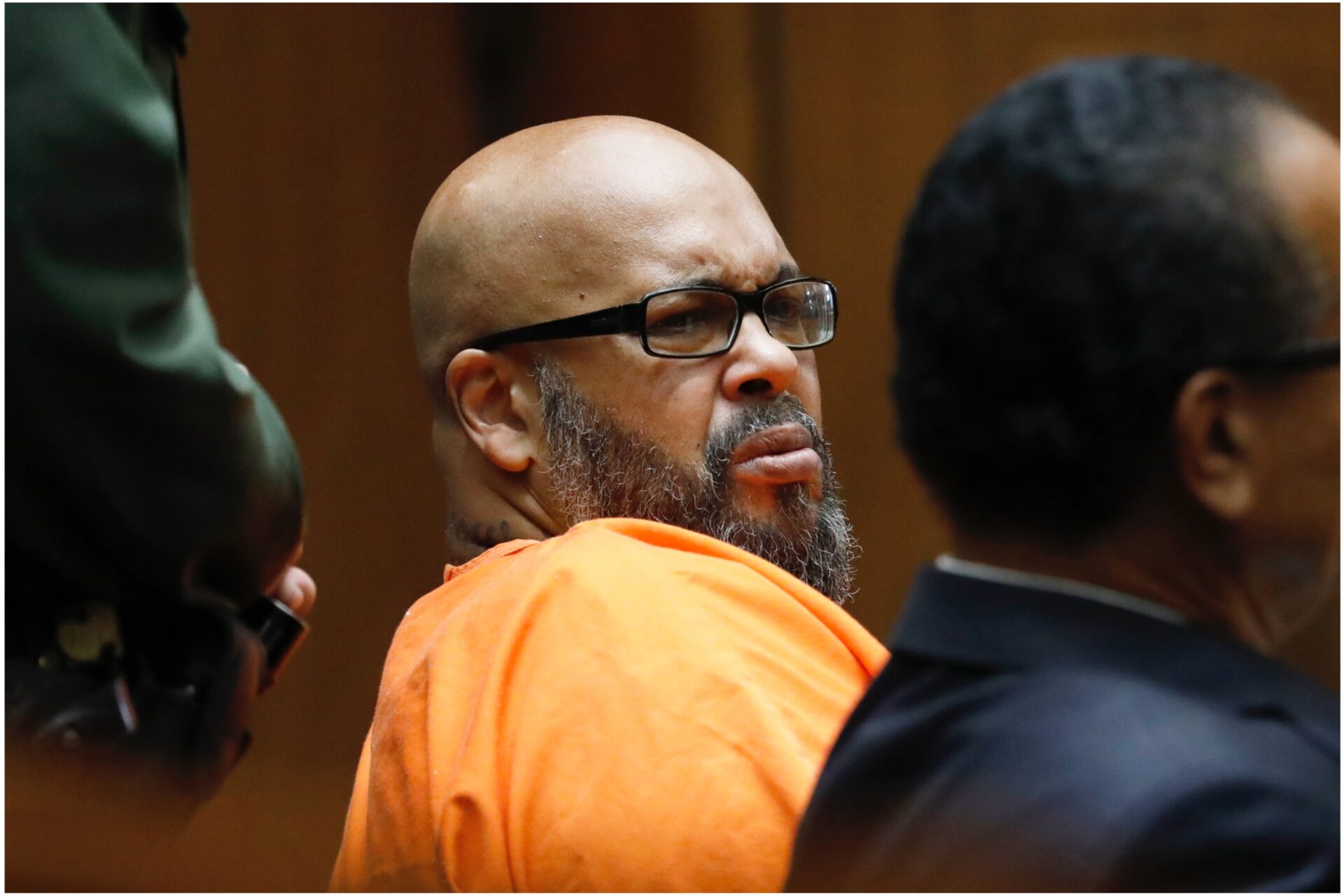
The latest chapter in the feud between former Death Row Records owner Suge Knight and the label’s biggest act and current owner, Snoop Dogg: Knight questioning the legitimacy of Snoop’s ownership of the label during his appearance on The Art of Dialogue.
The two have had a very contentious relationship since Snoop recorded on Death Row Records in the 1990s. Snoop started his recording career there when he released his Dr. Dre-produced debut album, Doggystyle, in 1993. The California rapper left to join Master P’s No Limit Records in 1998.
Knight is currently in prison serving a 28-year sentence for his involvement in a fatal hit-and-run in 2015. From his prison cell, he said, “Snoop, you said I’m mad because you bought Death Row. What you buy? Show me where y’all paid the money to buy it. Show me the paperwork; show me what you own.”
He previously accused Snoop of fraudulently acquiring Death Row Records when he purchased it in 2022. He added that Snoop is trying to replicate the success of the label but so far has fallen short of what Knight accomplished.
“You trying to create something that Suge Knight created, but instead of making something big, you disappointed the world by making everything flop,” Knight explained. “When I put out Tha Dogg Pound, they sold records. You put out Tha Dogg Pound; they sold nothing—it flopped. You and Dre got together; Andre (Dr. Dre) says it’s the best album he ever did in his whole life…we couldn’t tell because it came and went so fast.”
In February 2022, Global investment firm Blackstone announced that Snoop had acquired the Death Row Records brand and name from MNRK Music Group. Terms of the deal were not disclosed.
From DEI To Tariffs To Funding: Black Firms Face Quagmire As Trump Economic Plan Reduces Growth Prospects
The business landscape has grown more difficult for Black entrepreneurs, thanks to new economic policy changes.
Black entrepreneur Leo Carr is very worried about the Trump administration’s plans to abolish the U.S. Department of Education (ED). Carr says the move would negatively impact his firm and industry.
A cabinet-level agency, the ED distributes billions of dollars in federal education funding to individuals and programs. That includes financing for Title I funds for low-income schools, special education funding, and Pell Grants for college students, including Black Americans.
(Photo provided by Leo Carr)
“Eliminating the department could disrupt these programs, leaving states and local districts struggling to replace lost funds,” Carr says.
Carr’s example is just one potentially massive setback for ED. Carr owns The Elite Group, a Southfield, Michigan-based educational management and consulting firm. It manages three charter schools and provides educational staffing, teacher training, and janitorial services to school districts.
If ED is shut down, Carr says his firm could lose up to $5 million in funding in the worst-case scenario. He says any loss could lead to the layoff of teachers and other operational staff. “Compounding this problem would be our inability to service as many students as we had previously.” If that happens, Carr asks, where would these students and their families go to receive a basic education? “This creates discourse and confusion in the African American communities we serve.”
All told, Trump’s economic plan has perplexed many Black businesses. They are now dealing with new challenges entailing everything from strained or broken relationships with clients, hesitant payments on contracts, and uneasiness about how to plan future growth strategies.
The predicament has mushroomed since Trump started his second term in January and began imposing executive orders. One command called for dismantling diversity, equity, and inclusion (DEI) programs in the federal government and ordering federal agencies to compile lists of private companies that might be examined for their DEI actions. Black federal workers and those employed by private firms could become jobless.
Concurrently, Trump’s recent erratic tariff policies are producing more uncertainty among business owners, CEOs, and investors. There is a proposed 25% tariffs on goods from Mexico and Canada and an already imposed 10% tariff for China. On March 12, Trump applied tariffs on steel and aluminum from every country, which will likely bring higher prices for U.S. consumers.
The effect of Trump’s tariffs has been catastrophic: Fears of a weaker economy reportedly deleted $4 trillion in stock value as of March 10, after the S&P 500 hit its highest point last month. The proposed onslaught of economic policy changes is also fueling calamity.
Rhonda Vonshay Sharpe, president of the Women’s Institute for Science, Equity, and Race (WISER), said in an email that (DEI) exposes the vulnerability of Black businesses and nonprofit organizations that combat inequality stemming from systemic racism.
Sharpe explained that many Black women entrepreneurs have successfully leveraged the Women-Owned Small Businesses or Economically Disadvantaged Women-Owned Small Businesses certifications to secure essential federal contracts that provide lucrative and stable opportunities.
Now, she added, these federal contracts, which play a pivotal role in enabling Black women to attain financial independence and build wealth, are at risk.
“The loss of income for these businesses will have consequences for their communities and the larger economy,” she said.
Ironically, the anti-DEI backlash overlooks the fact that diversity is critical for any business venture. Sharpe said companies rely on expanding their market share to maintain and increase profits, which requires a diverse customer base.
“An investment portfolio needs to be diversified to mitigate risks,” she explained.
The DEI cuts have left an “undeniable impact” on diversity recruiter Jennifer Tardy, founder and CEO of Jennifer Tardy Consulting, and some of her peers working in the space.
Based in Bowie, Maryland, Tardy’s research and training firm helps workplaces boost diversity and retention. Tardy shared by email that a six-figure business contract has been stalled her client reassesses how to approach this work in today’s political climate.
.Across the board, she noted there’s more hesitation, more scrutiny, and extra steps before organizations make decisions, and those that once moved forward with confidence are now second-guessing their DEI efforts. The new challenge is that DEI has shifted from being a strategic business imperative to a political flashpoint. Instead of acting, she wrote, many companies are spending more time justifying their DEI investments than executing them.
“This hesitation stalls budgets, slows hiring, and creates an environment where the fear of doing something wrong outweighs the urgency of doing what’s effective.”
Tardy added there is a hidden cost of inaction: many organizations assume that pausing or scaling back DEI efforts is a neutral decision, but it’s not.
“Diversity isn’t a trend, and retention isn’t optional,” she said. “Companies that figure out how to move forward strategically—without getting caught in the noise—will be the ones that thrive.”
Black business owner Hosea Haywood is truly concerned about how tariffs being applied by the Trump administration could hurt his business.
He owns Computerized Auto Search in Kansas City. Missouri, which sells pre-owned, late-model vehicles and electric vehicles to consumers and businesses. It’s also a distributor of charging stations for electric vehicles.
Haywood shared tariffs have created unreadiness and uncertainty with retail and corporate vehicle buyers. He says the pullback has occurred in the last month, fueled by worries of massive layoffs of federal government workers and private sector employees reluctant to buy. The retreat has forced him to make some operational changes, including watching more closely how many vehicles he buys for inventory. The firm is now being more prudent and efficient in its vehicle buying decisions for its physical site and online.
“The layoffs and tariffs have put us in a financial quagmire because we’re confronted with a great deal of market uncertainly,’” he says. “We’re cautiously optimistic, but we have to tweak our business until we see what this new trend reveals.”
He is not alone. Take Courtney Snowden, the founder and president of the Blueprint Strategy Group. Based in Washington, D.C., the firm supplies lobbying and government relations services to clients.
During the first Trump administration, Snowden says Democratic-leaning firms and Democrats working in government affairs saw their businesses and jobs evaporate.
“In this second term, we’re witnessing a similar chilling effect on Black government professionals, both in-house and within consulting practices, as a direct result of the relentless attacks on DEI—terms that the right has now weaponized as euphemisms for Black people.”
Snowden added that many Democratic and Black-led firms like her business have seen significant losses since last November, but “I remain hopeful that, just like in the first term, we will eventually see the pendulum swing back toward progress and opportunity for Black-owned businesses in particular.”