Carmelo Anthony, cannabis, STAYME7O, entrepreneurship
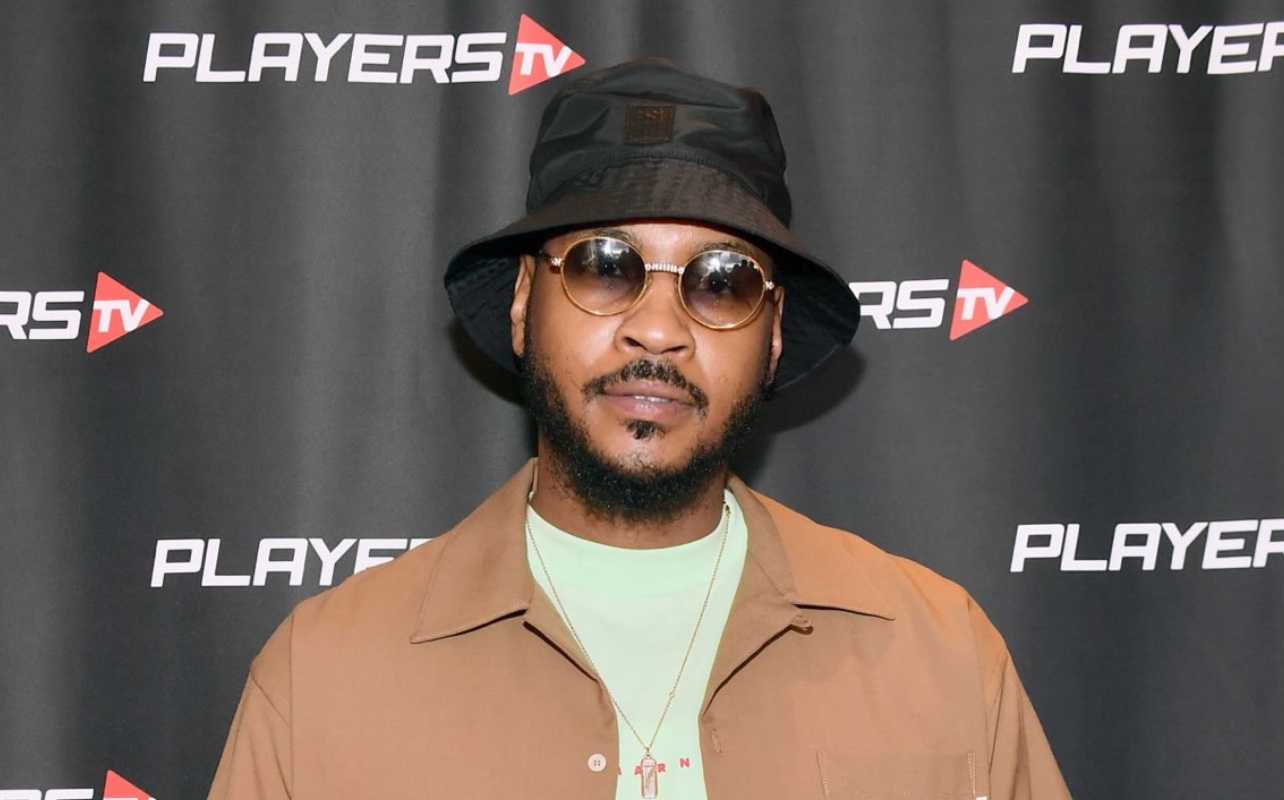
(Photo: Bryan Steffy/Getty Images)

Carmelo Anthony Reveals Why He Entered The Cannabis Business

Cannabis is one part of Anthony's growing post-NBA business portfolio.


Carmelo Anthony is shedding more light on his decision to enter the cannabis industry, saying education about the plant and his experiences with cannabis during his NBA career helped turn an interest into a business venture, Basketball Network reports.

The 10-time NBA All-Star discussed his path to cannabis entrepreneurship during the first episode of DraftKings’ “Action Figures,” hosted by Set Free Richardson. Anthony acknowledged that his understanding of the industry had evolved considerably from what he knew growing up and during his 19-season NBA career.

“During that time, I wasn’t educated. I didn’t have knowledge of the industry like that,” Anthony said. “Only other than what I’ve known from growing up and how I saw cannabis.”

Anthony said his perspective changed as he learned more about cannabis and explored different methods of consumption.

“It was more about explaining the plant and the benefits of the plant,” Anthony said. “Consuming for me was baths. It was recovery. It was, you know, more than just smoking.”

Anthony launched cannabis brand STAYME7O, pronounced “Stay Melo,” in Oregon on April 20, 2024. The company debuted under Grand National, a cannabis-focused agency Anthony established with LOWD Founder and CEO Jesce Horton and creative executive Brandon Drew Jordan Pierce.

The business initially launched its products at two minority-owned Oregon dispensaries. Anthony and Horton said at the time that supporting entrepreneurs from underrepresented communities was an intentional part of their strategy.

STAYME7O expanded into New York in April 2025, allowing Anthony to bring the company to a market closely connected to his basketball career. Anthony told Forbes that the expansion was about “empowering our communities, uplifting underserved entrepreneurs, and creating meaningful opportunities that support and celebrate our culture.”

The company now offers flower, pre-rolls, and vaporizers and operates in New York and Oregon, according to its website.

Cannabis is one part of Anthony’s growing post-NBA business portfolio. His ventures have also included Melo7 Tech Partners, production company Creative 7, and wine brand The Seventh Estate. But Carmelo Anthony has acknowledged that moving from professional basketball into entrepreneurship has required a different approach.

“The biggest transition is realizing that entrepreneurship is hard,” Anthony previously said, adding that adjusting to the demands and uncertainty of running businesses has been among his biggest challenges.

RELATED CONTENT: From the Hardwood to Hollywood’s AI Frontier: Carmelo Anthony’s Next Big Play
Topicals founder Olamide Olowe
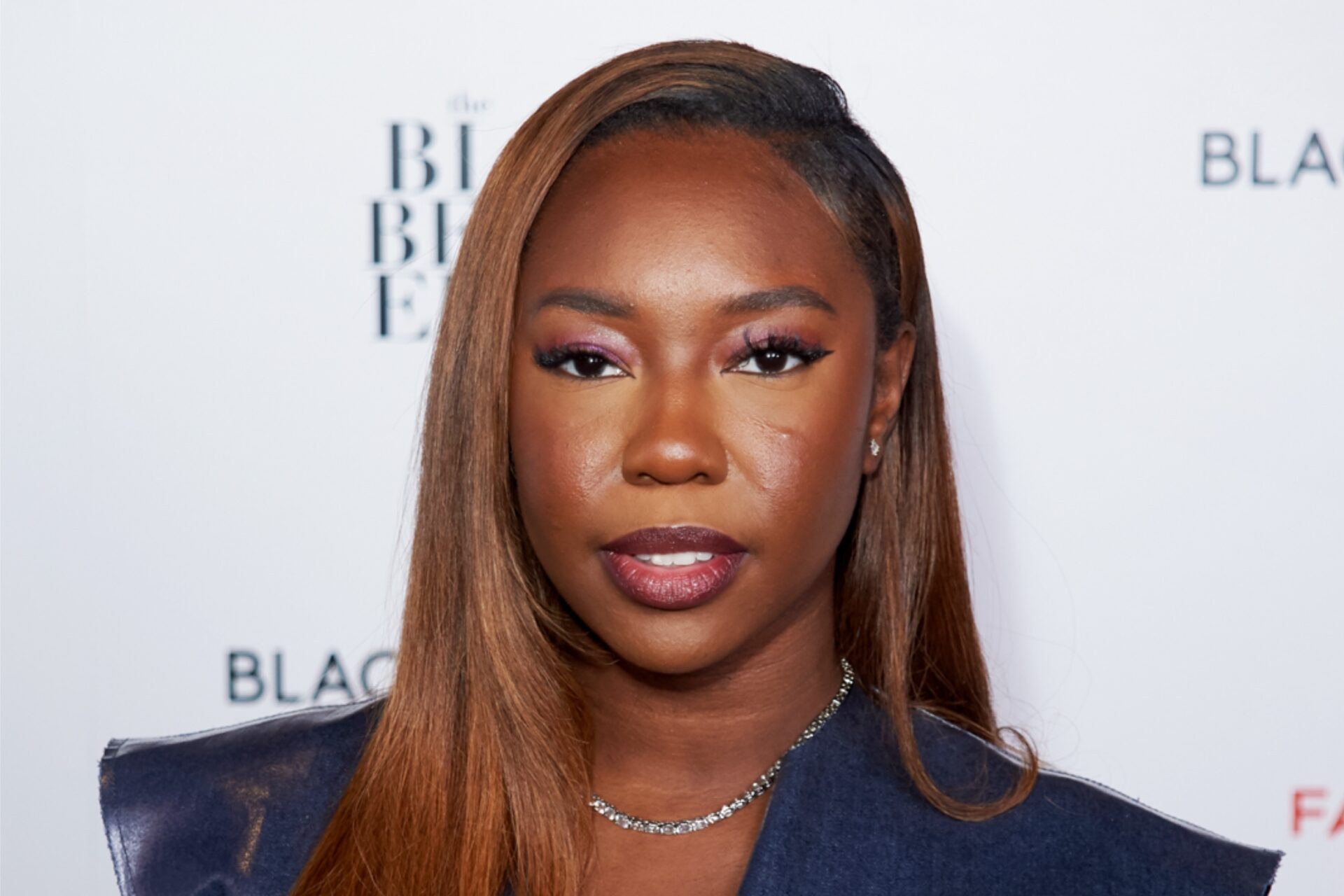
Topicals founder Olamide Olowe (Photo by Unique Nicole/Getty Images)

Topicals Founder Olamide Olowe Steps Down As CEO

Former Fenty Beauty executive Sukiana Chancy will lead as the Black-owned skincare brand eyes expansion across Africa, Europe, and the Middle East.


Olamide Olowe is stepping down as CEO of Topicals, the global skincare company she founded in 2020 at the age of 23. The following year, she raised $2.6 million, making her the youngest Black woman to raise $1 million.

Olowe will remain involved in Topicals’ day-to-day operations while Sukiana Chancy takes over as chief executive. Chancy joins the company from Fenty Beauty, where she served as general manager of the skin, hair, and fragrance divisions. She has also held positions at Winnie Harlow’s Cay Skin, DevaCurl, and The Estée Lauder Companies.

Olowe’s transition comes as Topicals reaches a new level of scale. She shared on X that the company has generated 12 times revenue growth over five years, sold more than 10 million eye masks, and raised more than $22 million in venture capital. AFROTECH also reports the brand is profitable at double-digit margins.

https://twitter.com/olamideaolowe/status/2095154568086597690?s=46

Known for products targeting hyperpigmentation, acne, and dark spots, Topicals is currently sold through Sephora in the U.S., Canada, and the U.K. It also has a Beauty Hut in Nigeria. Topicals now plans to expand further across Africa, Europe, and the Middle East, including potential growth through Sephora’s international footprint. Olowe said her company had scaled to the point where it needed external experts for its next growth phase.

“I wanted to partner with someone who has worked their way up through marketing, built a global brand, and managed a profit-and-loss sheet much larger than ours,” Olowe told Business of Fashion. “Having a founder that people love is part of the game.”

Chancy said Topicals’ cultural positioning was among the factors that attracted her to the company.

“My role is creating more infrastructure to help amplify [the message] and bring it to as many eyeballs and faces as possible,” Chancy told Business of Fashion.

In January, WNBA star Angel Reese and Rema, the Nigerian singer of Afrobeats hit “Calm Down,” joined Topicals as investors.

RELATED CONTENT: Melissa Butler Is Offering Equity To Save Thread Beauty

LVMH, LVMH Prize for Young Fashion Designers, Savoir-Faire Prize, African designers
Photo credit: Jernej Furman from Slovenia, CC BY 2.0 , via Wikimedia Commons

Kenyan Designer Anil Padia Wins LVMH Savoir-Faire Prize

Padia, 35, was also the first Kenyan designer to become a finalist in the competition’s 13-year history.


Kenyan designer Anil Padia became the first Kenyan to win an award in the LVMH Prize for Young Fashion Designers after his label, Yoshita 1967, received the 2026 Savoir-Faire Prize, Connect Everything Online. 

Padia, 35, was also the first Kenyan designer to become a finalist in the competition’s 13-year history. Yoshita 1967 received the award Sept. 4 at the Fondation Louis Vuitton in Paris for its artisan- and community-led approach to fashion and emphasis on handiwork.

The Savoir-Faire Prize includes €200,000 and one year of mentorship from LVMH experts. Padia will also receive support from LVMH Métiers d’Excellence through a collaboration with embroidery specialist Maison Vermont, which will provide €50,000 in embellishments for Yoshita 1967’s upcoming collection.

“I feel a lot of gratitude and a real sense of hope,” Padia told Vogue after the win, describing the recognition as “extremely validating.”

Operating between Nairobi, Kenya, and Paris, Yoshita 1967 draws on Padia’s Kenyan-Indian heritage. The label’s name honors his family, which migrated from Gujarat, India, to Nyeri, Kenya, more than a century ago. Padia studied at La Cambre in Brussels and has spent the past four years training and working with women artisans in Kenya.

Crochet is central to the label’s designs. Its latest collection was made entirely by hand using cotton thread, glass mirrors, and silver-plated bells.

Introduced in 2024, the Savoir-Faire Prize recognizes craftsmanship, innovation, sustainability, and the preservation of artisanal knowledge.

Padia’s achievement adds to the growing representation of African designers in the competition. South African designer Thebe Magugu became the first African designer to win the principal LVMH Prize in 2019. South Africa’s Sindiso Khumalo was a finalist in 2020, and Lukhanyo Mdingi shared the Karl Lagerfeld Prize in 2021.

Belgian designer Julie Kegels won the principal 2026 LVMH Prize, while Chinese designer Zane Li, founder of Lii, received the Karl Lagerfeld Prize.

RELATED CONTENT: Kenya’s Capital Gives Women 2 Days Off Per Month For Menstrual Pain

art is wealth, MVAFF
Photo credit: MVAFF

Black Artists And Collectors Talk Ownership, Wealth & Cultural Legacy At MVAFF

The Martha’s Vineyard African American Film Festival panel examined the role Black collectors can play in sustaining artists.


Black art was positioned as more than cultural expression during a Martha’s Vineyard African American Film Festival panel that explored how ownership and collecting can help Black families preserve history and build assets for future generations.

“The Power of Cultural Stewardship,” held Aug. 7 during the 24th annual festival, brought together Jessica Ann Peavy Gallery Founder and owner Jessica Ann Peavy, New York contemporary artist Guy Stanley Philoche, and visual artist and illustrator Charly Palmer.

The Martha’s Vineyard African American Film Festival panel centered on ownership, preservation, and community while examining the role Black collectors can play in sustaining artists and determining which cultural stories endure.

The conversation also connected collecting to a larger discussion about generational wealth. Beyond purchasing art for its aesthetic appeal, acquiring and preserving works by Black artists can give families culturally significant assets to pass down while helping ensure Black creators retain a place within the historical record.

That focus extended to Philoche’s “Give Us Our Flowers” series, presented by the Jessica Ann Peavy Gallery in collaboration with the Mariposa Museum in Oak Bluffs from Aug. 7-21. The exhibition included eight new works created for the presentation and explored Black presence, memory, and belonging, according to Black Art in America.

art is wealth, MVAFF
Source: Photo credit: MVAFF

“Martha’s Vineyard is a special place filled with culture and history,” Philoche told BLACK ENTERPRISE. 

“It was such a great honor to have the Power of Cultural Stewardship conversation at the Martha’s Vineyard African American Film Festival and show my Give Us Our Flowers series with the Jessica Ann Peavy Gallery at The Mariposa Museum.”

Ultimately, the discussion raised an important question for Black communities: Who owns the art documenting Black life, and who will inherit it?

art is wealth, MVAFF
Source: photo credit: MVAFF

By connecting cultural stewardship with ownership, the panel underscored how collecting Black art can serve several purposes at once — supporting working artists, preserving Black history, and creating culturally significant assets that families can transfer from one generation to the next.

RELATED CONTENT: Fine Art Collector Charlotte Newman Wants To Expand Access For Black People In The Exclusive Industry

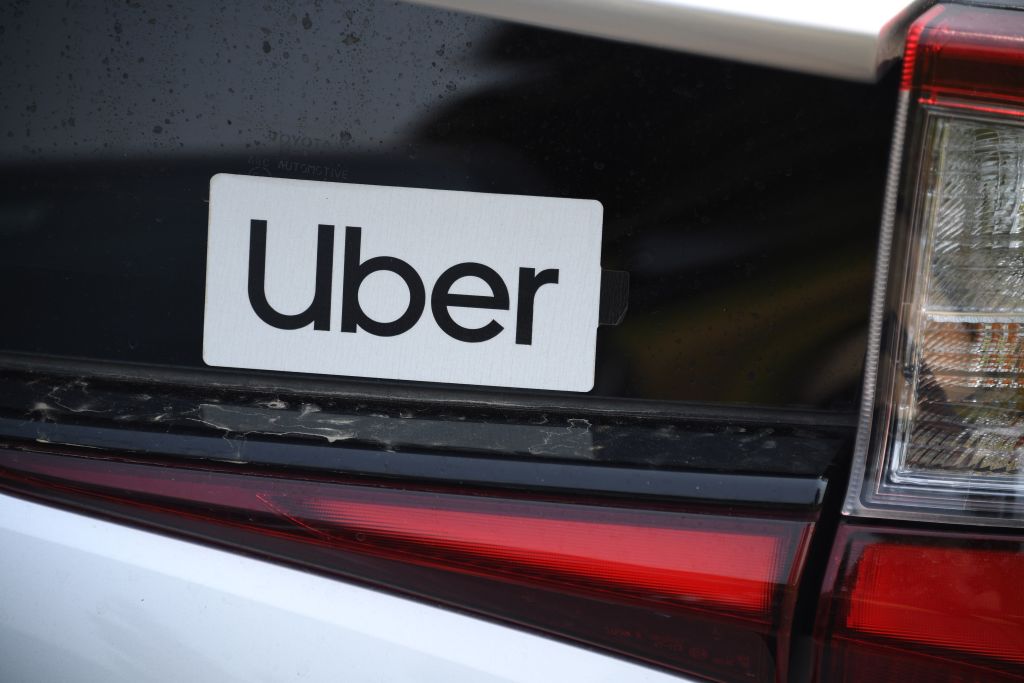
UBER, Nigeria, Uganda, restructuring, layoffs
(Photo: ROBYN BECK/AFP via Getty Images)

Uber To Shut Down Operations In Nigeria, Uganda, And Reduce 10% Of Its Workforce

The global rideshare company is also cutting approximately 3,300 jobs.


Uber Technologies is pulling out of Nigeria and Uganda just as the ride-hailing giant cuts about 3,300 jobs and redirects resources toward autonomous vehicles. 

The company announced Sept. 2 that it would discontinue operations in both African markets as part of a broader restructuring. Uber said the exits reflect changing business priorities and its investment focus, while emphasizing that it remains committed to Sub-Saharan Africa.

“After a thorough review of our business, we have made the tough decision to wind down ​our operations in Nigeria,” Uber said in a statement, according to Reuters.

“Our immediate priority is supporting drivers, riders and local team members throughout this transition. Uber remains deeply committed to sub-Saharan Africa, where we continue to see robust growth and long-term opportunity,” added an Uber spokesperson, according to Al Jazeera.

The San Francisco-based tech company launched in Nigeria in 2014 before expanding to other African countries.

The ride-hailing giant is also cutting approximately 3,300 jobs, or about 10% of its global workforce, as it restructures around artificial intelligence and autonomous transportation, reports Al Jazeera. This marks Uber’s largest workforce reduction since the COVID-19 pandemic. The tech giant said the restructuring will reduce management layers, streamline teams, and redirect resources towards driverless vehicles.

“We’re making a number of significant organizational changes across Uber. We are removing layers, simplifying team structures, refining our global location strategy, and focusing our people and investments against the biggest opportunities ahead of us. As a result, we will be reducing the size of our team by about 10%,” said Uber CEO Dara Khosrowshahi in a public memo to employees.

“This wasn’t a decision we made lightly, because it will have a real impact on our teammates and friends who have worked hard for Uber. It’s important to say that these changes are about how we’re organized and what we’re prioritizing, not about anyone’s contributions to Uber,” reads the memo.

Khosrowshahi said Uber’s rapid expansion over the past five years created additional management layers and fragmented ownership that slowed decision-making. The company also plans to reduce fully remote roles to about 1% of its workforce.

“We are also asking the vast majority of remote employees to move to an office, and going forward, only ~1% of employees will be remote,” said the CEO. “We’ll also continue to reinforce compliance with our hybrid work policy, which requires three days a week in the office.”

Uber’s latest round of job cuts comes weeks after reports revealed that the tech giant plans to invest more than $10 billion in robotaxis, backing autonomous-driving companies and positioning Uber as a marketplace for driverless rides.

The workforce reduction also comes as Uber is experiencing exponential growth. In its second-quarter 2026 results, the company reported $14.2 billion in revenue, up 12% year over year, while gross bookings climbed 24% to $58 billion. Adjusted EBITDA increased 33% to $2.8 billion.

Nevertheless, the next phase of Uber’s expansion will require fewer corporate layers and heavier investment in technology that could fundamentally change the ride-hailing business.

RELATED CONTENT: California Uber, Lyft Drivers Move Closer To Unionizing

Tyler Perry, lien, Chicago
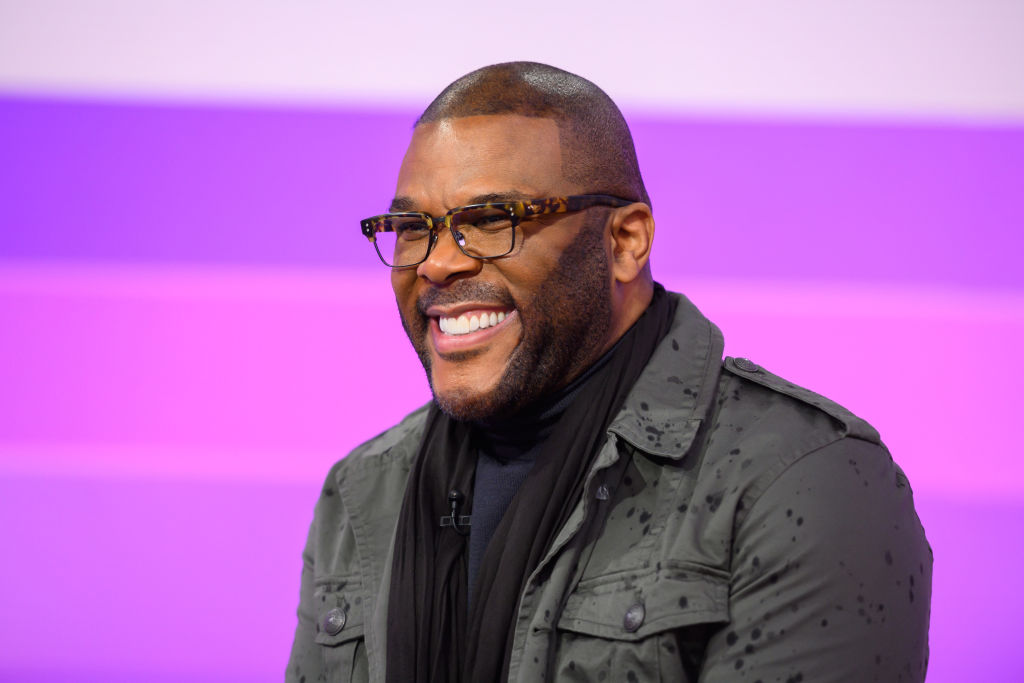
(Photo: Nathan Congleton/NBCU Photo Bank/NBCUniversal via Getty Images via Getty Images)

Tyler Perry Pays Nearly $18K Lien For 81-Year-Old Homeowner

The filmmaker and media mogul paid the mechanic’s lien against Brenda Daurham’s Markham, Illinois, property.


Tyler Perry has paid a nearly $18,000 lien against the home of an 81-year-old Illinois woman who was displaced for months after her homeowners’ insurance company denied a claim stemming from a burst pipe, Fox 32 Chicago reports. 

The filmmaker and media mogul paid the $17,827.96 mechanic’s lien against Brenda Daurham’s Markham, Illinois, property. The payment removed a major financial obstacle for Daurham, although her dispute with Allstate over the denied insurance claim remains unresolved.

Daurham’s ordeal began Feb. 14, when a pipe beneath her kitchen sink failed, sending water through her kitchen and other areas of the home. The damage ultimately left the house uninhabitable and Daurham displaced for more than six months.

Daurham told the outlet that she had paid for homeowners’ insurance for more than 40 years and believed the damage would be covered. Documents reviewed by the station showed Allstate denied the claim, citing policy exclusions for wear and tear, deterioration, and seepage.

Excel Fire and Water Damage Restoration Services, which performed mitigation work on the property, challenged Allstate’s determination. The company said its observations were consistent with a “sudden and accidental plumbing failure” and asked the insurer to reconsider the claim.

After more than $17,000 in restoration work went unpaid, a mechanic’s lien for $17,827.96 was recorded against Daurham’s property Aug. 20.

“I have nothing, nothing at all, so I just want somebody to help me,” Daurham told Fox while discussing her financial and emotional distress.

Her story soon gained widespread attention, and eventually reached Perry after people tagged him on social media. Perry initially pledged to pay the lien and help restore Daurham’s home and then followed through with the payment.

Despite the financial relief, Daurham said she still wants accountability from her insurer.

“Tyler Perry paid the lien, and we appreciate it, but we do not feel like Allstate should get away free,” she said.

Community organizations have also offered furniture, lighting, kitchen supplies, and other assistance as Daurham works toward returning home.

RELATED CONTENT: Tyler Perry And Rev. Al Sharpton Offer $100K For Information In Nolan Wells’ Death

thrift, thrifting, vintage
photo credit: pexels

Black-Owned Vintage And Thrift Shops Are Preserving Fashion And Culture

Businesses are emerging as resale captures a larger share of consumer spending.


Black-owned vintage thrift shop owners in Atlanta are turning the booming secondhand clothing market into an entrepreneurial opportunity while preserving pieces of Black culture and the city’s fashion history, UATL reports.

Entrepreneurs behind Nello Vintage, Vintageland ATL and Everythang Dope are among the business owners using vintage clothing to connect a new generation of consumers with styles and cultural moments from decades past.

Their businesses are emerging as resale captures a larger share of consumer spending. The global secondhand apparel market is projected to reach $393 billion by 2030 and grow twice as fast as the overall apparel market, according to ThredUp’s 2026 Resale Report. The report also found that the U.S. secondhand market grew nearly four times faster than the broader retail clothing market in 2025.

For Nello Vintage owner Chanelle Harris, entrepreneurship grew from a longtime interest in thrifting. After earning a master’s degree in London, the Wisconsin native moved to Atlanta with her mother in 2019 and began posting thrifted finds on Instagram. She eventually launched a website before opening Nello Vintage in 2024.

“Trends and vintage, to me, can’t coexist; they can’t align,” Harris told UATL. “People that are wanting to thrift more and buy vintage may feel pressured to follow what’s trending and may not even approach other pieces because they don’t fit a certain style. That’s why I always push style over fashion and just finding pieces that speak to you.”

Vintageland ATL owner Tabitha Lee has also built a business around clothing with history. Her shop specializes in pieces from the 1970s, ’80s and ’90s, with much of its inventory sourced through estate sales and Facebook Marketplace.

Atlanta’s vintage market also helps preserve the city’s cultural legacy. Shoppers seek everything from 1996 Olympics shirts and Freaknik memorabilia to pieces associated with brands such as FUBU and COOGI.

Preserving Black culture is similarly central to Everythang Dope owner Nikki Harris’ business at Ponce City Market. Her shop draws inspiration from 1980s and ’90s hip-hop, television, and streetwear.

“I don’t think that we just sell clothes; we sell the experience. There’s a story behind it. It’s a personal story, it’s my story,” Harris said. “I’m not just putting clothes on a rack and saying, ‘Here, they’re for sale.’ There’s a whole meaning behind what I’m doing.”

As resale continues to expand, Atlanta’s Black vintage entrepreneurs are showing how secondhand fashion can function as both a growing business opportunity and an archive of Black cultural history.

RELATED CONTENT: Rising Thrift Store Prices Have Some Donors Rethinking Goodwill

fandom, debt, financial stability, gambling
Via istock

Black Sports Fans Go Into Debt Supporting Their Faves

Despite nearly $2 trillion in buying power, many Black fans compromise their economic security by supporting professional sports leagues.


Black sports fans use personal savings and credit to take on high-cost debt, financing leagues that provide no financial return. In his landmark work, Forty Million Dollar Slaves, sports journalist William C. Rhoden argued that Black athletic talent creates multibillion-dollar empires for majority-white owners without gaining institutional power or equity. Today, this pattern extends to consumers.

Data reveals the high cost of fan engagement. CNBC reports that 62% of U.S. adults spend or plan to spend on sports annually, averaging $1,970 on tickets, merchandise, streaming, and gambling. For men, this rises to $2,224. Fans aged 25 to 34 spend $2,627 per year. Nearly half (47%) of sports-spending consumers have taken on debt for fandom, rising to 62% among young adults. Kalkine Media reports that 20% of adults are willing to go into debt for their teams.

When examining Black sports fans specifically, a 2022 Nielsen report notes that Black consumers are among the most engaged sports audiences, with 71% reporting regular viewership of major league games and 56% saying they have purchased team merchandise in the last year. These elevated spending and debt rates, combined with Black Americans’ $1.98 trillion in buying power (Nielsen Report), mean that spending thousands on sports while carrying consumer debt weakens personal liquidity and net worth.

The Emotional Trap of Fandom

Financial researchers note that emotional attachment may obscure economic realities. Cathleen Bell, vice president at National Debt Relief, explained that team loyalty can make discretionary entertainment costs feel necessary. “There’s people who are making those passion plays for their team,” Bell told the International Business Times, showing how emotional ties make sports purchases seem essential, even when they produce financial distress.

Disciplined debt management is necessary for Black households to protect wealth against emergencies. BLACK ENTERPRISE previously covered that using high-interest credit for stadium concessions, jerseys, or tickets weakens that stability.

Prioritizing Equity Over Ticket Stubs

Financial advisors emphasize that entertainment is a normal budget item, but sports spending should not take precedence over economic well-being. Andrew Lendnal, head of financial wellness at Wealthspire, cautioned against letting fandom disrupt core money goals. “Once you’ve got your financial priorities and they’re being met, and you’ve got that discretionary spending, then that’s a healthy part of financial life,” Lendnal said. “The issue is when entertainment starts competing with your financial foundations.”

Vanguard-certified financial planner Cassandra Rupp advises pausing all discretionary sports spending until emergency savings are in place and debts are paid.

For Black professionals and business leaders, the message is clear: economic influence comes from ownership, capital accumulation, and equity, not from costly fandom that benefits franchise owners at the expense of household finances.

RELATED CONTENT: High Stakes, Low Yield: Is Gen Z Gambling Their Retirement Savings Away on Sports Betting?

Orthodontist,representation, dentistry, orthodontics
photo credit: pexels

Black Orthodontist Opens Chicago Practice To Close Representation Gap

Her presence is particularly significant in a profession with limited Black representation.


Dr. Yvette Battle is building more than smiles at her Black-owned orthodontic practice on Chicago’s South Side. The Howard University graduate is using entrepreneurship to increase representation in orthodontics, where Black professionals remain significantly underrepresented, ABC7 Chicago reports. 

Battle owns Bronzeville Orthodontics, which she opened in Chicago’s historically Black Bronzeville neighborhood in 2021. The practice incorporates Black culture throughout its design, from artwork on the walls to merchandise displayed inside, creating an environment Battle hopes feels familiar and welcoming to patients.

Her presence is particularly significant in a profession with limited Black representation. Black orthodontists account for about 3.1% of practicing orthodontists nationwide, according to a 2026 study examining Howard University’s orthodontic program and workforce diversity. 

The research also found that Black and Hispanic children have significantly lower odds of visiting an orthodontist than white children. 

Patient Kosi Amor told the outlet that finding a Black orthodontist proved more difficult than finding a Black dentist.

“I found a lot more Black dentists than orthodontists; the hunt, it started off a little rough,” Amor said. 

Battle earned her dental degree from Howard University College of Dentistry in 2008 before serving four years as a captain and general dentist in the U.S. Air Force. In 2015, she earned a graduate certificate in orthodontics and a master’s degree in oral biology from the University of Maryland School of Dentistry, according to her practice. 

After years of working for other practices, Battle decided to pursue ownership.

“I was working for others, and I just didn’t feel as appreciated. Why don’t I just do this for myself?” Battle said. 

For Battle, however, ownership is also about visibility.

“I knew that my skills and my knowledge and my education could hold up against anyone,” she said. “I will say Howard did prepare us for that — to know that this, this is rare.”

Battle said she wants patients to leave her practice with greater confidence, whether they are pursuing a job, preparing for an interview, or navigating their personal lives.

Her broader legacy is one she hopes will resonate with the next generation, including her daughter, by demonstrating that Black professionals do not have to wait for opportunities to be created for them.

“I would hope for that to be my legacy,” Battle said. 

RELATED CONTENT: Black Orthodontist Offered $150K ‘Shark Tank’ Deal 

Tim hardaway, basketball, retirement, financial lessons, money preservation
Photo credit: Keith Allison

Tim Hardaway Sr. Taught His NBA Son The Power Of ‘No’

The legacy of financial empowerment stems from the endurance of Chicago South Side values and extends into a 13-year professional basketball career.


Beneath the highlight reels and multimillion-dollar basketball contracts lies a more subtle legacy: the intergenerational transfer of Black wealth. The most important lesson Tim Hardaway Jr. learned from his father, Tim Hardaway Sr., a five-time NBA All-Star, wasn’t the famous crossover but rather the discipline needed to safeguard financial independence.

Roots on Chicago’s South Side

Before Hardaway Sr. started earning money in the NBA, he learned what money was like on Chicago’s South Side; he came from a working-class family: his mother, Gwendalyn, worked as a mail carrier for the U.S. Postal Service, and his father, Donald, drove a Coca-Cola delivery truck after his military service.

In his memoir, Killer Crossover, Hardaway Sr. recalled how his early financial philosophy took shape when he entered the league as a first-round draft pick in 1989.

“My rookie year, I made about $500,000, but I knew how to save most of it,” he said in an interview with Basketball Network. “My mother always told me that I didn’t owe anybody anything. So I remembered that.”

This mindset required him to define clear boundaries with peers and acquaintances seeking financial support after his success. “She and my father told me ‘no’ so often when I was younger that I didn’t mind saying it to anyone trying to glom on me,” Hardaway Sr. shared with Yahoo Sports.

Teaching Financial Empowerment Through Work

As Hardaway Jr. got older, his father ensured that his wealth wouldn’t diminish the value of hard work; after he retired, Hardaway Sr. had his son work at one of his businesses, a local car wash.

“I learned the value of money by working at my father’s car wash,” Hardaway Jr. stated in a retrospective on Off The Court. “It humbled me. Being able to see the operation as a kid, you got to see yourself visually going the route that you want to go. You got to be passionate, stay locked in, and have trusted resources.”

The practical experience acquired formed the foundation of financial empowerment. Unlike today’s players, members of earlier generations didn’t attend league seminars beyond an introductory Rookie Transition Program; they relied on personal mentorship and family values when facing sudden wealth. Hardaway Sr. taught his son that while earning money is only one part of the equation, keeping it demands business skills and discipline.

Building Generational Wealth on the Hardwood

Over his 13-year NBA career, Hardaway Jr. put those early lessons into practice and earned about $158 million. Unlike most athletes who struggle to maintain their wealth after retirement, the elder Hardaway has stayed disciplined, reflecting the economic security found in other athletic families.

The fact that building Black wealth remains a major issue shows that financial empowerment is a step-by-step process grounded in firm principles, supported by a strong work ethic, and including the willingness to set boundaries; it also means the best form of financial protection often begins at home.

This practical education denotes a significant shift in the African American business sector, where success requires vision and discipline. While the league now offers formal rookie seminars, father-to-son mentorship provides guidance in asset preservation. As reported in the New York Times, second-generation draftees draw on family experience to avoid financial risks and support multigenerational wealth. The Hardaway legacy shows building wealth involves more than a high income; it requires accountability, clear boundaries, and passing on operational knowledge.

RELATED CONTENT: NBA Veteran Harrison Barnes Invests $25 Million To Acquire A Small Bank In Iowa

×