The backlash continued Aug. 31 after Loomer targeted Florida state Rep. Angie Nixon, who recently won the Democratic primary for U.S. Senate. In a post on X, Loomer called Nixon a “ghetto, black, communist,” repeating rhetoric similar to comments she made days earlier.
On Aug. 28, Loomer directed an even broader attack at Nixon, Democratic Reps. Ilhan Omar of Minnesota and Ayanna Pressley of Massachusetts, former Rep. Cori Bush of Missouri, and Supreme Court Justice Ketanji Brown Jackson. All five women are Black.
Loomer used racist and misogynistic language to describe the women, calling them “ghetto, entitled, race-obsessed” and “destructive” while claiming they were unfit to hold power, the outlet reported.
The attacks drew forceful condemnation from lawmakers and civil rights advocates.
“You attack and insult Black women because you believe peddling racism is good for your clicks and your business model,” Maryland Gov. Wes Moore said.
House Minority Leader Hakeem Jeffries, D-N.Y., called Loomer a “stone-cold racist,” while Rep. Rashida Tlaib, D-Mich., said, “anti-Black racism goes unchecked.”
Civil rights attorney Ben Crump also denounced Loomer’s rhetoric, saying, “Black women should NEVER have to endure such hateful and degrading rhetoric for daring to lead.”
Former Republican Rep. Marjorie Taylor Greene of Georgia, who has publicly split with Trump, also condemned Loomer, saying the Republican Party and Trump “own Laura Loomer and her nonstop vitriol.”
Loomer, who has nearly 2 million followers on X, holds no formal position in the Trump administration but has maintained close ties to the president. She traveled with Trump during his 2024 presidential campaign and has said she discussed political matters with him after his first term.
Her latest attacks add to a documented history of inflammatory and damaging rhetoric, including previously advocating for the removal of Muslims from the United States.
The White House did not immediately respond to Reuters’ request for comment on Loomer’s remarks.
The 3-on-3 women’s basketball league co-founded by WNBA stars Breanna Stewart and Napheesa Collier has reached a $650 million valuation after an oversubscribed Series C funding round surpassed its initial $100 million target. Ten Pillars Sports Fund, backed by UC Investments, led the round.
“This raise reflects the confidence investors have in what we set out to build at Unrivaled: a league where the best players in the world have a real stake in the value they create,” Stewart said in a statement. “This investment gives us even more resources to support our players, elevate the experience for fans, and grow a league that is shaping the future of women’s basketball.”
According to a press release, the league’s business model provides players with equity opportunities in addition to competitive salaries and benefits. Players are also the league’s largest shareholder group, giving athletes a financial stake in the value they help create. Following the Series C round, the collective value of their equity pool is now approaching $200 million, which is a more than 550% increase since the league launched.
“This raise is fueling the next stage of Unrivaled’s growth and expanding our impact across the women’s basketball ecosystem,” said Unrivaled CEO and co-founder Alex Bazzell. “We’re partnering with investors who share our vision to create lasting value and greater opportunity for the best players in the world, while continuing to elevate the game for fans. Unrivaled was built by players and for players, and their ownership, leadership and ambition continue to drive the league forward and define a new model for the sport.”
Unrivaled’s latest fundraise comes on the heels of a second season marked by significant growth across the business, including in ticketing, merchandise, social and fan engagement, record-setting attendances, and continued expansion of the league’s digital ecosystem.
“The moment for women’s sports is here,” said Jagdeep Singh Bachher, UC Investments’ chief investment officer. “Young people get it. We get it. Anyone who’s watched Unrivaled knows this game is every bit as thrilling as any other sport out there. We’re excited to help propel that momentum forward.”
That investor confidence has also brought some heavy hitters into the fold. The latest round includes investments from Jenny Just and returning investors and backers such as Carmelo Anthony, Geno Auriemma, Ashton Kutcher, Alex Morgan and Trybe Ventures, Dan Rosensweig, and Trae Young.
The recent capital follows Unrivaled’s rapid financial growth. The league raised $28 million in its 2024 Series A before an oversubscribed Series B in 2025 pushed its valuation to $340 million. By its second season in 2026, revenue had reached $45 million, while ticket sales jumped 249% compared with its inaugural season.
The league also expanded to eight teams and drew sellout crowds at Philadelphia’s Xfinity Mobile Arena and Brooklyn’s Barclays Center.
“From the beginning, our goal has been to raise the standard for what players and fans should expect from women’s basketball,” Collier said. This investment allows Unrivaled to keep pushing that standard higher, creating the best possible environment for players to compete and thrive, while making the experience bigger and better for the fans who continue to show up for women’s basketball.”
That growth puts Unrivaled in a notable position within the sports business landscape: It is building a league around star power while giving athletes an ownership stake from the jump. The next test comes in January 2027, when Unrivaled launches its third season.
Source: Rapper, entrepreneur, and activist Killer Mike and Jemiah Sias, the Vice President of Market Strategy and Developer Relations at New Relic at RenderATL 2026 (Photo Credit: RenderATL)
Held Aug. 12-13 during Atlanta Tech Week, RenderATL has ballooned into one of the fastest-growing tech conferences in the country. This year, the two-day event featured more than 150 speakers and industry leaders discussing AI, open source, developer tools, cloud infrastructure, and the future of work. Among the featured speakers were former Google distinguished engineer and noted technologist Kelsey Hightower, Grammy-winning rapper, entrepreneur, and activist Killer Mike, and Google Chrome engineer Sarah Drasner. Other speakers included engineering executive Angie Jones; Robin Ginn, executive director of the OpenJS Foundation and a former Microsoft executive; and Matteo Collina, the co-founder and CTO of Platformatic.dev.
Beyond the stage discussions, RenderATL included an interactive expo and career fair, giving attendees opportunities to connect with companies and explore professional opportunities. Event organizers also partnered with OpenJS Foundation to host the first-ever OpenJS Summit, a dedicated space for developers and maintainers who power the JavaScript ecosystem. Attendees were also granted access to programming that took place during Atlanta Tech Week, including events hosted by Major League Hacking.
Outside of panels, workshops, and mixers, the two-day conference included a Render Haus concert presented by Vercel and Sanity, featuring performances by D4L and Dem Franchize Boyz, as well as RenderFEST, featuring performances by Atlanta artists Lloyd and Yung Joc.
Source: Lloyd performs at RenderATL (Photo Credit: RenderATL)
Launched in 2019, RenderATL was founded by Justin E. Samuels, a former senior software engineer at Intuit, to bridge the gap between the tech community and Black culture in Atlanta.
“What makes RenderATL special is our ability to bring code, culture, and community together in a way that feels uniquely Atlanta,” he said in a statement sent to BLACK ENTERPRISE. “At RenderATL, we say that we convert culture into pipeline by turning the energy, talent, and connections that make Atlanta special into real opportunities for people, businesses, and the broader tech ecosystem.”
Beyond the 6,000 in-person attendees and 3,000 virtual attendees, Samuels says more than 35,000 people participated in Atlanta Tech Week, which he launched in 2023. It included over 300 tech-focused events across the metro region, such as the Silicon South Summit and Atlanta AI Expo. According to Samuels, 20% of attendees traveled from outside Atlanta, positioning the city as a growing hub for tech founders, investors, operators, and talent.
“That scale speaks to the strength of Atlanta’s tech ecosystem and the growing recognition that this is a city where people come to build, connect, and shape what’s next,” said the BLACK ENTERPRISE 40 Under 40 honoree.
The AI Revolution
AI and its role in the workplace and business took center stage at this year’s RenderATL. New Relic, a cloud-based full-stack observability platform that helps engineers monitor, debug, and improve application and infrastructure performance, sponsored several sessions designed to equip attendees with information and AI tools shaping the future of product innovation. In addition to speaking at the opening and closing keynote panels, Jemiah Sias, vice president of Market Strategy and Developer Relations at New Relic, and his team held workshops designed to equip engineers with tools that can help them automate and optimize their workflows.
“You have [thousands of] engineers from some of the best companies in the world in a room, and that’s our core user,” he told BE. “They build the tools that we care about,” he continued. “We need to understand their pain points. We need to empathize with them and make sure that our software can support their journey as they’re changing through adopting AI, but also being responsible for shipping enterprise-level software and keeping those systems online.”
Source: RenderATL speaker Rebecca P. Beliard, Esq., the founder and managing partner of RPB Law Firm (Photo Credit: Courtesy of Eye of a King/Devin King)
For the first time, RenderATL included a track focused on the congruence of legality and technology. Rebecca P. Beliard, Esq., the founder and managing partner of RPB Law Firm, delivered a presentation on intellectual property ownership in the age of AI. Her talk took place during Render’s inaugural Law & Tech Summit, spearheaded by Render Group’s Chief Legal Officer Reba Noel and Render Group’s in-house counsel, Lloyd Jean.
“I shared my legal and business perspective with entrepreneurs and technology leaders on the importance of ownership and protecting the value they are building,” Beliard told BE in an email. “Participants learned how to protect, build, and monetize their intellectual property through licensing agreements and other strategic channels in the age of AI.”
Source: Donald Beamer, Jr., senior technology advisor for the city of Atlanta, RenderATL founder and CEO Justin Samuels, and Rebecca P. Beliard, Esq. founder of RPB Law Firm (Photo Credit: Courtesy of Eye of a King/Devin King)
According to Beliard — who formerly worked for big corporations like Amazon Music and Sony before representing Render Group and other small businesses — founders must understand the current limitations that their AI-focused IP may be subject to under US copyright law.
“Under the current position of the US Copyright Office, material that is solely generated by AI is not eligible for copyright protection, while works that contain sufficient human authorship may be protected,” she said. “That distinction is important for founders who are building businesses around AI. It is not enough to use the technology. Entrepreneurs need to understand what they can actually own and protect so that they can fully benefit from the commercial opportunities they are creating.”
Empowering People Beyond Tech
Source: Attendees at RenderATL 2026 (Photo Credit: Courtesy of RenderATL)
For the past six years, RenderATL has played a pivotal role in the growth of technology and entrepreneurship in Atlanta. It has also fostered a community that allows tech professionals to feel seen outside of their race, nationality, and gender.
“It’s important to cultivate spaces like Render because it allows for [companies] to see us as more than ‘Black techies,’ ‘Black female engineers,’ [or] ‘Black marketers,’ and instead refocus the attention on our impact,” said Ava Toro, a global market researcher formerly at Reddit, who spoke at the event.
She added that it’s crucial for diverse tech workers to be recognized for their work rather than boxed into a label.
“I’m not a ‘Black marketer,'” she said. “I’m the global researcher who has helped brands shift sentiment, brought one of the newest conversational AI tools to market, and a leader in my field.”
Sierra Nicole Reece Landed A Brand Deal With The Minnesota State Fair After Shooting Her Shot On Instagram
Content creator Sierra Nicole Reece turned a six-second Instagram video into a sponsored trip.
A six-second Instagram video changed Sierra Nicole Reece’s summer.
Back in April, the 29-year-old content creator shared her enthusiasm about the annual Minnesota State Fair, which takes place at the end of August.
“Forget Coachella. I’m trying to go to the Minnesota State Fair. They got brand deals for that?” Reece said in an authentic Instagram video posted April 16 while lying in bed. The post went viral overnight, surpassing 4 million views while she slept, Guessing Headlights reports.
The Minnesota State Fair responded to Reece’s post along with a Twin Cities influencer manager, who helped her develop an official sponsorship pitch. That resulted in a sponsored trip to the fair in which the Minnesota State Fair provided Reece with admission tickets and helped her plan her trip. Plus, Visit Saint Paul covered her hotel stay and food expenses and offered her a stipend, while Explore Minnesota covered her work time, as well as other deliverables and expenses.
“Minnesota State Fair season, every year, I’m locked in. I’m like, ‘Oh my God, what’s everybody eating? What are we doing, guys?’ Like that is one of my favorite times of year,” Reece said in an interview with MPR News.
“I’ve known about Sweet Martha’s forever. I probably watched a YouTube video on it a long, long, long time ago,” she said. “That bucket of cookies has just lived rent-free in my head for my entire adolescence.”
During her trip, Reece connected with two local Black creators, Sade in the Cities and FeedMeez, who will help guide her through the fair. The collaboration put the three Black women at the center of an event that traditionally may not be marketed through their perspective.
“This is going to be three Black women covering a state fair from our perspective, which is like unheard of,” Reece said, adding that she hopes her videos will help support local businesses and be helpful to area residents, too. “It’s the Great Minnesota Get-Together. It’s rooted in this idea of community and community building for Minnesotans, and that was at the core of what we’re trying to do.”
The opportunity, however, wasn’t simply about attending one of the country’s largest state fairs. It was a real-time example of how creators can turn attention into partnerships. Reece already had an audience as a food and culture creator, which helped give the viral moment a business foundation. Rather than simply enjoying the attention, she followed up with a pitch, demonstrating that going viral can produce views, but converting those views into revenue, partnerships, or long-term brand relationships requires strategy.
Furthermore, Reece’s authenticity offers another valuable takeaway for content creators seeking business opportunities: sometimes the deal starts with asking for it rather than waiting for brands to notice you.
AMP Streamers Buys The Block And Dub Their 6 Georgia Homes, ‘The Hill’
AMP, which stands for Any Means Possible, includes Kai Cenat, Fanum, ImDavisss, Agent00, Duke Dennis, and ChrisNxtDoor.
Streaming collective AMP has expanded its real estate footprint in Georgia, purchasing six homes located near one another in an area its members call “The Hill,” according to AfroTech.
Fanum shared details about the properties in a social media video, according to AfroTech. AMP’s primary residence sits at the top of the hill, while other homes are occupied by people within the collective’s extended circle.
The area reportedly includes a home occupied by the Clover Boyz, which includes several of Cenat’s longtime friends and associates, including Dezz, Ray, Punga, Reggie, Rakai, Tota, and Tylil.
“We work hard,” Fanum said during a Twitch livestream, according to the outlet.
The purchases add to AMP’s existing presence in Georgia. In 2022, the collective purchased property in Marietta that became its home base. Members have individual rooms equipped for gaming and livestreaming.
The creators have also spent time living and producing content in New York, including from a Tribeca penthouse and a sponsored $17 million townhome, the outlet reports.
AMP formed after several members built individual audiences, creating content centered on the “NBA 2K” video game franchise. Cenat later joined the collective and has since become one of the most prominent livestreamers in the industry.
“It’s a little bit harder to segue and change lanes when you’ve been doing it for five, six years by yourself,” ImDavisss said in a 2024 interview. “So we wanted to do it as a unit.”
That strategy has helped AMP develop a sizable online following. The collective had 8.16 million YouTube subscribers as of Aug. 31.
The Promotion That Never Comes: How To Tell If You’re Being Developed Or Delayed
We’ve all heard the saying “Good things come to those who wait.”
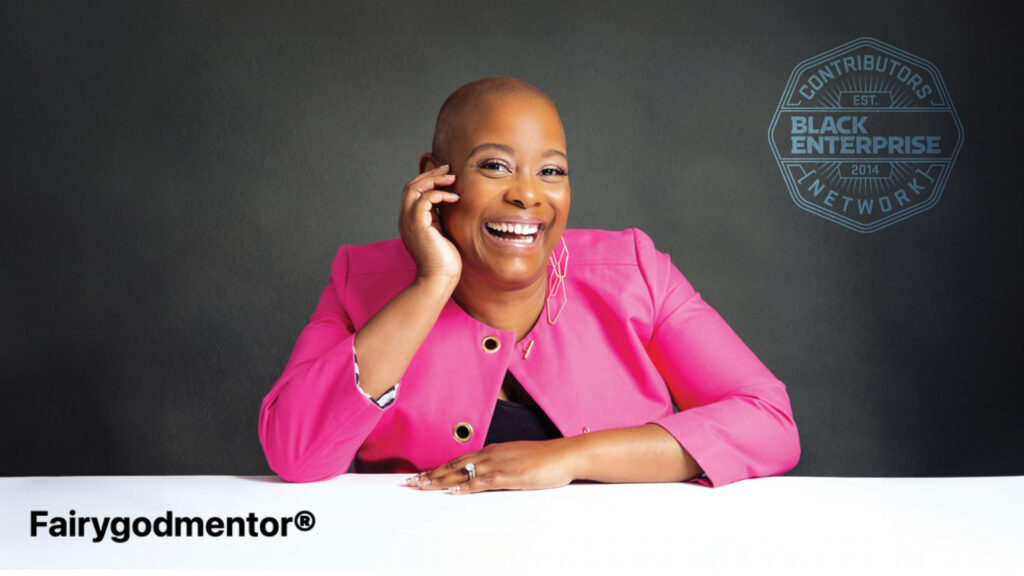
Dear Fairygodmentor®,
My Manager Keeps Saying “We’ll Talk About Your Promotion Later.” How Long Should I Wait?
-Patiently Waiting
Dear Patiently Waiting,
We’ve all heard the saying “Good things come to those who wait.”
I’m sure you’ve also heard the saying “Closed mouths don’t get fed.”
I’m sure that you’ve been very kind in giving your manager the space and grace to make this promotion happen. But I’m going to hold your hand when I tell you this: this isn’t at the top of their priority list. And it’s not because of your performance; it’s because managers are doing their jobs too and your promotion may have slipped their mind.
I’m going to teach you the fine art of being Professionally Persistent.
I need to add my version of a Surgeon General’s Warning and share that no careers were harmed while I was being Professionally Persistent. In fact, it was welcomed. It’s how I moved from a call center representative to ultimately being the manager of learning and development, helping over 30K employees grow in their careers.
How do you do it?
1. Stay top of mind: It’s important to remember that you are in the driver’s seat of your career. Your manager is the GPS. It’s up to you to enter the address of where you’d like to go, and if that address (aka, your goal) changes, you need to share it with your manager so they can “recalculate” the route. One of the best ways to stay top of mind is to schedule regular one-on-one meetings with your manager. “Oh, but they’re too busy!” This is what you’re probably thinking, right? A manager’s role is to lead their team to be productive and successful. This benefits the organization. By regularly meeting with your manager, you can keep them apprised of your projects, performance, and career goals— especially if you’re seeking a promotion. I always had an agenda prepared. Career goals and development were always on this list. How will your manager know where you want to go if you aren’t making it a priority? This promotion will allow you to continue lending your skills and talents to benefit the business, right? Well, we need to make sure your manager understands that this leveling up will benefit everyone and you need their help to make that happen.
2. Keep Receipts: I will keep saying this until time stands still–make sure to track your accomplishments in your DIG Folder (DIG = Damn I’m Good). This is where you will log your results-based accomplishments. It’s one thing to know your value; it’s another thing to show it.
3. Use the Half-Pager Approach: You may need to bring receipts to illustrate why you need a promotion. When I was 6 months into my role as an administrative assistant, I realized that I was doing a whole lot more than what I was originally hired to do. And I mean a whole lot more, not just a task or two. I put pen to paper and referred to my DIG folder, and wrote out the responsibilities from my job description at the top of the page. I drew a line down the middle of the page and listed ALL the other responsibilities that I was doing outside my role. It took up three-quarters of the page! It was a literal visual representation that I was ready for a promotion. My manager agreed that it was time to promote me to an analyst role. At my job, a Job Evaluation Committee had to review the request, and then once approved, the promotion would be initiated.
4. Follow up: Before leaving your one-on-one meeting with your manager (or in any conversation where someone has an action item), don’t leave that meeting without getting a status update! It could sound like: “Thanks for meeting with me today. When can I expect an update from you? Would two weeks be sufficient to follow up? Is there anything I need to do on my end to expedite things?” In my case, he shared it would take up to two weeks to hear back from the Job Evaluation Committee. It wasn’t lost on me that those were also my initials. This promotion was meant to be!
5. Follow up again: If you don’t get closure, you continue to make this a line item at your one-on-one meetings. Ask for specific feedback for any delays or reasoning. If there are budgetary reasons for the delay, keep aiming for a timeframe on revisiting the request. If you feel that there may be no more funds to support this move, it’s up to you to decide whether you want to move on or stay put.
Patiently Waiting, you’ve got so much amazing talent to share with this organization. It’s up to you to highlight why this promotion is a priority. Remind the business that you have a ton of talent to share, especially while being professionally persistent. Best of luck to you!
You got this!
Sincerely,
Your Fairygodmentor®
(Photo: Kirten White Photography/BE)
Joyel Crawford is an award-winning career and leadership development professional and the founder of Crawford Leadership Strategies, a consultancy that develops empowered, results-driven leaders through engaging leadership development coaching, training, and facilitation.
Have a question about handling a micromanager? Are you having difficulty navigating spaces because of your hair? Is work stressing you out? Do you need support coaching poor performance, or are you wondering how to negotiate and get the job offer you desire effectively? Do you have any questions about career and leadership development?
Drake Sells Majority Stake In OVO To Authentic Brands Group
The deal gives Authentic a 51% stake in OVO’s intellectual property while the hip-hop superstar retains a significant ownership position and creative control.
Aubrey “Drake” Graham is expanding October’s Very Own (OVO) into an even bigger global business.
Authentic Brands Groupannounced on Aug. 27 that it acquired a majority stake in OVO’s intellectual property, while the rap icon will retain a significant ownership stake and a role in its creative direction. The move adds Graham’s Toronto-based fashion and lifestyle label to a portfolio that includes Reebok, Champion, Kevin Hart, Shaquille O’Neal, and Muhammad Ali. Financial terms of the transaction were not disclosed.
According to Afrotech, Authentic owns 51% of OVO’s intellectual property, while Drake retains 44% and Vince Holding Corp. owns the remaining 5%. Vince also acquired OVO’s operating business and will serve as its core apparel and retail licensee, overseeing design, product development, merchandising, and stores.
OVO, which was founded by Drake, Oliver El-Khatib, and Noah “40” Shebib, has become one of the most recognized brands in contemporary streetwear. It’s known for its owl logo, black-and-gold aesthetic, premium apparel, and accessories. It currently operates 12 flagship stores across Canada, the United States, and the United Kingdom, along with a global e-commerce platform.
For Drake, the acquisition marks OVO’s evolution from a celebrity-backed fashion label into a larger licensing and global retail business.
“We’re just a couple kids from Toronto who started something we believed in. Here we are 20 years later, same kids with bigger dreams,” Graham said in a statement. “Authentic and VNCE are the perfect partners to help us continue to grow.”
The new structure also creates a growth opportunity for Vince, which plans to expand OVO’s U.S. retail footprint with three stores targeted for next year and wholesale distribution at major retailers beginning in 2027.
“Few brands combine influence, elevated style and approachability the way OVO does,” Vince CEO Brendan Hoffman said. “OVO’s creative and design identity remains its own, and our role is to support that vision and bring it to more consumers around the world.”
For Authentic, OVO adds another creator-led cultural property to a portfolio spanning fashion, sports, entertainment, and lifestyle. The company says its brands generate more than $38 billion in annual systemwide retail sales through more than 1,700 licensees and strategic partners across 150 countries.
Jamie Salter, Authentic’s founder and executive chairman, said the company sees room to take OVO into new markets and businesses while maintaining the identity that helped build its following.
“We are proud to welcome OVO to Authentic and to expand our partnership with VNCE, whose operating expertise makes them an ideal partner to grow the business,” he said. “We see significant opportunity to introduce OVO into new categories, channels, and markets while staying true to the creative vision and community that have made the brand so special.”
Larenz Tate Announces Partnership With New Streaming And Distribution Platform For Indie Filmmakers
The actor is giving independent filmmakers more control over distribution, pricing, and revenue
Larenz Tate is taking his Hollywood hustle beyond the screen.
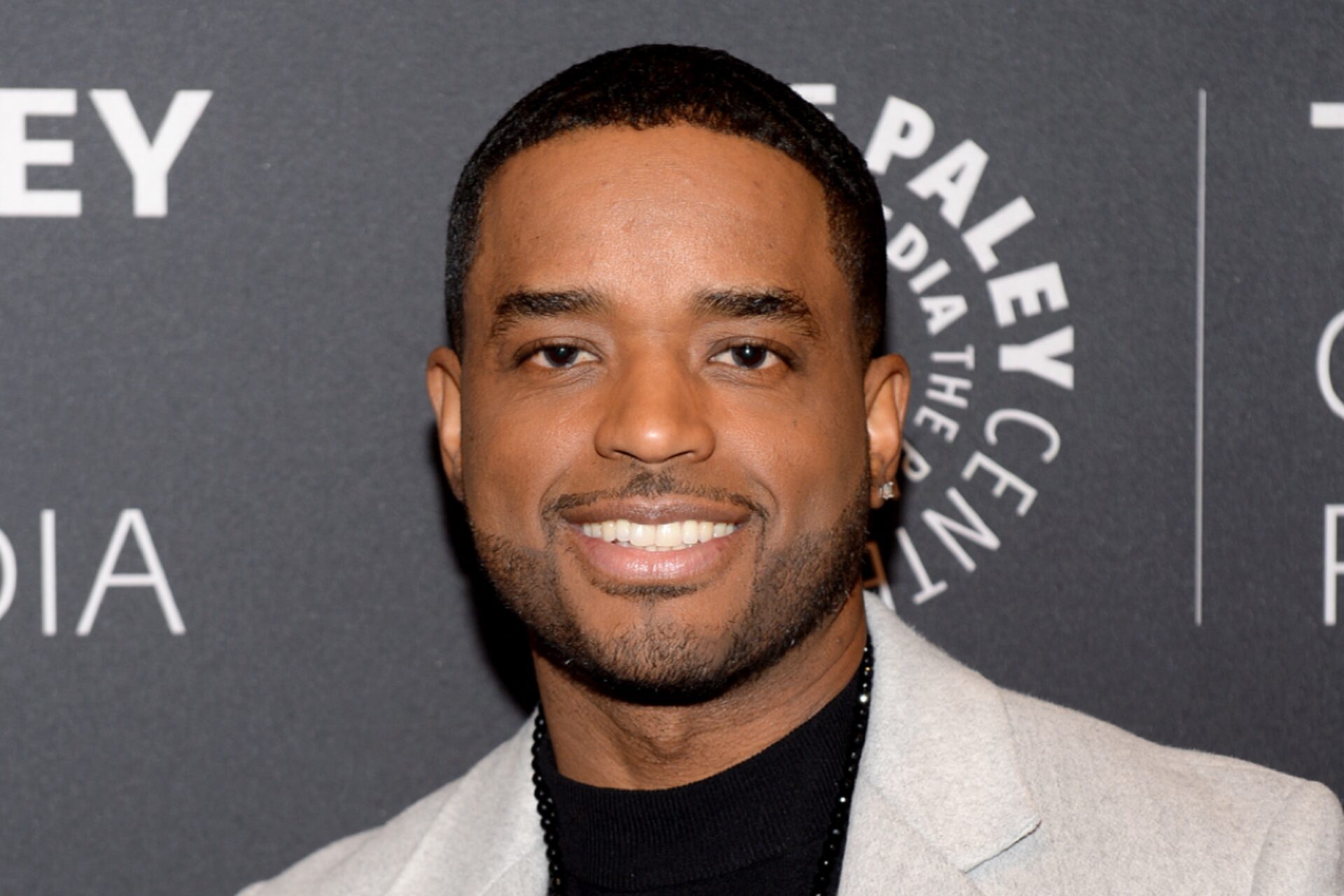
The actor and producer has joined Vault, a new streaming and distribution platform designed to give independent filmmakers more control over how their work reaches audiences and how they make money from it, according to Variety. Tate has partnered with Vault Founder Kenneth Gifford, also the founder of the Newark International Film Festival, alongside his brothers and business partners, Larron and Lahmard Tate.
Vault allows filmmakers to host content at no cost while deciding which projects are free and which are behind a paywall. Creators retain control over pricing, monetization, and revenue. The platform also provides them with marketing tools, including branded landing pages designed to help filmmakers promote individual projects and connect with viewers. In addition to independent films, creators can share TV shows, documentaries, short-form projects, and music on Vault. According to Variety, more than 50,000 subscribers have already signed up.
Tate said the platform is ultimately about shifting leverage toward the people creating the content.
“The entertainment industry continues to evolve, but too often filmmakers and creatives are left with limited control over how their work is distributed, monetized and ultimately seen,” Tate said in a statement. He added that Vault is intended to put “more power back into the hands of creators,” emphasizing ownership and access as key parts of the platform’s mission.
In 2021, Gifford described the platform as an effort to create opportunities for independent creatives whose interests were not being served by existing networks. “The films we put on Vault are made by people who put blood, sweat, and tears into their work, who deserve to get some return on their investments,” he told the New Jersey Monthly.
The move expands the work Tate and his brothers have been doing behind the scenes through TateMen Entertainment, a multimedia company focused on film, television, and digital content. The company has previously worked with major entertainment players and developed independent projects of its own.
Tate’s latest move comes after more than four decades in entertainment, with credits including Love Jones, Dead Presidents, Ray, Girls Trip, and the Power franchise. He most recently portrayed Motown Records founder Berry Gordy in the blockbuster movie Michael.
Patrice “Sway” McKinney is working to change that equation.
As founder and CEO of Encore Salon Suites, McKinney has expanded her influence far beyond the barber chair, building a business ecosystem centered on franchising, commercial real estate, education, mentorship, and economic empowerment. Her mission is rooted in helping beauty professionals see themselves not only as service providers, but as business owners, franchise operators, landlords, investors, and wealth creators.
Her path to entrepreneurship was anything but conventional. McKinney moved to Atlanta to pursue barbering, earned her Master Barber-Stylist license, and eventually opened her first salon while navigating the financial and operational challenges many first-generation entrepreneurs face. What began as a career behind the chair ultimately evolved into a much larger vision.
Today, Encore Salon Suites has grown into a franchise and educational platform, where McKinney says her work has reached more than 80,000 aspiring entrepreneurs. Through that work, she is pushing a simple but potentially transformative message: Black beauty professionals should not only participate in the industry. They should own more of it.
BLACK ENTERPRISE spoke with McKinney about her transition from barber to business mogul, the economics of salon suites, franchising, building scalable systems, and her mission to create new pathways toward Black ownership and generational wealth.
What gave you the confidence to take that risk, and when did you realize you were building something much larger than a career behind the chair?
A lot of my confidence came from knowing I didn’t want to spend my life building somebody else’s dream. I left corporate America, went to barber school, moved to Atlanta, and bet on myself. I was scared, but I was willing to work through the fear.
The real shift came when I discovered the salon suite model. I realized I could create something much bigger than a career behind the chair. I could help other beauty professionals build their own businesses while creating an asset that didn’t depend on me doing every haircut. That’s when I knew I didn’t just want to be a barber. I wanted to be an owner.
Why do you believe the salon suite model can serve as a powerful wealth-building vehicle for Black entrepreneurs, and what should aspiring owners understand before entering the industry?
I call salon suites real estate in the beauty industry. You’re creating a commercial space where independent beauty professionals can run their businesses while you build an asset around them. For Black entrepreneurs, that can be powerful because ownership changes the conversation from, “How much can I make doing hair?” to, “How can I build something that creates long-term value?”
But salon suites are not easy money. You have to understand leasing, construction, permits, occupancy, marketing, and your break-even point before signing anything. I want people to enter ownership prepared, not just excited.
What mindset, financial, and operational shifts must happen for beauty professionals to move from earning income behind the chair to building an asset that can generate long-term wealth?
The biggest shift is understanding that income and wealth are not the same thing. Behind the chair, your income is tied directly to your time. Ownership requires you to ask, “How do I build something that can generate revenue without me personally performing every service?”
That means knowing your numbers, understanding your expenses, documenting your processes, and investing in systems, people, and technology. If the business only works when you’re there, you haven’t built something scalable. My goal became working smarter, not just working harder.
As the first Black woman to franchise a Black-owned salon suite brand. What barriers did you face while entering the franchise industry, and what did that milestone teach you about the difference between building a profitable business and building a scalable enterprise?
One of the biggest lessons was learning that a profitable business is not automatically a scalable business. Franchising forced me to take everything in my head and turn it into systems, processes, training, and documentation that someone else could actually follow.
I learned a lot through mistakes, from contractors and permits to business partnerships and operations. But those lessons made me a stronger businesswoman. Franchising taught me that scalability is really about duplication without dilution. The model, experience, and standards have to work even when you’re not the one running everything.
Your business extends beyond salon suites into education, mentorship, real estate, live events, and franchising. How did you strategically build these different components into one ecosystem, and how do they work together to create multiple pathways to ownership?
Everything I’ve built comes back to ownership. I didn’t plan all of these businesses at once. They developed from understanding what people needed at different stages of their journey, whether that was education, coaching, opening a salon suite, expanding into real estate, or franchising.
The bigger vision is creating an ecosystem where beauty professionals don’t have to stop at providing a service. You can own the suite, the building, the brand, the education platform, or all of it. I want to create pathways that help people keep moving forward.
You have helped educate and empower more than 80,000 aspiring entrepreneurs. What recurring mistakes do you see Black founders make when trying to grow, and what systems should they establish early to avoid building businesses that depend entirely on their daily labor?
One of the biggest mistakes I see is people trying to scale before they’ve built a solid foundation. They want multiple locations, a big team, or a million-dollar business, but they may not know their numbers, have proper accounting, contracts, SOPs, or systems in place.
The other mistake is trying to do everything yourself. You have to delegate, use technology, and create processes other people can follow. And stop confusing visibility with success. Going viral is not a business model. Build the backend, know your numbers, create repeatable systems, then market the hell out of it.
When you think about the legacy of Encore Salon Suites, what do you want your work to prove about Black ownership, economic mobility, and the future of the beauty business?
I want my legacy to prove that beauty professionals can be business owners, real estate investors, franchisors, and wealth creators, not just service providers. There is so much opportunity in this industry, but you have to understand the business behind the beauty.
For me, this is bigger than building Encore. I want the next generation to see what I’ve done and understand that they can build, own, franchise, and create wealth too. At the end of the day, I don’t just want to create successful entrepreneurs. I want to create owners.
Training On Black Hair Has Entered The Curriculum, Now Required At NY And NJ Cosmetology Schools
The new requirements aim to close a long-standing skills gap in textured haircare.
For years, Black clients could walk into a professional salon and discover that the person holding the shears or styling tool simply wasn’t trained to work with their hair. That’s beginning to change in New York and New Jersey, where new cosmetology requirements are putting textured hair directly into the curriculum and on licensing exams.
Both states now require aspiring beauty professionals to demonstrate knowledge and skills related to textured hair, including coily, curly, and wavy patterns, reports Gothamist. New York’s updated requirements take effect in September, while New Jersey began rolling out its new standards in August.
In New Jersey, legislation signed in January requires cosmetology, barbering, beauty culture, and hair-braiding students to receive training on textured hair. The state’s licensing exams will also include textured hair in both written and practical testing, according to New Jersey’s textured-hair law. The law also calls for schools to have appropriate training tools, including hair picks, weaving kits, braiding hair, and mannequins with textured hair.
Meanwhile, New York’s updated curriculum requires students to complete 220 hours of training to learn textured hair techniques and styles like braiding, locking, and weaving.
Atiya Johnson, the CEO and founder of Jana’s Cosmetology Academy, a Black-owned and operated cosmetology school in New Jersey, said the training gap affects both professionals and customers.
“A seamstress should know how to work with every single piece of material that is put in front of him or her,” she told Gothamist. “As a cosmetologist, so should we. But if we’re not equipped and we’re not trained and taught to do so, then that is where the problem becomes.”
Johnson said her own cosmetology education included less than two weeks of textured-hair training during a four-year program.
“We never had a mannequin that looked like us,” she said, noting the difference between using a mannequin with silky straight versus textured hair.
New York Assemblymember Michaelle Solages, who sponsored the state legislation, said she has also heard numerous accounts of negative salon experiences involving textured hair.
“It’s not only horrific, you know, aesthetically, but physically and spiritually,” Solages said. “There’s a significant number of curly-haired people in this world, and it’s unfair that they have to experience such horrible events when going to a professional.”