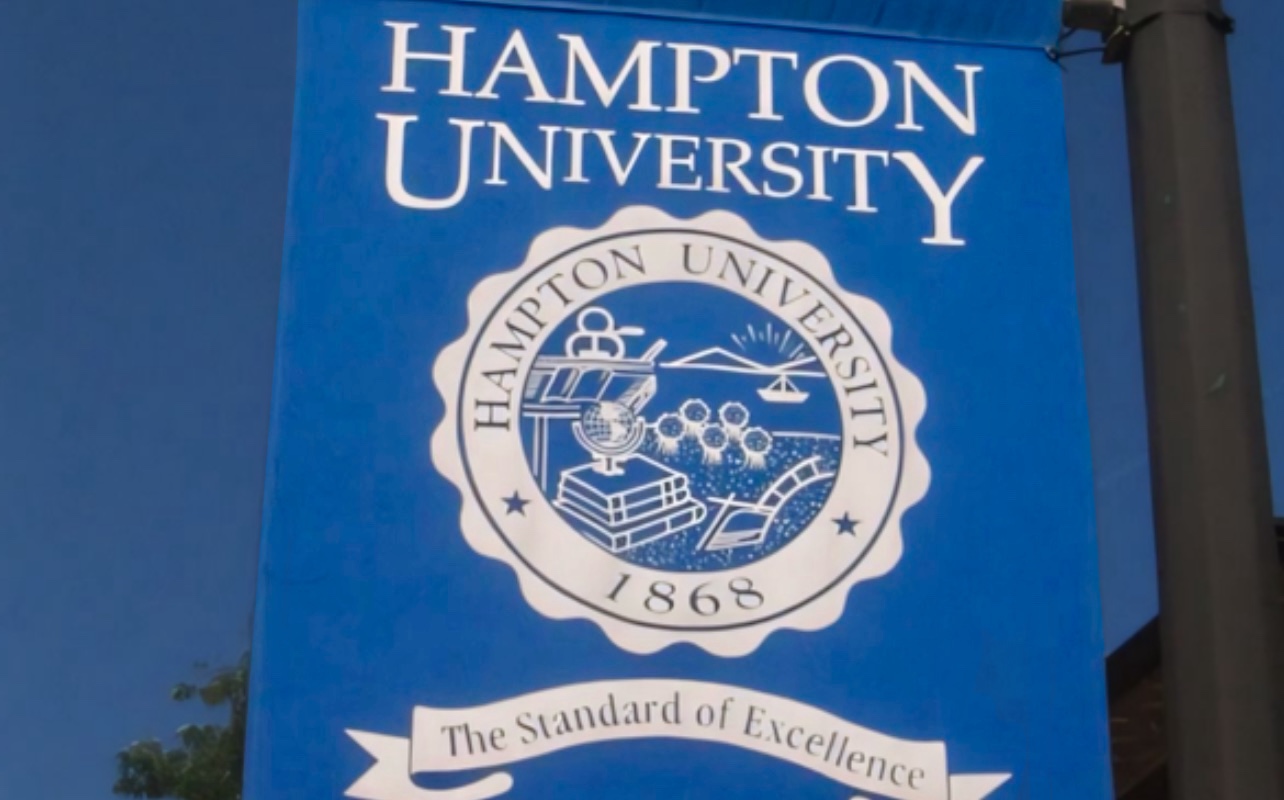
Dr. Betty Stewart, Hampton University
(Photo: Kevin Coles/flickr)

IRS Filings Show Rising Compensation For Private HBCU Presidents

The compensation figures come from nonprofit organizations' annual IRS Form 990 filings, which disclose executive pay and other financial information


Federal tax filings released for fiscal year 2025 show executive compensation at several private, historically Black colleges and universities (HBCUs) surpassed the $1 million mark, highlighting the increasingly complex leadership demands facing many institutions, HBCU Gameday reports.

The compensation information comes from annual IRS Form 990 filings submitted by nonprofit colleges and universities and compiled by ProPublica’s Nonprofit Explorer, which tracks executive pay and organizational finances.

Among the institutions reporting the largest compensation packages, former Spelman College President Dr. Helene Gayle received the highest reportable compensation at $1.99 million. Morehouse School of Medicine President Dr. Valerie Montgomery Rice reported the largest overall compensation package at approximately $2.26 million after benefits and other compensation were included.

Howard University reported compensation for two presidents during the fiscal year. Former President Dr. Wayne Frederick received $1.47 million in reportable compensation before returning to the presidency following the resignation of Dr. Ben Vinson III, who reported $1.04 million in compensation during the same reporting period.

Other presidents reporting more than $1 million in base compensation included Dr. Hakim Lucas of Virginia Union University at $1.15 million and Dr. Dwaun J. Warmack of Claflin University at $1.08 million. Hampton University President Lt. Gen. Darrell K. Williams reported $902,500 in base compensation and more than $1.09 million in total compensation after additional benefits.

While the compensation figures vary considerably, the data reflect significant differences in institutional size, mission, and operating models. Research universities and academic medical centers often compete nationally for experienced executives, while smaller tuition-dependent colleges operate under different financial constraints and leadership expectations.

Executive compensation represents only one measure of institutional leadership. Financial records, enrollment trends, fundraising performance, accreditation status, audit findings, student outcomes, and long-term fiscal stability also provide important benchmarks for evaluating an institution’s performance.

The filings also show that total compensation can differ substantially from reportable salary because it may include retirement contributions, deferred compensation, housing allowances, bonuses, severance agreements, or other contractual benefits. Those disclosures provide governing boards, donors, alumni, and students with additional context for understanding how executive compensation is structured at private HBCUs.

RELATED CONTENT: MACKENZIE SCOTT’S HBCU GIVING TOPS $1B, REDEFINING WHAT TRANSFORMATIONAL PHILANTHROPY LOOKS LIKE

Marcus Callender Spades: the Play
Marcus Callender and the cast of "Spades: the Play" (Photo Credit: Punch courtesy of Thorpe Communications)

‘Power’ Actor Marcus Callender Is Taking ‘Spades: The Play’ On A Five-City Tour

From the screen to the stage, the play marks the actor's debut as a director and playwright.


Marcus Callender is taking a beloved Black cultural pastime to the stage. The Power and Wu-Tang: An American Saga actor is making his playwriting and directorial debut with “Spades: the Play,” a 76-performance national tour this fall.

The production, which Callender has written and developed over the past decade, launches with a one-night performance in Harlem on Sept. 3 before heading to Washington, D.C., Los Angeles, Atlanta, New Orleans, and Miami. The play previously had a four-week run in Harlem in November 2025.

Inspired by true events in Callender’s life, “Spades: the Play” takes place in Harlem in 2013 and centers on four friends in their 20s who gather for their weekly spades game. What starts as friendly competition evolves into candid conversations about relationships, friendship, and the complications that come with growing up.

“For generations, the Spades table has been a safe space for the Black community to be open, enjoy banter, and escape from the weight of everyday life. It’s a rite of passage and tradition that unites us culturally,” said Callender in a press release. “I wanted to create a story that marries this rich and important mainstay of our lineage with a coming-of-age masterclass on both life and the game.”

The cast includes Broderick Clavery as Gill, Akilah A. Walker as Cori, Derrick Alexander as Andre, and Erin Nicole Washington as Nefertiti.

“The undeniable chemistry of the cast, coupled with the raw and irreverent conversations every group of friends can relate to, makes this play hilarious, honest, and uniquely Black,” said Callender.

The tour will be shown in culturally significant venues, including Culture House DC, a former Black church dating to the 1800s, and Cam Kirk Studios in Atlanta. Los Angeles performances will take place at Wendy Raquel Robinson’s Amazing Grace Conservatory, while New Orleans will host the production at Fire House Loft. The tour will conclude in Miami during Art Basel.

RELATED CONTENT: From Players To Owners: How FanArcade Is Building The Future Of Black Power In Gaming

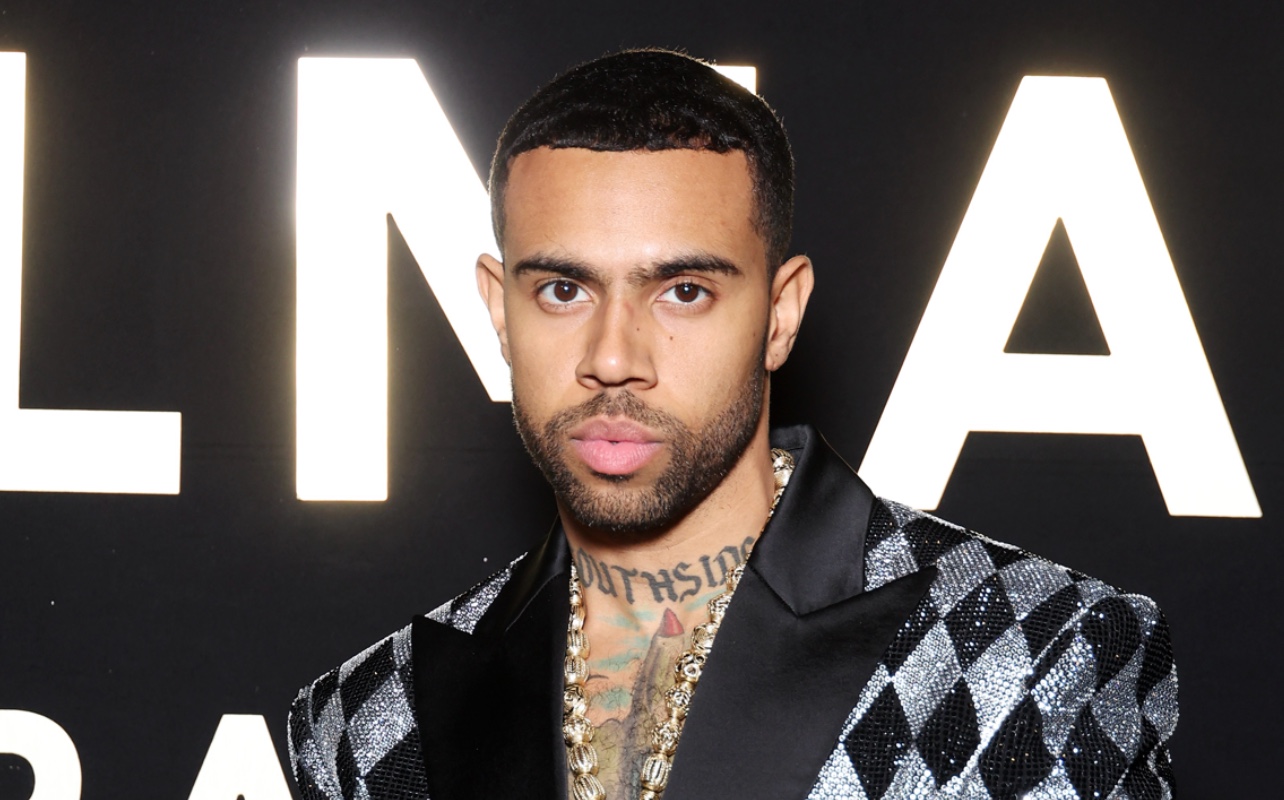
Vic Mensa, Black media empire
(Photo: Pascal Le Segretain/Getty Images for Balmain)

Vic Mensa Spills the Cheat Code For Creatives Who Want To Follow In His Footsteps

In part 2 of his exclusive conversation with BLACK ENTERPRISE, Mensa gets candid about building his production company and cannabis brand, sharing his early mistakes and his best advice.


The professional trajectory of recording artist Vic Mensa highlights a critical evolution in the modern Black business landscape: moving past superficial consumer metrics to secure true autonomy through equity, IP control, and community-centered enterprise.

In part 2 of his exclusive conversation with BLACK ENTERPRISE, Mensa gets candid about early financial traps, how to navigate regulated industries, and why true Black wealth extends far beyond consumer spending power.

The questions and Mensa’s answers have been edited for clarity.

BE: Launching your company, ORANJ, moved you into a full-scale production house. How did you build that operational backbone while protecting long-term ownership?

Vic Mensa: Brick by brick, immersing myself in every part of the process—learning about workers’ compensation, insurance, equipment rentals, staffing, pre-production, and post-production. Once I fortified my understanding of the field, I began adding verticals. For example, I’ve always written essays, like my piece for TIME magazine on Palestine and American racism. Now, I run a newsletter vertical to monetize my writing directly rather than just giving the intellectual property away.

BE: As the founder of 93 Boyz, Illinois’ first Black-owned legal cannabis brand, what operational lessons can you pass on to Black founders entering heavily regulated markets?

Mensa: You have to watch out for predatory deals that attempt to dilute Black leadership or ownership and use Black faces merely as figureheads. Always stay conscious of that setup.

Operationally, I highly recommend reading The 22 Immutable Laws of Branding—that book was super valuable for me. Additionally, equity is non-negotiable. As my mentor Dan Pettigrew says, when you get money the first time, things can easily go left. Having been through it before, the goal is to make sure you retain true equity and avoid repeating past mistakes.

BE: How has retaining your intellectual property (IP) changed how you monetize, take risks, and structure deals?

Mensa: At this stage, owning your IP is everything. We’ve been sold a business model where we take upfront capital to cover immediate needs—like paying rent—and forfeit all backend profits. The result is that you rarely see money again.

Coming at this with experience changes the dynamic. Owning your IP allows you to move beyond basic survival, retain long-term value, and maintain control over your creative expression.

BE: Black Enterprise has documented Black economic power for decades. How do you and your generation define real wealth beyond account balances?

Mensa: I’ve been reading Dr. Jared Ball’s book, The Myth and Propaganda of Black Buying Power. He dissects the heavily cited $1 trillion Black spending power statistic, showing how that figure was largely constructed to market products to us, rather than representing capital that generates actual Black wealth—like land, stocks, and tangible assets. That number is built for corporations like Coca-Cola. Real wealth comes from collective organizing to influence policy that protects human rights, alongside the active redistribution of resources and asset ownership.

BE: What is the single biggest money mistake you made early in your career, and what did it teach you about running a business?

Mensa: My biggest mistake was letting reckless percentages go out without proper oversight. Early on, I trusted people too much without understanding my own business. I threw things up in the air, assuming that because I paid someone, they would operate ethically and in my best interest. That is simply not the reality of business. You have to understand your operations inside and out and maintain strict oversight.

BE: What non-negotiable advice do you give young Black creatives who want to transition from being talent to owning their enterprise?

Mensa: Lean into what makes your story yours. In this era, it’s easy to think imitation is salvation, but it’s not. Speaking on what is real to you is the first seed of something great. Furthermore, don’t just sell your labor—build the tool itself. If you have a specialized skill set, utilize current technologies to build platforms that scale your service rather than just remaining a worker within someone else’s structure.

RELATED CONTENT: RZA Says AI Is Transforming His Creative Process

sports betting
Group of young men watching football on TV

High Stakes, Low Yield: Is Gen Z Gambling Their Retirement Savings Away on Sports Betting?

Redirecting 401(k) contributions to sports betting puts the financial future of the next generation of African American leaders at risk.


Looking for swift financial gains, more young African Americans are turning from traditional investments to sports betting platforms. Betterment reports that 52% of Gen Z retail investors redirected funds meant for investments or retirement accounts to sports betting in the past year.

For a generation seeking financial empowerment, using sportsbook apps as investment substitutes is a significant risk. The Betterment survey found 26% of Gen Z investors consider sports wagering a regular part of their long-term wealth strategy, and 14% transfer money from investments to betting apps multiple times each month.

“When a prediction market or sportsbook starts to feel like a retirement strategy, we have a problem,” Sarah Levy, chief executive officer of Betterment, told Yahoo Finance. “These products are not designed to help them build toward the next decade of wealth.”

Chasing Short-Term Thrills

The appeal of immediate payouts stems from economic fatigue and increasing living expenses. Northwestern Mutual reports 32% of Gen Z adults are participating in or considering sports betting. Among young investors who feel behind financially, 80% believe high-risk bets will help them catch up faster than traditional stock portfolios.

However, financial experts state that shortcutting compound growth usually yields losses rather than stability. “Time is our most powerful asset in finance, and aggressive bets can erode that advantage faster than you can recover,” Ashley Russo, wealth management adviser at Northwestern Mutual, told Yahoo Finance.

This trend constitutes major risks for the African American community. The National Council on Problem Gambling reports that 32% of Black adults participate in sports gambling. Aggressive sportsbook marketing in urban cities often presents parlay wagers as quick paths to wealth, obscuring the unfavorable odds for bettors.

Even sports betting industry executives acknowledge that wagers should never replace savings. “Sports betting is a form of entertainment, not an investment or a strategy for building wealth,” Joe Maloney, president of the Sports Betting Alliance, stated. “Adults who choose to bet should do so responsibly, within a predetermined entertainment budget and never with money needed for savings or essential expenses.”

Reclaiming Long-Term Discipline

To preserve their financial future, young Black professionals should separate discretionary entertainment from wealth accumulation. Replacing disciplined investing with sports betting sacrifices decades of compounding interest, which is key to developing lasting equity.

Dan Egan, vice president of behavioral investing at Betterment, stressed that young adults need sound operational guardrails. Investors must “separate their speculative interests from their long-term wealth building, making sure they don’t inadvertently jeopardize their future for a current thrill,” Egan said.

According to Charles Schwab Investment Company, securing long-term financial success begins with a firm commitment to fundamental habits, starting with automated payday contributions to 401(k) and Roth IRA accounts. Taking full advantage of employer matching funds provides an immediate 100% return on investment that far outpaces potential payouts from any sportsbook. To ensure high-risk ventures do not compromise core investments or emergency reserves, Charles Schwab advises isolating all speculative spending within a dedicated entertainment budget.

Community-based, Black-led financial empowerment programs and mentoring initiatives also play a central role in making these strategies more accessible and effective. Organizations such as Black Women Invest and the National Urban League’s financial empowerment workshops provide culturally relevant education, resources, and support. Through involving themselves in these programs, young Black professionals can gain guidance and mentorship that connects with their lived experiences, making it easier to build lasting financial habits.

RELATED CONTENT: 401(k) Planning Gets a Fresh Look as Workers Focus on Long-Term Wealth

San Antonia Spurs forward Harrison Barnes Iowa
San Antonia Spurs forward Harrison Barnes (photo: Screenshot via NBA.com)

NBA Veteran Harrison Barnes Invests $25 Million To Acquire A Small Bank In Iowa

The San Antonio Spurs forward has been quietly building a banking empire off the court.


San Antonio Spurs forward Harrison Barnes has reportedly invested $25 million of his own capital into a groundbreaking business venture.

According to The Bank Slate, the 34-year-old NBA veteran recently purchased Community State Bank in Paton, Iowa, a small community bank located less than an hour from his hometown of Ames. The move gives Barnes direct ownership in the financial institution, which has been operating for the last 70 years. It also adds another chapter to the investment strategy that he’s been building off the court for years.

“This is not a vanity project. We want to be Iowa’s next great bank,” said the NBA champion, according to Yahoo Sports.

Outside of his 14-year NBA career, Barnes has been quietly building a banking empire. He served as a bank director, invested in financial institutions such as Triumph Financial, and completed coursework through the Iowa School of Banking. He says his interest in community banking deepened during the COVID-19 pandemic, when he saw local financial institutions play a critical role in helping small businesses and families access capital.

“I saw community banks act as economic first responders during COVID,” Barnes said in an interview with the American Bankers Association.

After earning roughly $224 million in the NBA, Barnes and his wife, Brittany, also founded Barnes & Co., a family firm that focuses on financial services, including traditional banks and financial technology companies.

During an interview on Raccoon Valley Radio, Barnes opened up about balancing his NBA career with business ventures and family.

“I think the biggest thing is that you have to be where your feet are,” said Barnes, who played a major role in leading the Spurs to the 2026 NBA finals. “When I’m focused on basketball, and I’m in that lane, I’m 100% a basketball player. When I’m here trying to figure out how to best support and serve Community State Bank, I’m 100% in this lane, right? When I’m at home, and I’m with my family, I’m 100% a husband and a father.”

Indiana Pacers star Tyrese Haliburton shared on X that he was shocked after learning that his former Sacramento Kings teammate accomplished the ambitious goal that he had initially discussed with him during his rookie season.

“HB told me this was the plan my rookie year!! I couldn’t believe what I was hearing,” wrote Haliburton.

RELATED CONTENT: Magic Johnson’s WNBA Strategy Teaches Black Investors

Terrayae McCray Vividae Campaign, India
Terrayae McCray, the founder and CEO Vividae Campaign, in India (Photo Credit: Courtesy of Vividae Campaign)

Vividae Campaign Founder Terrayae McCray Is Taking Her Hair Company To The Source

The Baltimore entrepreneur is turning her passion for hair into a business rooted in culture, global exploration, and opportunity.


Hair was never just about beauty for Terrayae McCray. Rather, it became a tool for business opportunities and a passport that exposed her to other parts of the world.

As the founder and CEO of Vividae Campaign, a company that sells raw Indian hair wigs and premium extensions, McCray built her business at the intersection of identity and commerce. Her interest in hair initially began while she was growing up in West Baltimore, Maryland, and eventually led her into the beauty industry, reports The Source.

According to Vividae’s Instagram page, she began selling hair back in 2014 while working in the medical field as a certified nursing assistant.

“Would you believe me if I told you I started selling hair out of a suitcase from the trunk of my car, all while working as a CNA?” she posted on Instagram. “It all started with a small inventory that has now grown into Healthy Inventory,” she wrote.

Since launching the business, McCray has documented frequent trips to India on social media, where she buys wholesale unprocessed human hair. While traveling, she explores not only the business side of the hair industry but also its cultural significance and the ways Indian women connect their hair to heritage. That insight informed how she sells product and has helped her better understand how hair is sourced and deeply connected to Indian culture.

“West Baltimore girl with a second home in India,” she wrote on an Instagram video of her riding through an Indian village. “This [is] bigger than just buying bundles for me. It’s relationships. It’s really knowing the source,” reads the caption. “At this point I know the streets, the factories, the people AND where the good hair at. And THAT’S the difference with Vividae.”

“People think the trips are for show. Nah! I get dirty so my business stays clean. Long flights, long days, factory floors, all so every bundle, every dollar, every move goes according to plan,” she wrote on Instagram back in December. This is groundwork.”

McCray knows first-hand that where you start does not have to determine where you go. Her travels have taken her beyond Baltimore and introduced her to new countries and cultures. Now, she is giving others the opportunity to travel to India alongside her. Earlier this year, she launched Vividae Take India, inviting five entrepreneurs to tour Indian temples and manufacturing facilities and get a close-up look at ethically sourcing hair. The trip was also designed to help business owners better understand wholesale markets and supplier relationships.

“This is for beauty entrepreneurs who want clarity, credibility, and control over their supply chain,” she wrote on Instagram.

RELATED CONTENT: How Karen Mitchell Turned a Side Hustle Into an Eight-Figure Hair Empire

moneymaxxing, investing, budgeting

Financial Experts Warn That ‘Moneymaxxing’ Alone Cannot Build Wealth

The new viral trend is helping consumers rethink spending, but experts say it takes more than saving money to generate wealth


Moneymaxxing is the new buzzword flooding social media algorithms. The viral trend encourages consumers to get the maximum value from every dollar by cutting unnecessary expenses, using rewards programs, reducing impulse purchases, and moving cash into high-yield savings accounts. The trend has gained traction, especially among younger adults looking for practical ways to manage and optimize their finances. But while the strategy can help people become more conscious about their spending habits, financial experts say there is a major difference between saving money and building wealth.

“It has likely risen in popularity as young people are searching for ways to get ahead financially,” Corey Bates, a financial and investment adviser at Solomon Financial, told Yahoo Finance.

Bates said younger consumers are increasingly aware of inflation and the rising cost of living, making intentional money management especially important as they build a financial foundation.

Mical Jeanlys-White, the founder of WealthMore and host of the All The Wealth podcast, told CBS Philadelphia that the moneymaxxing conversation often stops before reaching the most important part of wealth building: investing.

“It’s putting your focus on, ‘Hey, where can I save?’ What it’s lacking is, ‘How do I put my money to work?’” he said.

Jeanlys-White also pointed to the financial pressure many households are experiencing. “Everyone is paying more for their basic necessities,” she said. “Inflation is a pay cut. It’s invisible, but you are feeling it.”

According to her, cutting subscriptions, choosing store brands, and avoiding unnecessary purchases can free up cash, but those strategies alone do not necessarily create long-term wealth.

“That’s the investing piece that’s missing,” Jeanlys-White said. “Figure out how to make sure you have enough money to save and invest.”

Her advice reframes moneymaxxing from a lifestyle of constant penny-pinching into a broader wealth-building strategy. The goal is not simply to hold onto more money, but to create a system that lets those dollars grow over time.

For consumers trying to build financial stability, experts recommend understanding where your money is going, focusing on reducing high-cost debt, building an emergency fund, and developing a consistent savings and investment strategy.

“I always say take it off the top,” Jeanlys-White said, recommending that consumers prioritize saving and investing before spending the remainder of their income.

RELATED CONTENT: Living Within Your Means Is The First Step In Wealth Building

Viola Davis, Target, Halloween costume
Photo by Mike Marsland/WireImage)

Viola Davis Slams Target’s Apology Over ‘Racist’ Halloween Costume Controversy

The Oscar-winning actress said the retailer's response fails to address the deeper issue of corporate decision-making and Black representation


Viola Davis is calling on Target to do more than just apologize after the retailer pulled a children’s Halloween costume that critics said evoked racist Blackface and minstrel imagery.

The Oscar-winning actress rejected Target’s public response in an Instagram post on Tuesday, arguing that removing the product does not address the broader harm associated with imagery that has historically dehumanized Black people.

“Target, I do not accept your apology and I do not believe that you understand the impact…the pain…the dehumanisation of the above,” Davis wrote, adding, “these images laid the foundation and the ideology for every atrocity that has been committed against my people. We matter! You have shown that you are not on our side.”

The controversy centers on Target’s $25 “Kids’ Glows Under Blacklight Circus Clown” costume. The product featured a black-and-orange bodysuit, black gloves, and a hood with an exaggerated smile and small top hat. The product image featured a young Black boy. Following criticism online, Target removed the listing.

“As a company, we know we got this wrong, and we are deeply sorry,” Target said in a statement. “The costume is offensive and should never have been part of our assortment. It is no longer available for sale.”

The retailer also acknowledged the impact on the Black community, saying the incident was “especially hurtful for our Black guests, team members and partners.” The retail giant added that it was examining “how this happened and what needs to change to ensure this won’t happen again.” However, the company has not explained how the product cleared its review processes or identified who was responsible for approving it.

Target has also faced continued criticism over its rollback of diversity, equity, and inclusion initiatives. Sheletta Brundidge, a Minneapolis-area business leader who protested Target’s DEI rollback, told Reuters, “You rolled back diversity, so who’s in the room, now, to say ‘hey, this is wrong?’”

Rev. Jamal Bryant, who led a 40-day Target boycott last year, told The Washington Post that imagery evoking Jim Crow-era minstrel shows “is not simply getting it wrong.” He added that the incident showed that Target “still lacks corporate diversity among decision-makers” and needed internal changes.

RELATED CONTENT: Target Attempts To Reaffirm Support for Black Entrepreneurs Amid DEI Boycott

visas, immigrants, training, immigration enforcement
Photo by Stephen Leonardi: https://www.pexels.com/photo/protest-for-immigrant-rights-at-california-capitol-34367592/

U.S. Pauses Immigrant Visa Processing Worldwide

The State Department began the pause in early August as part of a global training initiative at U.S. embassies and consulates.


The Trump administration has temporarily paused immigrant visa processing for applicants worldwide as U.S. consular officers undergo training on stricter standards for determining whether prospective immigrants could become dependent on government benefits, AP News reports.

The State Department began the pause in early August as part of a global training initiative at U.S. embassies and consulates. The interruption is expected to last until early to mid-September, the outlet reports. Applicants with interviews scheduled in August are expected to have their appointments moved to September, October, or November.

The pause largely affects people seeking immigrant visas through family relationships, including parents, spouses, children, and siblings of U.S. citizens. Employment-based applicants with employer sponsorship are generally not affected because they can demonstrate expected earnings, according to AP.

The State Department said the training is intended to help consular officers consistently determine whether applicants could become a “public charge,” a designation under federal immigration law that can make a prospective immigrant inadmissible based on the likelihood of dependence on government assistance.

“The Trump Administration is protecting the American people by upholding the highest standards of screening and vetting of visa applicants,” a State Department spokesperson said.

The State Department has also launched a pilot program allowing consular officers to require certain immigrant visa applicants initially denied on public-charge grounds to apply for a bond as one way of demonstrating they are unlikely to become a public charge after entering the United States.

The worldwide pause comes days after U.S. District Judge Jeannette Vargas on Aug. 21 struck down a separate Trump administration policy that suspended immigrant visa processing for nationals of 75 countries. Vargas ruled that Secretary of State Marco Rubio exceeded his statutory authority by requiring otherwise eligible applicants to be denied based on nationality.

The 75-country restriction had been in place since January and was similarly based on concerns that immigrants could become dependent on public assistance.

The latest pause is part of the Trump administration’s broader effort to tighten both legal and illegal immigration. Reuters reported that the administration has pursued visa and green-card revocations, increased scrutiny of applicants, and higher fees for certain work visas. Trump has said his immigration policies are intended to strengthen domestic security.

RELATED CONTENT: How Unequal Immigration Enforcement Is Affecting Black Women’s Health—And Our Wallets

×