angela yee
(Image: DKC)

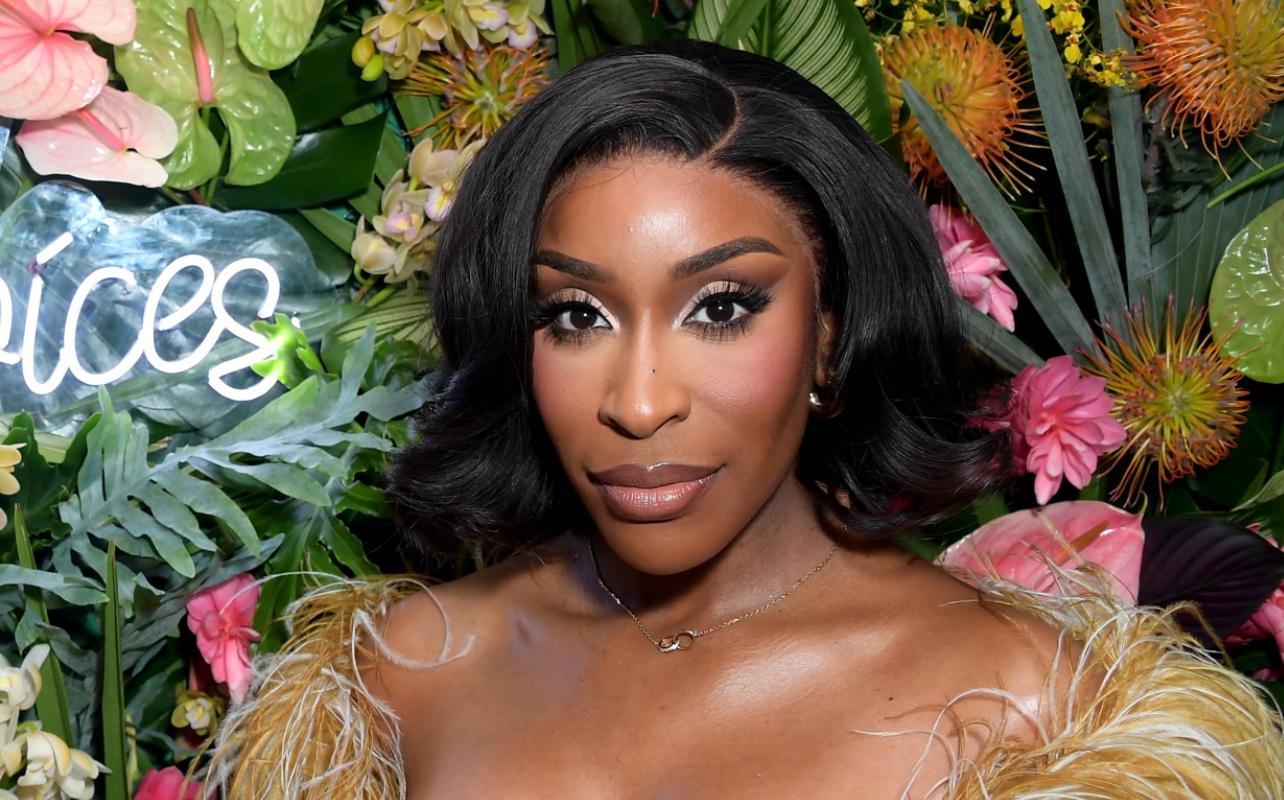
Angela Yee, Allan Houston To Headline Free ‘Community Thru Hoops’ Event In Times Square

The daylong event will bring together youth sports, mentorship, entertainment, and community engagement in the heart of New York City.


Three K3ys Inc. and Pathways to Abundance are bringing basketball, mentorship, and entertainment to the heart of New York City with a free community event designed to empower young people and families.

The organizations announced they will host “Community Thru Hoops” on Monday, Aug. 17, from 10 a.m. to 9 p.m. in Times Square. The all-day event will kick off with a live broadcast of Way Up with Angela Yee on Power 105.1, then transition to youth programming, basketball activities, and family-friendly entertainment.

In addition to the live radio broadcast by veteran broadcaster and entrepreneur Angela Yee, New York Knicks legend Allan Houston will lead a free youth basketball clinic in partnership with FISLL (Faith, Integrity, Sacrifice, Leadership & Legacy). The clinic will provide elite basketball instruction while emphasizing leadership and mentorship for young athletes. Organizers say the event is designed to unite sports, media, and community partners while creating opportunities for youth engagement.

“Community Thru Hoops represents what is possible when sports, media, business and community unite around a common purpose,” said Tameek Floyd, the CEO of Three K3ys Inc., in a press release shared with BLACK ENTERPRISE.

In addition to the basketball clinic, attendees can enjoy a youth basketball showcase, dunk contest, live DJs, interactive fan experiences, games, prizes, giveaways, and community activations. Local businesses are also expected to participate throughout the day.

Three K3ys Inc. describes itself as a sports, entertainment, and community engagement company focused on creating opportunities through athletics, education, strategic partnerships, and programming that connects sports, culture, and community. Pathways to Abundance, a nonprofit and partner for the event, works to strengthen communities through education, mentorship, wellness initiatives, and economic opportunity. Both organizations hope the free event will not only inspire the next generation of athletes but also connect families with resources and experiences that extend beyond the court.

RELATED CONTENT: Angela Yee Opens Doors For Women Investors With Airbnb Partnership
Howard University, Caribbean studies
(Photo: Jeffrey Greenberg/Universal Images Group via Getty Images)

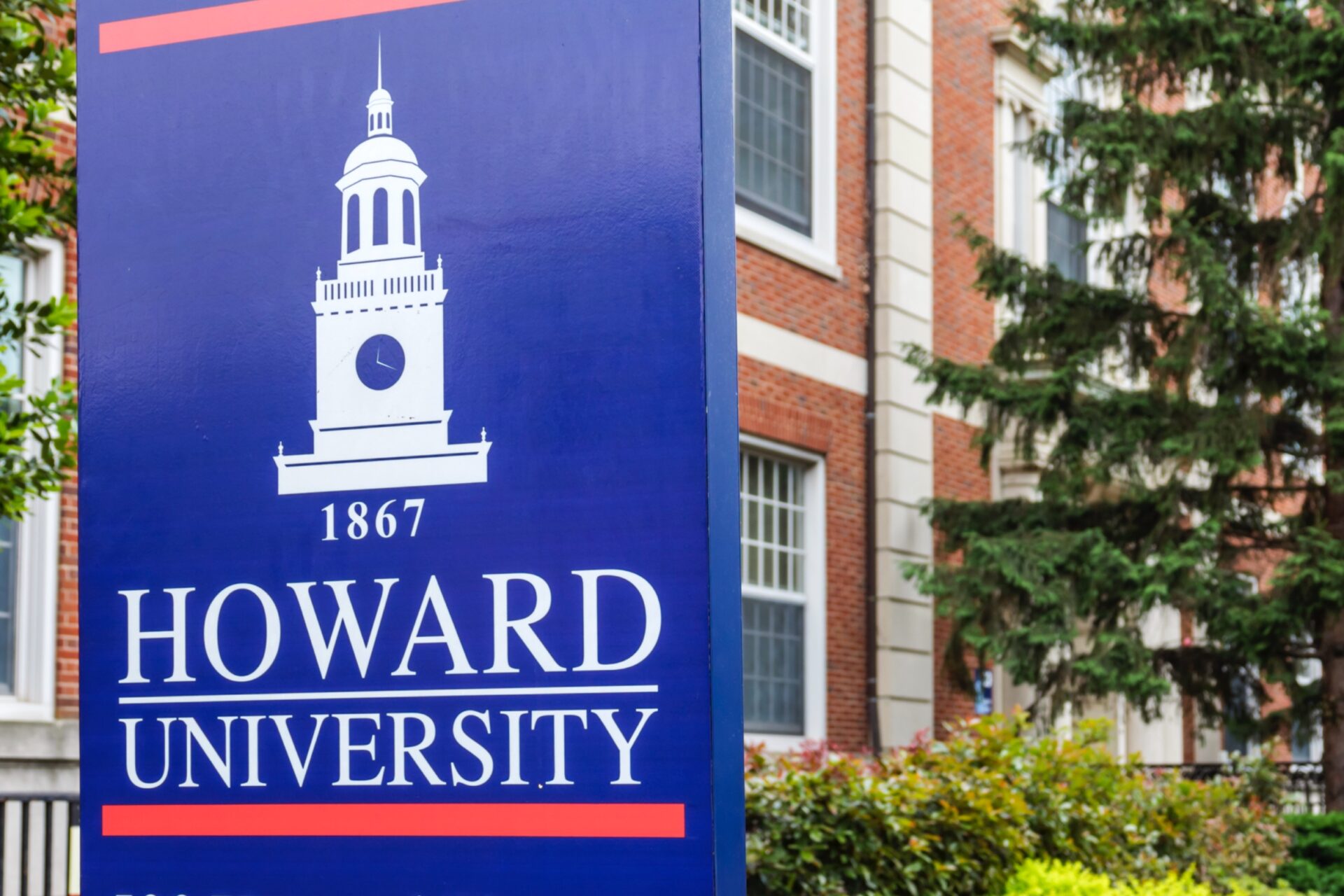
500 Howard University Freshmen Were Unenrolled Weeks Before Fall Semester Over Tuition Issues

Incoming students are uncertain about their enrollment status just weeks before classes begin.


Hundreds of incoming Howard University students say they were shocked after receiving notices that they had been unenrolled from the university’s Class of 2030 just weeks before the start of the fall semester.

Students and families say the decision came amid confusion over tuition payments, scholarships, and financial aid processing. Many believed pending scholarships, loans, or other aid would cover outstanding balances and were caught off guard when the university removed their enrollment status. One incoming freshman, Isabella Williams, told ABC 7 News that she had already packed her belongings and was preparing to move from Alabama to Washington, D.C., when she learned she could no longer attend the historic HBCU.

“Never in my life have I been so disappointed,” Williams said in a tearful video posted on Instagram. “Never in my life have I gotten so far and worked so hard for it to be stripped from me on a random Wednesday.”

Williams said she received two Howard University scholarships totaling $27,000 and believed the remaining balance would be covered once those funds were applied.

“I had two scholarships from Howard University. I had an $11,000 scholarship and a $16,000 scholarship that was directly from them,” she said.

Another incoming freshman, MarLae’ Coffield, said she was devastated after learning she could not attend despite her academic accomplishments.

“I graduated early. I graduated my junior year, and I had a 4.0, and I did all of that just to get into Howard University. And now I can’t go to Howard University,” Coffield said.

Howard University said it had communicated financial requirements and deadlines to incoming students and families throughout the spring and summer through emails, financial aid updates, videos, and Bison Prep sessions.

“Howard University understands the concerns and challenges that students and families are experiencing related to the recent enrollment update for some first-time-in-college students,” the university said in a statement.

The university explained that students who failed to complete required steps — including making tuition payments, setting up approved payment plans, or reporting anticipated scholarships and financial aid — were notified that their enrollment could no longer be held. University officials added that they are reviewing individual cases involving pending scholarships and financial aid applications and will work with affected students to determine next steps.

For many incoming freshmen, the issue represents more than a tuition dispute — it threatens a long-awaited opportunity to attend one of the most prominent HBCU’s in the country. As Howard reviews student cases, families are waiting for clarity on whether their enrollment can be restored before the fall semester begins.

“For us to suddenly be unenrolled from what is most of our dream schools is heartbreaking,” Williams said.

RELATED CONTENT: UNC $1M Endowment Goes To Howard University After School Requests Anti-DEI Compliance For Eligibility

Stephen and Ayesha Curry, Plezi
(Photo: PLEZi Nutrition)

Ayesha And Stephen Curry Team Up With Michelin-Starred Chef And The Ritz-Carlton To Open Restaurants In Charlotte

The power couple plans to open three new dining concepts inside The Ritz-Carlton, Charlotte.


NBA superstar Stephen Curry and entrepreneur Ayesha Curry are returning to their hometown roots through a new hospitality venture that will bring three upscale dining concepts to Charlotte.

The power couple is partnering with Michelin-starred chef Michael Mina and The Ritz-Carlton, Charlotte, to launch Sweet July Cafe, The Eighth Rule, and Bourbon Steak as part of the luxury hotel’s multimillion-dollar renovation. The first concept to debut was Sweet July Cafe, which opened on July 21, reports The Charlotte Observer. Inspired by Ayesha Curry’s lifestyle brand, the café features specialty coffee, seasonal smoothies, and baked goods, as well as menu items influenced by her Jamaican roots.

“Sweet July has always been rooted in community and creating spaces where people feel genuinely welcomed,” Ayesha Curry said in a statement, according to The Charlotte Observer.

“Charlotte means so much to my family and me, making it the perfect home for our newest café. Working alongside Chef Michael Mina throughout my career has deeply influenced the way I think about hospitality and food, and I’m thrilled to see our partnership continue to grow through the Sweet July cafés. I’m especially excited to introduce new menu items that reflect both the spirit of my Jamaican heritage, as well as the evolution of our café experience.”

The Eighth Rule, an intimate bourbon-focused cocktail lounge created by Stephen Curry, is slated to open later this year. Named after the seven official rules of bourbon production, the concept invites patrons to create their own “eighth rule” through curated cocktails, rare whiskey pours, and elevated small plates.

“The Eighth Rule has always been about creating an experience that brings people together for community and conversation, while enjoying elevated food and drink offerings,” Stephen Curry said in the release.

“Expanding to Charlotte is especially exciting because it’s a city that not only holds a special place in mine and my family’s heart, but it’s filled with incredible energy and culture,” added the four-time NBA champion. “With The Eighth Rule Charlotte, we’re building on the foundation of the bourbon tradition while encouraging guests to create their own ‘eighth rule,’ their own way to celebrate and enjoy the moment. We can’t wait to welcome people into the space and become part of the Charlotte community.”

The third concept, Bourbon Steak, is Michael Mina’s award-winning steakhouse known for premium cuts of beef, globally inspired seafood dishes, and an extensive wine and spirits program. The restaurant is scheduled to open in late winter 2026. Mina said Charlotte’s rapidly evolving culinary scene made the city a natural fit for one of his flagship restaurants.

“You can see when cities are really starting to happen with food — Charlotte’s a really good city. It was even more concrete when they did ‘Top Chef’ here,” Mina said. “In a city like this — it’s starting to explode with food and beverage. This particular project … felt like it could add to the landscape with the combination of The Ritz-Carlton.”

Karen Ayad, general manager of The Ritz-Carlton, Charlotte, called the partnership a major win for the city as the hotel completes its transformation.

“The partnerships that we’re entering into with Michael Mina and Ayesha and Steph Curry are not just exciting for The Ritz-Carlton, Charlotte — I think they are super exciting for Charlotte as a whole,” Ayad said. “They are going to bring some incredible culinary and beverage creativity, energy and experiences that will lend themselves to that growing scene in Charlotte.”

The Currys, who met while growing up in Charlotte, have steadily expanded their hospitality portfolio, making the Queen City their latest destination for food, culture, and community.

RELATED CONTENT: Steph and Ayesha Curry Launch Scholarship Program For Girls In STEM

Jackie Aina, Crown Royal, Black Girl Ventures
(Photo: Unique Nicole/Getty Images for TikTok)

Jackie Aina Nearly Gave Away 40% Of ‘FORVR Mood’ Before Choosing To Bet On Herself

The beauty entrepreneur proves that protecting ownership can be just as valuable as raising capital.


Beauty entrepreneur and content creator Jackie Aina is opening up about one of the biggest financial decisions she made while building her multimillion-dollar lifestyle brand, FORVR Mood.

Speaking on the Black Tech Green Money podcast, Aina revealed that she nearly signed away close to 40% ownership of the company before deciding to bootstrap the business alongside her husband and co-founder, Denis Asamoah—a decision she now credits with helping them maintain control of the brand, reports AfroTech.

“When we first started, we almost gave away like 40% of our company,” Aina said, according to AfroTech. “Thank God we didn’t.”

Jackie Aina And Denis Asamoah Avoided Investment Capital

Instead of taking outside capital before proving the business model, the couple invested their own money to launch FORVR Mood in 2020. The self-care brand debuted with candles before expanding into fragrances and other lifestyle products, quickly building a loyal customer base and eventually landing on Sephora shelves.

According to Denis Asamoah, the decision to avoid outside investors early on was strategic.

“It was very important to launch our first brand, not with investment,” he said on the podcast. “If you’re going into a business with an investor, you’ve got no track record, no sales records, you’re literally giving up a lot of your business to begin with.”

He added that building traction before fundraising also strengthened the company’s negotiating position.

“Once we raise investment, we’d rather take a minority deal where they only come in at 15% to 20% in terms of the first investment deal,” Asamoah explained.

That strategy paid off. FORVR Mood launched with a waitlist of more than 45,000 people, and the company’s initial inventory sold out within hours. By late 2022, the brand had surpassed 100,000 customer orders and has since expanded into fragrances, with products now carried by Sephora.


Shifting To A Money-Making Mind Set

For Aina, betting on herself came after years of helping other companies generate revenue through her influence as one of YouTube’s most recognizable beauty creators.

“I had made millions for brands that I’ve collaborated with, brands that I’ve posted about, brands that I’ve advertised on my platform,” she said. “If I’m capable of doing that for them, why not bet on me and do that for myself?”

The founder has also acknowledged that bootstrapping came with challenges, including supply chain disruptions during the COVID-19 pandemic and costly inventory forecasting mistakes. Still, she says those experiences ultimately strengthened the business.

“This is in the middle of the logistics crisis. Every brand was struggling,” Aina recalled. “We couldn’t foresee any of that… but it was one of those things where if we could make it through that, I think we could make it through anything.”

RELATED CONTENT: Jackie Aina on Building Her Brand, Beauty Deals, and Boss Moves

government contracts
photo credit: pexels

Indiana Draws Backlash From Black Businesses After Gov. Deads Race-Based Criteria In Contracts

The policy change has drawn criticism from entrepreneurs who say the previous law helped address longstanding barriers.


Indiana business owners are raising concerns after Gov. Mike Braun announced the state will no longer consider race or gender when awarding government contracts, replacing the previous approach with what his administration calls a merit-based system, WTHR 13 reports.

Braun’s announcement follows a legal opinion issued by Indiana Attorney General Todd Rokita, who concluded that the state’s minority- and women-owned business contracting statute is unconstitutional in light of the U.S. Supreme Court’s 2023 decision ending race-conscious admissions policies in higher education. As a result, the administration said future procurement decisions will emphasize “Merit, Excellence, and Innovation,” or MEI. The policy change has drawn criticism from some entrepreneurs who say the previous law helped address longstanding barriers to accessing state business opportunities.

The debate unfolded as hundreds of entrepreneurs gathered at the Indiana Convention Center in Indianapolis July 18 for a marketplace celebrating Black-owned businesses. While the event highlighted business growth and innovation, many attendees said the governor’s decision overshadowed the celebration.

Carmela Toler, who owns a company providing home services for Hoosiers with developmental and intellectual disabilities, said the previous contracting framework gave businesses like hers a realistic opportunity to compete for state work.

“It gave us at least some edge of getting in, because for a long time, we never got in,” Toler said to the outlet.

Dr. Michael J. Bluitt, vice president of HCO Architects, said his firm benefited from opportunities created under the Indiana law and questioned why the policy is being abandoned after decades in place.

“We’re just trying to keep the playing field even,” Bluitt said. “Why pull it now?”

U.S. Rep. André Carson also criticized the decision, saying he has heard from business owners who worry the new approach could make it more difficult for historically underrepresented companies to secure state contracts.

“In a perfect world, that would be true, but this isn’t perfect,” Carson said, referring to the state’s plan to adopt a race-neutral contracting process.

The policy marks a significant shift in Indiana’s contracting process and is expected to influence how businesses compete for future state-funded projects.

RELATED CONTENT: Meet The Woman Whose Program Helps Black-Owned Businesses Get Government Contracts

student loan forgiveness, fresh start program, idk, forgiveness, Connecticut student loans
(Photo: designer491/Getty Images)

New Bill Would Nix Interest On Federal Student Loans

The measure would apply only to federally held student loans.


Legislation introduced in Congress would allow millions of federal student loan borrowers to refinance their existing loans into new loans with a 0% interest rate, a proposal aimed at reducing borrowing costs while restructuring how the federal government finances its student loan program, WMTW reports.

The measure would apply only to federally held student loans and would not affect private student loans. If enacted, borrowers would continue repaying the principal on their loans, but interest charges would be eliminated through the refinancing program outlined in the legislation.

The proposal comes as millions of Americans continue to carry federal student loan debt, fueling ongoing debate in Washington over ways to make higher education more affordable and reduce long-term borrowing costs.

According to the bill, the U.S. Department of Education would establish a new trust fund to replace revenue currently generated through student loan interest payments. Borrowers’ principal payments would be deposited into the fund, and the federal government would invest those dollars in U.S. Treasury securities and municipal bonds. Earnings from those investments would be used to fund the federal student loan program.

The legislation does not explain how the program would remain financially sustainable if investment returns fall short of generating enough revenue to support the trust fund.

Under the proposal, any investment earnings exceeding the amount needed to operate the program would be directed toward higher education initiatives. The bill calls for using excess revenue to expand Pell Grant funding and create competitive grant programs that support college completion and student retention.

The legislation also seeks to limit tuition growth. Colleges and universities would be eligible to access funding tied to the trust fund only if they keep annual tuition increases at or below 2%.

Future federal student loan borrowers would not automatically qualify for 0% interest rates. Instead, the proposal establishes a tiered system in which interest rates would range from 0% to 4%, depending on a borrower’s financial need.

The measure remains under consideration in Congress and must pass both the House and Senate before it can be sent to the president for signature.

RELATED CONTENT: 30,000 Borrowers Will Have Federal Student Loans Forgiven

Ruka CEO Tendai Moyo, hair extensions
Ruka CEO Tendai Moyo opens up about the company's innovative hair extensions and fundraising journey

Black-Owned Bio-Engineered Braiding Hair Company Launches In Sephora

Ruka Hair is making history as the first braiding hair brand to launch at Sephora in two decades.


Black-owned beauty brand Ruka Hair is making history as the first braiding hair brand to launch at Sephora in 20 years.

Founded in 2020 by Tendai Moyo and Ugo Agbai, the London-based company will launch online at Sephora on Aug. 4 before expanding to 10 stores in New York, Los Angeles, and Atlanta on Aug. 14, reports Yahoo Finance.

The retailer will carry Ruka’s patent-pending Synths² collagen-based braiding hair extensions, along with a selection of styling products and hair perfumes. Unlike traditional synthetic braiding hair, the company’s biotech fiber is designed to be chemical-free, biodegradable, and hypoallergenic while performing like natural hair without plastics or carcinogens.

“For the first time in 20 years, we’re relaunching a whole new category in Sephora. We’ll be the ONLY hair extensions brand in Sephora, bringing bio-engineered fibers everywhere from Harlem to Times Square,” Moyo wrote on LinkedIn. “The first-ever braiding hair in Sephora. This is the biggest moment in our history because accessibility has always been fundamental to the store,” she continued.

The Sephora partnership comes after BLACK ENTERPRISE reported in May that Ruka Hair announced a $4.5 million funding round, bringing the company’s total funding to approximately $10 million. Freedom Trail Capital and Henkel Ventures co-led the round, with participation from Big Issue Invest and Backed VC, as well as angel investors.

“The funding will help us continue scaling Synths 2, our collagen protein fiber-braiding hair, and the wider fiber platform behind it,” Moyo told BE. “The right investors have understood that Ruka is not just a beauty brand. It is a science, community, and culture-led business tackling a huge global market,” she continued.

Moyo, who was born in Zimbabwe, launched Ruka Hair after recognizing the lack of innovative, high-quality products created specifically for Black women with textured hair. The company has built its reputation by combining biotechnology with beauty to address longstanding concerns around the sourcing of human hair and the chemicals commonly found in synthetic alternatives.

“We are trying to change the quality, safety, and experience of hair extensions for a community that has historically been underserved,” she told BE.

For Sephora, the addition of Ruka Hair reflects a broader shift toward expanding offerings for consumers with textured hair. For Ruka, it represents another step toward its mission of making innovative hair solutions more accessible to Black women around the world.

RELATED CONTENT: ‘The Steam Bar,’ Judy Koloko’s Black British-Owned Brand Makes A Splash Across The Pond

Nia Long, College
(Photo by Brad Barket/Getty Images for STARZ

Nia Long Gives A Pep Talk To Grant Winners: Founders Must Plant Before They Harvest

Three small business owners who received $20,000 grants from Intuit reveal the sacrifices, funding hurdles, and persistence required to build lasting companies.


Success rarely happens overnight. Behind many thriving businesses are years of sacrifice, uncertainty, and persistence, often without the recognition or resources needed to scale. Actress Nia Long recently highlighted that reality while supporting small business owners through Intuit’s grant program, which awarded $20,000 checks to three entrepreneurs.

During an interview with Forbes, the 55-year-old Michael actress said founders must embrace the process of building rather than expecting immediate results.

“There has to be a period of planting, a period of harvest, and so those things don’t come overnight,” Long said.

While her message emphasized patience, the entrepreneurs who received the grants pointed to another major challenge facing business owners: access to capital. Anthony Purcell and his mother, Micki Purcell, for instance, have spent nearly a decade building Walking With Anthony, a nonprofit that helps people with spinal cord injuries access rehabilitation services that insurance often does not cover. The organization was created after Anthony suffered a spinal cord injury along with a difficult recovery. His healing journey inspired the nonprofit’s mission to help others facing similar challenges. However, neither Anthony nor his mother has taken a salary from the organization for nearly 10 years. He told Forbes that the $20,000 grant will help provide rehabilitation services for individuals who need immediate support.

“Getting rehab immediately is the difference between a life of isolation or a life of independence,” Micki said.

Stacy Bernstein, the co-founder of the first-aid brand All Better Co., talked about another challenge many entrepreneurs face: building a company without the necessary resources to grow. Her bootstrapped business is now sold in more than 100 retail locations, but Bernstein says securing funding remains difficult. She argues that some investors say they support early-stage businesses but often expect revenue milestones that many startups cannot reach without additional capital. One example is the company’s customer database, which includes more than 100,000 people. Bernstein, however, says maintaining communication with those customers can become costly as the business grows.

“I don’t have a PR team,” she said. “I am the PR team. I am the marketing team. I am the social media team.”

The experiences of these founders highlight what some describe as the “unfunded middle”—the gap between starting a business and receiving the financial support needed to scale. According to the Federal Reserve’s 2025 Small Business Credit Survey, only 42% of small business financing applicants received the full amount they requested. Although capital remains a challenge, entrepreneurship continues to grow among younger generations. Research from Intuit shows many Gen Z and millennial founders are driven by purpose and community impact.

While Long’s message about patience resonates, entrepreneurs say perseverance alone is not enough. Founders need access to funding, networks, and resources before success becomes visible.

RELATED CONTENT: Get Into These Small Business Grants For 2026

career coaching
AI-generated image via Magnific

1 in 4 Workers Feel Trapped In Jobs They Don’t Like Because of Health Insurance: Survey

Rising healthcare costs are forcing millions of Americans to remain in unwanted jobs.


A growing number of Americans are staying in jobs they no longer want for fear of losing their health insurance.

A new report from the West Health-Gallup Center on Healthcare in America finds that nearly one in four workers who receive health insurance through their employer say they remain in unwanted jobs because they need the coverage. As a result, research shows that 23 million adults are experiencing what is described as “job lock.”

The number has increased significantly since 2021, when 16% of surveyed workers reported staying in jobs because of health insurance concerns. Today, that figure has climbed to 25%. Meanwhile, 41% of employees with three or more chronic health conditions say they feel compelled to stay in their jobs.

“Anybody having to stay in a job just to keep their health insurance, knowing that they want to leave, is crazy,” Ellyn Maese, a research director for the West Health-Gallup Center on Healthcare in America, told NPR. “That is a concerning figure, even if it’s 10%. But when we’re seeing it rise to 1 in 4 employees, that’s pretty serious.”

The findings come as healthcare affordability remains a major concern for Americans. A recent KFF poll found nearly two-thirds of adults are worried about being able to afford healthcare.

“Healthcare tops the list of economic worries right now,” Larry Levitt, executive vice president for Health Policy at KFF, told NPR. “So it stands to reason that people would be concerned about leaving an unwanted job for fear of losing their health insurance.”

Experts say job lock can have broader economic consequences by limiting workers’ ability to pursue higher-paying opportunities, switch careers, or launch their own businesses.

“Leaving, moving, becoming entrepreneurs,” Maese said, “is what we need to see for our economy to really thrive.”

The expiration of expanded Affordable Care Act marketplace subsidies in 2025 may have further complicated the issue by making individual coverage more expensive for some middle-income workers.

Maese said many middle-class Americans are caught in a difficult position: “They don’t really qualify for assistance, but they also don’t make enough to be able to catch up with the rising costs of healthcare.”

Michael Cannon, director of Health Policy Studies at the Cato Institute, said the current system creates barriers for workers seeking change.

“Everyone acknowledges that job lock is real,” Cannon said. “Whether the extent of job lock is 8%, 24%, or something else, favoring employer-sponsored health insurance creates coverage gaps, reduces income mobility, and is crying out for reform.”

RELATED CONTENT: Why More Black Women Are Traveling To South Korea For Preventive Healthcare

Kroger, grocery, store, discrimination, Atlanta
(Photo: Ambrosia LaFluer/Flickr)

Kroger Announces New Black-Owned Brands Section In Ohio Store

The grocery giant is spotlighting Black-owned beauty, wellness, and personal care businesses.


Kroger is creating more shelf space for Black entrepreneurs by launching a dedicated section featuring Black-owned brands at one of its Ohio locations.

The grocery retailer recently unveiled the new section as part of the reopening of its Brewers Yard store in Columbus, Ohio. The renovated location now includes a curated selection of Black-owned products focused on skincare, haircare, and wellness, reports Spectrum News 1.

The Brewers Yard Kroger, which is located at 150 West Sycamore Street, underwent a $1.6 million renovation ahead of its reopening. The updated store includes enhancements to several departments, such as floral, cheese, and dairy, as well as expanded product offerings from local businesses.

“Our customers have been asking for these products for their everyday needs, and it’s our responsibility to do right by them,” said Mark Bruce, head of communications and public affairs for Kroger’s Columbus Division.

“We’re excited to be one of five locations in Columbus that offer this unique support for Black-owned local businesses,” Bruce added, according to ABC local news affiliate WSYX.

The new section is part of Kroger’s broader effort to highlight Black-owned brands across its stores and online marketplace. The retailer has previously showcased Black entrepreneurs and brands like The Honey Pot, Partake Foods, and A Dozen Cousins.

Securing product placement with a major national retailer can be a game-changer for Black businesses, providing them with increased visibility, access to new customers, and growth opportunities. Retail partnerships are often a critical step for consumer brands looking to scale beyond direct-to-consumer sales.

By dedicating physical retail space to Black-owned brands, Kroger is positioning itself as a platform for entrepreneurs seeking broader distribution while responding to shoppers who want more representation among the products they purchase.

RELATED CONTENT: Jay-Z’s Partnership With Target Sparks Debate With Black Consumers

×