Smokey Robinson, sexual. assault,
BEVERLY HILLS, CALIFORNIA - NOVEMBER 11: Smokey Robinson and Berry Gordy attend the Ryan Gordy Foundation "60 Years of Motown" Celebration at the Waldorf Astoria Beverly Hills on November 11, 2019 in Beverly Hills, California. (Photo by Jesse Grant/Getty Images for the Ryan Gordy Foundation)

Smokey Robinson Says He Is ‘Appalled’ By Sexual Assault Allegations

Smokey Robinson speaks out after being accused of sexual assault by former housekeepers.


Motown icon Smokey Robinson has publicly expressed his feelings about a series of sexual assault and labor abuse allegations. The allegations are coupled with a $50 million civil lawsuit in Los Angeles Superior Court.

Robinson issued a brief public comment in response to the $50 million lawsuit. In a phone interview with the Daily Mail, he stated, “I am appalled,” and declined to comment further.

Robinson’s legal team has framed the lawsuit as an “extortion attempt,” accusing the plaintiffs’ attorneys of orchestrating a campaign to pressure a settlement.

“As this case progresses, the evidence (the crucial element that guides us) will show that this is simply an ugly method of trying to extract money from an 85-year-old American icon — $50 million, to be exact,” Christopher Frost, Robinson’s attorney, said in the statement.

The lawsuit names Robinson and his wife, Frances, as defendants. Four former housekeepers allege that Robinson sexually assaulted them between 2007 and 2024. They claim the assaults took place at his homes in California and Las Vegas. The women, identified as Jane Does, claim Robinson used his celebrity status to isolate, intimidate, and abuse them during their employment.

“As low-wage workers in vulnerable positions, they lacked the resources and options necessary to protect themselves from sexual assault throughout their tenure as employees for the Robinsons,” Jane Doe’s attorney, John Harris, said.

The lawsuit also accuses Frances Robinson of creating a hostile work environment, failing to intervene, and allegedly using racially insensitive language. The plaintiffs further allege unpaid wages and other labor violations. 

As of May 8, no criminal charges have been filed, and the Los Angeles County Sheriff’s Department has not opened a criminal investigation into the claims. Fear of retaliation, embarrassment, and immigration concerns were cited as factors in the plaintiff’s decision not to initially report the abuse. These are also stated as reasons that Jane Does have yet to file criminal charges.

RELATED CONTENT: Motown Icon Smokey Robinson Faces $50M Suit For Sexual Assault Accusations

Mara Brock Akil, Judy Blume, forever, Netflix
Photo credit: Bullseye view

Mara Brock Akil Received Judy Blume’s Blessing To Reimagine ‘Forever’ Through The Lens Of Black Adolescence

Mara Brock Akil shared how her connection with Judy Blume helped her secure the TV reimagining of the classic novel "Forever."


Mara Brock Akil, the mastermind behind hit shows like Girlfriends, The Game, and Being Mary Jane, is returning to the spotlight with the release of her new Netflix series Forever. The show serves as a contemporary reimagining of Judy Blume’s iconic and controversial 1975 novel of the same name. Though Blume is known for being protective of her work, she granted Akil her blessing to bring the coming-of-age story to a new generation.

Akil’s changes go beyond nods to modern society’s love for technology and social media. The acclaimed screenwriter also reimagined the central love story of the two main characters. While Blume’s original followed white teens Katherine and Michael, Akil’s version centers on Justin and Keisha and how their experiences as Black youth shape their lives and relationship.

“I just had a lot of compassion for the Justins and Keishas,” Akil told Vanity Fair. “Katherine and Michael got the whole world to figure some things out, with a bit of guidance when they got off the rails. But our kids are having to find out who they are in the narrowest of gaps.”

The series centers on the romance between Justin and Keisha, portrayed by Michael Cooper Jr. and Lovie Simone, two Black teens in Los Angeles who meet on New Year’s Eve in 2017. Their first encounter, brought to life in an episode directed by Regina King, captures the spark of young love in a way that most can relate to.

“Yearning lives on in us, even as we get older and date,” Akil said. “But to fall in love for the first time? That’s a high we keep chasing for the rest of our lives.”

Blume and Akil first connected over Zoom during the COVID-19 pandemic to discuss a possible collaboration. After an organic and meaningful conversation, Blume felt confident entrusting Akil with Forever and came on board as an executive producer for the series.

“Come on, a Judy Blume green light?” Akil exclaimed. “A little flex too is that I believe before I got to Netflix, they tried to get Judy Blume’s—and they couldn’t land that deal.”

Blume gave Akil the freedom to make major changes to the story, as long as she stayed true to the original book’s core message: “To allow young people to explore their feelings and curiosity around sexuality in a healthy way, and not jeopardize one’s future.”

“The only forever love is really self-love,” Akil said. “That’s the only thing you can really promise — and in a relationship, we should be evolving to our better self.”

Viewers will experience a heartfelt love story while gaining a deeper understanding of the Black family through the characters. Akil especially enjoyed writing scenes for Justin’s mother, Dawn, portrayed by Karen Pittman.

“Honey, writing is therapy. Dawn has allowed me to offer up a lot of my humanness, my vulnerability, my mistakes as a parent,” she shared. “Black mothers, specifically, love so hard.”

Catch Mara Brock Akil’s Forever when it premieres on Netflix on May 8.

RELATED CONTENT: Can Mara Brock Akil Change The Game?

Black Americans, Hollywood, Film, Content Creator, Actor, Actress
(Photo: Ignatiev/Getty Images)

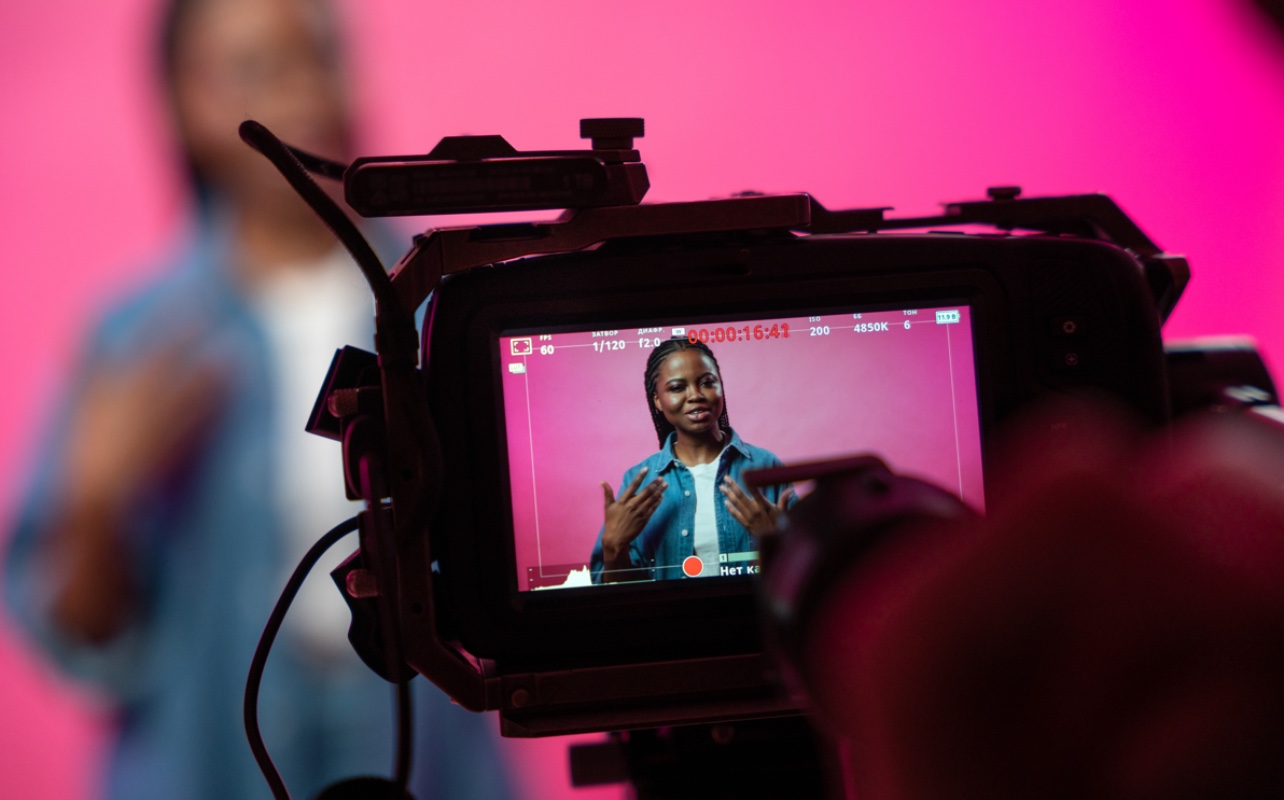
YouTubers Bypass Hollywood To Build Independent Production Studios Of Their Own

YouTubers are not asking for a seat at Hollywood's tabIe. Instead, they are building their own in the form of production studios.


Hollywood’s traditional studio system is unraveling, and a new generation of creators and entrepreneurs is stepping in to take its place.

YouTubers are filling in the gaps by building new production studios. From digital influencers on YouTube to moguls like Tyler Perry and Curtis “50 Cent” Jackson, a growing number of creators are building independent production hubs.

A makeshift production campus was built in Burbank, California. The facility is complete with sound stages, editing bays, and production offices. Repurposed by creators, the space rivals segments of Disney and Warner Bros. backlots, according to The Hollywood Reporter.

This shift is powered in part by YouTube’s revenue-share model, which allows top creators to invest directly in high-end facilities. 

“In most cases those top creators don’t even generate the majority of their income through that rev share, but it helped establish the basic framework of their business so they could then scale it out. It’s basically created this amazing feedback loop where the top YouTube creators are able to invest more and more into the production of their content,” media journalist Simon Owens wrote on LinkedIn. 

Unlike the old model that required greenlights from studio executives, today’s creators release content directly to platforms like YouTube, TikTok, and other subscription services. They maintain complete control over creative direction and retain all revenue from sponsorships, ads, and merchandise.

Jimmy Donaldson known to many as “MrBeast” is building a 70,000-square-foot studio complex in Raleigh, North Carolina. Meanwhile, Dhar Mann Studios recently expanded its Los Angeles campus, adding dedicated space for writers, coaching, and full post-production editing. These new digital-era studios feature everything from in-house sound stages to client hospitality suites.

But it’s not only digital stars reshaping the landscape. In Atlanta, Tyler Perry Studios stands as one of the largest independently owned film production facilities in the country. Built on a 330-acre former military base, Perry’s studio features more than a dozen sound stages and full-scale sets, from a replica White House to suburban neighborhoods. He has long championed creative independence, bypassing Hollywood to tell stories rooted in Black experiences.

Similarly, rapper and media executive Curtis “50 Cent” Jackson is developing G-Unit Studios in Shreveport, Louisiana. Jackson’s goal is to build a facility that uplifts the local community, while simultaneously handing power of creation back to creators.

“I’m bringing my vision to life and creating opportunities where they didn’t exist,” Jackson said in a press release.

As traditional studios scale back after labor strikes and unstable streaming revenue, these independent operations are attracting talent and crews seeking consistent work. 

RELATED CONTENT: Ryan Coogler Went From $200K Film School Debt To Billion-Dollar Box Office Sales

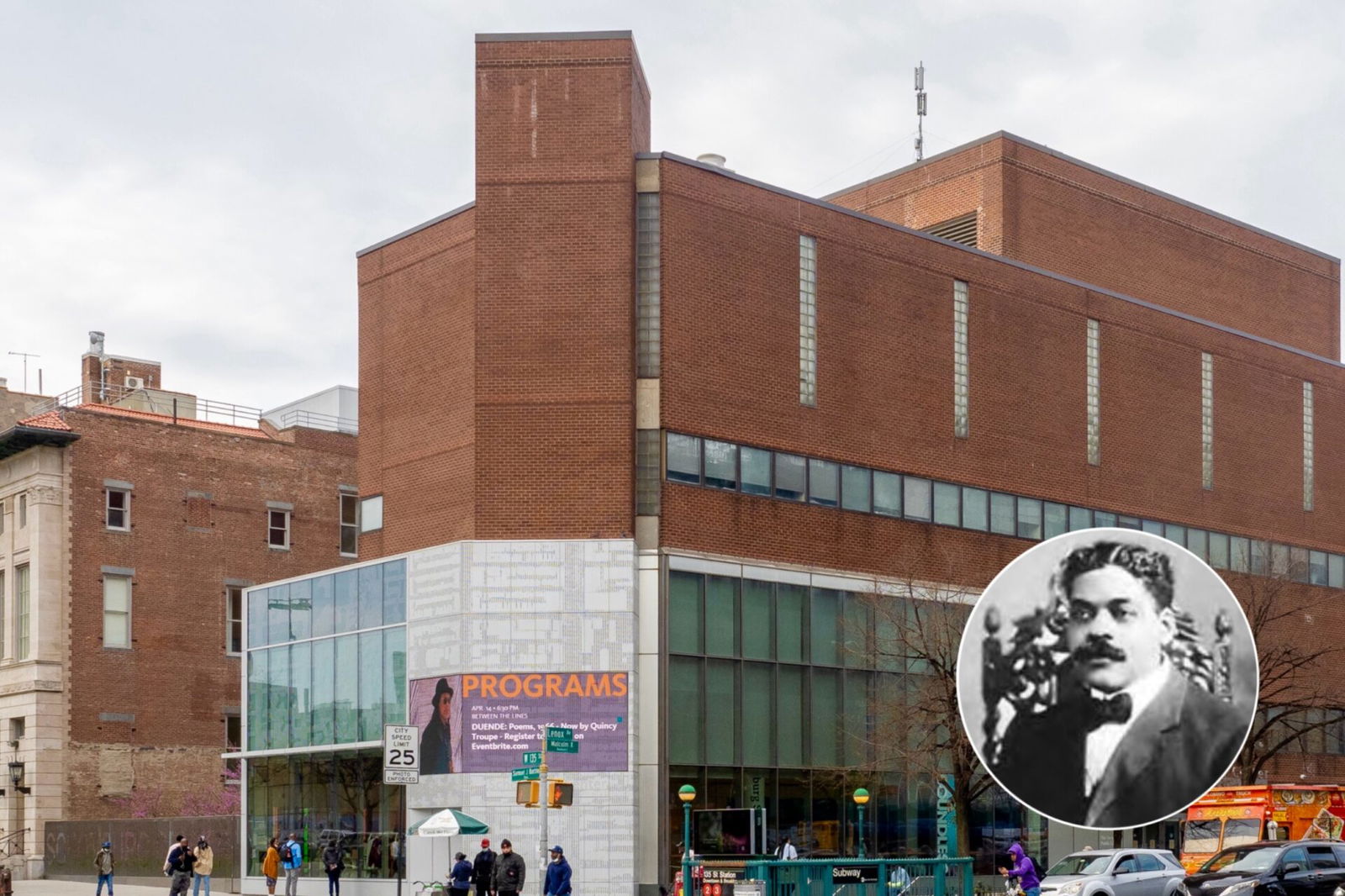
Schomburg Center
Photo by ajay_suresh, CC BY 2.0, via Wikimedia Commons, small image (Public Domain)

Harlem’s Schomburg Center Celebrates 100 Years Of Black Culture Despite Anti-DEI Backlash

100 years of Black excellence.


The Schomburg Center for Research in Black Culture is celebrating its 100th anniversary amid growing concerns about the right-wing crackdown on government-funded programs that help preserve history, address historical injustices, and provide visibility to Black Americans and other marginalized groups. 

The renowned center, part of the New York Public Library, will commemorate its centennial with a new exhibition called A Century of Collections, Community, and Creativity.” The exhibition showcases the library’s history by displaying books and photos from the past century. The celebration will also include book giveaways of the children’s picture book, Schomburg: The Man Who Built a Library. Additionally, the institution released a special edition of the New York Public Library card for New York state residents.  

 Schomburg Center supporters stress the importance of supporting the institution amid the Trump administration’s attempts to cut funding for DEI programs and eliminate the Institute of Museum and Library Services, which provides funding to libraries nationwide. 

“Too few Black institutions reach 100 years, so it is a momentous occasion indeed for the Schomburg Center to celebrate this remarkable achievement. To reach the next 100 years, we must redouble our commitment to preserving Black culture–– at the Schomburg and beyond–– and provide a roadmap for future generations looking to protect truth with history,” actor, literally advocate, and host of Reading Rainbow, LeVar Burton said in a statement. 

Tony Award-winning actress Kara Young echoed Burton’s sentiments. The Harlem native, who refers to the Schomburg Center as “home,” said preserving our history is our responsibility and an act of love and resistance. 

The center, which is located inside the New York Public Library’s 135th Street branch in Harlem, was initially called The Division of Negro Literature, History and Prints. It started in 1925 as part of the Harlem Renaissance movement, when Black writers, artists, and scholars helped to reshape Black American culture. Writer and scholar Arturo Schomburg collected books, manuscripts, artworks, and other materials on African diasporic history. Schomburg sold his collection, which included over 10,000 items, to the New York Public Library in 1926. In 1972, the center was renamed to honor Schomburg.

RELATED CONTENT: Beyond The Stage: 8 Influential Haitians And Haitian-Americans Shaping The World

Pete Buttgieg, adopted, Black children
Elizabeth Frantz, Reuters, Public domain, via Wikimedia Commons

Pete Buttigieg Admits He Doesn’t ‘Have It All Figured Out’ With Raising His Adopted Black Children

Pete Buttigieg is speaking candidly on how much he's learning from his experience raising Black adopted children.


Pete Buttigieg shares his experience raising adopted Black children with his husband, Chasten. While the couple works to make their home rooted in love, the former U.S. Secretary of Transportation admitted that he’s still learning and growing within their unique family dynamic.

“We think about it all the time. It’s not like we have it all figured out,” Buttigieg shared on a recent episode of the Flagrant podcast.

Much like other families with a transracial adoption dynamic, Buttigieg receives supportive advice from Black parents when it comes to working with his children’s textured hair.

“They’re like, ‘let me tell you how to do it,’” he said.

But that doesn’t stop the former mayor of South Bend, Indiana, from having honest moments when he questions how well he’s doing as a father.

“You’re constantly asking yourself: ‘How can I be a good dad?’ Now it’s: ‘How can I be a good dad for kids who have a different racial identity than I do? How can I help them navigate that?” Buttigieg shared.

Transracial adoptees growing up with white parents today are having much different experiences than their predecessors, who have been taking to TikTok in recent years to share their childhood trauma from their experiences.

“Our first microaggressions are often with our White adoptive families.” DezaRay Mons, a transracial infant adoptee who goes by @TheOutspokenAdoptee online, told USA Today.

She shares her videos to raise awareness about the challenges she faced growing up in the ’80s and to help ensure that today’s adoptive parents of Black children are better informed and more prepared for the realities of the experience. Joni Schwartz, a white mother who adopted her now-adult Black daughter Rebecca, says she would have approached things differently had she been exposed to more open conversations about race.

“Knowing what I know today, I would have prepared very differently for several reasons … I would have known much more about White privilege and White saviorism, and I wasn’t prepared racially,” Schwartz said.

RELATED CONTENT: Jamaica To Demonetize Old Cotton Banknotes: Here’s What You Need To Know

Malia Obama
Photo by Bellocqimages/Bauer-Griffin/GC Images

Indie Filmmaker Accuses Malia Obama of Copying Her Sundance Short In New Nike Ads

Malia Obama is being accused of copying an indie fillmmaker when creating her new Nike ads for A'Ja Wilson.


Malia Obama’s new Nike ads are being called out by one independent filmmaker who thinks the former First Daughter copied elements from her 2024 Sundance short.

Nike tapped Malia, who goes professionally by Malia Ann, to direct two commercials for A’ja Wilson’s debut A’One sneaker. But soon after the ads dropped on May 3, filmmaker and NYU alum Natalie Jasmine Harris took to X to point out what she believes are striking similarities between Malia’s work and her own Sundance short film GRACE.

Harris made sure to note that Malia also made her Sundance debut last year with the film The Heart.

“Been sitting with this for a while,” Harris wrote, alongside stills from her and Malia’s projects. “My Sundance short film GRACE (shot brilliantly by Tehillah de Castro) was made with deep love and care. The social cut of the new @Nike commercial directed by Malia Obama (who was also at Sundance my year) feels shockingly similar to my work…”

Harris ended her statement with a suggestion for Nike to consider giving opportunities to the independent filmmakers they may have drawn inspiration from, rather than prioritizing higher-profile names.

“I know art often overlaps, but moments like this hit hard when you’ve poured your heart into telling stories with care and barely get the recognition you deserve,” she wrote. “If brands want a certain look, why not hire from the source instead of for name recognition?”

Malia’s latest work adds to her growing resume, which now includes a Sundance short film, writing credits on Donald Glover’s Swarm, and a pair of Nike commercials. The A’ja Wilson ads honor the WNBA MVP’s upbringing, creatively pairing lyrics about Wilson’s childhood with the melody of the classic nursery rhyme “Miss Mary Mack.”

The ads are filled with subtle tributes to Wilson’s roots in Columbia, South Carolina, and her basketball journey, featuring scenes shot around her hometown. Cameos include her parents, South Carolina Gamecocks head coach Dawn Staley, who once had her own signature Nike shoe, a group of dancing Benedict College cheerleaders, and a scene inside Saint John Baptist Church, Wilson’s childhood church.

A third commercial, titled “A’One from Day One,” is set to debut on Friday, May 9, spotlighting interviews with residents of Columbia.

RELATED CONTENT: Barack Obama’s Daughters Have No Interest In A Political Career

Montell Jordan, cancer
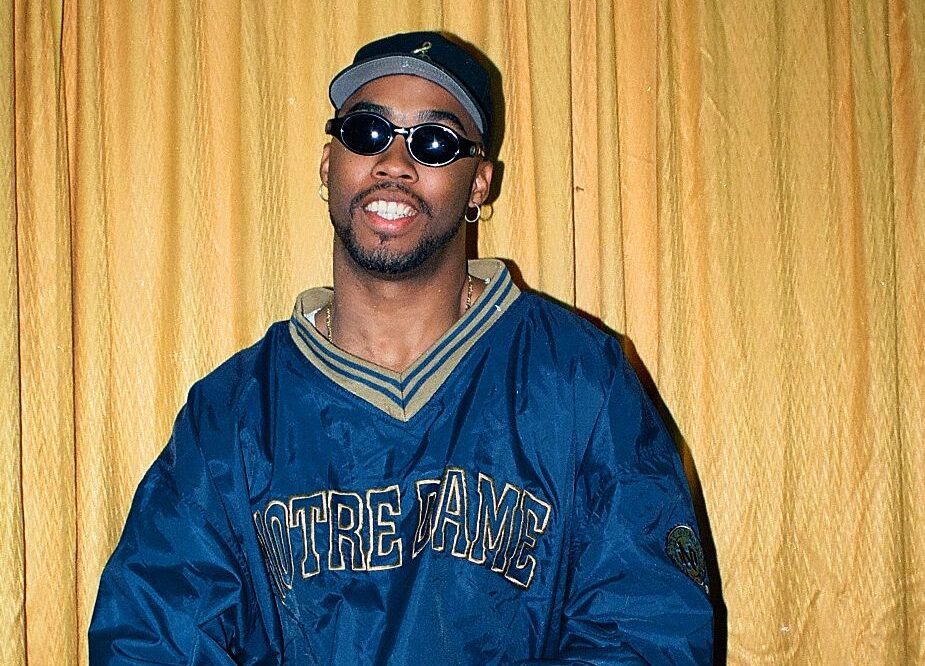
Montell Jordan

Montell Jordan Says Drake Helped Him Recoup Def Jam Earnings Through Song Sample

'I finally recouped with Def Jam after 28 years'


Montell Jordan recently revealed that, although he signed his first recording deal almost 30 years ago, he finally recouped the money owed the label after Drake sampled one of his songs and was able to break even.

On the We Sound Crazy podcast, Jordan was a guest and was speaking to the hosts about a song he did in 1995 called “Daddy’s Home,” which the Canadian recording artist used for his song “Papi Home” in 2021. Although he wasn’t directly contacted about using the song, it turns out that Drake using the sample and bypassing his approval benefited him in the end.

He called it a wild surprise when he heard the song, he seemingly intimated that he may not have allowed it, based on how Drake used the sample, saying that the content was off-brand for him, although it fit Drake perfectly.

“The content in the song, with the language and stuff like that, is stuff that’s not on brand for me, but it’s on brand for him,” Jordan told the co-hosts.

Evidently, Drake’s people went through the right channels to get the sample cleared, and it worked out for Jordan.

“It advanced the publishing of the original song more, which allowed me to recoup faster. So, literally, when, after Certified Lover Boy dropped, my recoupment of my publishing and royalties, literally, I finally recouped with Def Jam after 28 years.”

Jordan, who hails from South Central California, recorded on the Def Jam label when he released his most popular song, This Is How We Do It, a sample of a Slick Rick song, Children’s Story, which was recorded in 1988. Jordan released the single in 1995.

The recording artist revealed late last year that early detection and his faith in God were the precursors to his beating prostate cancer. He told TMZ Hip-Hop that he had prostatectomy surgery in November 2024, when his prostate was removed. He cited that finding out about it early, along with proactive doctors, saved his life.

RELATED CONTENT: Drake Settles With iHeartMedia Over Payola Claims For ‘Not Like Us’

chemicals, cancer, cancer
Photo by John Diez/Pexels

Study Finds Cancer-Causing Ingredients In Many Products Marketed To Black Women


A new study reveals that over half of the Black and Latina women surveyed in Los Angeles regularly use personal care products containing a known cancer-causing carcinogen. 

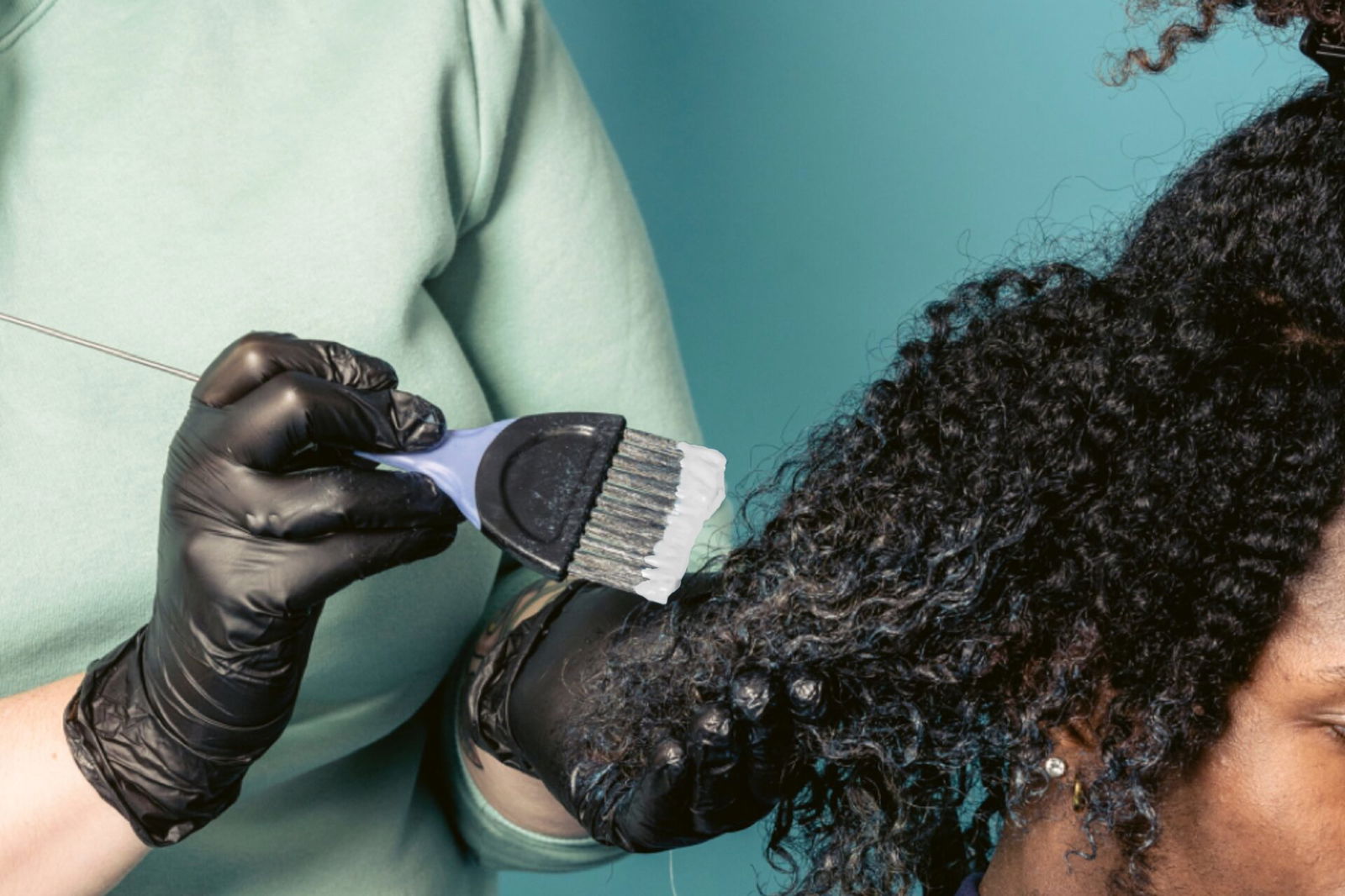
The journal Environmental Science & Technology Letters published the study on March 7, revealing that among the 64 women surveyed, 53% reported using shampoos, conditioners, bleaching creams, eyelash glue, and other products that contain formaldehyde and formaldehyde-releasing ingredients, which are known to cause cancer in humans. 

“It’s really concerning that we are intentionally putting chemicals that release a carcinogen into our products that we apply to ourselves every day,”  Robin Dodson, associate director of research at Silent Spring Institute, a nonprofit research firm studying the environmental causes of breast cancer, told NPR. 

Researchers collected the data in 2021 after previous studies indicated that Black and Latina women are disproportionately exposed to formaldehyde in beauty products compared to white women. Experts have suspected that the frequent use of chemical hair relaxers containing formaldehyde-releasing agents by Black women is one of the reasons why they die of breast, uterine, and ovarian cancers at significantly higher rates than their white counterparts.

In a study conducted by The Environmental Working Group  (EWG), a nonprofit environmental agency, the researchers found that out of 4,011 personal care products marketed to Black women, only 21% were rated as low hazard in EWG’s Skin Deep® cosmetics database.  

The FDA announced its plans to propose a ban on formaldehyde in 2023. The proposed ban was intended to protect the public from health risks associated with chemical use. The agency planned to implement the proposal in April 2024, but has faced multiple delays. Last year, the EWG condemned the FDA for failing to enforce the ban. 

 “Despite the overwhelming evidence of the dangers of formaldehyde in hair-straightening treatments, the FDA has consistently failed to act decisively,“ EWG wrote in a statement. 

As of May 2025, the agency has not implemented the proposed ban. Europe banned formaldehyde as a cosmetic ingredient in 2009. 

RELATED CONTENT: Sales Of Chemical Hair Relaxers On The Rise In Africa, Despite Ingredients Linked To Cancer

April Jobs Report: Black Women Lost 106,000 Extra Jobs, Most Among All Workers
Photo by gradyreese/Getty Images

April Jobs Report: Black Women Lost 106,000 Extra Jobs, Most Among All Workers

Latest figures show that joblessness for Black women surged by 106,000 last month.


New eye-popping data shows what is not often cited in the nation’s labor force. Fresh numbers reveal that unemployment for Black workers this year is steadily rising, especially for Black women.

A disturbing trend was identified in the latest information from the U.S. Bureau of Labor Statistics (BLS). Among other findings, the report disclosed that the jobless rate for Black women rose to 6.1% in April, a full percentage point surge from 5.1% in March.

In contrast, the unemployment rate for White women in April was 3.3%, unchanged from March, and 4.6% for Hispanic women, the same as in March; women in other groups generally do not face racial and gender discrimination like Black women, a factor in the jobless rate discrepancy.

For perspective, the jump for Black women was among the highest of any group and much greater than the unchanged overall 4.2% nationwide unemployment rate last month. Black women saw their unemployment climb by 106,000 in April.

According to the digital platform HBCU Money, the number of Black women employed is at a five-month low, and the number of unemployed is at a five-month high. 

Concurrently, the overall Black unemployment rate rose to 6.3% in April from 6.2%  in March, reflecting the third straight monthly rise and the highest surge since January. For Black men, unemployment in April was 5.6%, down from 6.1% in March. The BLS reported that the overall economy added 177,000 jobs in April.

William Michael Cunningham, an economist and owner of Creative Investment Research, told BLACK ENTERPRISE that the number of unemployed Blacks increased by 29,000, reaching nearly 1.4 million, while the total labor force fell by 7,000.

“The unusual nature of this increase in Black women’s unemployment is a testament to and a direct result of the anti-DEI and anti-Black focus of the new administration’s policies,” he says. ” This is demonstrably damaging to the Black community, something we have not seen before.”

 For Black women, Cunningham says the latest numbers show those seeking work are not finding jobs, making gaining employment more difficult for them.

He added that Black women losing DEI roles and federal government jobs, fueled by Trump-led policies, impact them because their joblessness is growing. Those women are also purportedly to account for a larger share of federal employee roles that have fallen in the last three months as the Trump regime has acted to cut the workforce. The BLS report disclosed that federal government employment fell by 9,000 in April and is down by 26,000 since January.

Based on another report, minorities are frequently discharged first from jobs when the economy declines. Andre Perry, a senior fellow at the Brookings Institution, has stated, “The layoffs at the federal level where Black people are more represented, the impacts of the tariffs, particularly on small businesses that hire Black women, and just the overall use of DEI as a slur, which may be contributing to a lack of hiring of Black women, all of these factors are probably at play.” 

Further, Cunningham says less work in sectors like retail and hospitality that generally employ a high number of Black women could also be fueling more joblessness for that group.

 “This creates a double whammy for the Black community because the localized economic impact in major cities results in a decline in hotel stays, meals eaten at restaurants, and less business activity in industries heavily populated by Black workers.”

In recent years, scores of Black women have started their own businesses at a brisk pace, with unemployment cited as one of the reasons why. Also, possibly facing larger unemployment rates, Black women have shifted to entrepreneurship to generate their own income, anchor their livelihoods, and use business ownership to gain more career control.

RELATED CONTENT: Employee Morale Plummets As Unemployment Rises And Job Market Weakens

Paralympic athletes
photo credit: pexels

Black Olympians Take Center Stage In 2025 US Olympic & Paralympic Hall Of Fame Inductions

Black women athletes are in the forefront of the 2025 US Olympics hall of fame.


The U.S. Olympic & Paralympic Hall of Fame Class of 2025 highlights the enduring legacy of Black athletes whose excellence has reshaped American sports. Among the 2025 inductees are Gabrielle Douglas, Allyson Felix, Serena Williams, and Flo Hyman — trailblazers who broke barriers, elevated their sports, and inspired generations.

Gabrielle Douglas: A Gymnastics Groundbreaker

Gabrielle Douglas made history at the 2012 London Olympics as the first Black woman to win the individual all-around gold in gymnastics. She also helped the U.S. women’s team secure gold medals in 2012 and 2016 and earned two world championship titles. Her accomplishments opened the door for more diverse representation in a sport historically dominated by non-Black athletes.

Allyson Felix: The Most Decorated U.S. Track and Field Olympian

Allyson Felix competed in five Olympic Games and collected 11 medals: seven gold, three silver, and one bronze, making her the most decorated American in track and field history. Her 31 total medals across Olympic and world championships stand as a testament to her consistency and dominance on the track.

Serena Williams: Tennis Legend and Cultural Icon

Serena Williams, a four-time Olympic gold medalist, transformed the sport of tennis with her power, skill, and resilience. A global icon, she also became a symbol of advocacy and self-empowerment for Black women and athletes worldwide.

Flo Hyman: Volleyball Pioneer and Advocate for Women’s Sports

Flo Hyman led the U.S. women’s volleyball team through the 1980 Olympic boycott and later helped secure a silver medal at the 1984 Los Angeles Games — the team’s first Olympic volleyball medal. Her professional career in Japan and tireless advocacy for women’s sports made her a foundational figure in the rise of women’s volleyball in the U.S. After her death in 1986, National Girls and Women in Sports Day was established in her honor. Hyman also testified before Congress in support of Title IX, paving the way for future generations of female Olympians and Paralympians.

Anita DeFrantz

Anita DeFrantz made history at the 1976 Montreal Games, winning bronze in the debut women’s eight rowing event—becoming the first and only Black woman to medal in Olympic rowing. Her influence continued off the water. In 1986, she broke new ground as the first African American and first woman elected to the International Olympic Committee.

The 2025 induction ceremony will take place at the U.S. Olympic & Paralympic Museum in Colorado Springs, Colorado. These honorees’ achievements stretch far beyond the field of play, shaping policy, culture, and opportunities for athletes of color across the country.

RELATED CONTENT: Anthony Edwards Reveals Being Drug-Tested After Winning Gold Medal At Olympics

×