Dystany Spurlock Becomes The 1st Black Woman To Compete In Top NASCAR National Series
The historic debut occurred during the 2026 Truck Series season, one of NASCAR's top national circuits.
Dystany Spurlock made history on May 15, becoming the first Black woman to compete in one of NASCAR’s three national touring series. This moment marks a significant step for diversity in American motorsports, even though an early crash ended her race.
The 34-year-old driver took part in the NASCAR Craftsman Truck Series race at Dover Motor Speedway in Delaware, driving the No. 69 MBM Motorsports Ford. Her historic debut occurred during the 2026 Truck Series season, one of NASCAR’s top national circuits.
“Being a first is never what I strived to be. I just so happened to be that. But being able to be that example for other little girls and little boys that look like me is amazing. I didn’t have that representation when I grew up, and this road has not been easy,” Spurlock told Good Morning America.
“I’m very excited to get back on an oval. I hear [Dover] has a few characteristics like Rockingham [Speedway]. So, yeah, I’m ready to get out there and see what it’s really like,” she told NASCAR.com.
Spurlock’s race ended on Lap 39 when her truck lost traction while entering a turn and crashed into the outside wall, forcing her out of the race. She finished 36th in the field. NASCAR later released footage of the incident from the Dover event.
While the result was disappointing, the Richmond, Virginia, native said the importance of the moment goes beyond the final standings, Spurlock expressed her hope that her visibility in the sport creates opportunities and inspiration for future generations of Black racers, especially young girls who often do not see themselves represented in motorsports.
Before joining NASCAR, Spurlock raced professionally in NHRA Pro Stock Motorcycle events. In 2025, she became only the second Black woman to compete in the Virginia NHRA Nationals, building a career focused on breaking barriers in motorsports.
The American Bar Association Caves To Trump’s Pressure To Eliminate DEI Rule For Law Schools
The American Bar Association’s decision marks another major rollback of DEI efforts in higher education amid mounting political pressure from the Trump administration
The American Bar Association (ABA) is facing growing backlash after voting to weaken longstanding diversity, equity, and inclusion standards tied to law school accreditation — a move critics say could reshape the future of legal education in America.
According to Bloomberg Law, the ABA recently approved changes to its accreditation policies in light of ongoing pressure from the Trump administration and conservative lawmakers targeting DEI initiatives. The revised standards weaken previous requirements that accredited law schools were once required to demonstrate a commitment to building diverse student bodies and faculty, and to fostering inclusive learning environments. ABA officials argued the changes were intended to “simplify the requirements and reduce burden on law schools,” while also responding to scrutiny from the U.S. Department of Education.
The decision arrives as DEI programs across corporate America, higher education, and the legal industry continue to face political attacks. Since returning to the office last year, President Trump has aggressively targeted diversity policies through executive orders and federal lawsuits. Earlier this year, the Department of Justice urged the ABA to eliminate its diversity requirements or risk losing its authority as a law school accreditor.
Legal educators and civil rights advocates warn that the rollback could have lasting effects for representation in the legal profession, particularly for Black students and other historically marginalized groups. Critics argue that weakening diversity standards may reduce pathways into a profession already struggling with racial disparities in hiring, leadership, and judicial appointments.
The ABA’s move also reflects a broader shift happening across the legal industry. Several corporations and law firms have already scaled back DEI hiring programs and fellowship initiatives amid growing political and legal pressure, Bloomberg Law reports.
Killer Mike Unveils Plan To Turn Atlanta Renters Into Homeowners
This initiative aims to help residents move from renting to owning homes in neighborhoods where housing costs are rising.
Atlanta rapper and activist Killer Mike is getting more involved in the city’s affordable housing discussion with a new rent-to-own program, Build-to-Ownership (B20), to help residents move from renting to owning homes in neighborhoods where housing costs are rising.
The Grammy-winning artist, whose real name is Michael Render, announced May 19 that the program will run through his real estate company, Blackmon Real Estate, in collaboration with Bridge Tower Co-CEO Jackson Su. It will focus on creating pathways to ownership for Atlantans who have difficulty securing traditional financing. The initiative is expected to target working-class residents and families looking for long-term housing stability in the metro area.
“This initiative is about bringing homeownership within reach for people who crave the stability that ownership offers. This will ultimately create stronger communities. It will also help families build wealth. Wealth is defined by the ability to own land, and through the B2O program, we are making sure that the people who make Atlanta great have a real stake in its future. We are building houses, yes, but we are also plotting, planning, and organizing for the long-term economic prosperity of our community,” Killer Mike said in a press release.
This program comes as Atlanta continues to face affordability challenges due to population growth, rising home prices, and a shortage of affordable housing. Housing advocates and city leaders are increasingly calling for alternatives such as lease-to-own and down payment assistance programs to help residents stay in the city as rents and property values rise.
Render has previously invested in community development and housing projects throughout Atlanta. In past efforts, he worked with developers to expand access to smaller, affordable homes designed to make ownership achievable for Black families and middle-income buyers.
Details about the new initiative, including eligibility requirements and the number of homes to be included, have not yet been made public.
Earlier this month, Atlanta Housing officials announced plans to increase financial support for qualifying voucher recipients who want to become homeowners. Some eligible residents could receive up to $60,000 to help with down payments.
Twin Brothers Launch Motion-Activated ‘Poop-Alert’ Sign To Control Dog Waste
Originally published on BlackNews.com.
Keith and Kenneth Evans, African American twin brothers from Camden, New Jersey, are the masterminds behind a new invention called Poop-Alert™ by BarkBack. Their interactive, motion-activated talking yard sign automatically plays a voice reminder when someone walks nearby, encouraging them to clean up after their dog.
Unlike traditional static signs that are often ignored, Poop-Alert™ by BarkBack grabs attention in real time. Even more, it really does help homeowners, businesses, and property managers solve one of the most frustrating everyday problems — people not picking up after their pets.
“Most signs get ignored. We wanted something that actually speaks up when it matters,” the brothers say. “It’s about solving a real problem in a simple but effective way.”
How it Works
• Motion sensor detects movement up to 15–20 feet away • Built-in speaker plays a customizable voice message • Weather-resistant design for outdoor use • Rechargeable battery with optional solar add-on • Easy setup in lawns, businesses, or shared spaces
More Than Just a Pet Sign
While originally designed for pet waste reminders, Poop-Alert™ by BarkBack is part of a new category of interactive talking signs that can be used by small businesses to promote products or sales, by property management for reminders, for event messaging, and for custom warnings or greetings.
Customers can personalize their sign with their own message and voice recording, making it a unique and engaging communication tool.
Turning Frustration into Innovation
The idea for Poop-Alert™ by BarkBack came from a common issue faced by many homeowners — repeatedly having to deal with pet waste left in their yards. Instead of relying on passive signage, BarkBack developed a proactive solution that engages people in the moment, increasing the likelihood of behavior change.
As awareness grows, it is attracting attention from homeowners seeking practical solutions and businesses interested in using interactive signage to engage customers in new ways.
Poop-Alert™ by BarkBack is currently patent-pending, underscoring its unique design and innovative functionality.
Access Is More Than Availability in Mental Healthcare
Access often begins long before the first session.
By Christin Grice
Access Is More Than Availability
For many Black clients, access to therapy is not simply about whether providers exist. It is about whether care feels culturally safe, affirming, and emotionally accessible once they enter the room.
Access often begins long before the first session. Many Black clients begin therapy already anticipating that they may need to translate their experiences, assess whether they will truly be understood, or determine whether their therapist can engage their lived reality without distortion. That anticipation shapes engagement before therapy even begins.
As a Black male Licensed Marriage and Family Therapist (LMFT) and sex therapist, I see how these dynamics shape not only access, but what clients believe is realistically available in therapy.
Representation and the Ongoing Shortage
In recent years, the number of Black therapists has increased; however, disparities in access and representation remain.
During my graduate training in 2010, I was the only Black male in my cohort, and there was only one Black female student in the program. That experience reflected how underrepresentation is not only a workforce issue, but something embedded in training environments themselves.
When Scarcity Enters the Therapy Room
In 2019, while working in a hospital-based setting, I met with a Black female client whose experience made this gap immediately visible in the clinical space. What began as a session focused on presenting concerns shifted when she began discussing the process of finding a therapist. She described how long it had taken her to locate a Black male therapist, and how that search had already shaped how she entered care. In real time, scarcity became part of the therapeutic experience itself.
The effort required to find a Black male therapist and/or culturally responsive care had already influenced her trust, expectations, and emotional readiness. This was not abstract. It was something she carried into the room. When representation is limited, access is not only logistical. It becomes psychological.
In recent years, clients in my private practice have described having to “shop around” extensively to find the right therapeutic fit. For many, that search includes not only finding a Black therapist, but also someone who is sex-positive and/or kink-affirming. These overlapping needs significantly narrow the pool of available providers and make access itself emotionally demanding.
The Growing Demand for Black Therapists
The demand for Black therapists has grown significantly in recent years as conversations around mental health have become more visible and normalized within Black communities, particularly following 2020, when racial trauma, grief, and burnout were widely discussed in public discourse. Social media has also helped destigmatize therapy, with Black mental health professionals using TikTok, Instagram, and YouTube to normalize conversations around healing, anxiety, boundaries, and emotional wellness.
At the same time, conversations around culturally responsive care and the need to decenter whiteness in how therapeutic models define emotional experience have become more visible online. As a result, more clients are actively seeking Black therapists and/or culturally competent providers.
Access Is Not Neutral
Improving mental healthcare for Black clients requires more than increasing the number of available providers. It requires expanding how access itself is understood. For many clients, the concern is not only whether a therapist is qualified, but whether their lived reality will be interpreted accurately.
Even as more Black therapists enter the field, clients continue to navigate a limited and highly specific search for care that fits their cultural and relational needs. These gaps appear in training environments, private practice searches, and the therapy room itself. Ultimately, access is not just about entering therapy. It is about whether clients can enter spaces where they do not have to shrink, translate, or brace themselves to be understood.
Accounting for Cultural Realities
Until mental health systems fully account for the cultural realities clients bring into the room, access will remain incomplete even when services exist on paper. Representation matters not only because it increases visibility, but because it shapes what clients believe is possible in the therapeutic space before a single word is spoken. Without that shift, many Black clients will continue to carry additional emotional labor just to begin care.
The question is not simply how many therapists are available, but whether therapy itself can hold the full reality of the people it is meant to serve.
Author Bio: Christin Grice is a Licensed Marriage and Family Therapist and sex therapist with over 15 years of clinical experience in private practice. His clinical practice focuses on men’s mental health, particularly men of color, with a specialization in sex-positive, affirming care in relational and emotional functioning. He is also a freelance writer examining themes of sexuality, intimacy, and human connection through narrative storytelling.
The former Atlanta mayor is on track to become the first Black woman elected governor
Former Atlanta Mayor Keisha Lance Bottoms wins the Georgia primary election, becoming the Democratic candidate to run for the gubernatorial seat in November, NBC News reported. If Lance Bottoms wins the general election, she will become the first Black woman elected as a U.S. governor.
Lance Bottoms won by a stretch. Of the total 1,079,721 votes reported, Lance Bottoms earned 606,983—securing over 56% of the vote, according to TheNew York Times.
The 60th mayor of Atlanta beat out six other hopeful contenders: Jason Esteves, former Georgia state senator; Michael Thurmond, former CEO of DeKalb County; Geoff Duncan, former Republican lieutenant governor, who surprised constituents after switching parties; Derrick Jackson, Georgia state representative; Amanda Duffy, a self-described “working-class mother”; and the founder of Atlanta’s Impact Church, Olu Brown. It has not yet been determined who Lance Bottoms’ opponent will be in the general election, as the Republican primary will go to a runoff between Georgia Lt. Gov. Burt Jones and Rick Jackson, a billionaire healthcare executive.
As Lance Bottoms approached the podium to give her election night speech, she was greeted by a room of ecstatic campaign supporters, who cheered “KLB,” the acronym of her name. She thanked them for their support, talked about faith, and shared her plight from campaigning to candidacy.
“I am humbled to be your Democratic nominee for governor of this race,” Lance Bottoms told the crowd.
“Together, with all of you, we have shown what happens when the people of Georgia show up and believe that their votes are our voice, and that our voices will never be silent. I am reminded that the grace of God is sufficient.”
Lance Bottoms continued: “When we launched this campaign, I had no idea where the support and resources would come from. But I repeatedly said, God does not give vision without provision. And that provision has been through each of you who voted, who volunteered, who donated, and prayed for our campaign. I am grateful; your support means more than you know. My faith is often my God, and has often given me clarity during some of the most challenging times in my life. I relied on that faith after the last presidential election, when I prayed, and I asked for guidance, what I would be called to do in this season. It is that faith that has led me to offer myself as a candidate for governor of this great state.”
Watch Lance Bottoms’ full acceptance speech below:
The honorable X was an activist who fought fiercely for Black dignity, equality and justice
El-Hajj Malik El-Shabazz, largely known as Malcolm X, was born Malcolm Little on May 19, 1925. The honorable Malcolm X was an activist who fought fiercely for Black dignity, equality, and justice throughout the civil rights movement until his untimely murder Feb. 21, 1965. It did not matter if he was in a mosque, abroad, on stage, or giving an interview, Malcolm X was crystal clear in his messaging: Black folks deserve their freedom, a right to choose their path, and real economic power. X was a great orator and his raw, honest words about Black empowerment still hit home today. Celebrating his 100th birthday, BLACK ENTERPRISE is sharing seven of Malcolm’s most impactful quotes that inspire Black communities across the diaspora.
1) “Who taught you to hate your own kind?”
Malcolm X fired this question during a 1962 speech in Los Angeles, after William Stokes was killed by LAPD. He was calling out how Black people are programmed to hate themselves through racism. Malcolm wasn’t playing. He challenged Black folks to question who convinced them that they were less than. It’s all about throwing off those mental chains and embracing Blackness and self-love as resistance.
2) “Education is the passport to the future, for tomorrow belongs to those who prepare for it today.”
Malcom X stated this powerful quote during a speech at the Founding Rally of the OAAU, June 28, 1964. Why is it impactful? Malcolm ties education directly to empowerment and freedom. This quote reminds Black people that knowledge is a tool of liberation, not just a credential. It inspires an investment into education for Black youth.
3) “You can’t separate peace from freedom because no one can be at peace unless he has freedom.”
During a speech in 1965 in New York City, Malcolm X delivered this powerful statement which continues to hit. The quote reveals how people advocate for peace without addressing real oppression. It calls out the hypocrisy of expecting oppressed people to remain silent while their rights continue to be suppressed. According to Malcolm, true peace requires more than silence. True peace emerges from the presence of justice and freedom. The message continues to affect us deeply in the present day.
4) “The most disrespected person in America is the Black woman. The most unprotected person in America is the Black woman. The most neglected person in America is the Black woman.”
Public Domain
While eulogizing William Stokes at his funeral, Malcolm X acknowledged what Black women were dealing with. He was ahead of the curve at placing Black women at the heart of liberation struggles. The quote would go on to become a rallying cry for respect and justice that still hits hard in today’s climate of disparity and discrimination against Black women.
5) “I’m for truth, no matter who tells it. I’m for justice, no matter who it is for or against.”
This powerful quote is from Malcolm X’s autobiography that was co-written with Alex Haley and published after his death in 1965. It’s not just talk, it shows how Malcolm put principles above being liked. After splitting from the Nation of Islam, he developed a wider, more inclusive worldview based on justice for all. What makes it so inspiring is how it pushes Black folks to embrace truth, even when that truth is uncomfortable.
6) “It is time for the Black Americans to band together and do whatever is necessary to see that we get the type of protection we need.”
Photo credit: Herman Hitler, World Telegram staff photographer, Public domain
Malcolm X revealed this profound truth during What makes this statement so powerful is that it reveals that Black liberation requires both organized resistance and strategic planning. People must fight for it while maintaining strength and demonstrating determination. His words served as a battle cry for movements that refuse to compromise or surrender. Malcolm understood that there are situations where you must demonstrate your power instead of simply making polite requests.
7) “By any means necessary.”
Malcolm X dropped this bomb during his 1964 speech at the Organization of Afro-American Unity. Probably his most famous line ever. Why’s it hit so hard? It’s basically saying: do whatever it takes to get free. No waiting around for permission. It told Black folks they had every right to chase freedom through any channel — political moves, cultural resistance, self-defense, whatever works. Not about sitting back and taking it, it’s about grabbing your own destiny. Raw power in just four words.
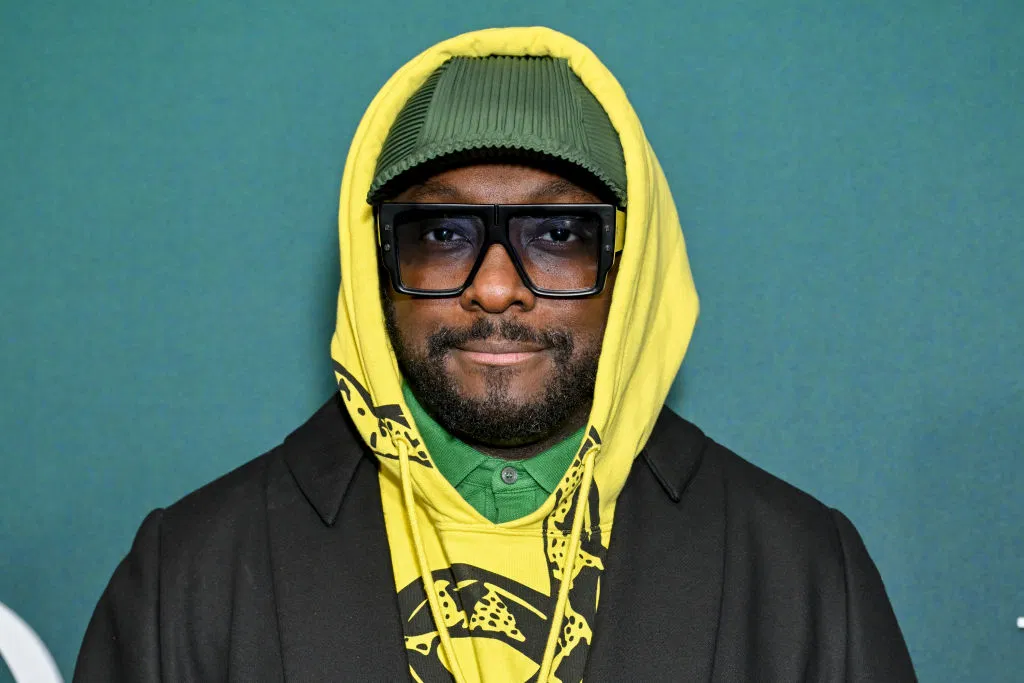
The 51-year-old musician, whose real name is William Adams, began teaching "The Agentic Self" earlier this year.
Grammy-winning artist and tech entrepreneur Will.i.am is entering higher education by offering lessons on artificial intelligence (AI) at Arizona State University with a new course focused on AI-driven digital assistants.
The 51-year-old musician, whose real name is William Adams, began teaching “The Agentic Self” earlier this year. This 16-week class aims to help students understand and create AI agents that can handle tasks on their own. The course blends technology, creativity, and entrepreneurship, reflecting Adams’ long-term involvement in the tech industry beyond music.
“Agentic is the next step, where the agent is able to do tasks and workflows on your behalf. You set it on its course, and it would reason, research, browse, generate — all autonomously,” Will.i.am shared with Arizona State University.
According to The Wall Street Journal, Adams felt nervous before teaching the course, despite his years of performing for large audiences. He took inspiration from the structure of “Where Is the Love?” to help organize his lectures. The focus was on identifying problems, discussing solutions, and promoting reflection.
Students in the class join remotely and in person from Los Angeles and Arizona. They hear from guest speakers from major tech companies, including OpenAI and NVIDIA. Adams encourages students to welcome rapid changes in technology and see AI as a means of personal empowerment, rather than something to fear.
Adams’ connection to technology goes back over two decades. BE covered the rapper’s early investment in Tesla and OpenAI, having previously worked with Intel as director of creative innovation, and has regularly appeared at major tech conferences around the world.
Outside the classroom, Adams is expanding his technology projects. Earlier this year, BE also reported that Adams introduced an AI-powered three-wheeled electric vehicle called Trinity and is reportedly developing additional projects in artificial intelligence and consumer technology.
White-Collar Hiring Slows As AI And Infrastructure Fuel Trade Jobs Surge
Employers across multiple sectors are slowing hiring for entry-level office and tech positions while increasing recruitment for electricians
The U.S. labor market shows a sharp split between declining white-collar hiring and rising demand for skilled trade workers as artificial intelligence reshapes how companies recruit, according to CNBC.
The shift is unfolding in 2026 as companies adapt to rapid AI adoption, which is automating portions of administrative and analytical work. At the same time, massive investments in data centers, power grids, and advanced manufacturing are driving demand for workers who can build and maintain the physical systems on which AI depends.
Labor economists say the trend reflects a broader restructuring of hiring priorities rather than a simple contraction in the job market. Recent labor data shows overall hiring has slowed significantly compared with the post-pandemic surge, creating what analysts describe as a “low-hire, low-fire” environment in which job seekers face fewer openings and longer search times.
While layoffs in some corporate sectors have been linked to AI-driven efficiency gains, other industries are expanding payrolls to meet infrastructure needs. Skilled trades tied to construction, energy, and technology infrastructure are among the fastest-growing categories, with employers reporting persistent shortages of qualified workers.
Executives in technology and finance have acknowledged that AI is reshaping workforce planning. Some companies are reducing entry-level hiring while reallocating resources toward automation and technical roles, signaling a long-term shift in labor demand patterns.
Economists note that demographic pressures, including an aging workforce and declining labor force participation, are also contributing to shortages in skilled labor pipelines, further tightening the supply of workers in trade occupations.
Analysts expect the divergence between white-collar hiring slowdowns and blue-collar shortages to persist as AI adoption accelerates and infrastructure investment continues across the United States.