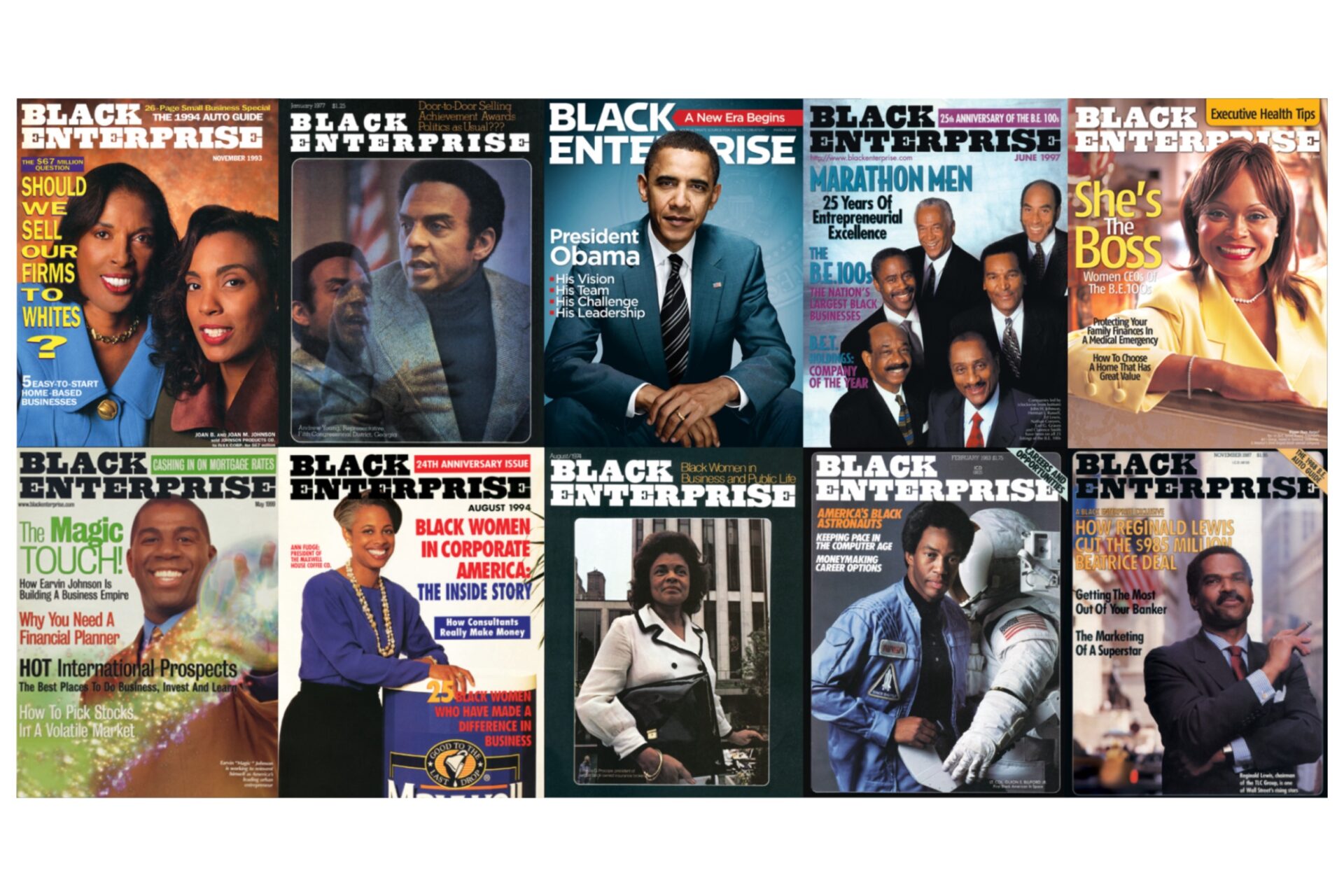
3) John H. Johnson, Herman J. Russell, Ed Lewis, Nathan Conyers, Earl G. Graves, Clarence Smith, Men of Entrepreneurial Excellence
Source: Photo by Black Enterprise
4) Janice Bryant Howroyd, First African American woman to build and own a billion-dollar company
Source: Janice Bryant Howroyd is an American entrepreneur and owner of ActOne Group, a workforce solutions company, staffing and talent management. In 1978, she moved to Beverly Hills, California and started ActOne with the help of her mother and brother by borrowing $1,500. ActOne, a staffing and talent management company, has grown to become a billion-dollar company and Howroyd is the first Black woman to own and run a company valued more than $1 billion. Her current net worth is estimated at $620 million, as of today. In 2016, President Barack Obama tapped her to serve on the Board of Advisors for Historically Black Colleges and Universities (HBCUs)
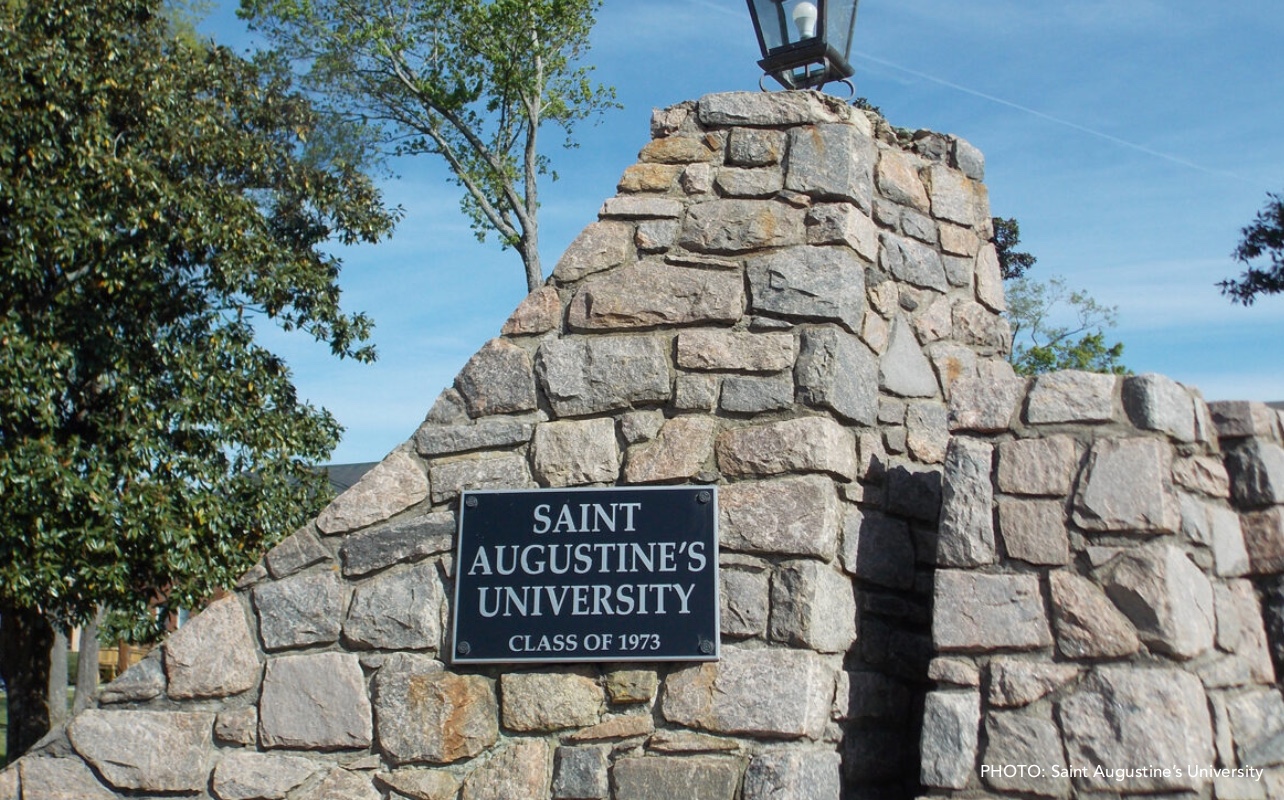
Saint Augustine’s University Halts Fall Semester Amid Bankruptcy
The Raleigh, North Carolina, university has paused plans to launch eight online, nondegree programs in September.
Saint Augustine’s University will offer no classes or educational programs this fall, leaving the 158-year-old historically Black university without academic offerings as it works through bankruptcy and an uncertain financial future, The News & Observer reports.
The Raleigh, North Carolina, university has paused plans to launch eight online, nondegree programs in September covering subjects including artificial intelligence, programming, and public health. The courses would have cost students between $1,100 and $4,500.
The decision follows months of financial and accreditation turmoil. Saint Augustine’s announced April 28 that it would enter a voluntary Chapter 11 restructuring process and end its legal fight over accreditation. The university said its accreditation was expected to conclude on May 15.
University attorney Ciara Rogers told U.S. Bankruptcy Judge David Warren on Aug. 20 that pausing the online programs would help reduce payroll and other expenses. The programs were not expected to generate significant cash flow.
Saint Augustine’s has also ended its longtime partnership with Ed2Go, a third-party provider of virtual continuing education courses. Students currently enrolled can complete their programs.
Bankruptcy administrator Brian Behr supported the decision, saying the university should prioritize emerging from bankruptcy in a stronger financial condition.
“I’m starting to feel good that there’s a possibility that some entity that performs the services that St. Augustine’s provided will continue to exist on that property and provide those services into the future,” Behr said. “So that’s a positive development.”
Warren, however, described the university as “essentially closed.”
The university is also exploring ways to leverage its real estate. It has applied to hire Avison Young to advise on property strategy as officials consider selling peripheral portions of the 105-acre campus, valued at approximately $200 million. Court filings show the firm would receive a $50,000 retainer and a percentage of any sale, capped at $7.5 million.
Meanwhile, Saint Augustine’s Board of Trustees has enlisted former Massachusetts Institute of Technology Chancellor Phillip Clay as a pro bono adviser. Clay, who has studied historically Black colleges and universities and their long-term viability, signed paperwork for the role Aug. 1.
Saint Augustine’s is expected to return to bankruptcy court Aug. 26.
Attorney Ben Crump speaks at a press conference outside the federal courthouse on July 15, 2020, in Minneapolis. (Photo by Kerem Yucel/ AFP via Getty Images)
Fight The Power: Communities Of Color Must Reject Systemic Environmental Damage Or Face The Consequences
With environmental racism so prevalent, it might be happening in your neighborhood.
It’s a case that underscores the significant compensation available when environmental negligence harms underserved communities. Ben Crump, founder and president of Ben Crump Law PLLC, negotiated a historic $626 million settlement against the state of Michigan for the lead-contaminated water that went to mostly African American homes in the city of Flint, Michigan.
Crump has devoted his career to advocating for justice for those in our society who cannot speak for themselves and to holding those who do us harm accountable for their actions. As a 2022 XCEL Summit Award Honoree, he spoke about why environmental racism is prevalent in Black communities, and why each of us needs to do something when we see it.
For Crump, living in a healthy neighborhood is a fundamental right. Still, far too many low-income and predominantly communities of color are harmed by large corporations that pollute our groundwater and air. And the effects are widespread, ranging from asthma and cancer to premature death. But he says we can take action. In this video excerpt from his XCEL Summit main-stage discussion with 2024 XCEL Summit Award Honoree and moderator Ed Gordon, president of Ed Gordon Media, Crump challenges the audience to hold big corporate violators accountable. Take a look.
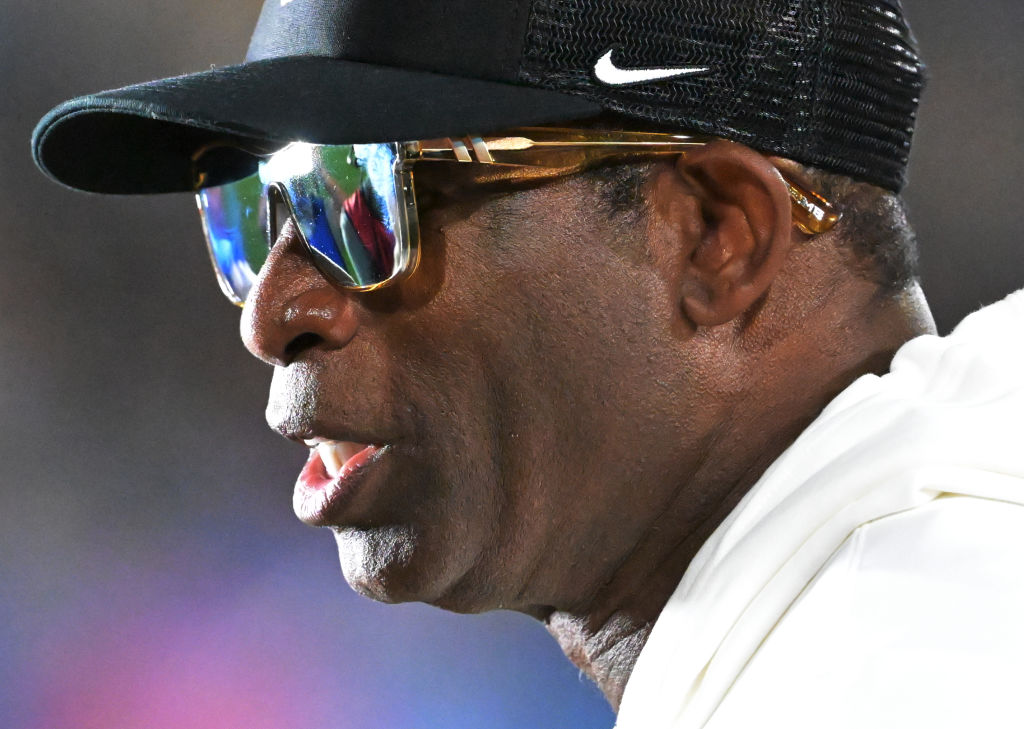
Deion Sanders Faces Subpoena Drama As Colorado’s Season Nears
A subpoena tied to Shilo Sanders’ bankruptcy trial could put Deion Sanders’ legal obligations on a collision course with Colorado football’s season opener.
The business of college football rarely stops for personal matters, but Deion Sanders may soon have to balance a courtroom obligation with one of the most important dates on Colorado’s calendar.
The elder Sanders’ attorney reportedly indicated that legal counsel could accept the papers on his behalf, although they were not in Boulder County. The paperwork was subsequently transferred to Denver for service.
“While working with university staff to find a better time to complete the process, we heard from Mr. Sanders’ legal counsel who indicated that they were able to take receipt of the papers on behalf of Mr. Sanders,” Carrie Haverfield, a senior communications specialist for the Boulder County Sheriff’s Office, said in an email.
The timing adds another layer to an already complicated family and financial matter. Shilo Sanders filed for Chapter 7 bankruptcy in 2023 after a Texas court entered an $11.89 million default judgment against him in a lawsuit brought by John Darjean, a former security guard at his Dallas-area school. The bankruptcy trial, scheduled to begin Aug. 31 in Denver and expected to run through Sept. 4, will examine whether the underlying debt can be discharged. Deion Sanders’ testimony could be relevant because of his connection to events surrounding the 2015 incident that sparked the litigation.
The calendar presents an obvious conflict for Coach Prime. Colorado opens its 2026 season Sept. 3 against Georgia Tech, right in the middle of the scheduled trial. Judge Michael E. Romero acknowledged the potential issue during a pretrial conference, saying, “I noticed Deion was subpoenaed.” He added, “I’m also concerned there’s a game: CU’s first game is that same week.”
For Sanders, the situation underscores the complicated intersection of family, reputation, and business. College football coaches operate as CEOs of multimillion-dollar programs, but even Coach Prime can’t necessarily call an audible when the court comes knocking.
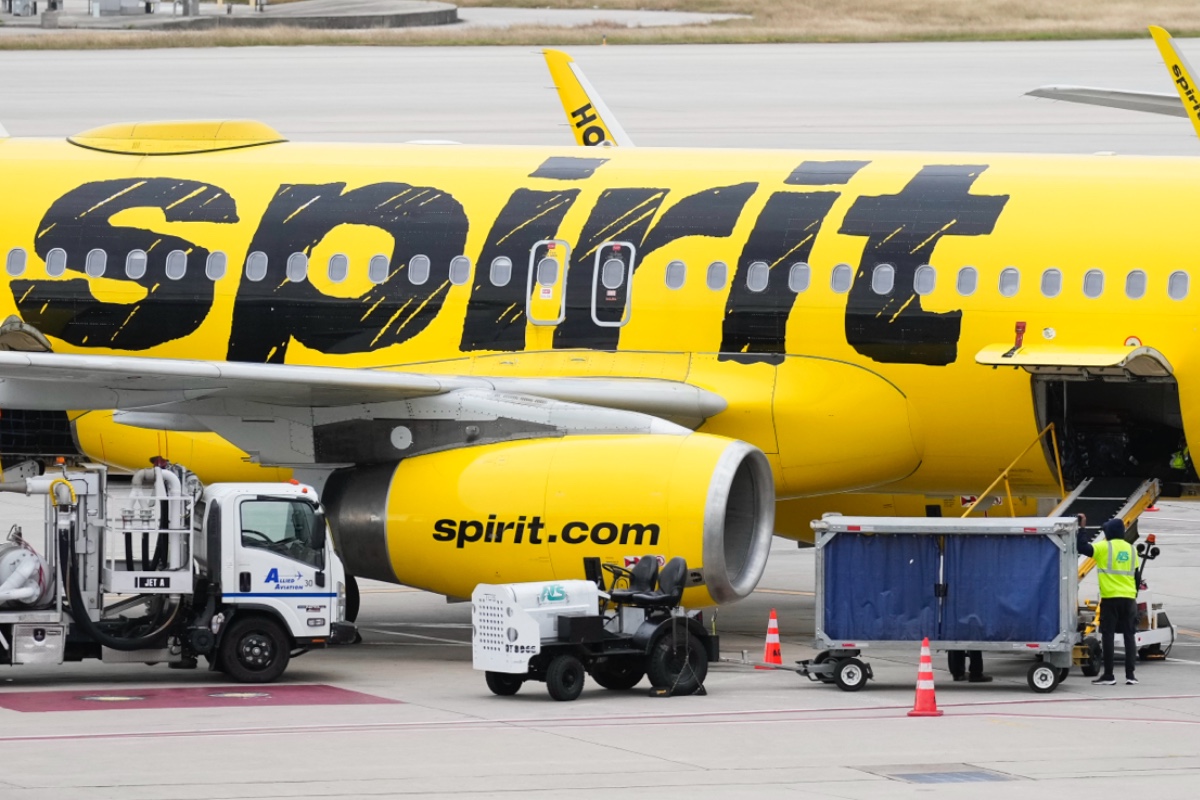
Google Bid $10M For Spirit Airlines Data, Employee Privacy Concerns Raised
Google won a bankruptcy auction for a collection of Spirit Airline's corporate data, including internal documents, workflows, employee emails, Microsoft Teams messages, and software code.
Google’s $10 million bid for Spirit Airlines’ internal business data is raising questions about what can happen to employees’ workplace communications after a company shuts down, Business Insider reports.
Google won a bankruptcy auction for a collection of Spirit’s corporate data, including internal documents, workflows, employee emails, Microsoft Teams messages, and software code. The proposed sale remains subject to approval by a U.S. bankruptcy court.
The data includes about 100 million emails and 500 million Teams messages, according to court filings. Google outbid AI recruiting company Mercor, which submitted a $7.5 million offer.
Google has said it could use the information for product development and artificial intelligence systems. The company said a third party would remove personally identifiable information before transferring the data. The sale excludes passenger profiles, loyalty program records, and other customer information.
The transaction highlights the limited control workers can have over communications created and stored on employer-owned systems.
Employment and privacy experts told the outlet that workplace emails, chats, and other information generated through company systems can generally be retained and used by employers, depending on company policies and applicable laws. Workers should not assume those communications will remain private or disappear after they leave a job.
The growing value of workplace data comes as technology companies seek specialized information to develop and train AI systems. Internal corporate records can provide information about business operations, decision-making, and workplace communication that may not be available on the public internet.
However, employers’ ability to use or transfer employee information is not unlimited. Certain sensitive personal information remains subject to applicable privacy and data-protection laws.
The proposed Spirit Airlines sale is already facing scrutiny over those concerns. The Association of Flight Attendants-CWA, which represents Spirit’s cabin crew, objected to the transaction, arguing that it could include confidential information about former employees. The union has asked that confidential employee data be excluded from the sale or receive privacy protections comparable to those covering customer information.
U.S. Bankruptcy Judge Sean Lane postponed a hearing on the sale from Aug. 19 to Sept. 9 to allow additional time to consider the union’s concerns.
For workers, experts recommend treating workplace emails and messaging platforms as professional records and reviewing employer policies governing data retention, monitoring, and AI use.
8 Gubernatorial Candidates Could Reshape The Executive Pipeline
With eight Black major-party gubernatorial nominees on 2026 ballots, a new generation of political executives could reshape who holds power in America.
For a nation that has elected thousands of governors, only three Black men have ever won the office. However, that number could change significantly this November.
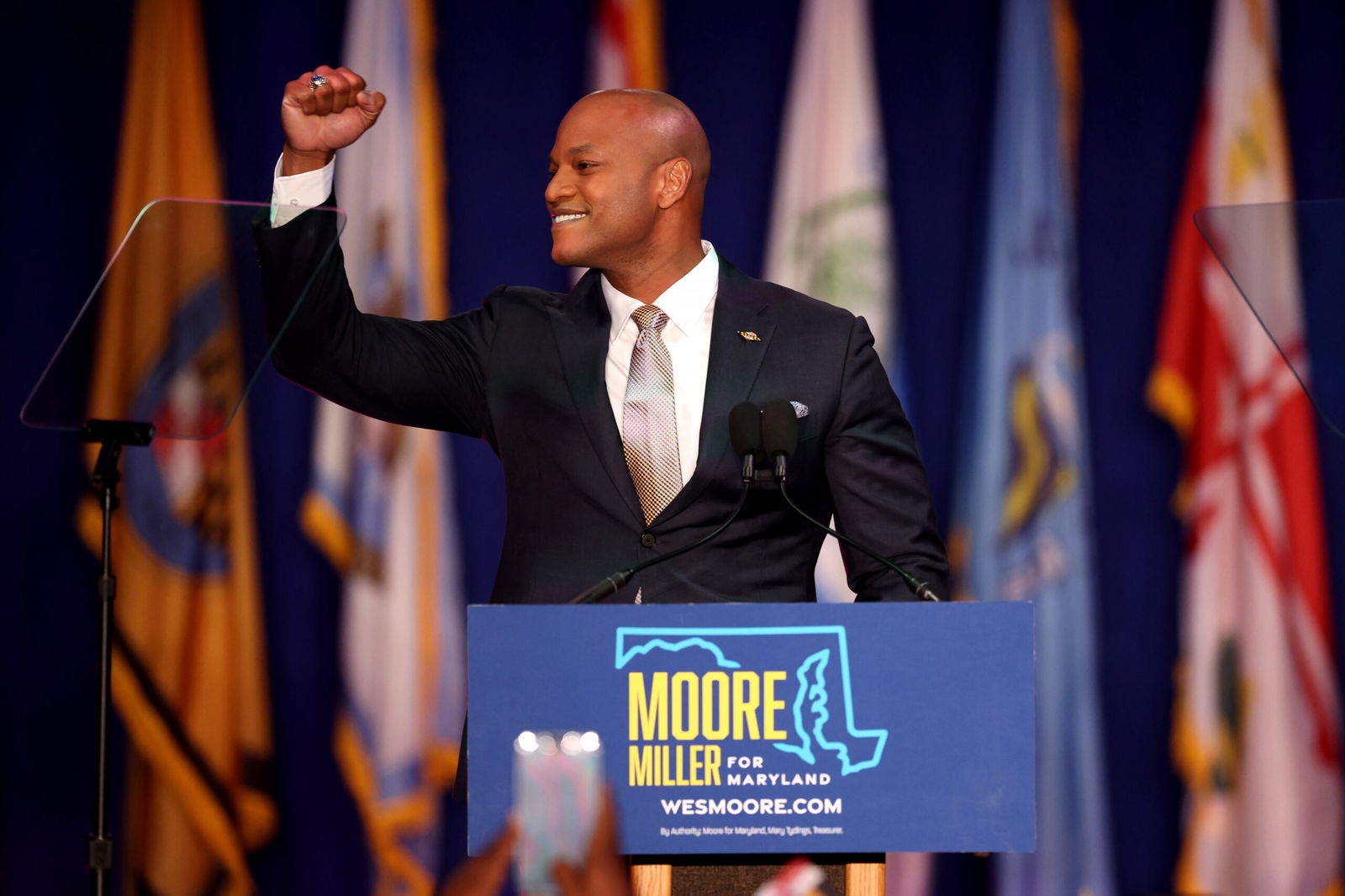
According to the Associated Press, eight Black major-party gubernatorial nominees are on ballots across the country this year, including Republicans and Democrats, men and women. The field includes Florida Republican Byron Donalds, Nevada Democrat Aaron Ford, Minnesota Republican Lisa Demuth, Georgia Democrat and former Atlanta Mayor Keisha Lance Bottoms, South Carolina Democrat Jermaine Johnson, Wisconsin Democrat David Crowley, and Michigan Republican John James, alongside Maryland Gov. Wes Moore.
The stakes go beyond making history. Governors control multibillion-dollar state budgets, oversee major economic development initiatives, and shape policy on housing, healthcare, education and workforce development. The governor’s mansion is not just a political address. It is one of the nation’s most consequential executive suites.
“We do have a unique moment here,” Moore told the AP, noting that his historic status is “not an applause line” but part of a broader challenge for the country.
The potential expansion of Black representation comes at a pivotal time for state-level leadership. Ford, Nevada’s first Black attorney general, said representation can help elevate issues that otherwise receive insufficient attention.
“It’s not a secret that some issues in the African American community get ignored and don’t have a voice,” Ford said, citing concerns including voting rights, civil rights, and the economy.
For Black communities, executive representation can also mean having leaders with the power to influence the agenda, not simply debate it. Political strategist Karen Finney put it plainly: “These are people who have the power to shape our lives, and they shape the agenda.”
Still, the candidates are navigating a complicated political reality. Some, including Donalds and Demuth, have downplayed race as a central feature of their campaigns, while others argue that history and identity cannot be separated from the American political experience.
Stacey Abrams, who lost two gubernatorial races in Georgia, described the challenge of breaking through the executive pipeline: “Black women have not been executives, and the absence of that proof point becomes a self-reinforcing philosophy.”
The 2026 field could provide several new proof points.
As Gov. Moore and the nation’s current slate of candidates demonstrate, the fight for gubernatorial power is increasingly about more than symbolism. It is about who controls the budgets, signs the legislation, and sets the economic agenda.
photo by Navy Mass Communication Specialist 3rd Class Kellie Bliss) UNCLASSIFIED – Cleared for public release. For additional information contact JTF Guantanamo www.jtfgtmo.southcom.mil
Navy Nixed 43-Year Contract With Black Woman-Owned Tailor
A Black-owned Pensacola tailor lost its 43-year Blue Angels uniform deal after the Navy awarded a $1.69 million contract to a Virginia firm.
For 43 years, The Sewing Box has helped keep one of the U.S. Navy’s most recognizable brands looking sharp. Now, the Black-owned business based in Pensacola, Florida, has lost its long-running contract to produce, alter, and repair the ceremonial flight suits worn by the Blue Angels. The Navy awarded a new five-year contract, valued at up to $1.69 million, to Virginia-based Aquila International, ending a relationship that dated back to the late 1970s, reports Stars and Stripes.
For owner Jellie “Candy” Whitehurst, the news was more than a lost account. The Blue Angels had been the shop’s largest customer, and Whitehurst said the transition caught her off guard.
“I would’ve never, ever thought that my Blues would treat me like this,” Whitehurst told local television station WEAR Channel 3 News.
The Sewing Box had produced and custom-fitted thousands of the squadron’s iconic blue-and-yellow suits. Federal contracting records show the Navy previously relied on the Pensacola business through sole-source arrangements, with past justifications citing its established patterns, specialized knowledge and proximity to the Blue Angels’ home base at Naval Air Station Pensacola. That history makes the latest procurement decision particularly noteworthy from a small-business perspective.
The new contract covers the construction, alteration and repair of specialized ceremonial flight suits over a five-year ordering period. The maximum contract value is $1,691,506.40, though that figure represents the ceiling of the IDIQ agreement rather than guaranteed spending, reports HigherGov.
Aquila is not entirely new to the Blue Angels ecosystem. The company has supplied the squadron with other apparel, including gloves and compression garments, and its leadership has said it plans to fulfill the uniform requirements domestically. The contract also permits subcontracting, potentially leaving room for The Sewing Box or other local manufacturers to participate.
For The Sewing Box, the question now is whether four decades of craftsmanship can become the foundation for its next chapter, or whether a contract it helped define has officially flown away.
Here’s How Tech Leaders Envision The World After AI Wipes Out Millions Of Jobs
If artificial intelligence creates unprecedented wealth while displacing workers, the next big question may be how that prosperity gets shared.
The artificial intelligence boom has promised a future filled with medical breakthroughs, greater productivity, and explosive economic growth. But what happens if the same technology generating trillions of dollars in corporate value also puts millions of people out of work? That’s the question many tech leaders, policymakers, and economists are tackling.
Concerns about AI-driven job displacement have grown as the technology becomes increasingly capable of performing white-collar work at a rapid pace. Geoffrey Hinton, widely known as the “godfather of AI,” has warned that artificial intelligence could replace most intellectual jobs. At the same time, both JPMorgan Chase CEO and Chairman Jamie Dimon and Citigroup CEO Jane Fraser have raised concerns about AI’s potential impact on the workforce.
The anxiety is not limited to corporate boardrooms. A Pew Research Center survey cited in Bloomberg’s “What Comes After AI Replaces Jobs?” found that nearly half of U.S. adults are “very concerned” about AI’s role in the economy. Economist Joseph Schumpeter argued that technological revolutions ultimately create more jobs than they destroy. AI skeptics, however, fear this time could be different as AI automates intellectual and physical work. That has sparked a growing conversation around what comes next. Ideas gaining attention include guaranteed income programs, AI dividends that could distribute some of the wealth generated by the technology, and “basic compute,” a concept that would give people broader access to AI-powered computing resources.
Here’s a list of some solutions economists, lawmakers, tech and business leaders are proposing if — or when — AI leads to massive job loss while concentrating more wealth and economic power among the companies that own the technology.
1. Guaranteed Basic Income
Elon Musk and tech entrepreneur Andrew Yang have been touting the idea of implementing a universal basic income program for years. This approach would provide people with a regular cash payment issued by the federal government to help cover basic living expenses, regardless of whether they remain employed. In the context of widespread AI job losses, guaranteed income is presented as a potential economic safety net for workers whose jobs or earning power disappear.
2. AI Dividends
OpenAI Co-Founder and CEO Sam Altman has championed the idea of an AI dividend, which would seek to distribute some of the wealth generated by artificial intelligence more broadly. Rather than allowing the financial gains from AI to flow primarily to technology companies, investors, and tech oligarchs, a portion could potentially be returned to the public. The central policy question, however, is where that money would come from and how the dividend would be structured.
3. Basic Compute
“Basic compute” shifts the focus from simply giving people cash to giving them access to computing power and AI tools. The idea is that if AI becomes essential economic infrastructure, individuals should have some guaranteed access to the computational resources needed to use, build with, or benefit from the technology. In other words, the proposal asks whether access to AI could eventually become something closer to a public utility or basic economic resource. Advocates argue that if compute becomes necessary to earn, create, and compete, access cannot be limited only to corporations with the deepest pockets.
4. Ownership In AI
Rather than redistributing profits or revenue to the public via taxes, Vermont Sen. Bernie Sanders has proposed giving people a direct ownership stake in Anthropic PBC, OpenAI, and other AI giants through a sovereign wealth fund. This would allow regular citizens to benefit directly from the companies’ rising value. According to Sanders, “If the big AI companies continue to grow as rapidly as many analysts expect, then the value of the sovereign wealth fund will grow as well.”
The Bigger Debate
The proposals differ, but they share a central premise: If AI creates extraordinary wealth while eliminating traditional pathways to earning a living, the benefits cannot remain concentrated among the companies and investors building the technology. The real disruption may not simply be whether AI takes jobs. It may be whether the economy is prepared to answer a much bigger question: When the machines create the wealth, who gets to participate in it?
Myles Rowe Is The 1st Black Driver To Win An Indycar Championship
Myles Rowe drove the red rear-winged USFPro2000 car to victory in honor of the Red-Tailed 99th Squadron of the Tuskegee Airmen.
The NTT INDYCAR SERIES hits the National Mall for the first time with The Freedom 250 Grand Prix of Washington, D.C., taking place Aug. 22–23, 2026. Set against iconic backdrops like the U.S. Capitol and the Washington Monument, this free two-day festival combines premier racing with the celebration of America’s 250th anniversary. At the intersection of motorsports and history, the spotlight naturally turns to Myles Rowe’s ongoing legacy.
This news first appeared on blacknews.com
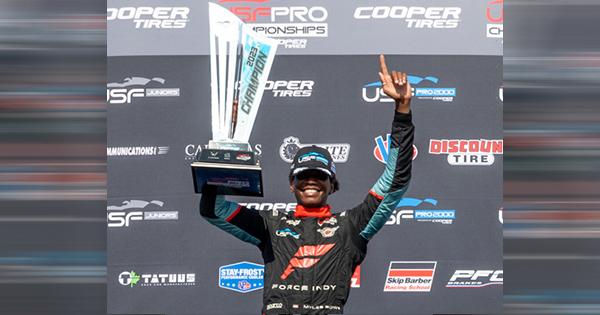
On Sept. 2, 2023, Myles Rowe, #99 Pabst Racing with Force Indy, became the first Black driver to win an INDYCAR-sanctioned championship. After starting the final race with a 64-point series lead, 23-year-old Rowe clinched the 2023 Cooper Tires USF PRO 2000 title at the Portland International Raceway in Portland, Oregon. With this USF Pro 2000 championship, Rowe will advance to the INDY NXT by Firestone series in 2024.
In the 2023 USF Pro 2000 series, Rowe accumulated more wins (five), pole positions (four), fastest laps (three), and podium finishes (seven) than any of his rivals. During last year’s USF 2000 Series Championship, Rowe placed runner-up, finishing within six points of the winner. Since age four, Atlanta native Myles Rowe has been fascinated with all things racing. He’s a past 2018 Lucas Oil Formula Car Race Series winner.
“This year was a test to see what I’ve got,” said Myles Rowe. “And luckily, I was able to pull it off.”
On Dec. 3, 2020, Black Indianapolis business leader and team co-owner Rod Reid and Roger Penske, the owner of the most successful racing organization in history, announced the formation of the USF2000 race team at the Indianapolis Motor Speedway, as part of the Race for Equality & Change diversity initiative. On Aug. 29, 2021, Rowe became the Black driver to win an INDYCAR-sanctioned race at New Jersey Motorsports Park in the Cooper Tires USF2000 Championship.
“When I first envisioned the Force Indy team, I saw it as a pipeline to create opportunities for black and brown talent. An opportunity to change the face of motorsports,” said Force Indy Team Principal and Co-owner Rod Reid. “I never imagined winning a championship nearly two years before we won our first race.”
Force Indy celebrates this historic moment by focusing on establishing a program that fuels opportunities for people of color – including drivers, crew members, and more – across the INDYCAR paddock. The goal for Force Indy is to open as many doors as possible for diverse representation and leadership in the motorsports world. Force Indy was founded as part of Penske Entertainment’s Race for Equality & Change initiative, launched in July 2020 to create fundamental change in the motorsports industry.
This championship win in the No. 99 continues Force Indy’s tribute to Dewey “Rajo Jack” Gatson, the Black racer denied entry in the Indy 500 in the 1930s and 40s. Rowe drove the red rear-winged USFPro2000 car to victory in honor of the Red-Tailed 99th Squadron of the Tuskegee Airmen.
Nick Cannon’s Belief In Himself Led To A Billion-Dollar Pay Off
In Its 22nd Season, ‘Wild'n-Out’ still launches the careers of a countless number of young, talented African Americans.
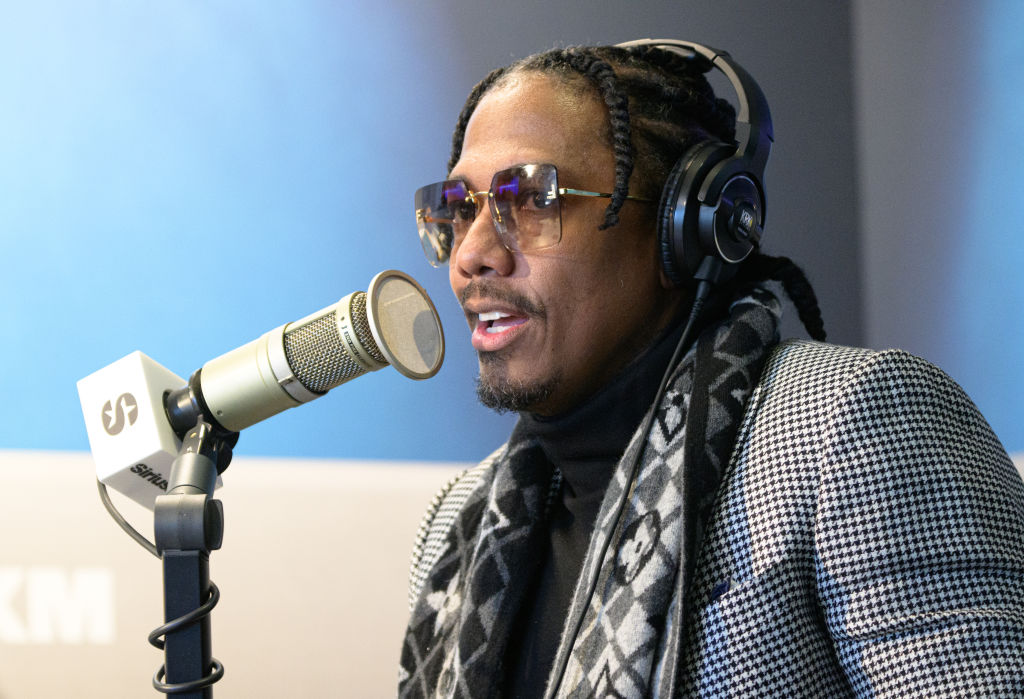
Forty-five-year-old Nick Cannon is an actor, producer, artist, entrepreneur, and comedian who understands the concept of ownership, and he’s redefining success in show business. Known for hosting a series of successful prime-time television shows including America’s Got Talent, The Masked Singer, and Lip Sync Battle Shorties, he’s best known for creating, producing, and hosting the fun-filled, freestyle comedy sketch and rap-battling game show Wild’n-Out. First airing in 2005 on MTV, his version of an improv, variety talent show currently airs on VH1 and is in its 22nd season.
But as fascinating as his show is with its celebrity guests, it doesn’t compare to his journey to create it. Cannon sat down with BLACK ENTERPRISE to explain how it all started, from his belief in himself to taking a huge financial risk to make his vision happen — even when others around him didn’t see it. Taking that risk paid off big time.
As we approach the 10th anniversary of the XCEL Summit for Men, BE reminds young entrepreneurs and professionals about the importance of taking risks and chances on yourself, even when others don’t believe in you. Big payoffs come only when you’re willing to take big risks. Click on the video below and hear Cannon’s strategy for creating one of the highest-rated television shows in hip-hop history. He just might motivate you to do something huge, too.